
Blog
-
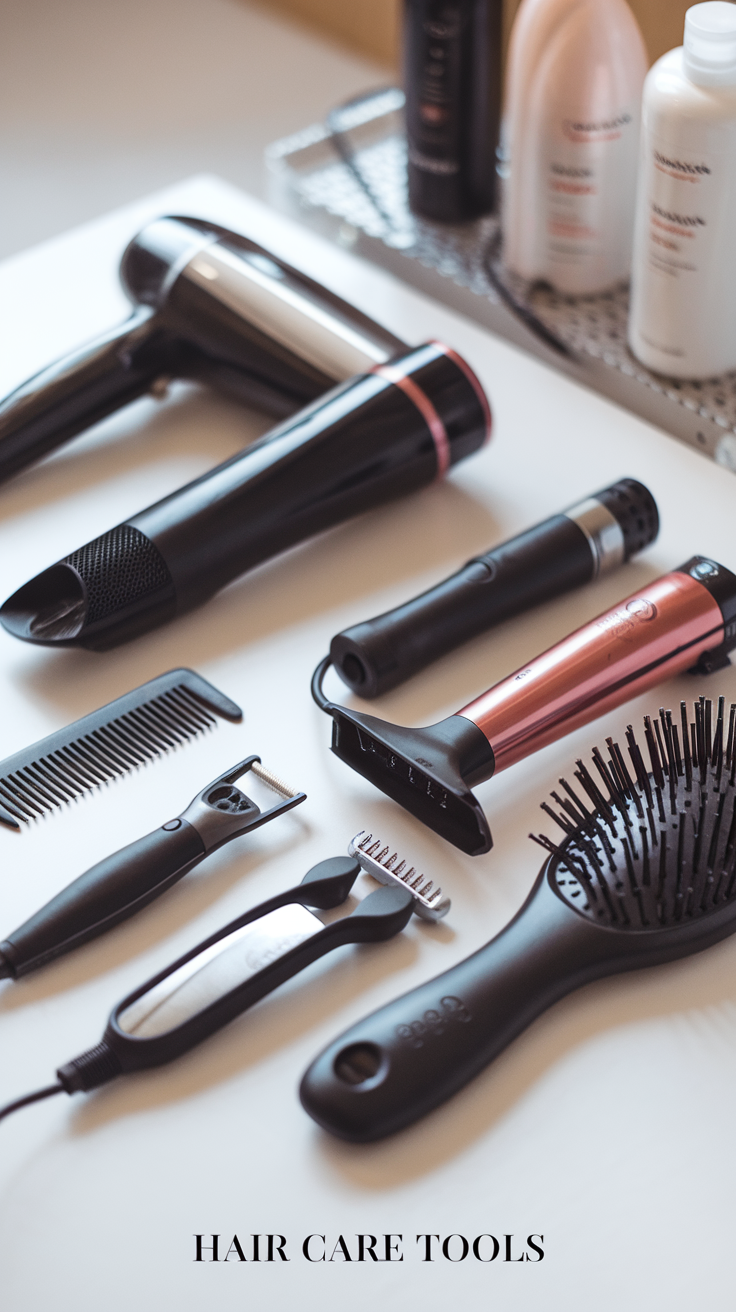
The Ultimate Guide to Hair Care Tools: Everything You Need to Know
Hair care tools are the foundation of any effective hair routine. From maintaining healthy strands to achieving specific styles, the right tools can transform how you care for your hair. On the flip side, using improper or low-quality tools can lead to damage, frustration, and wasted time. Types of Hair Care Tools and How to Use Them Hair Dryers Hair dryers are essential for fast drying and versatile styling. What to Look For: Adjustable heat settings for various hair types. Ionic technology to reduce frizz. Attachments like diffusers (for curls) and concentrators (for smooth styles). Key Features of Hair Dryers Feature Purpose Suitable For Adjustable Heat Prevents heat damage All hair types Ionic Technology Reduces frizz and enhances shine Frizzy or wavy hair Diffuser Defines natural curls or waves Curly hair Concentrator Directs airflow for…
Read More » -
How to Use a Hair Mask for Maximum Benefits
Every hair enthusiast knows the struggle of maintaining healthy, shiny locks. On my own journey to healthier hair, I discovered the transformative power of hair masks. They can take your hair from dry and damaged to smooth and hydrated—if used correctly. Let’s dive into how to use a hair mask effectively and ensure you get the best results every time. What Is a Hair Mask and Why Is It Essential? Hair masks are intensive treatments packed with rich nutrients that repair, hydrate, and restore hair. Unlike conditioners, which work on the hair’s surface, masks deeply penetrate the shaft, targeting specific problems. Key Benefits of Hair Masks: Benefit What It Does Intense Hydration Restores moisture to dry, brittle hair Damage Repair Mends split ends and strengthens strands Frizz Control Smooths cuticles for sleek, shiny hair Scalp…
Read More » -
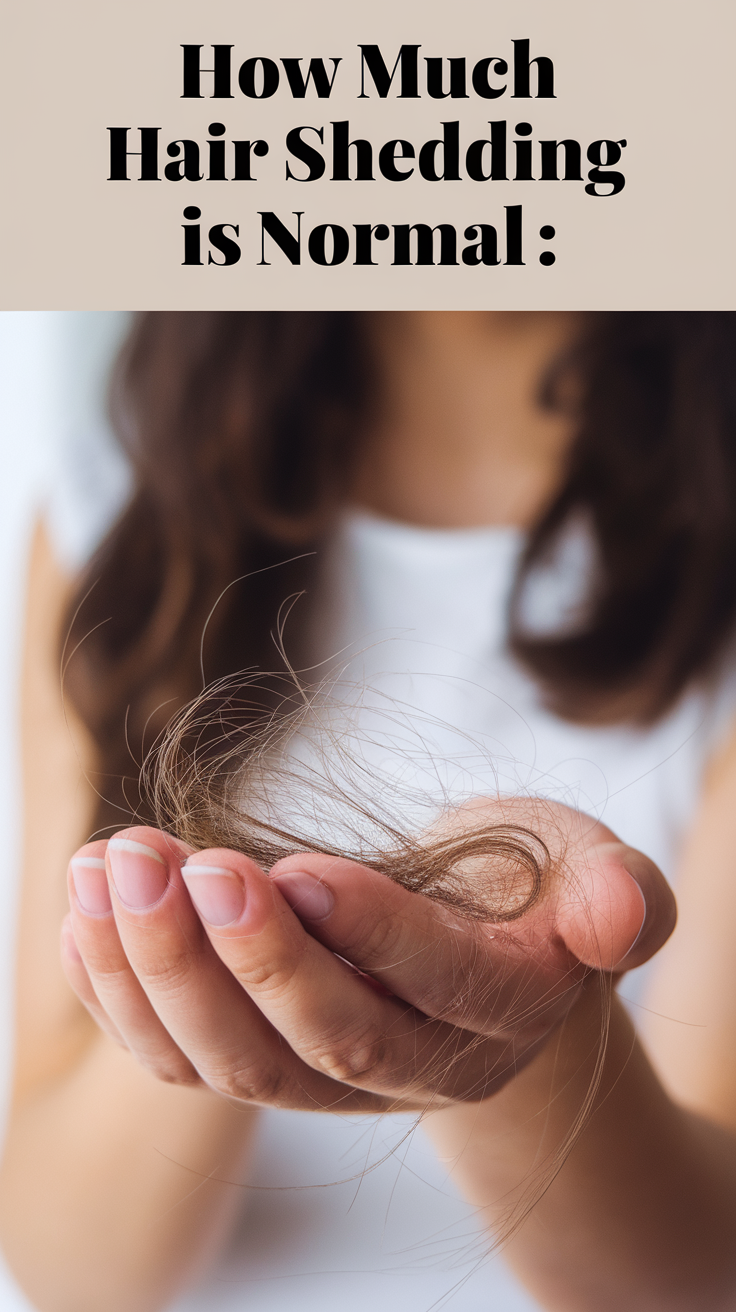
How Much Hair Shedding Is Normal?
Have you ever noticed strands of hair on your pillow or in the shower and felt a wave of worry? I’ve been there too, questioning if this is a normal part of life or the start of something more concerning. The truth is, shedding is part of your hair’s natural life cycle, but it’s crucial to recognize what’s normal and what might signal a problem. Let me share what I’ve learned, including practical advice on managing and reducing shedding. Understanding Hair Shedding Hair naturally grows, rests, and sheds through its life cycle. Losing 50 to 100 hairs daily is entirely normal. To understand why, let’s explore the three phases of the hair growth cycle: The Hair Growth Cycle Phase Description Duration Anagen Active growth phase where hair forms. 2–7 years Catagen Transitional phase where hair…
Read More » -
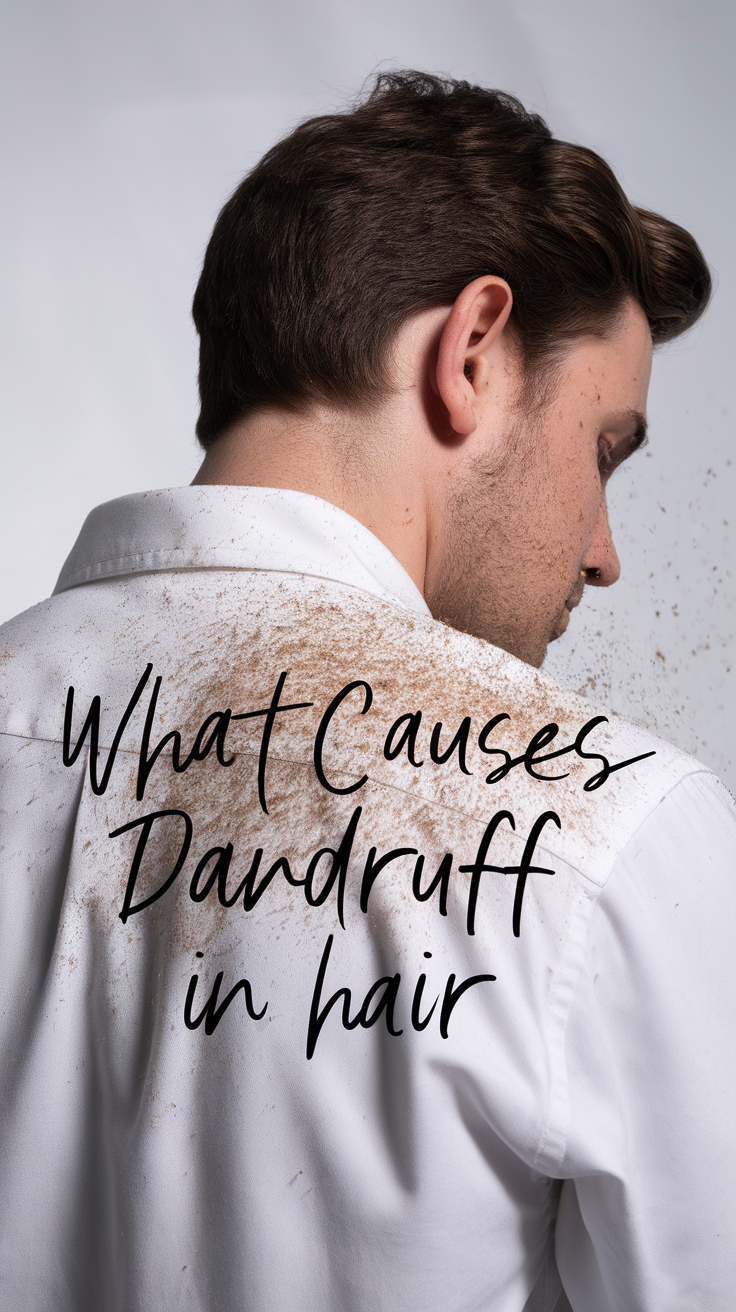
What Causes Dandruff in Hair
Have you ever noticed those annoying white flakes on your shoulders and wondered what’s causing them? Dandruff is a common condition, but it can feel overwhelming to deal with. On my journey to understanding scalp health, I’ve discovered the critical factors behind dandruff and how to manage it effectively. Let’s explore the reasons behind those flakes and find solutions that truly work. What Causes Dandruff? Overgrowth of Malassezia Dandruff often begins with an overgrowth of a naturally occurring fungus called Malassezia. While it’s harmless in small amounts, when it grows excessively, it feeds on scalp oils and releases byproducts that irritate the skin. This irritation increases skin cell turnover, resulting in flakes. Quick Reference Table: Causes of Malassezia Overgrowth Trigger Effect on Scalp Excess oil production Feeds fungal growth Humid weather Promotes fungal activity Poor…
Read More » -
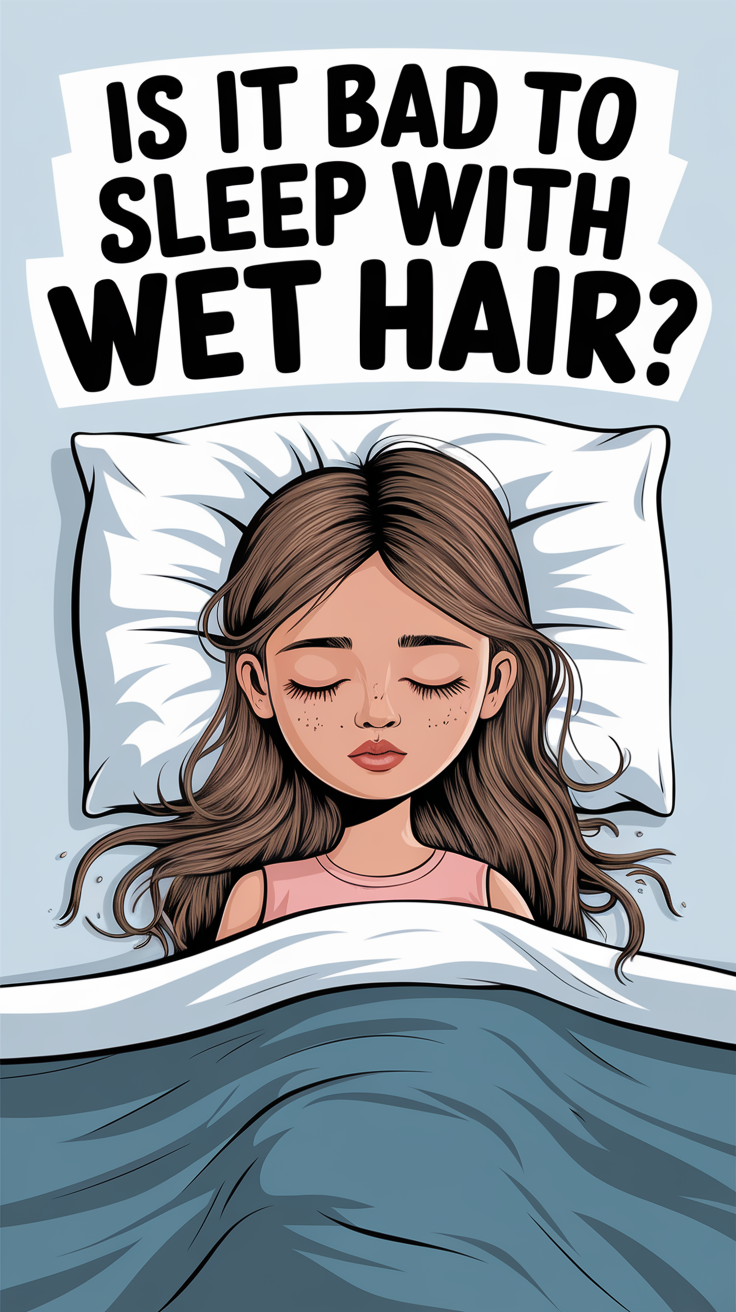
Is Sleeping with Wet Hair Bad?
When your hair is wet, its structure becomes more vulnerable. The outer protective layer, the cuticle, softens, exposing the inner layers to potential damage. Tossing and turning at night can cause friction against the pillow, leading to split ends, frizz, and breakage. Comparison of Wet vs. Dry Hair Durability Condition Wet Hair Dry Hair Elasticity High, prone to overstretching Moderate, less vulnerable Durability Fragile, breaks easily Stronger, resists breakage Friction Risk High with pillowcases Lower due to reduced friction Tips to Prevent Damage Towel Dry Gently: Use a microfiber towel to blot away moisture without tugging. Protective Products: Apply leave-in conditioners or serums to shield hair overnight. Silk Pillowcases: These reduce friction, preventing unnecessary stress on your strands. Impact on Scalp Health Risks of Sleeping with Wet Hair A damp scalp can become a breeding…
Read More » -
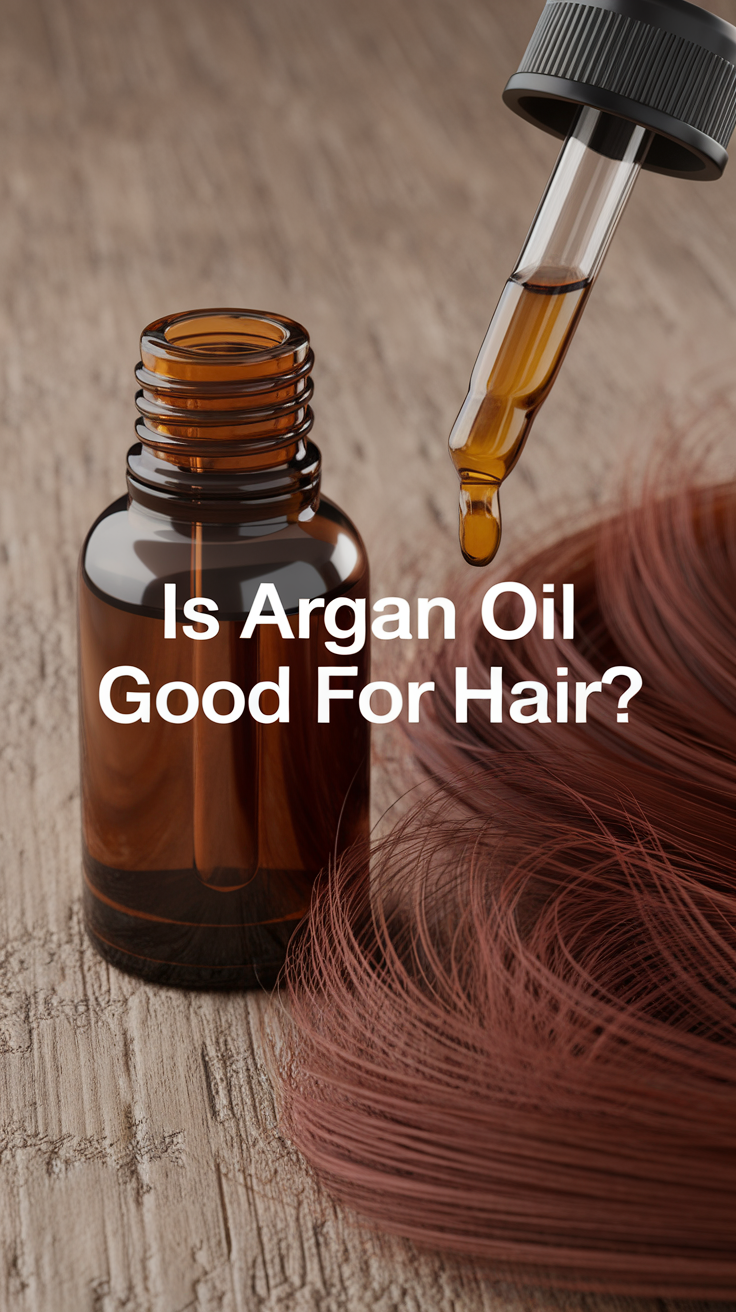
Is Argan Oil Good for Hair?
Argan oil has gained immense popularity in hair care, and for good reason. Derived from the kernels of the Moroccan argan tree, this oil is packed with nutrients that can transform your hair’s health and appearance. But is it truly effective for everyone? Let’s dive into the specifics of how argan oil works, who can benefit, and how to use it to achieve the best results. Why Argan Oil is Beneficial for Hair Argan oil is often called “liquid gold” because of its rich composition of nutrients that promote hair health. Here’s what makes it stand out: Nutrient Function Vitamin E Repairs damaged hair and protects against UV rays. Essential Fatty Acids Seal moisture in the hair shaft and reduce dryness. Antioxidants Combat oxidative stress and environmental damage. Phenols Strengthen hair follicles and promote growth.…
Read More » -
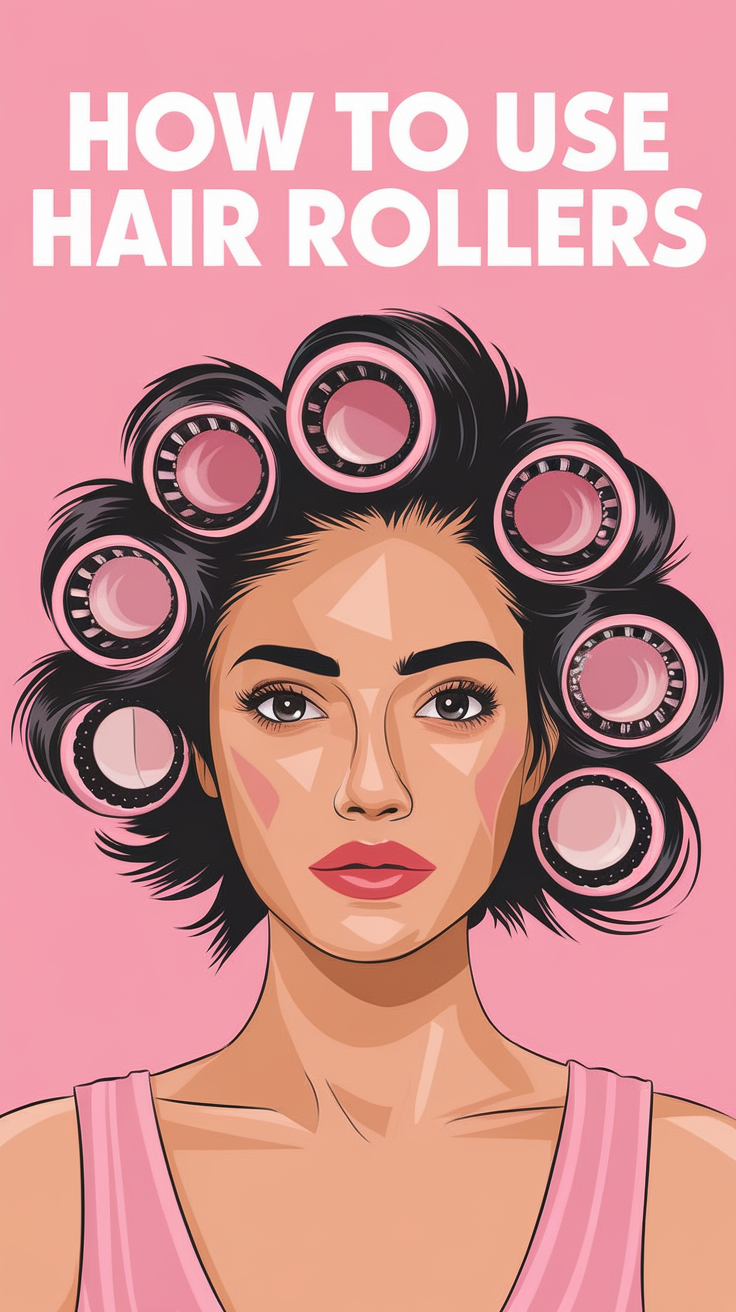
How to Use Hair Rollers: A Complete Guide for Beautiful Curls
Have you ever wanted to achieve effortless, salon-quality curls from the comfort of your home? Whether you’re a beginner or a seasoned hair enthusiast, mastering the use of hair rollers is a game-changer. In this guide, I’ll share everything I’ve learned about using hair rollers to create voluminous, long-lasting curls that suit every occasion. Let’s dive in and unleash the full potential of your hair! Understanding the Types of Hair Rollers Selecting the Best Roller for Your Hair Choosing the right hair roller depends on your hair type, length, and desired outcome. Here’s a handy table to help you decide: Roller Type Best For Results Velcro Rollers Fine to medium hair Soft, voluminous curls Hot Rollers All hair types Quick, shiny, and long-lasting curls Foam Rollers Heat-sensitive or fragile hair Comfortable overnight curls Magnetic Rollers…
Read More » -
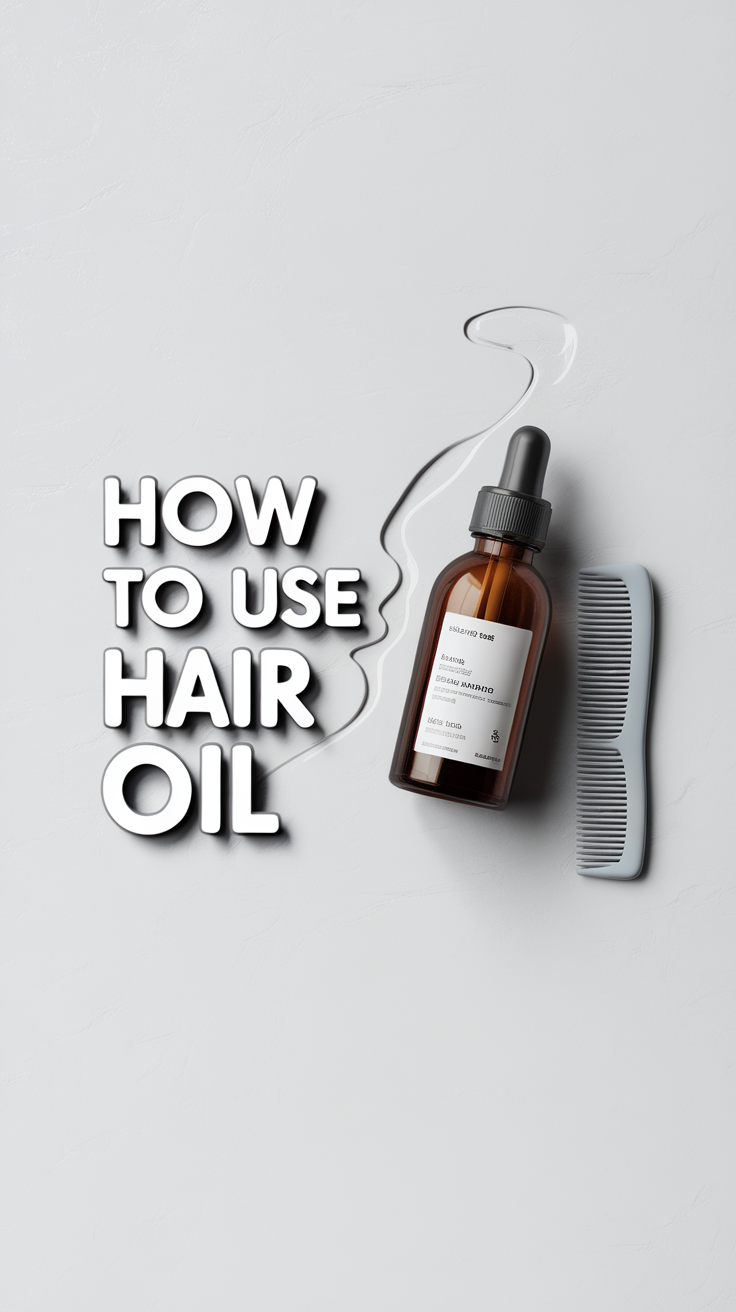
How to Use Hair Oil: A Comprehensive Guide
Hair oiling has been a part of beauty rituals for centuries, offering countless benefits for the scalp, hair health, and even mental relaxation. On my journey to improving hair health, I found that proper oiling techniques can make a dramatic difference in hair texture, growth, and overall appearance. Let me guide you through the steps and tips that have worked wonders for me and countless others. Benefits of Hair Oiling Hair oiling isn’t just about adding shine—it’s a holistic treatment that rejuvenates your scalp and hair from the inside out. Key Benefits of Hair Oiling Nourishes the Scalp: Improves blood circulation and strengthens hair follicles. Protects Against Damage: Reduces breakage and split ends. Enhances Texture and Shine: Adds softness and a glossy appearance. Reduces Hair Fall: Strengthens the roots, preventing hair loss. Helps With Specific…
Read More » -
How to Stop Hair Breakage: A Complete Guide to Healthy Hair
Hair breakage is a common but frustrating problem. Whether it’s due to heat, chemicals, or poor care, the result is the same: brittle strands and split ends. As someone who’s battled hair breakage, I understand the frustration. However, with patience and the right steps, it’s possible to restore your hair’s strength. Let me share with you what worked for me and what experts recommend to prevent hair breakage effectively. Understanding Hair Breakage Hair breakage occurs when strands become weak and snap due to external or internal factors. These include: Excessive heat styling Frequent chemical treatments Lack of moisture and nutrients Tight hairstyles Improper handling during brushing or washing Table 1: Common Causes of Hair Breakage and Solutions Cause Solution Heat styling Limit use, apply heat protectant Chemical treatments Space out treatments, focus on repair Lack…
Read More » -
How Long Do Hair Extensions Last? Everything You Need to Know
Hair extensions have become a popular choice for instantly transforming hairstyles, whether for added length, volume, or style. However, the burning question remains: how long do hair extensions last? In my experience, their durability depends on the type of extension, the quality of the hair, and, most importantly, how well you care for them. Let’s explore the different types of extensions, their lifespan, and practical tips for making them last as long as possible. Understanding Hair Extensions: Types and Longevity When it comes to hair extensions, not all are created equal. Different methods of application and materials influence how long they’ll look great. Type of Extension Key Features Lifespan Clip-In Easily removable, great for occasional use. 3–6 months (occasional use) Tape-In Attached with adhesive strips for semi-permanent wear. 4–8 weeks Sew-In (Weave) Sewn into braided…
Read More »