
Blog
-

What Type of Water Hurts Your Hair?
Have you ever felt like your haircare routine isn’t working, no matter how many high-end products you use? On my hair journey, I discovered a surprising culprit: the water we wash our hair with. It’s not just about the shampoo or conditioner—it’s the quality of the water. Different water types can significantly affect your hair’s texture, moisture, and health. In this guide, we’ll explore the types of water that harm your hair, how to identify the damage, and what you can do to protect your locks. Types of Water That Can Harm Your Hair Hard Water Hard water contains high concentrations of minerals, particularly calcium and magnesium. These minerals cling to your hair, creating buildup over time. Effects on Hair: Dries out the hair shaft, making it brittle. Causes dullness by blocking light reflection. Leads…
Read More » -

Is Dry Shampoo Bad for Your Hair?
Dry shampoo has become a lifesaver for busy mornings and those in-between wash days. It’s a quick and convenient way to freshen up your hair, add volume, and even extend the life of your styling. But many people wonder, is dry shampoo bad for your hair? Can overusing it cause more harm than good? From my experience, dry shampoo is a fantastic tool—when used correctly. However, over time, I realized that relying on it too much started causing subtle but noticeable issues. Let’s take an honest look at the pros, cons, and best practices to ensure healthy, beautiful hair. A Quick Overview of Dry Shampoo Dry shampoo is a waterless hair product designed to absorb excess oil and make your hair look cleaner. It comes in aerosol sprays or powders and contains oil-absorbing ingredients like…
Read More » -

Why Is My Hair So Frizzy?
Frizzy hair can be a constant struggle, leaving you wondering why your locks won’t stay smooth and sleek. Whether it’s caused by humidity, dryness, or damage, understanding the reasons behind frizz is the first step to taming it. In this guide, I’ll share everything I’ve learned about what causes frizz and how to manage it effectively, so you can enjoy smoother, healthier hair every day. Understanding the Causes of Frizz Frizzy hair can be incredibly frustrating, but understanding what causes it is the first step to managing it. I’ve dealt with this problem myself, and trust me, identifying the root causes changed everything for me! Let’s break it down: Lack of Moisture Your hair gets frizzy when it’s dry and desperately seeking moisture from the air. Factors like overwashing, harsh shampoos, or skipping conditioners can…
Read More » -

Why Does My Hair Get Greasy So Fast?
Have you ever noticed your hair feeling greasy just hours after washing it? It’s frustrating, isn’t it? As someone who’s experienced this firsthand, I know how disheartening it can be to deal with hair that never seems fresh. But don’t worry! Understanding the reasons behind greasy hair and learning practical strategies can make a world of difference. Let’s unravel the mystery and find a solution that works for you. Understanding the Causes of Greasy Hair To tackle greasy hair, you need to understand why it happens in the first place. There are several factors to consider: Overactive Sebaceous Glands Sebaceous glands on the scalp produce sebum, a natural oil meant to protect and hydrate your hair. However, these glands can sometimes go into overdrive. Impact: Excess oil production results in greasy-looking hair. Solution: Opt for…
Read More » -

How to Get Rid of Frizzy Hair: A Complete Guide
Frizzy hair can be a constant struggle, leaving your locks looking unruly and difficult to manage. Whether it’s caused by humidity, dryness, or hair damage, frizz can feel like a never-ending battle. But don’t worry—achieving smooth, sleek hair is entirely possible with the right techniques and products. In this guide, I’ll share practical solutions, natural remedies, and professional tips to help you finally tame the frizz and enjoy healthy, manageable hair every day. What Causes Frizzy Hair? Frizz happens when your hair’s outer cuticle layer becomes rough and moisture escapes, or when external humidity enters. Common causes include: Causes of Frizz Description High Hair Porosity Hair absorbs excess moisture, leading to swelling and frizz. Humidity Environmental moisture disrupts the hair shaft structure. Heat Damage Overuse of styling tools weakens and dries out hair. Harsh Products…
Read More » -

Does Stress Cause Hair Loss?
Stress can leave its mark on our bodies in many ways, including on our hair. I’ve seen firsthand how overwhelming life’s challenges can lead to unexpected hair loss. Understanding this connection is vital not only for your confidence but also for your overall health. The Relationship Between Stress and Hair Loss Stress doesn’t just affect your mood; it can interfere with the natural growth cycle of your hair. Each hair follicle goes through three phases: Phase Description Anagen (Growth) The active growing phase lasting 2–7 years. Catagen (Transition) A brief phase where growth stops and the follicle prepares to shed hair. Telogen (Rest) The resting phase where old hair is shed, making way for new growth. When stress disrupts these phases, it often results in one of the following: Types of Stress-Induced Hair Loss Telogen…
Read More » -

Is Castor Oil Good for Hair? Comprehensive Guide to Its Benefits and Uses
Have you ever wondered if castor oil is the ultimate secret to luscious, healthy hair? I’ve often explored various remedies to tackle hair challenges, and castor oil has been a constant recommendation. Packed with unique nutrients, this natural solution promises hair growth, hydration, and strength. But does it live up to the hype? Let’s dive deep and uncover the truth about castor oil for hair care. What Makes Castor Oil Special? Castor oil is extracted from the seeds of the castor plant (Ricinus communis). Unlike other oils, its rich concentration of ricinoleic acid, a monounsaturated fatty acid, sets it apart. This acid gives castor oil anti-inflammatory, antimicrobial, and deeply hydrating properties that make it a go-to choice for hair care enthusiasts. Benefits of Castor Oil for Hair Boosts Hair Growth Naturally Castor oil stimulates blood…
Read More » -

What Causes Gray Hair?
Gray hair has always been a symbol of wisdom, maturity, or simply the passage of time. However, spotting those first silver strands can evoke mixed emotions—curiosity, pride, or even concern. I’ve delved deep into this topic, and it’s fascinating how diverse the factors behind gray hair truly are. From genetics to lifestyle, there’s more to it than meets the eye. Let me walk you through everything you need to know about what causes gray hair and what you can do about it. Causes of Gray Hair Aging and Genetics Aging is the most significant and inevitable factor behind gray hair. Our hair follicles contain melanocytes, cells that produce melanin—the pigment responsible for hair color. Over time, these cells slow down and eventually stop producing melanin, resulting in gray or white hair. Table: Key Genetic and…
Read More » -
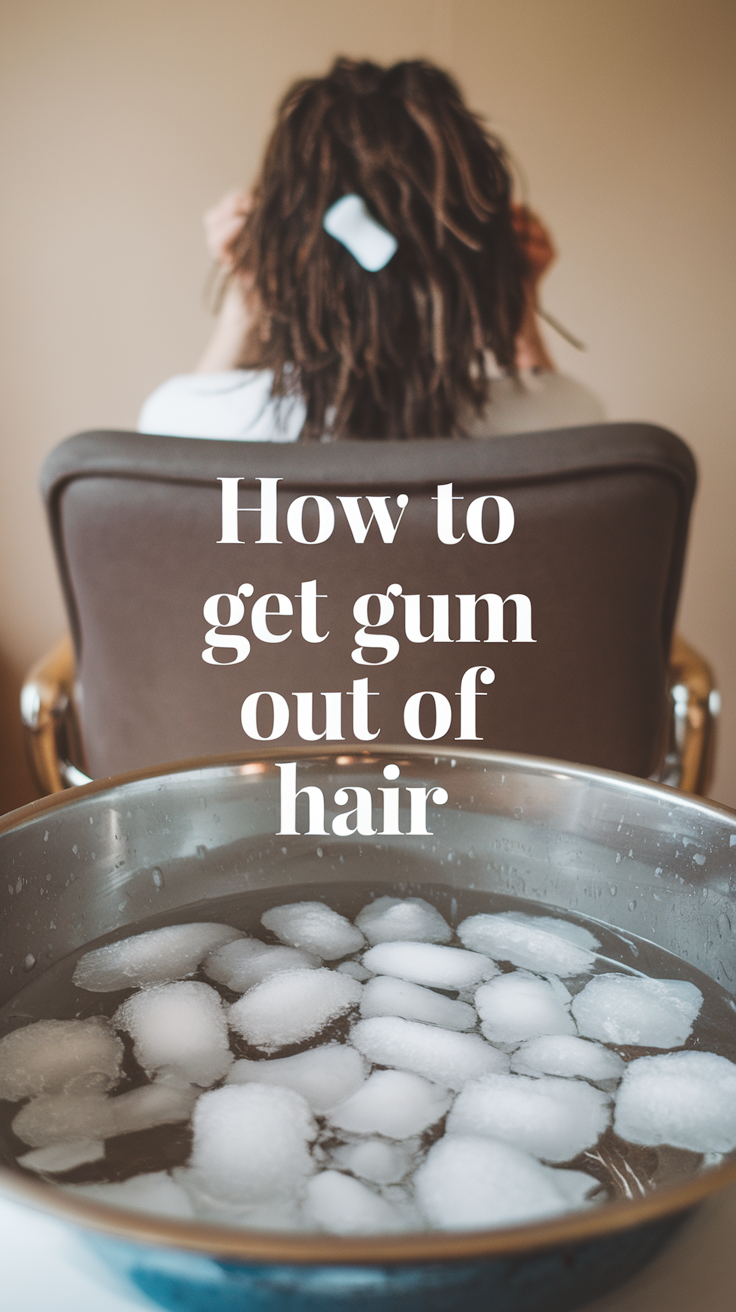
How to Get Gum Out of Hair
Let’s be honest—finding gum in your hair can feel like a catastrophe. But don’t worry! I’ve been there, and removing gum from hair doesn’t have to mean scissors or a trip to the salon. With the right approach and tools, you can tackle this sticky issue quickly and safely. Let me walk you through effective methods, tips for specific hair types, and even a few surprising tricks to help you save your locks. Why Gum Sticks to Hair Chewing gum is made of synthetic rubbers and resins, which give it an incredibly sticky texture. When gum comes into contact with hair, the natural oils in hair create an even stronger bond. Understanding this helps us choose remedies that either dissolve or weaken the gum for easy removal. Effective Ways to Remove Gum from Hair Here’s…
Read More » -

Which Vitamin Deficiency Causes Hair Loss?
Hair loss affects millions of people worldwide, and while genetics and lifestyle often play a role, nutritional deficiencies can be a major culprit. I’ve personally experienced how diet and supplements can impact hair health, and I know how confusing it can be to navigate the world of vitamins. In this article, I’ll share a detailed guide on which deficiencies lead to hair loss, how to address them, and tips for restoring hair vitality. How Vitamin Deficiencies Affect Hair Health The Role of Vitamins in Hair Growth Vitamins nourish hair follicles, regulate scalp health, and support the hair growth cycle. When these nutrients are lacking, hair becomes brittle, weak, and prone to shedding. Key Vitamins Linked to Hair Loss Vitamin D Vitamin D stimulates new hair follicles, aiding in hair regeneration. Its deficiency is linked to…
Read More »