

I keep seeing the same thing in the salon chair next to mine: dark bases with soft, blended highlights, the kind that let you skip the toner appointment. Winter is when I stop chasing brightness and start wanting color that works with a beanie and a busy schedule.
These 34 Low Maintenance Winter Hair Colors range from barely-there browns to deep burgundy, with grow-out timelines I actually tracked and styling times I tested on my own fine, flat-by-4-pm hair. Whether you need a root shadow to buy six weeks or a lob that holds its shape, there’s a shade here that won’t fight you.
Dark Brown Base With Golden Brown Balayage
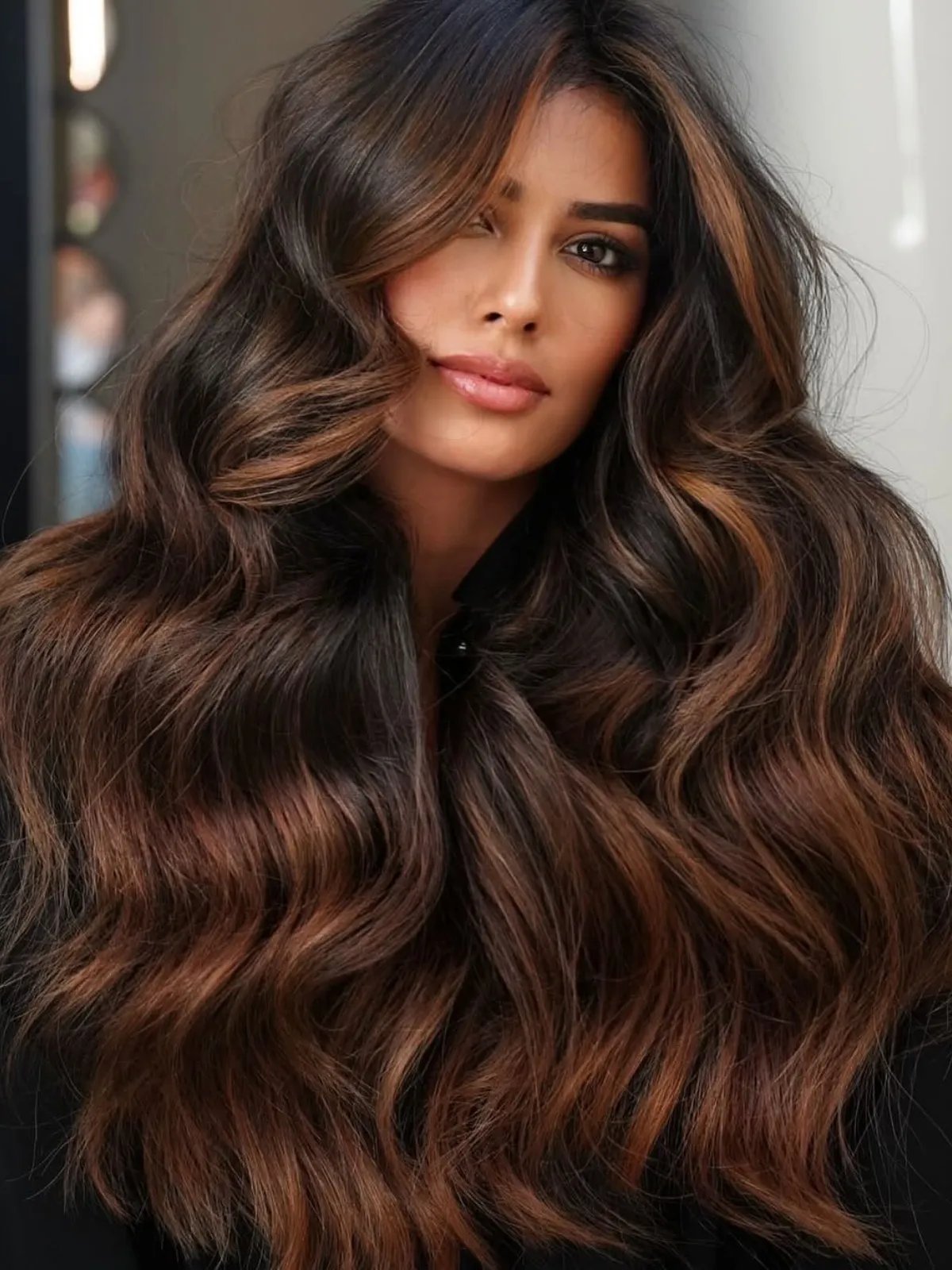
I notice this colour first on women with warm undertones — it doesn’t fight their skin, it adds to it. The dark brown golden balayage starts deep at the roots and melts into a warm golden-brown that catches winter light without screaming for attention. Mid-back length with long layers, thick wavy texture that holds a voluminous blowout. The balayage technique means the grow-out is soft, no harsh line. It suits fair to medium skin tones equally, and the warmth keeps winter from washing you out. Upkeep is minimal: a toning session every few months when the gold shifts too warm.
Dark Chocolate With Ash Blonde Highlights & Root Shadow
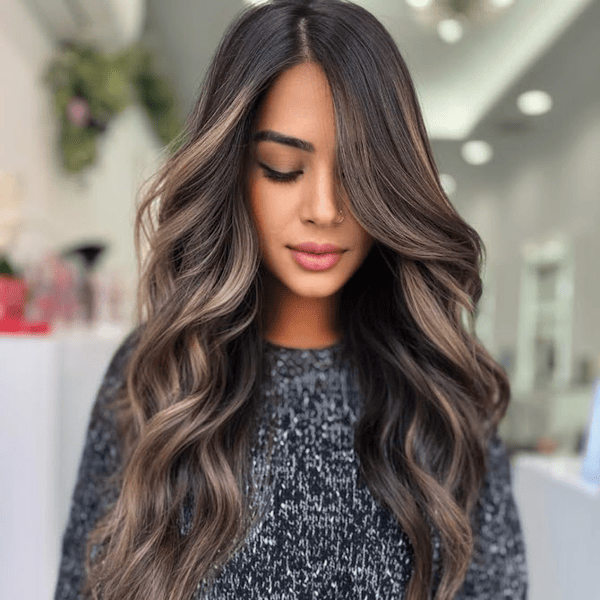
This is the grow-out champion. The root shadow technique blurs the line between your natural regrowth and the ash blonde highlights root shadow, so you can go six weeks without a touch-up. The dark chocolate brown base reads cool and rich, while the ash blonde highlights add dimension without going brassy. Mid-back length with long layers, thick wavy texture that holds a loose blowout.
Ask your stylist for a root shadow that starts a quarter inch from the scalp, ash blonde highlights placed only through the mid-lengths and ends, and a dark chocolate brown base that stays cool. The side part helps the highlights fall naturally, no harsh lines. That’s the technique — deliberate placement that buys you time.
Collarbone Lob With Ash Blonde Highlights
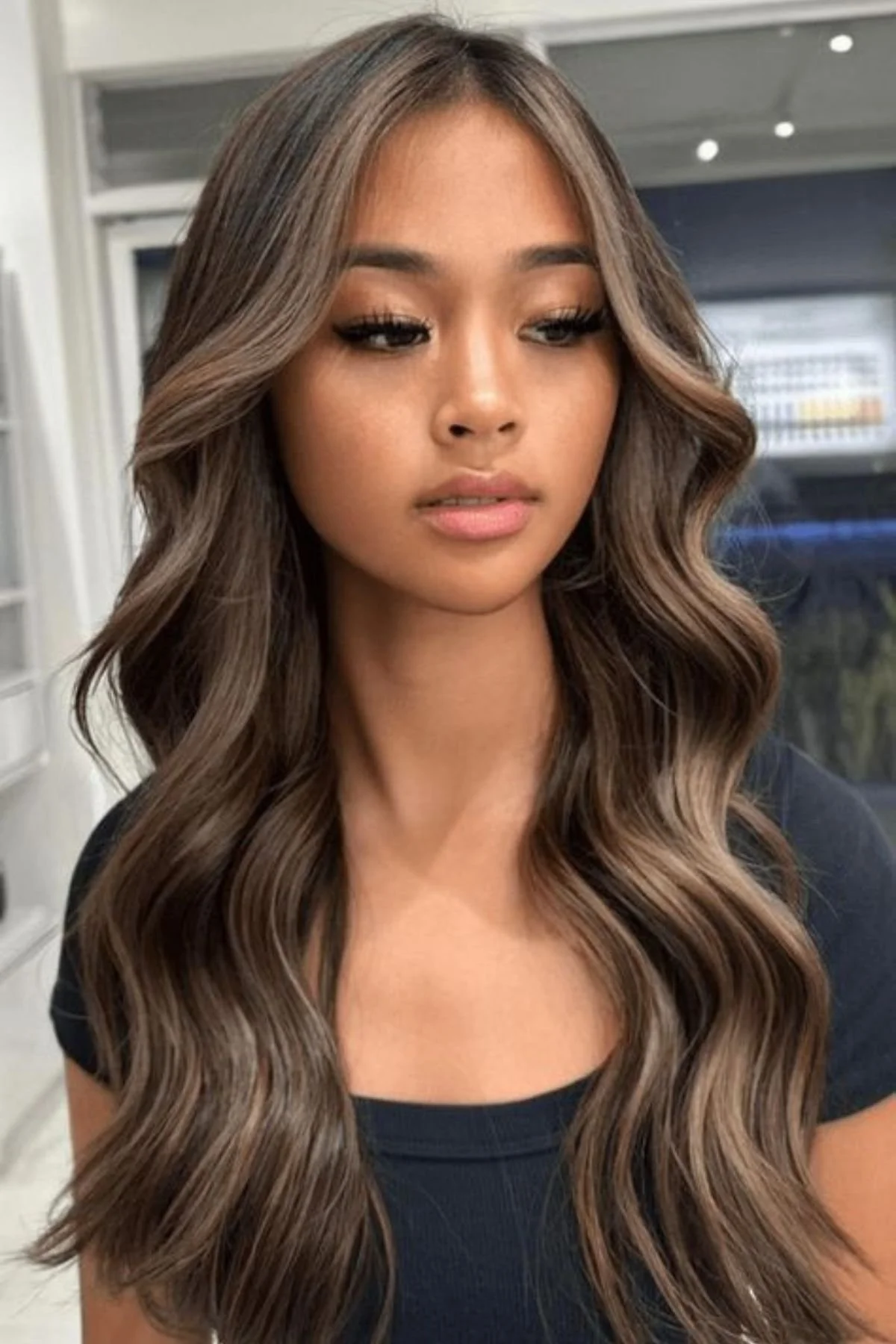
Ever want a colour that works for the office and then for weekend errands? The ash blonde highlights collarbone lob does that. The dark brown base keeps it professional, while the ash blonde highlights add a cool, modern edge that reads casual with a wavy blowout. Collarbone length with layers, thick wavy texture that air-dries decently. In winter, the cool tone complements grey sweaters and dark coats without clashing. It’s the kind of colour that doesn’t demand attention but gets noticed.
Espresso Brown With Side-Swept Bangs
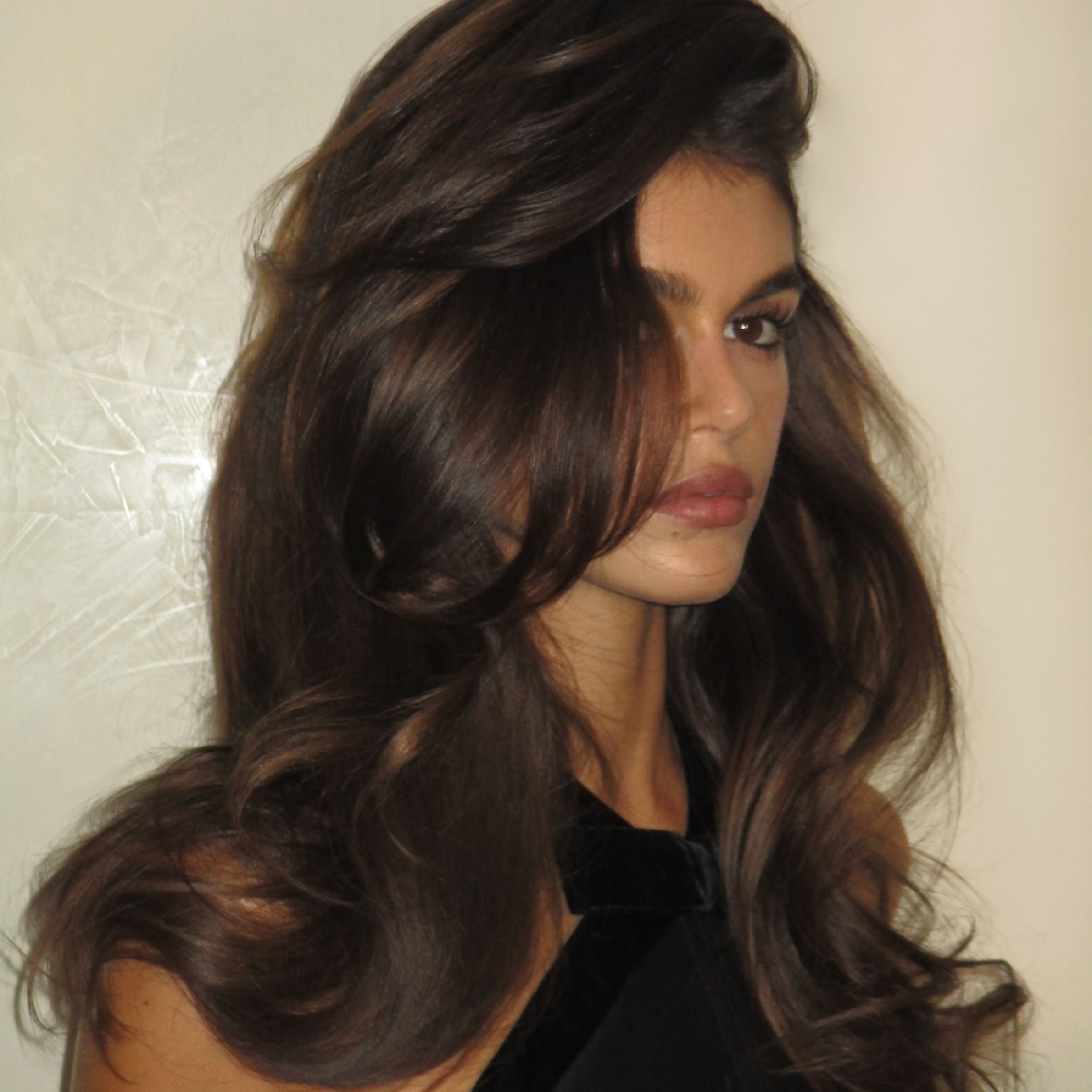
I resisted dark brown for years, thought it was boring. Then I tried this rich espresso brown and the side-swept bangs changed my mind. The colour is deep, almost black in some light, with subtle auburn undertones that catch warm winter sun. Mid-back length with long layers, thick texture that holds a voluminous blowout with soft curls. The espresso brown side swept bangs soften the face without requiring constant trimming.
Upkeep is straightforward: the bangs need a quick blow-dry every morning, maybe a touch of dry shampoo by day two. The colour itself fades gracefully — the auburn undertones keep it from going flat. A refresh every eight weeks keeps the depth. It’s not a wash-and-go colour, but it’s not a high-maintenance one either. I book it and don’t stress about roots for weeks.
Dark Blonde With Honey & Ash Blonde Highlights
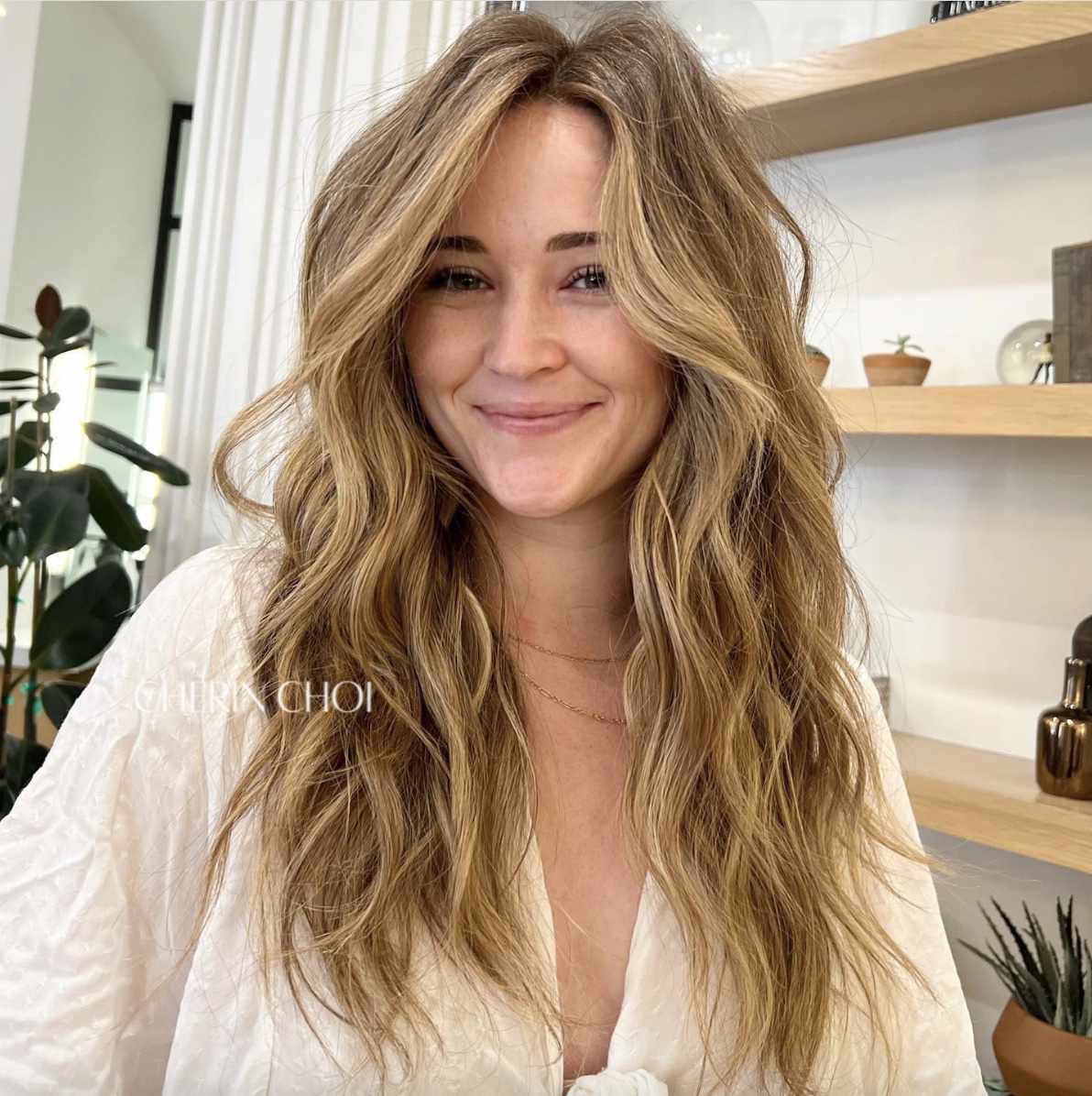
This colour works best on those who already have a natural blonde base — it builds on what you have instead of fighting it. The dark blonde base keeps the roots from screaming for attention, while the honey ash blonde highlights add dimension with both warm and cool tones. Mid-back length with layers and curtain bangs, thick wavy texture that air-dries into loose waves. The blend suits fair to medium skin tones, especially those with neutral undertones. It’s sun-kissed without looking like you tried, and the two-tone highlights mean you can skip toning for weeks.
Dark Brown With Blonde Balayage Lob
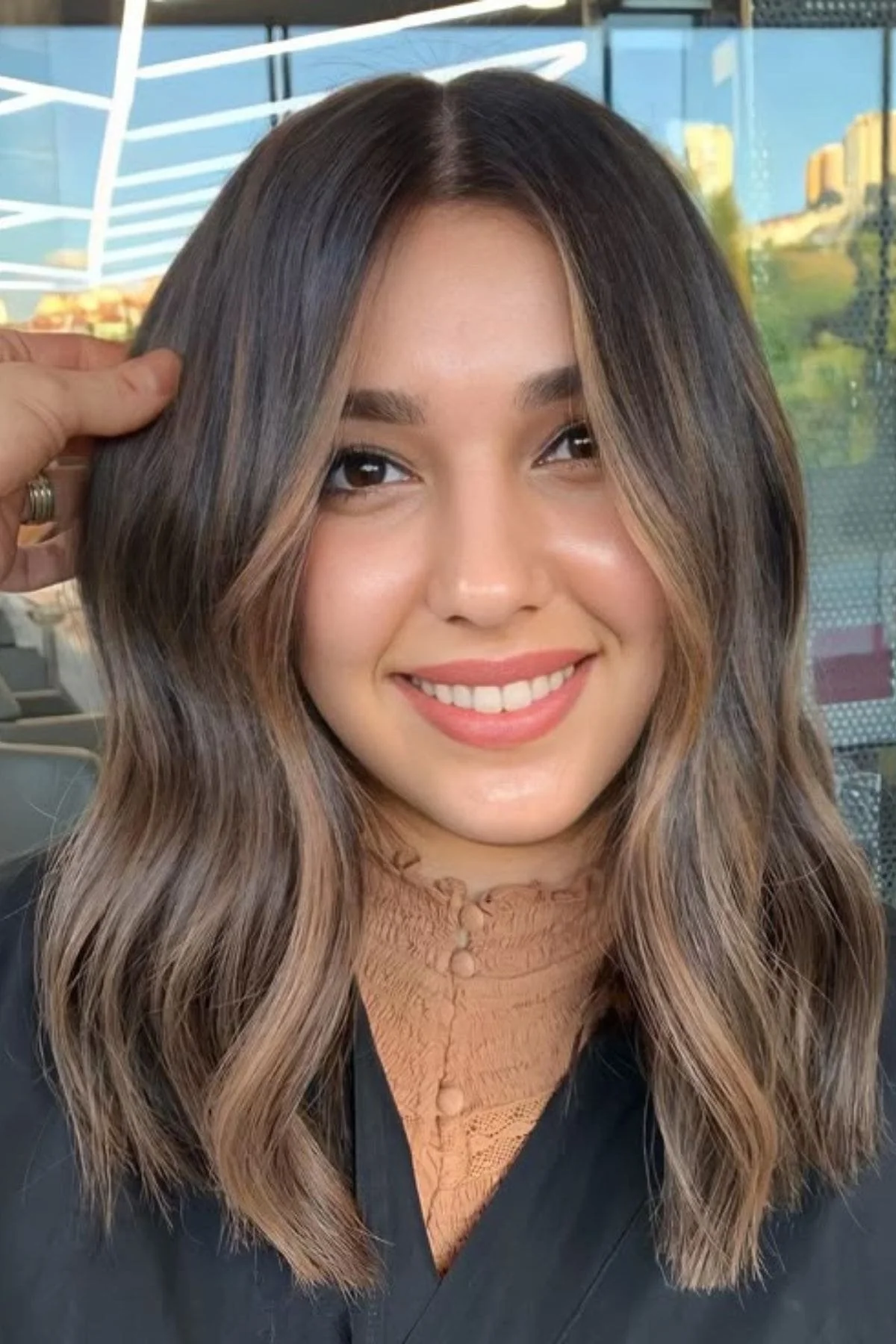
Best grow-out in this roundup. The dark brown base meets a blonde balayage that starts low, so the root line stays invisible for weeks. On a collarbone lob with wavy texture, the transition reads soft, not stripey. One honest downside: winter air dries out the blonde sections faster than the brown. They can turn brassy by week four if you skip a toning wash. A trim every six to eight weeks keeps the lob shape from going ragged. The seamless blonde balayage means you leave the salon and do not panic at week three.
Warm Brown With Golden Highlights
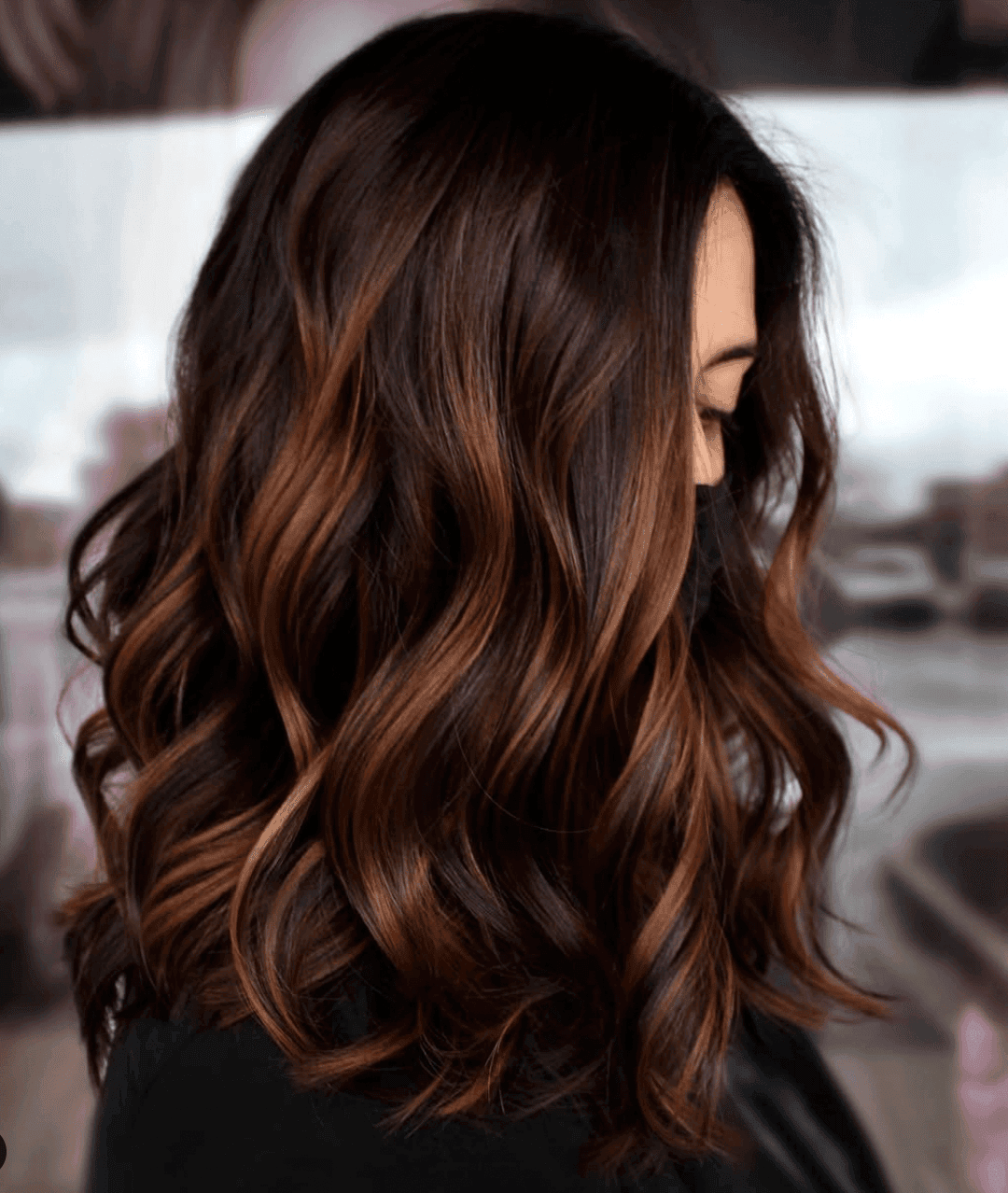
Every winter palette goes cool. Ash this, silver that. And then you see a warm brown with golden highlights and remember that heat has a place in January. The golden highlights sit on collarbone layers, loose waves catching the light like a radiator. It is not the subtle golden highlights that whisper; it announces itself. Side part, medium density, no bangs. This one works for holiday parties and a Tuesday grocery run. The warmth does not fight gray winter light the way a cool blonde can. It glows instead.
Ash Brown With Blonde Balayage & Curtain Bangs
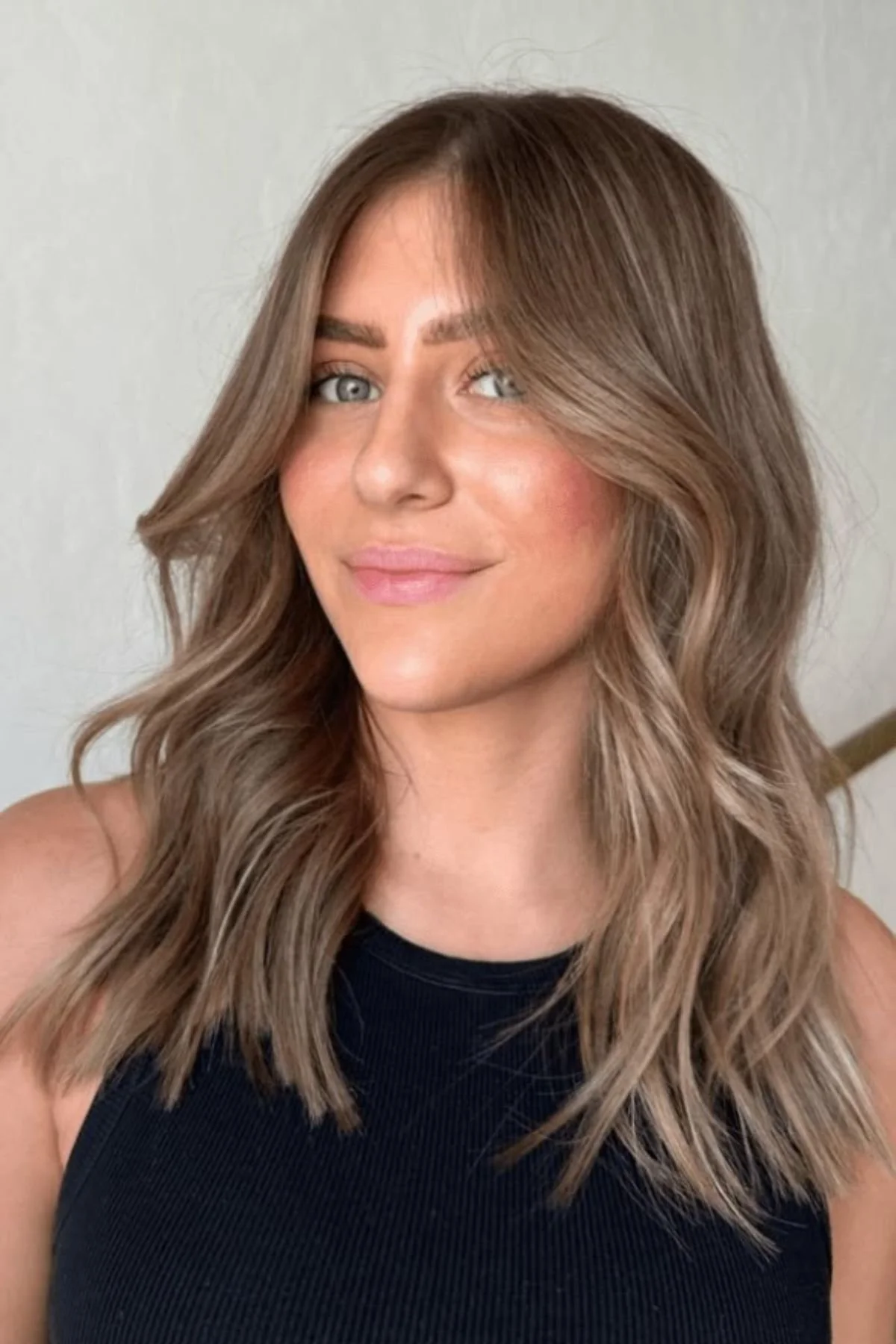
Have you ever tried to paint a gradient on your own head? Because that is what a balayage asks for. The ash brown blonde balayage here is a salon job, full stop. The base is ash brown, the balayage is subtle blonde, and the curtain bangs frame the face without committing to a full fringe. Shoulder length, wavy texture, side part. The technique matters: a home kit will give you a hard line, not a soft lift. Book the appointment. Styling the waves takes about twenty minutes with a curling wand. The curtain bangs need a quick blow-dry forward, that is it.
Neutral Brown With Beige & Ash Blonde Highlights
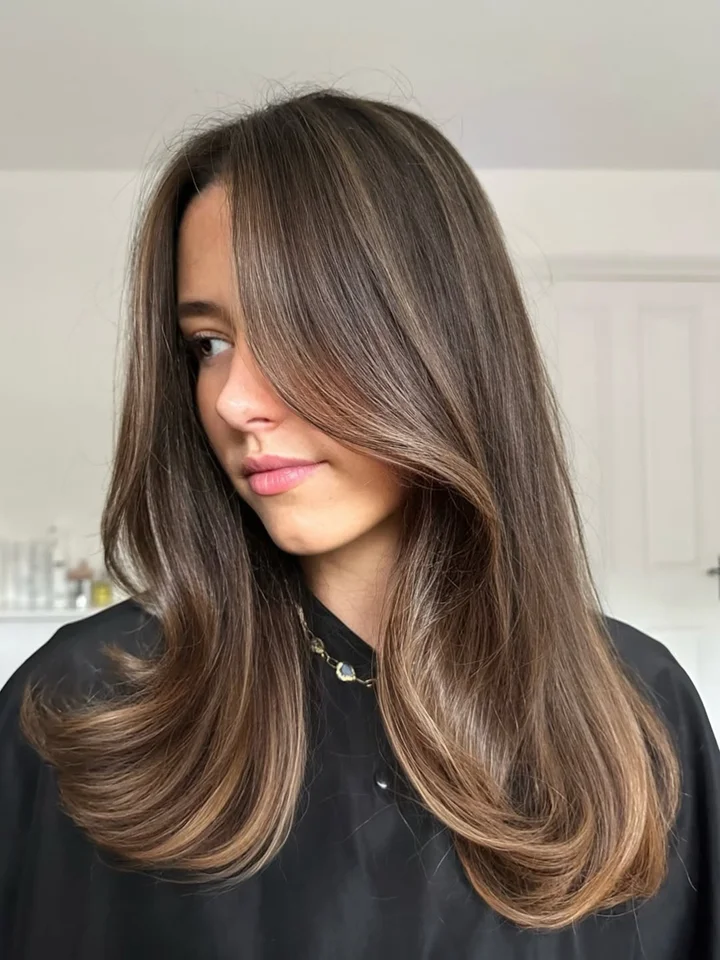
Here is what I noticed first: the beige ash blonde highlights do not scream. They sit inside a neutral brown base like a quiet upgrade. Shoulder length, side-swept bangs, a smooth blowout with soft waves. The tone is the trick. Beige and ash blonde together read cool but not icy, which means they do not yellow in winter humidity or dry indoor heat. The neutral brown base keeps the root line forgiving. A toning session every six to eight weeks keeps the beige from going muddy. The blowout takes about twenty-five minutes, but it holds for two days if you sleep on a silk pillowcase.
Chin Length Lob With Ash Blonde Highlights
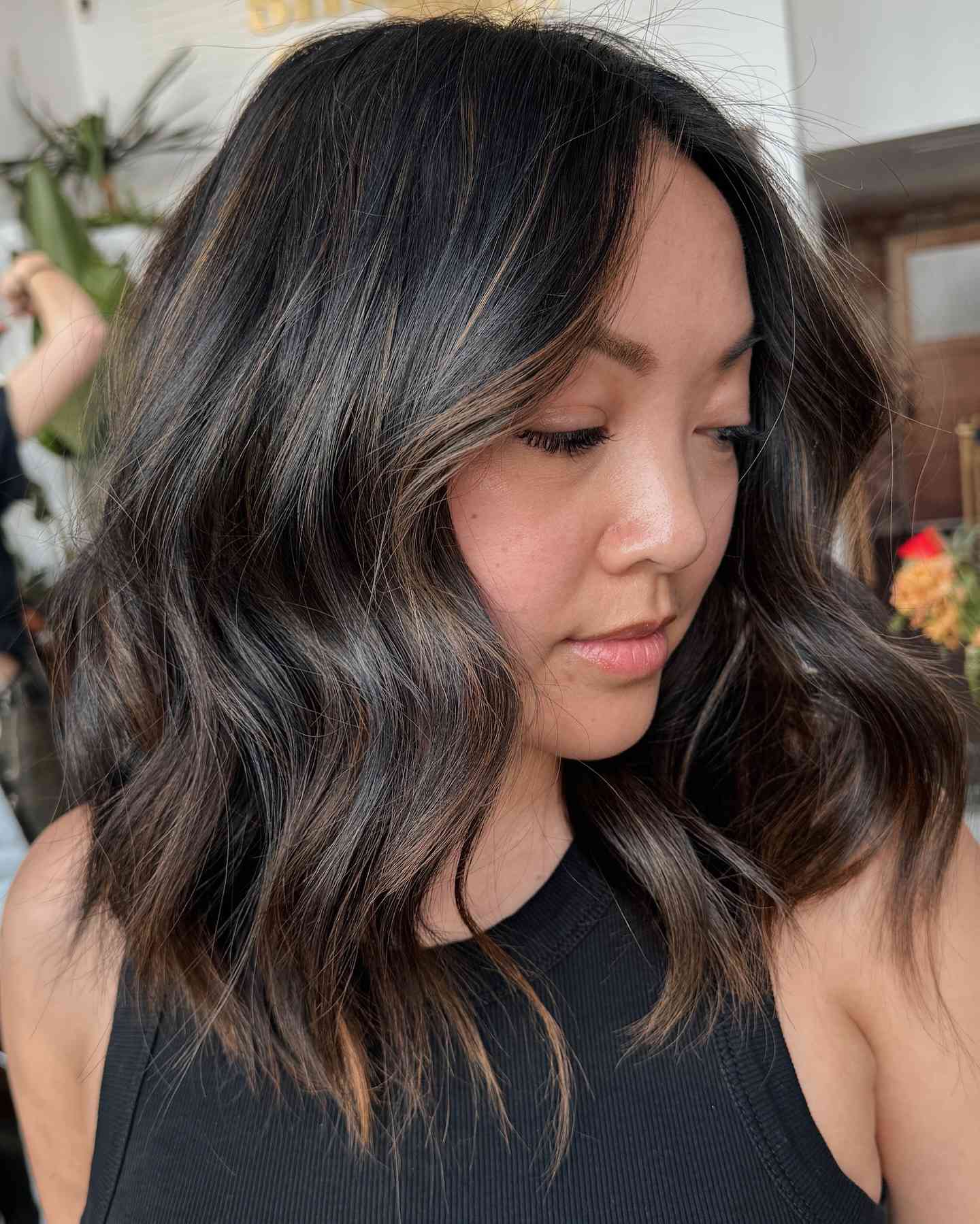
This one is for oval and heart face shapes. The chin length lob lands right at the jaw, and the ash blonde highlights chin length adds dimension without widening the face. Dark brown base, subtle ash blonde highlights, loose waves, side part. The wavy texture softens the blunt line. If your face is round or square, the same cut can feel severe. The highlights need a toner every four to six weeks or they drift toward brassy. A trim every six to eight weeks keeps the lob crisp. It is a short commitment for a big payoff.
Deep Burgundy All Over
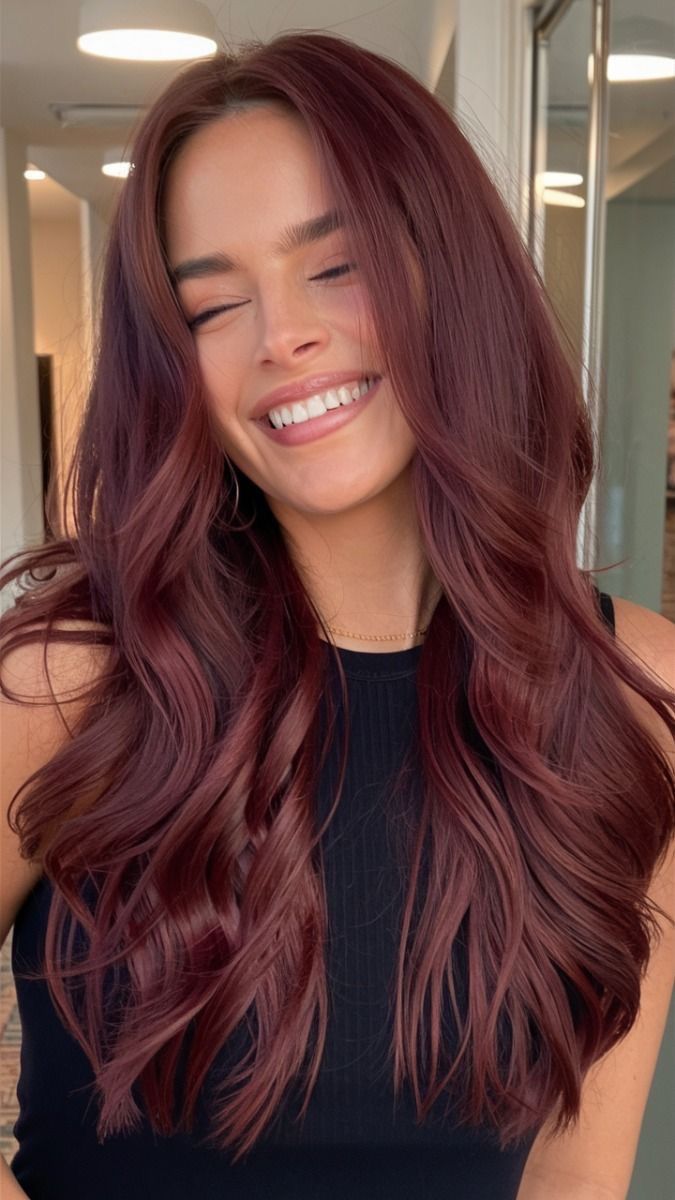
I have opinions about all-over colour, and most of them start with “boring.” This deep burgundy hair color changed my mind. The technique is straightforward: one formula from root to tip, no ribbons, no slices. The tone sits somewhere between a red wine stain and the inside of a pomegranate, cool enough to read sophisticated but warm enough to stop traffic. On this mid-back length with thick, wavy texture, the colour catches every bend and holds its richness because the pigment is packed dense. No balayage fade, no highlight grow-out. The saturation is the point.
Getting there means a single-process application, which takes less chair time than anything with multiple tones. The colour sticks because the formula is direct, not lifted. For wavy, thick hair, the pigment grabs evenly and stays put. A trim every eight to ten weeks keeps the ends looking as deep as the roots. This is the colour you book when you want one thing done well.
Dark Brown With Caramel & Honey Highlights
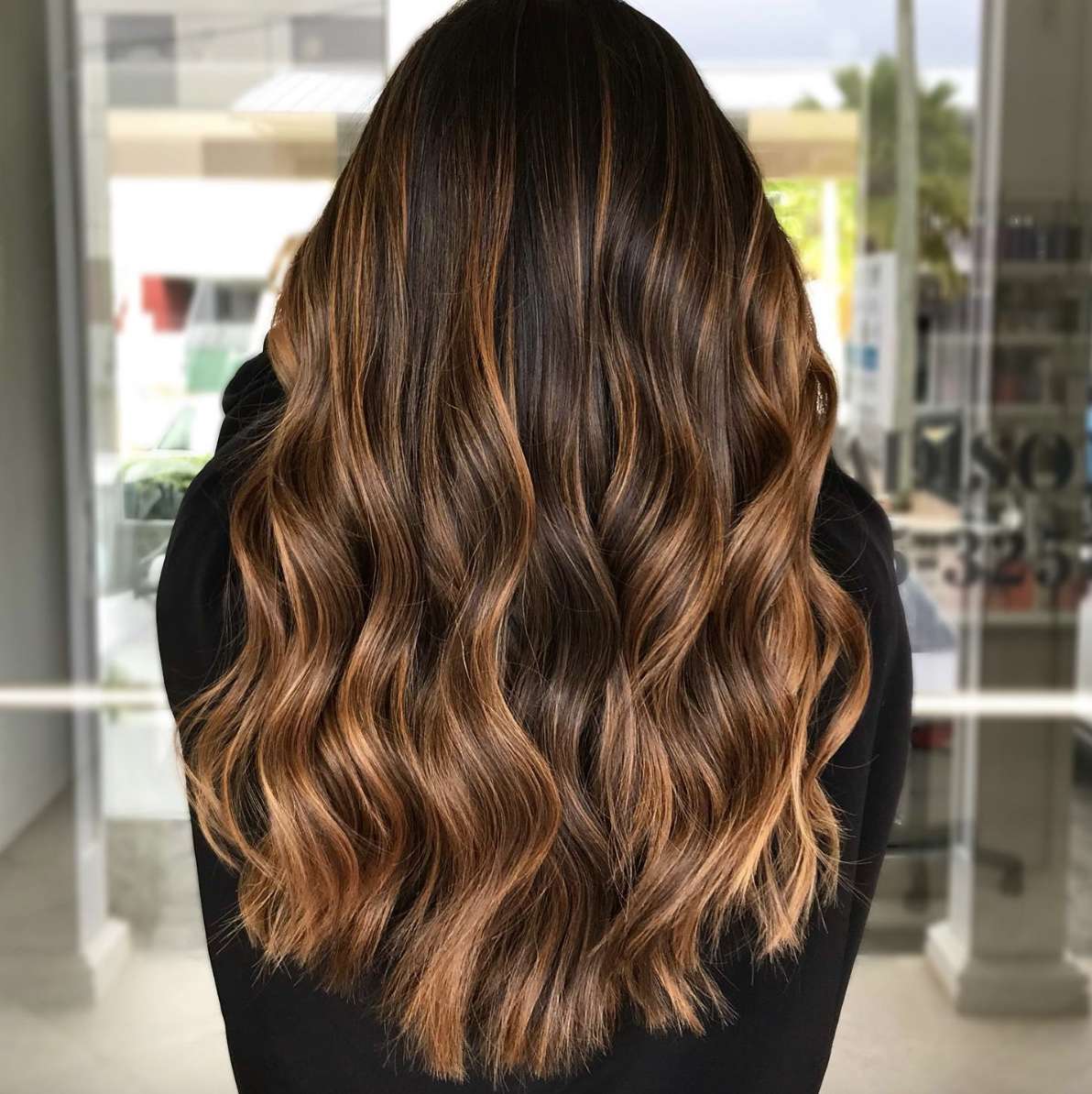
I will admit something: I used to think caramel honey highlights were the hair equivalent of a basic vanilla latte. Then I saw this dark brown base with warm ribbons woven through, and I had to eat my words. The technique is a traditional foil highlight, placed to catch the light at the crown and the ends. The tone is warm on warm: the caramel reads golden, the honey reads almost buttery, and together they lift the dark brown without screaming. On this mid-back length with thick, wavy texture, the highlights look like they belong, not like someone painted stripes. The honest downside is that warm tones fade faster than cool ones. A purple shampoo won’t fix warmth the way it fixes ash, so you need a toning shampoo in the warm family every few washes. It is not hard, but it is real.
Deep Cherry Red With Auburn Undertones
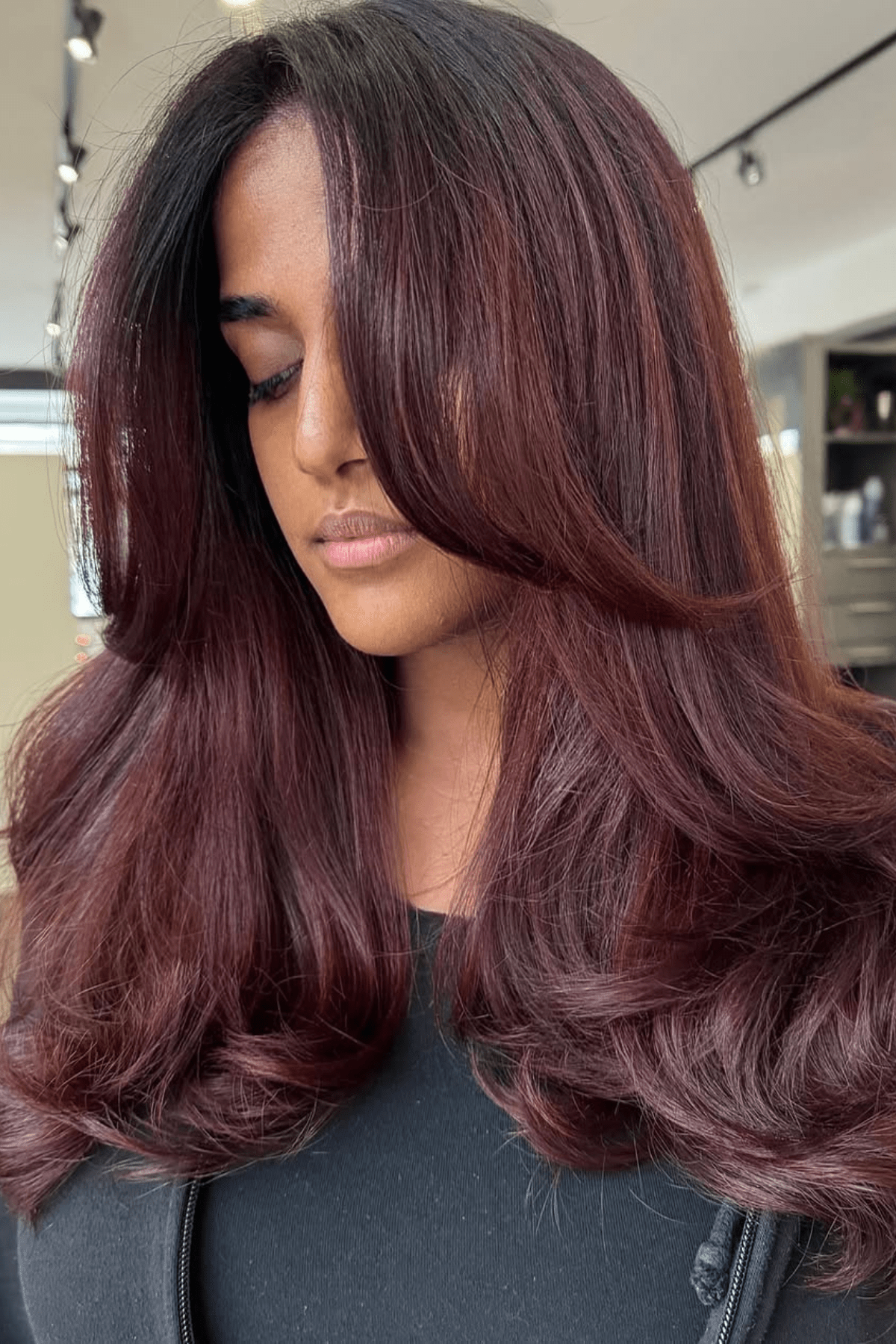
Best red I have worn in three winters, and I have worn some bad ones. This deep cherry red hair sits on a dark base, with subtle auburn undertones that stop it from looking like a costume. The technique is a single-process all-over colour, not a highlight or a gloss. The tone is the trick: cherry red leans cool, auburn leans warm, and the balance means it shifts in different light. Indoors it reads dark and serious, outside it catches the low winter sun and glows.
Upkeep is not complicated but it is specific. A color-depositing conditioner in a matching cherry shade every second wash keeps the tone from draining to a rusty brown. A trim every six to eight weeks, because red shows split ends faster than brown does. On this mid-back length with thick, wavy texture, the colour wraps around each wave and the undertones peek through at the bends. Worth the extra conditioner step.
Dark Auburn Base With Red Highlights
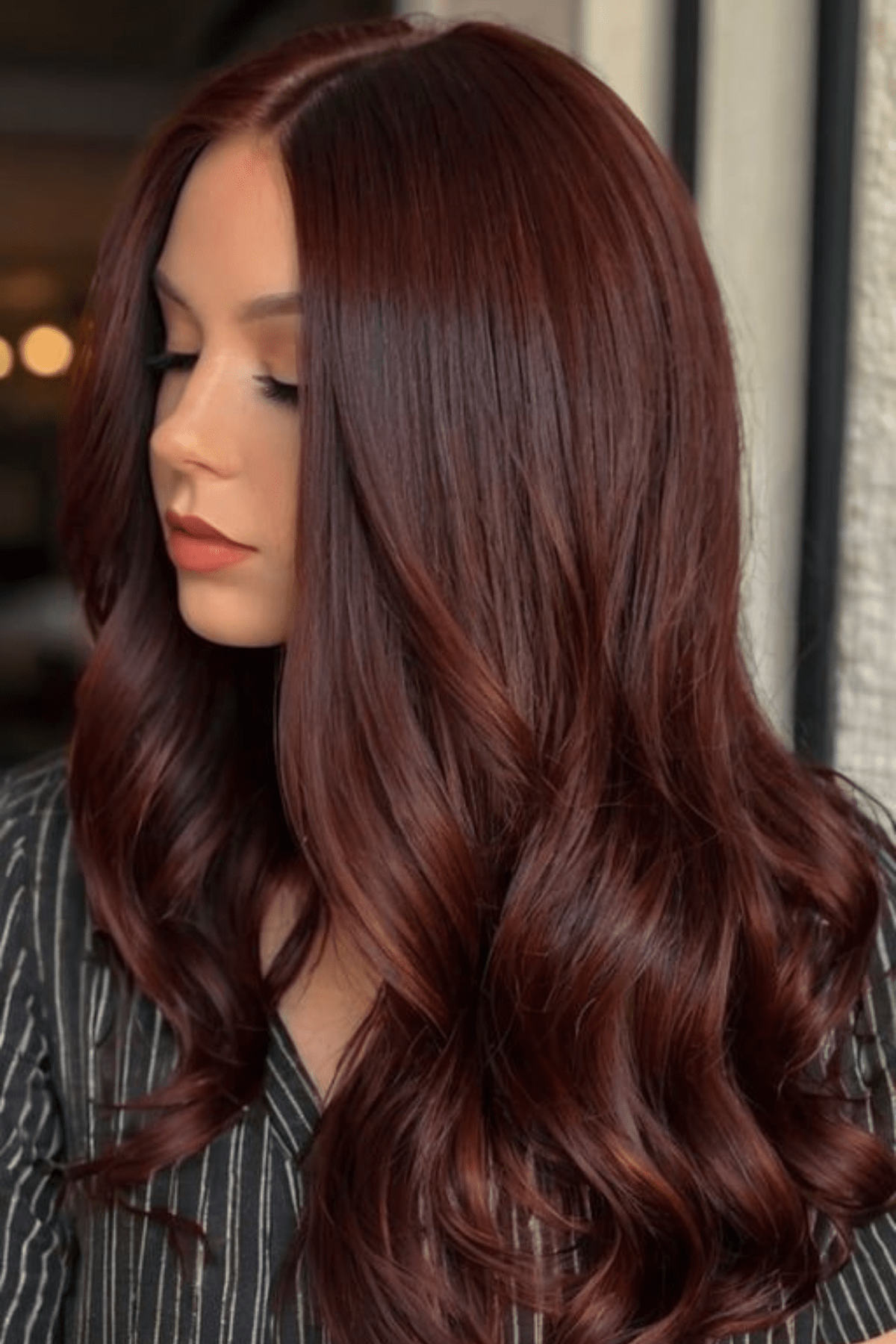
Are you someone whose skin reads warm even in December, the kind of person who can pull off a rust sweater without looking sallow? Then this dark auburn red highlights situation might be your winter colour. The base is a rich dark auburn hue, deep enough to pass for brown in low light. The highlights are a brighter red, placed in thin slices through the mid-lengths and ends. The technique is a foil highlight, not a full saturation. The tone is warm across the board, no ash, no violet. On this mid-back length with thick, wavy texture, the highlights catch the wave crests and the base stays dark in the troughs. If your skin runs cool or pink, this colour will fight you. It needs warmth to land. For everyone else, it is a low-effort way to wear red without the full-commitment fade.
Deep Burgundy Red Hue
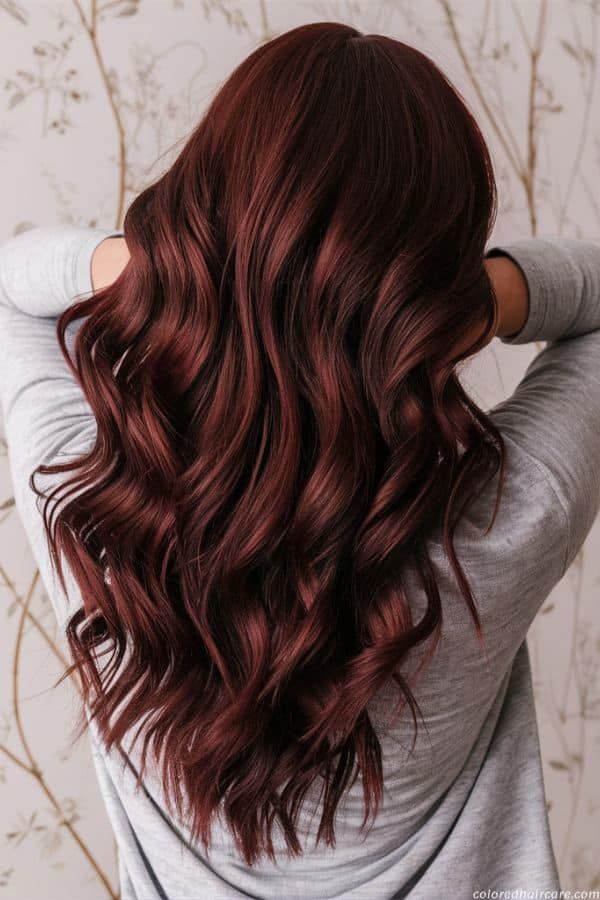
Here is what I noticed first: this deep burgundy red looks different at 10 am in a north-facing window than it does at 3 pm in direct winter light. In the morning it reads almost black with a purple edge. In the afternoon the red comes forward, not bright but dense, like a garnet held up to a lamp. The colour is a single-process all-over formula, no highlights, no shadow. The tone is cool-leaning burgundy, closer to wine than to brick. On this mid-back length with thick, wavy texture, the colour sits deep in the hair shaft and the waves break the light into different red notes.
Winter light is the real test for a shade like this. Overhead fluorescents wash it out. Cloudy days make it look flat. But the low direct sun of a clear winter afternoon is where this colour earns its keep. It does not fade to orange, it fades to a softer burgundy. That is the best you can ask from a red.
Mushroom Blonde With Darker Roots
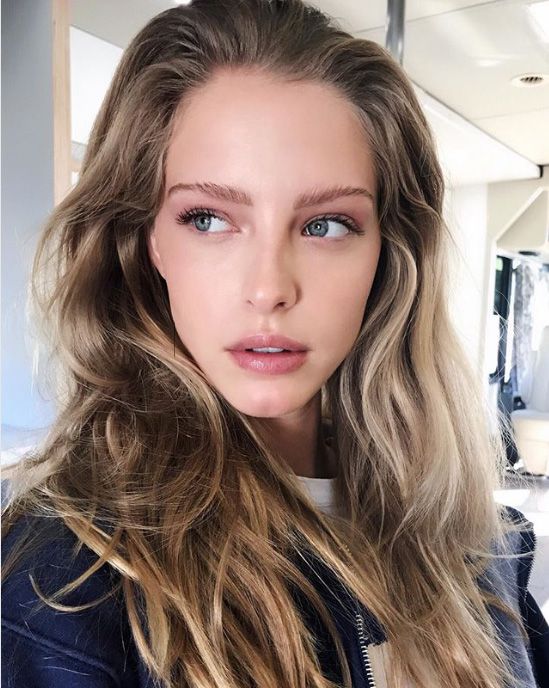
Mushroom blonde darker roots beat traditional blonde for winter, and it is not close. Traditional blonde goes brassy by week three. This does not. The colour is a cool-toned blonde, somewhere between beige and taupe, applied with a balayage technique that keeps the root area deeper. The tone reads muted, almost matte, no yellow. On a shoulder-length cut with loose waves and medium density, the darker root blurs the grow-out line for a solid eight weeks. I have watched friends with platinum roots panic at week five. This one? You forget to check.
Mid-Back Length Ash Blonde With Heavy Highlights & Root Shadow
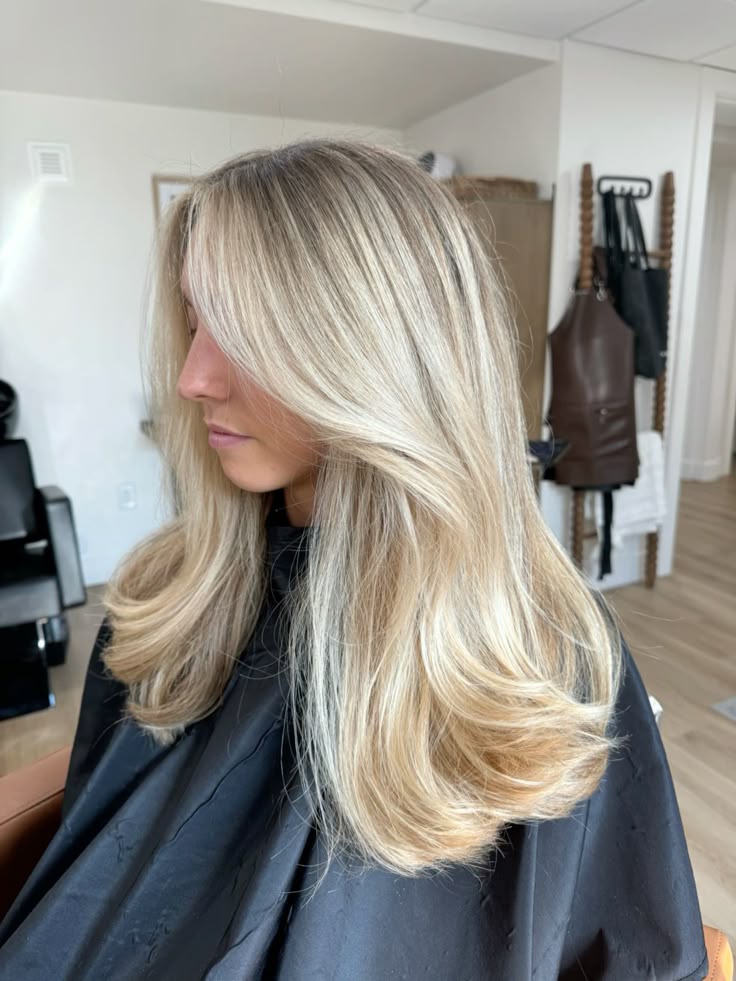
Can a mid-back length ash blonde heavy highlights colour actually stay low maintenance? Yes, if the root shadow does the heavy lifting. The base is a cool ash blonde, the heavy highlights are woven through the mid-lengths and ends, and the subtle root shadow at the crown stops the regrowth from screaming for attention. The tone stays icy, never yellow, because the highlights are placed densely enough to read as one blended colour.
Ask your stylist for heavy highlights that start two inches from the root, a subtle root shadow that matches your natural base, and a gloss to seal the tone. Wear it blown out with soft waves, and plan on a toner refresh every three weeks and a trim every eight. The length and thick texture carry the dimension well.
Visual Idea
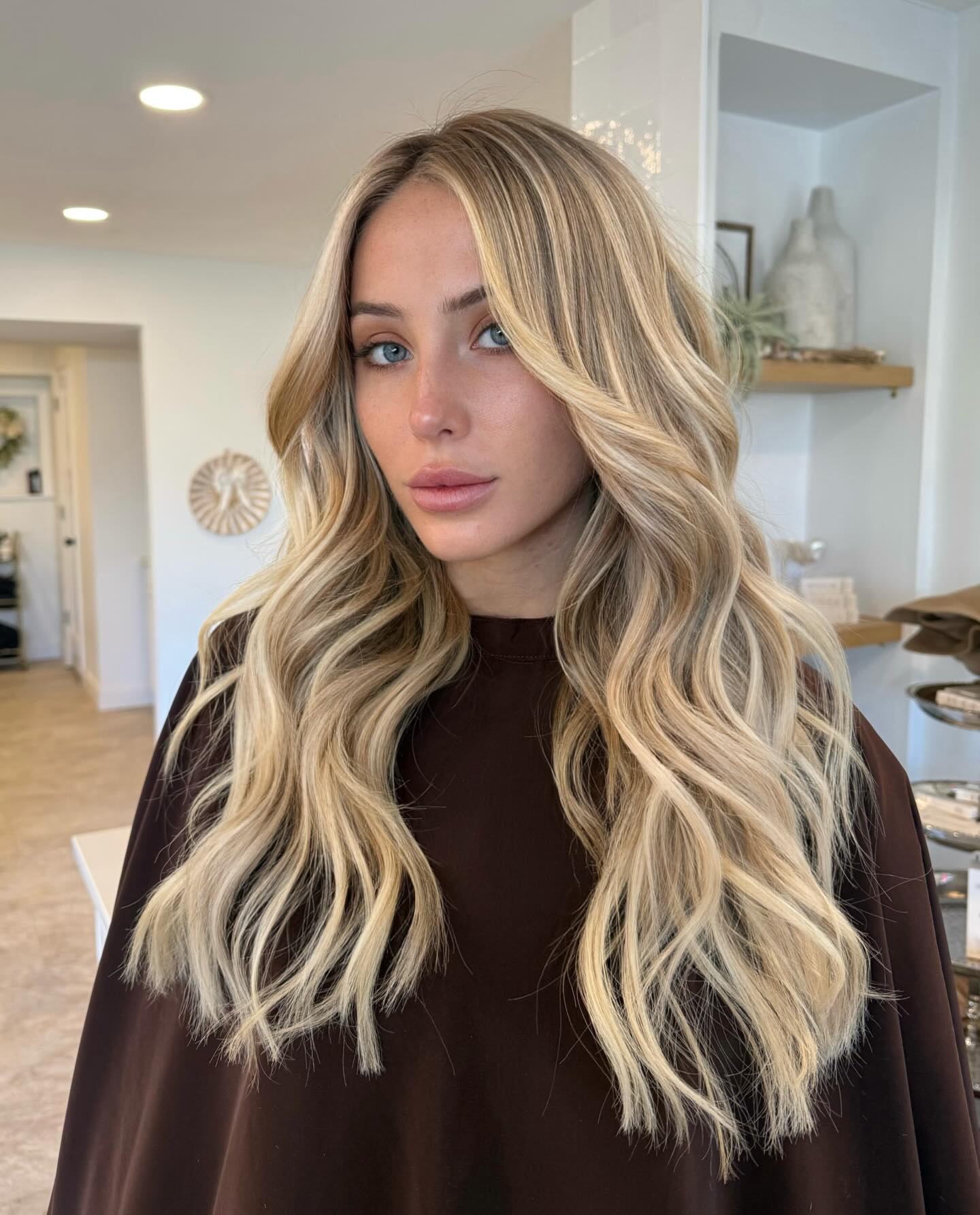
My gut says this ash blonde base with platinum and beige highlights is the kind of colour you book, not attempt. The platinum pieces are fine and scattered, the beige tones warm the overall effect just enough that it does not read grey. But achieving this multi-tonal blonde at home is a gamble I would not take. The risk is uneven lift, patchy highlights, and a tone that lands closer to yellow than platinum. Three hours in a salon chair, a stylist who knows how to foil fine sections, and a gloss finish. That is the only way this works.
Mid-Back Visual Idea
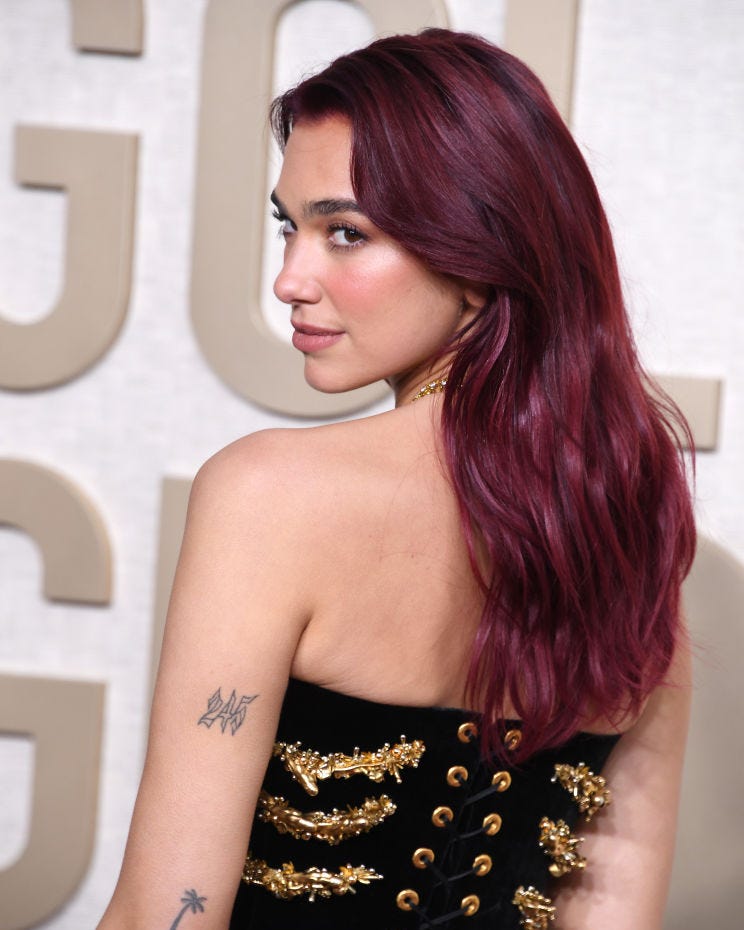
This deep red base with subtle violet undertones is the colour I want for winter. The violet keeps it from pulling orange, which is the usual fate of reds by week two. The tone is rich and cool, almost wine-like, and on a mid-back length with loose waves and thick texture, it catches light without screaming. But here is the honest downside: red fades faster than any other shade. The violet undertones shift first, leaving a warmer, coppery red behind. A color-depositing conditioner every other wash keeps it from drifting into orange territory. Without that, you lose the cool tone by week three.
Long Layers Visual Idea
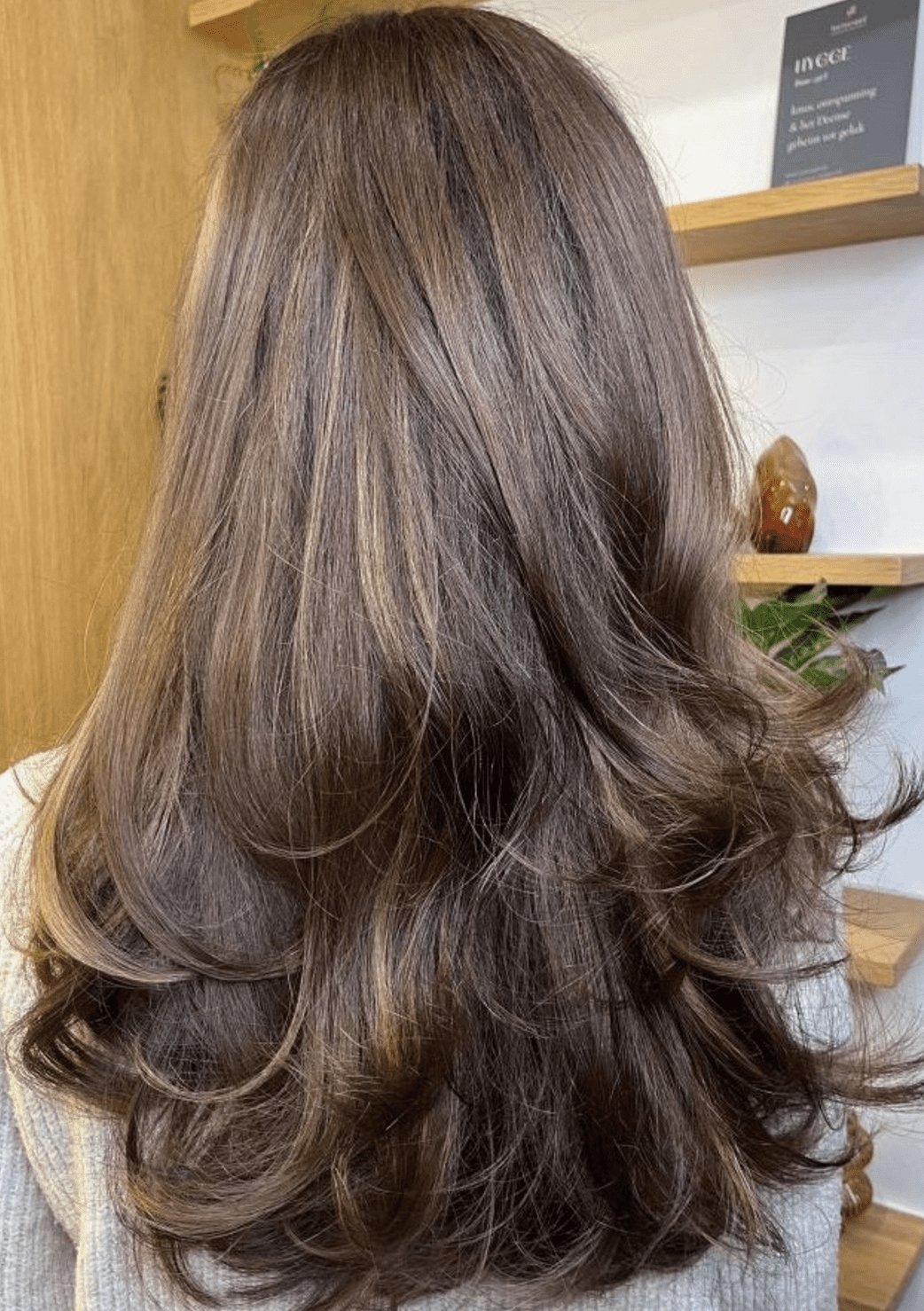
I confess I was skeptical of chocolate brown with caramel highlights for winter. It sounded like a fall holdover. But this rich chocolate brown base with subtle caramel highlights reads different in cold light, warmer and deeper, like a good coat. The caramel pieces are fine and spaced, not chunky, so the dimension is soft. On long layers with soft waves and thick texture, the colour does not need frequent toning. The chocolate base hides grow-out, and the caramel highlights fade gradually to a lighter brown rather than turning brassy. A trim every ten weeks keeps the ends healthy enough to hold the wave.
Collarbone Visual Idea
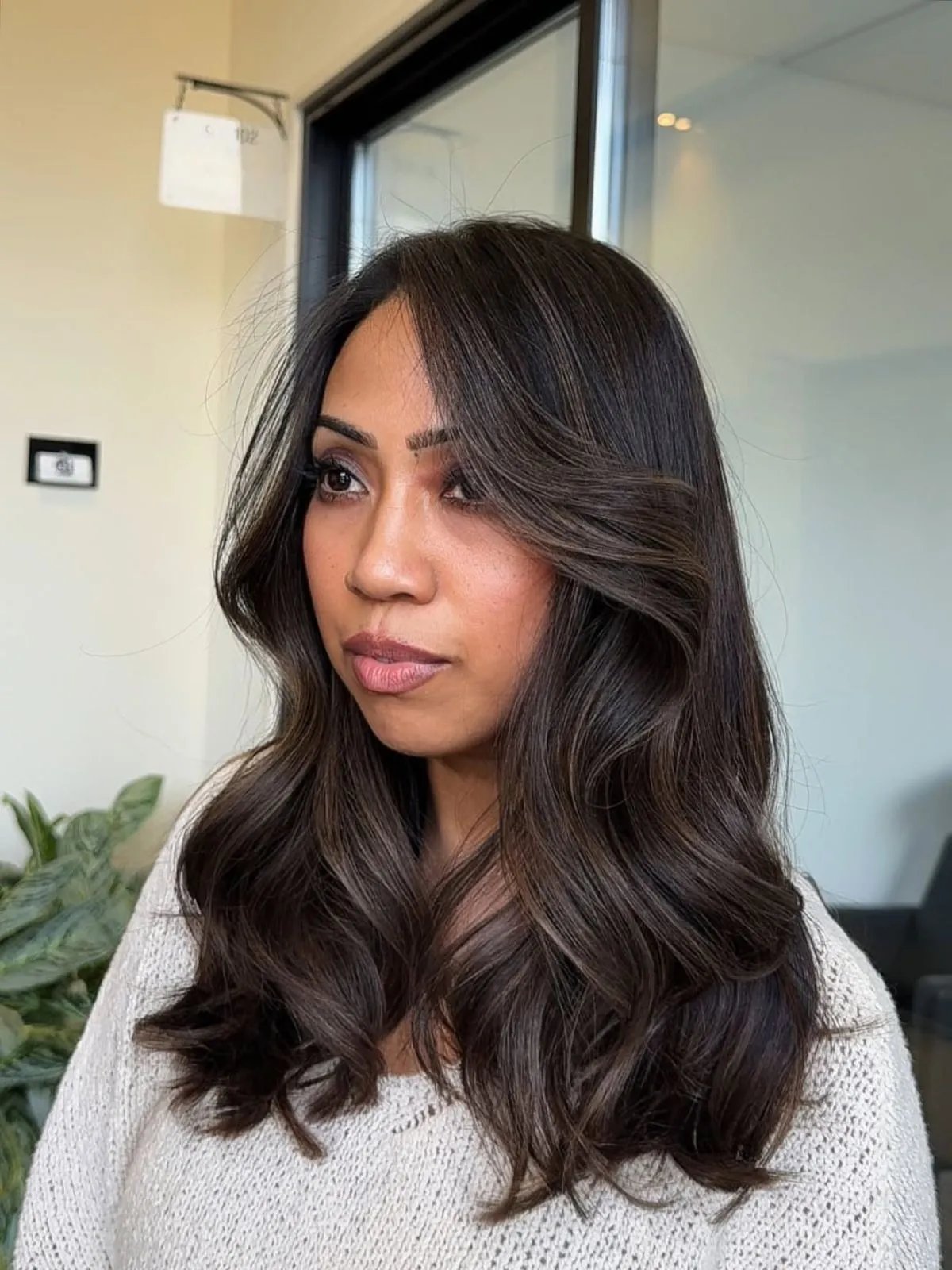
A collarbone cut with long layers and a side part reads deliberate, not accidental. The dark brown base with subtle cool-toned highlights catches winter light without shouting. Soft waves keep the texture wavy and medium density from falling flat. No bangs means one less thing to trim every three weeks. This length works best if your jawline has some structure to it, the side part softens a round face without hiding it.
Layers Visual Idea
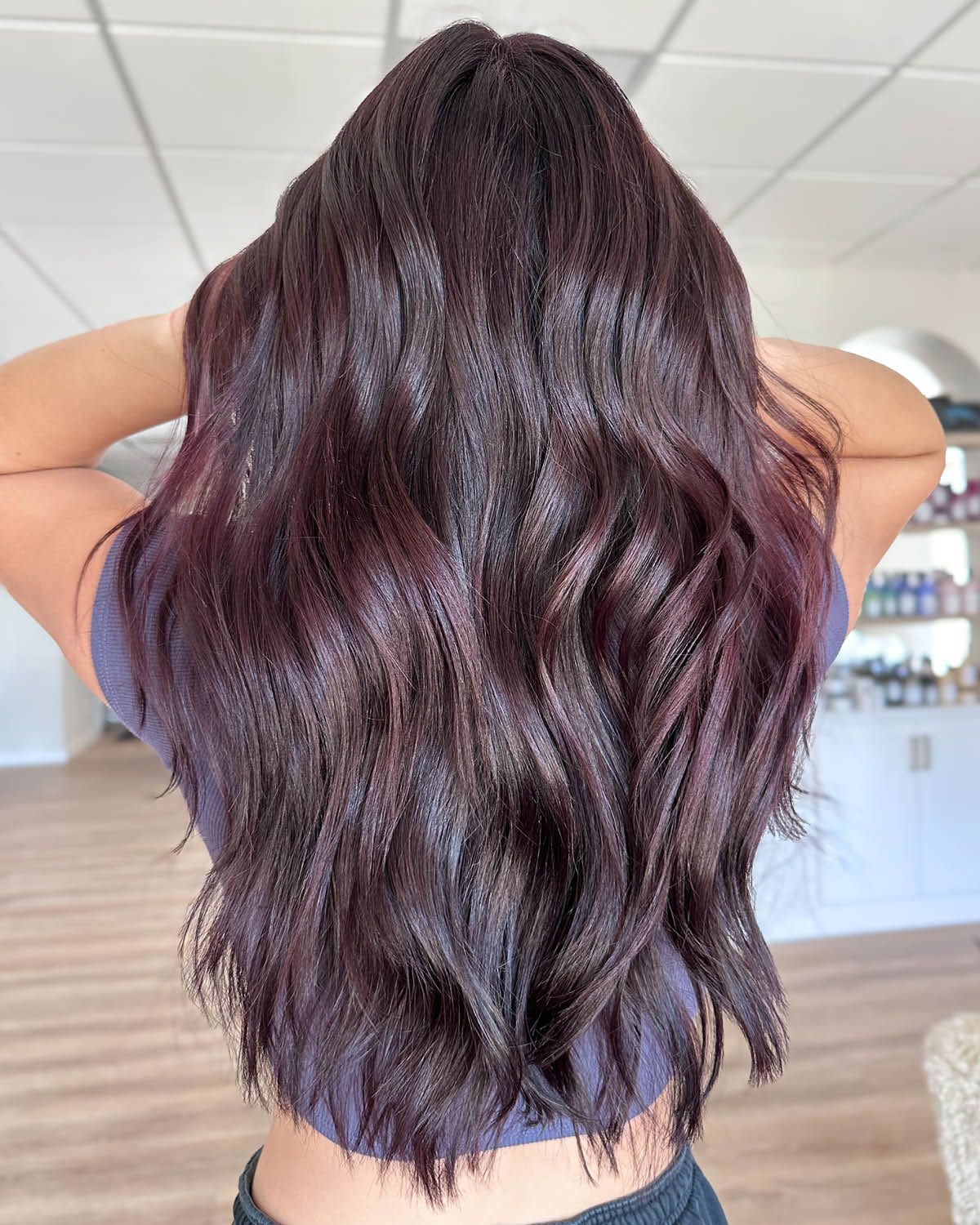
Can a dark plum base with subtle violet undertones survive a week of fluorescent office lights and one family dinner? I watched it do exactly that. The mid-back length with loose waves holds the colour through Monday meetings and Saturday parties. Layers keep thick, wavy texture from turning into a triangle by noon. The violet reads rich in dim restaurant light and neutral in bright sun. No bangs, no fuss. A middle part lets the colour fall evenly on both sides. This is the shade that gets compliments from people who say they hate purple.
No Bangs Visual Idea
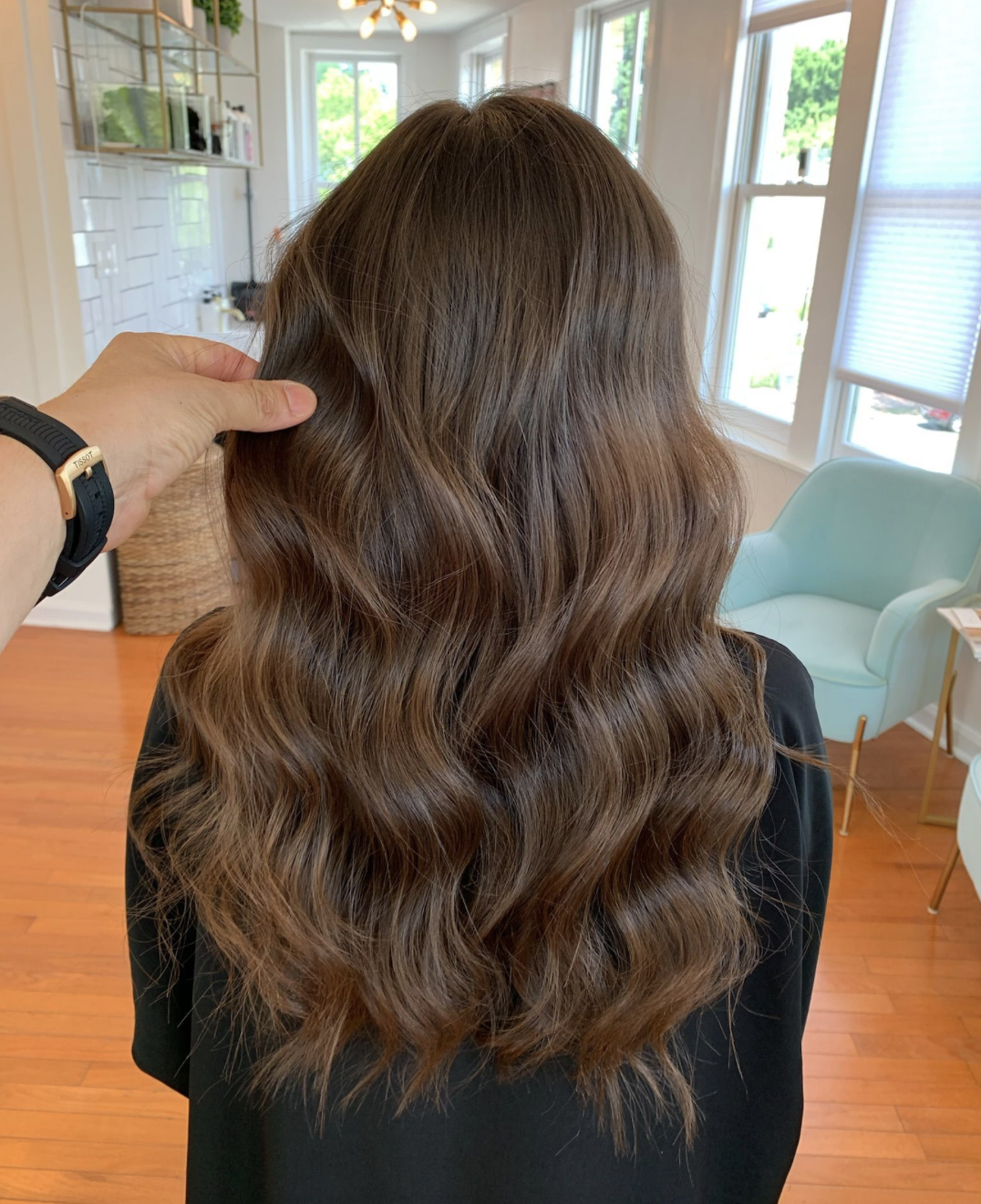
Flat brown is the enemy. This medium brown base with subtle warm undertones and hints of caramel highlights is the opposite. The caramel lifts it from one-dimensional to dimensional without needing a second colour appointment. Long layers with loose waves let the warm streaks surface naturally. Thick, wavy texture holds the movement. A middle part and no bangs keep the grow-out invisible, no fringe to train. If you have been burned by caramel going brassy, this version stays warm without tipping into orange.
Back View Visual Idea
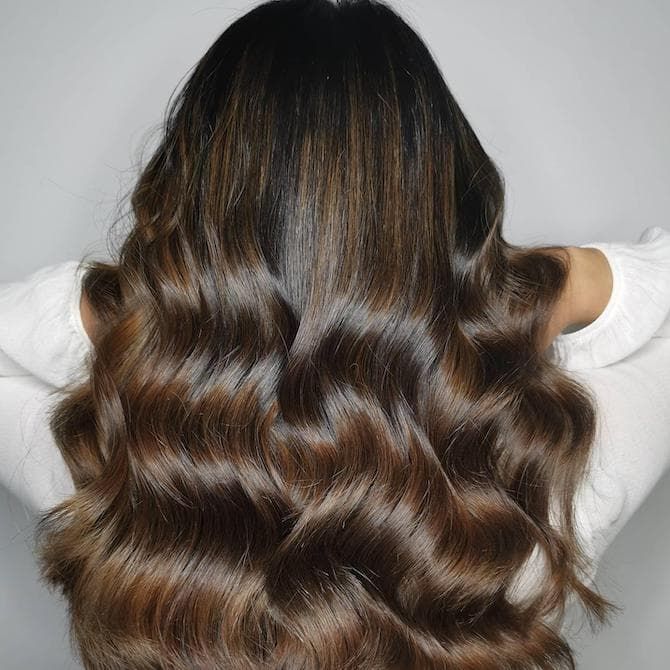
I saw this rich mocha brown with subtle caramel highlights from behind and stopped walking. The back view sold me. Long layers with loose curls and a blowout create depth that a single colour cannot touch. Thick, wavy texture carries the caramel through the mid-back length without looking stripey.
Here is the salon part. That mocha base needs a pro mix, a box dye will land too flat. The caramel highlights require a careful hand, not a cap. A middle part and no bangs mean you can stretch the appointment to ten weeks. The grow-out blends because the base and the highlights share a brown family. Book it, this is not a bathroom-mirror job.
Front View Visual Idea
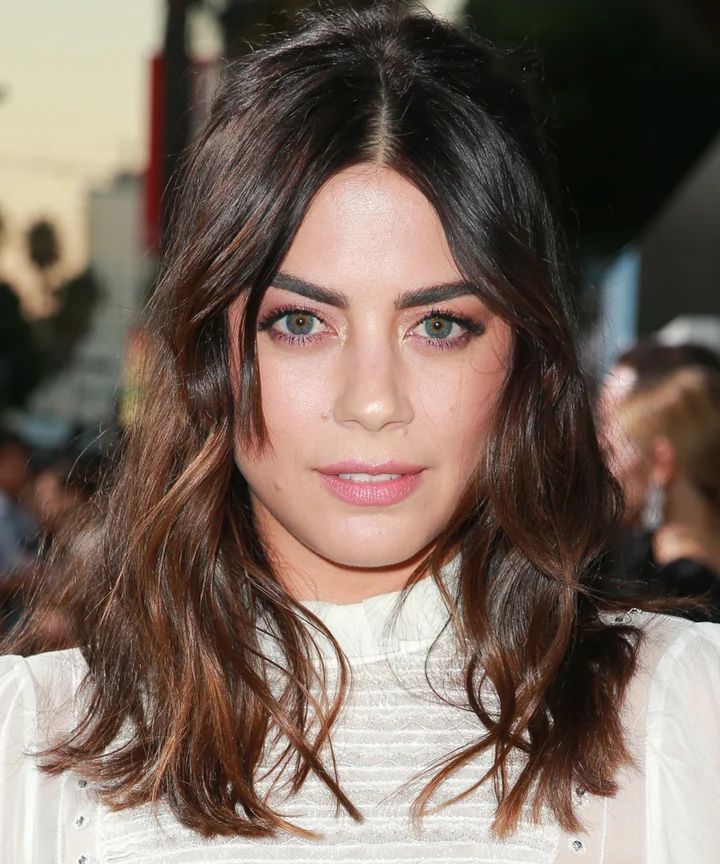
Have you watched caramel highlights turn brassy by week four? The mistake is skipping the toner. This dark brown base with subtle caramel highlights stays cool if you use a blue-based shampoo once a week. The collarbone length with layers and loose waves lets the caramel peek through without overwhelming the base. Wavy, medium density texture holds the wave without a curling iron. A middle part and no bangs keep the grow-out soft. The honest downside is the toner, it fades. Refresh it at home with a gloss, not a full colour appointment.
Lob Visual Idea
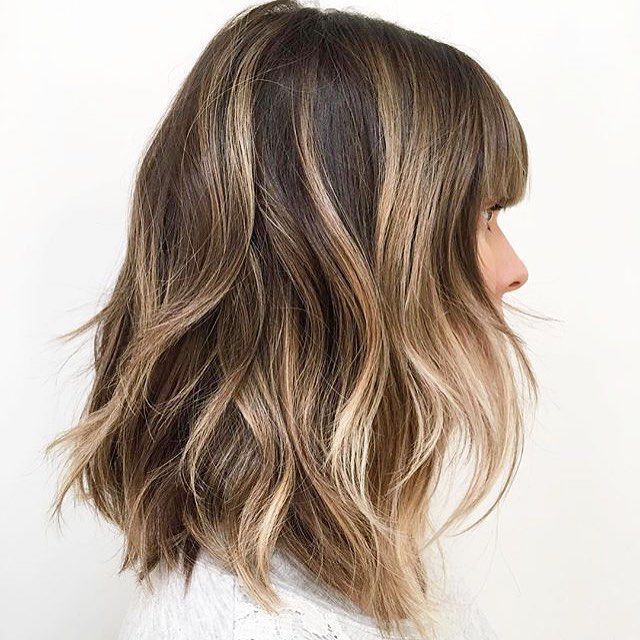
I’ll admit it, I spent three winters hiding under dark brown before I finally asked for ash blonde balayage on my light brown base. The lob lands at my collarbone, which is the exact length where loose waves still hold their shape instead of collapsing into a sad triangle by noon. My curtain bangs frame the middle part without committing me to daily fringe maintenance.
The balayage is what sold me on going brighter for the cold months. It starts deeper at the roots and lightens gradually through the wavy, medium density lengths, so there’s no harsh line when the grow-out begins. I style it with a round brush on the bangs, loose waves through the rest, and the whole thing takes less time than my old darker routine.
Middle Visual Idea
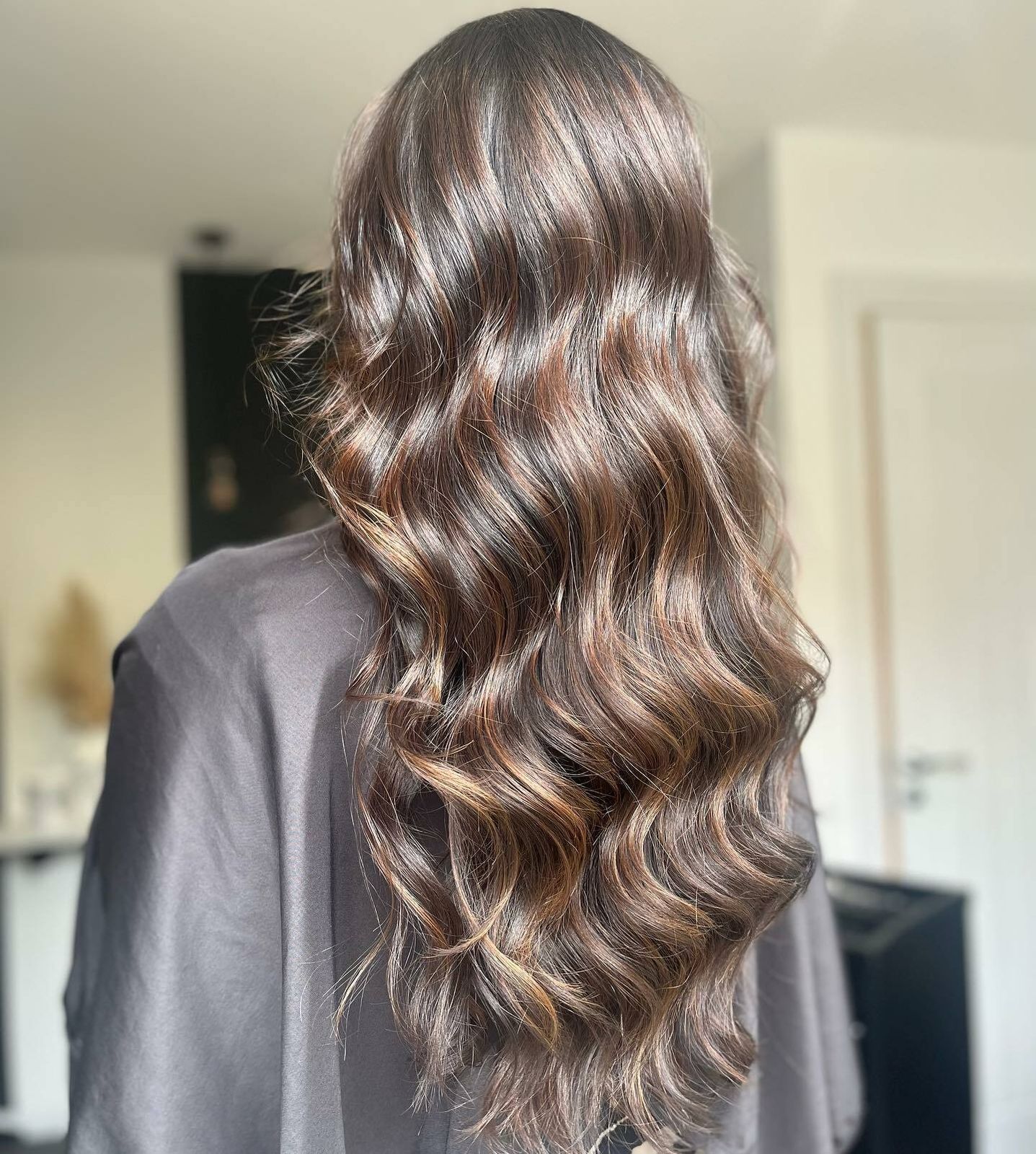
This one genuinely flatters thick, wavy hair and anyone who wants dimension without a full color overhaul. The dark brown base keeps the roots low-maintenance, while subtle caramel highlights catch the light and stop the whole thing from reading as one flat block of color. It’s a back view that makes you turn your head, which is exactly what dimensional highlights are supposed to do.
If your hair is fine or thin, skip this one. The mid-back length and loose waves need density to carry the caramel pieces, otherwise they get lost and just look like a few random streaks. For everyone else, the upkeep is refreshingly boring. The dark base means you can stretch between salon visits, and the caramel warms up your face without demanding a toner appointment every four weeks. Wear it with a middle part, let the layers do the work, and you’re done.
Straight With Soft Waves At Ends Visual Idea
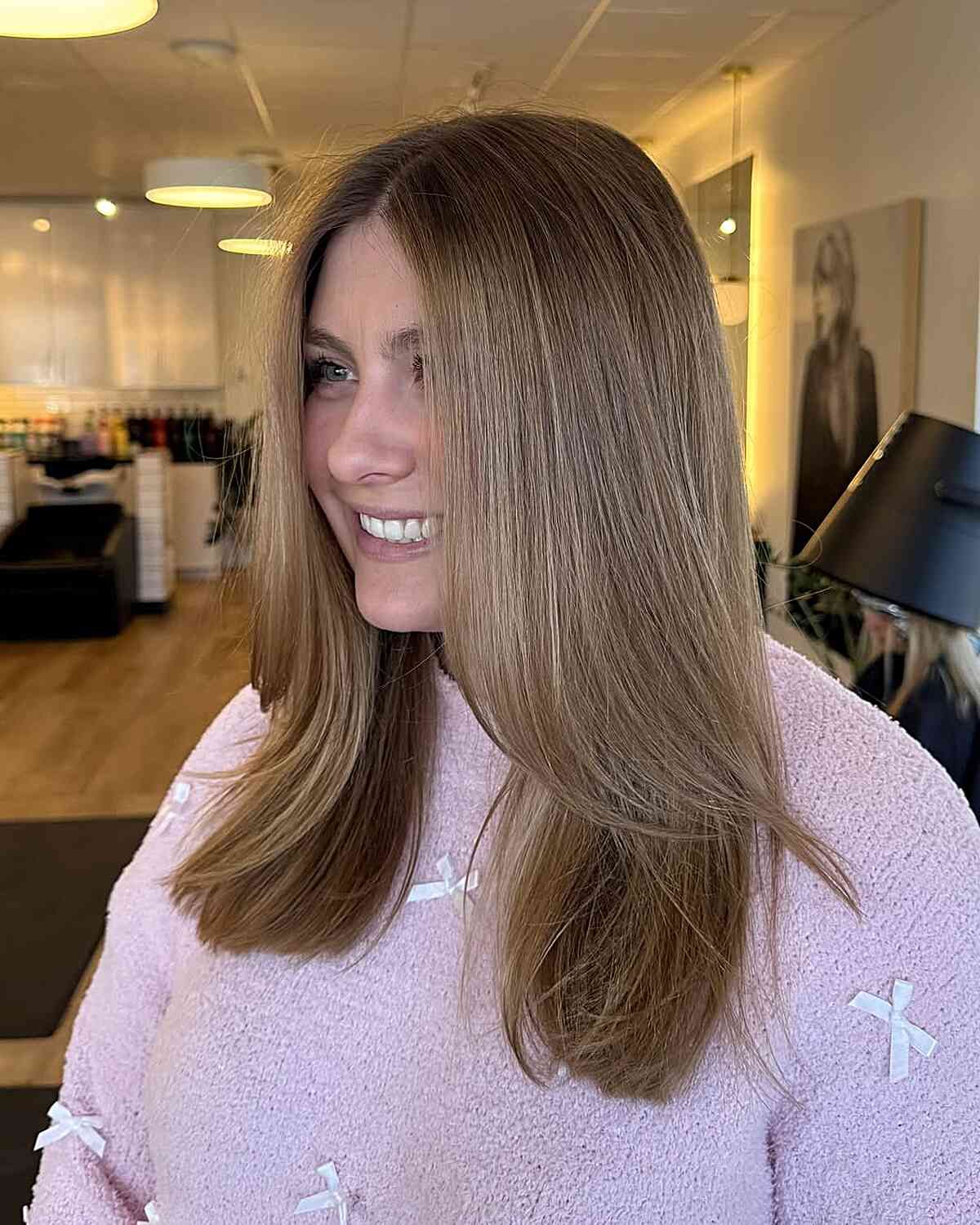
The medium ash brown base reads almost neutral until the subtle blonde babylights catch the light, and that’s exactly why this works for winter. The collarbone length with long layers keeps the straight texture from looking heavy, while the soft waves at the ends add movement without requiring a curling iron marathon. It’s the kind of color that looks natural in January daylight and still holds up under office fluorescents, which is more than I can say for most blonde attempts this time of year.
Honey Blonde Balayage Visual Idea
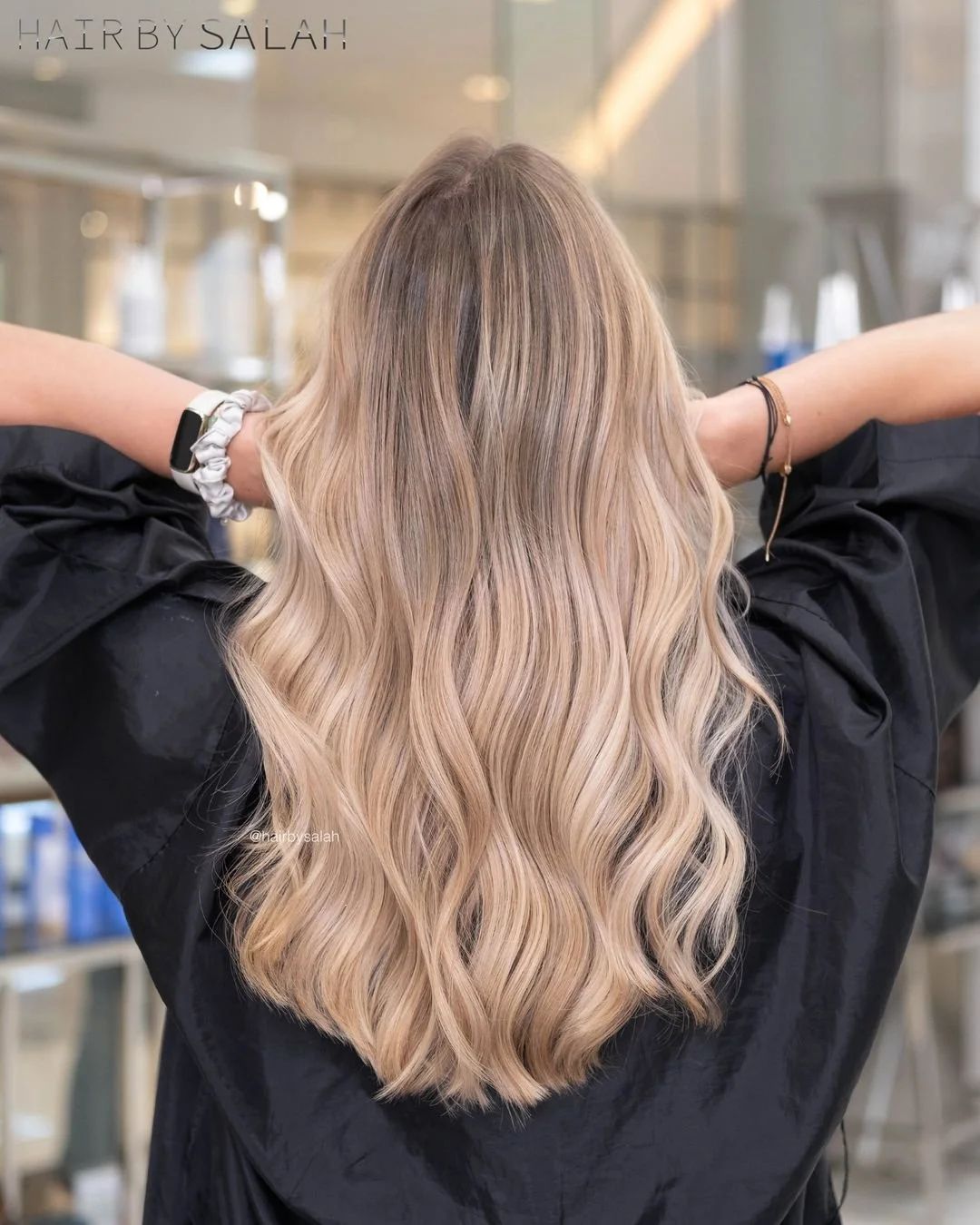
Have you ever wondered why some balayage looks expensive and some looks like you got bored with a box dye? The difference is in how the honey blonde is placed. A proper balayage is painted freehand onto the surface of the hair, so the color lands heavier on the mid-lengths and ends while the roots stay deeper and more natural. That’s what creates the warm, blended look that grows out without a visible line.
On this mid-back length with wavy, medium density texture, the honey tones catch the movement of the loose waves and make the layers look intentional. The middle part lets the color fall symmetrically, which is the quiet flex of this whole thing. It’s not a uniform blonde, it’s a gradient that starts dark and melts into warmth. That’s the technique doing its job.
Loose Waves Visual Idea
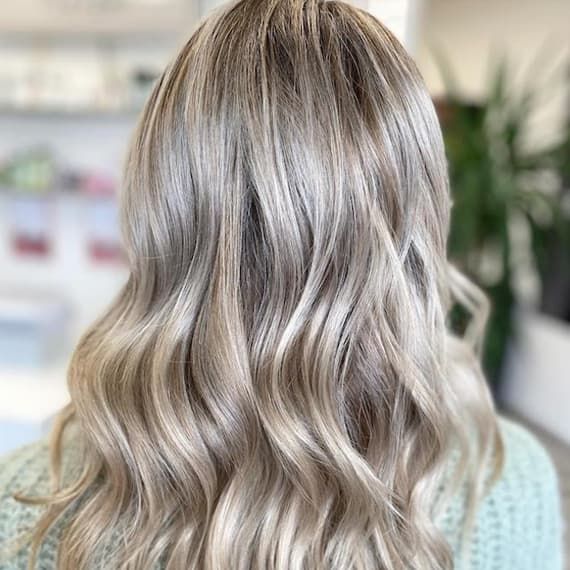
My first reaction to ash blonde with subtle darker roots and lighter ends is always the same: that is a salon job, and I am not pretending otherwise at home. The root shadow alone is a skill, it has to blur the line between your natural growth and the lighter lengths without looking like you forgot to book a touch-up. Getting the darker roots and lighter ends to blend through mid-back length loose waves takes a stylist who understands how light falls on wavy, medium density hair.
At home, you might get the ends lighter with a kit, but the root shadow will look like a stripe. The ash blonde tone is the other catch, it needs a toner to keep it from pulling brassy, and that’s not a bathroom-mirror calculation. Book the salon, ask for a lived-in root shadow and blended ends, and let the loose waves hide the rest. This is one where the DIY route ends in a hat.
Natural Blonde With Subtle Darker Roots Visual Idea
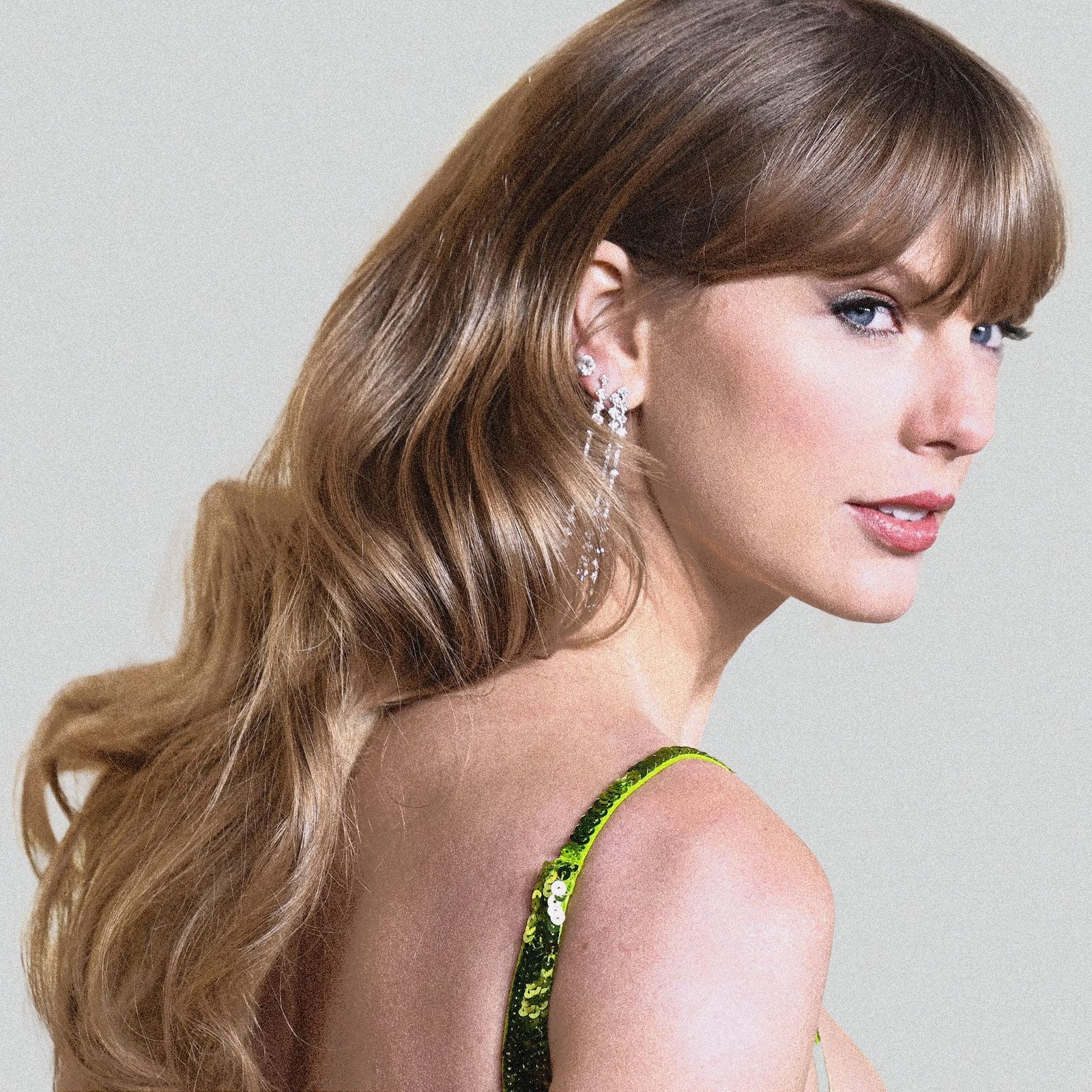
This is the grow-out that doesn’t look like a grow-out. The colour is natural blonde with subtle darker roots, and the technique is a soft root shadow that blurs any line of demarcation. The tone is neutral, not golden, not ashy, which means it reads as your real hair colour even when the roots are three months deep. The length is mid-back with long layers and wispy bangs, and the texture is wavy, fine to medium thickness. Here is the catch: if your hair is fine and you do not add volume at the crown, the darker roots can sit flat against your scalp and make the whole thing look heavy. A middle part and a little lift at the roots with a round brush solves it. The soft waves in the photo help, too.
Front View Close Crop Visual Idea
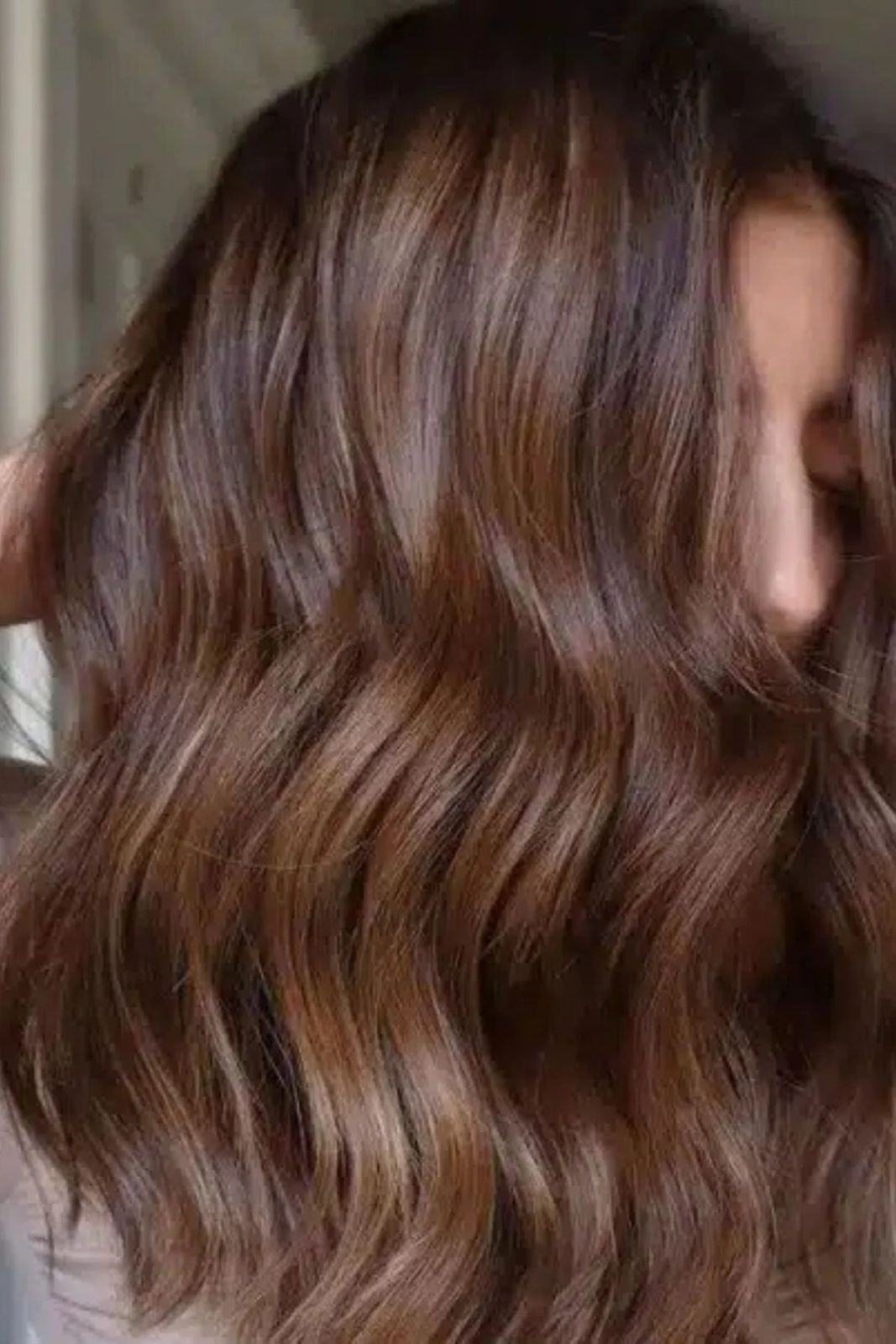
I will confess: I was skeptical about caramel highlights on a medium brown base. Then I saw this close crop front view and changed my mind. The colour is medium brown base with subtle caramel highlights, and the technique is a soft balayage that keeps the highlights concentrated around the face. The tone is warm but not brassy, which is rare for caramel. The length is collarbone with layers and no bangs, and the texture is wavy, medium density, styled into a wavy blowout with a side part. The highlights catch the winter light in a way that makes the whole cut look intentional without trying hard. I thought about this one for days after I saw it.
Air Dried Wavy Visual Idea
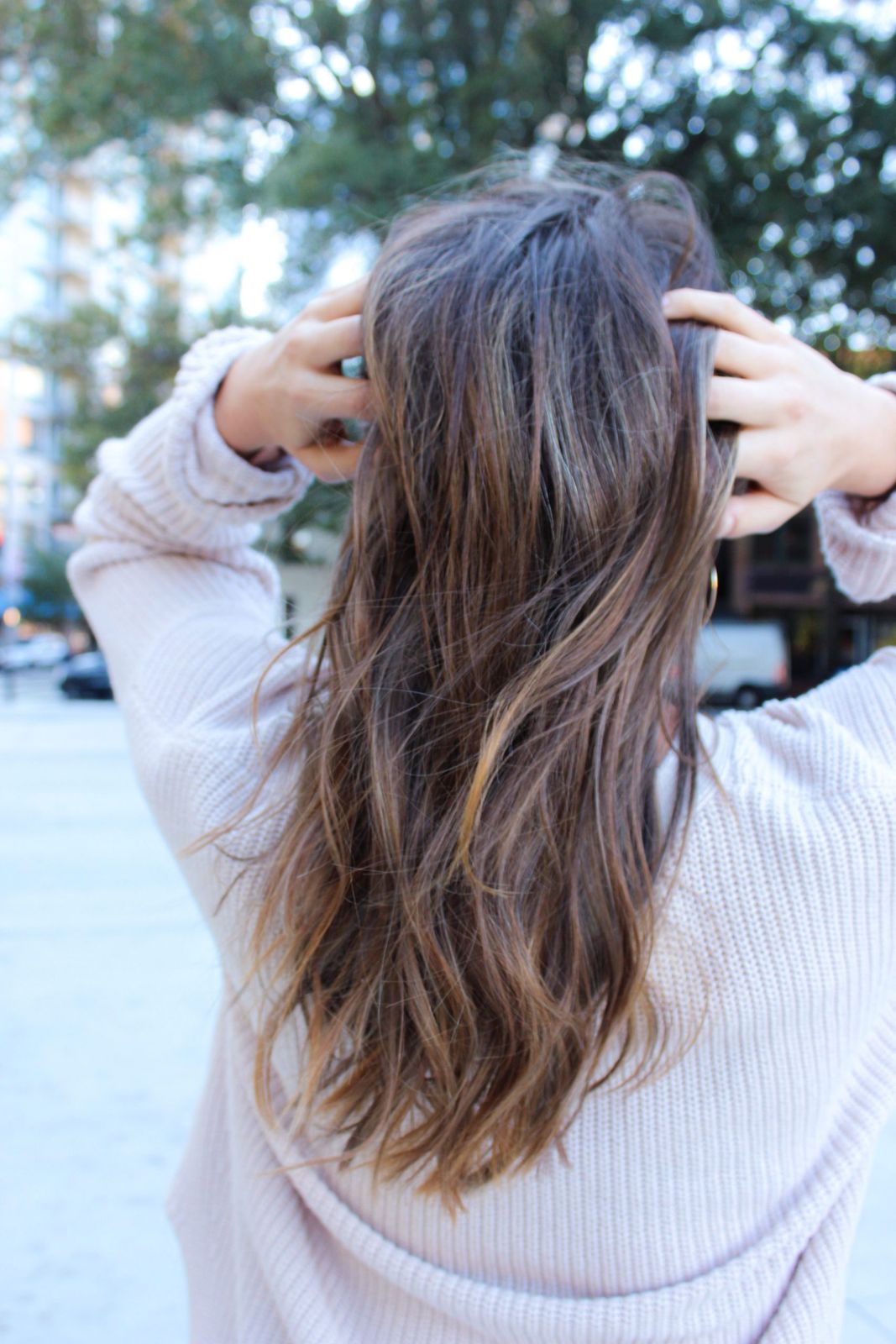
This colour works best on hair that already has movement. The base colour is dark brown, and the dimension comes from subtle highlights placed through the mid-lengths and ends. The technique is a babylight application, fine slices that do not create a stripe effect. The tone is neutral, leaning slightly warm so it reads natural against winter skin. The length is mid-back with layers and no bangs, and the texture is wavy and thick, air dried with a middle part.
For face shapes, the long layers and the middle part work well on oval and heart shapes because they follow the natural line of the jaw without adding width. Round faces might want a deeper side part to break up the symmetry. The highlights add enough dimension that the hair does not look like one solid block of dark brown, which is the risk with air dried styles on thick hair. The back view in the photo shows how the light catches the subtle highlights even when the hair is not styled.
Ash Blonde With Subtle Highlights Visual Idea
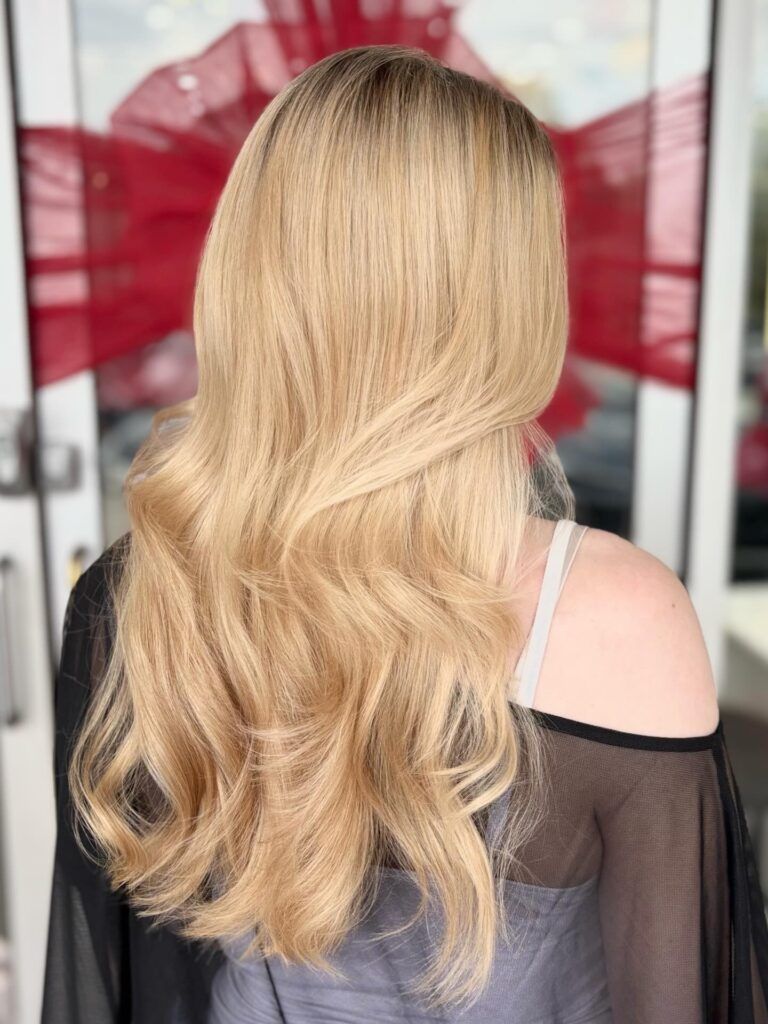
Can ash blonde actually survive winter without turning brassy? Yes, if the technique is right. The colour is ash blonde with subtle highlights, and the technique is a root shadow that keeps the darkest part at the scalp, then a fine babylight application through the lengths. The tone is cool, almost silver in certain light, with no yellow pulling through. The length is mid-back with layers and side-swept bangs, and the texture is wavy, medium density, styled in loose waves with a middle part. The blended blonde tones in the photo look soft, not stripey, which is the whole point. A purple shampoo once a week keeps the cool tone honest. The side-swept bangs help hide any root growth at the hairline for an extra week or two.
Final Thoughts
After writing all of these, I noticed something: the colors I was most skeptical about, the deep burgundies and the mushroom blondes, are the ones that ask the least of you. They hide the grow-out line, they read as intentional, and they don’t need a toner every three weeks.
- Root shadow every eight weeks, not twelve.
- Tone at week six, before brassiness sets in.
- Trim the baseline every eight weeks.
- Skip heat styling, air dry for texture.
I’m booking the dark cherry red next. It’s the one I kept coming back to, and my roots won’t show until March.