
I kept seeing the same thing in the chair next to mine: women asking for a darker base after years of blonde. Not a flat brown, but something with movement. The blonde-to-brunette transition is everywhere, and honestly, it’s smarter than a single-process dye job. You keep the dimension, you lose the brassiness.
This roundup has 29 ideas for Blonde to Brunette Hair, from low-maintenance root shadows to full balayage blends. It’s for anyone whose fine hair goes flat by 4 pm (mine does) or who’s tired of that grow-out line at week five. I grew out a bleach job once, so I know the struggle. These are the looks that actually work.
Brunette Base With Soft Blonde Balayage
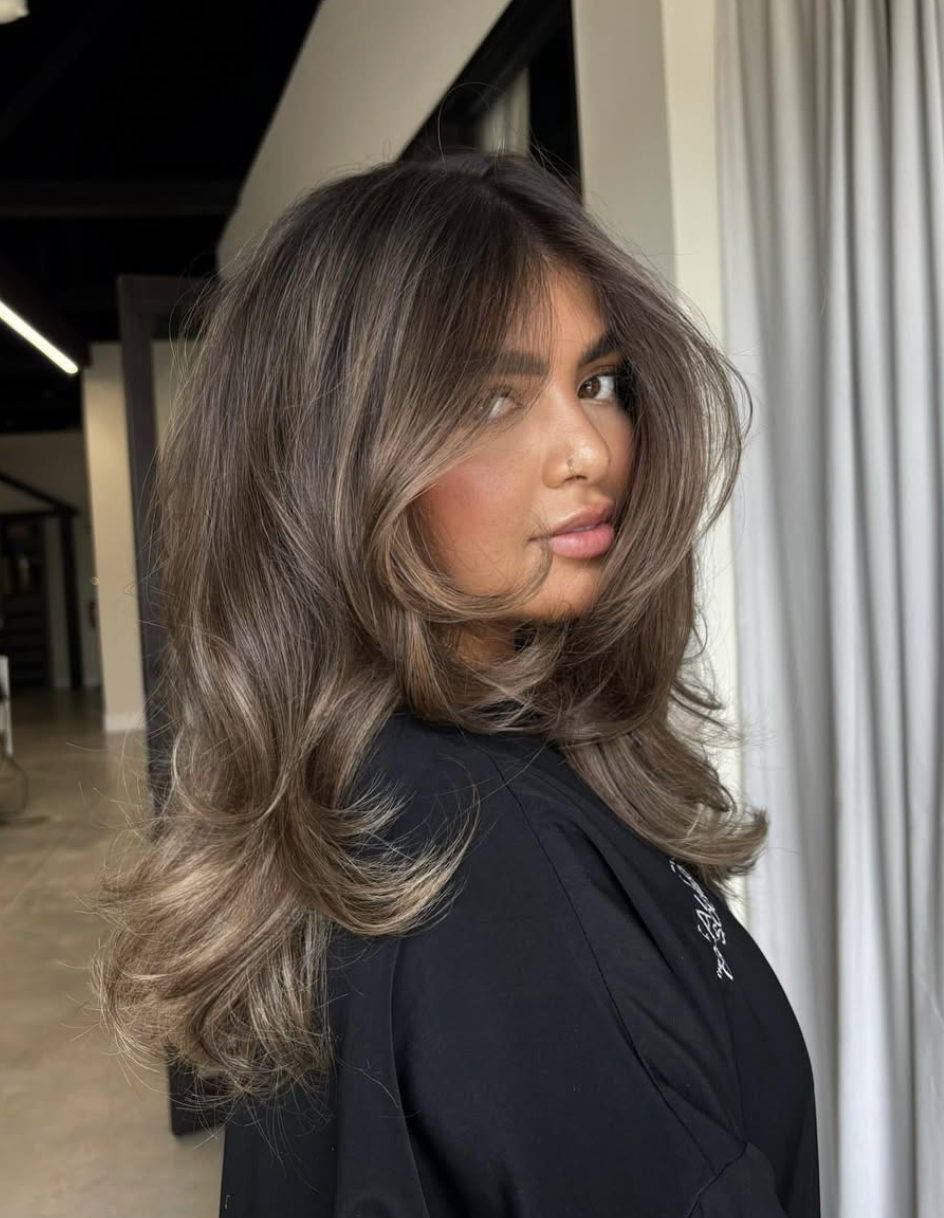
The balayage starts high enough to catch light without bangs. On a brunette base, soft blonde balayage creates a frame around the face that a middle part alone cannot. The collarbone length keeps the wavy texture from falling flat, and medium density hair holds the blend without looking sparse. This is a brunette with blonde balayage that works best when the tone stays warm and the technique keeps the transition blurred. No harsh line, no stripe. The colour does the framing, so skip the fringe. It suits anyone with medium to thick hair who wants dimension without the root commitment of all-over blonde.
Dark Blonde Base With Light Blonde Highlights
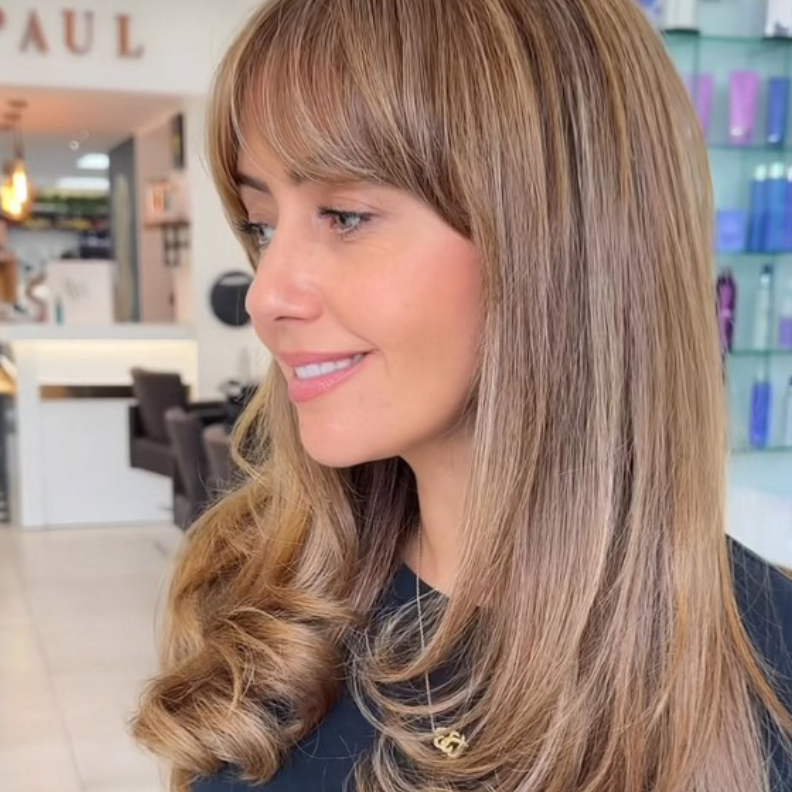
How long before the lighter ends start looking separate from the roots? With a dark blonde base and light blonde highlights, the answer is about ten weeks. The soft transition from darker roots to lighter ends means grow-out reads as intentional, not overdue. The collarbone layers hold a wavy blowout, and the side-swept bangs blend the colour shift. The tone stays bright enough to read as blonde but dark enough to keep the base from washing out. This dark blonde to light blonde combination needs a toner every third wash to keep the ends from going brassy, but the maintenance is manageable. The texture is straight to wavy, medium density, so the highlights sit evenly without clumping.
Dark Brown To Light Brown Ombré
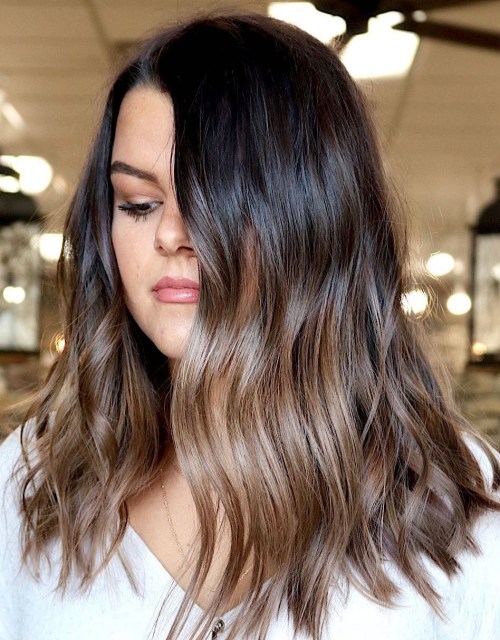
This is the low-commitment version of a full blonde. A dark brown to light brown ombré gives you the lift without the constant root touch-up. The smooth transition starts below the ears and fades gradually, so the grow-out is nearly invisible. Ask your stylist for a gradient that stays within two shades of your natural base. The collarbone length and wavy texture help the colour blend naturally. Medium density hair carries the ombré without looking stripey. The tone is light brown, warm but not golden.
Deep Brown To Caramel Ombré
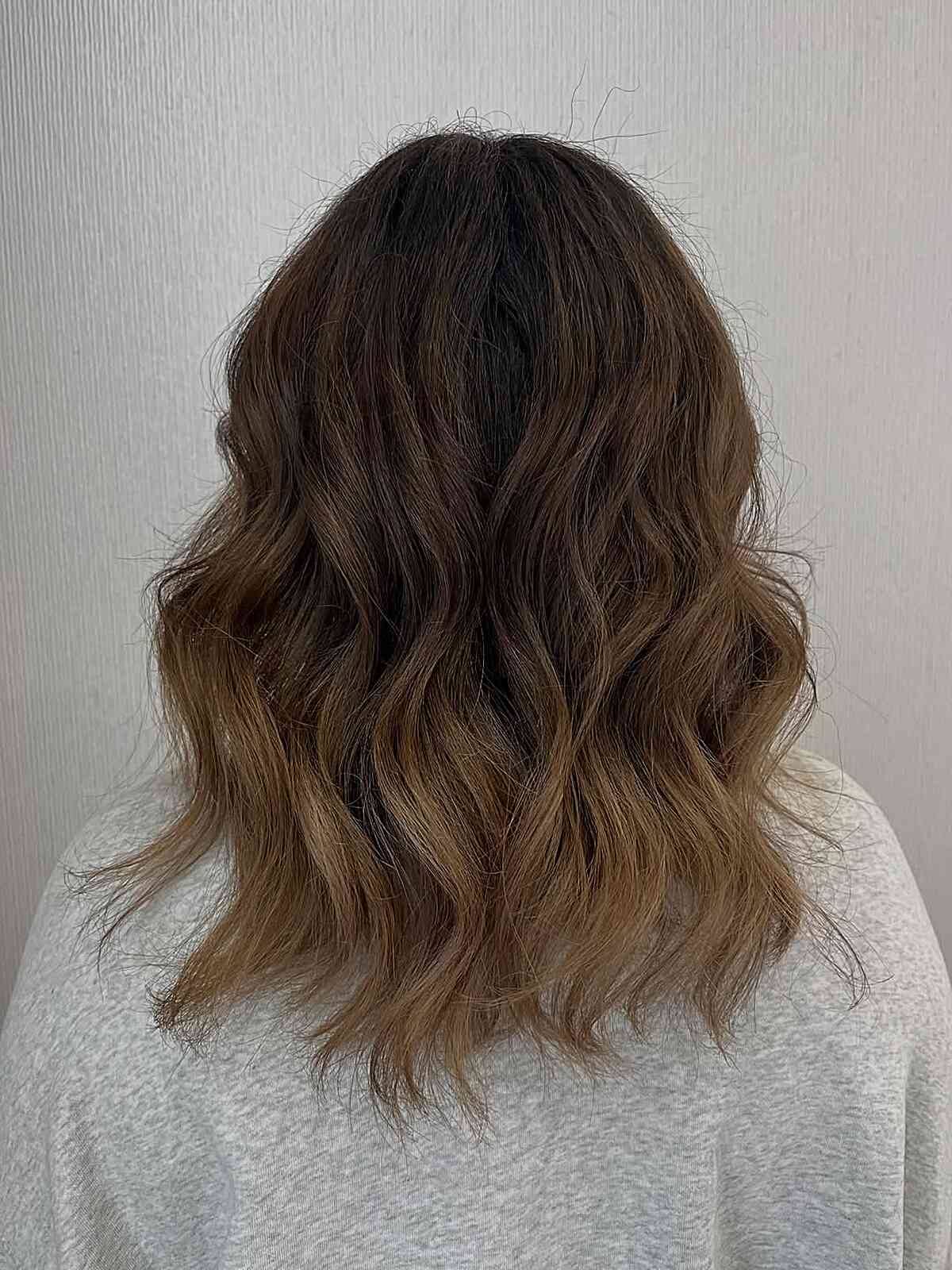
The caramel starts subtly and builds to a warm end. A deep brown to caramel ombré relies on a slow gradient that keeps the roots dark and the ends bright. The technique is painted, not foiled, so the transition feels organic. This reads as autumn without trying, the warm caramel tone suits the season and works on wavy, medium density hair at collarbone length. The back view shows the ombré at its best, with the colour pooling at the ends. The tone is caramel, not honey, so it stays rich rather than brassy. Ask your stylist for a soft blend that starts mid-length.
Medium Brown With Caramel Blonde Highlights
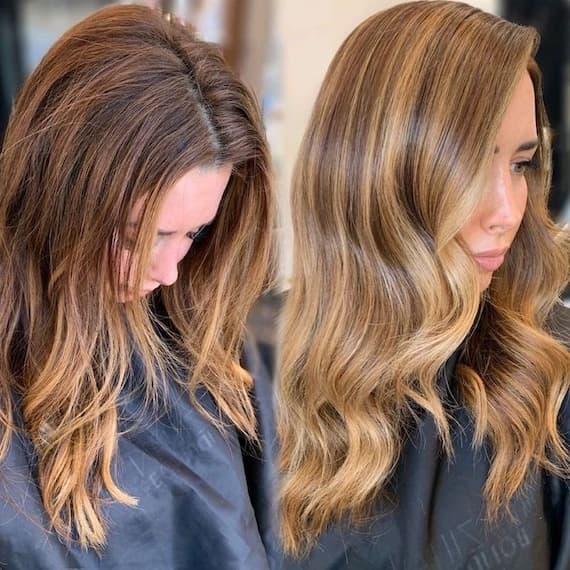
Who actually pulls off warm caramel highlights? Medium brown hair with caramel blonde highlights works best on warmer skin tones and medium to thick density. The caramel tones lift the base without overpowering it, and the highlights are placed to catch light around the face. The shoulder length keeps the wavy texture from weighing down, and the thick density means the highlights stay visible without looking sparse. This is a medium brown caramel highlights look that reads as dimensional, not stripey. The tone is warm, so it suits those who want a sun-kissed effect without going full blonde. The technique uses fine sections to keep the blend soft.
Dark Brown To Blonde Balayage
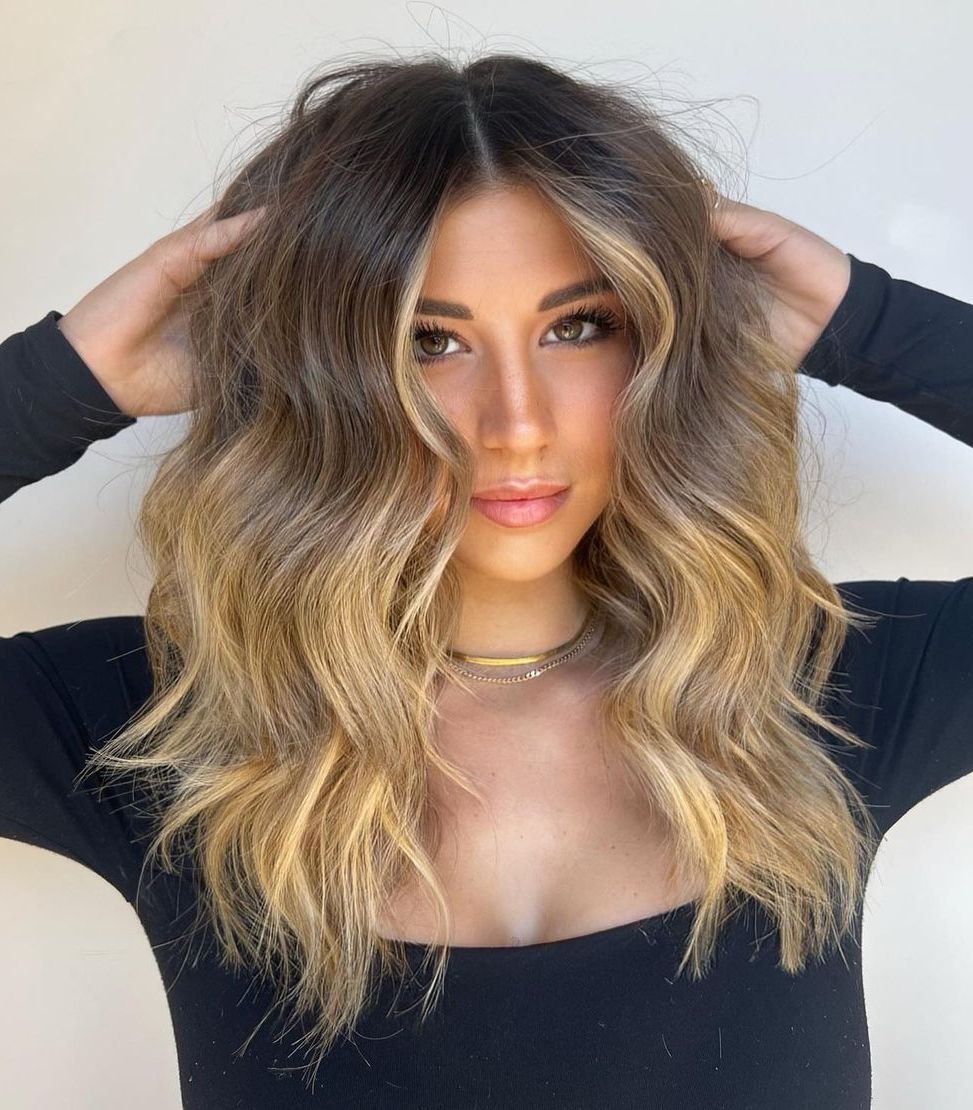
Confession: I booked dark brown to blonde balayage and spent the first month checking my roots like they owed me money. The collarbone length helps, and the middle part helps more. On wavy thick hair the transition from dark to light reads as dimension, not as a grow-out line, which is the whole trick. The tone shifts from rich brown at the root to a lighter blonde at the ends, and that gradient is what buys you calm weeks. The blonde fades warm around week eight, so book a toner before you reach for a violet shampoo. The grow-out is the feature, not the flaw.
Dark Brown Base With Face-Framing Balayage
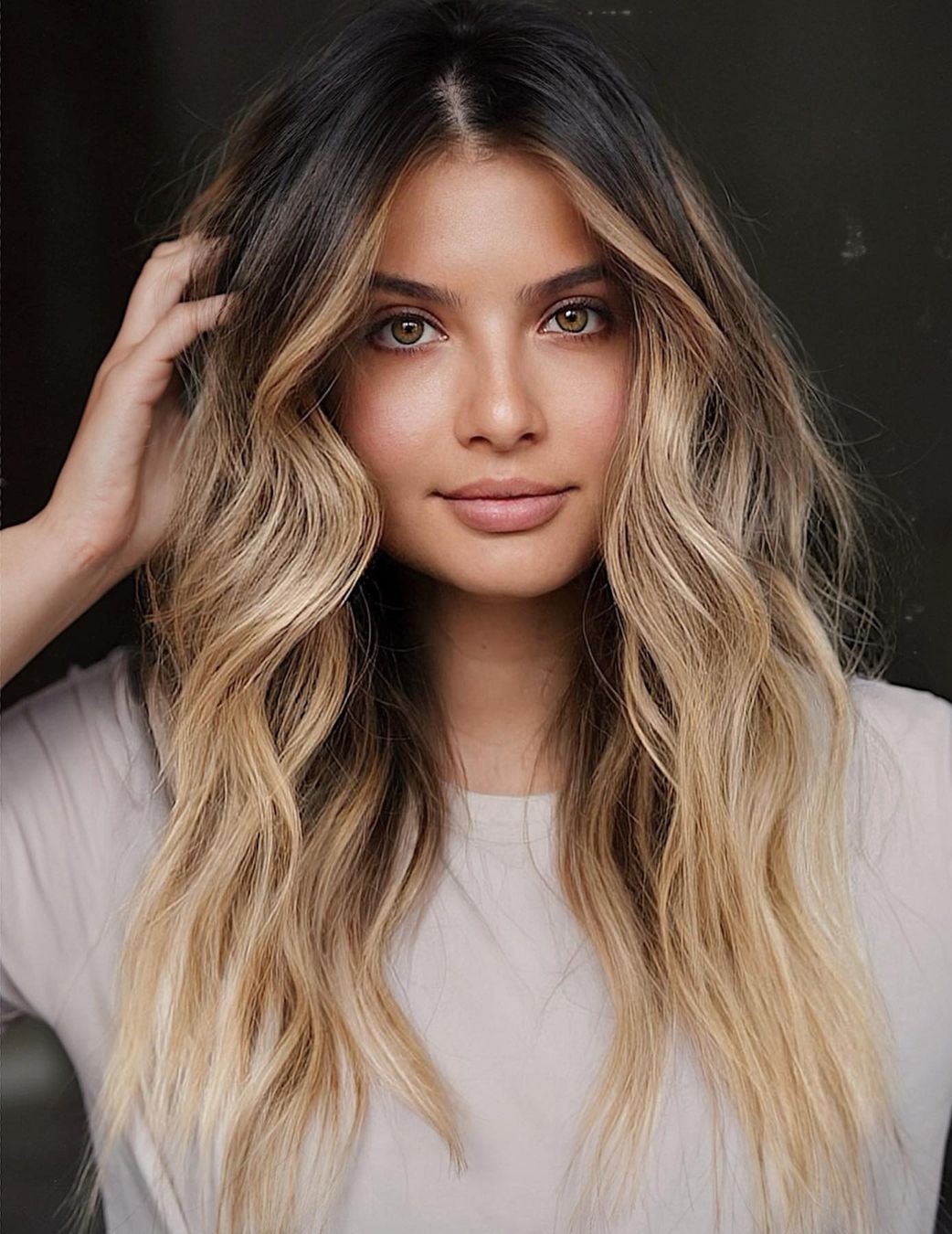
My gut reaction to dark brown blonde face frame work is that everyone gets the placement wrong. The idea is simple: keep the base dark brown and let the balayage lift the strands around your face, so the light hits where you notice it. With curtain bangs and a middle part, the blonde wraps the cheekbones and the jaw. That contrast between a dark base and those bright front pieces is the whole point, and it flatters more face shapes than you would expect.
The honest downside is that the face-framing pieces are the first to betray you. They sit at the shortest layer, so their grow-out shows at week six while the mid-back length still looks freshly done. Expect a refresh of just those front strands around two to three months, while the rest coasts to four or five. The tone needs watching, the blonde around your face oxidises warm first, so a toner at the same appointment keeps the brightness where it matters. It is not a set-and-forget colour, but the pieces that make the look are the ones that need the maintenance.
Dark Blonde With Lighter Blonde Balayage
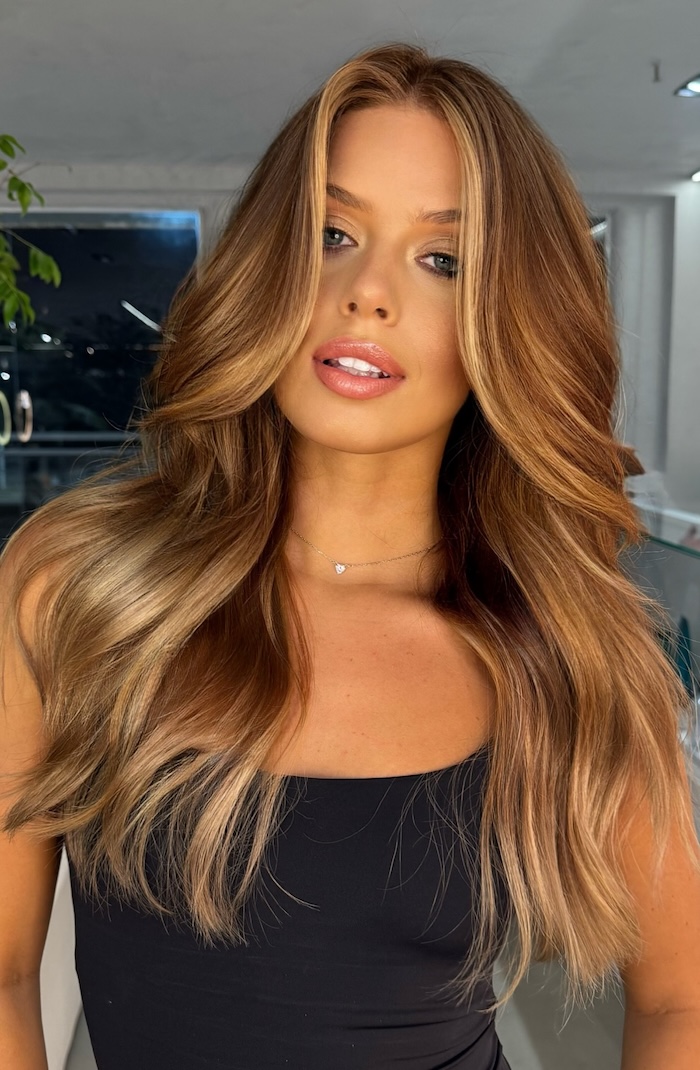
Here is a precise observation: dark blonde lighter blonde balayage is the colour that stops being ordinary the minute the light shifts. The base is a dark blonde, not brown, not gold, and the balayage lifts the front pieces to a lighter blonde. In July sun it looks sun-kissed, by September it still reads as summer but with a muted edge. That is the seasonal payoff, it does the transitional move without ever looking washed out.
The mid-back length and the long layers give the lighter tone room to travel, and on wavy thick hair the face-framing highlights catch light from every angle. This is the occasion colour: it survives a beach week, then a return to the office, because the tone sits between blonde and blonde. Keep the base dark enough and the grow-out is just your natural colour showing through, no harsh line. It takes about twenty minutes to style, a blowout with some wave, and the lighter pieces want a toner refresh every six to eight weeks to stay bright.
Brunette With Blonde Highlights Contrast
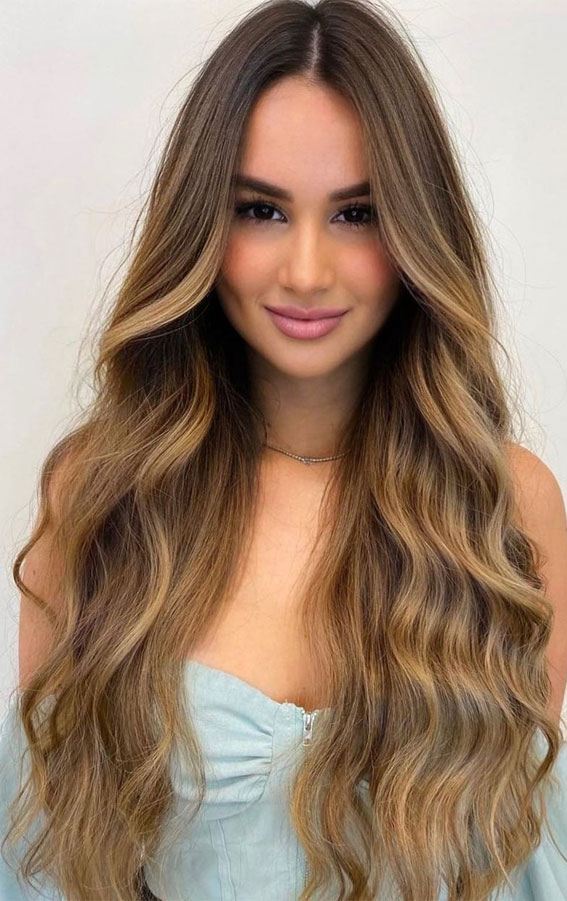
Verdict: brunette with blonde highlights contrast beats a full balayage if you want your dark roots to do actual work. The technique keeps the top dark and places blonde highlights through the mid-back waves, so the contrast is the point, not an accident. The tone is bright where it lands and stays warm next to the dark base. The length holds the dimension, and the wavy thick texture gives each highlight somewhere to sit. The DIY part is the root touch-up at home, the highlight placement is a salon job, that contrast is where the skill lives.
Mid-Back Dark Brown Base With Face-Framing Blonde Streaks
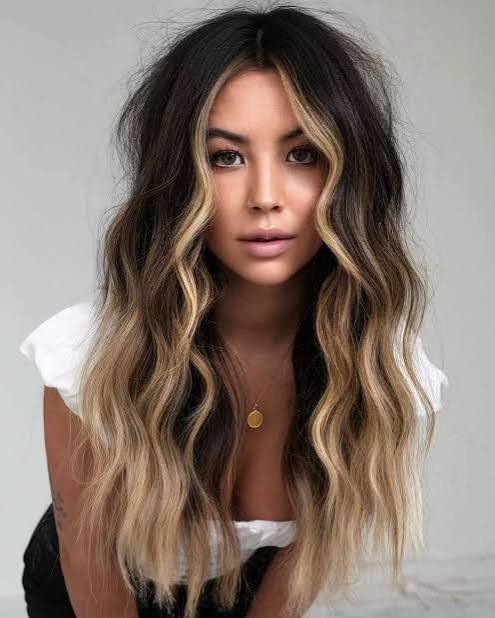
Does your face shape actually want dark brown face framing blonde pieces, or do you just like the picture? Be honest. The streaks work hardest on round and square faces, the vertical lines of light on either side of the middle part lengthen the face and soften the jaw. On oval faces they are simply pretty, which is fine. The mid-back length gives the streaks room to fall, and the wavy thick texture lets the light wrap around each strand instead of lying flat.
Who should pass? If your hair is fine and straight, the face-framing streaks can read as sparse rather than bold, they need density to hold their shape. The tone matters too, the brighter blonde against the dark brown base is a high contrast move, and that suits a warm skin tone better than a cool one. The close crop framing means the streaks start high, which flatters most people but demands a touch-up every six to eight weeks on just those front pieces. The rest of the mid-back base waits three to four months, so this is a look for anyone ready to tend the front and ignore the back.
Seamless Dark Brown To Blonde Blend
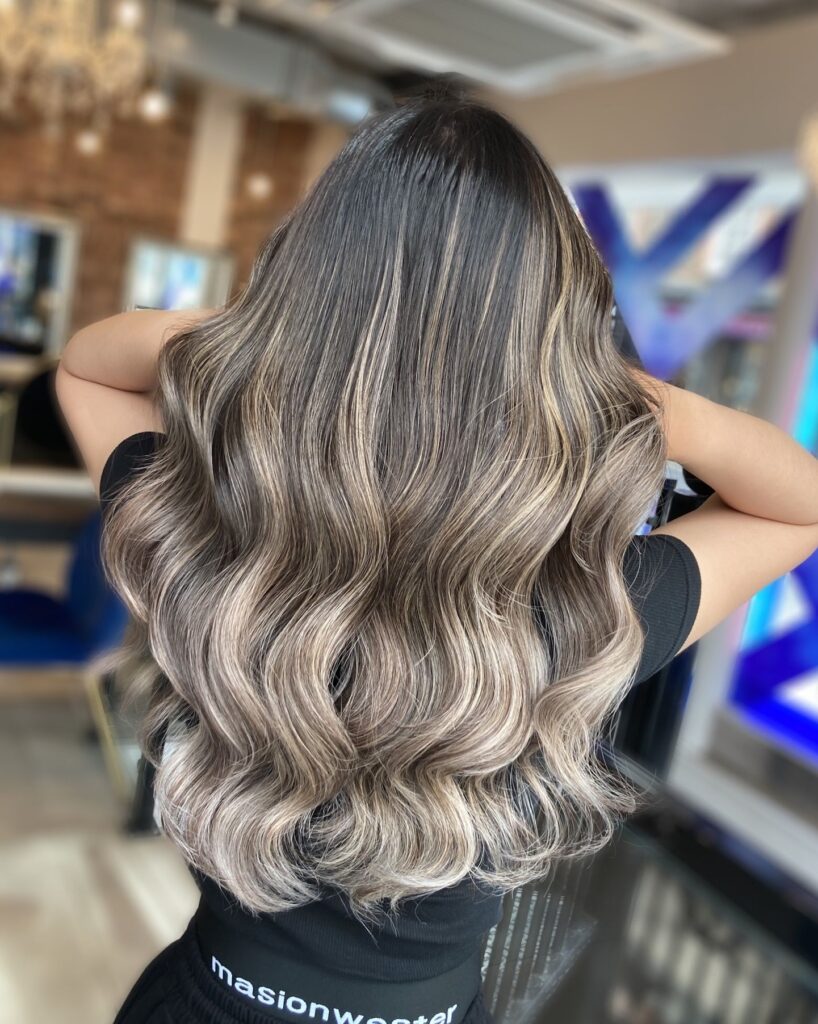
The trick to a dark brown to blonde seamless blend is where the colorist places the lightest pieces. They paint the balayage onto the surface of each section, keeping the roots dark and the mid-lengths to ends lighter. The tone is a soft, natural blonde that reads warm without going brassy. On thick, wavy hair at mid-back length, the layers catch the color in a way that feels dimensional, not striped. The thickness allows the dark base to peek through underneath, which gives the blend depth.
The result is a gradient with no visible line. The dark brown base anchors the look, the blonde adds brightness. The technique relies on the stylist’s hand — each stroke is placed to match the hair’s natural fall. That’s why it takes a salon visit, not a box. The middle part helps the color frame the face evenly, and the waves show off the transition. The seamless blend means the grow-out is soft, not stark.
Dark Brown Base With Dense Blonde Highlights
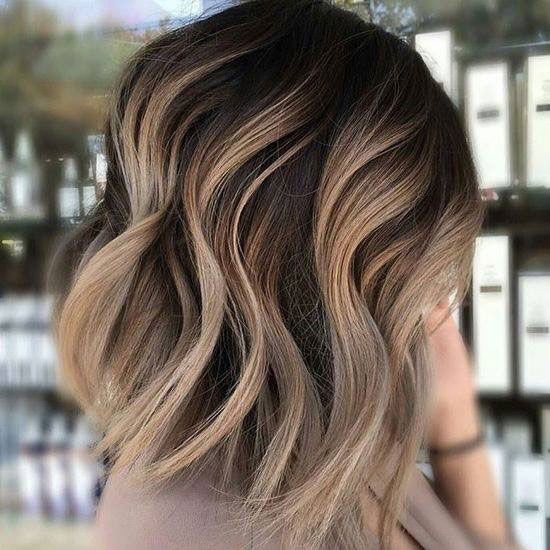
Dense blonde highlights on a dark base are a commitment. The contrast is striking, but it demands upkeep. A purple shampoo keeps the blonde from turning brassy, and a heat protectant is non-negotiable when you style the waves. The highlights sit densely throughout the mid-back length, so every section catches the light. The tone is a bright blonde that pops against the dark brown. Plan for a toner refresh every six to eight weeks to keep the color crisp.
Mid-Back Dark Brown With Blonde Balayage Ends
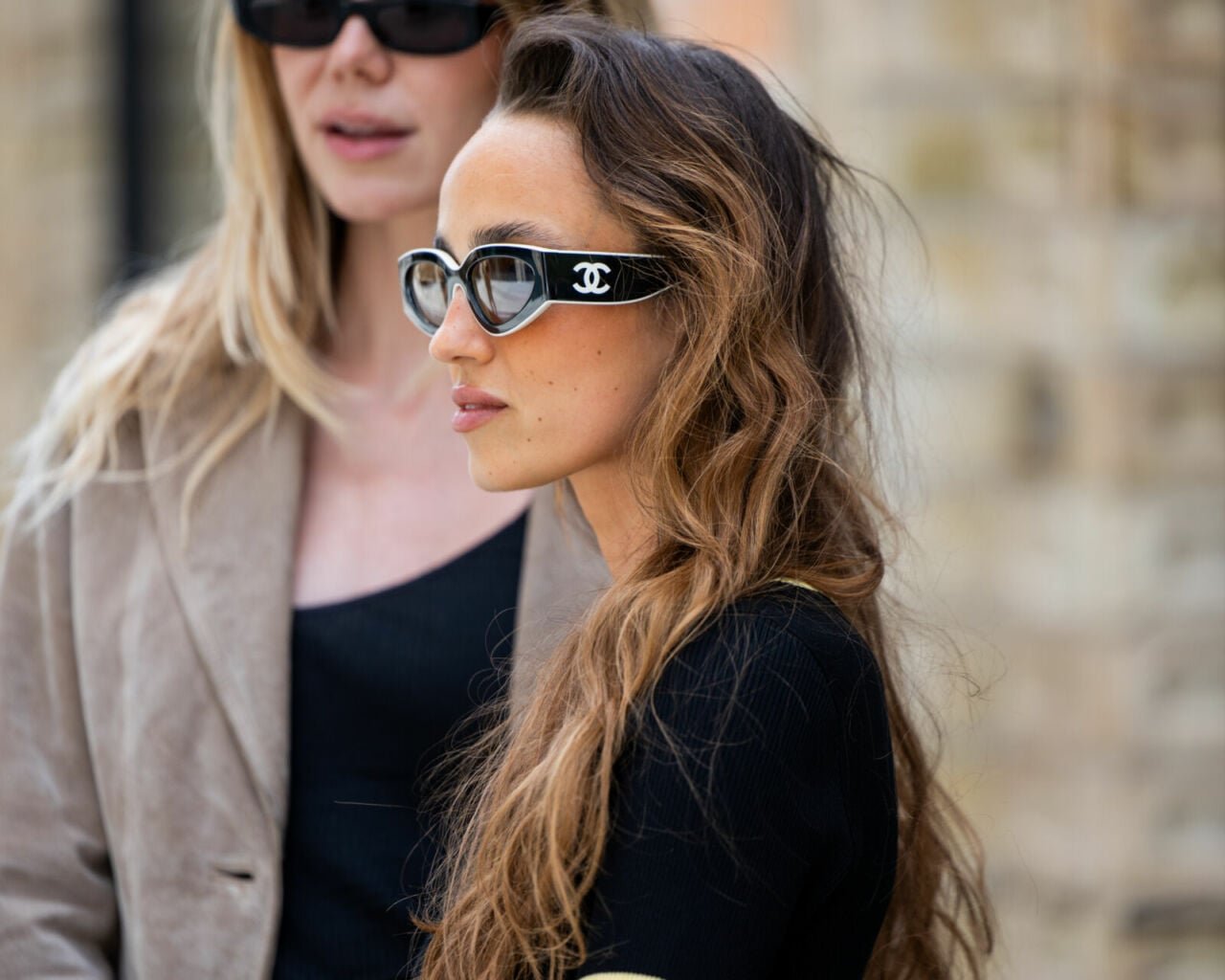
This is the color that makes me want to buy a sweater. The dark brown roots ground the look, while the blonde balayage ends catch the low autumn light. It’s a transition color that works for the season — not too bright, not too dark. The medium density wavy texture helps the balayage sit naturally, and the mid-back length gives the contrast room to breathe. The tone is a soft blonde that doesn’t fight the brown, it just lifts the ends. Perfect for when you want to ease into blonde without going all in.
Layers Dark Brown With Golden Blonde Balayage
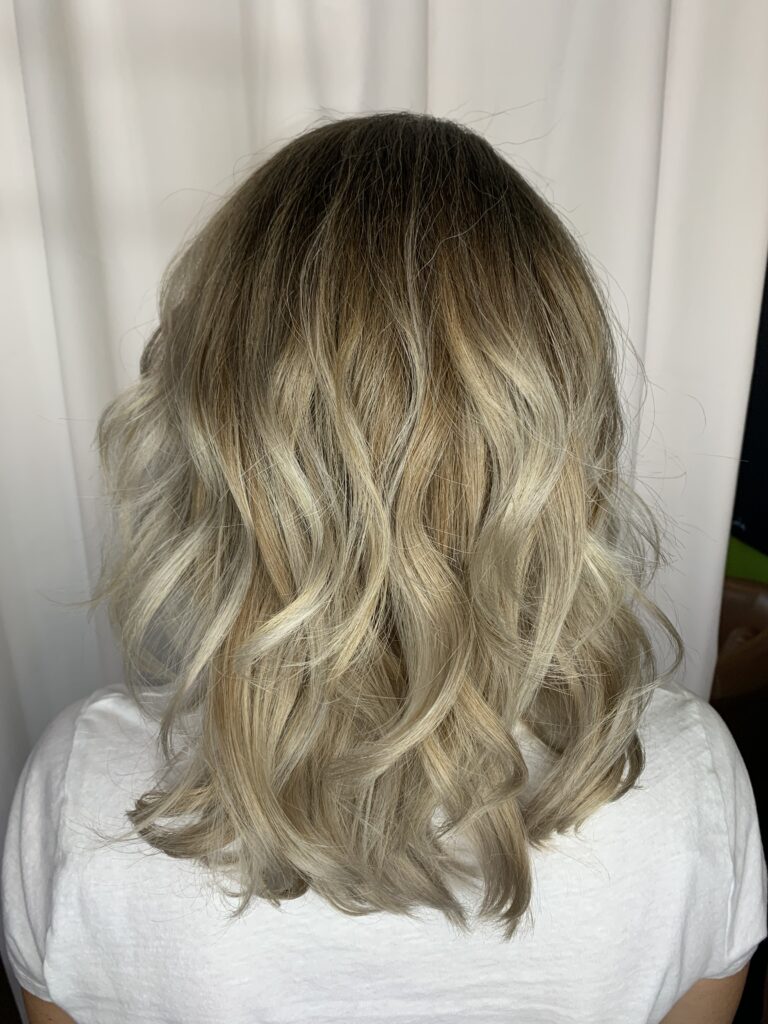
Does your skin pull warm? Then this golden blonde balayage was made for you. The dark brown base and golden blonde tones create a rich, sunlit effect that flatters olive and tan complexions. The layers in the mid-back length allow the color to move, and the thick wavy texture holds the wave pattern that shows off the blend. The tone is warm without being orange, thanks to the brown base. If your undertones are cool, this might read too yellow — stick with ashier tones instead.
Collarbone Dark Blonde To Light Blonde Balayage
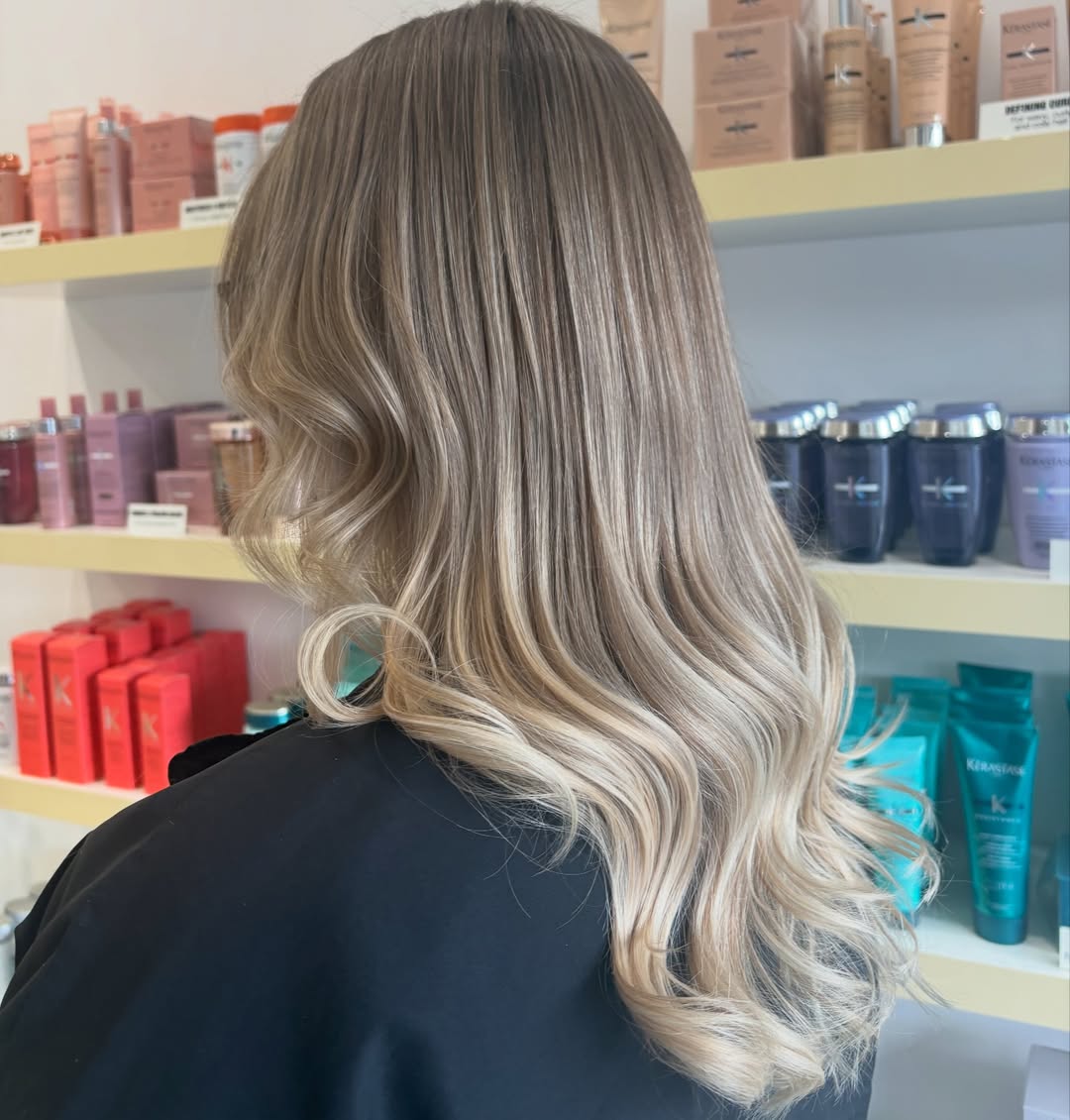
Hand-painted balayage on a collarbone cut keeps the color from feeling heavy. The stylist paints the lightener onto the surface of each section, leaving the dark blonde roots untouched and blending into a light blonde at the ends. The medium density wavy blowout texture helps the transition read as natural. The tone is a bright blonde that lifts the face without overwhelming the shorter length. The technique creates a soft, lived-in look that grows out gracefully.
No Bangs Dark Brown To Rich Blonde Balayage
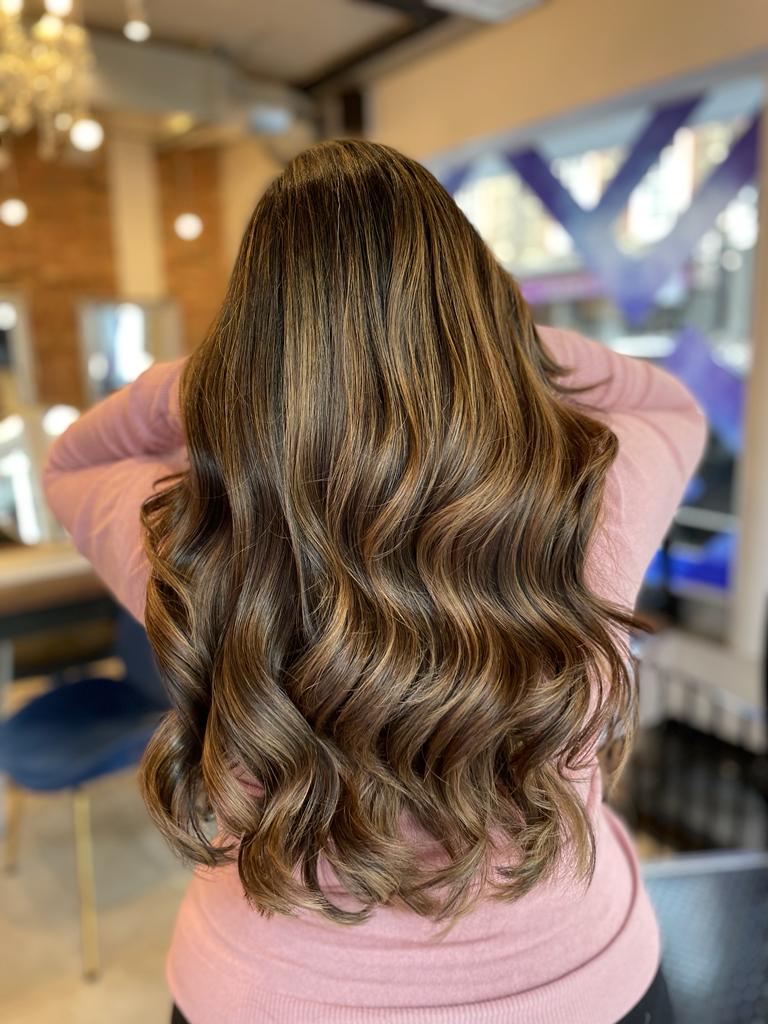
I’ll admit, I was skeptical about how this dark brown to rich blonde balayage would wear across a real week. The colour blend is the key: dark brown at the roots melts into a warm, rich blonde through the mid-lengths and ends, with no obvious line. At mid-back with no bangs and wavy texture, the balayage technique looks soft, not stripey. Day one it’s glossy; day five it still has dimension, just a little less shine.
The upkeep is real. The blonde sections lean warm by week four, so a toner refresh every six to eight weeks keeps them from turning brassy. I book a balayage touch-up every three or four months, and that’s non-negotiable if you want the blend to stay seamless. The thick, wavy texture helps disguise the grow-out, but if your hair is fine or straight, the line will show faster. Not a set-it-and-forget-it colour, but the payoff is depth you don’t get from all-over blonde.
Mid-Back Dark Brown To Blonde Seamless Ombré
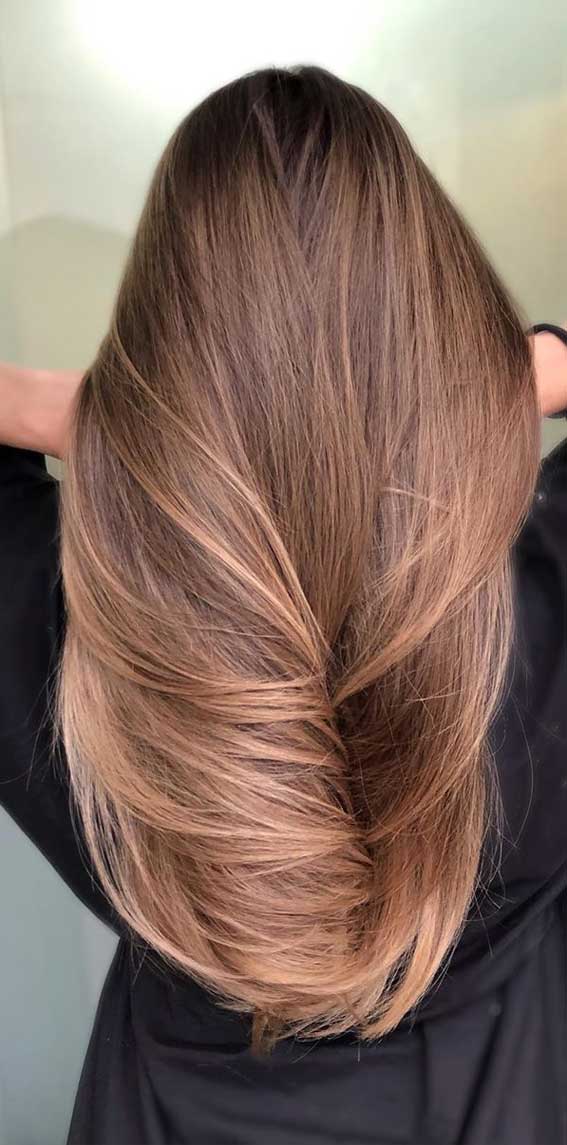
I get why people think a simple ombré will look seamless. Dark brown at the root, blonde at the ends, easy right? Wrong. The mistake is assuming any ombré will naturally blend: most end up with a stripe across the midsection. The mid-back length with no bangs and thick, wavy texture actually helps hide the transition, but if the colour isn’t placed right, it still looks like two separate haircuts.
The honest downside: this look requires professional skill to get a true dark brown to blonde seamless ombre. At-home kits can’t control the blend across long hair, and the warm tone in the ends can fade unevenly. To dodge the mistake, ask for a soft gradient that starts lower than you think and uses multiple tones in the blonde section. The seamless effect only works if the dark base is rich and the blonde is painted in, not dumped. Book a pro, even if you’ve done your own colour for years.
Dark Brown With Blonde Balayage Side Part
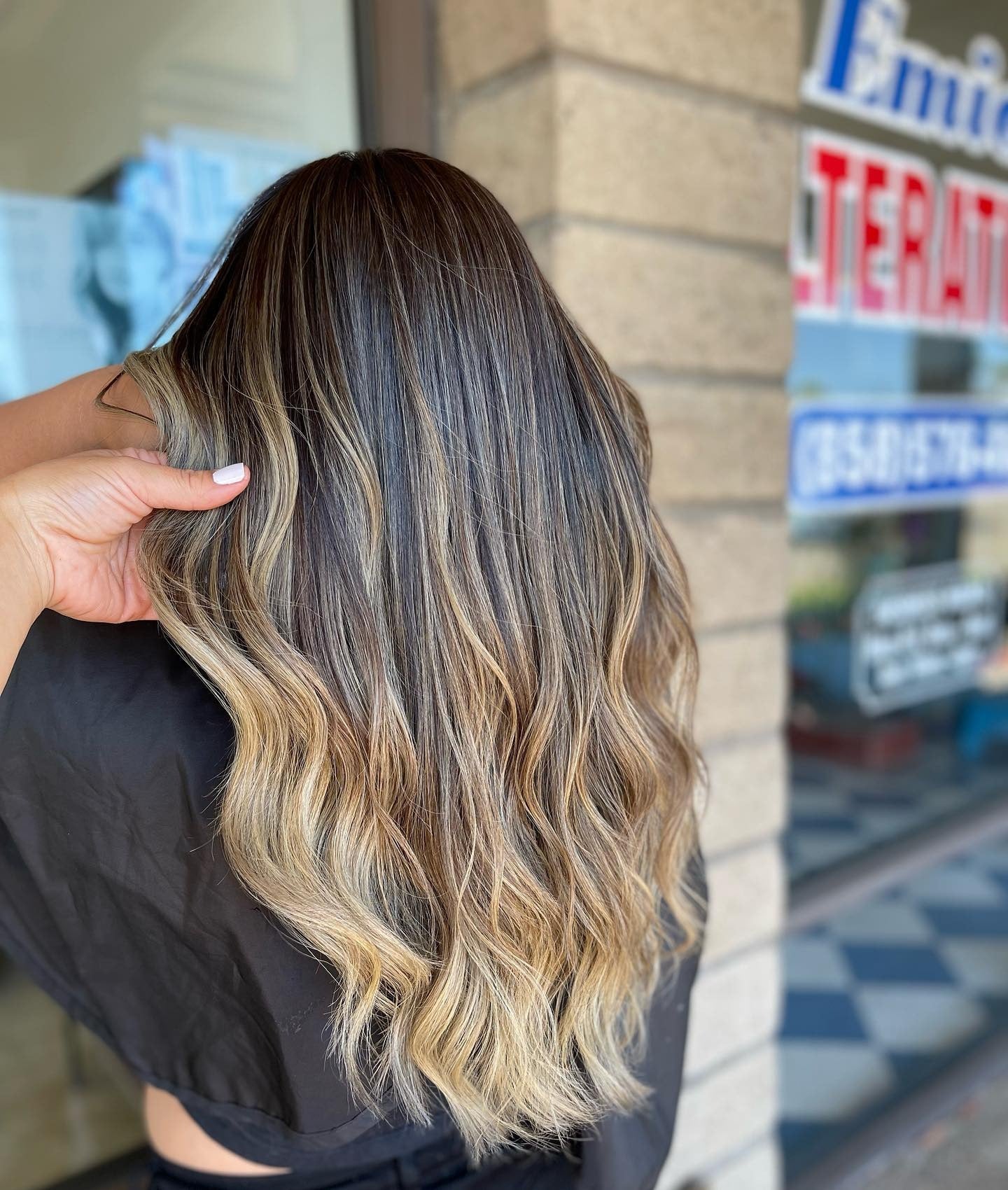
How much time does a dark brown blonde balayage side part actually save? On mid-back, wavy, thick hair, the colour work concentrates on one side, so chair time runs about two hours. That savings tempts many to DIY. But the balayage technique depends on hand-painted placement that’s hard to replicate, and the blonde tone lifts unevenly against a dark brown base with a box kit. I say book the salon. The time cost is lower; the technique isn’t.
Long Dark Brown To Blonde Sun-Kissed Balayage
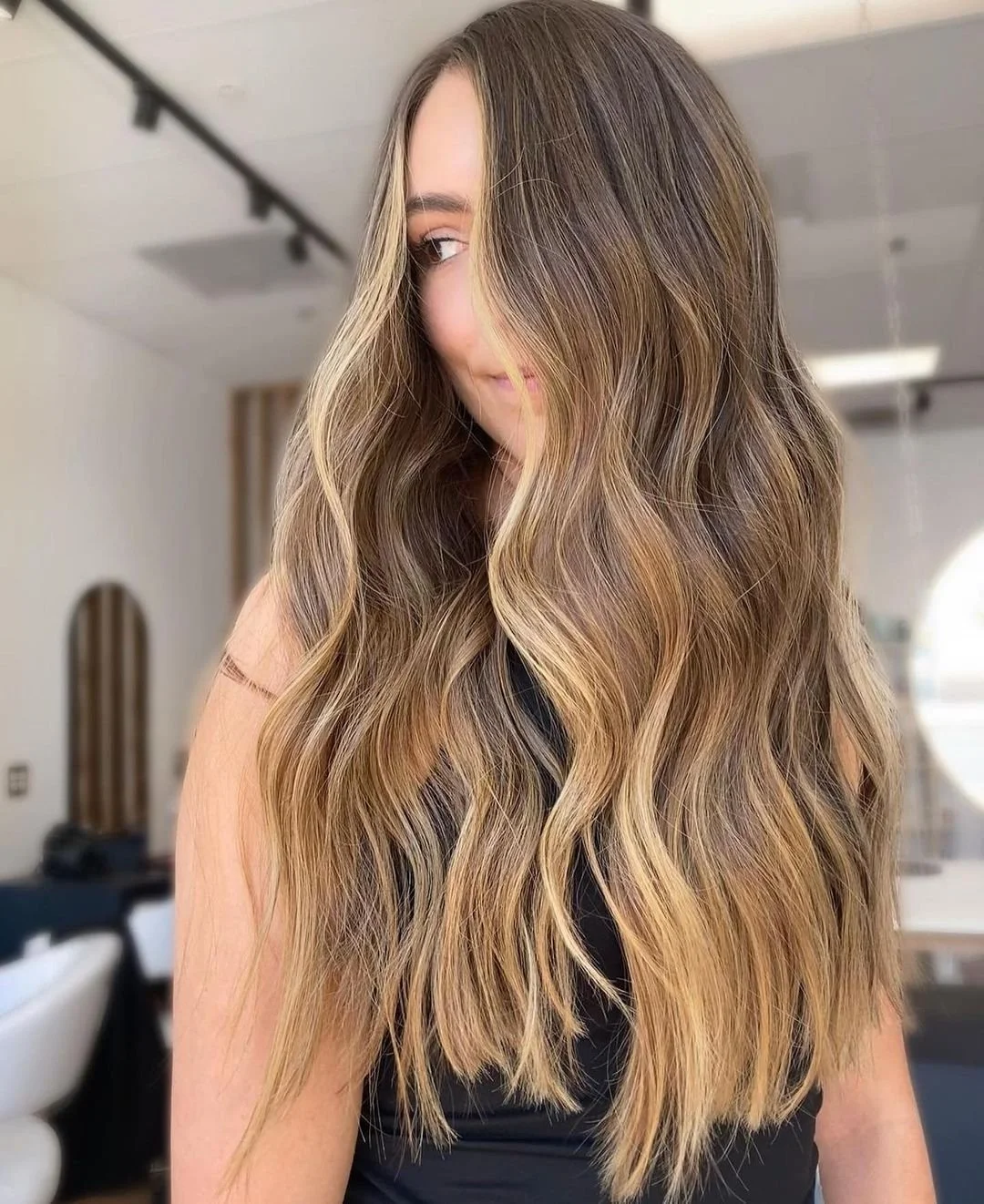
A sun-kissed balayage lands the lighter pieces where the sun would: top of the head, ends, face-framing strands. On long, wavy, thick hair, this dark brown to blonde sun kissed balayage reads as natural, not dramatic. The middle part also balances the highlight placement, which matters for those of us with round or square faces: the lighter pieces around the face can soften a strong jaw or add vertical length. This look genuinely flatters a wide range of face shapes.
Who should pass? If your natural base is very dark brown or you have brittle, over-processed hair, the lift required might leave the ends feeling rough. Ask your stylist for a subtle sun-kissed effect: root shadow the dark brown base at the top, then paint narrow ribbons of blonde from mid-lengths to ends, keeping two shades within the blonde for dimension. Skip it if you want high contrast; this is meant to look lived-in, not lightning-struck.
Ash Brown To Ash Blonde Ombré
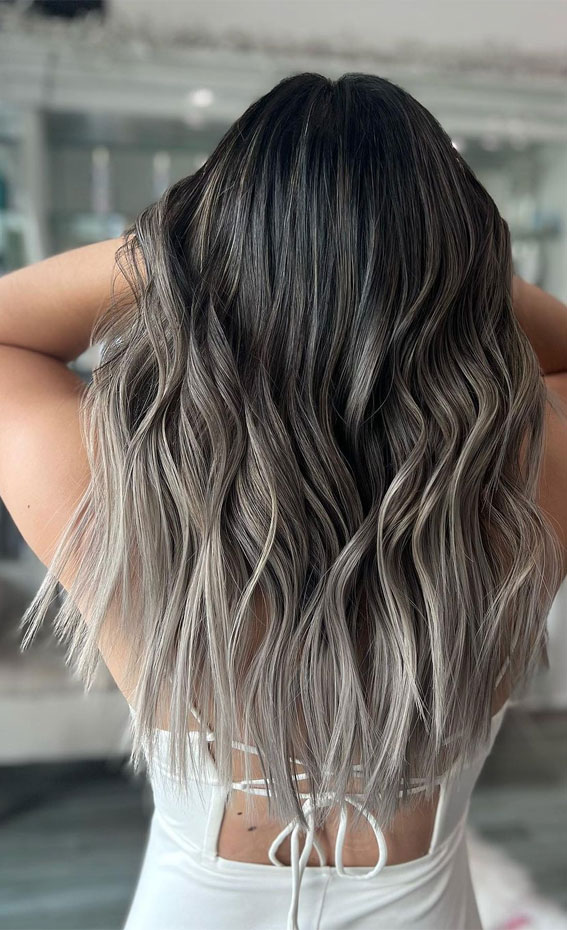
This ash brown to ash blonde ombré is the cool-toned answer for winter. The dark ash brown roots feel grounding against heavy coats and scarves, while the ash blonde ends catch cool indoor light without turning brassy. On mid-back, wavy, thick hair, the ombré technique keeps the transition soft, not stripey, so it works for both casual winter weekends and holiday dinners. The tone reads modern and urban, not beachy, which is exactly what you want when the temperature drops. Book it in October or November, and the grow-out through a dark base hides the roots better than any warm-toned blonde.
Medium Blonde To Light Brown Ombré
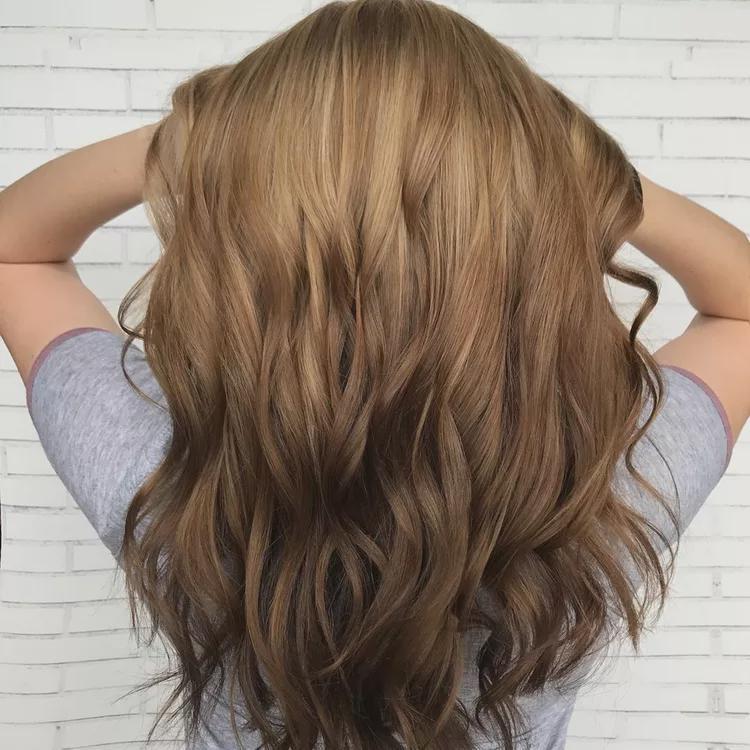
So you went medium blonde and now you want to light brown? The ombré gradient is your friend. Mid-back length, layers that catch the wave, wavy texture that looks intentional even when it isn’t. My medium density hair kept the tone warm without brassiness for about three months, then the ends started pulling orange. A purple shampoo fixes it for another month. The colour transition from medium blonde to light brown ombre sits low enough that grow-out feels gradual, not stark. You will need a touch-up every four to six months, which is exactly as long as I can stand sitting in the chair.
Wavy Bob With Dark Brown And Blonde Highlights
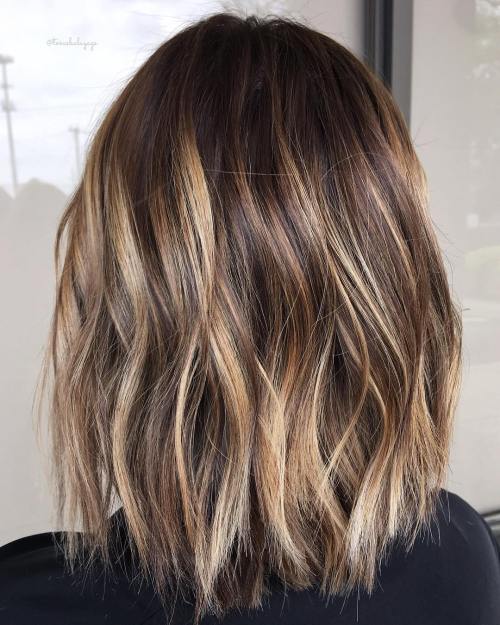
The trick with a wavy bob dark brown blonde is that the highlights have to land on the bends, not the roots. This chin-length bob skips bangs entirely, middle part gives it symmetry. Dark brown base, blonde streaks sliced through the wave pattern so every curl picks up light differently. Wavy texture, medium density — the contrast looks deliberate, not accidental. Highlights applied with a balayage motion, painting from midshaft to ends. The result reads as sun-bleached, even if you touched natural light last in July.
Fine Bob With Blunt Bangs And Blonde Highlights
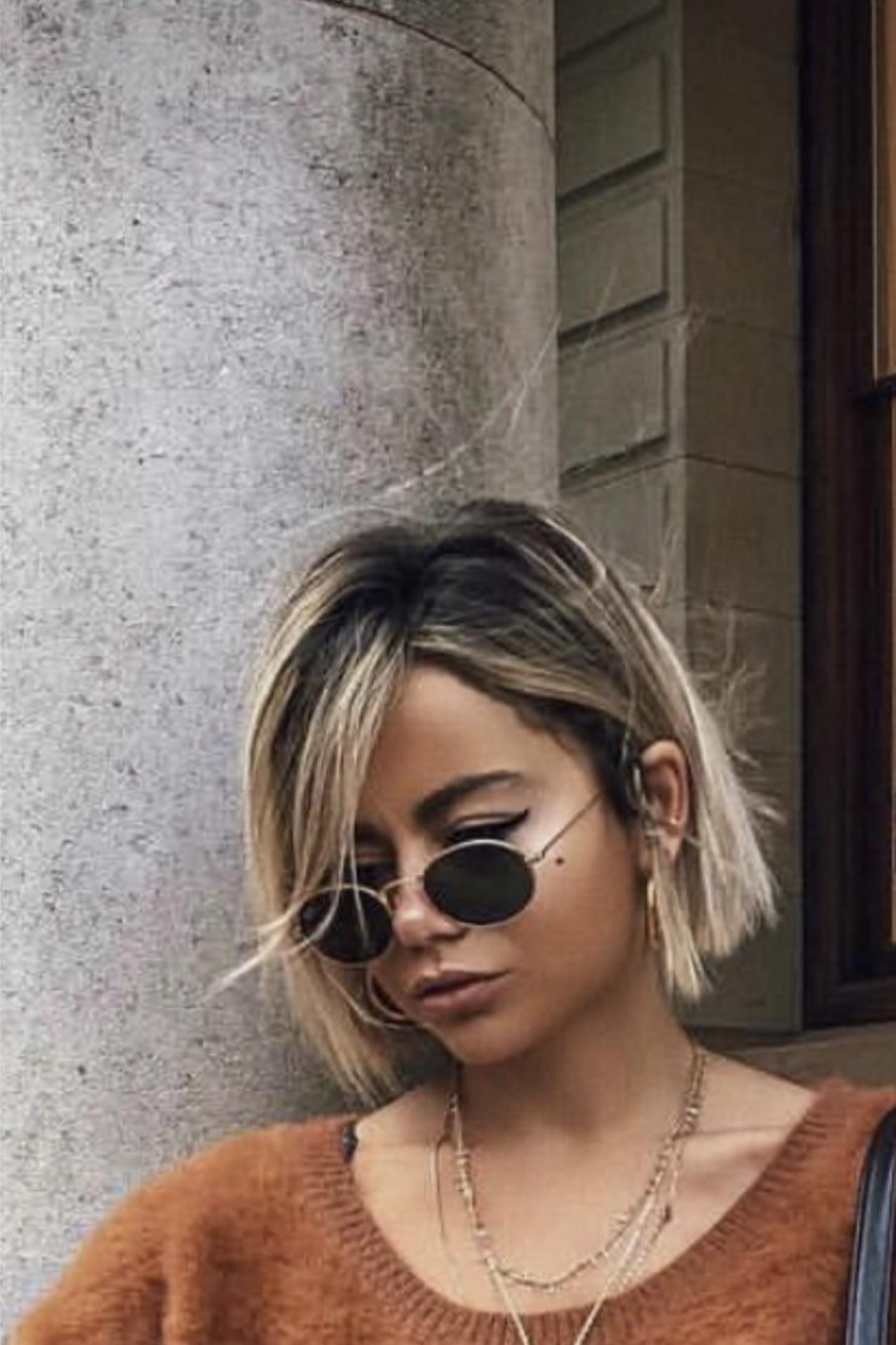
Blunt bangs on fine hair? I was skeptical. Chin-length bob, side-part, straight with a bit of mess. The dark brown base sits heavy at the scalp, then blonde highlights kick in from the cheekbones down. Fine, straight texture means the blunt bangs hold their line without collapsing, but they also show every day two of not washing. The contrast between dark roots and blonde ends is sharp — that needs a root smudge or a six-week refresh cycle. Honestly, it flatters oval faces and anyone who likes a sharp silhouette. The downside: those bangs will graze your brows by week three.
Mocha Brown To Honey Beige Ombré
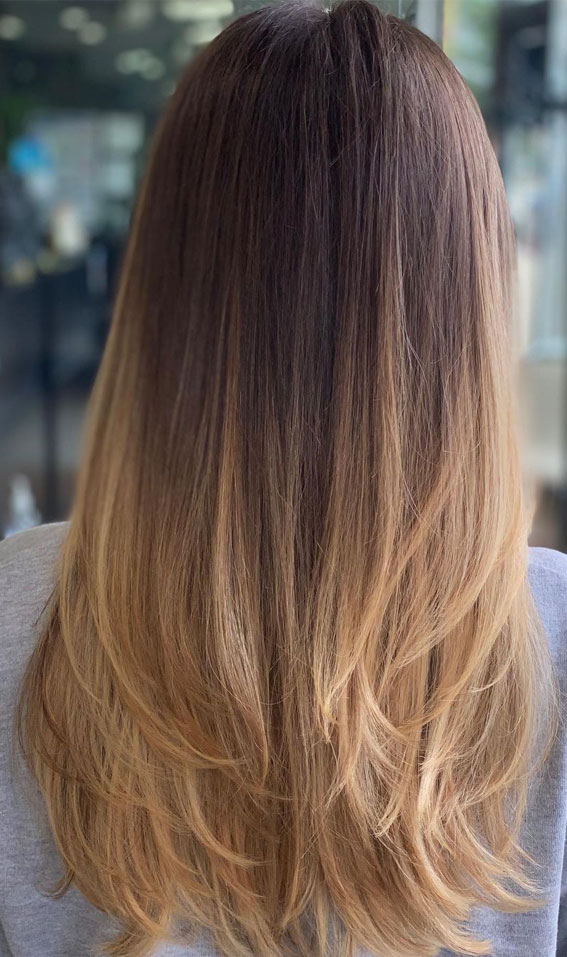
The mocha brown to honey beige ombré is the version that actually looks like you grew into it. Mid-back, long layers, straight and thick — the cut does the heavy lifting here. The dark mocha base anchors the crown, then the honey beige drift starts around the ears and slides to the ends. Compare it to a caramel ombré: this one leans cooler, less golden, more expensive-looking. The long layers are essential because they stagger the colour transition. A single-length cut would make the ombré look like a sharp line. Straight texture shows every graduation, which is the point.
Against a blonde-to-brunette melt, this one wins for subtlety. The honey beige is warm enough to soften your features but not so light that it reads as two separate colours. Thick hair makes the gradient look substantial, not wispy. The distinct layered cut means you can wear it straight or with a bend and the colour still moves. I recommend this over a high-contrast ombré for anyone who wants brunette depth without giving up all the brightness.
Mid-Back Medium Brown With Dimensional Blonde Highlights
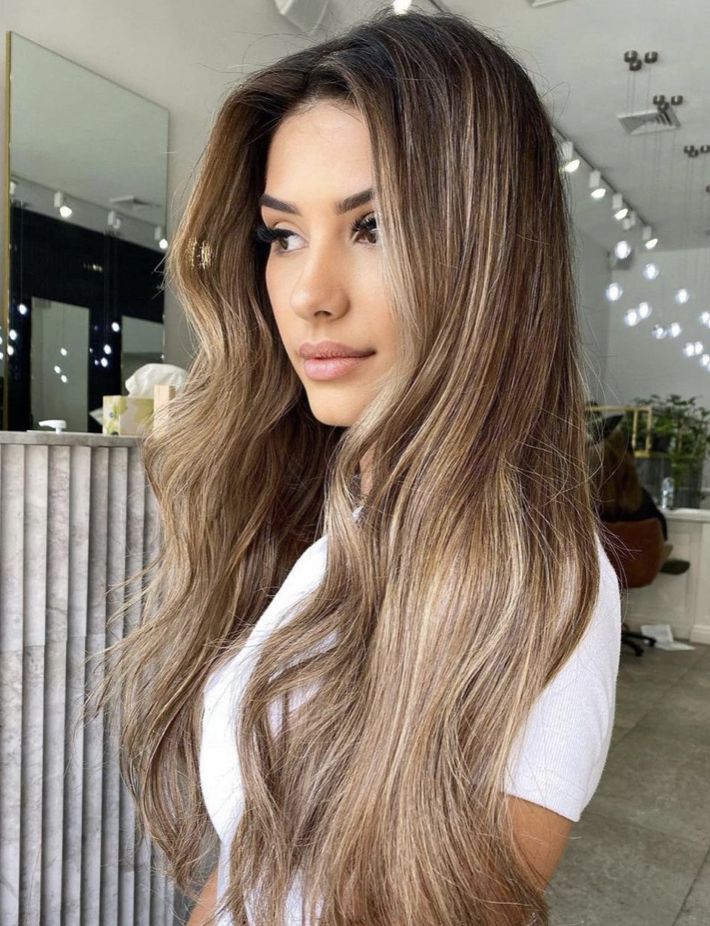
What keeps dimensional highlights from fading into one flat stain? Technique and a maintenance routine. This mid-back length has layers that scatter the light, wavy blowout that second-day curl. Medium brown base, blonde highlights painted in fine ribbons, not thick stripes. Thick texture holds the dimension because the waves break up the colour lines. To maintain that bright, dimensional quality, you need a purple shampoo every third wash and a heat protectant before any styling. Touch-ups every six to eight weeks, no exceptions. The highlights pull brassy faster on medium brown bases.
Across a week, this holds better than I expected. Day one is the blowout. Day two gets a quick refresh with a curling wand. Day three and four you can bun it and the highlights still peek through. The grow-out is soft because the highlights are painted in a face-framing pattern, not packed evenly. That means the roots at the crown stay dark while the perimeter stays bright. A trim every eight weeks keeps the layers from getting heavy. The key is not to let the highlights climb too close to the scalp — that’s what kills the dimension.
Dark Brown To Bright Blonde Colour Melt
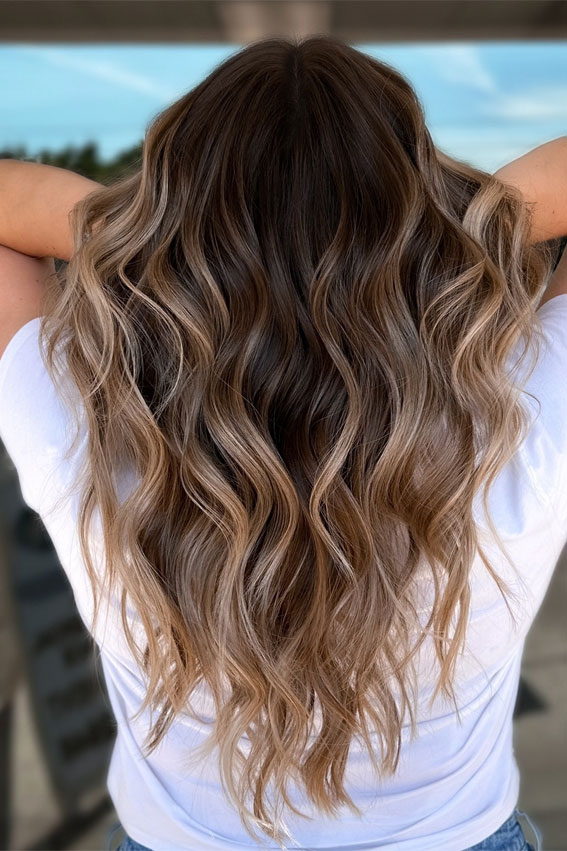
The colour melt is not ombré and not balayage, though it borrows from both. This one starts with a dark brown base and shifts to a bright blonde at the ends, all blended through the mid-lengths so there is no visible line. The tone is warm, the length is mid-back, and the texture is thick and wavy. The colourist uses a vertical blending technique, painting the lighter shade into the darker one section by section. Ombré gives you a more defined gradient. Balayage leaves painted sections. The melt creates a seamless transition that reads like one continuous colour, not two separate ones.
That is the technical difference. The melt requires more precision during application because the blend has to be smooth and even. The result is softer and more dimensional than either ombré or balayage alone. The dark brown to bright blonde melt works best on medium to thick hair where the colour has enough surface area to show the gradient. Fine hair can look flat if the melt is too subtle.
Deep Brunette To Bright Blonde Ombré
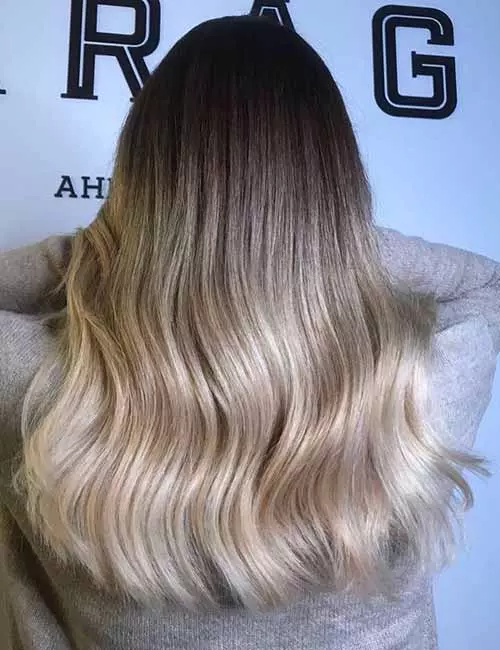
I keep seeing this look and thinking that transition is beautiful, but then I remember the toning schedule. The mistake people make is assuming ombré is low-maintenance because the roots stay dark. The deep brunette to bright blonde ombré shown here has a seamless transition, mid-back length, thick wavy texture, and a bright blonde tone. That bright part will go brassy in about six weeks without a purple shampoo and a toner appointment. The seamless transition starts to look muddy when the light section fades. So the real cost is not the initial colour, it is the regular toning to keep the blonde bright and the line soft.
Various Blonde Balayage and Ombré Looks
Dark Brown Base Fading To Lighter Brown/Blonde
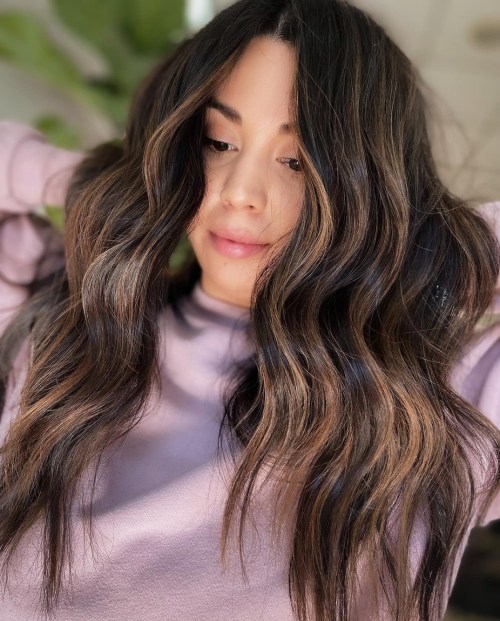
Why does this look feel right for fall? Because the dark brown base grounds the colour while the lighter ends mimic sun-faded hair from summer. It is a transitional colour. The technique is a soft balayage or ombré, creating natural-looking highlights that start around the chin and fade to a lighter brown or blonde. The tone is warm, the length is long, and the texture is wavy and thick. The dark brown fading to lighter shades works on most face shapes because the highlights are soft and not harsh. They add dimension without drawing attention to a specific feature.
The seasonal appeal is in the balance. The dark base feels cozy and grounded, the lighter ends add brightness without being summery. It suits wavy, thick hair best because the texture helps blend the colour naturally. Straight, fine hair may need more layering to show the fade. The look is subtle enough to wear through winter without feeling out of place.
Final Thoughts
I started this article watching women go darker, but after seeing all these ideas, I realized the real trick is the blend. The best transitions are the ones that look like you meant it, not like you’re growing out a mistake.
- Use a purple shampoo at week three
- Trim the ends every eight weeks
- Book a toner at week six
- Avoid heat styling for the first week
I’m booking a caramel balayage next. Not ready to give up all my blonde.