
I keep seeing browns in my salon feed that do not look like they are giving up on summer. They look like they are getting dressed for a colder commute. That is the shift I am after: a colour that reads warm on a gray Tuesday, not one that needed a beach to make sense.
These 38 Fall to Winter Hair Colors range from a single-glaze refresh to a full reformat. Some suit fine hair that flattens by 4 pm, others need density to carry the depth. A root shadow buys six calm weeks. A red fades at week five. I wrote every one from the grow-out side of the mirror.
Rich Chocolate Brown With Auburn Undertones
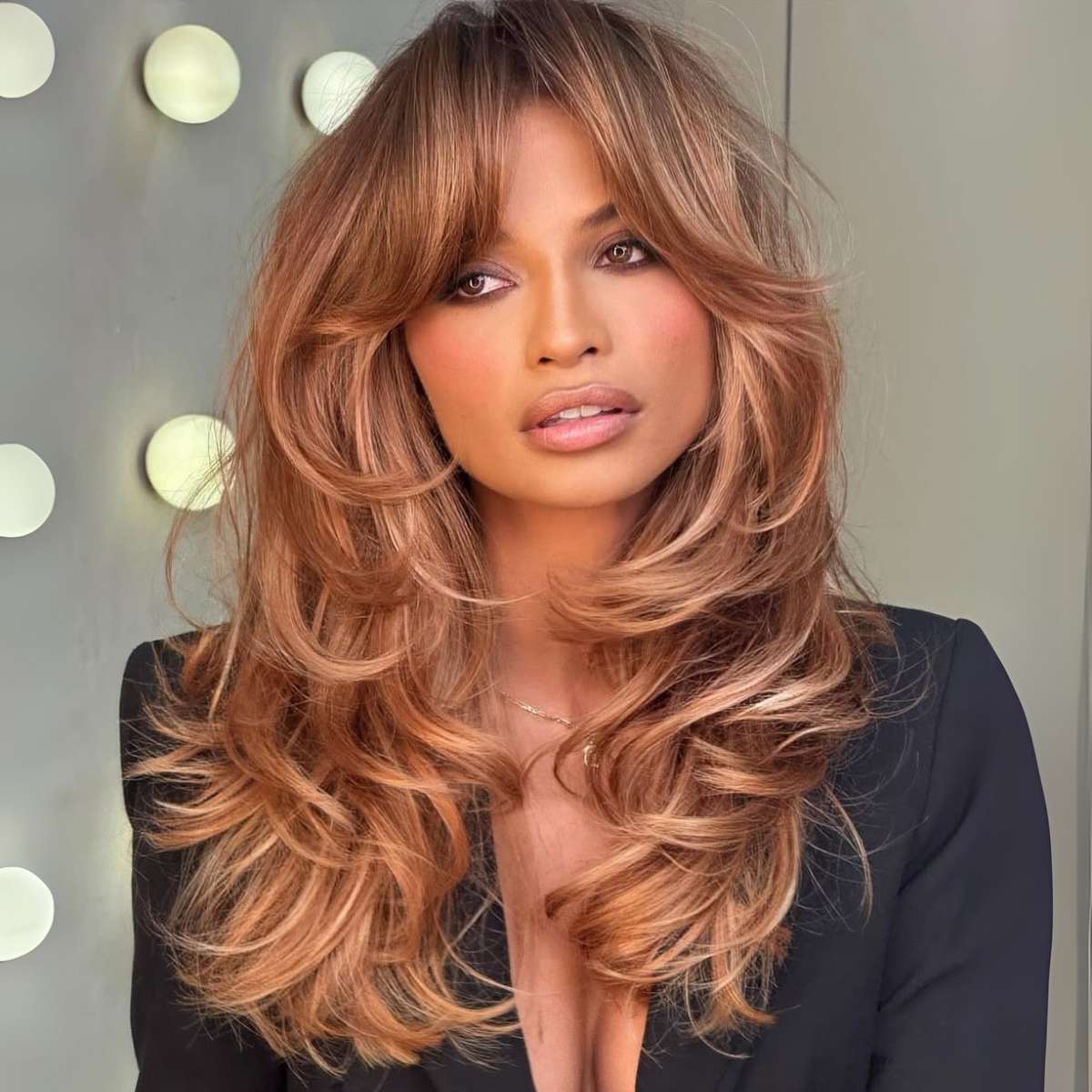
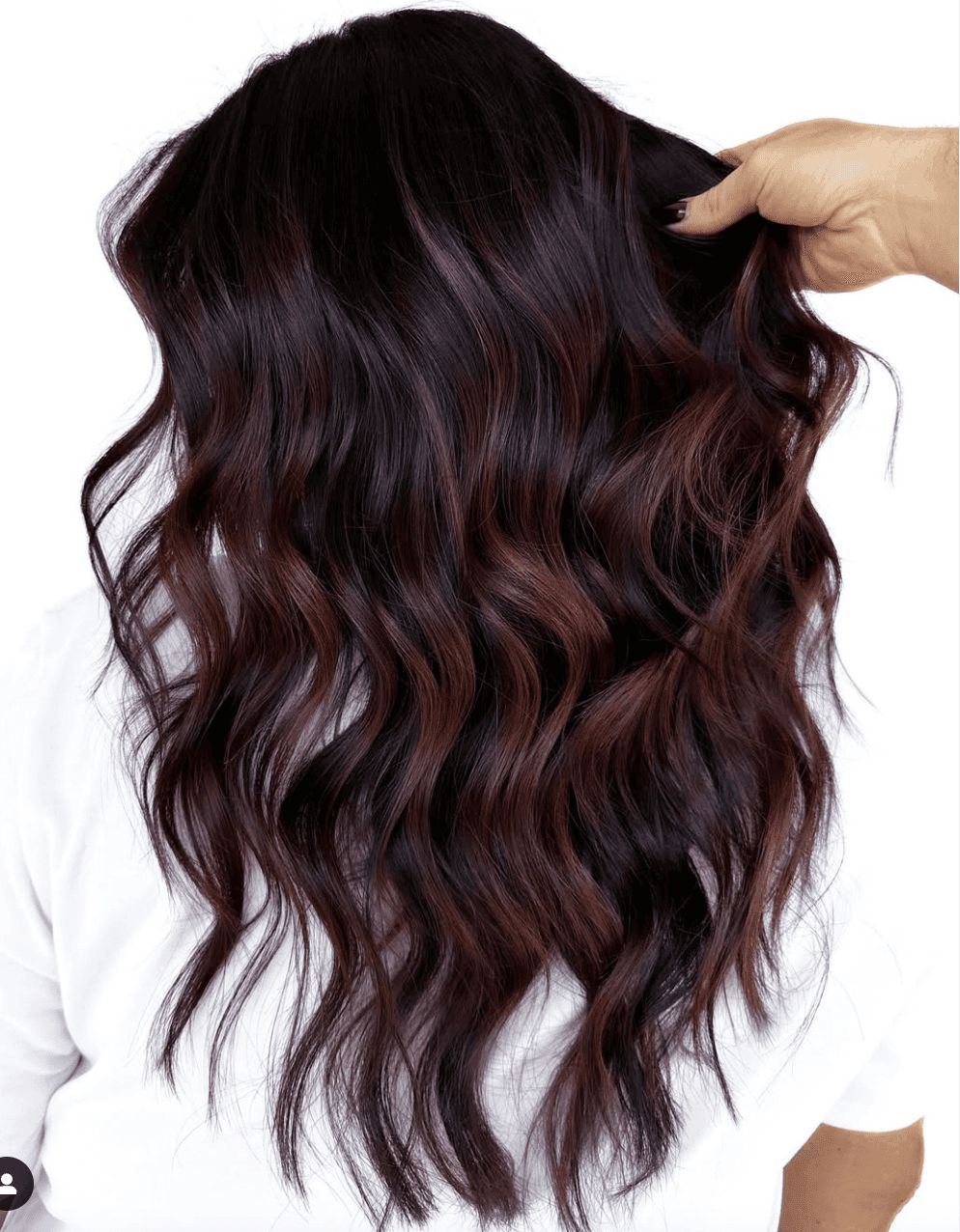
That mid-back length with the middle part and voluminous blowout? It reads expensive, but the real trick is the colour. Rich chocolate brown hair with subtle auburn undertones catches light like a warm ember without screaming red. On thick, wavy texture, those undertones peek through in the face-framing layers and disappear into the deeper mid-lengths. It flatters anyone whose skin has warmth — olive, tan, peachy — and reads muddy on very cool, pale complexions. The auburn shows best under natural light or a warm bathroom bulb. In harsh fluorescent, it just looks like a really good brown.
Deep Espresso Brown With Dark Chocolate
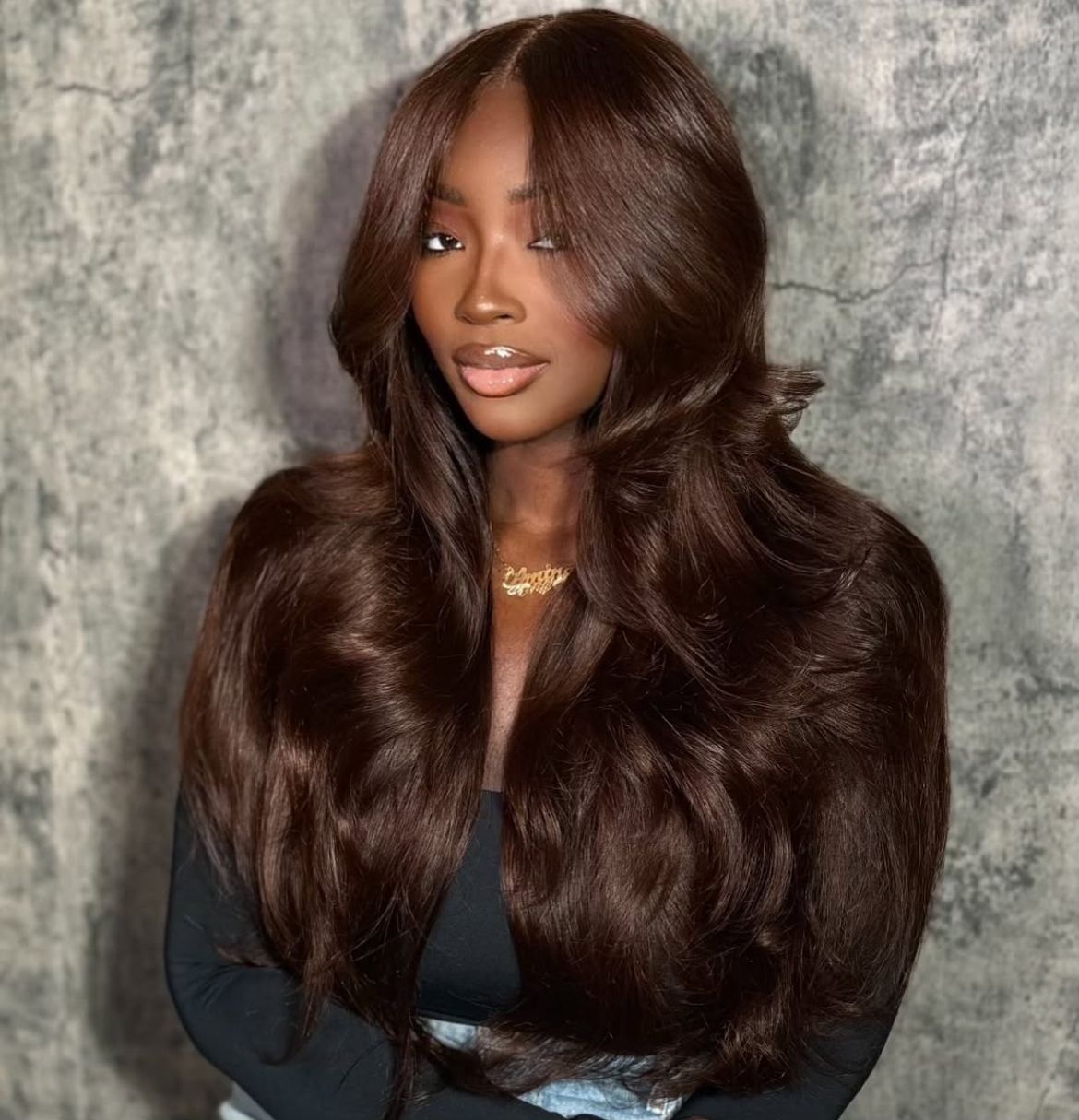
Deep espresso brown hair beats black for depth and beats warm brown for sophistication. The base is espresso, the subtle dark chocolate undertones add a flicker of warmth without crossing into caramel territory. On this straight, thick mid-back length with face-framing layers, the colour sits dense and glossy. The honest downside: it photographs almost black indoors. If you want visible dimension in every lighting condition, pick something lighter. But if you want a shade that says expensive without trying, this is it. It also makes your ends look healthier than they are — a neat trick.
Dark Chocolate Brown With Warm Undertones
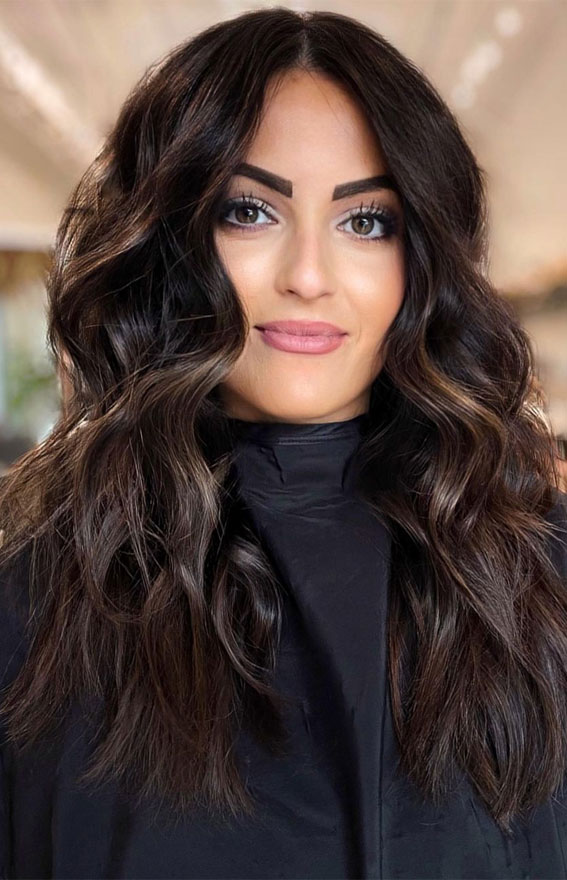
Does your brown go flat by Tuesday? Dark chocolate brown hair with warm undertones fights that. The warm undertones catch light even when your waves have dropped and the voluminous blowout is a memory. On this long, thick, wavy texture with no bangs and a middle part, the colour lands somewhere between a true chocolate and a soft chestnut. It works on warm and neutral skin tones equally well. Cool, pink-toned skin reads slightly sallow against it — test a strand first. The warmth fades after about six weeks, and a colour-depositing conditioner in a similar brown keeps it from going ashy.
Thick Dark Brown With Full Bangs
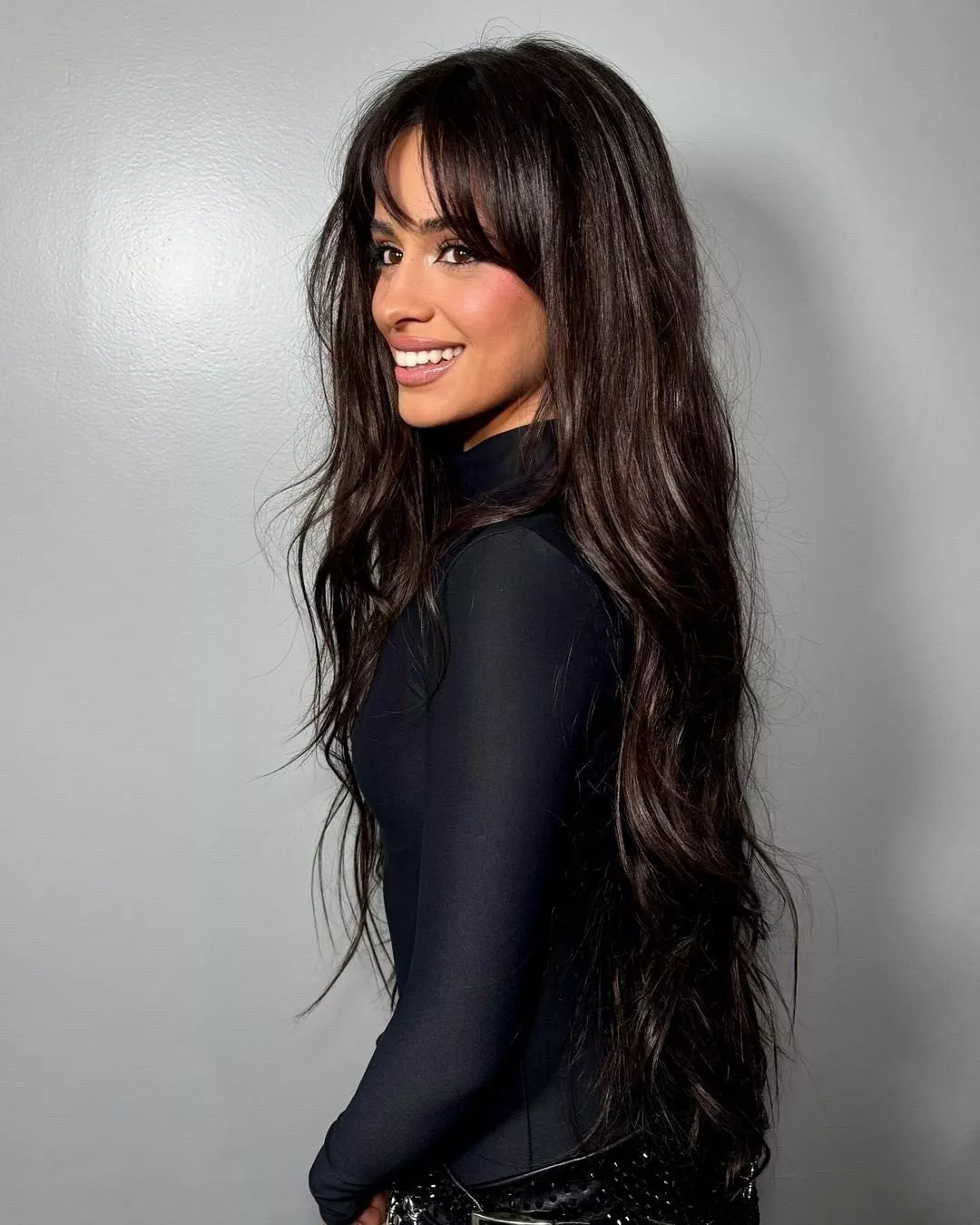
I resisted full bangs for years. Then I saw this side-view shot of thick, wavy mid-back hair with a solid dark brown colour and full bangs hitting just above the brows. The bangs shorten a long face instantly and add weight to fine features. On thick texture, they stay put without constant re-blowing. The dark brown colour is secondary here — the bangs are the statement. They suit oval and heart-shaped faces best. Round faces read wider, so skip unless you want that. And be honest with yourself: bangs need a trim every three weeks. Not six. Three.
Dark Brown With Honey Blonde Balayage
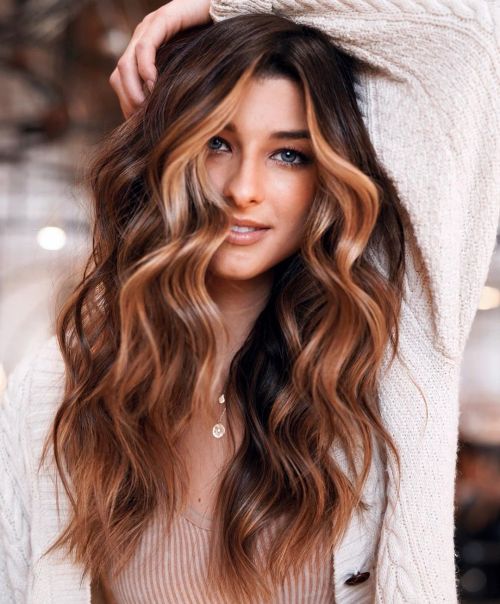
The balayage technique here starts the honey blonde at the mid-lengths and concentrates it through the ends, leaving the dark brown base intact at the root. On this thick, wavy mid-back length with curtain bangs, the honey reads warm and dimensional without the stripey look of old-school highlights. The curtain bangs catch just enough blonde to frame the face. What to ask your stylist: a soft, hand-painted balayage starting two inches below the root, with the honey tone kept warm — not gold, not ash. The grow-out is gentle because the root stays dark. No harsh line, no panic at week eight.
Medium Brown With Honey Blonde Highlights
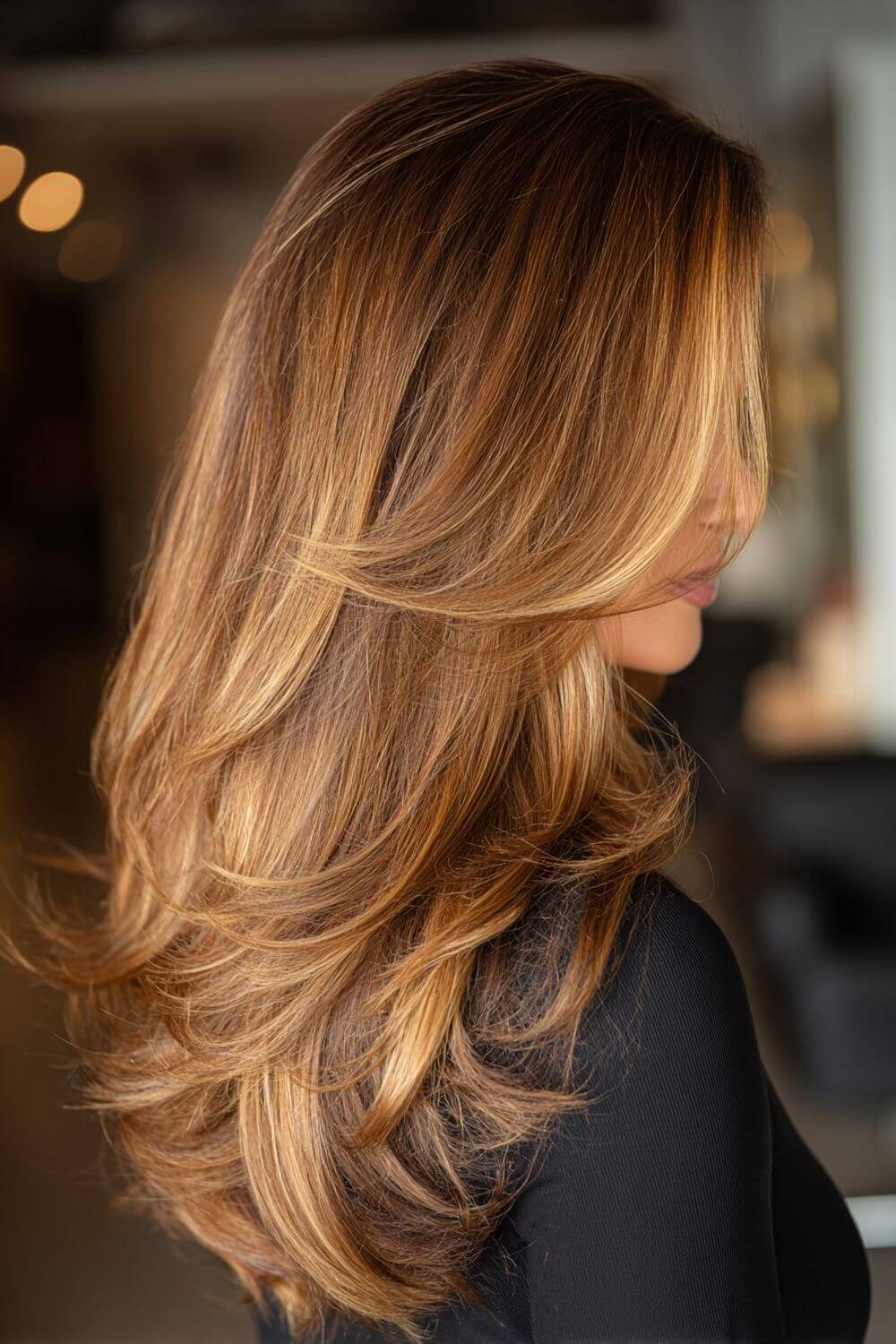
Medium brown with blonde highlights is the rare color that survives a busy week without looking like a regret. The honey blonde strands sit in a mid-back length of thick, wavy layers, and they catch light even when I air-dry and run. I’ve had full color changes that faded into muddy messes by Thursday; this just softens. A salon does it best, since the placement needs to follow your natural movement, but the upkeep is forgiving. I refresh highlights every six to eight weeks, and the base grows out like it was meant to be there.
Sunkissed Bronde With Golden Highlights
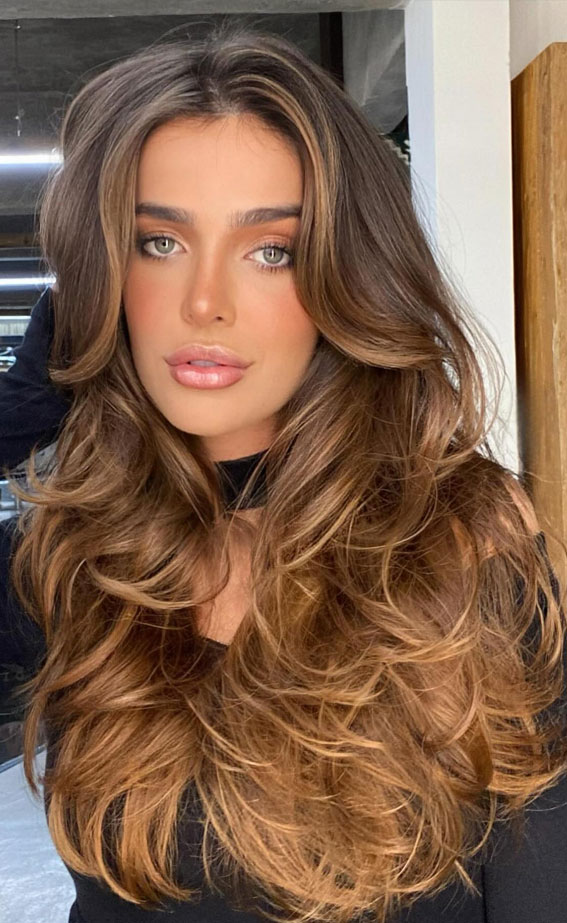
Sunkissed bronde hair is the color equivalent of a tan you didn’t have to work for, and right now, it’s the bridge I need between summer and fall. The golden blonde highlights run through thick, wavy layers that hit mid-back, and the whole thing reads warm without tipping into brass. It suits this season because it keeps the brightness of August but lets the brown underneath do the heavy lifting for October. I’m not ready for a full dark base, and this doesn’t force me to choose.
The tone is what sells it: not quite blonde, not quite brown, just a sunkissed bronde hair color that looks like you spent the summer outside. It’s a salon job, since the blend needs to be seamless, and the payoff is a color that works for both a sweater and a sundress. If you’re clinging to the last of the warm weather, this is the color that lets you.
Dark Chocolate With Auburn & Lighter Brown Highlights
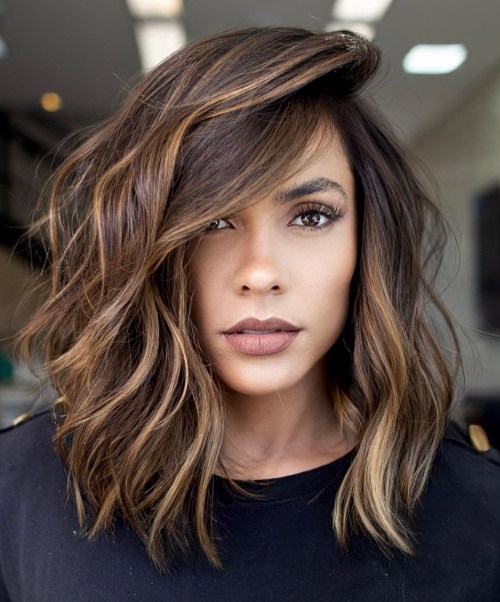
Confession: I used to think multi-tonal brown was just a way for stylists to charge more. Then I saw dark chocolate with auburn highlights on collarbone-length, wavy layers, and I got it. The lighter brown highlights add dimension, so it’s less about maintenance and more about keeping the base color rich. The auburn undertones peek through in certain light, but they fade first, so expect a refresh every six to eight weeks. The honest downside is that the darker base shows every bit of fading, so a color-safe shampoo isn’t optional.
Ash Brown With Cool Blonde Highlights
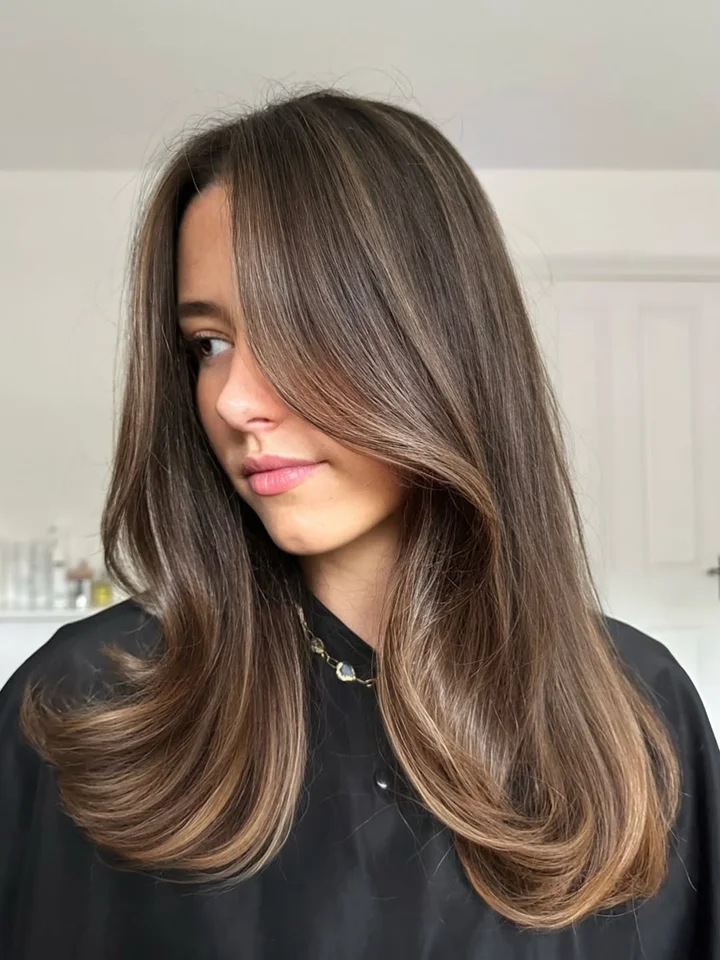
Do you have cool undertones in your skin, or do you just like the idea of them? Ash brown with blonde highlights is the color that answers that question honestly. The ash brown base, with its cool blonde highlights, sits in long layers with side-swept bangs, and it flatters cooler skin tones by echoing their natural undertones instead of fighting them. If your veins lean blue and silver jewelry is your default, this will look like it was made for you. If you’re warm-toned, it can wash you out, so pass unless you’re ready to commit to the cool side.
Dark Brown With Warm Blonde Highlights
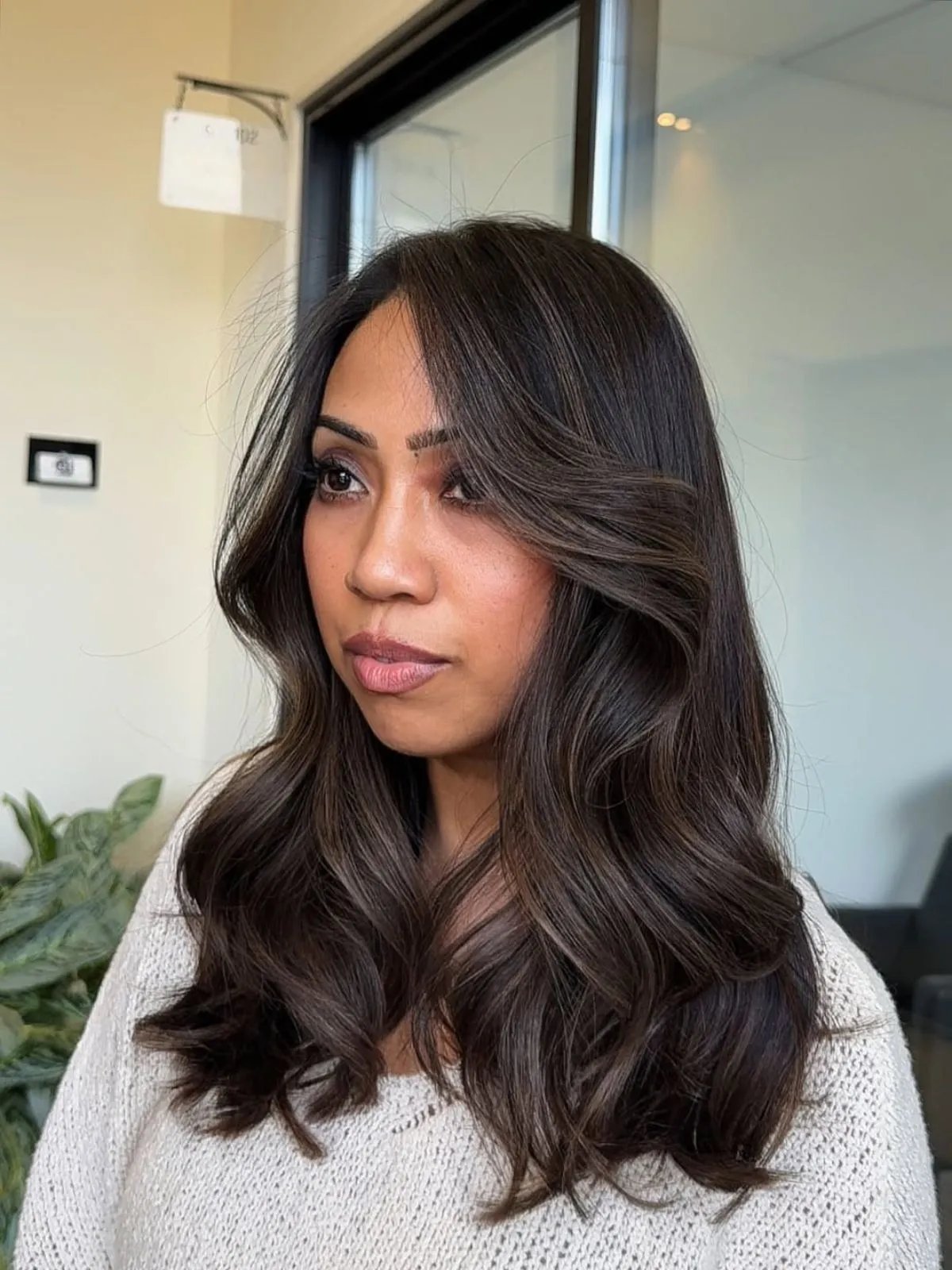
Dark brown with warm blonde highlights is a color that holds up through a week of workouts, dry shampoo, and the occasional skipped wash, but it has one enemy: brassiness. The warm blonde highlights, woven through collarbone-length wavy layers, start out a perfect honey, but by week three, they can drift toward orange if you’re not careful. I’ve learned the hard way that a purple shampoo isn’t just for blondes; it keeps the warm tones from turning into a pumpkin patch. The base stays rich, so the grow-out is forgiving, but the highlights need a touch-up every six to eight weeks to keep that contrast sharp.
Dark Brown With Cool-Toned Highlights
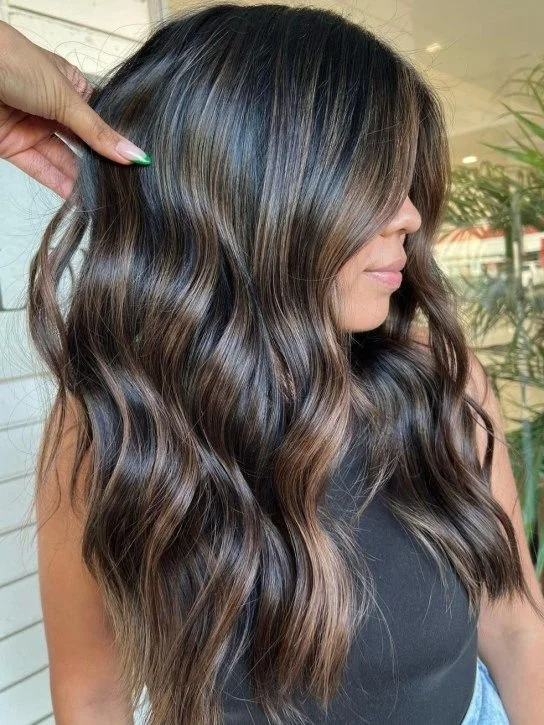
Cool-toned highlights are the quiet sibling. Your warm caramel balayage gets all the attention, but this version sits closer to the root, reads more natural, and doesn’t announce itself from across the room. The dark brown base stays dominant, the cool-toned highlights slip in at the midshaft and ends, subtle enough that people ask if you just got a gloss. Collarbone length with curtain bangs and loose waves. Medium density, wavy texture. The tone is ashy, almost silvery in certain light. It is not a statement. It is a slow reveal.
Ash Blonde With Dark Roots & Grey Tones
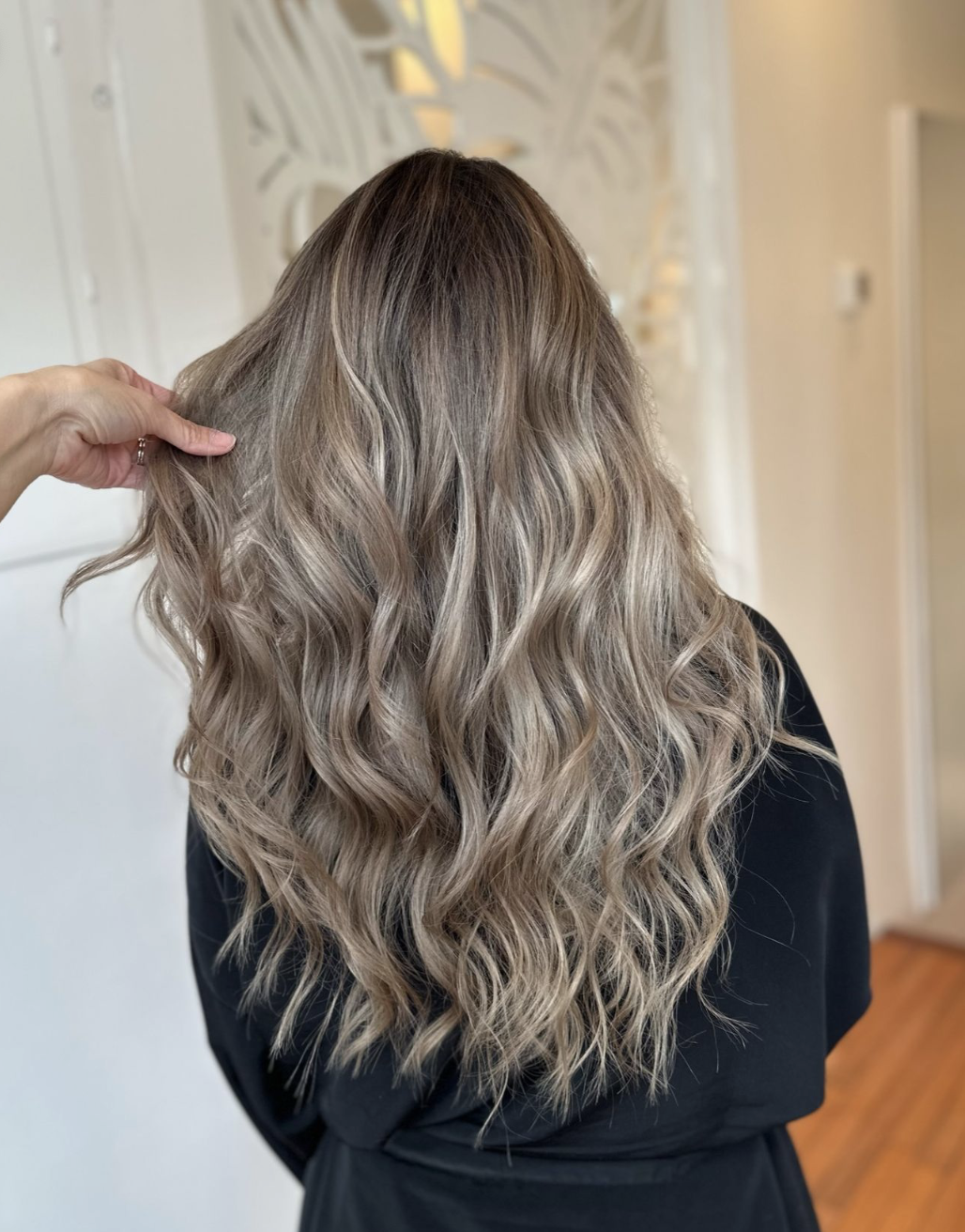
I did not expect to like this. The ash blonde with root shadow is a technical trick: the stylist leaves the root section dark, then blends into ash blonde and faint grey tones through the mid-lengths and ends. The result is a lived-in colour that does not need a fresh root touch-up at week four because the dark root was always part of the plan. Mid-back length, thick wavy texture, no bangs. The grey tones are subtle, not silver, not old-lady, just enough cool to keep the ash from reading yellow. Build the look with loose waves, a middle part, and a purple shampoo once a week. That is the whole routine.
Warm Medium Brown With Golden Glow
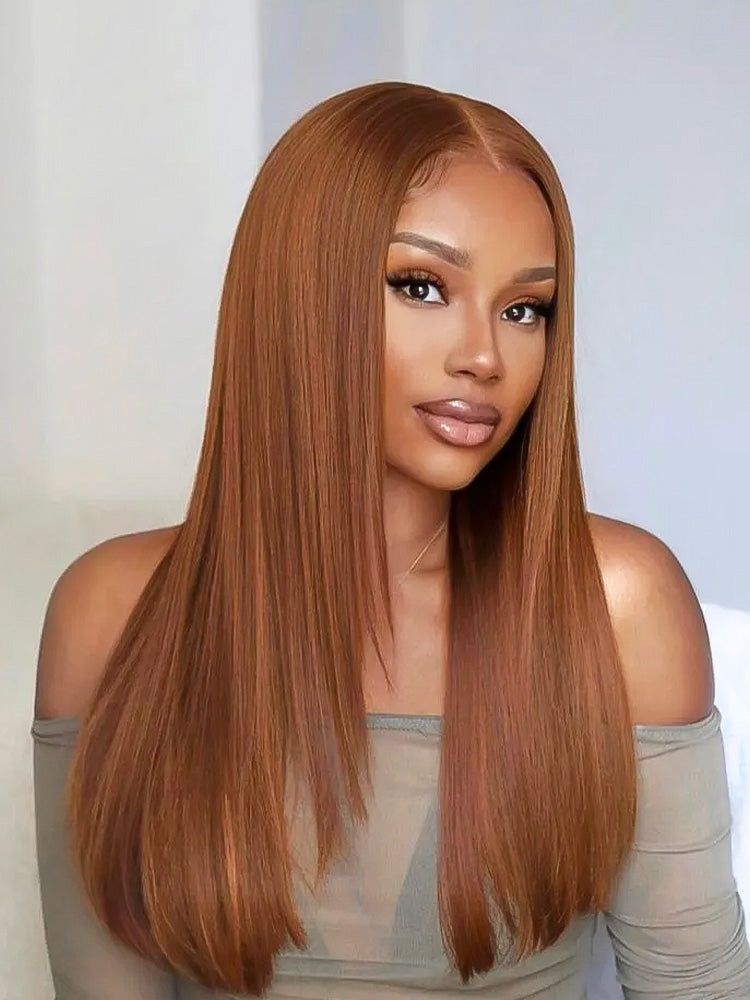
Warm medium brown hair with golden undertones does something specific to fine, straight hair. It adds the appearance of density. The golden undertones catch light at the surface, creating a subtle glow that reads as thickness, not as highlights. Straight, sleek, mid-back length with a blunt cut and no bangs.
Who this flatters: anyone with fine hair who wants richness without weight. The single-process colour sits evenly, no dimension, no contrast, just a warm brown that looks expensive in low winter light. Who should pass: anyone with high-density or coarse hair, because the same flat colour can read heavy. Also skip if your skin runs very cool. The golden glow pulls warm, and on a cool-toned face it can look disconnected. But for fine, straight hair? This is the colour that makes people ask if you got a haircut when you actually just got a gloss.
Deep Red-Brown With Auburn Highlights
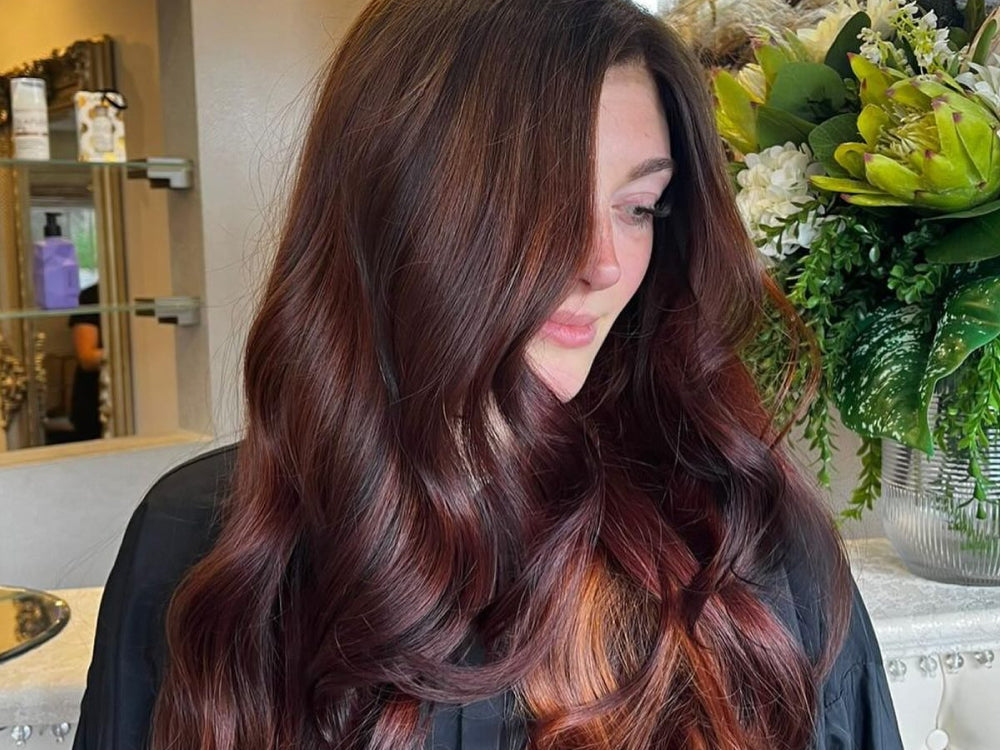
What is the colour that bridges October’s burnt orange and December’s deep wine? Deep red brown hair with auburn highlights. The base is a dark, almost mahogany brown, and the auburn highlights sit at the mid-lengths and ends, subtle enough that they do not scream autumn. Mid-back length, thick wavy texture, no bangs. The auburn highlights catch warm indoor light and read almost burgundy in dimmer settings. This is the colour for the week between Thanksgiving and Christmas, when you want red without committing to full cherry. The auburn highlights fade first, so expect a shift toward a warmer brown by week six. That is fine. It still looks intentional.
Deep Burgundy Red
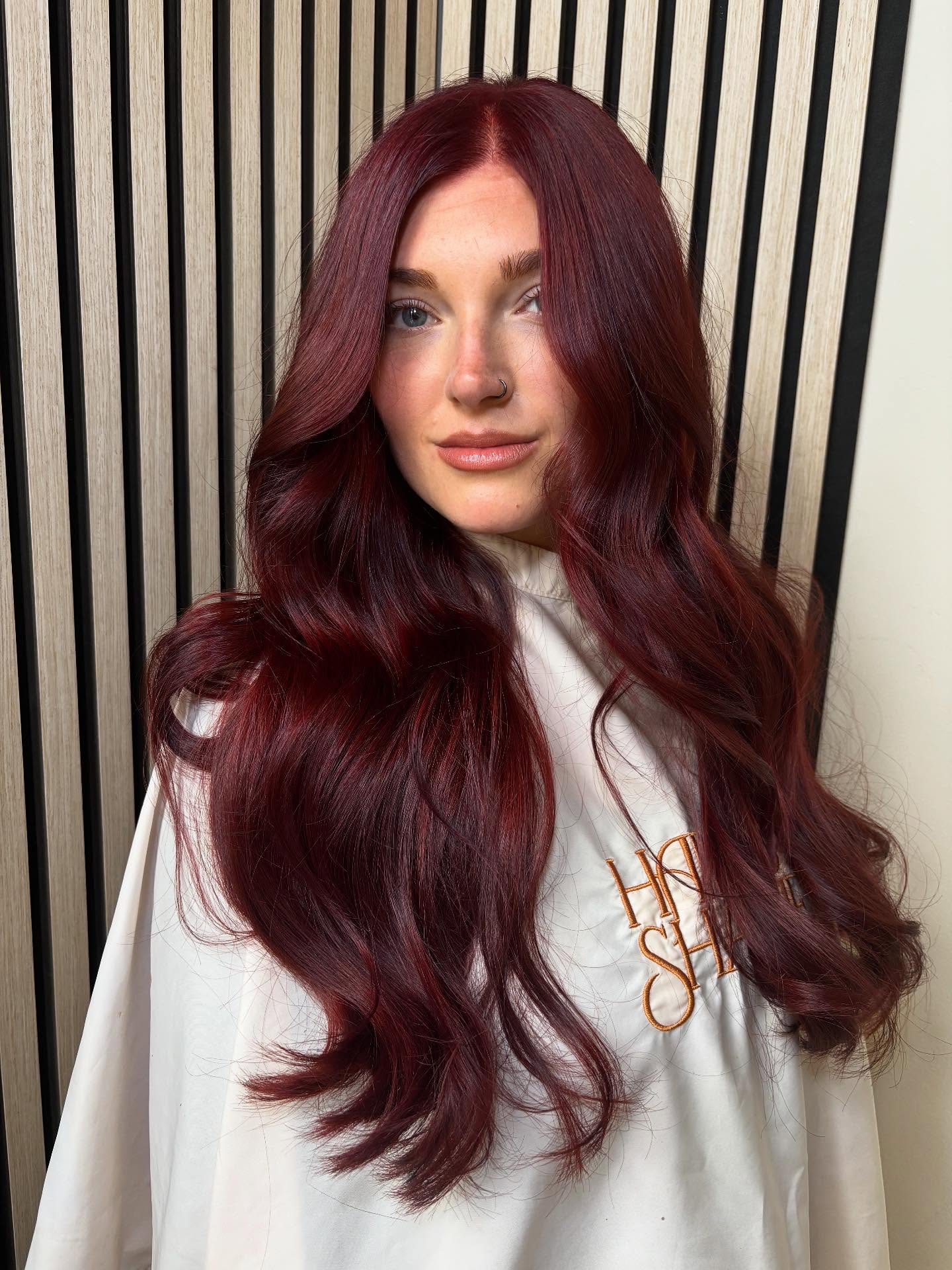
I will be honest: deep burgundy red hair is high maintenance. I know because I have done it. The colour is gorgeous out of the chair, a dark wine red that looks almost black in low light and glows purple-red in the sun. Mid-back length, thick wavy texture, long layers, no bangs. The problem is the shower. Every wash pulls pigment. By week three, the burgundy shifts toward a coppery brown, especially at the ends. Cold water helps. A color-depositing conditioner helps more. But the honest reality is that this colour needs a refresh every four to six weeks if you want it to stay deep. If you wash every other day and use hot water, skip it. If you can handle the upkeep, it is the richest red of the season.
Deep Plum Purple
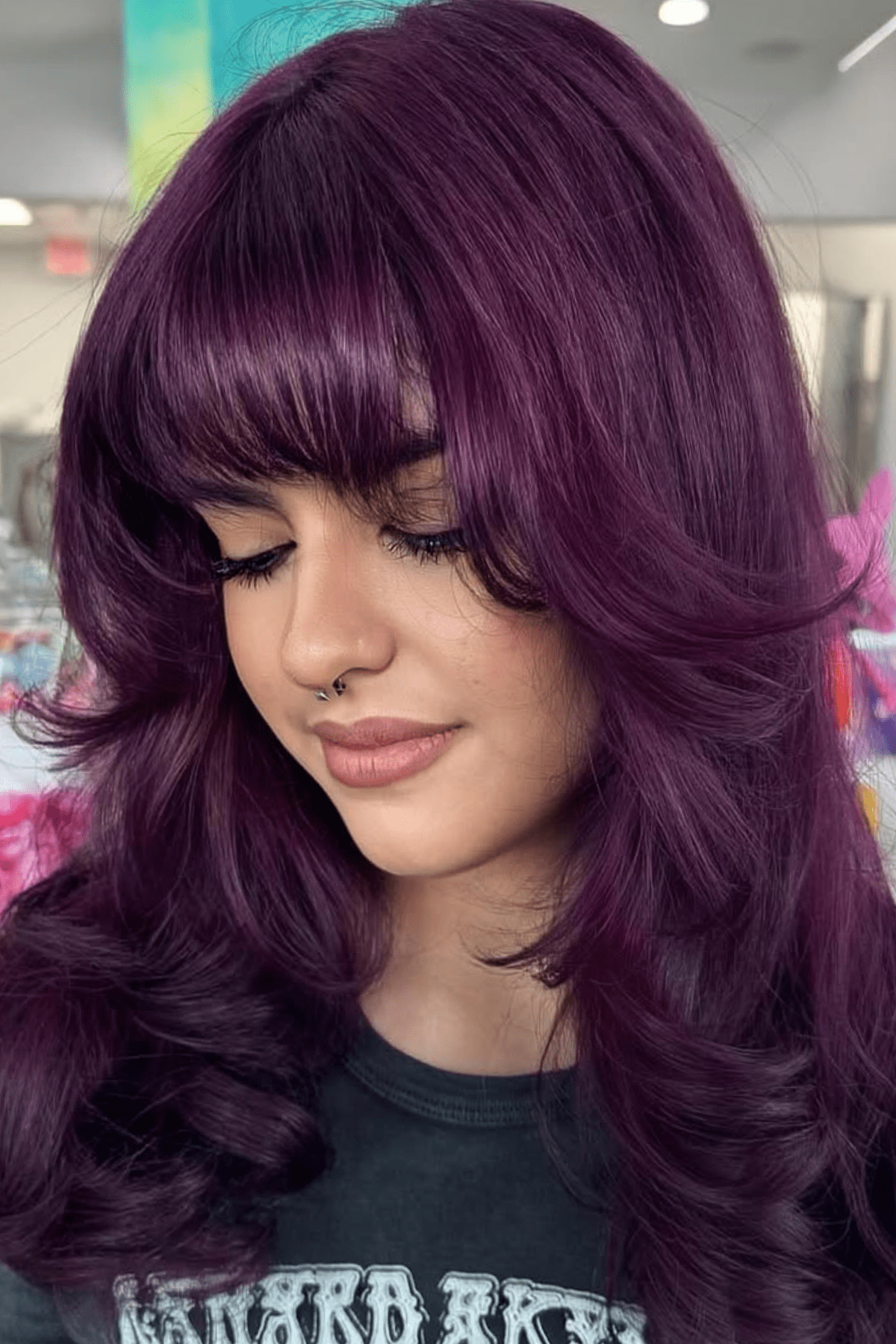
This is the color that makes strangers stop you in a grocery aisle. Deep plum purple hair works best when you have medium to high contrast in your features — think dark brows, light eyes, or both. The technique is a full saturation dye, not a toner or a gloss, because you need that pigment to grab every strand. The tone leans cool with a violet base, no red peek-through. It lands best on mid-back length with wavy texture, where the light catches the layers. Here is the honest part: do not try this at home. Purple is stubborn going on and patchy coming out. A salon handles the saturation and the evenness, and you avoid the week of panic when your kitchen sink turns violet.
Deep Burgundy Color
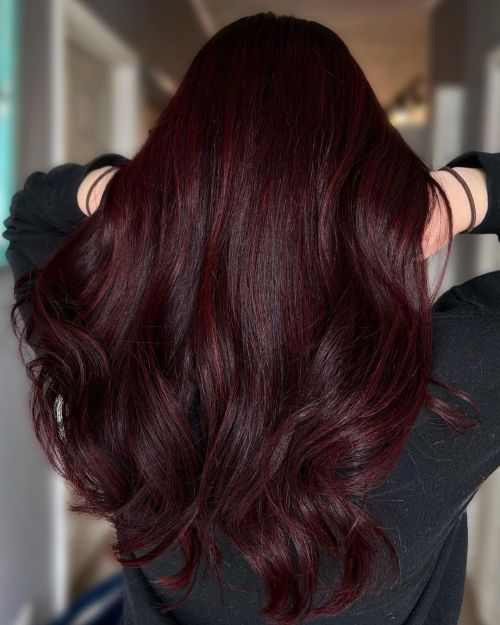
Deep burgundy hair bleeds. That is the first thing you notice after the rinse. It stains pillowcases, towels, and the collar of every white shirt you own. The colour is a rich, wine-dark base with no orange in it, and the technique is a single-process dye applied from root to end. The tone is warm but not brassy, closer to a Bordeaux than a cherry. On mid-back length with thick, wavy texture, the pigment settles into the curves and looks almost black in dim light, then flares red under a lamp.
By day three, the bleed slows down. By day five, the colour has settled into something softer. The honest downside is the fade pattern: the ends go first, turning a rusty brown while the roots stay true. You either tone every four weeks or accept that the bottom half will tell a different story than the top.
Rich Deep Red Hue
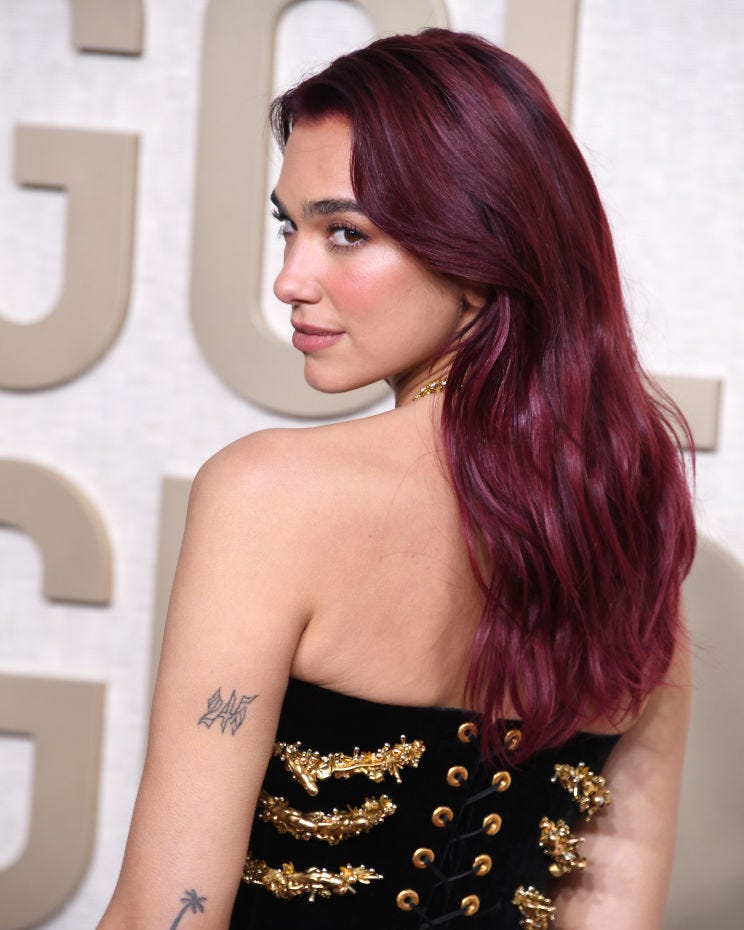
Have you ever seen a color that looks expensive and rebellious at the same time? Rich burgundy red hair pulls that off. The base is a deep red-brown, not a fire-engine red, and the technique is a full saturation dye with a warm undertone that catches the light. The tone is brick-adjacent: warm, grounded, no pink or violet. It flatters skin with neutral or warm undertones best, especially when your natural complexion has some gold or olive in it. On mid-back length with medium-thick, wavy texture, the color reads as dimensional rather than flat. Side parts help here, breaking up the color block so the red moves with the hair instead of sitting on top of it.
If you run cool-toned or very fair, this color can pull orange against your skin. That is not a fail, but it is worth knowing before you book. The red will shift depending on your base and your lighting, and what looks brick in the salon can read copper by your kitchen window.
Visual Idea
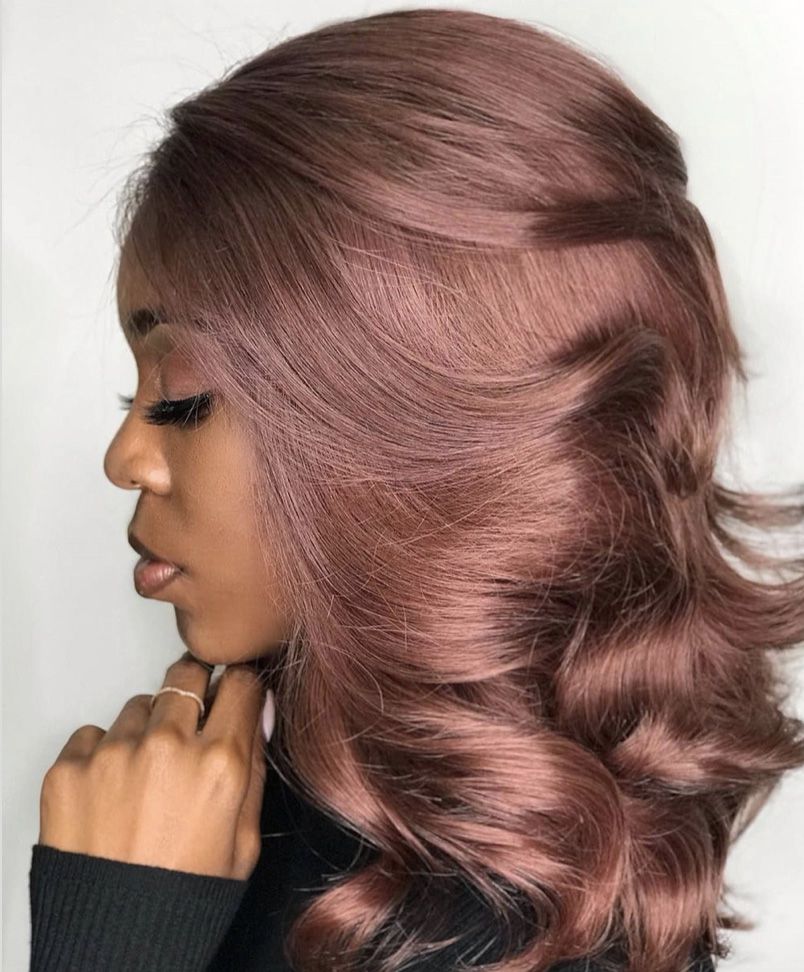
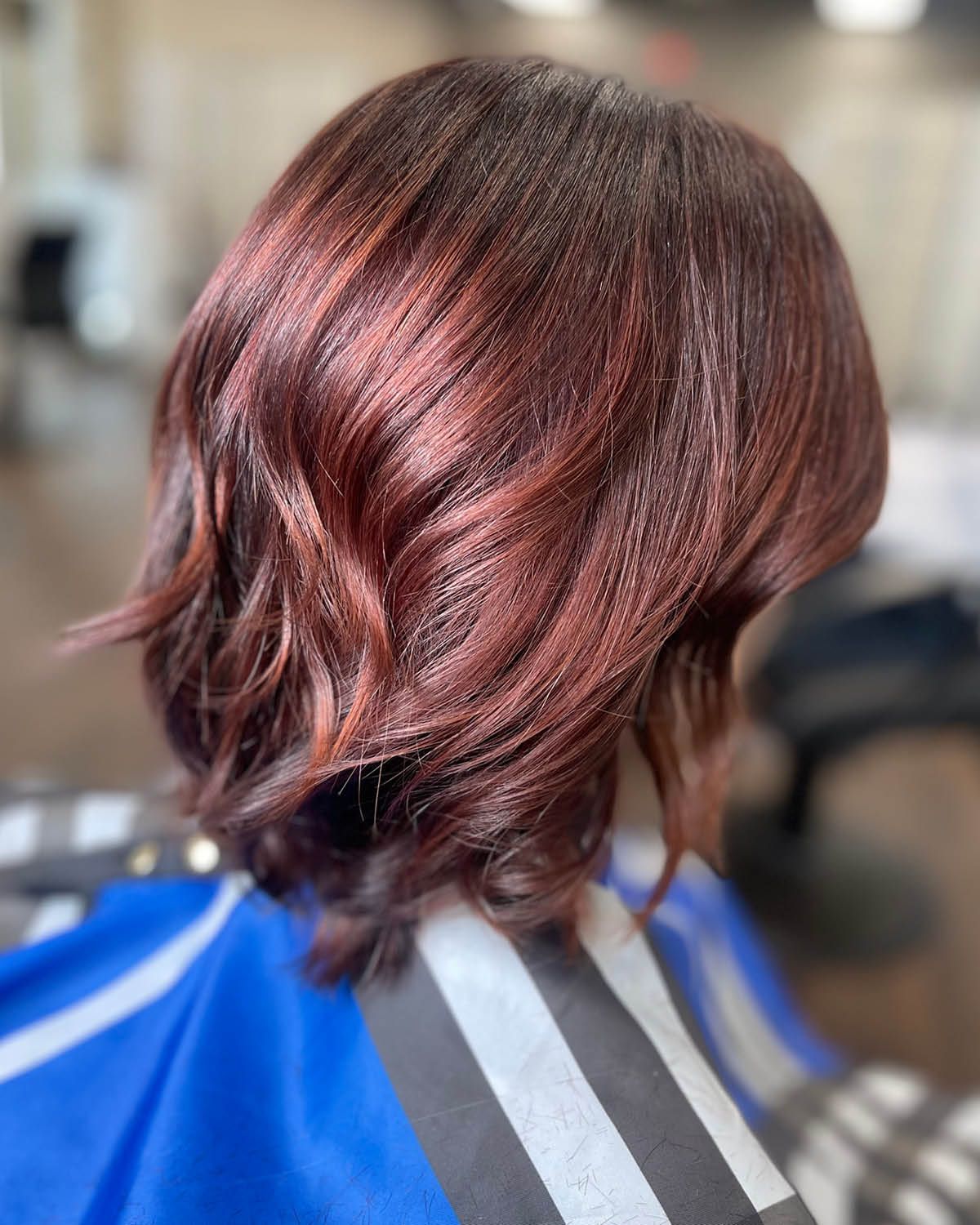
Rose brown is what happens when a brunette wants to try pink without committing to pink. The colour is a soft brown with a dusty rose undertone, not a candy pink, and the technique is a demi-permanent gloss over a medium brown base. The tone is muted, almost greyish in the pink, which keeps it from looking like a costume. On a chin-length lob with fine, wavy texture, it reads as a subtle shift rather than a statement. Compared to a straight chocolate brown, rose brown adds a softness that traditional browns lack. Compared to a true pastel pink, it is wearable without a full outfit change. It is the middle ground for the person who wants a hint of something different and nothing more.
Collarbone Visual Idea
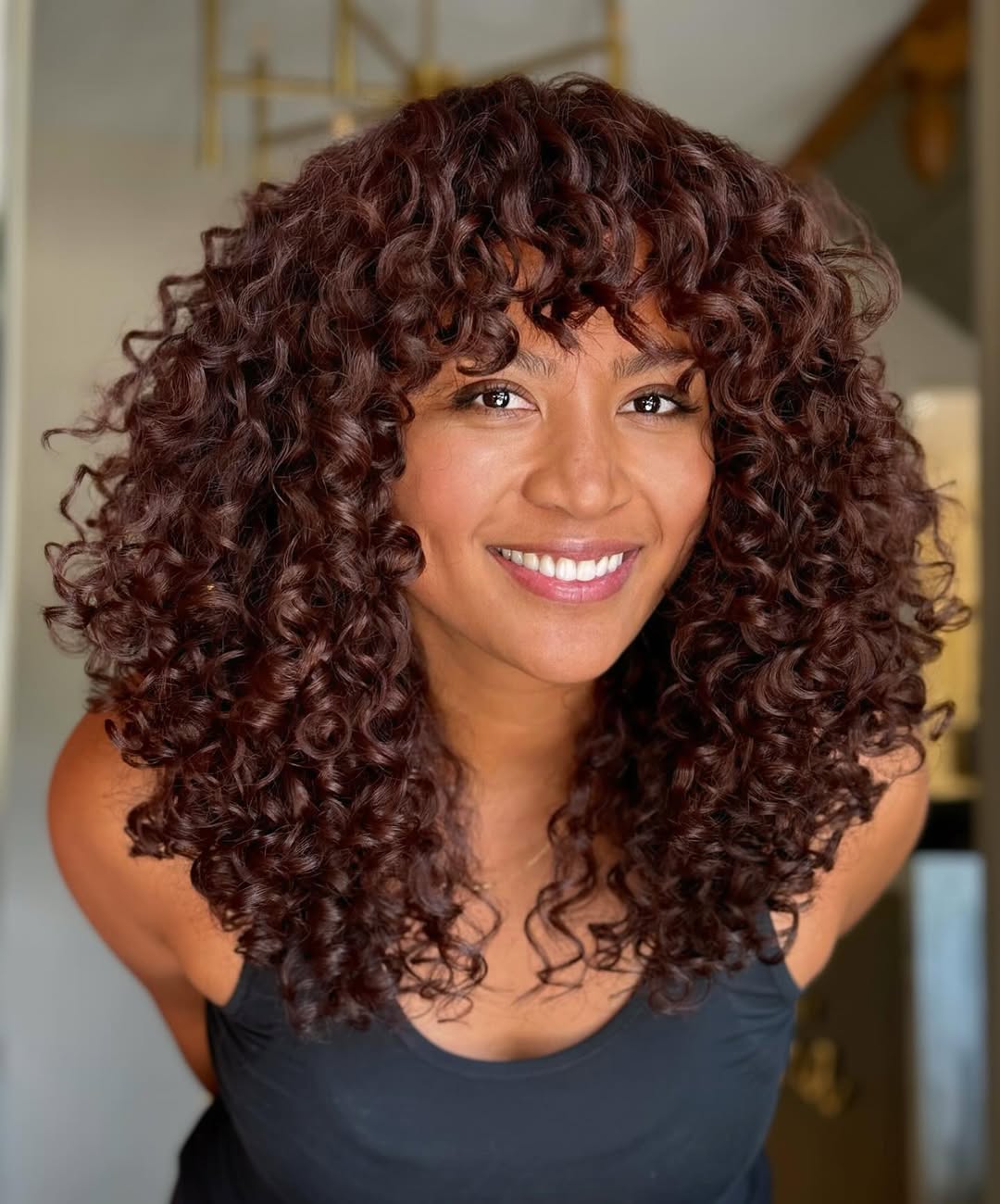
The color here is doing the heavy lifting for the curls. A dark brown base with subtle auburn undertones, applied as a root shadow that melts into a warm gloss on the ends. The tone is warm but not fiery, more burnt umber than cherry. On collarbone length with thick, curly texture, the color follows the curl pattern instead of fighting it. Curtain bangs break the color block at the front, so the auburn catches the light where the hair bends. The technique matters here: a root shadow means no visible grow-out line, which buys you about six weeks between appointments. For thick curls that tend to swallow color, the auburn undertone keeps the brown from going flat. It is a subtle shift, not a transformation, and that is exactly why it works.
Mid-Back Visual Idea
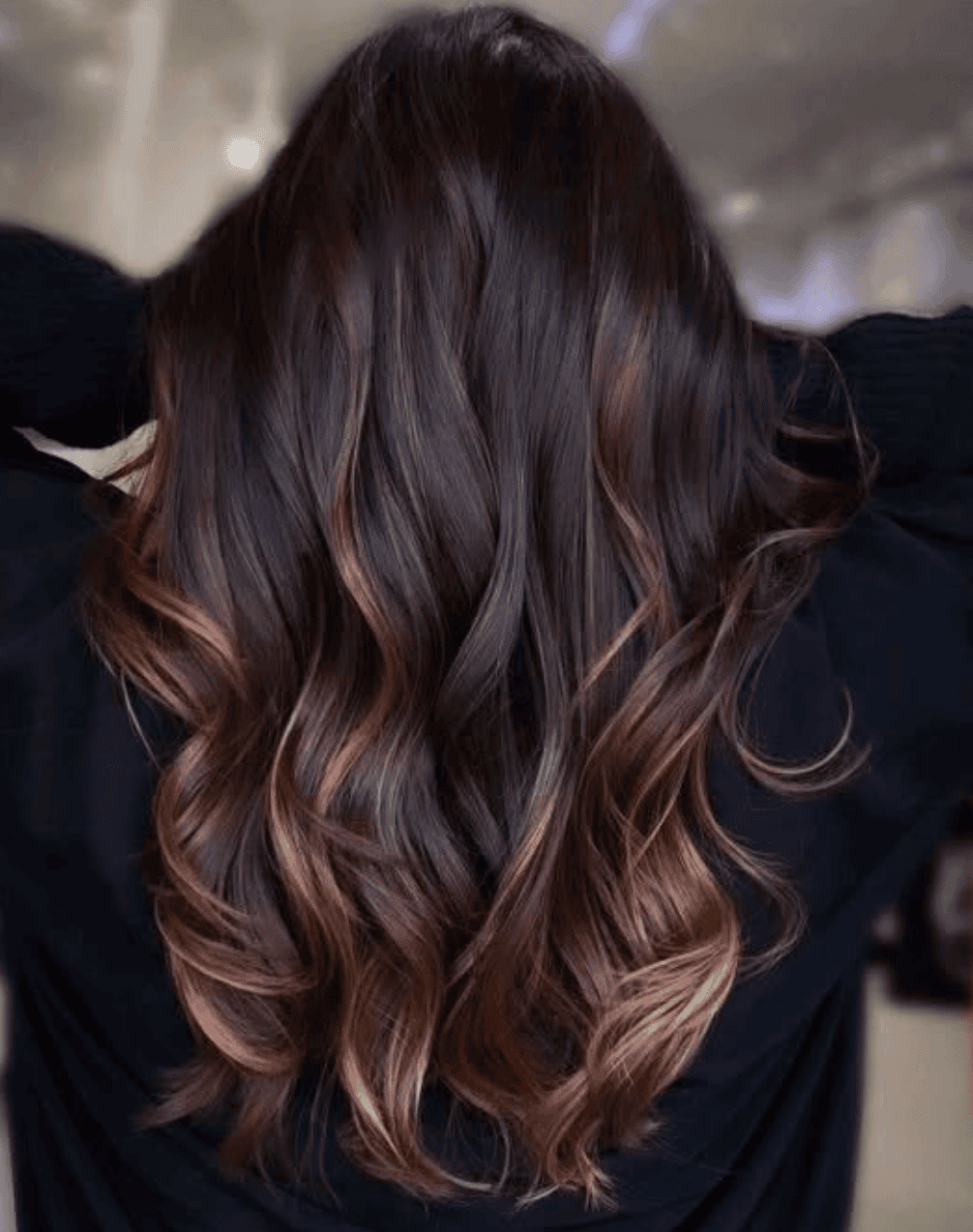
Ever notice how some colours look like they belong to a season? This one does. Dark brown base with warm caramel and copper balayage, painted through long layers on thick wavy hair. The gradient deepens toward the ends, so the warmth lands exactly where the light hits. Mid-back length gives the colour room to breathe. The tone reads golden, not brassy, which is the whole trick of a good fall transition. It is cozy without trying too hard, the hair equivalent of a sweater you actually want to wear.
The middle part keeps it clean. No bangs, no fuss. Loose waves carry the copper through the curve of each bend. This is a book-it colour, not a bathroom-mirror job. The balayage needs a stylist who understands how warm tones sit against a dark base. Get it right and you have six weeks of hair that looks like it came from a candlelit room.
Long Layers Visual Idea
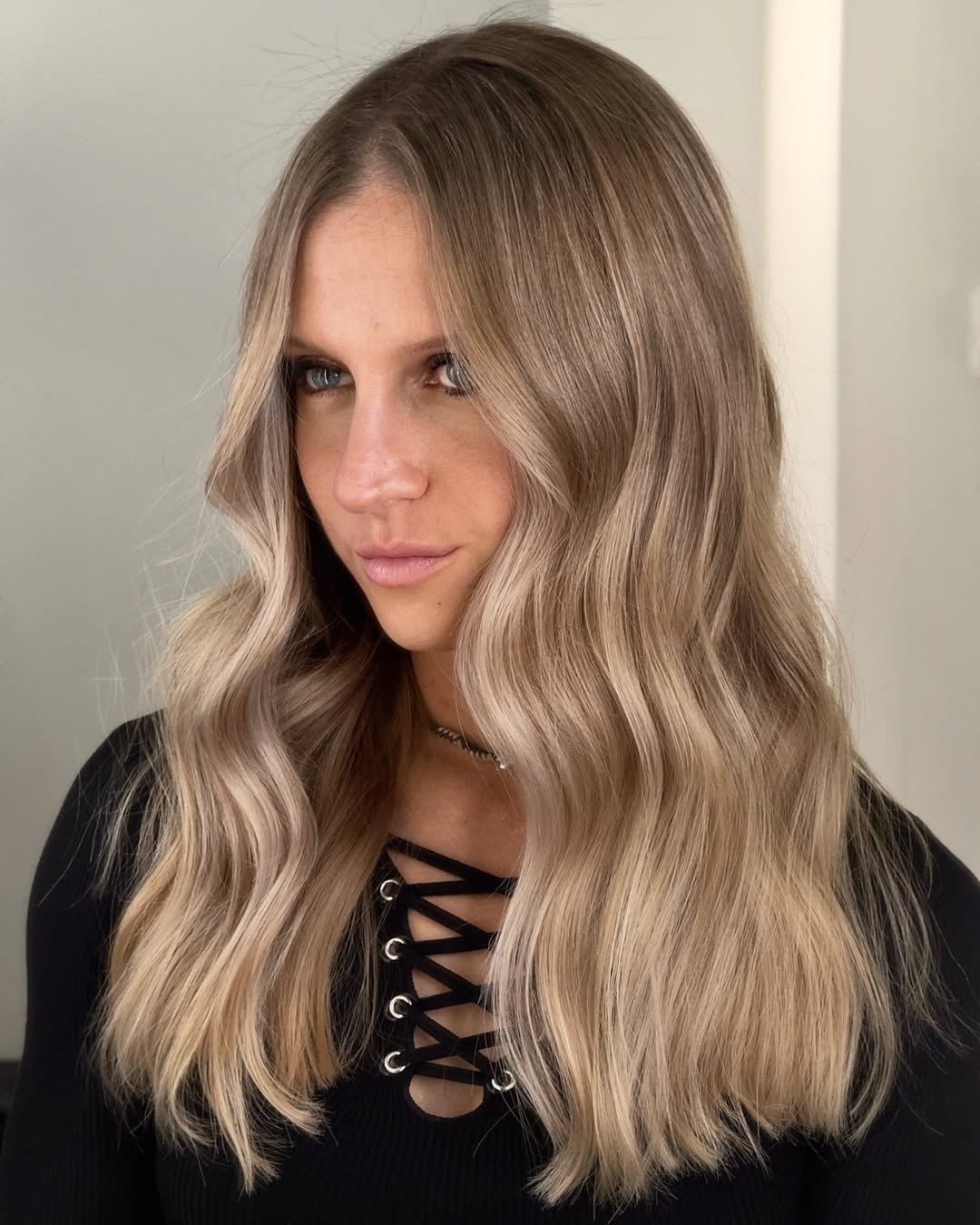
I will admit it: I did not expect to like platinum this much on long layers. Platinum blonde base with icy blonde highlights, mid-back length, wavy medium-density hair. The tone is cool, almost silver in certain light. That is what makes it a statement. It suits anyone with a strong contrast preference, someone who wants the room to notice. The long layers keep the weight distributed so the colour does not pool in one spot. Middle part, no bangs. Loose waves let the icy highlights catch at different angles. This is not a subtle colour. It is a colour that announces itself.
Long Visual Idea
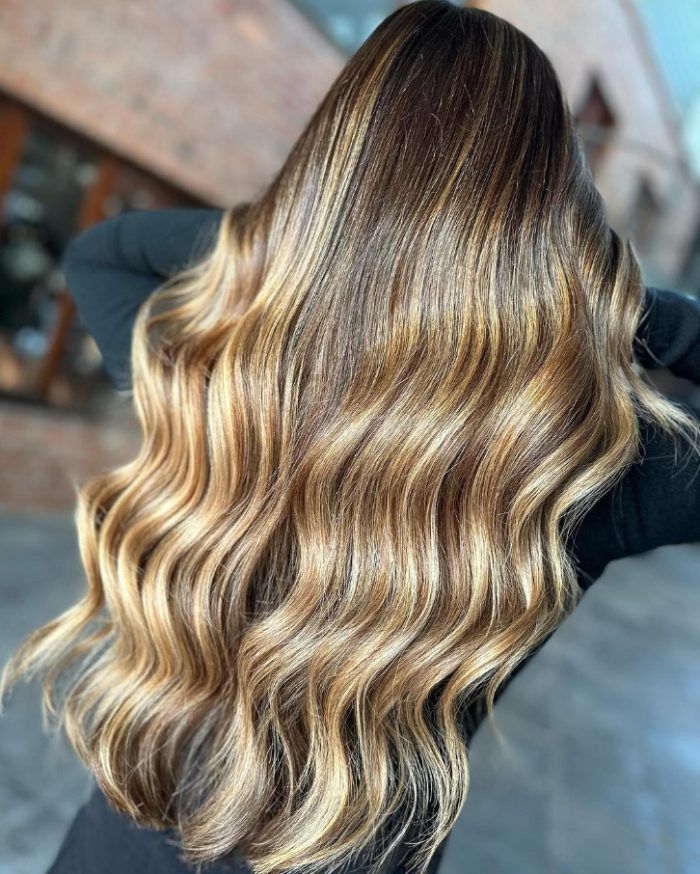
Best grow-out in this roundup. Dark brown base with blonde and caramel highlights on long, thick wavy hair. The highlights are dimensional, placed through long layers so the colour shifts as the hair moves. Middle part, no bangs. The tone is warm without tipping into orange, which is the honest challenge of caramel on dark brown. Here is the real talk: the grow-out is gentle because the base is dark and the highlights start a few inches from the root. No harsh line appears at week four. The downside is that the blonde pieces need a toner refresh around week eight or they start reading brassy. Loose waves help blend everything between appointments. It is a low-drama colour for high-drama hair.
Chin Visual Idea
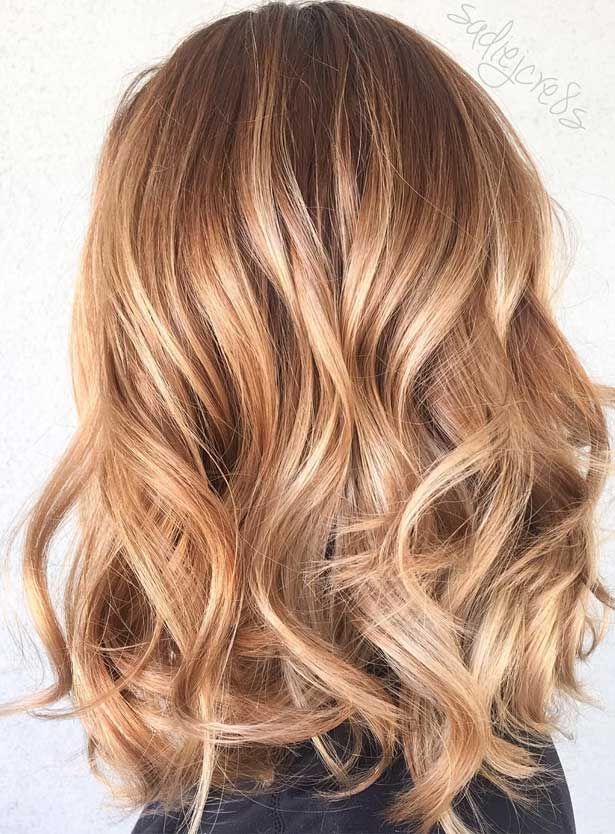
Honey blonde with balayage highlights on a chin-length lob. Fine wavy hair, middle part, no bangs. The balayage is painted freehand, which means the colour lands where the stylist decides, not where a box says it should. That precision matters at this length. A box colour at home would hit the ends uniformly and read flat. Balayage keeps the honey tone soft at the root and brighter at the tips. The loose waves give the highlights somewhere to live. This is a salon colour. It is not a drugstore aisle decision.
Dark Brown Base With Caramel Highlights Visual Idea
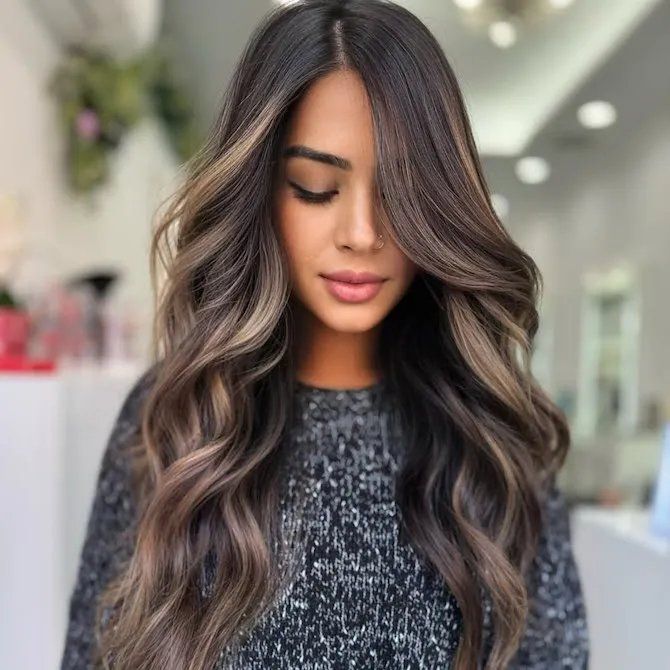
What is the one thing that ruins dark brown with caramel highlights? Brassiness. The caramel warms up fast, especially on a dark brown base that already leans warm. This collarbone-length cut uses layers and a wavy blowout to keep the highlights moving. Medium-density wavy hair, middle part, no bangs. The tone is meant to be dimensional, not uniform. The honest downside is that the caramel pieces fade into a coppery orange around week six if you skip a purple shampoo. A toning visit at week eight resets the warmth. It is a colour that needs attention, not neglect.
Ash Blonde With Subtle Highlights Visual Idea
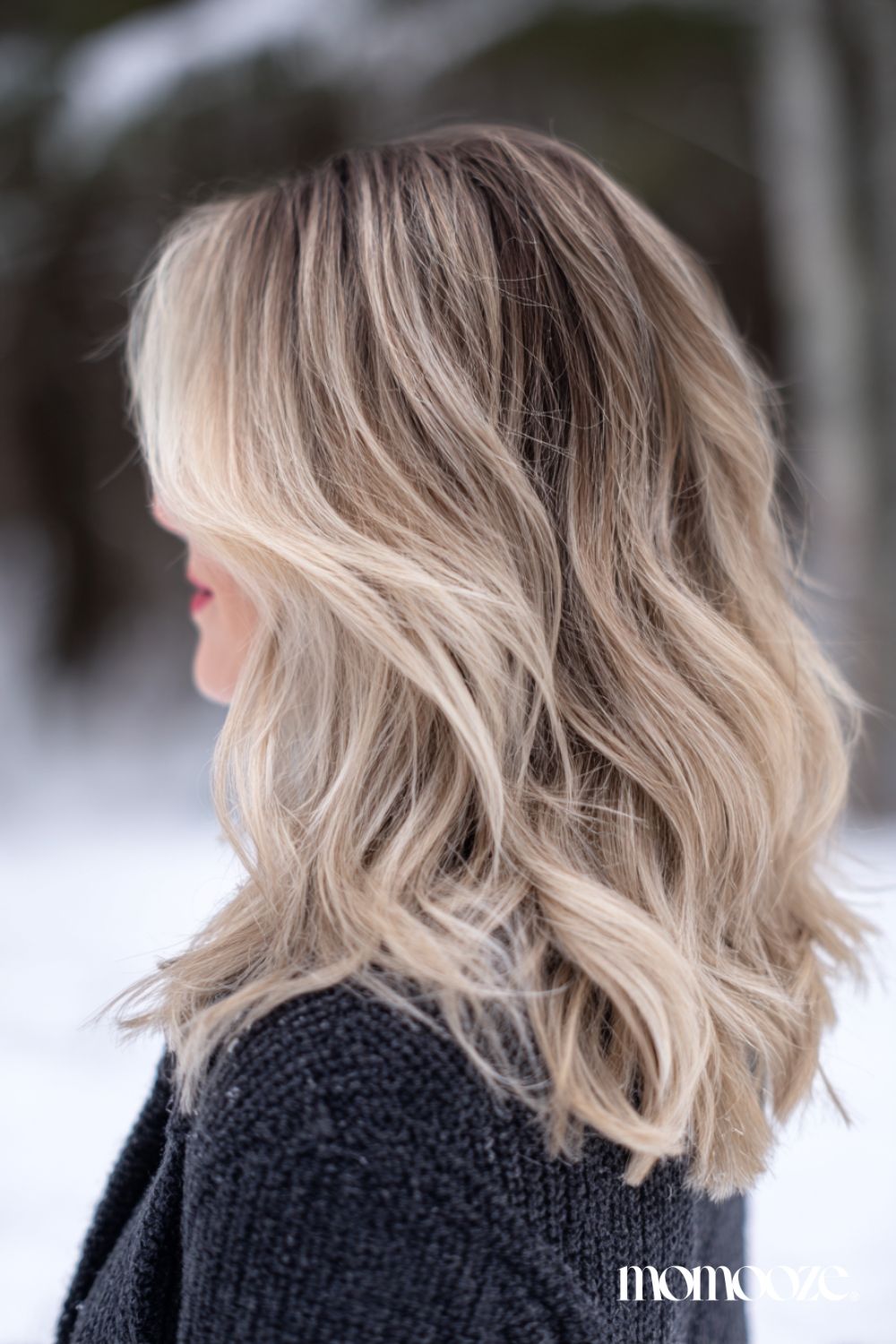
This is the blonde that says no to yellow. Ash blonde with subtle highlights lands cooler than honey or gold, more silver-beige than butter. The base is a muted grey-beige, the highlights are barely there, just a shade lighter, woven through collarbone-length layers. On wavy, medium-density hair the tone reads matte, almost dusty. Side part, loose waves, no bangs. It is a specific taste. If you have been fighting brass for years, this is the ceasefire.
Warm blondes glow. This one glints. That is the difference, and it is not subtle once you see them side by side.
Ash Blonde With Lavender Undertones Visual Idea
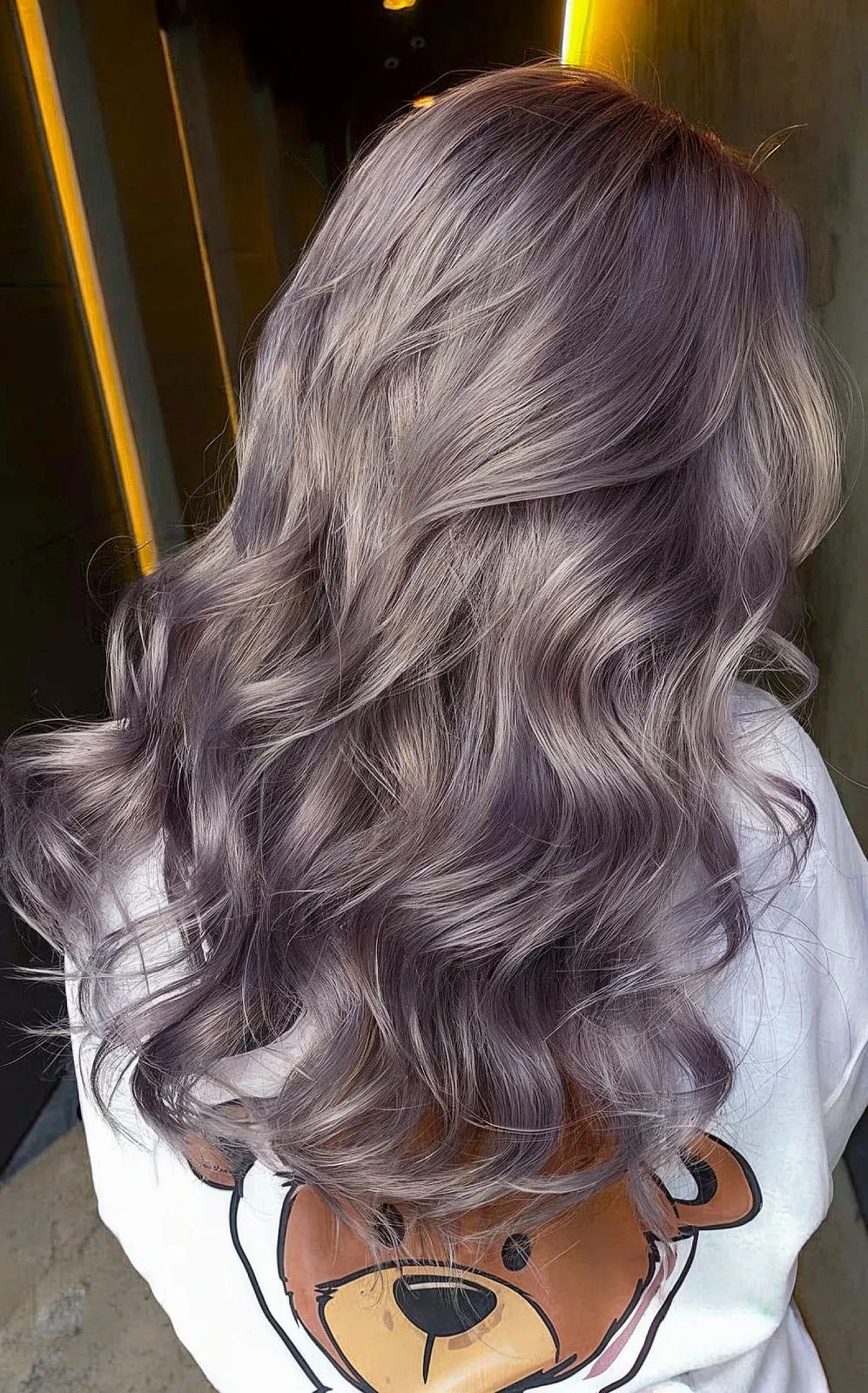
The lavender undertone is not a dye, it is a toner. Ash blonde with lavender undertones starts with a pale, cool base lifted to level nine or ten, then a violet toner is applied and left just long enough to deposit a whisper of lilac. On mid-back length, long layers with a middle part and loose waves, the colour shifts in the light: grey in shadow, faintly purple in sun. Wavy, medium-density hair holds the tone well because the cuticle is already open from lightening. The toner fades in about four to six weeks, and when it goes, it goes to a soft silver, not brassy. The challenge is getting the lift even. This is not a one-process colour.
Shoulder Length Visual Idea
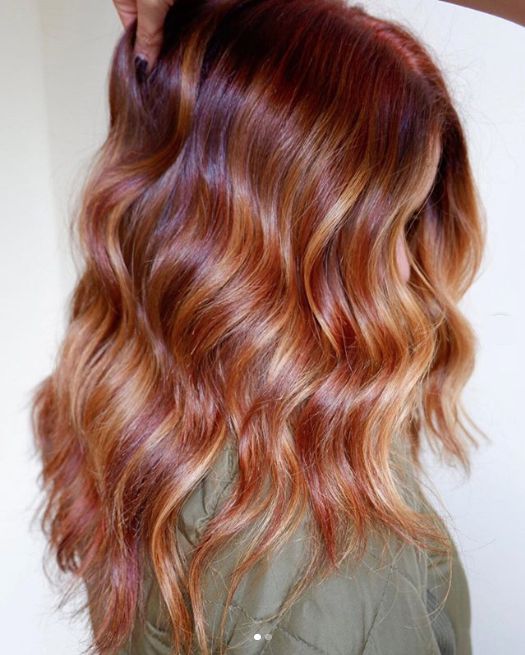
Why does copper look so right when the leaves turn? Medium auburn base with bright copper and rose gold highlights, at shoulder length, on wavy hair with a side part and loose waves. The base is a warm brown-red, the copper highlights catch the low autumn sun, and the rose gold pieces add a shimmer that is almost metallic. It mirrors the maple and the oak outside. The tone is seasonal on purpose. It will look slightly off in June. That is the point.
Curtain Bangs Visual Idea
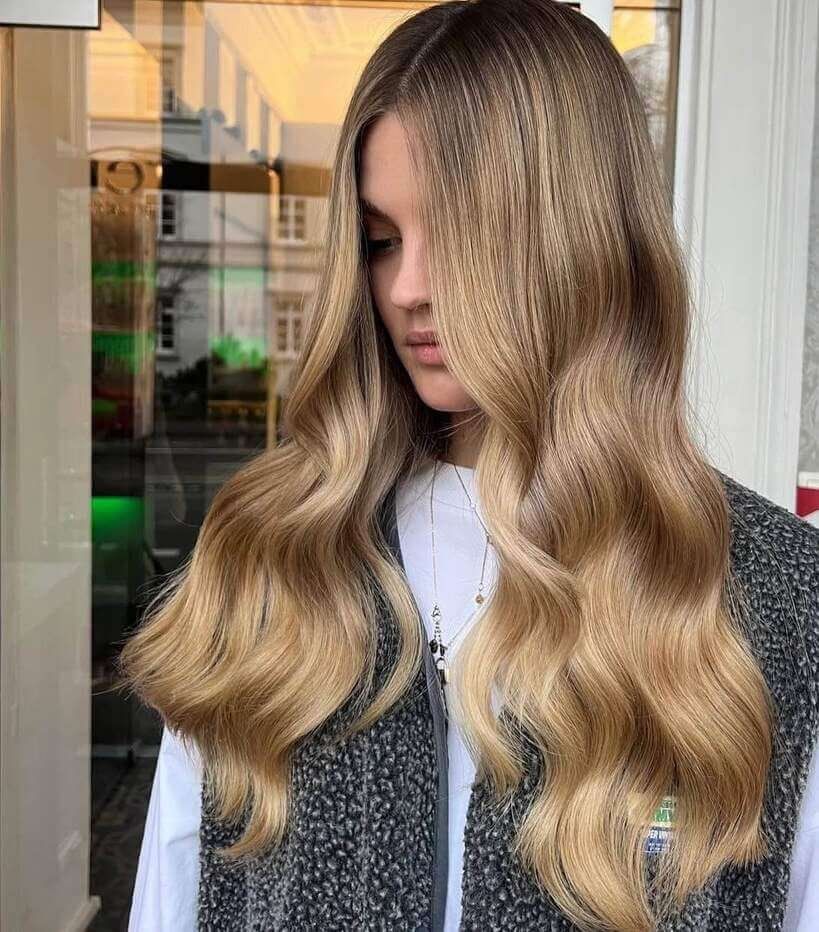
I resisted curtain bangs for a year because I thought they would separate and show my forehead by noon. Honey blonde with darker roots and subtle highlights, mid-back length, long layers, middle part, loose waves. The curtain bangs are cut to sweep to each side, soft volume at the crown. They frame the cheekbones without hiding them. On wavy, medium-density hair they blend into the layers, which is the whole trick. Ask your stylist for a long curtain fringe that grazes the cheekbone, not the brow, and keep the shortest piece long enough to tuck behind your ear. It works on round and oval faces. On very fine hair the sweep can fall flat by afternoon, but a spritz of texture spray at the root buys you a few hours.
Layers Visual Idea
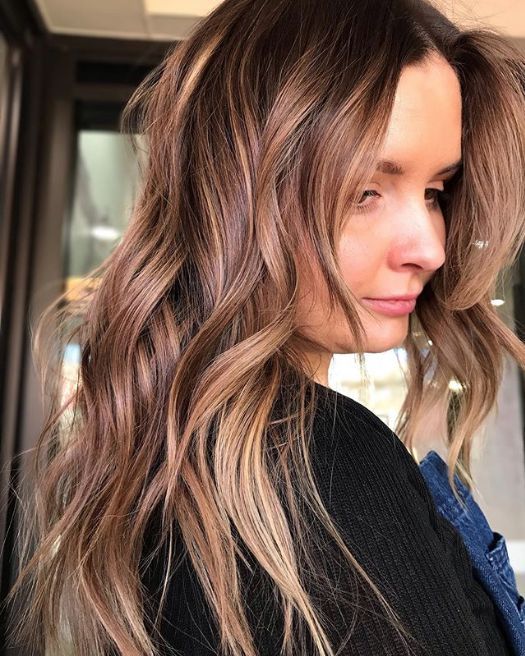
The balayage holds up, but the fade is real. Dark brown base with caramel and blonde highlights, collarbone-length layers, middle part, wavy blowout. The caramel pieces stay warm for about six weeks. The blonde highlights, especially the finer ones, fade to a pale gold by week eight. The layers help disguise the grow-out because the colour is painted on, not foiled from the root, so the regrowth is a soft shadow, not a hard line. The honest downside is that the blonde highlights need a toner refresh every second wash or they drift brassy. A purple shampoo once a week keeps them cool, but do not skip it or the caramel turns orange.
Vibrant Copper Red Visual Idea
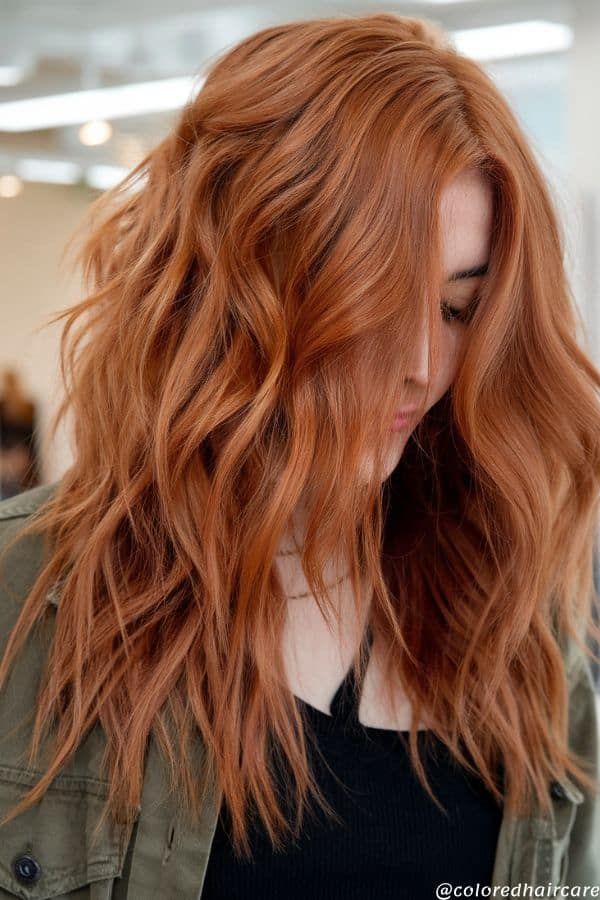
The thing about a true copper red is that it announces itself. The technique is an all-over single process, not something you fake with a box. The tone is warm and vibrant, not a shy auburn. On collarbone-length wavy hair with medium density, it catches light like a penny. For fall to winter hair colors, this is the boldest move. Book a professional who knows copper formulas. I’ve seen too many DIY attempts go brassy orange.
Face-Framing Pieces Visual Idea
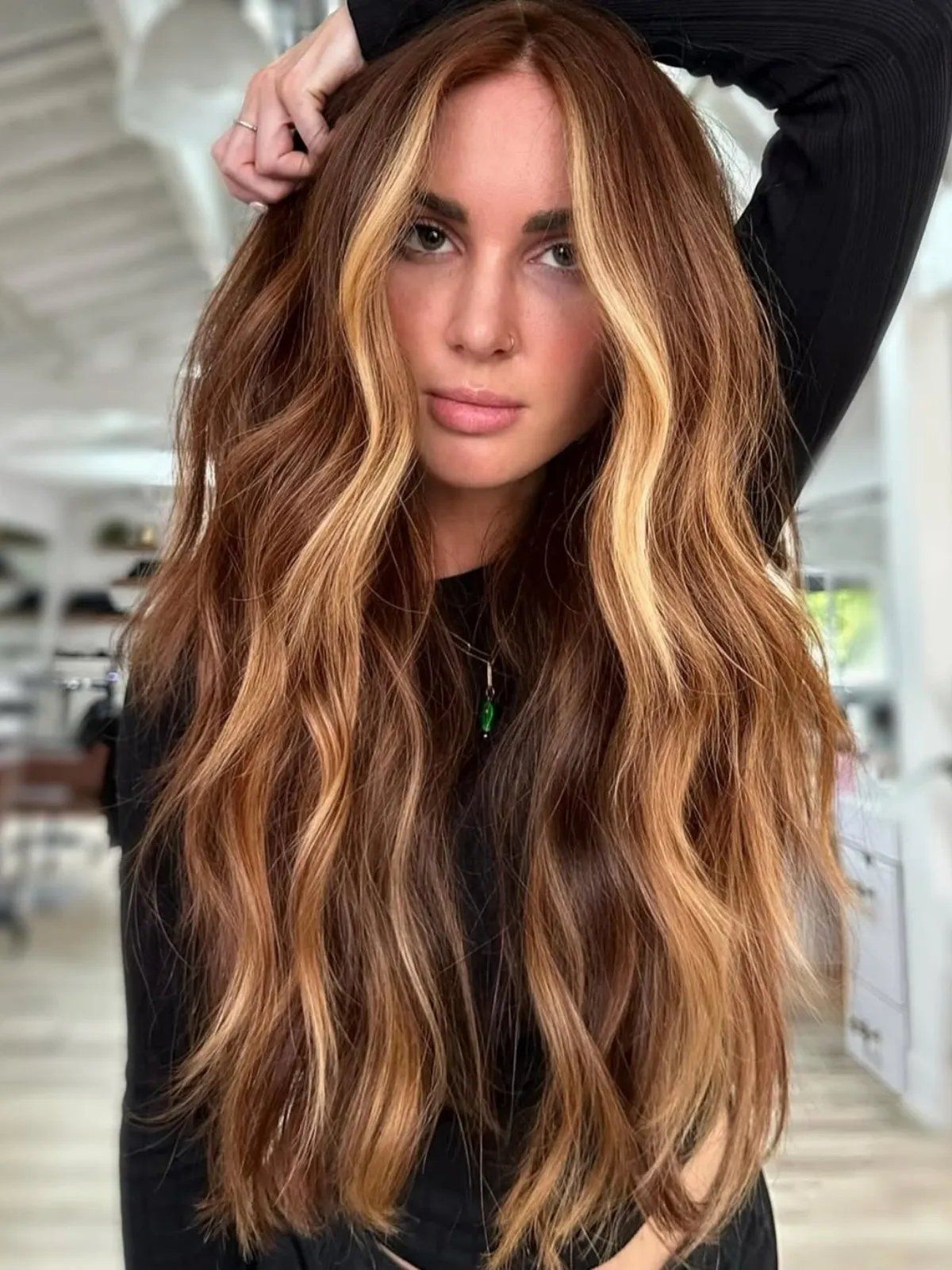
Ever wondered how to brighten your face without going full blonde? The rich auburn base with bright blonde money pieces does exactly that. The technique is face-framing highlights, painted close to the roots for maximum impact. The tone is warm auburn against cool bright blonde, a contrast that reads intentional. On mid-back length wavy thick hair, the pieces catch every turn of the head. The upkeep is real: the blonde needs a purple shampoo every third wash, and the auburn base fades faster than brown. The honest downside is the grow-out line shows at week six. But for the winter months, that bright frame is worth the maintenance.
Shoulder Visual Idea
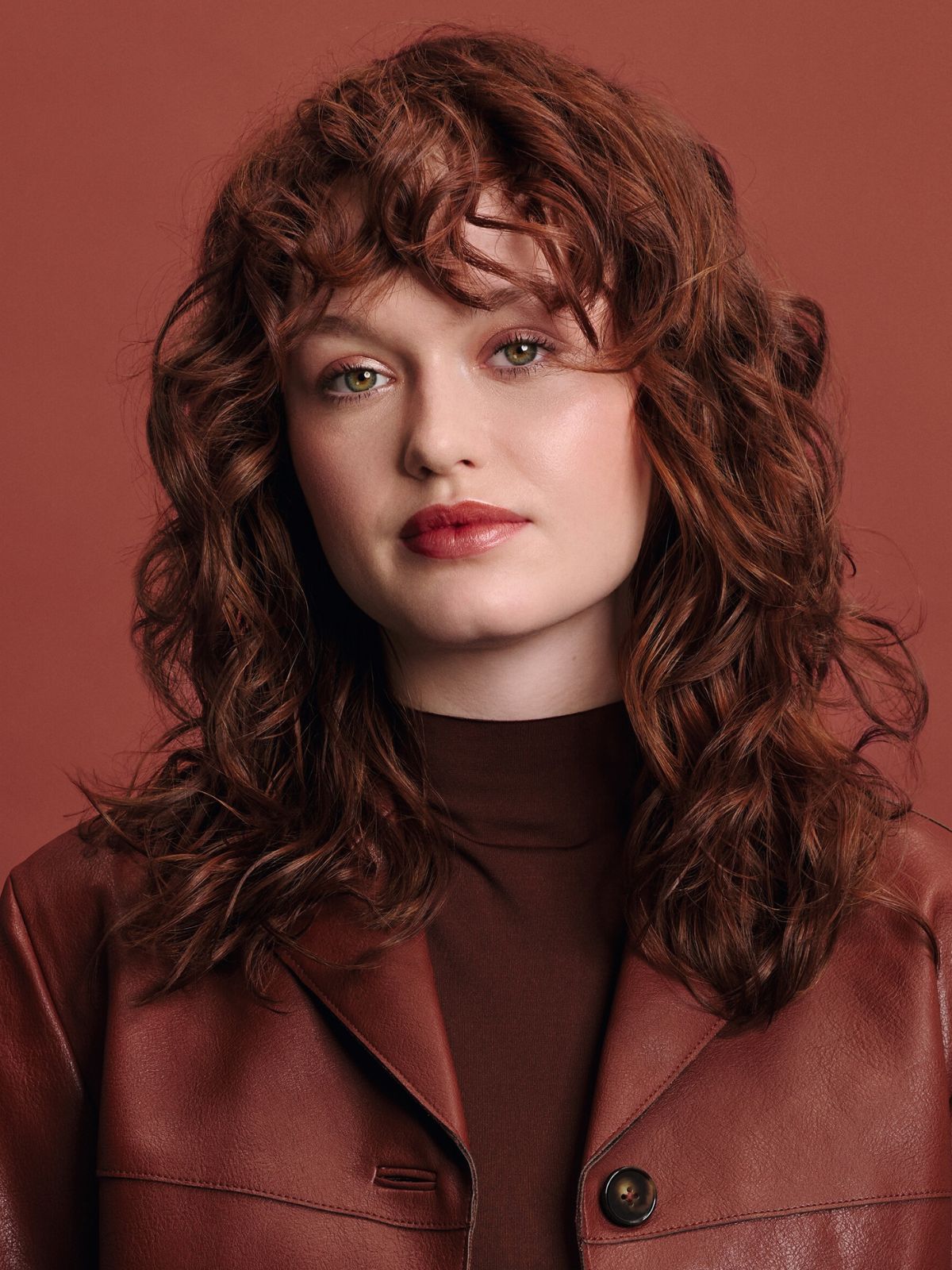
Copper red with lighter copper highlights is the loudest shade in the room. The technique is woven highlights on a copper base, not a solid dye. The tone is warm and bright, a full octave above muted auburn. On shoulder-length wavy hair with medium density, the layers catch the light like a fire. This is the shade that says “I showed up.” It’s not the quiet cousin; it’s the one who takes the stage.
Dark Brown Base With Blonde Balayage Visual Idea
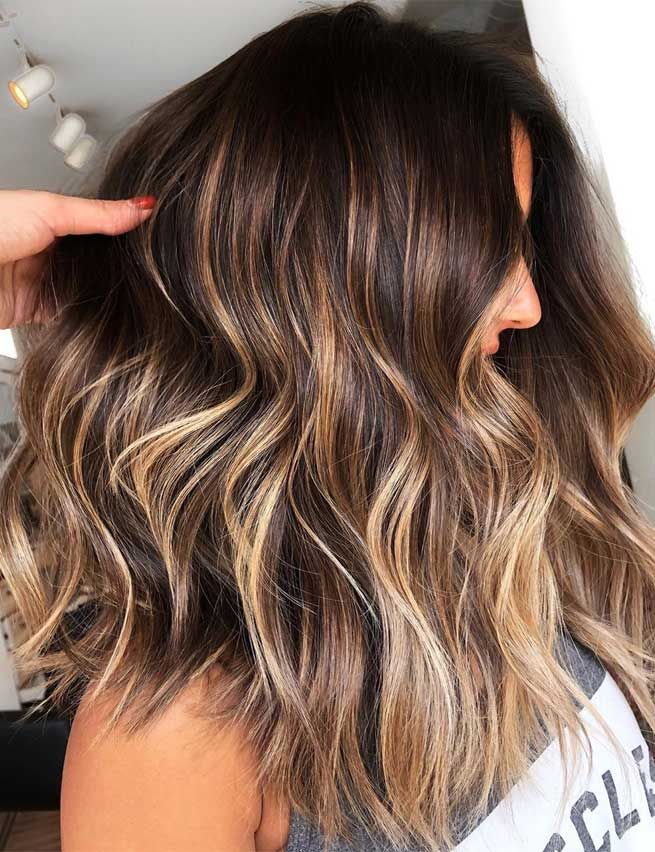
Balayage on dark brown is a trick of light. The technique is hand-painted, not foiled, so the blonde melts into the base instead of striping it. The tone is warm blonde against cool dark brown, a contrast that looks sun-kissed. On a chin-length wavy bob with medium density, the highlights hit the ends and the face frame. This is a low-commitment way to lighten up for winter without a full change.
Front View Visual Idea
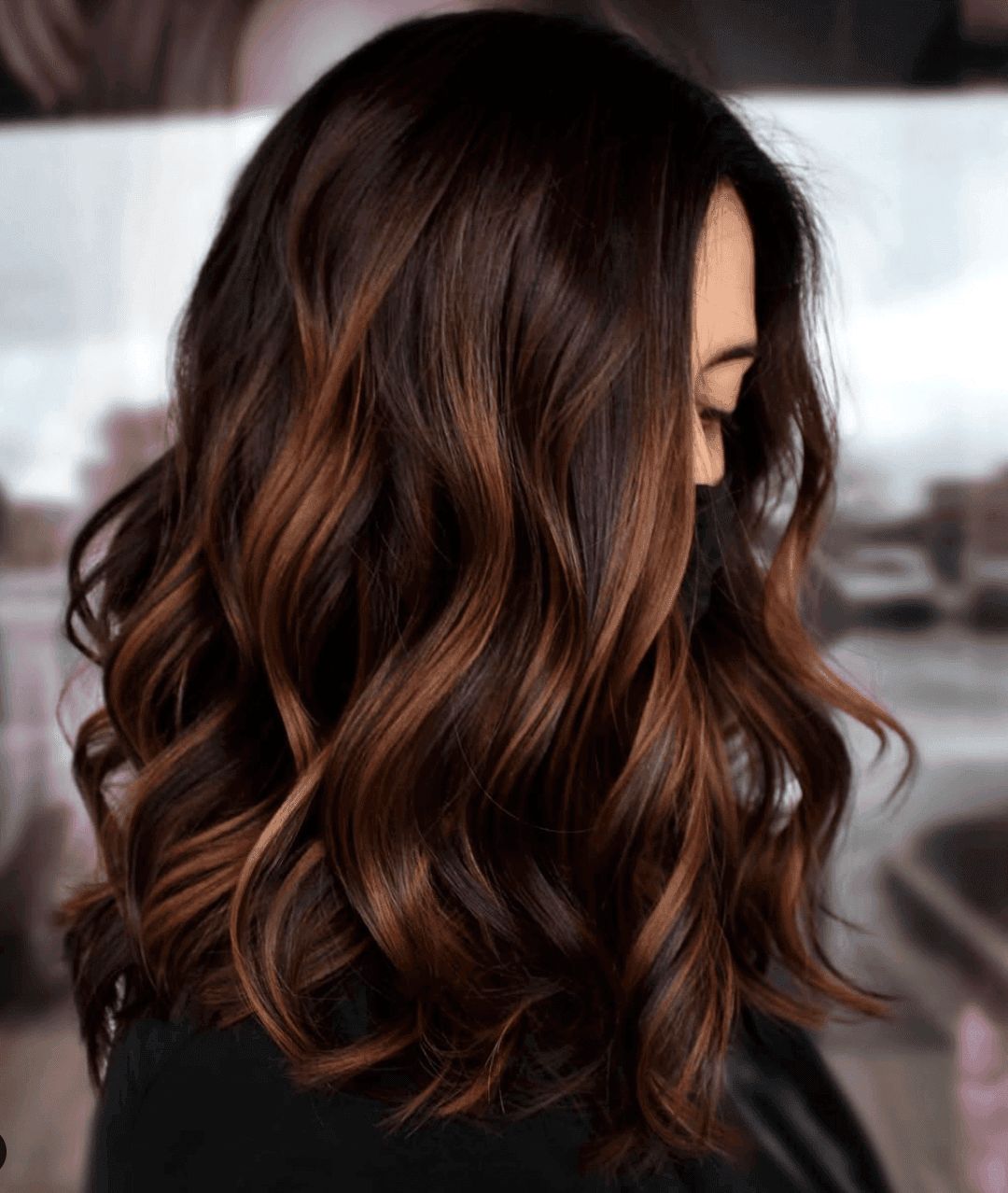
I’ll admit it: I used to think no bangs meant boring. Then I saw this deep espresso brown with subtle burgundy highlights and changed my mind. The colour is a dark brown base shot through with warm red tones that catch the light without screaming for attention. At mid-back length with loose waves and a middle part, the richness reads expensive, not flat. The burgundy highlights add depth and warmth, suiting various skin tones, and they fade gracefully into a soft auburn instead of turning brassy. Wear and upkeep are minimal: a purple shampoo once a week keeps the red from going orange, and the grow-out is invisible because the highlights are subtle enough to blur into the base. No bangs means less daily styling, and the thickness of the waves does the work for you.
No Bangs Visual Idea
Want to brighten up a darker fall or winter look without a full color change? This is the move: a dark brown base with bold blonde face-framing highlights that start at the root and sweep down through collarbone-length waves. The front view shows exactly why it works: the blonde pieces catch every angle of light, so the whole face softens without losing the depth of the base. Middle part, loose waves, wavy medium-density texture. The contrast is deliberate, not accidental, and it reads as intentional even when you throw your hair into a low ponytail. No need to bleach the whole head, no root touch-up every three weeks. Just two or three foils at the front, and the rest stays untouched.
Platinum Blonde Visual Idea
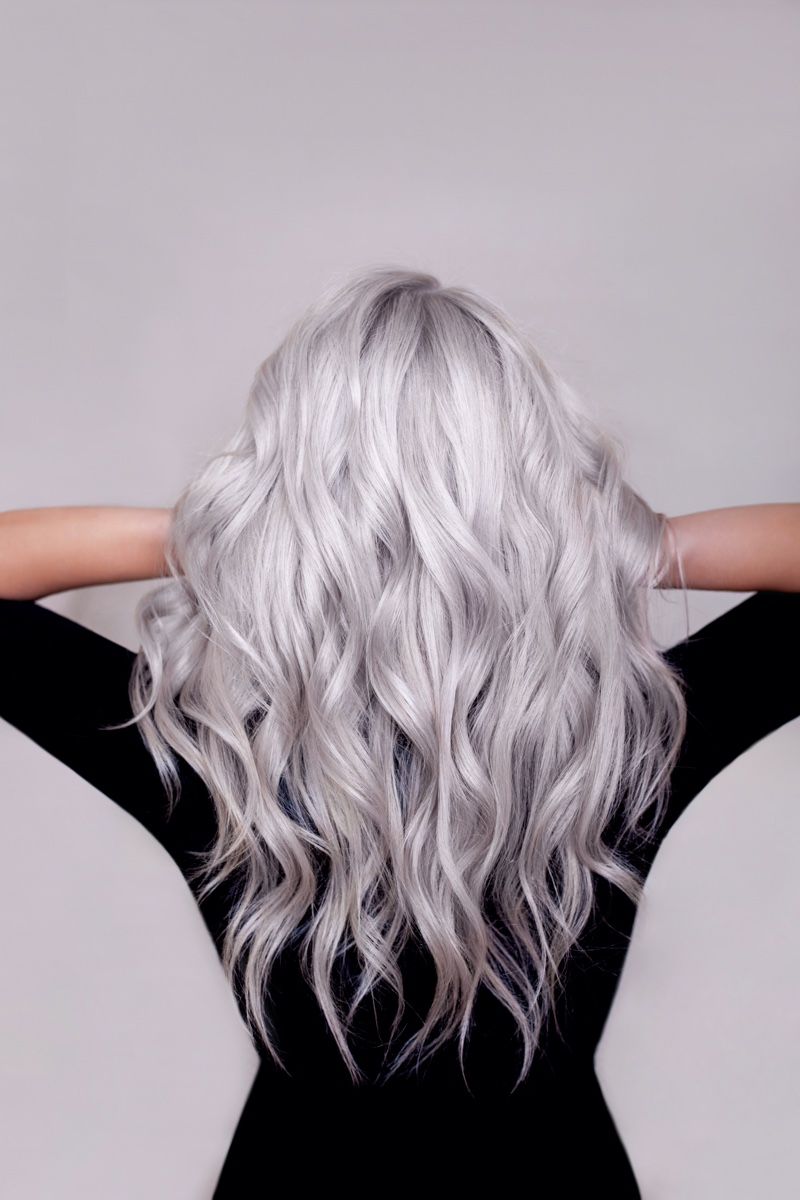
Platinum blonde is a full-time job, and I mean that as a warning. The colour is an all-over lightener, no root shadow, no lowlights to hide the grow-out. The technique lifts every strand to a pale yellow, then tones it to a cool, near-white finish. On fine, wavy hair at mid-back length, the texture reads soft but the reality is fragile. My honest downside: the brass starts creeping in at week three, and a purple shampoo only buys you a few more days. This is a weekly toning commitment or you look like a different person by month two.
The grow-out line is brutal. Dark roots against platinum show at week four, and there is no blending your way out of it. Long layers help the shape hold, but the colour is the boss here. You book every six weeks, you use a toning mask, and you accept that your hair will feel drier than it did before. Worth it for the shock value. Not worth it if you want to sleep in on Saturdays.
Middle Visual Idea
The ash blonde base here is the canvas, but the cool-toned beige highlights are the actual work. The stylist paints fine, spaced ribbons through the mid-lengths and ends, then tones everything with a violet-based gloss to kill any warmth. The result is a beige that reads grey in dim light and almost silver in direct sun. On collarbone-length wavy hair with medium density and curtain bangs, the technique gives dimension without obvious streaks. The middle part lets the highlights fall evenly on both sides, so the colour reads balanced, not patchy.
Final Thoughts
After writing all of these, the one I keep scrolling back to is the deep espresso brown with dark chocolate. It is the colour equivalent of a good wool coat: nothing to prove, everything to last. I am booking it next week.