Honey blonde sits somewhere between warm golden and soft brown, a shade that looks like it arrived naturally rather than from a bowl. Right now, the most wearable versions skip chunky highlights in favor of a lived-in, glossy finish that works with air-dried texture or a quick blowout.
This collection of 22 ideas covers collarbone to mid-back lengths, from low-maintenance root shadows to richer balayage. Simple Honey Blonde is the kind of color that keeps fine hair from looking flat and hides a visible grow-out line for a few extra weeks. Whether your texture is straight, wavy, or curly, there is a version here that does not require a full salon day to maintain.
Collarbone Length Dark Blonde With Honey Tones
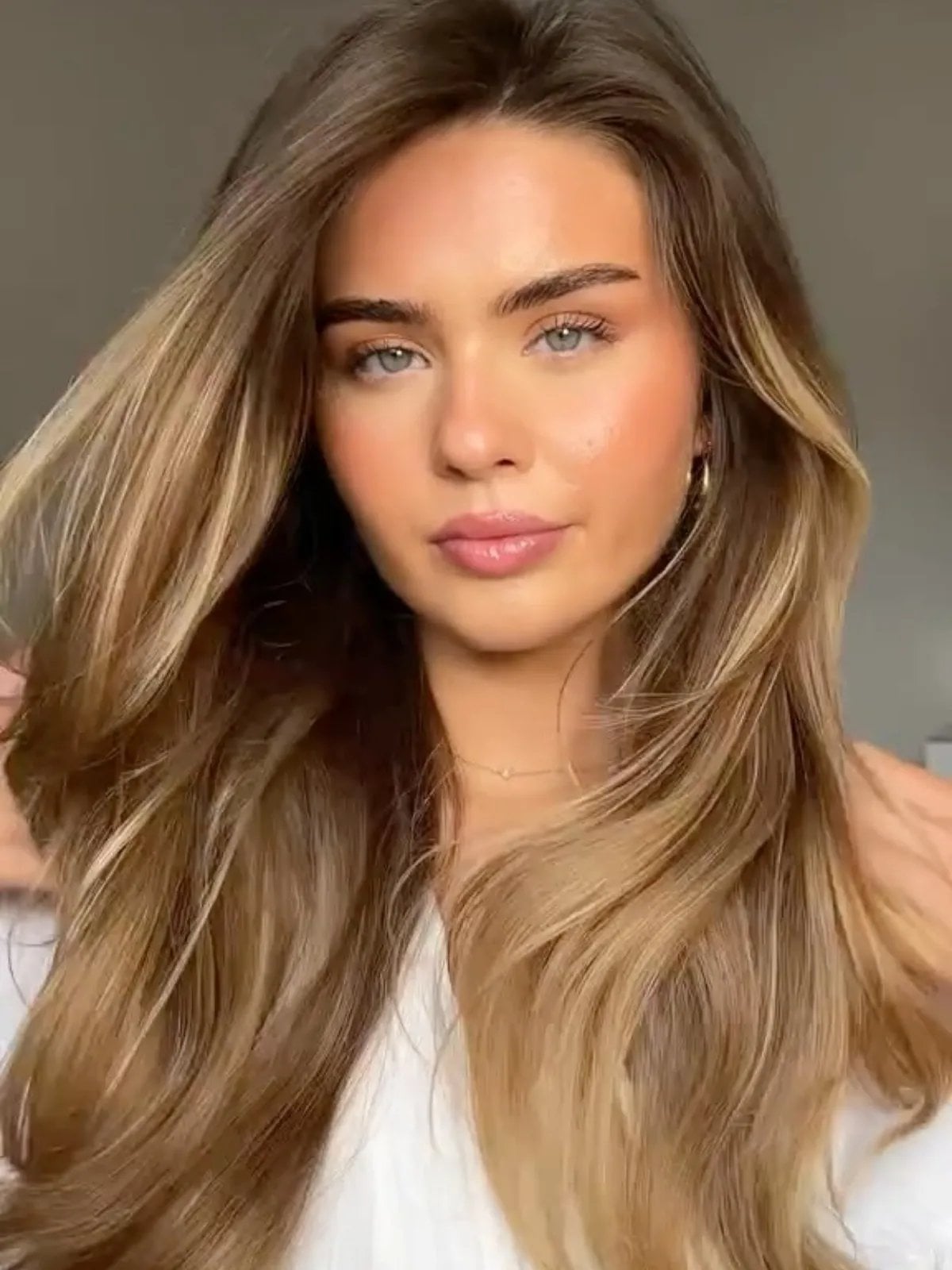
This is the color that makes you look like you spend weekends reading on a porch, not in a salon chair. A dark blonde base with subtle honey tones and highlights lands at the collarbone, with curtain bangs and face-framing layers that catch the light without trying. The natural waves and medium density mean the honey reads as warm, not brassy. Ask your colorist for: dark blonde with subtle honey tones, collarbone length, curtain bangs. Medium density hair starting at collarbone length suits this best, and the curtain bangs soften round and heart-shaped faces. Air drying with a texturizing spray gives you that lived-in finish, and the bangs need a trim every four to six weeks to keep the shape.
Mid-Back Length Honey Blonde With Subtle Highlights
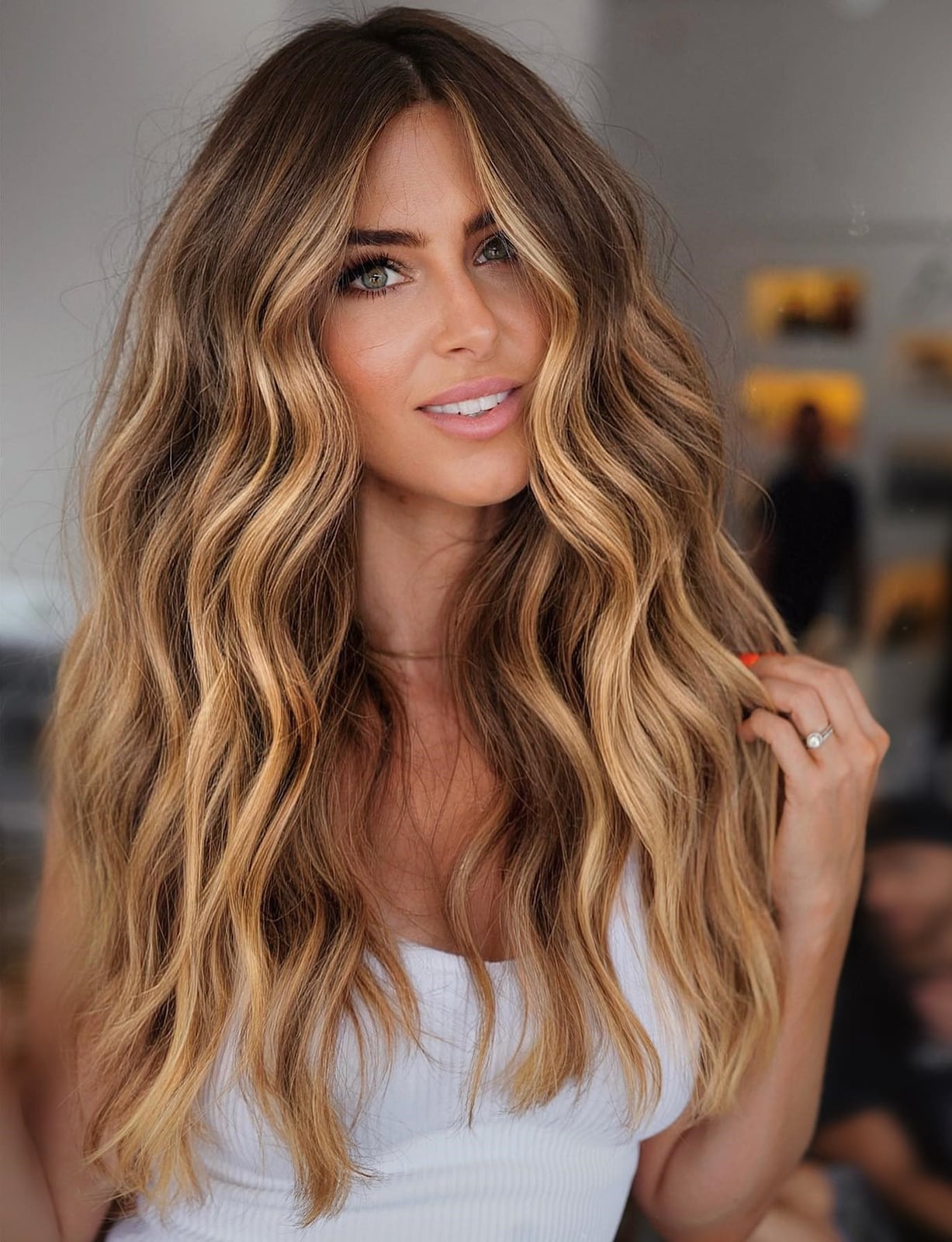
The technique here is a balayage that keeps the honey blonde base rich at the roots and lets the subtle highlights melt through the mid-lengths to the ends. That means no harsh grow-out line and a color that stays dimensional for months. The mid-back length, thick wavy texture and loose waves give the highlights room to breathe, while the face-framing layers add movement around the jaw.
Ask your colorist for: rich honey blonde with subtle highlights, loose waves. A large barrel curling iron creates uniform waves in about twenty minutes, and a smoothing serum knocks down any frizz. Expect a toning appointment every eight weeks to keep the honey warm and the brass away.
Voluminous Mid-Back Honey Blonde With Highlights
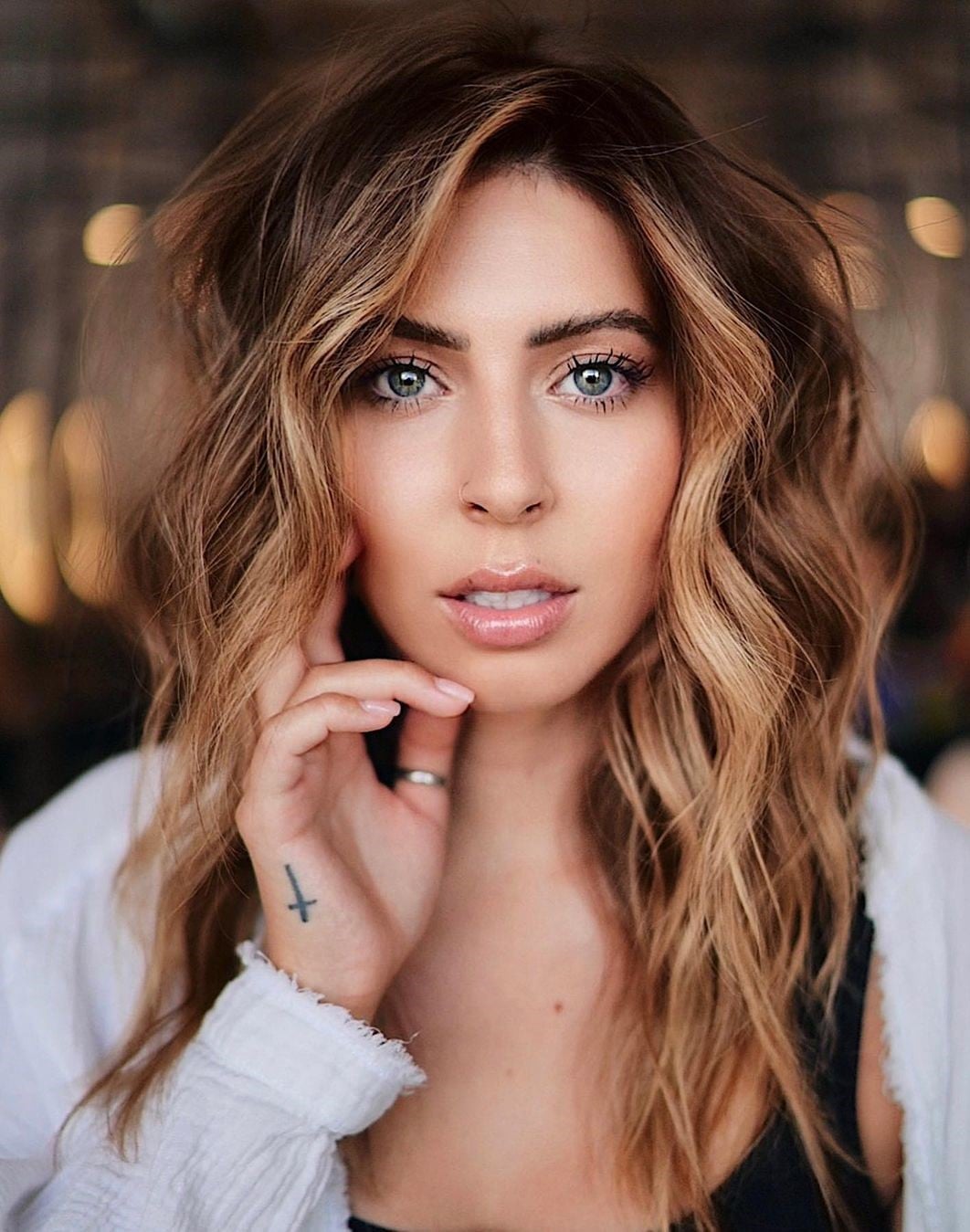
Compare this to the previous look and the difference is in the volume. The warm honey blonde base here is paired with lighter highlights that are painted on more generously, so the color reads brighter and the waves look bigger. The thick, wavy texture and mid-back length with face-framing layers create that soft, rounded silhouette that suits long faces.
Ask your colorist for: warm honey blonde base, lighter highlights, voluminous waves. This is a salon-only application because the highlight placement needs precision to keep the warmth from turning muddy. A DIY version of this color tends to land patchy or too yellow, so book the hour and let them handle the foils.
Mid-Back Honey Blonde With Blended Highlights, Curtain Bangs
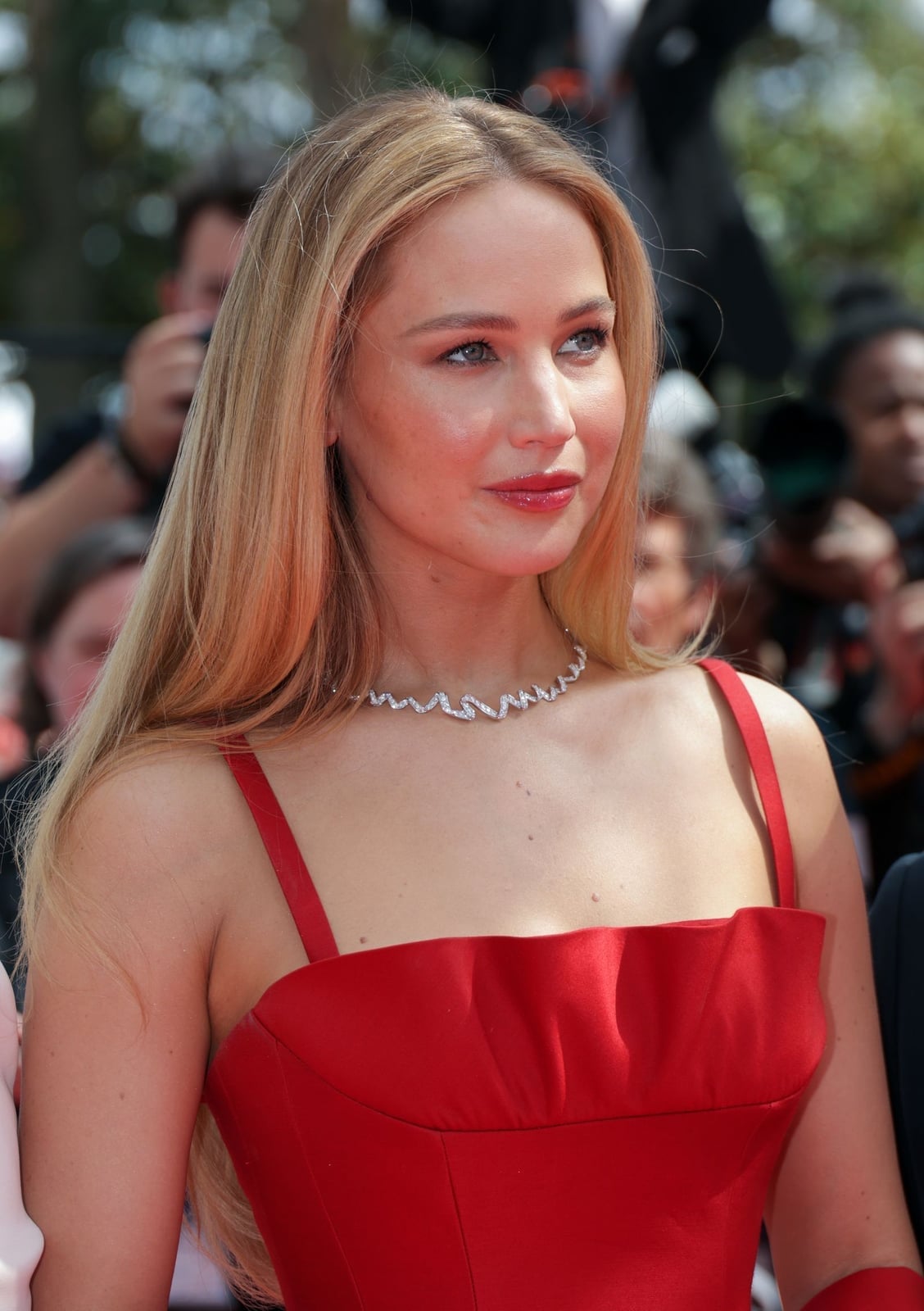
What exactly do you say to get this smooth, dimensional honey blonde at mid-back length with curtain bangs? The key word is subtle. The warm honey blonde base is lightened with blended highlights that are fine and spaced out, so the color looks natural rather than striped. The smooth blowout and middle part keep the focus on the shine and the face-framing layers.
Ask your colorist for: warm honey blonde with subtle blended highlights, smooth blowout. Bring a photo of a soft, lived-in blonde, not a high-contrast one, and mention you want the bangs to graze the cheekbones. This color works best on thick, wavy hair that can hold the blowout shape. A round brush and a heat protectant can style it at home.
Collarbone Honey Blonde With Subtle Highlights
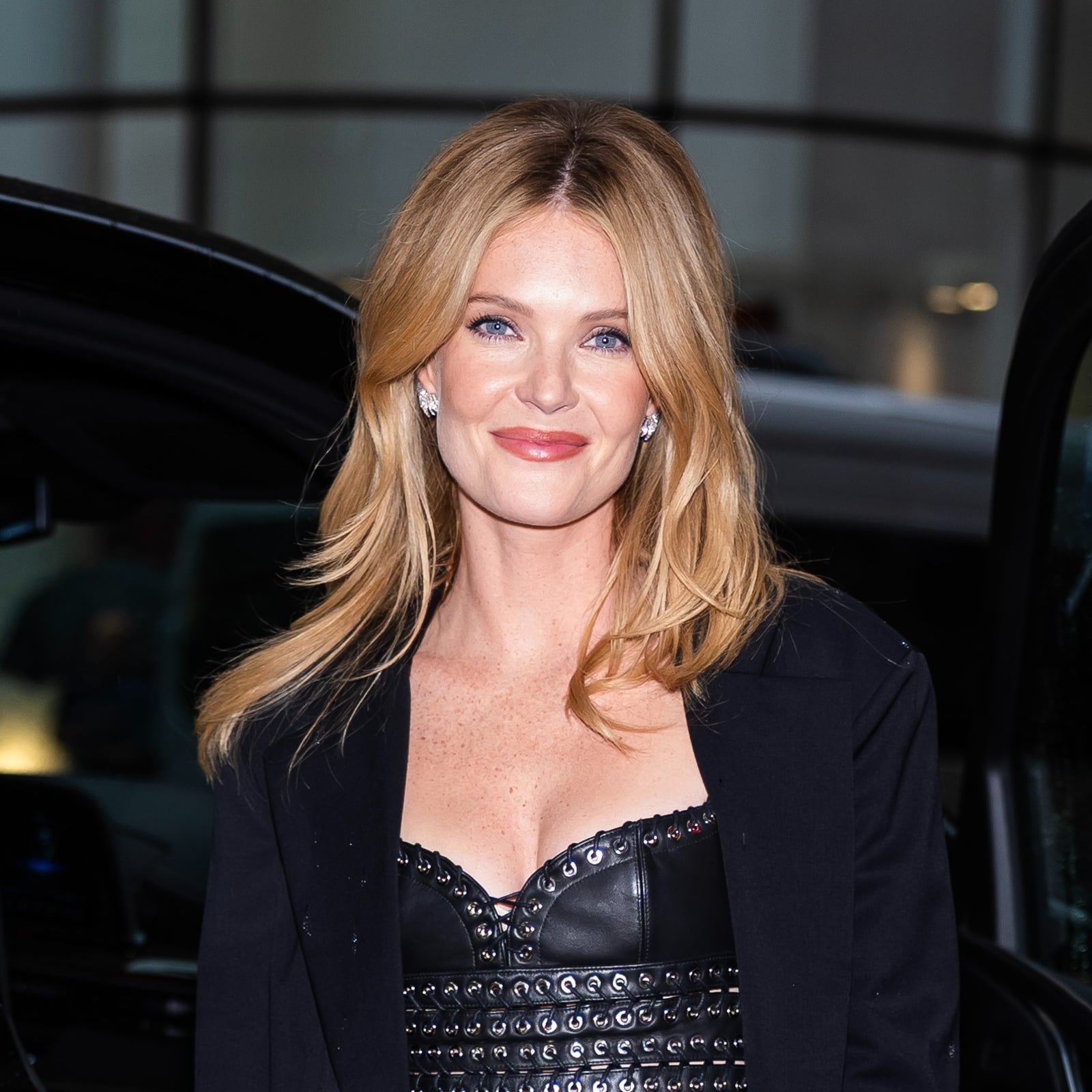
For medium density hair that needs a cut with presence, this collarbone length with curtain bangs and soft waves hits the right note. The honey blonde shade with subtle highlights adds warmth without going too golden, and the face-framing layers keep the shape from feeling heavy. The blowout and soft waves give it a polished finish that works for the office or dinner.
Ask your colorist for: honey blonde with subtle highlights, collarbone length, curtain bangs. Medium density hair starting at collarbone length can carry this cut, and the curtain bangs soften round faces nicely. A blow-dry with a round brush takes about fifteen minutes. A texturizing spray adds the wave back on day two. The trim rhythm is every six to eight weeks.
Shoulder Length Honey Blonde With Root Shadow
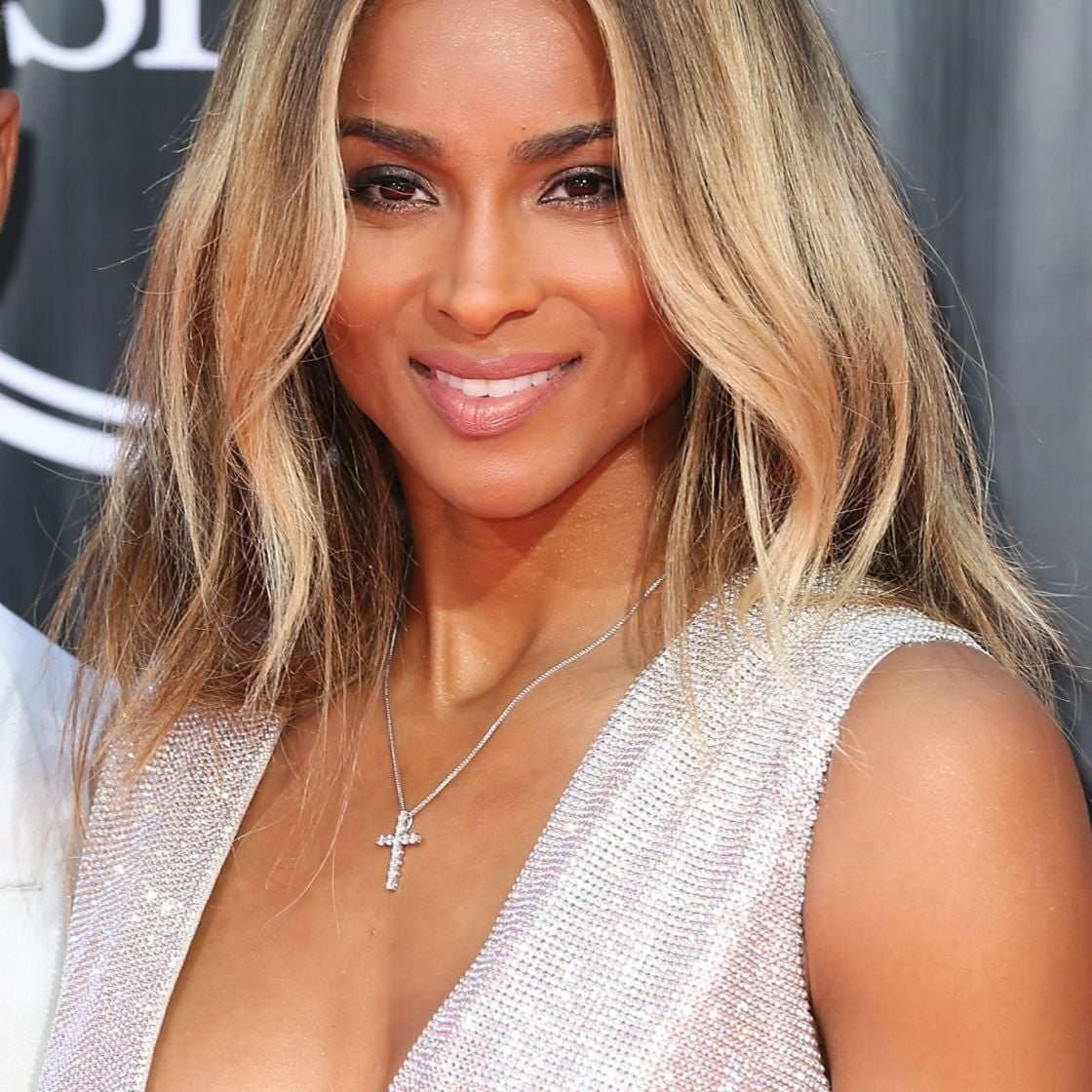
A root shadow on shoulder length fine wavy hair hides the grow out line while adding depth where fine hair can look sparse. The honey blonde on top keeps things warm and bright, but the darker base at the roots adds dimension that a single process color cannot deliver. Ask your colorist for: honey blonde with root shadow, shoulder length, soft waves. Getting a glossy finish on fine hair takes a little extra effort, a lightweight shine spray instead of a heavy serum. The root shadow needs a refresh every six to eight weeks to stay defined.
Mid-Back Honey Blonde Balayage
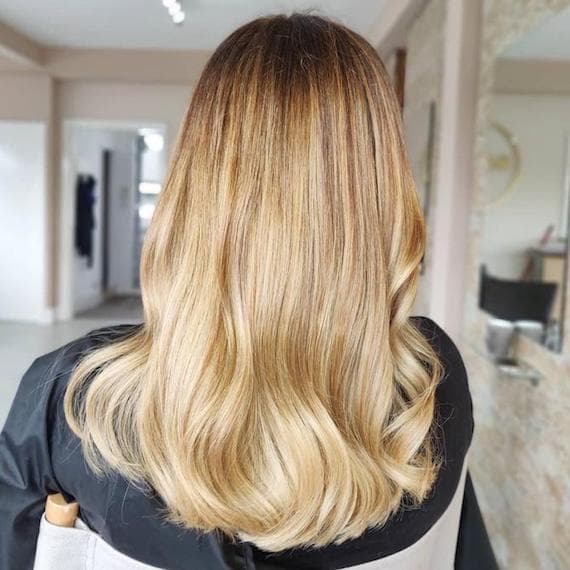
Balayage is a hand-painted technique, which means the color lands exactly where the stylist wants it, no foils, no harsh lines. Here the honey blonde balayage starts darker at the root and lightens gradually through the mid-lengths and ends, a gradient that mimics how the sun naturally lightens hair. On thick, wavy hair at mid-back length, that slow fade creates movement without needing much styling effort. Ask your colorist for: honey blonde balayage, darker root to lighter ends, loose waves. The back view shows the uninterrupted flow of color from nape to tip. A styling product on damp hair can help define waves and keep the lighter ends from feeling dry.
Collarbone Ash Blonde With Honey Tones
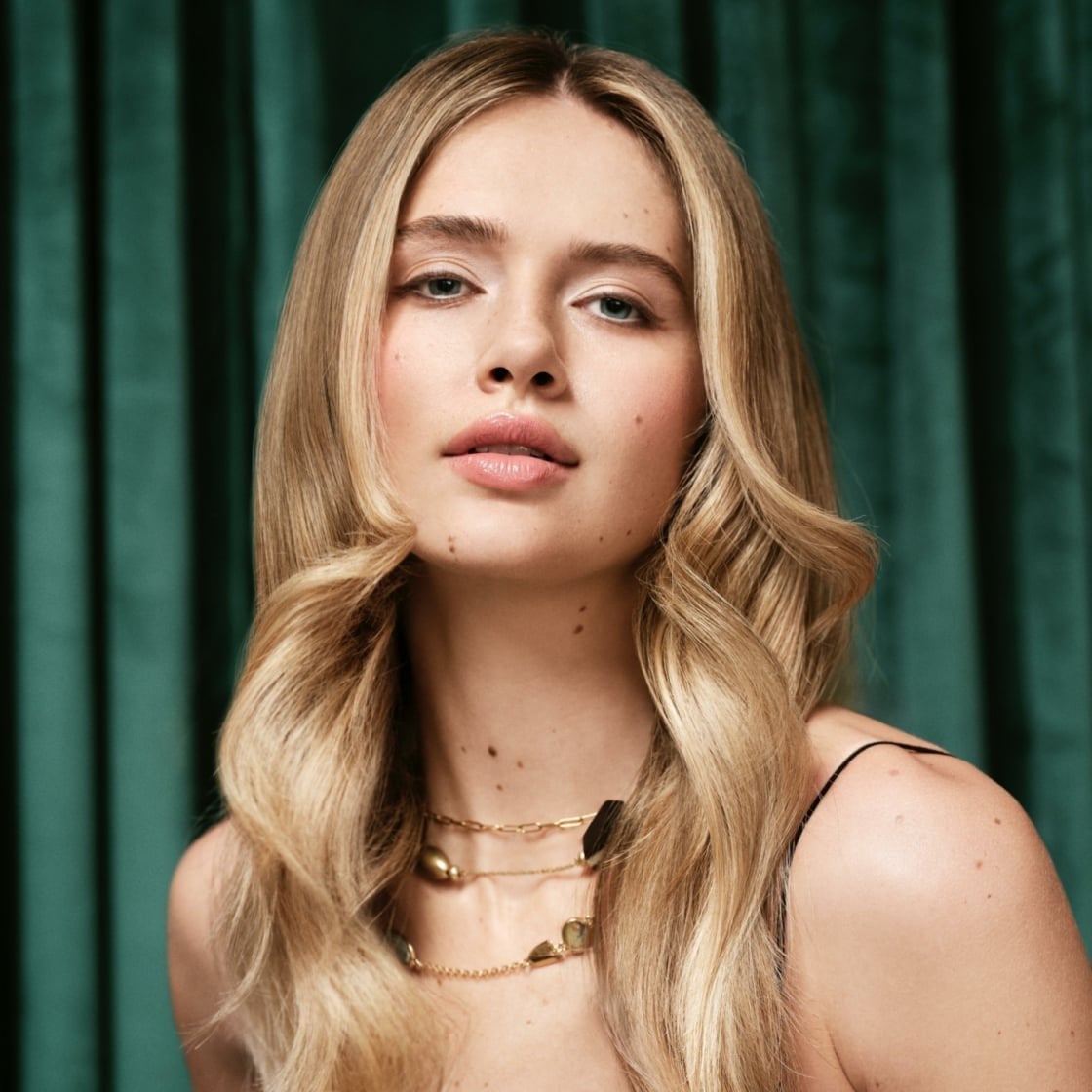
Ash blonde and honey tones are not natural allies, one leans cool and grayish, the other warm and golden, but here they share the same head without fighting. The ash base keeps the overall tone muted, while the subtle honey pieces add just enough warmth to stop the color from looking flat or ashy in the bad way. On collarbone-length, fine wavy hair with curtain bangs, the mix reads as sophisticated rather than brassy. Ask your colorist for: ash blonde with subtle honey tones, collarbone length, curtain bangs. The drawback is that the ash can pull too cool if the honey is not placed deliberately, so find a colorist who understands balance, not just a toner.
Shoulder Length Vibrant Honey Blonde
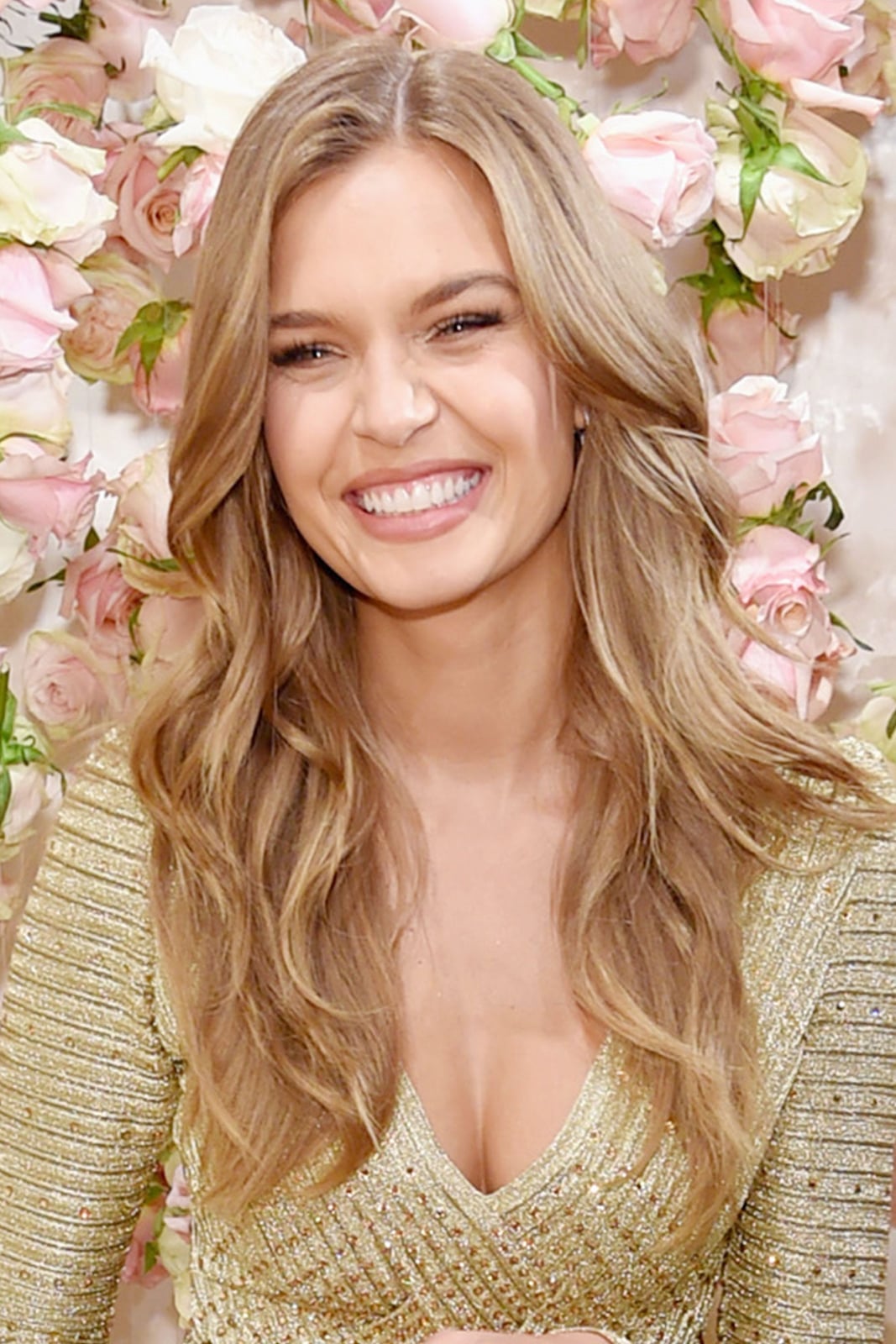
Can a single blonde shade feel both warm and bright without tipping into orange? This one manages it. The vibrant honey blonde base carries a golden richness, and the lighter highlights woven through the mid-lengths keep the color from looking flat or one-dimensional. On shoulder-length, wavy hair of medium density, the loose waves show off that interplay. Ask your colorist for: vibrant warm honey blonde, lighter highlights, loose waves. A texturizing spray on dry waves adds definition and keeps the shape from falling flat by midday.
Collarbone Cool Honey Blonde
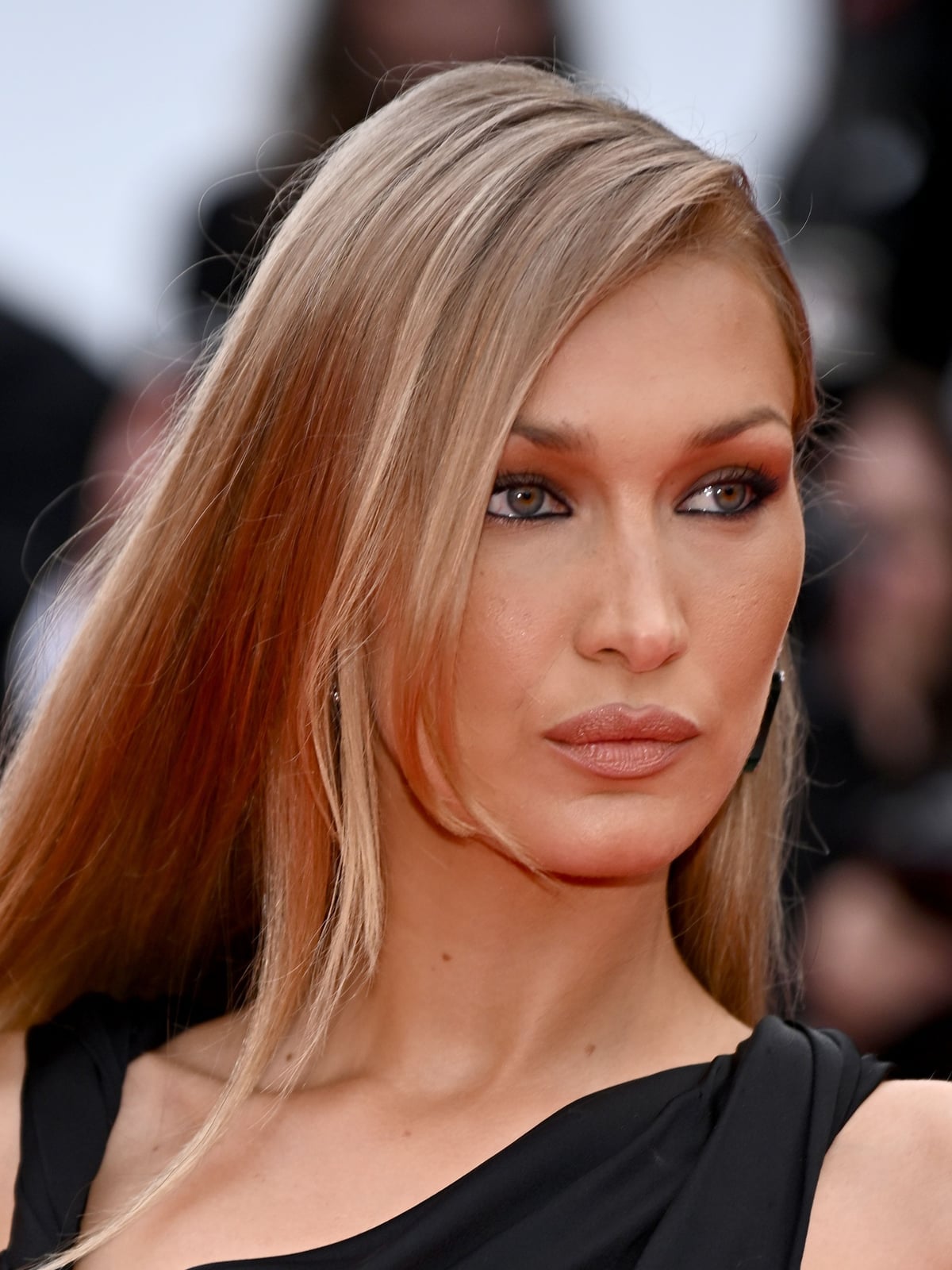
Cool honey blonde is a specific ask: it has the sweetness of honey but with ash undertones that keep it from going brassy. On collarbone-length, fine, straight hair with a side part, the color reads as sleek and polished, especially when the hair is styled poker straight. The shine comes from the smooth texture, not from added gloss. Ask your colorist for: cool honey blonde with ash undertones, collarbone length, poker straight. Upkeep requires a purple shampoo used once a week to maintain the cool tone, and a trim every eight weeks to keep the ends sharp. The side part needs to be committed to, because flipping it reveals a root line that grows out unevenly.
Collarbone Honey Blonde With Curtain Bangs
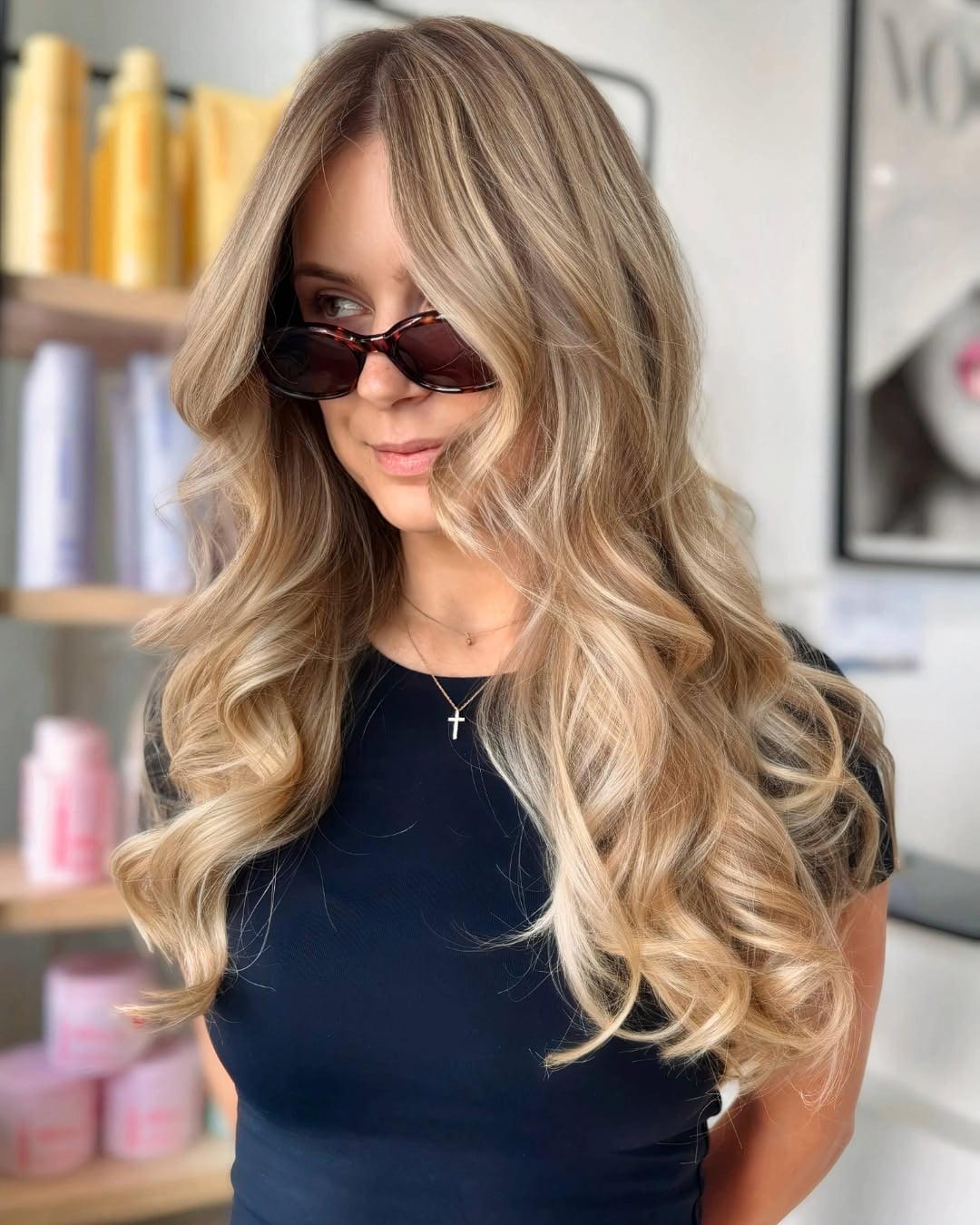
Curtain bangs and a honey blonde base with subtle highlights: the combo is deceptively simple. This collarbone cut works for fine hair because the soft layers add movement without sacrificing density, and the fringe softens round or heart faces without needing constant trimming. Ask your colorist for: honey blonde with subtle highlights, collarbone length, curtain bangs. The middle part keeps the bangs blending into the rest of the length, so they don’t read as separate. A medium round brush shapes the fringe, and a light hairspray holds it without stiffness.
Collarbone Honey Blonde Balayage Curls
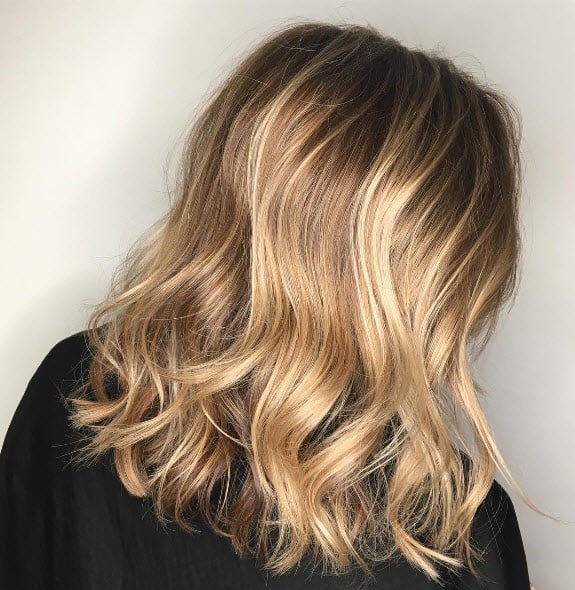
The design here is subtle: a honey blonde balayage that starts lower on the shaft, so the root stays darker and the lighter pieces feel woven rather than painted on. That matters for medium-density wavy hair because the curl pattern already creates volume, and a heavy highlight placement would look chunkier than intended. Ask your colorist for: honey blonde balayage, collarbone length, loose wavy curls. This is a salon job. The balayage technique takes skill to place correctly on textured hair, and trying it at home with a brush and bowl risks uneven saturation.
Mid-Back Glossy Honey Blonde
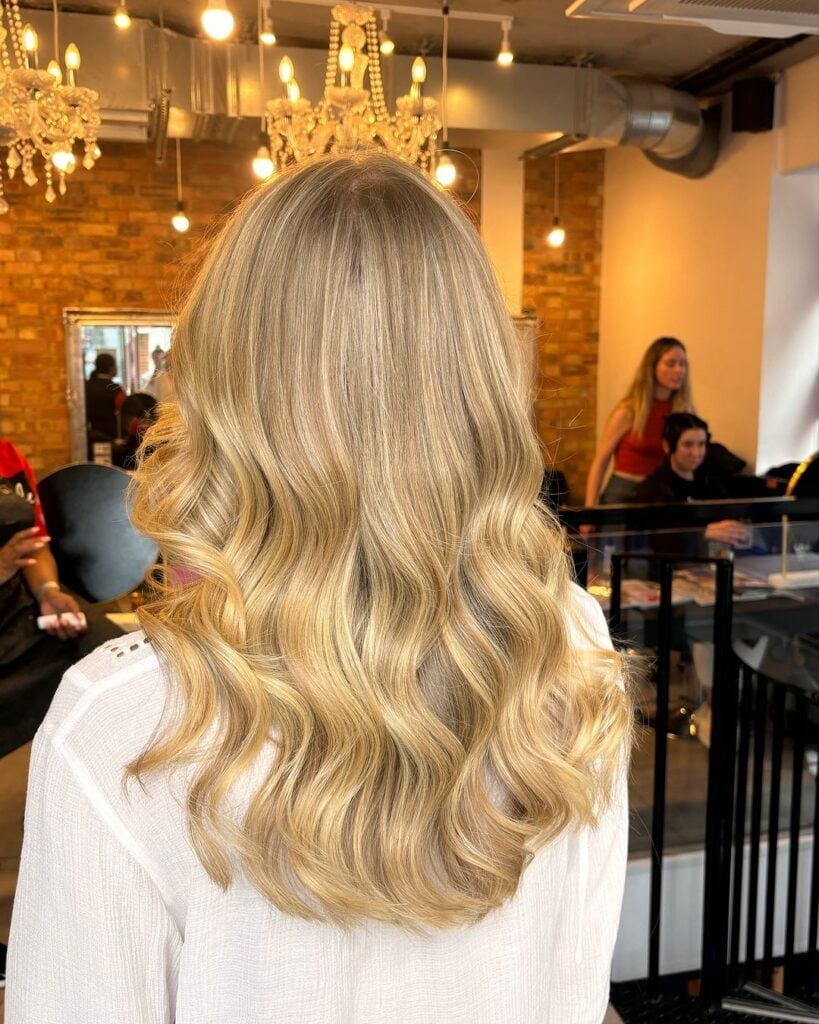
A warm honey blonde with subtle blended highlights and a true glossy finish: the back view here shows how the shine reads as one even surface, not separate streaks. That requires a gloss treatment on top of the color, and the trade-off is clockwork maintenance. A gloss lasts about four weeks before it dulls, and the warmth in honey blonde needs a purple shampoo every other wash to stop it skewing brassy.
Ask your colorist for: warm honey blonde with subtle highlights, glossy finish, loose waves. This length and texture, mid-back and thick, benefit from the shine because it gives the hair weight and polish without extra product. The downside: skip this if you can’t commit to the gloss schedule, because a faded gloss makes the color look flat faster than a matte finish would.
Mid-Back Uniform Honey Blonde
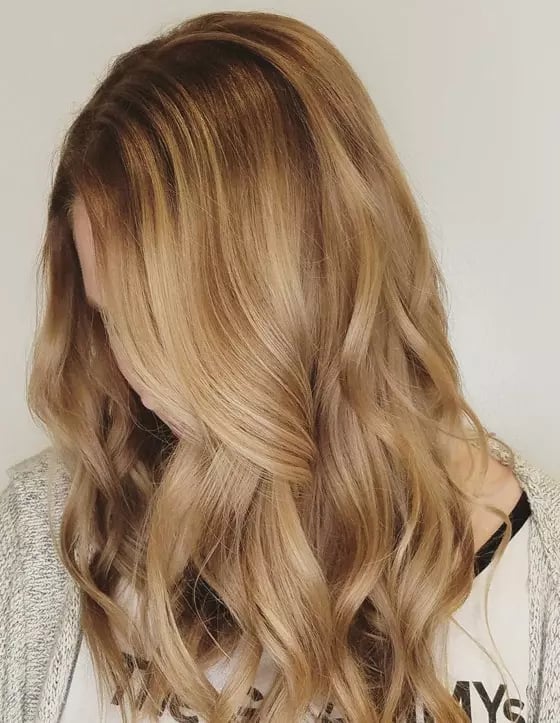
How does a solid honey blonde wear over time without highlights or balayage to disguise the root? The answer is honest grow-out. A uniform color means the root line shows as a straight band of new growth after about three weeks, and there’s no lighter piece to blur it.
Ask your colorist for: uniform honey blonde, mid-back length, loose curls. This is a good choice for thick, wavy hair because the single shade lets the wave pattern and texture do the work. The color is the backdrop, not the feature. The upkeep schedule is a root touch-up every four to five weeks, and a deep conditioning mask once a week to keep the length from looking flat without the dimension of highlights.
Mid-Back Rich Honey Blonde With Lighter Ends
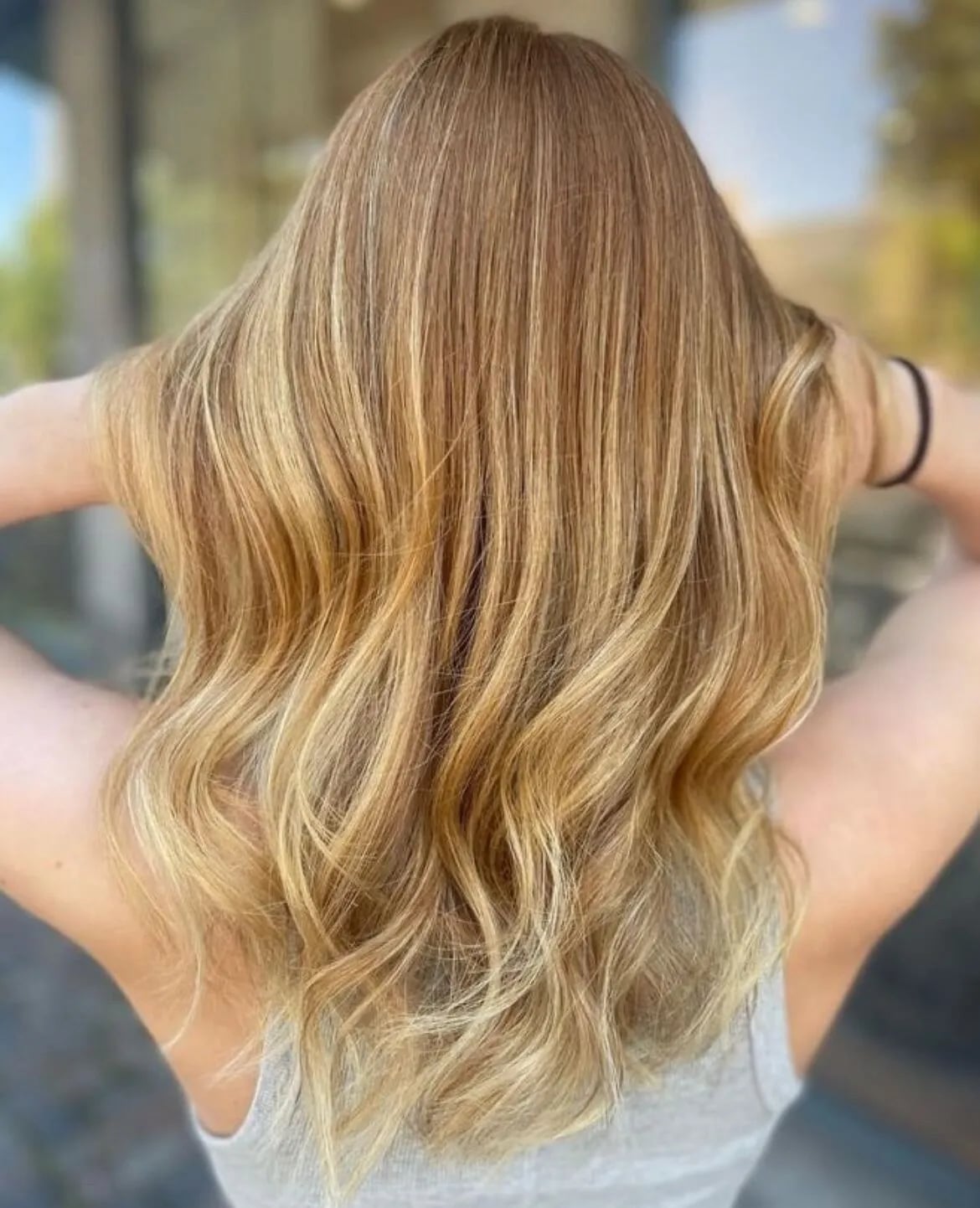
A rich honey blonde that transitions to lighter tones toward the ends: the effect is like sun exposure, but controlled. The deeper base near the root gives the color weight, while the lighter ends keep it from looking too dark overall. Ask your colorist for: rich honey blonde transitioning to lighter ends, loose waves. Medium density hair at mid-back length is the sweet spot here, fine hair might look weighed down by the darker root, and very thick hair might need extra lightener at the ends to get the contrast to read. A trim every eight weeks keeps the lighter ends from feeling stringy.
Collarbone Honey Blonde With Sun-Kissed Highlights
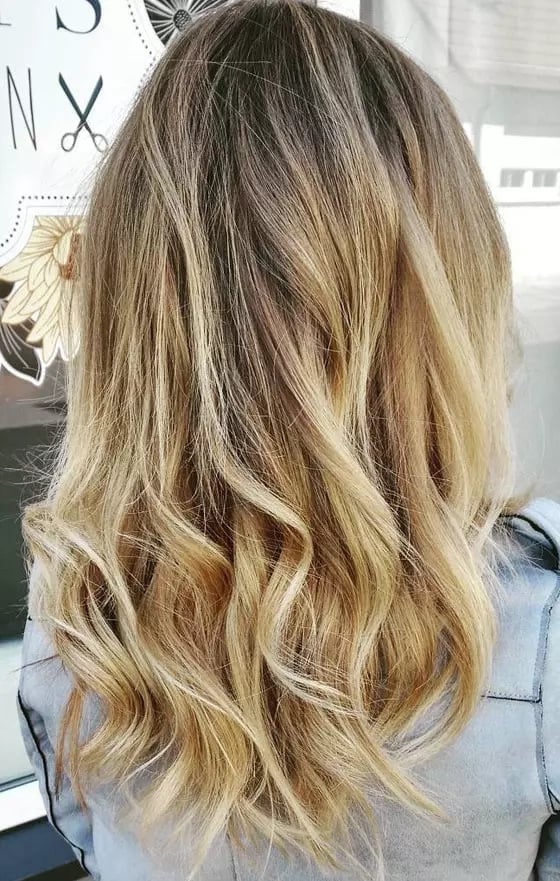
Wondering how to get that lived-in warmth without looking like you tried too hard? This collarbone honey blonde works lighter, sun-kissed highlights into the ends, leaving the root area deeper for a natural grow-out. Medium density wavy texture helps the color look dimensional. Ask your colorist for: warm honey blonde with lighter sun-kissed ends. The middle part and loose waves show the highlights on both sides of the face. It is a salon-only color: the hand-painted placement takes about two hours, and a trim every six to eight weeks keeps the ends healthy enough to hold the lighter tone.
Collarbone Glossy Honey Blonde With Balayage
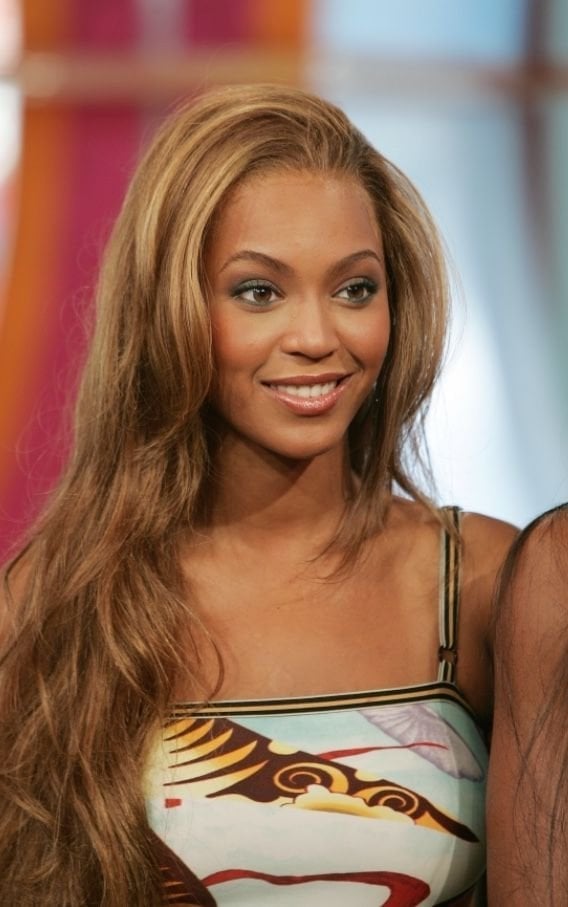
The trick to this collarbone honey blonde is the balayage itself. Instead of painting color from root to tip, the stylist sweeps it onto the mid-lengths and ends, leaving the base darker. That subtle transition creates the dimension, and the glossy finish seals it. Medium density hair holds the soft wavy blowout well without falling flat by midday.
This is a salon technique: balayage takes skill to place correctly, especially when you want a subtle lift rather than a stripe. A gloss treatment at the same appointment locks in the honey tone and adds that mirror-like shine. Between visits, a purple shampoo once a week stops the lighter pieces from picking up warmth and turning brassy.
Mid-Back Dark Brown With Honey Blonde Balayage
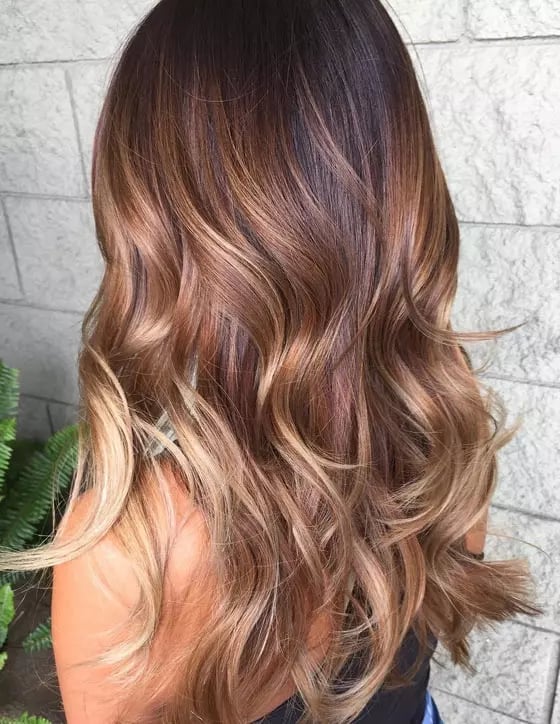
This look often gets compared to a full honey blonde, but the difference is the starting point. Here a dark brown base anchors the color, and the honey blonde balayage lifts the ends. The contrast is sharper than a light-on-light balayage, which means the blonde pieces pop more against the darker root. Thick, wavy texture at mid-back length gives the color plenty of surface area to blend smoothly.
Maintaining that dark-to-light transition takes planning. The dark base can fade into a warm brown, and the honey ends can lighten further with sun exposure. A root touch-up every eight to ten weeks keeps the contrast crisp. If you prefer a softer grow-out where the line between dark and light is less defined, a full honey blonde with a root shadow is a better match.
Mid-Back Honey Blonde Balayage Dimension, Wavy Thick
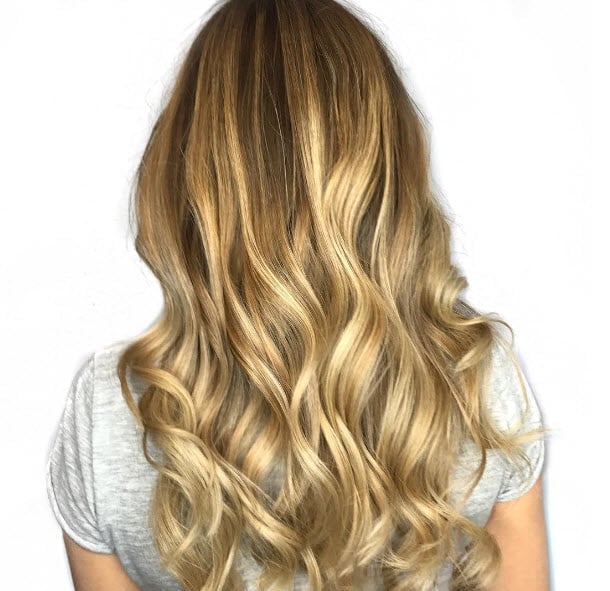
Thick, wavy hair at mid-back length holds a honey blonde balayage in a way finer textures cannot. The weight of the hair pulls the wave pattern into a gentle S-shape, and the darker root to lighter ends creates a natural shadow effect. The balayage here is painted closer to the root at the crown and fades out toward the ends, which keeps the dimension front-facing.
Upkeep is straightforward for this texture. The waves disguise the grow-out for about six weeks, so the root line blends well. Use a leave-in conditioner on the ends to prevent the lighter sections from feeling dry, especially in warmer months when sun and heat pull moisture out. Trim every eight to ten weeks to keep the ends from splitting and the wave pattern from looking frayed.
Mid-Back Honey Blonde Balayage Side Part
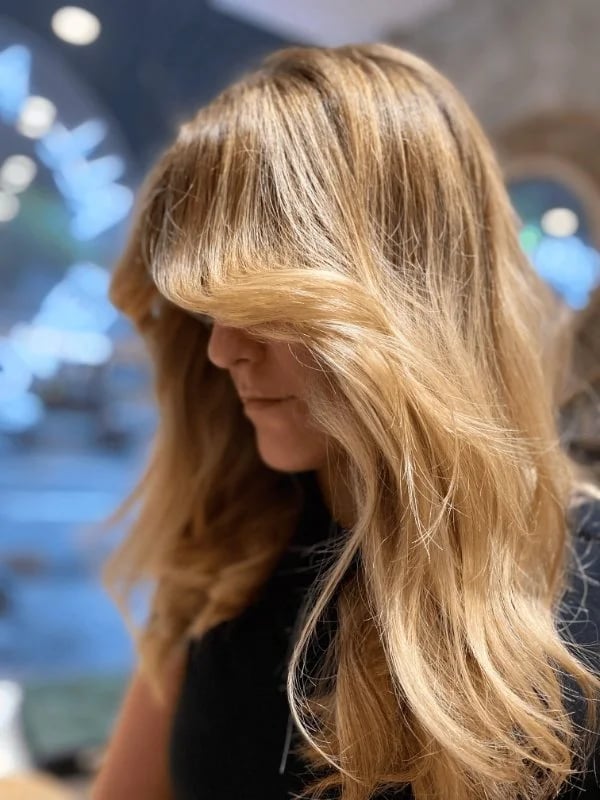
How do you make a side part work with balayage placement? You ask the colorist to concentrate the lighter pieces on the side where the hair naturally falls forward. Here the honey blonde balayage is heavier on the front sections, so the highlights catch the light when the hair moves. The side part also lifts the crown volume, which thick, wavy texture takes advantage of without any backcombing.
Ask your colorist for: honey blonde balayage with a side part placement. This is not a color you can fake at home: the hand-painted sections need to align with the part to look intentional. Air drying with a texturizing cream keeps the wave pattern soft and the color visible. A trim every eight weeks prevents the ends from thinning out and losing the shape that the side part creates.
Mid-Back Honey Blonde With Highlights and Waves, Wavy
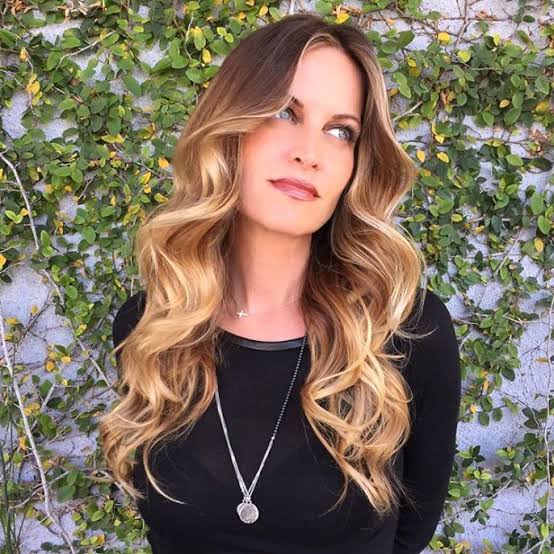
The curtain bangs draw attention to the face without committing to a full fringe. This mid-back length combines a warm honey blonde base with lighter highlights woven through the layers, so the color moves with the waves instead of sitting flat. Thick, wavy hair holds this shape best, and the face-framing layers keep the lightness from getting lost in the length. Ask your colorist for: warm honey blonde with lighter highlights, mid-back length, curtain bangs. A large barrel curling iron and a shine serum give you those glossy, loose waves that look deliberate.
Golden to Caramel Blonde Variations
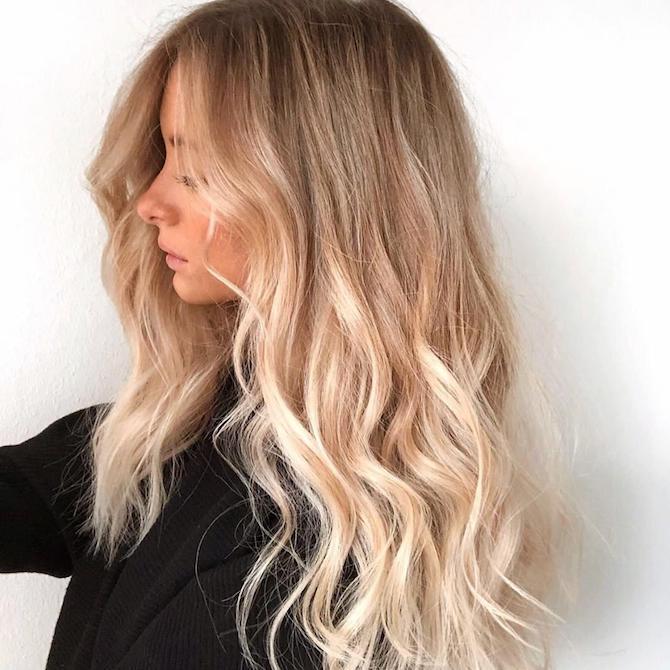
A side part and a blowout make this mid-back honey blonde balayage look polished but not stiff. The color shifts from a deeper golden tone at the roots into a lighter caramel at the ends, a gradient that works year-round but feels especially right for fall, when the warmth offsets the gray light.
Long layers keep the thick, wavy texture from creating a triangle shape, and the side part adds volume on one side without extra teasing. This is a salon-leaning color placement, since balayage requires a steady hand to keep the transition soft and not striped. Ask your colorist for: honey blonde balayage, mid-back length, long layers.
Final Thoughts
For fine hair, keep the base close to your natural level and add subtle highlights around the face to create depth without weighing it down. On thick or wavy textures, a root shadow and balayage placement let the lighter ends move freely without a harsh line.
- Trim shoulder-length and longer styles every 8-10 weeks to maintain shape and prevent split ends.
- Tone every 6-8 weeks to refresh warmth, especially if highlights are present.
- Use a color-safe shampoo and conditioner to preserve the honey blonde hue.
- Incorporate a deep conditioning treatment weekly to maintain shine and health.
Embrace the warm glow of honey blonde for a naturally radiant look.