
Ombré hair color is a technique where the ends are lighter than the roots, creating a soft, sun-kissed transition that grows out gracefully. This season, the trend leans toward lived-in color and glossy natural texture, moving away from chunky highlights and poker-straight styling.
This collection of 31 Simple Ombré Hair ideas spans from subtle, low-maintenance blends to bolder, high-impact color shifts, and from chin-length bobs to mid-back layers. Whether your hair is fine and falls flat or you struggle with a visible grow-out line, these looks offer a versatile solution that adapts to your cut, length, and lifestyle.
Chin Length Choppy Bob With Pink Ombré Tips
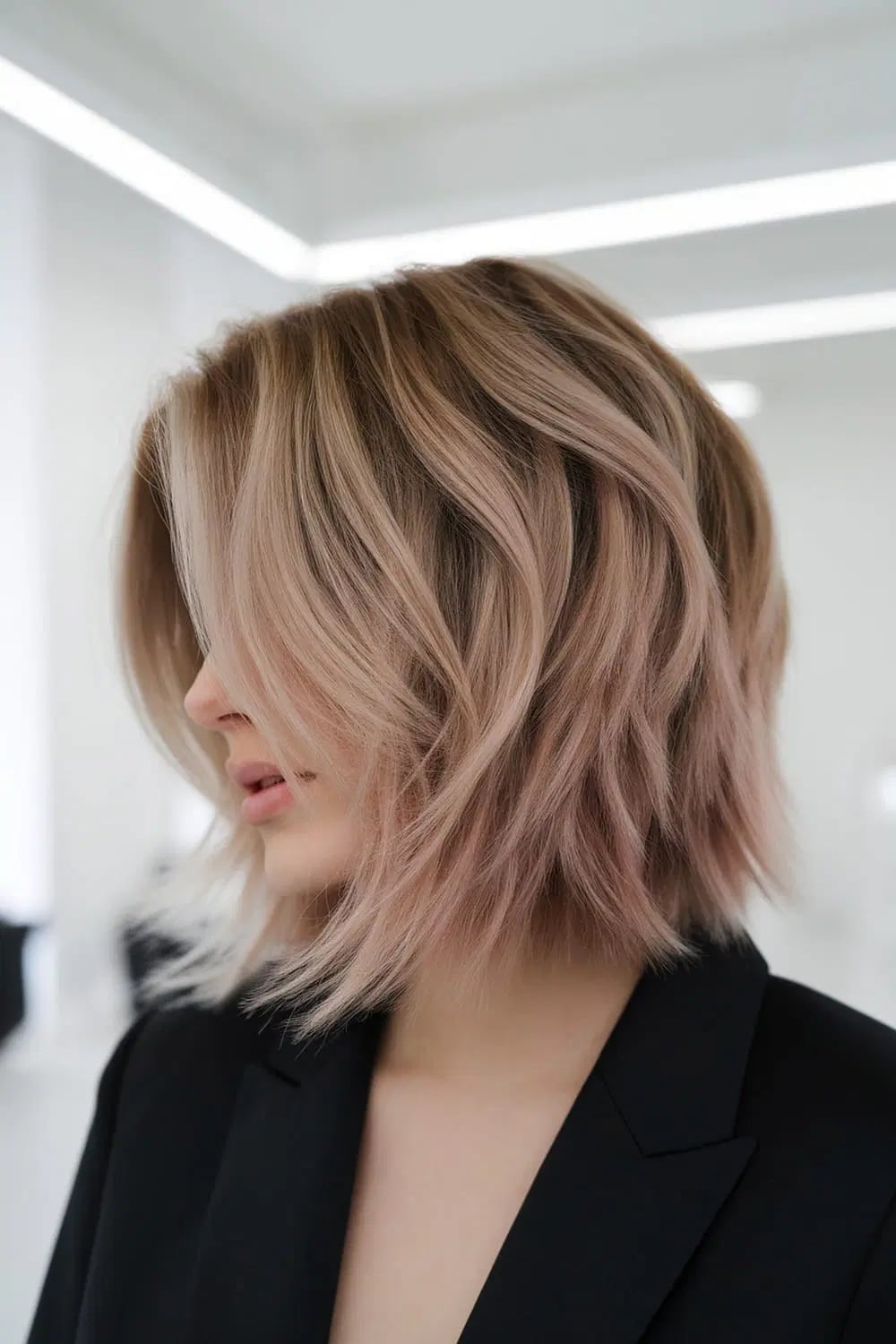
A choppy bob that lands at chin length and uses curtain bangs to keep the shape balanced. The dark blonde base fades into light blonde, then lands on subtle pink tips, which is a lot more wearable than it sounds. Fine, wavy hair starting at chin length is the sweet spot here; the choppy layers add volume where straight lines would fall flat. Curtain bangs soften round and oval faces without demanding daily styling effort. Ask your stylist for: a choppy bob, dark blonde to light blonde with pink tips, curtain bangs. Damp hair with a texturizing spray enhances the waves, and the bob needs a trim every six to eight weeks to keep the shape sharp.
Collarbone Lob Dark Brown To Ash Blonde Ombré
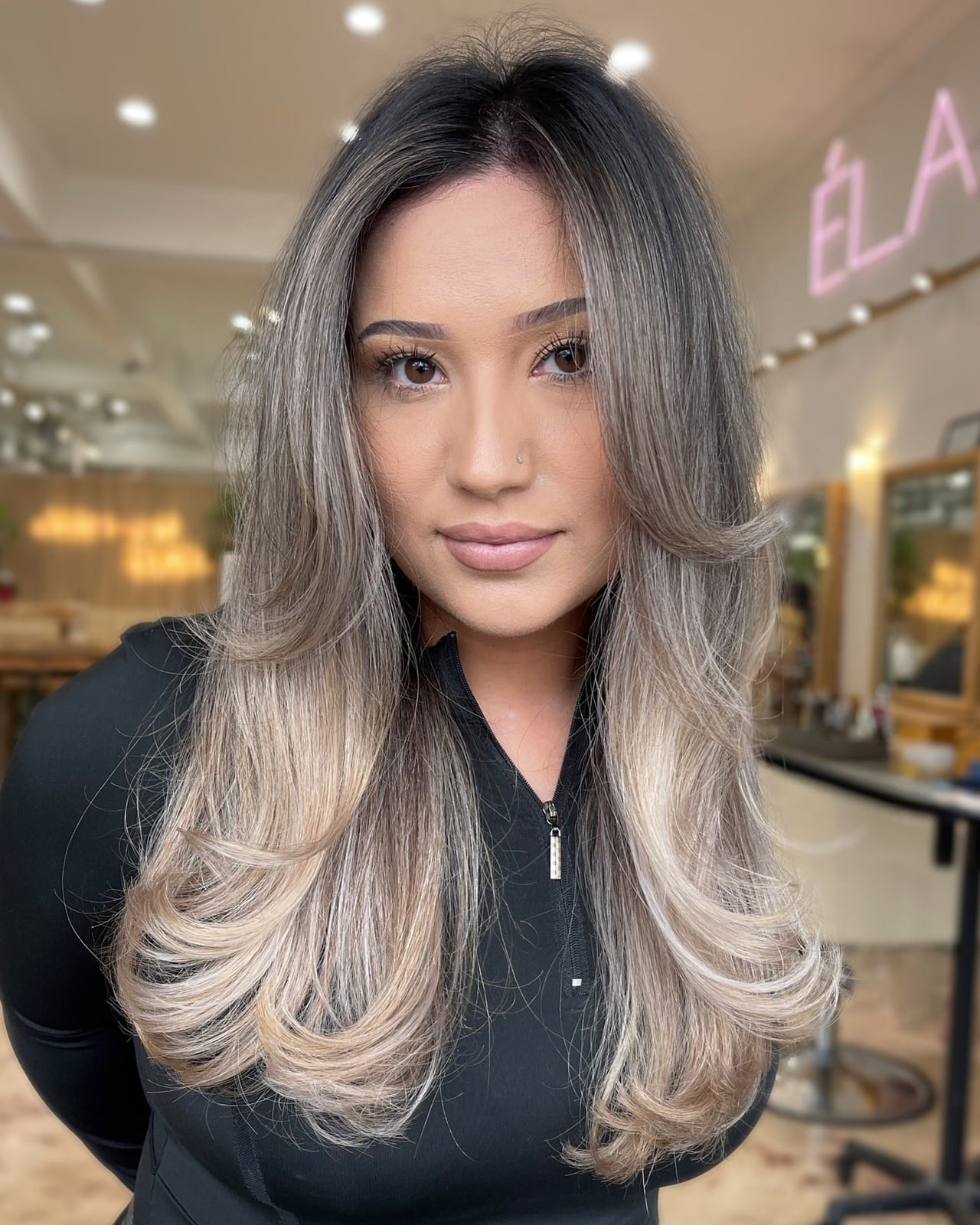
Wondering how to describe that smooth dark-to-ash transition without sounding like you brought a paint swatch to the salon? The trick is naming the technique and the tone together. This collarbone lob starts with a dark brown base and graduates to an ash blonde ombré through the ends, with curtain bangs and a middle parting tying it together. The fine, wavy texture works with a blowout to create soft waves that show off the gradient. Ask your colorist for a collarbone lob, dark brown to ash blonde ombré, curtain bangs. The ash end needs a purple shampoo and a toning visit every four to six weeks to stay cool rather than brassy.
Mid-Back Layers Warm Blonde Ombré

Long layers and a middle parting give this mid-back cut a straightforward structure that does not compete with the color. The dark brown base shifts to a warm blonde ombré, and because there are no bangs, the gradient runs uninterrupted from root to tip. Straight hair with medium density carries the warm blonde well, and the layers prevent it from hanging like a single curtain. Ask your colorist for a mid-back layered cut, dark brown to warm blonde ombré. A heat protectant before styling keeps the ends healthy, and the layers need a trim every ten to twelve weeks. The color grows out naturally because the ombré start line is already low, so you can stretch salon visits longer than with a full highlight.
Mid-Back Blue Ombré With Long Layers
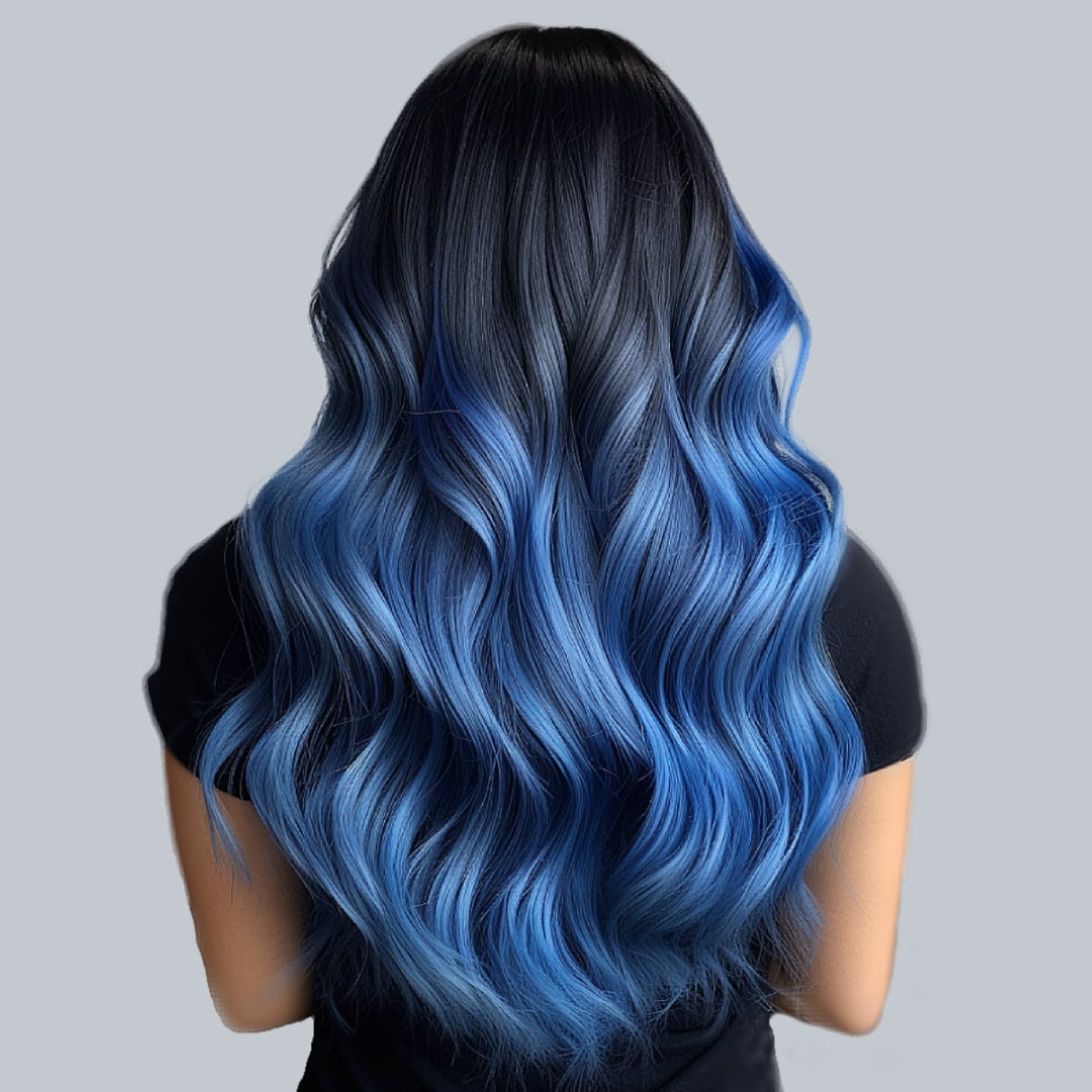
Black to blue ombré sounds like a festival-only commitment, but long layers and a side parting make it feel more like a deliberate style choice. The black base keeps the roots dark, while the vibrant blue ends catch light and movement in a way that a solid color cannot. Wavy, medium-density hair at mid-back length benefits from the long layers, which stop the blue from pooling into a single heavy block. Ask your colorist for a mid-back layered cut, black to vibrant blue ombré. A color-depositing conditioner every few washes keeps the blue from fading to green, and a trim every ten to twelve weeks maintains the layer shape.
Mid-Back Dark Blonde Caramel Ombré
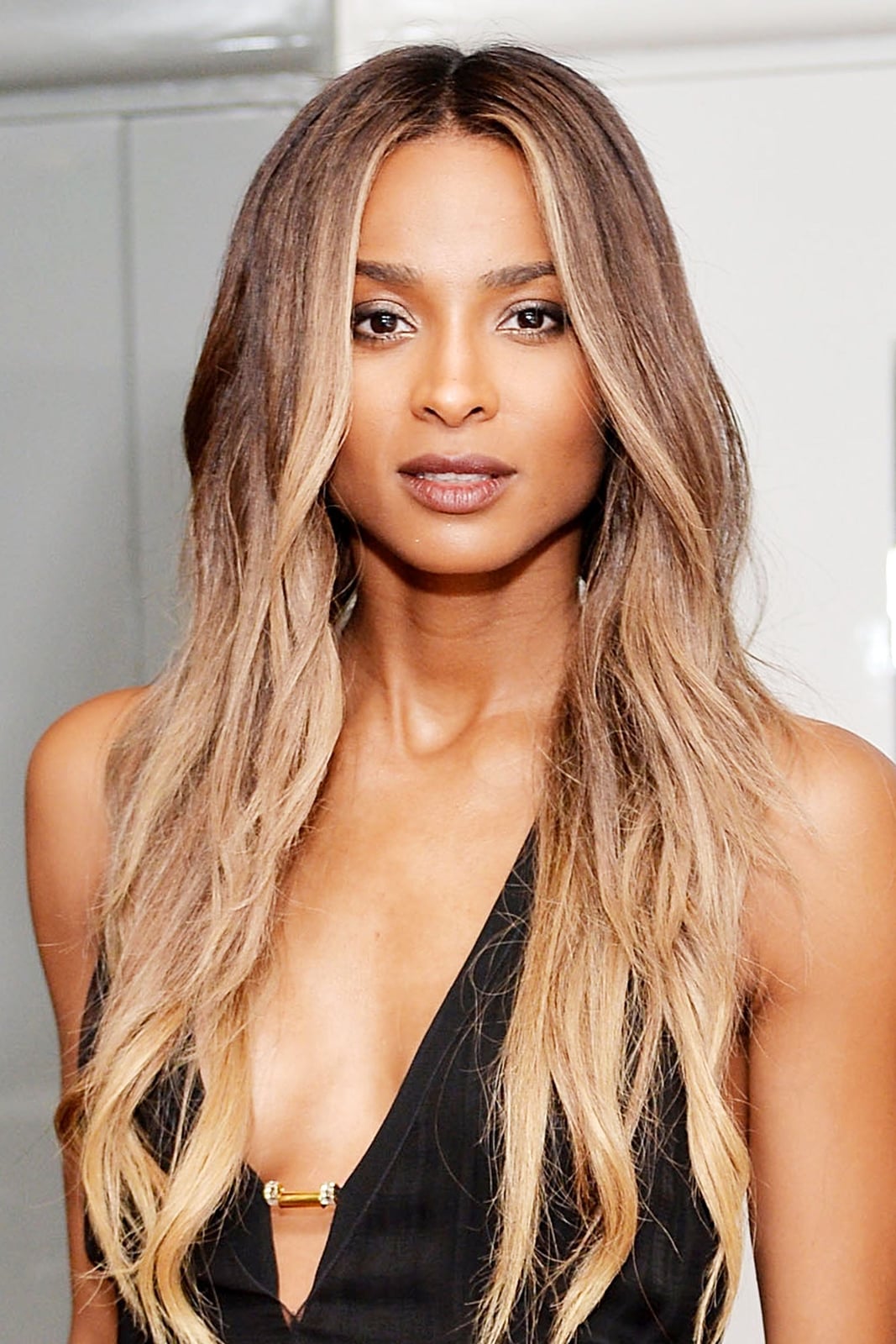
A dark blonde base with a caramel ombré is a low-maintenance color choice that looks sun-kissed. The subtle layers in this mid-back cut let the caramel gradient breathe, and the loose waves give it a natural, flowing finish. Medium-density wavy hair handles the ombré transition without the color pooling at the ends. The middle parting keeps the look symmetrical. Ask your colorist for mid-back hair, dark blonde to caramel ombré, subtle layers. This finish typically lasts two to three weeks before the color begins to fade, and the cut holds its shape for about ten to twelve weeks between trims.
Chin Length Bob Wispy Bangs Dark Brown To Blonde Ombré
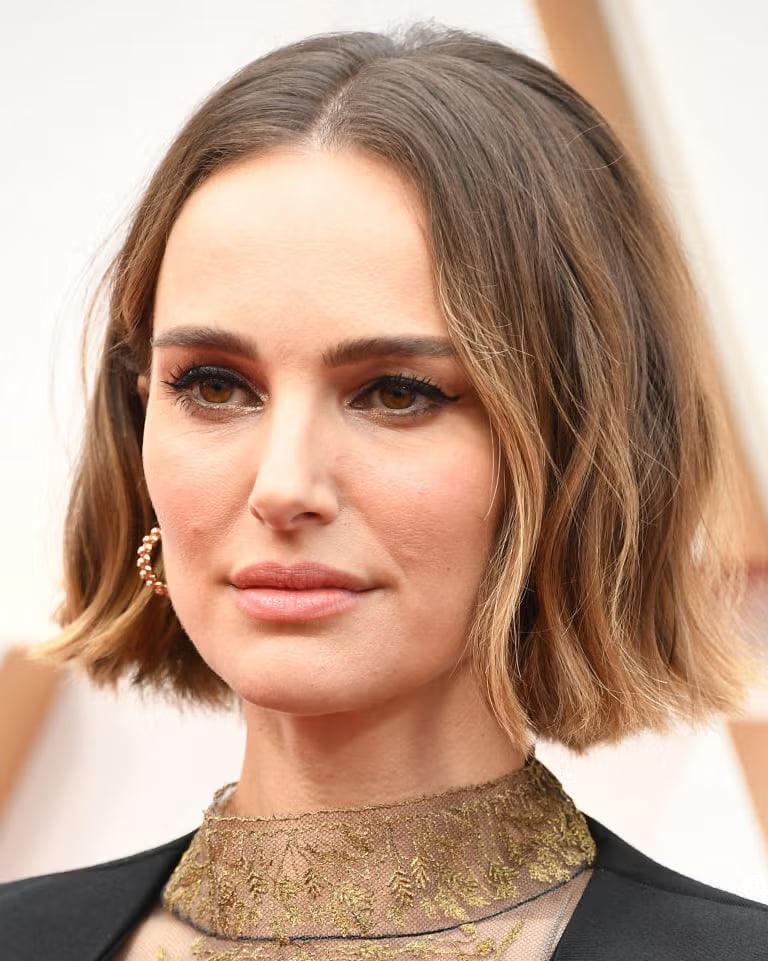
Ever wonder if a bob will just make fine hair look thinner? This chin length cut with soft layers actually does the opposite, and the wispy bangs keep it from feeling heavy. The dark brown to blonde ombré adds depth at the roots while the lighter ends give the illusion of more volume. Ask your stylist for: chin length bob, dark brown to blonde ombré, wispy bangs. The side parting helps lift the crown, and a sea salt spray will encourage the natural wave without weighing it down.
Mid-Back Thick Wavy Hair Dark Brown To Blonde Ombré
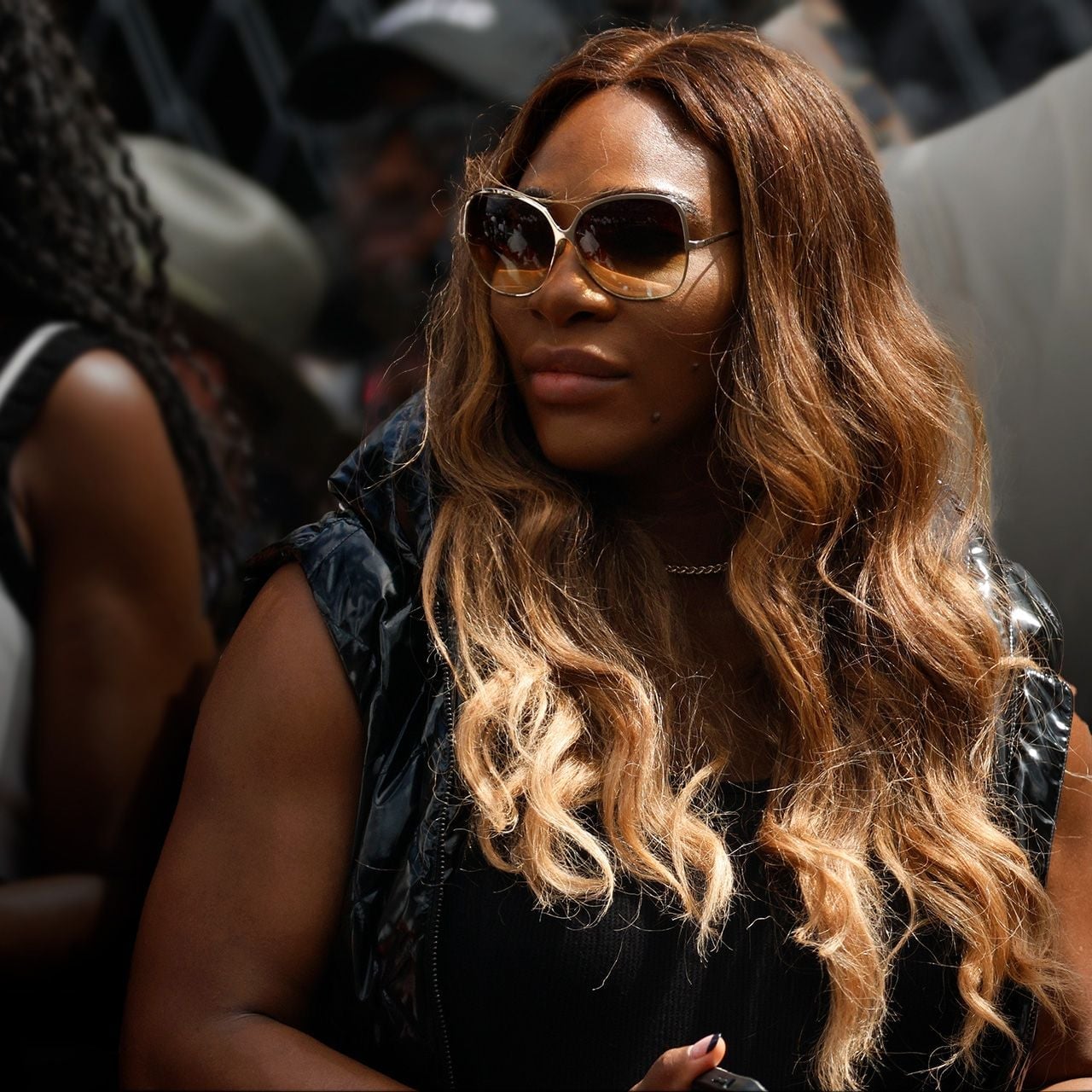
This is a strong look for thick, wavy hair, but it comes with a catch. The seamless blend from dark brown roots to bright blonde ends requires a colorist who understands how to work with your natural texture, because waves love to eat a gradient and turn it patchy. Long layers are essential here; they remove enough weight to let the waves move freely while showing off the color transition. Ask your stylist for: mid-back layered cut, dark brown to bright blonde ombré, thick hair. A leave-in conditioner will keep the ends from looking dry, since the lightened lengths need extra moisture. Plan on a trim every ten to twelve weeks to keep the layers from growing out into a shapeless mass.
Chin Length Bob Blunt Bangs Dark To Blonde Ombré, Styled Sleekly
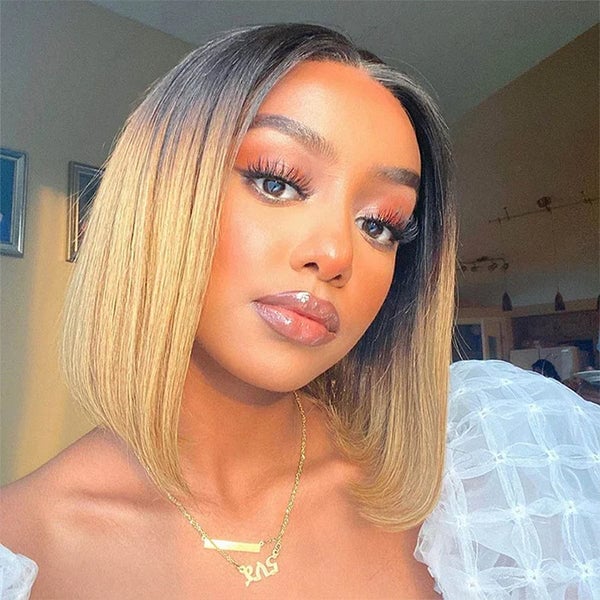
Compared to a wispy fringe, blunt bangs make a stronger statement, and on a chin length bob they turn the whole cut into a graphic line drawing. The sharp, straight style lets the dark to blonde ombré read as a clean color block rather than a soft fade. Ask your stylist for: chin length blunt bob, blunt bangs, dark to blonde ombré. This works best on fine, straight hair because the precision of the cut is the whole point. A flat iron keeps the surface glassy, and the blunt baseline needs a trim every six to eight weeks or the geometry starts to soften.
Shoulder Length Lob Dark Blonde Lighter Blonde Ombré
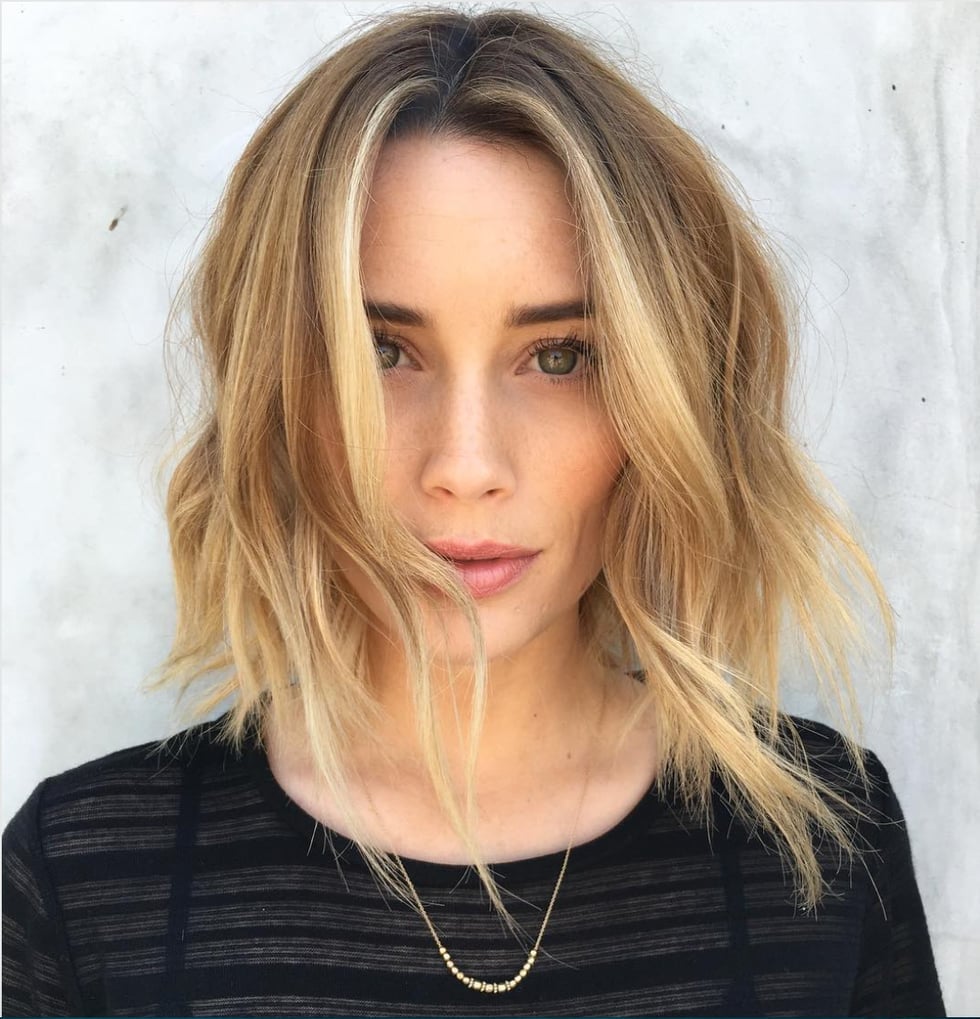
The design here is clever: a dark blonde base keeps the roots looking intentional while lighter blonde highlights and a subtle ombré toward the ends add dimension without a harsh line. The curtain bangs and face-framing layers do the real work, though. They soften the transition and give the lob movement, which matters on a shoulder length cut that can otherwise sit like a heavy curtain. Ask your colorist for: shoulder length lob, dark blonde to lighter blonde ombré, curtain bangs. This is a salon-leaning color, but the styling is easy: air dry with a texturizing cream and let the waves do their thing. Because the face-framing layers are what sell the shape, expect to book a trim every eight to ten weeks.
Mid-Back Thick Wavy Hair Dark Brown To Blonde Ombré
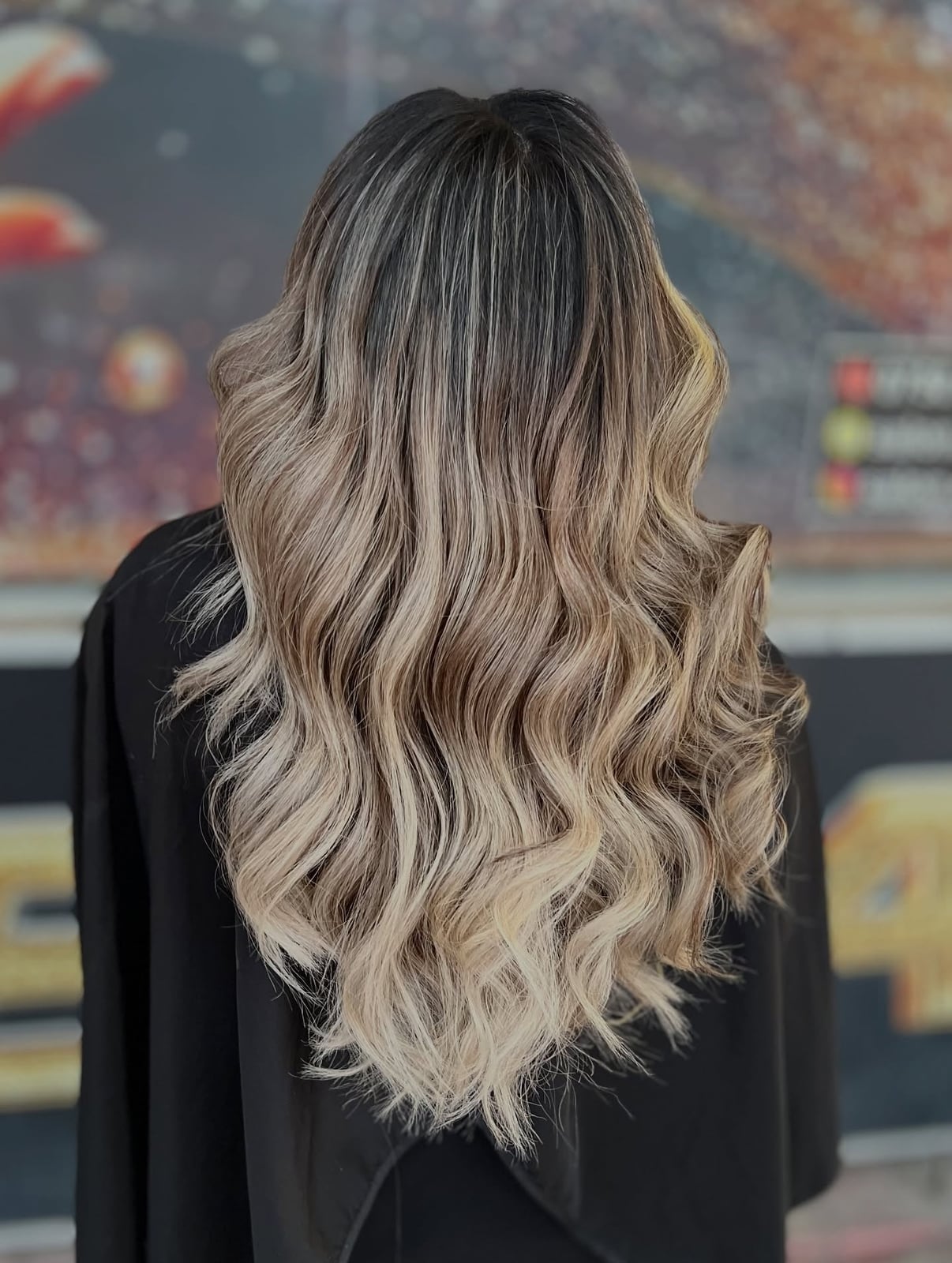
Wondering how to get a bright blonde ombré without the dreaded banding on thick hair? The answer is in the blend. Ask your stylist for: mid-back layered cut, dark brown to bright blonde ombré, thick hair. The long layers let the waves stack and move, which makes the color transition look fluid instead of striped. A middle parting keeps the weight balanced on both sides. When you sit in the chair, be specific about wanting a seamless gradient, not chunky pieces. A smoothing serum on the mid-lengths and ends will keep the thicker texture from looking frizzy while the blonde finish stays glossy.
Shoulder Length Ash Blonde To Blue Ombré
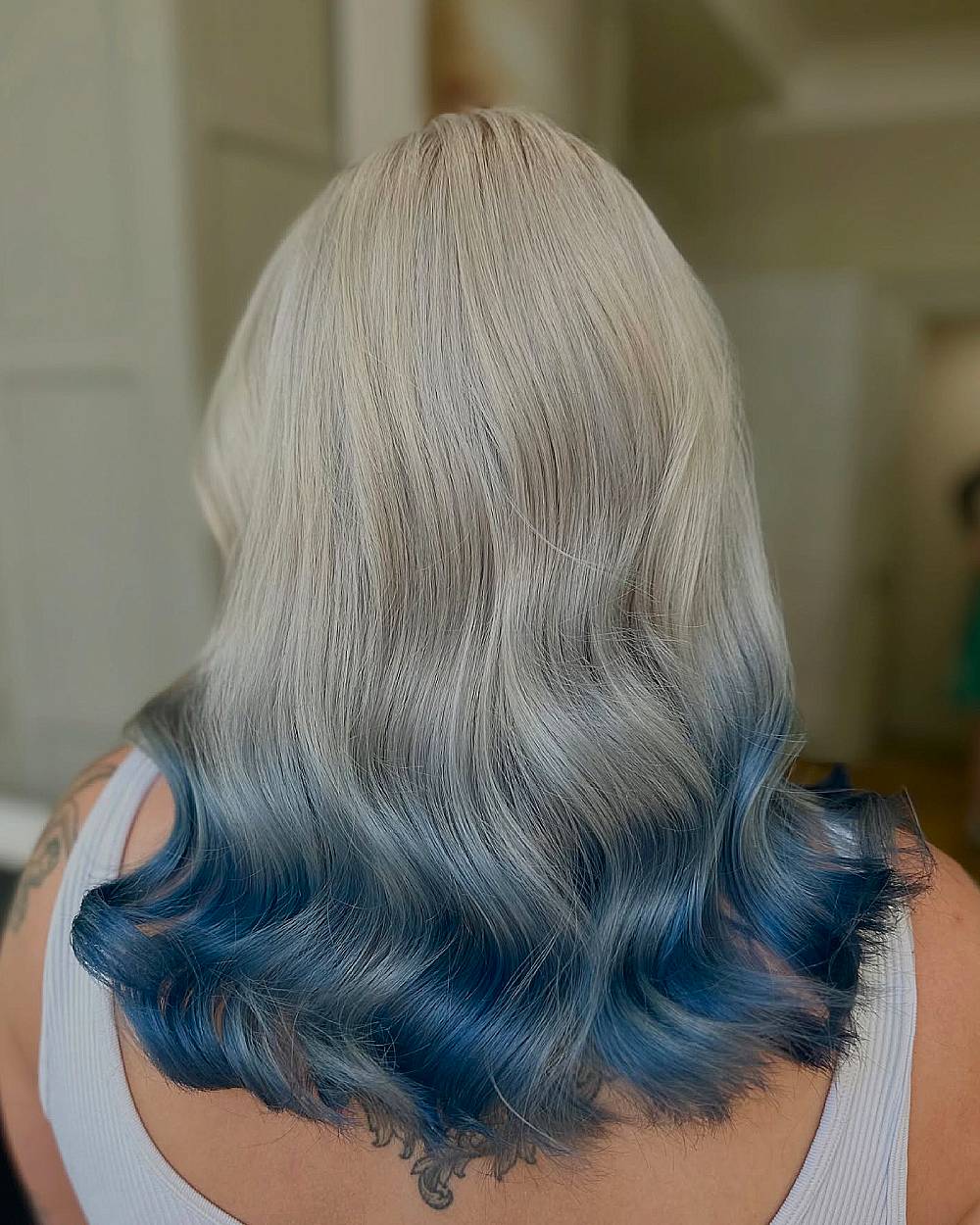
This is not a pastel dip-dye; it is a full ash blonde base that graduates into vivid blue at the ends, a deliberate color transition. The long layers keep shoulder-length hair from feeling heavy, and the side parting adds a little asymmetry to the loose waves. Wavy, medium density hair holds the shape best. Ask your colorist for: shoulder length layered cut, ash blonde to vibrant blue ombré. A color-safe shampoo preserves the blue for about four weeks, and a trim every eight to ten weeks keeps the ends looking clean. This is a spring or festival choice, though it works any time you want the room to notice your hair first.
Collarbone Hair Dark Brown To Blonde Ombré
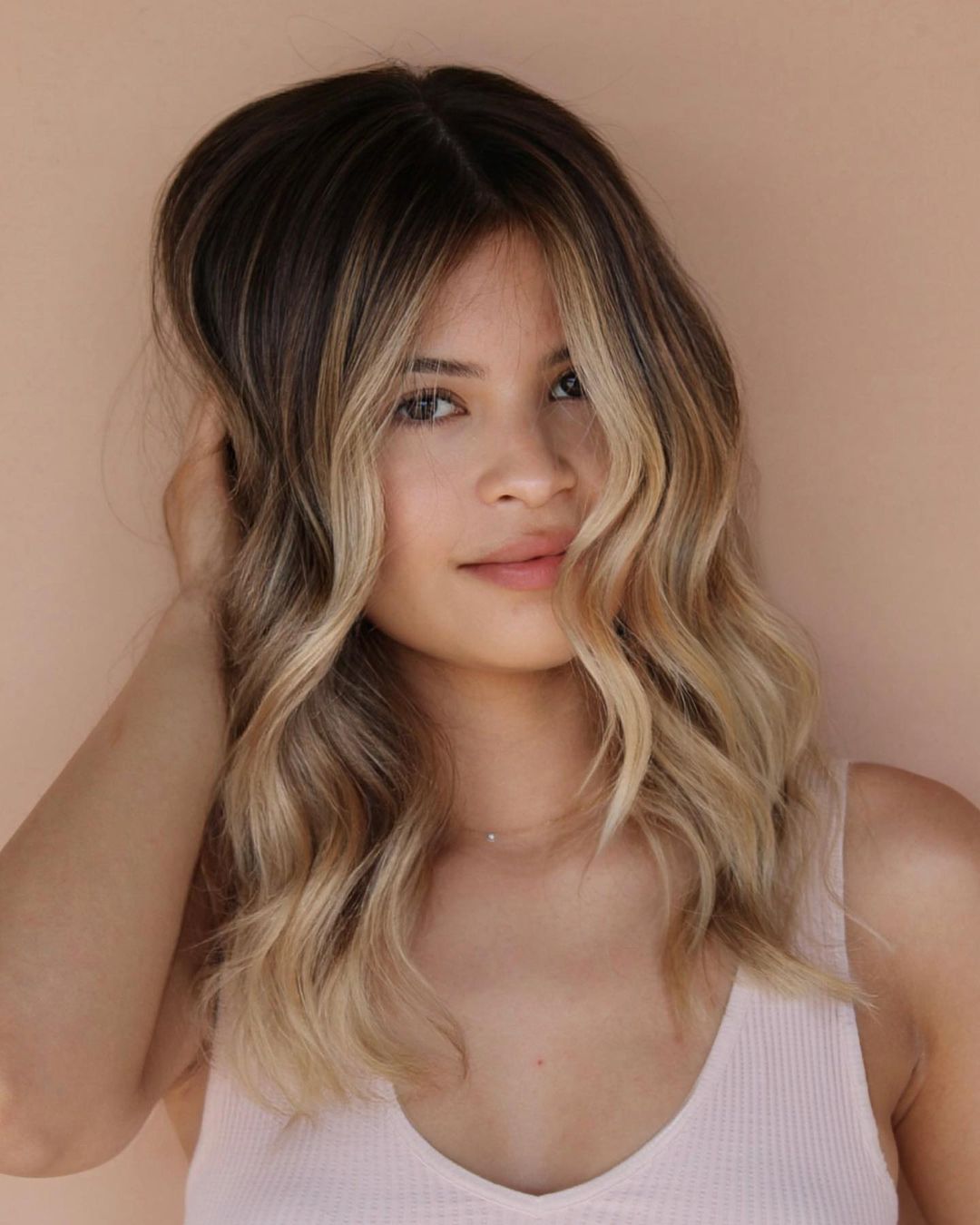
The transition from dark brown to blonde here is subtle enough that the roots do not announce themselves after a month. That is the point of a well-placed ombré on a lob: the color melt starts below the ear, so the grow-out is soft rather than stark. The collarbone length is cut with long layers that keep the shape from sitting too heavy, and the curtain bangs sweep to either side of a middle parting. Wavy, medium density hair with some natural movement works best. Ask your colorist for: collarbone length hair, dark brown to blonde ombré, curtain bangs. A volumizing mousse before blow-drying gives the waves lift, and a trim every eight to ten weeks keeps the ends from splitting.
Mid-Back Medium Brown Honey Blonde Ombré
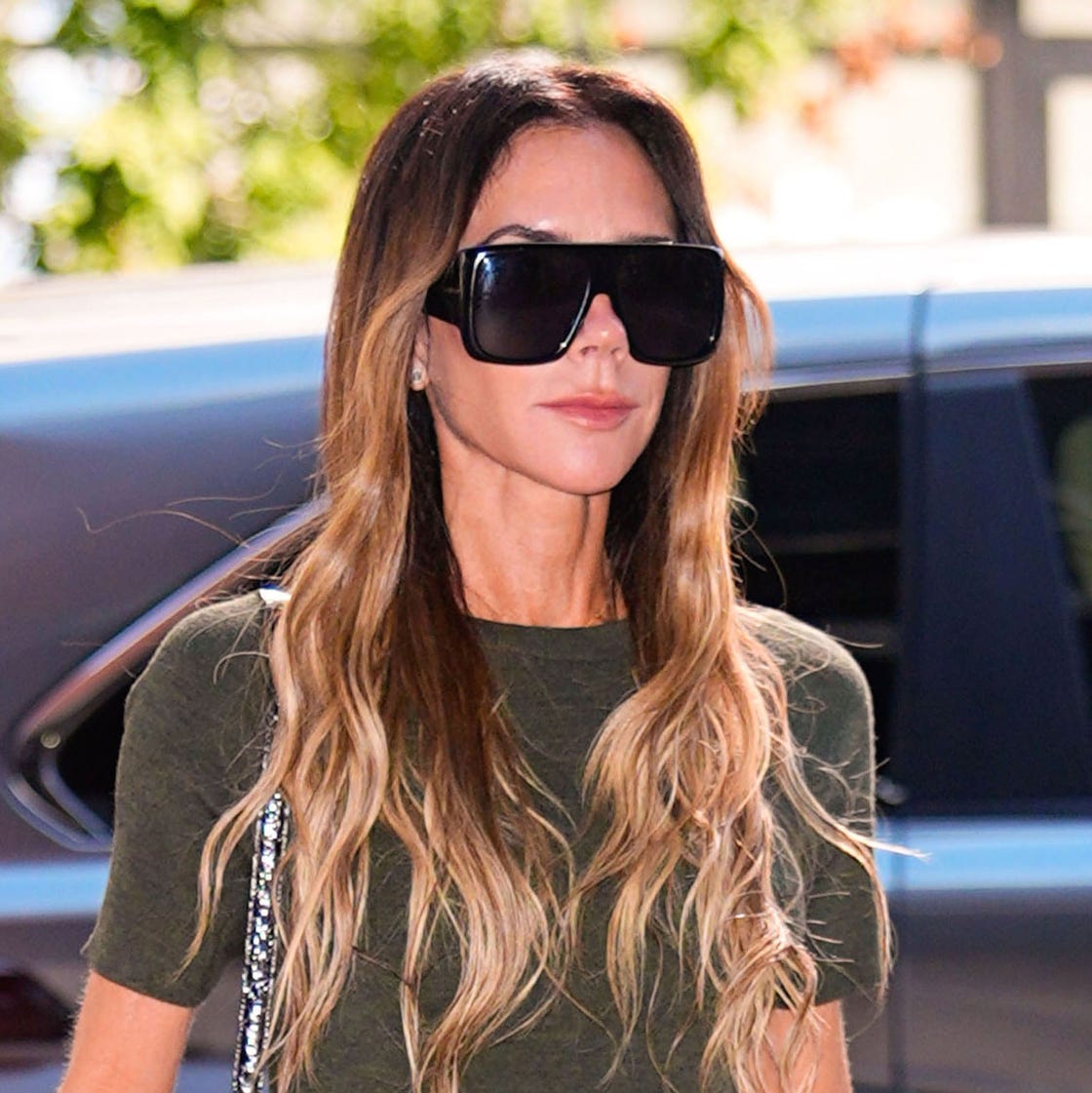
Is there a simpler way to add dimension to medium brown hair than a honey blonde ombré? The warmth of the blonde against the base keeps the color from looking flat, and the long layers let the gradient travel naturally down the length. The side parting and air-dried loose waves give the whole thing a just-back-from-the-beach feel. Medium density, wavy hair benefits from this most; the honey tones catch the light without needing a full highlight schedule. Ask your colorist for: mid-back hair, medium brown to honey blonde ombré, side parting. A texture spray on the ends adds definition, and a trim every ten to twelve weeks keeps the length healthy.
Shoulder Length Dark Brown To Blonde Ombré
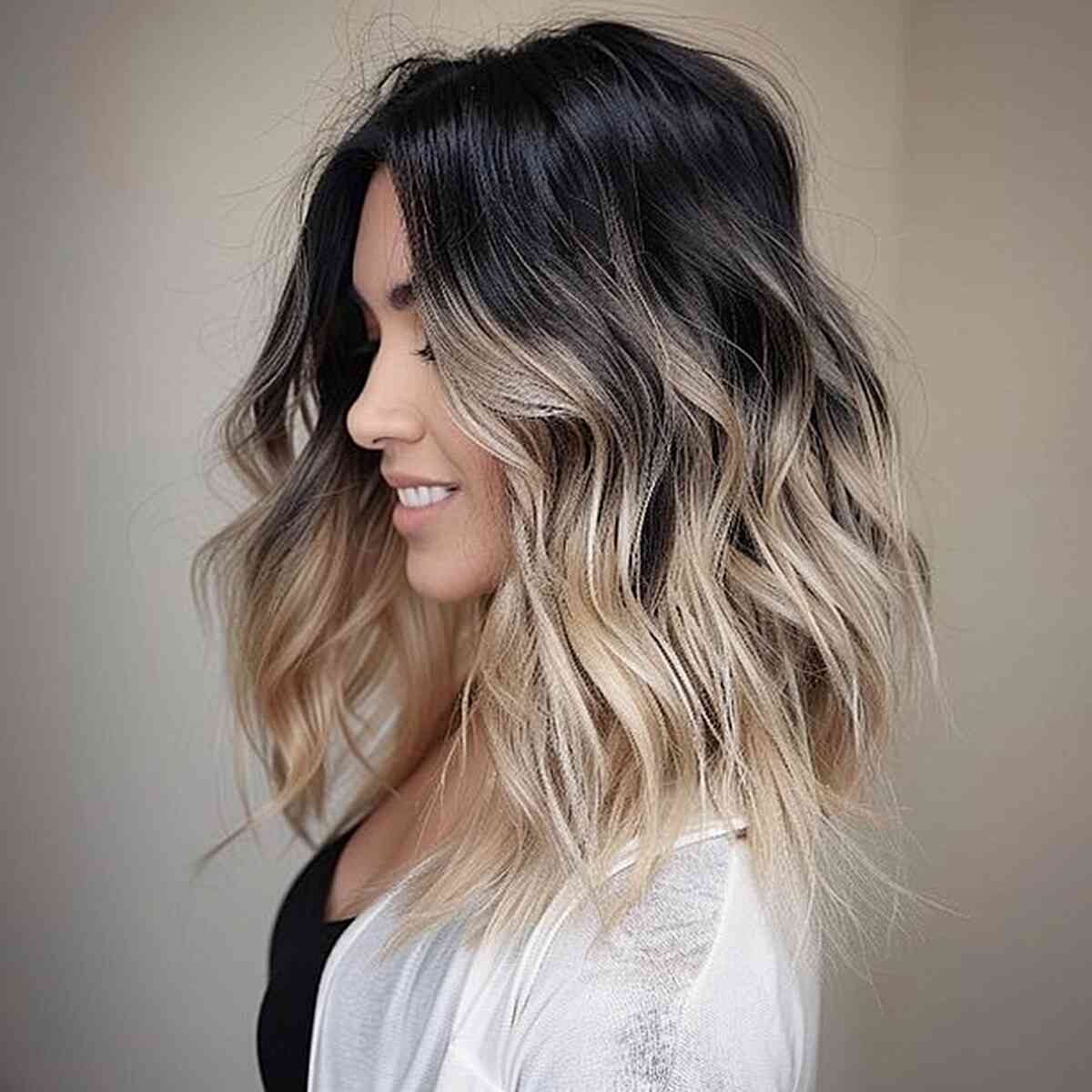
Curtain bangs and an ombré transition have a natural partnership: the bangs soften the face, and the color gradient draws the eye downward rather than stopping at the jaw. This collarbone length cut uses layers that blend into the side parting, so the waves look connected rather than chopped. The dark brown base fades into a lighter blonde that lands somewhere between sunkissed and intentional. Wavy, medium density hair suits the shape, and the curtain bangs can be trained to sweep either direction. Ask your colorist for: shoulder length hair, dark brown to blonde ombré, curtain bangs. A texturizing spray keeps the waves from falling flat, and a trim every eight to ten weeks keeps the bangs from grazing your lashes.
Mid-Back Medium Brown To Blonde Ombré, Close-Up Take
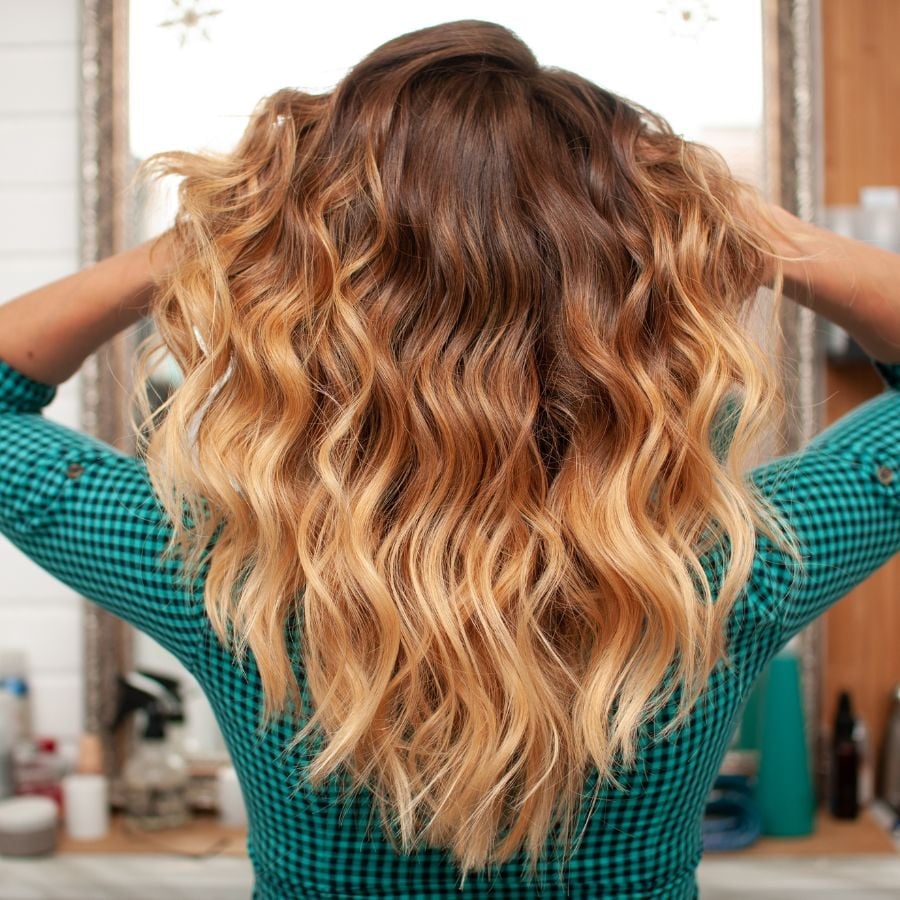
This is a straightforward ombré executed well: a medium brown root that graduates into a bright blonde end with no harsh line. The trade-off is that a seamless color melt like this needs a professional hand to place the lightener correctly, especially on thick hair. The long layers reduce bulk and let the waves move freely, and the middle parting keeps the gradient symmetrical. Thick, wavy hair at mid-back length is the ideal canvas; the density carries the color without looking sparse. Ask your colorist for: mid-back hair, medium brown to bright blonde ombré. A purple shampoo once a week keeps the blonde from turning brassy, and a trim every ten to twelve weeks prevents split ends from traveling up the length.
Mid-Back Dark Brown Blonde Caramel Ombré, Long Layers
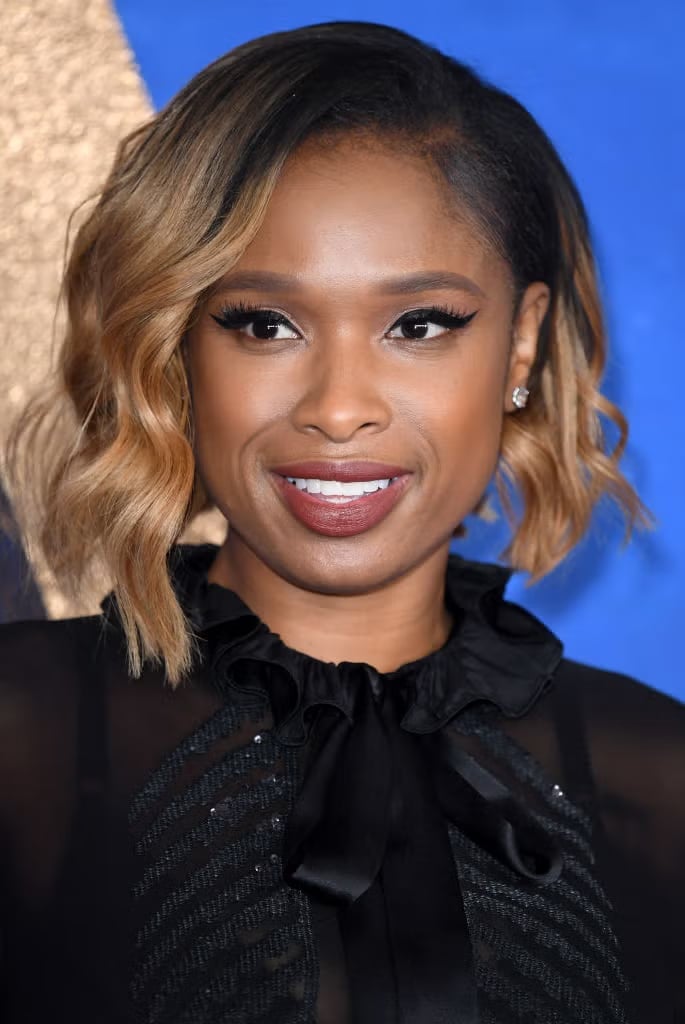
Can a color transition look lived-in without looking messy? This mid-back length manages it with dark brown roots melting into blonde and caramel ombré highlights, all cut into subtle layers. Loose waves keep the whole thing natural, as if the sun did the work instead of a stylist.
Medium density, wavy hair starting at mid-back gives the layers room to move without losing shape. Ask your colorist for: mid-back hair, dark brown to blonde and caramel ombré, subtle layers. A texturizing spray will help the waves hold their lived-in feel, and a trim every ten to twelve weeks keeps the ends from looking ragged.
Chin Length Blunt Bob Dark To Blonde Ombré
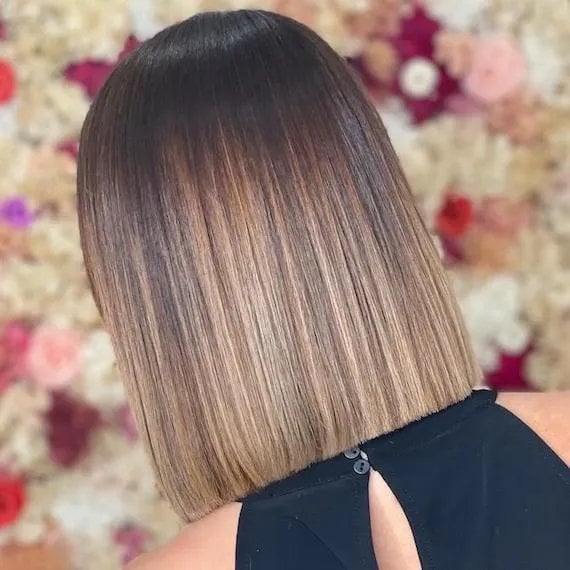
Where a layered cut softens the face, this chin-length blunt bob goes the other way, delivering a sharp, graphic line that the dark to blonde ombré only makes bolder. The straight, fine texture is what carries it; blunt ends need a smooth surface to read as deliberate. Ask your stylist for: chin length blunt bob, dark roots to blonde ombré. A flat iron gives the sleek finish, and the clean baseline needs a trim every six to eight weeks to stay crisp.
Shoulder Length Medium Brown To Light Brown Ombré
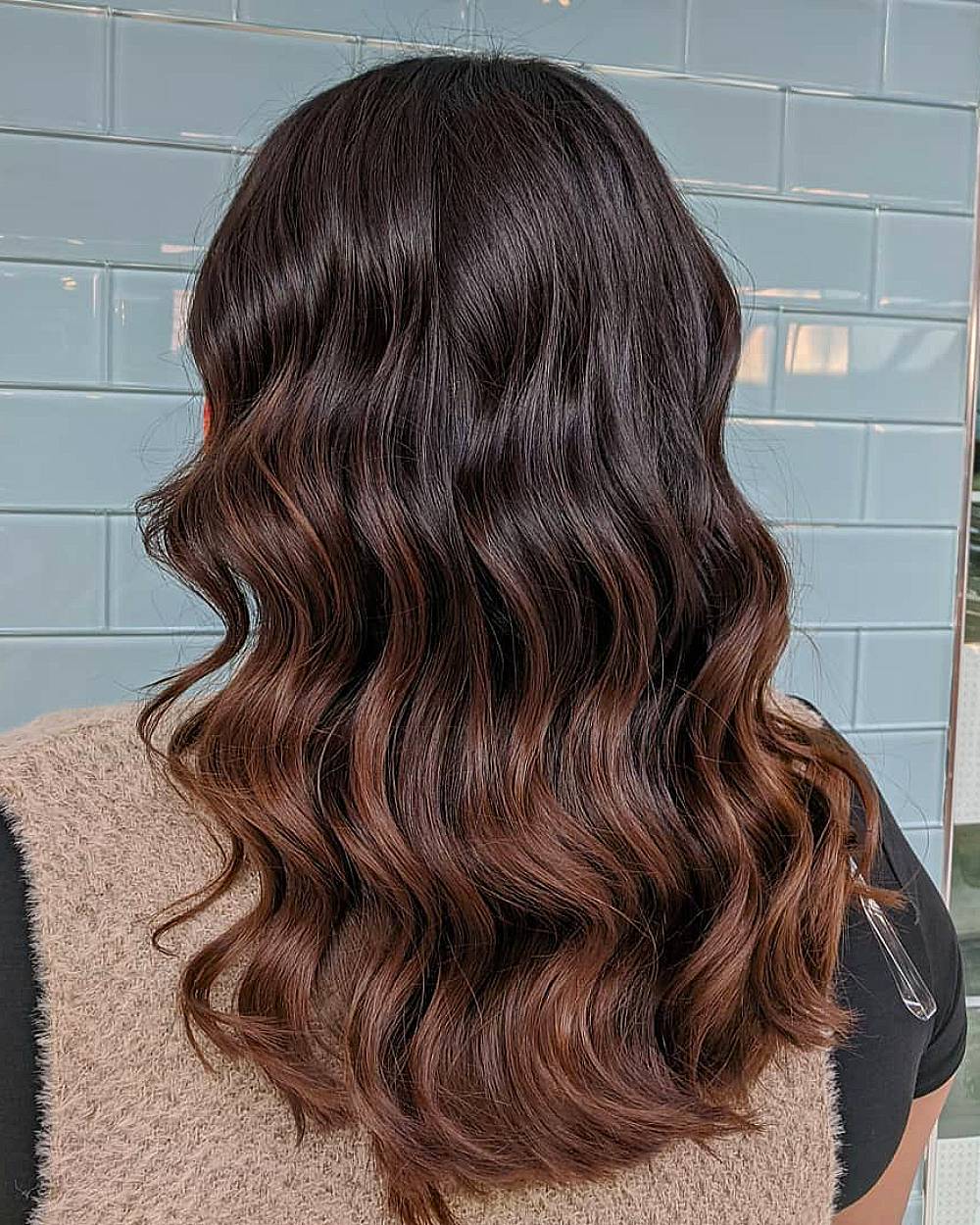
The genius of a soft brown gradient is that it cheats the grow-out. With medium brown at the roots drifting to light brown at the blunt ends, there is no harsh line to maintain, just a gradual fade that looks natural even as it grows.
Shoulder-length with blunt ends suits medium density, wavy hair, since the clean edge keeps the shape from collapsing into triangle territory. Ask your colorist for: shoulder length blunt cut, medium brown to light brown ombré. A texturizing spray adds definition to the waves, and a trim every eight to ten weeks keeps the ends heavy enough to hold the line.
Collarbone Bob Dark Brown To Copper Ombré
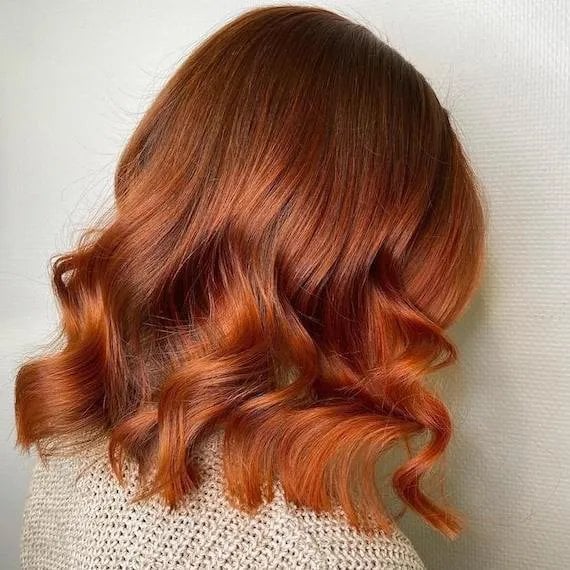
If the shoulder-length brown gradient is the quiet cousin, this collarbone bob is the one who shows up in October with a statement. The dark brown base shifts to a vibrant copper ombré at the wavy ends, a warm transition that lands well as the weather turns. The side parting adds volume at the crown, which helps balance a longer face. Ask your colorist for: collarbone length bob, dark brown to copper ombré, side parting. Wavy medium density hair carries the look without extra styling effort, and it reads as bold without tipping into costume.
Mid-Back Light Blonde Platinum Ombré
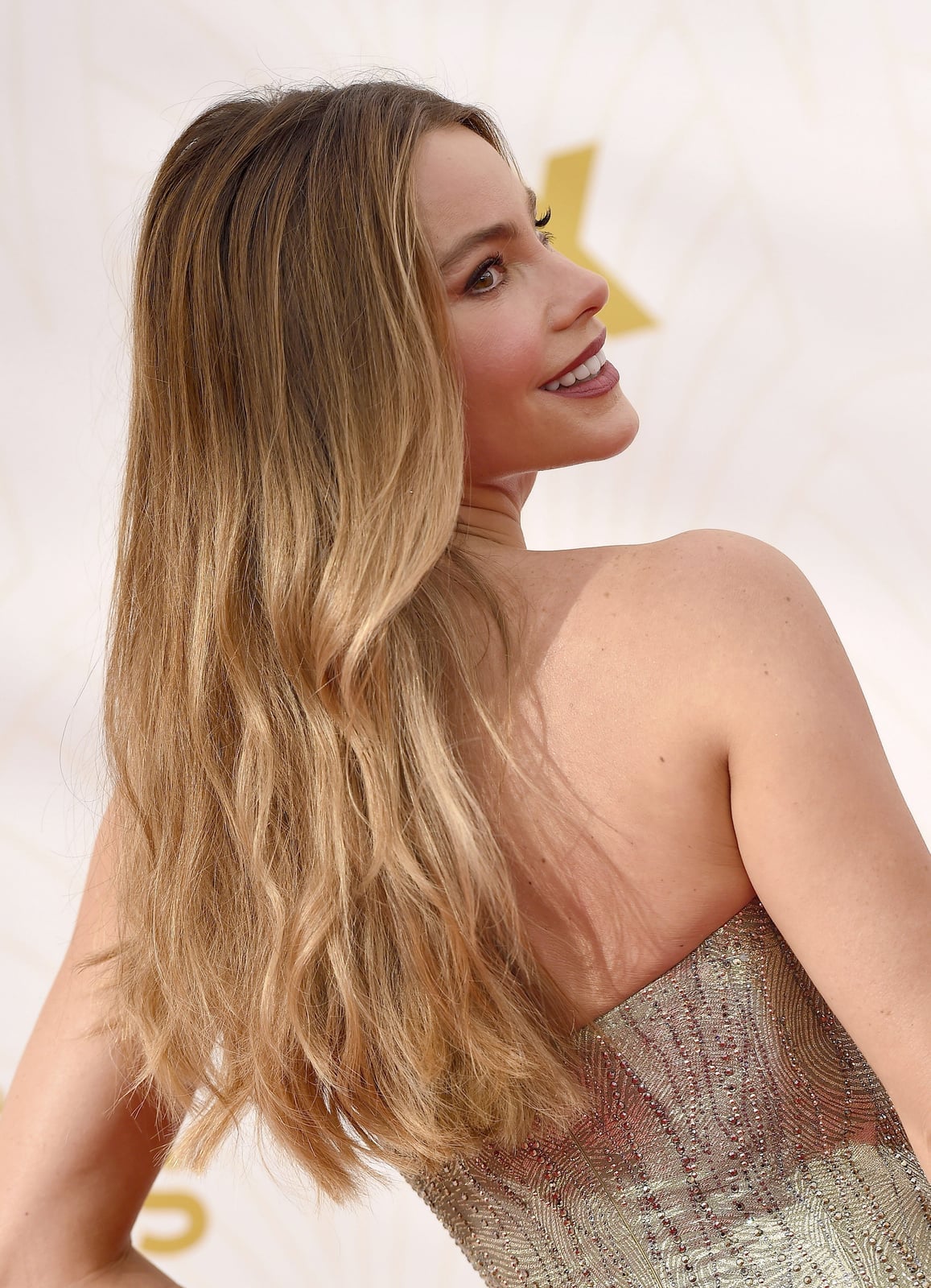
Getting to platinum from a light blonde base is less about the destination and more about the road. The ombré technique here keeps the roots dark enough to skip frequent touch-ups, then lightens gradually through the mid-back layers to a bright platinum at the ends. Loose waves with a middle parting show off the transition and add volume to medium density hair. Ask your colorist for: mid-back hair, light blonde to platinum blonde ombré. A purple shampoo keeps the platinum from turning brassy between toning sessions, and a trim every ten to twelve weeks maintains the shape.
Mid-Back Dark Gray To Blue Ombré
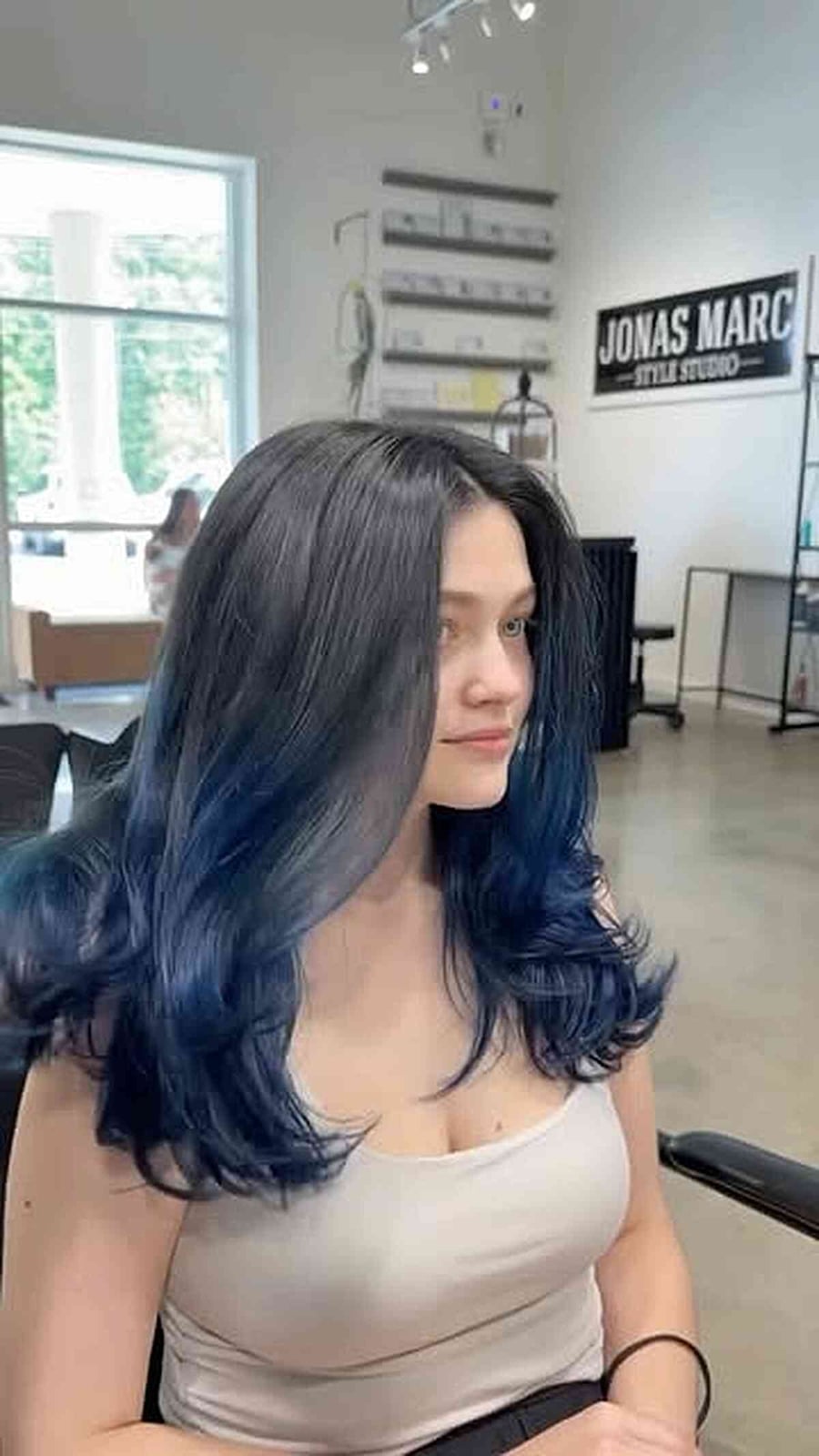
Ever wonder how to make vibrant blue ends look deliberate? The trick is a dark gray base that melts into blue only at the ends, as seen on this mid-back length cut with long layers. Thick, wavy hair gives the loose waves room to show off the color shift, while the long layers stop the density from turning the ombré into a solid block.
Ask your colorist for a mid-back layered cut with a dark gray to vibrant blue ombré. The side part and no-bang face frame keep the focus on the gradient. A color-depositing conditioner keeps the blue from fading to green, and a trim every 10 to 12 weeks maintains the layers’ movement. It’s a bold choice, but the gray root area grows out like a natural shadow, so you’re not tied to the salon every month.
Mid-Back Dark Brown Golden Blonde Ombré, середина спины
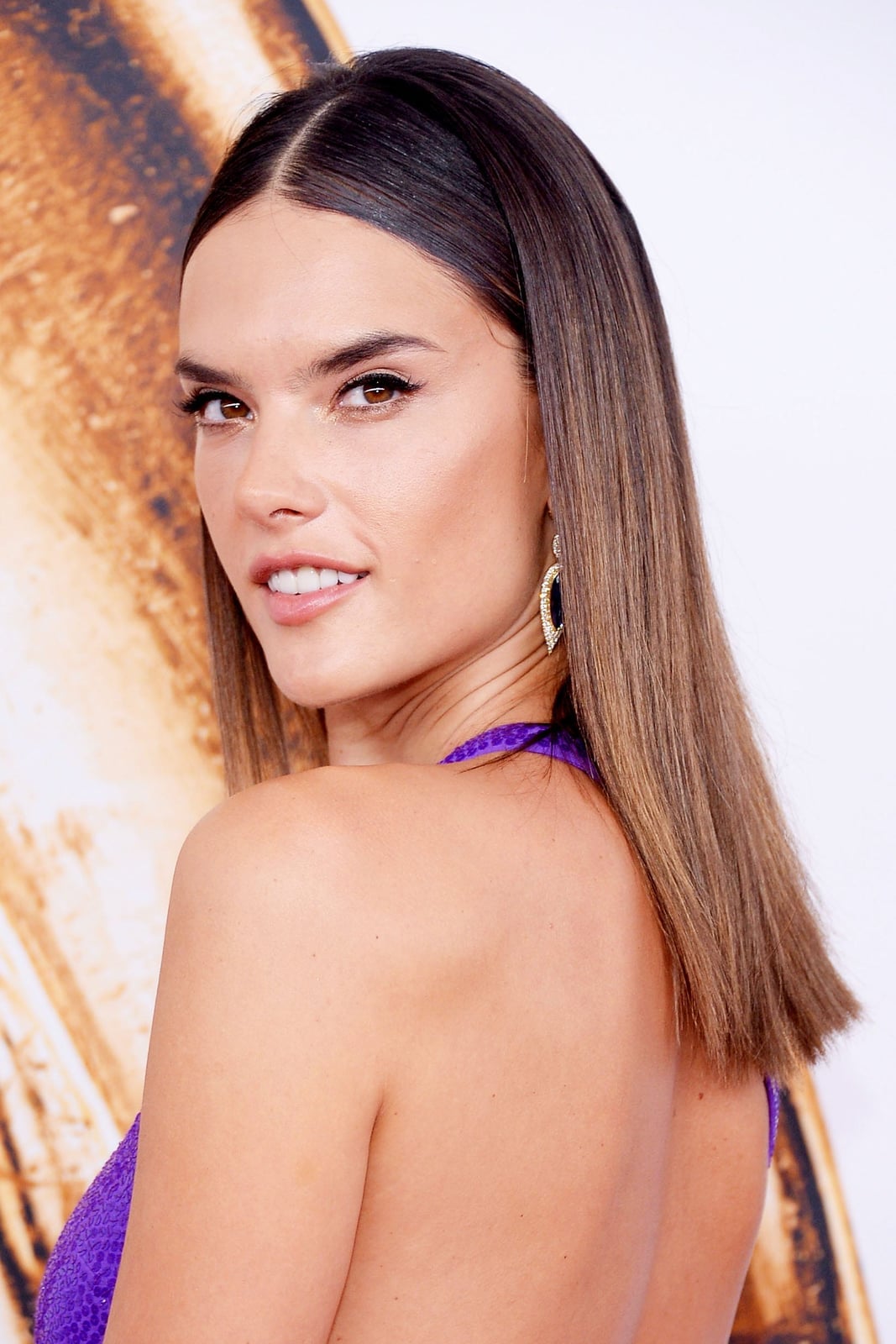
Golden blonde ombré on straight, medium-density hair starts with a dark brown base and lightens gradually, which means the grow-out line is soft instead of stark. The middle parting and sleek finish here keep the transition looking polished, and subtle layers give the mid-back length some shape without sacrificing the straight style.
Ask your colorist for mid-back hair with a dark brown to golden blonde ombré. The upkeep is mostly about brassiness: a purple shampoo once a week keeps the blonde from turning yellow, and a smoothing serum on the lengths keeps the straight texture sleek. Plan on a trim every 10 to 12 weeks to keep the ends healthy. It’s a classic, everyday look that doesn’t demand constant root touch-ups.
Shoulder Length Medium Brown To Light Brown Ombré, Close-Up Take
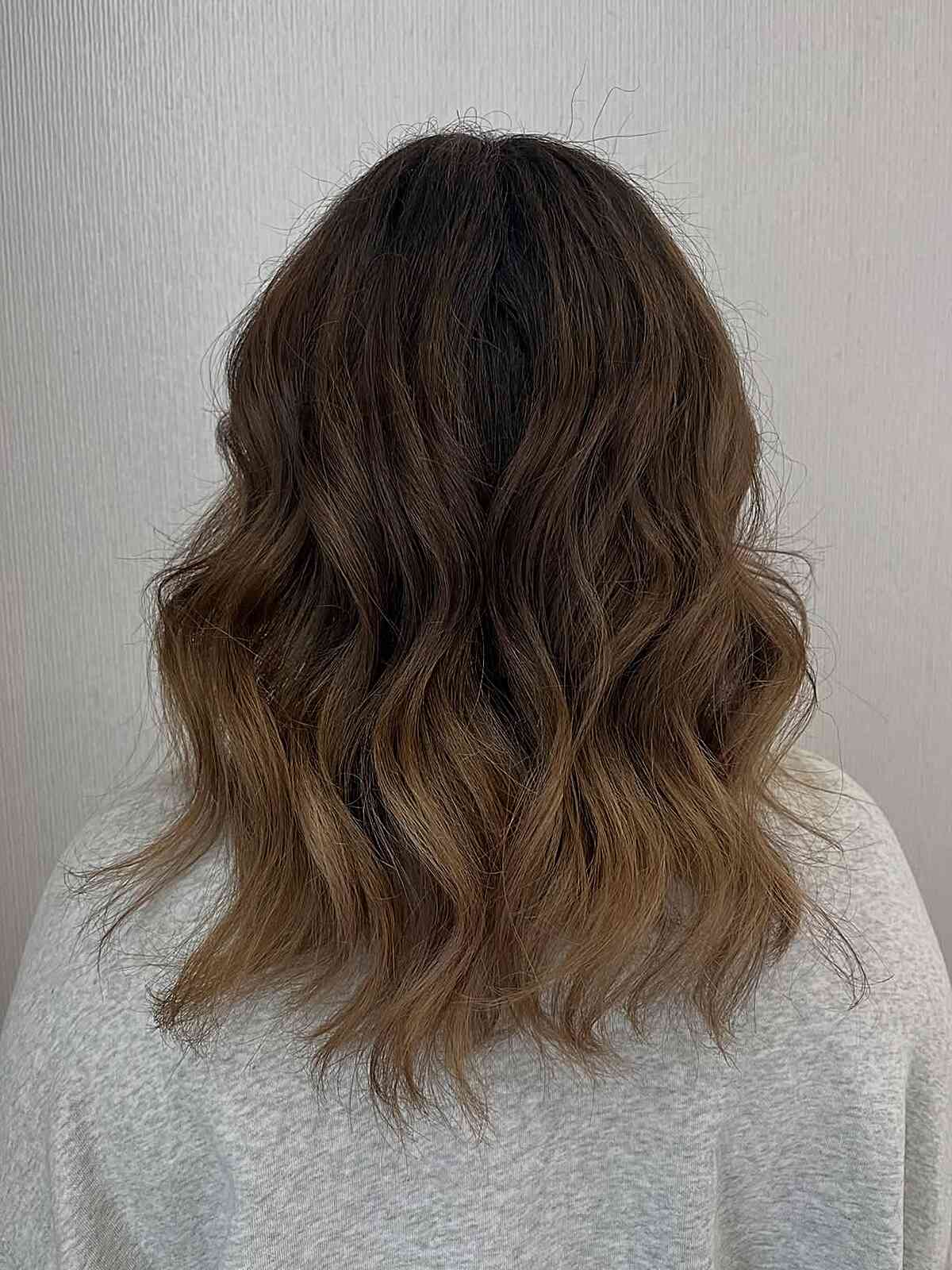
This one is a quiet winner: a shoulder-length blunt cut with a medium brown to light brown ombré that reads as natural, not painted. The blunt ends give the loose waves a clean line, and the middle parting keeps it simple. But the subtlety has a cost: because the shade shift is so close to your natural color, it can fade into a flat wash by the six-week mark. Ask your stylist for a shoulder-length blunt cut with a medium brown to light brown ombré. If you’re after a no-makeup hair look, this delivers, but be ready for a toning visit every 8 to 10 weeks to keep the gradient defined. It’s the low-key option for anyone who wants dimension without the drama.
Chin Length Bob Golden Blonde Ombré
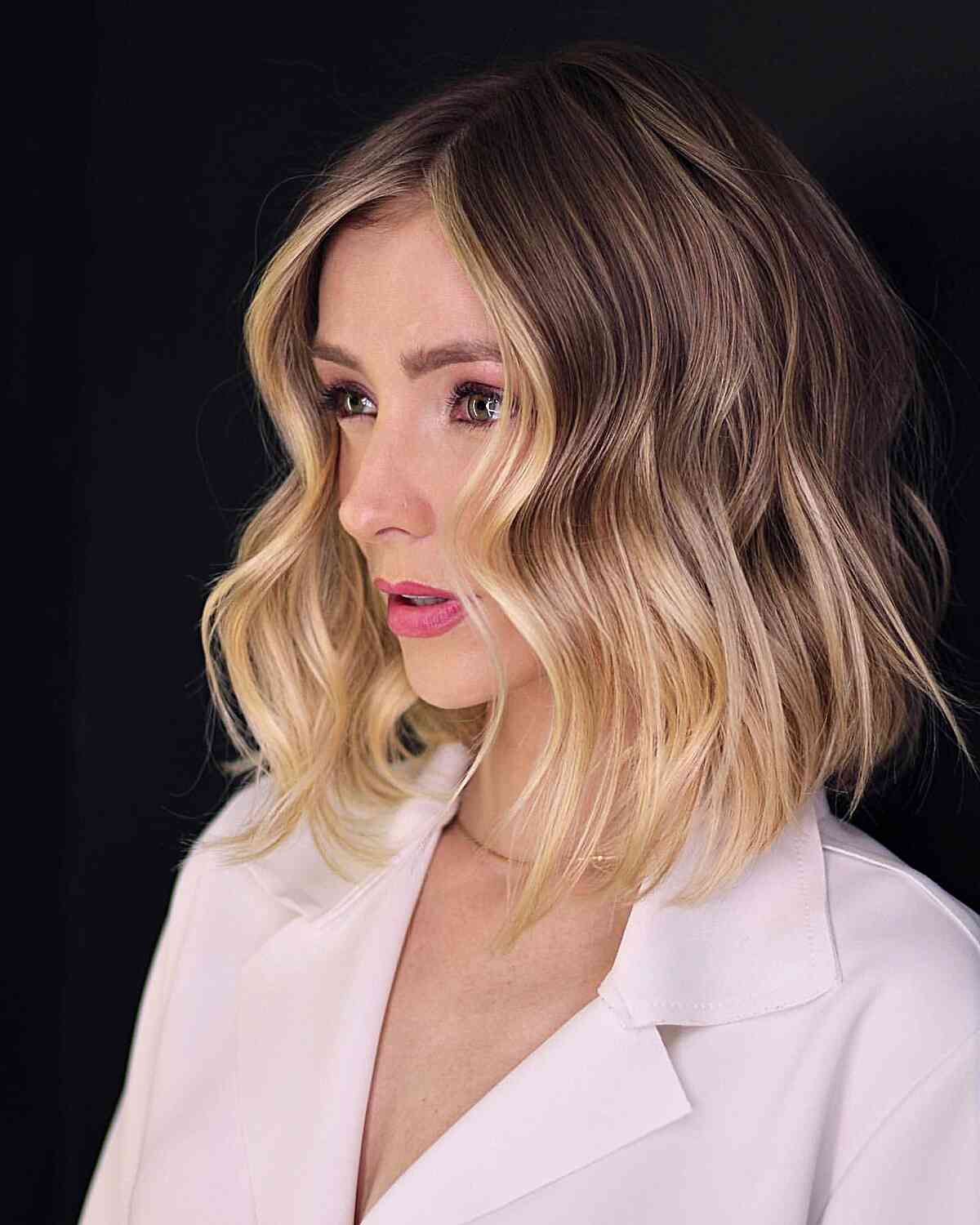
What do you ask for when you want a bob that doesn’t look like every other bob? Start with the words: a chin-length bob with a dark brown to golden blonde ombré and a middle parting. The wavy texture and medium density give it body, and the ombré adds depth without needing heavy layering. The middle parting elongates a round face, which is a standard trick worth knowing. Ask your stylist for a chin-length bob, dark brown to golden blonde ombré, middle parting. Keep the bob trimmed every 6 to 8 weeks to maintain the shape, and use a texturizing spray for definition. It is a chic, everyday cut that works from desk to dinner.
Collarbone Lob Dark Brown Coral Pink Ombré
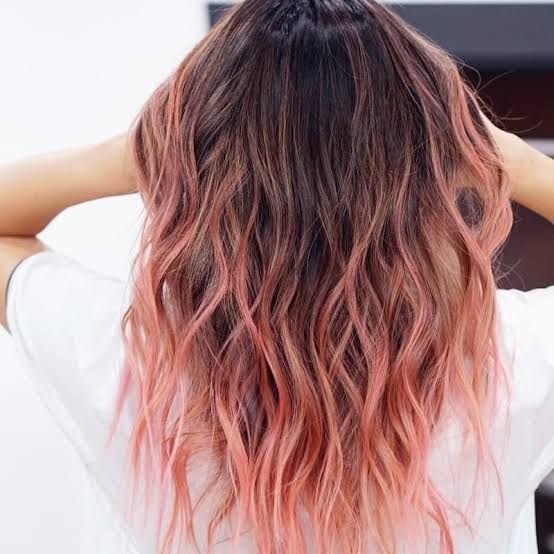
If you’re torn between a classic blonde ombré and something with more personality, coral pink is the middle ground. On this collarbone-length lob with wavy texture, the dark brown base grounds the vibrant ends, so the look stays playful without veering into costume territory. The lob’s versatility is the selling point: you can wear it loose, as seen here, or pulled back without losing the color pop. Ask your colorist for a collarbone-length lob with a dark brown to coral pink ombré. The upkeep is real: a color-depositing conditioner is essential to keep the pink from fading to peach, and a trim every 8 to 10 weeks keeps the waves bouncy. It’s the bold choice that still feels wearable.
Mid-Back Layers Dark Brown To Light Brown Ombré
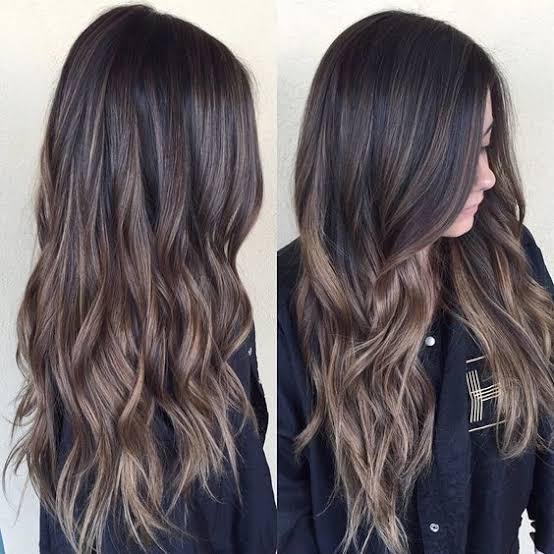
The ombré here moves from dark brown to a warm light brown, a transition that looks like natural sunlight on the hair. The mid-back length and layers keep thick, wavy hair from feeling heavy, and the middle parting gives it a symmetrical base. Ask your stylist for a mid-back layered cut with a dark brown to light brown ombré.
A smoothing serum or lightweight oil is enough to manage the texture and add shine. This ombré grows out without a harsh line, so you can stretch trims to every 10 to 12 weeks and still keep a polished look.
Chin Length Bob Auburn Light Brown Ombré
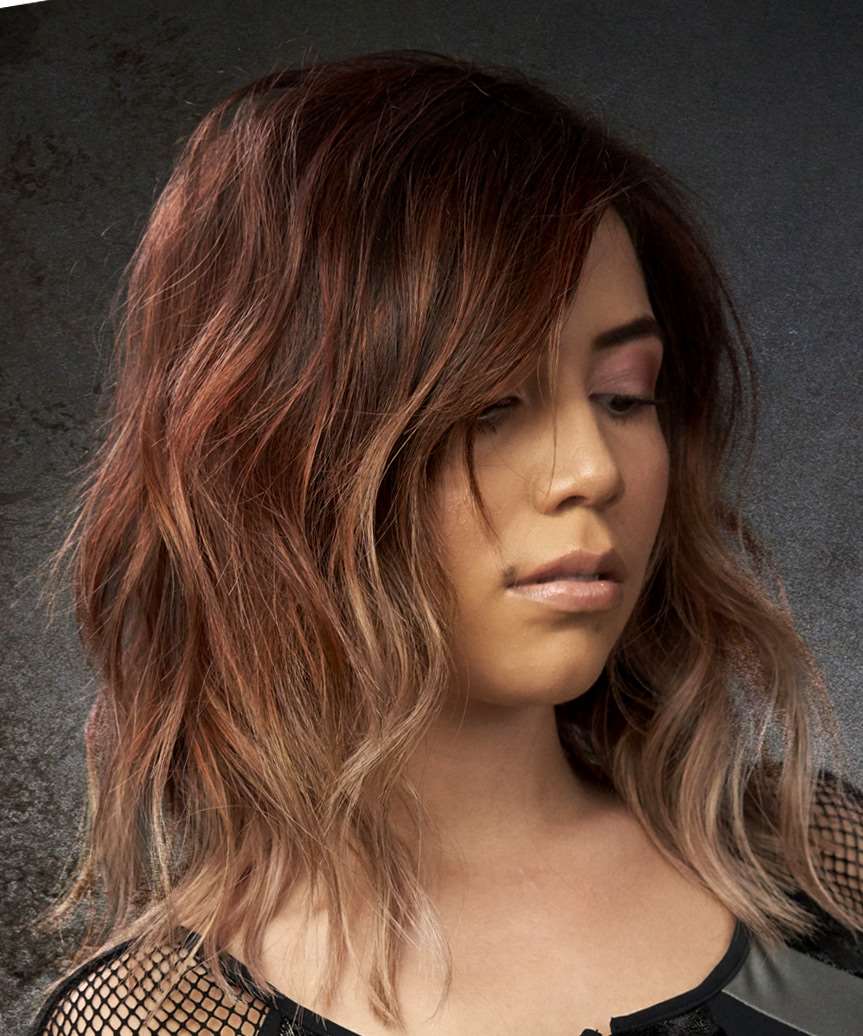
This is not a summer blonde fade. The auburn base shifting to light brown at the ends gives a richer, more grounded color story that lands well in autumn. A chin-length bob with side-swept bangs and a side parting works best on wavy, medium density hair, and the side-swept shape softens a square or angular jaw. Ask your colorist for a chin-length bob with an auburn to light brown ombré and side-swept bangs. A texturizing spray adds the right grip for the waves.
Chin Length Bob Dark Brown Copper Ombré
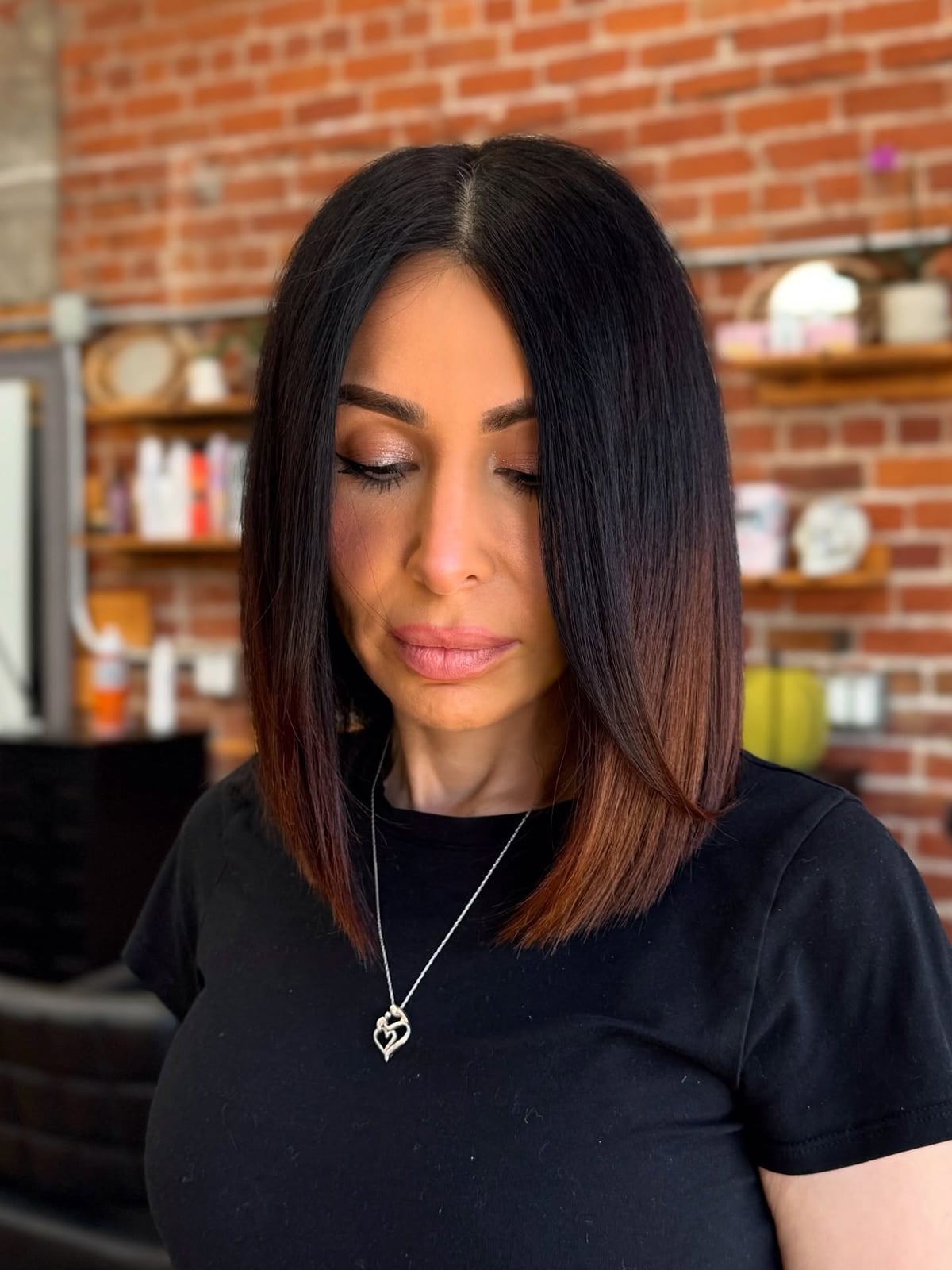
The technique for this one involves lifting the dark brown base just enough to deposit a warm copper tone on the ends, which keeps the roots natural and the transition soft. A blunt, chin-length bob with a center parting and a sleek, straight finish makes the ombré line look deliberate. This cut suits fine, straight hair because the blunt perimeter creates visual weight where the hair density is lower. Ask your colorist for a chin-length blunt bob with a dark brown to warm copper ombré.
Collarbone Lob Dark Brown To Blonde Ombré, Close-Up Take
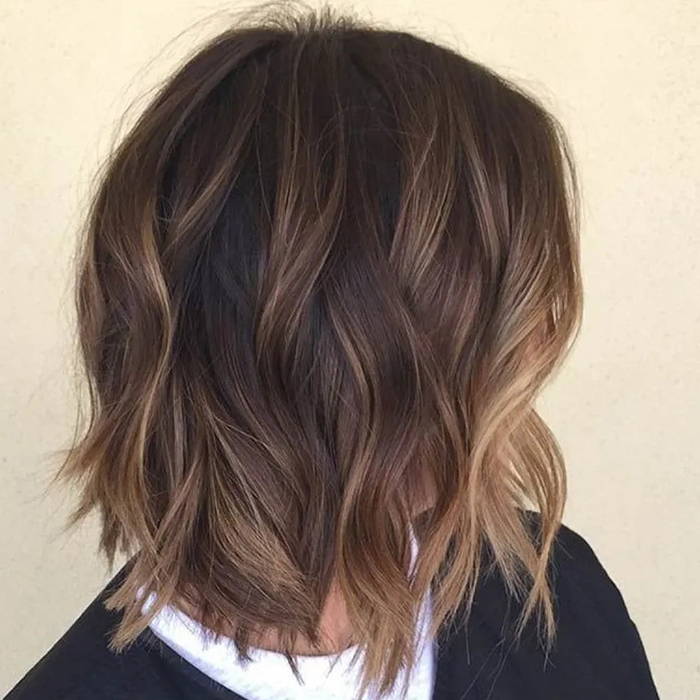
Medium density, wavy hair that tends to look flat in a single solid color benefits from this look. The dark brown to blonde ombré adds dimension and warmth without the full commitment of a global blonde. A collarbone-length lob with a middle parting keeps the weight distributed evenly, and the loose waves break up the color transition so it appears natural. Ask your colorist for a collarbone-length lob with a dark brown to blonde ombré. A texturizing spray on damp hair before air-drying gives the waves structure.
Shoulder Length Light Blonde Platinum Ombré
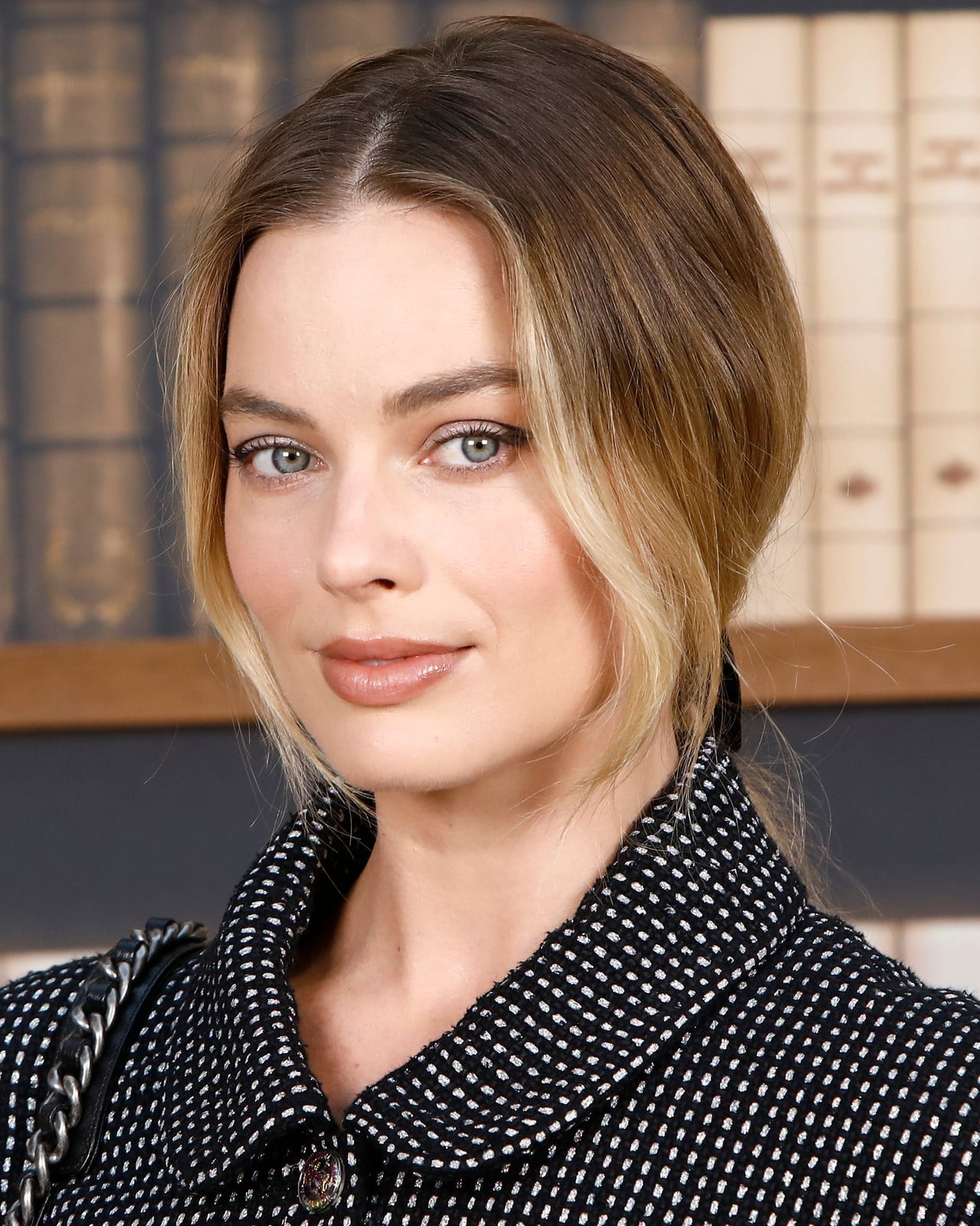
This look starts with a light blonde base, so the platinum ombré has less distance to travel than it would from a dark root. The result is a soft, bright fade that catches light easily. Soft layers and side-swept bangs frame the face without competing with the color. This works well on medium density, wavy hair starting at shoulder length.
The reality of platinum is that it needs a purple shampoo every few washes to keep it from turning buttery. Ask your colorist for a shoulder-length layered cut with a light blonde to platinum blonde ombré and side-swept bangs. Plan for a toning appointment every 6 to 8 weeks and a trim every 8 to 10.
Collarbone Bob Icy Gray White Ombré
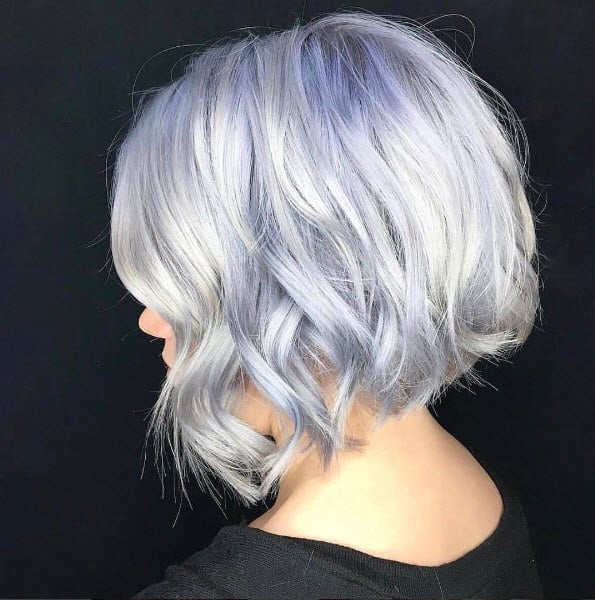
This icy gray ombré bob is a commitment, but the cool, dimensional color shift from darker roots to white ends is the standout feature. The wavy blowout on medium density hair shows off the gradient, and the collarbone length keeps the whole thing wearable. This is not a DIY task: achieving that gray and white blend takes a skilled hand and multiple sessions to lift the color evenly. Ask your stylist for: collarbone length bob, dark to icy gray and white ombré. The side part and soft waves are your styling allies, so plan on a round brush and about 20 minutes to get that bend. A silver shampoo is essential to keep the cool tones from turning brassy, and you will be back for a trim every eight to ten weeks to keep the shape sharp.
Final Thoughts
For a truly simple ombré, focus on shades that are only two to three levels lighter than your base color. Consider the grow-out phase; the most natural ombré starts the lightening process below the cheekbones.
- Trim your ends every 6-8 weeks to maintain the shape and prevent split ends.
- Use a color-safe shampoo and conditioner to preserve the ombré tones.
- Deep condition your hair weekly to keep the lighter ends hydrated and healthy.
- Refresh toning treatments every 6-10 weeks, depending on how quickly tones fade.
Embrace the gradient. Your ombré awaits.