

This winter, every salon chair I sit next to has the same request: a cut that holds its shape without a round brush. Structured layers, a fringe that stays put, a silhouette that does not collapse by lunch. I nod along. My fine hair is flat by 4 pm.
I pulled together 39 ideas that actually deliver. Low Maintenance Winter Haircuts runs from a textured pixie that air-dries in ten minutes to a layered lob that hides a skipped wash. Some need a trim every eight weeks. Others just need a root shadow. None of them require the heat styling I am too tired for in January.
Voluminous Mid-Back Layers With Curtain Bangs

There’s a reason this mid-back layered cut keeps showing up on thick, wavy hair: it actually works with the texture instead of fighting it. The layers are cut to remove bulk while keeping the length, so the waves stack without turning into a triangle. Curtain bangs soften the face without demanding a daily round brush. A good blowout takes about 20 minutes, and the volume holds through a scarf and a hat. Trims every eight to ten weeks keep the shape from going shaggy. This is the cut for anyone whose hair has ever been called ‘a lot’ and wants to lean into that.
Textured Black Pixie With Side-Swept Bangs
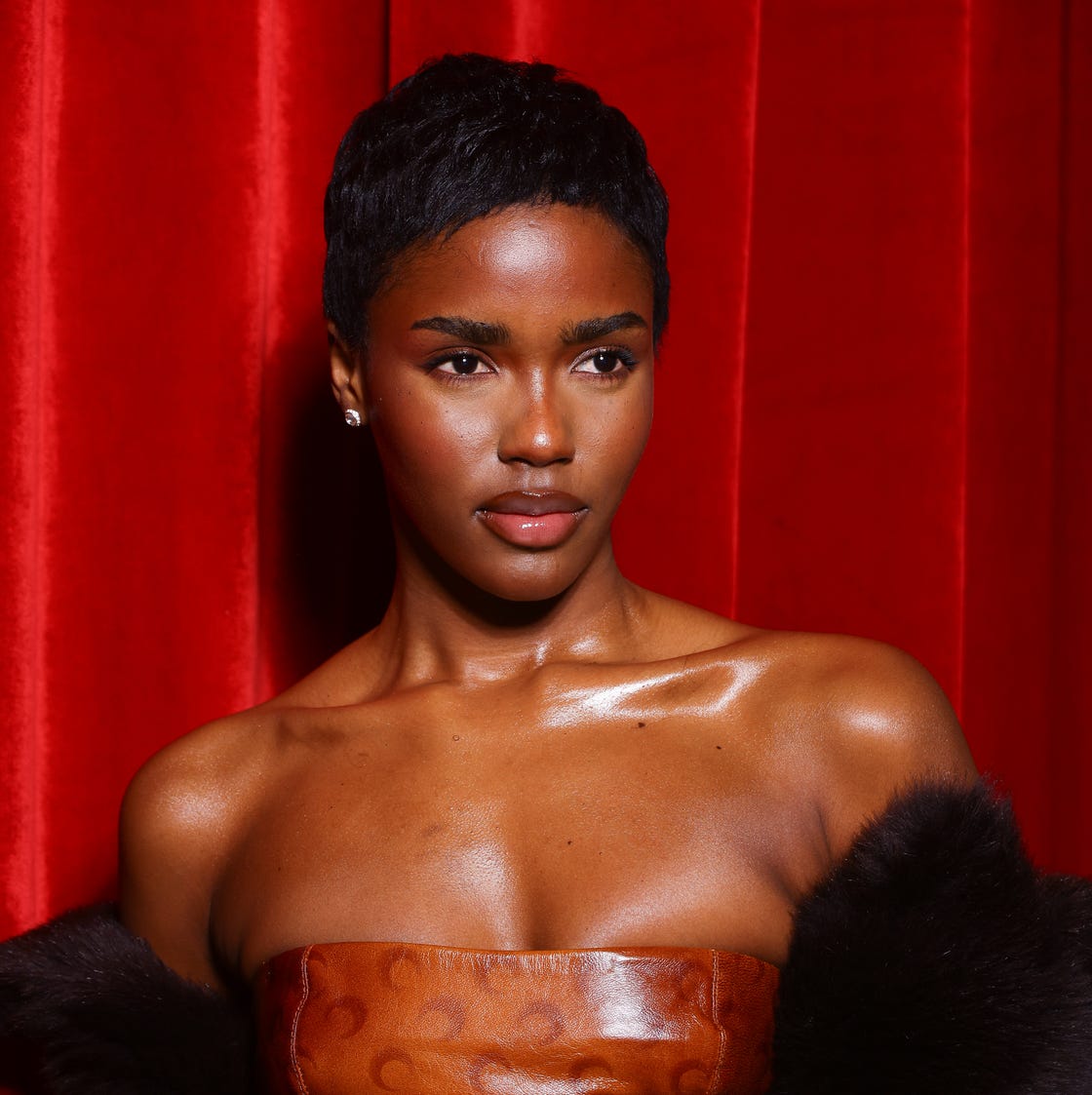
How much work does a short pixie cut actually take on fine hair? About five minutes with a dab of texturizing paste. The side-swept bangs hide the grow-out line for a few extra weeks, which is the whole point. This is a salon cut, no question — the nape needs a pro’s hand. But after that, it’s just a quick tousle in the mirror and out the door. The texture keeps it from looking helmet-like, and the black shade means no root touch-up panic at week three.
Layered Dark Brown Lob With Caramel Highlights
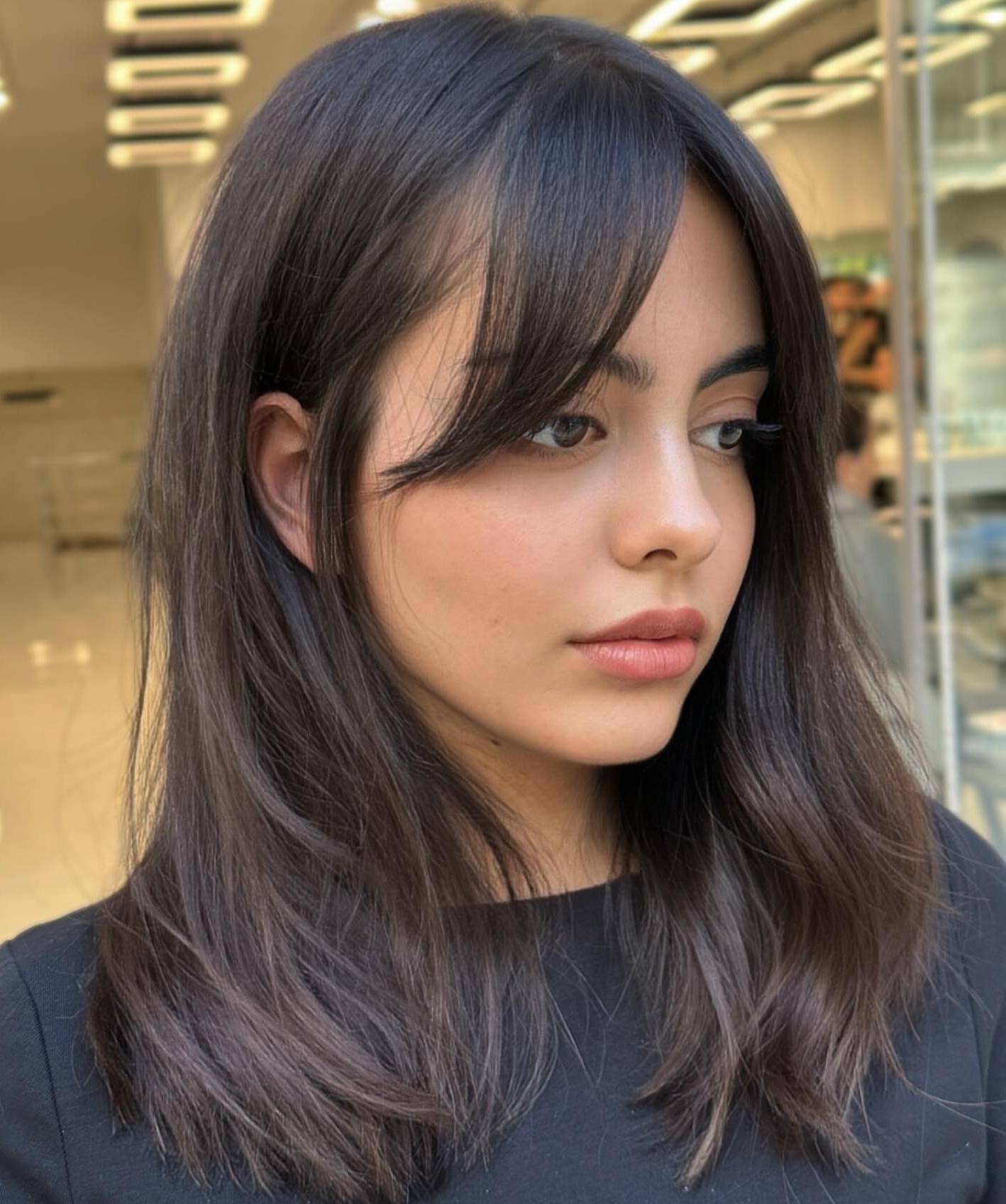
This collarbone lob with bangs is a technical win: the layers are cut to sit softly against the jaw, and the caramel highlights are painted in a way that blurs the line between root and color. No harsh demarcation, no panic at week six.
- Ask for a long lob that hits just above the collarbone.
- Request curtain bangs that blend into the top layer.
- Have the caramel highlights placed around the face only.
- Tell the stylist to keep the layers invisible from the back.
The result reads as natural, not highlighted. The dark base does the heavy lifting for grow-out.
Visual Idea
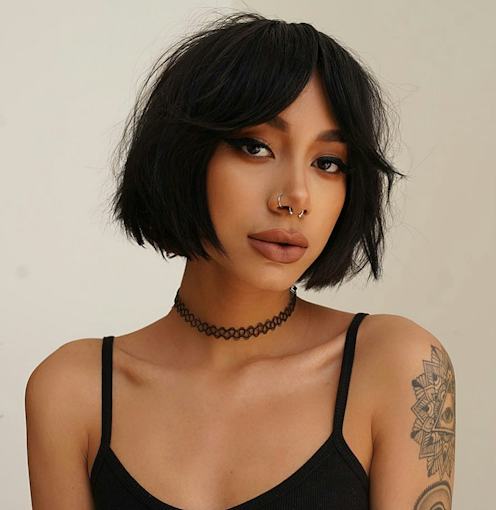
I’ll admit it: I thought a blunt bob on fine, straight hair would look like a wet noodle by noon. But this chin-length bob with curtain bangs proves me wrong — the blunt line actually gives the ends enough weight to hold a slight bend. The honest downside is that any split end shows immediately, so you cannot skip the eight-week trim. Compared to softer, layered cuts, this one demands precision but rewards with a clean silhouette that doesn’t need re-styling.
Collarbone Visual Idea
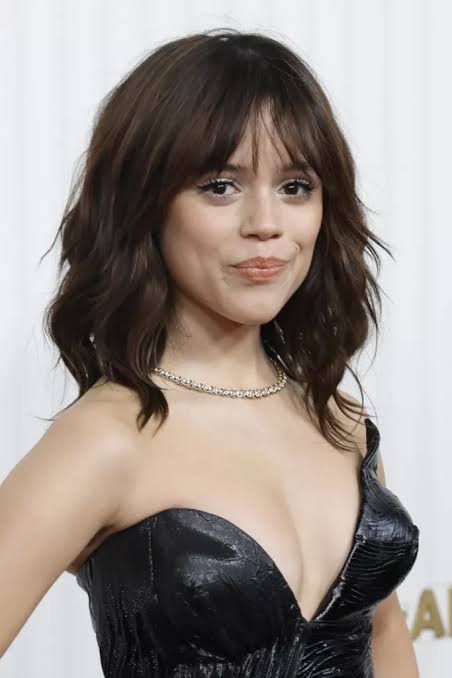
When I first saw this collarbone lob with choppy bangs, I thought it would be too much work. But it turns out the choppy bangs are actually lower maintenance than blunt ones — they don’t show every oil streak, and they air-dry into place. The layers add movement to medium-density wavy hair without requiring a curling iron. A quick rough-dry with fingers takes under ten minutes, and the shape holds for two days before needing a refresh. Trims every six to eight weeks keep the bangs from turning into curtains.
Chin Visual Idea
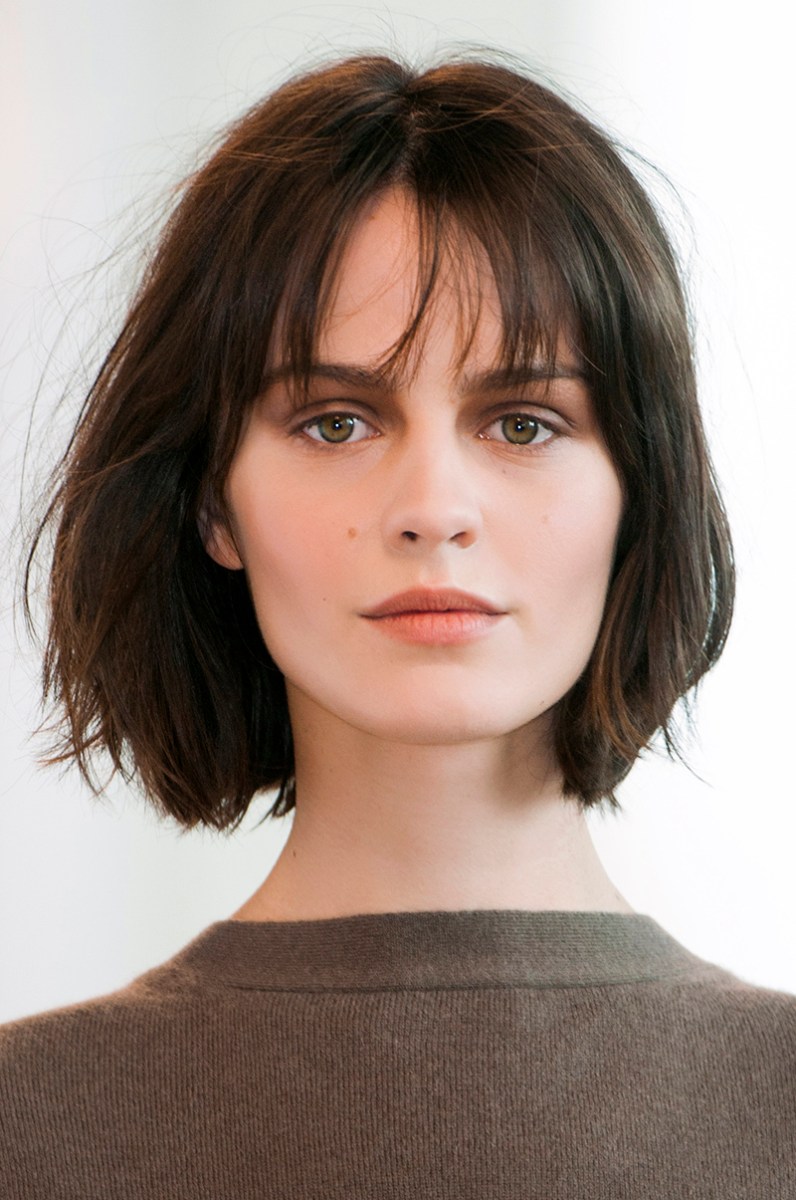
A blunt bob at the chin is a statement, but it shows every bend. Straight, sleek styling is the only way this cut reads intentional, and that means a flat iron every morning. For winter, it works under a scarf without bunching. The honest downside: one humid day and the blunt bangs separate into three distinct strands. No layers means any wave reads as a mistake. This is a cut for occasions when you have fifteen minutes to smooth it.
Long Bob With Face-Framing Layers Visual Idea
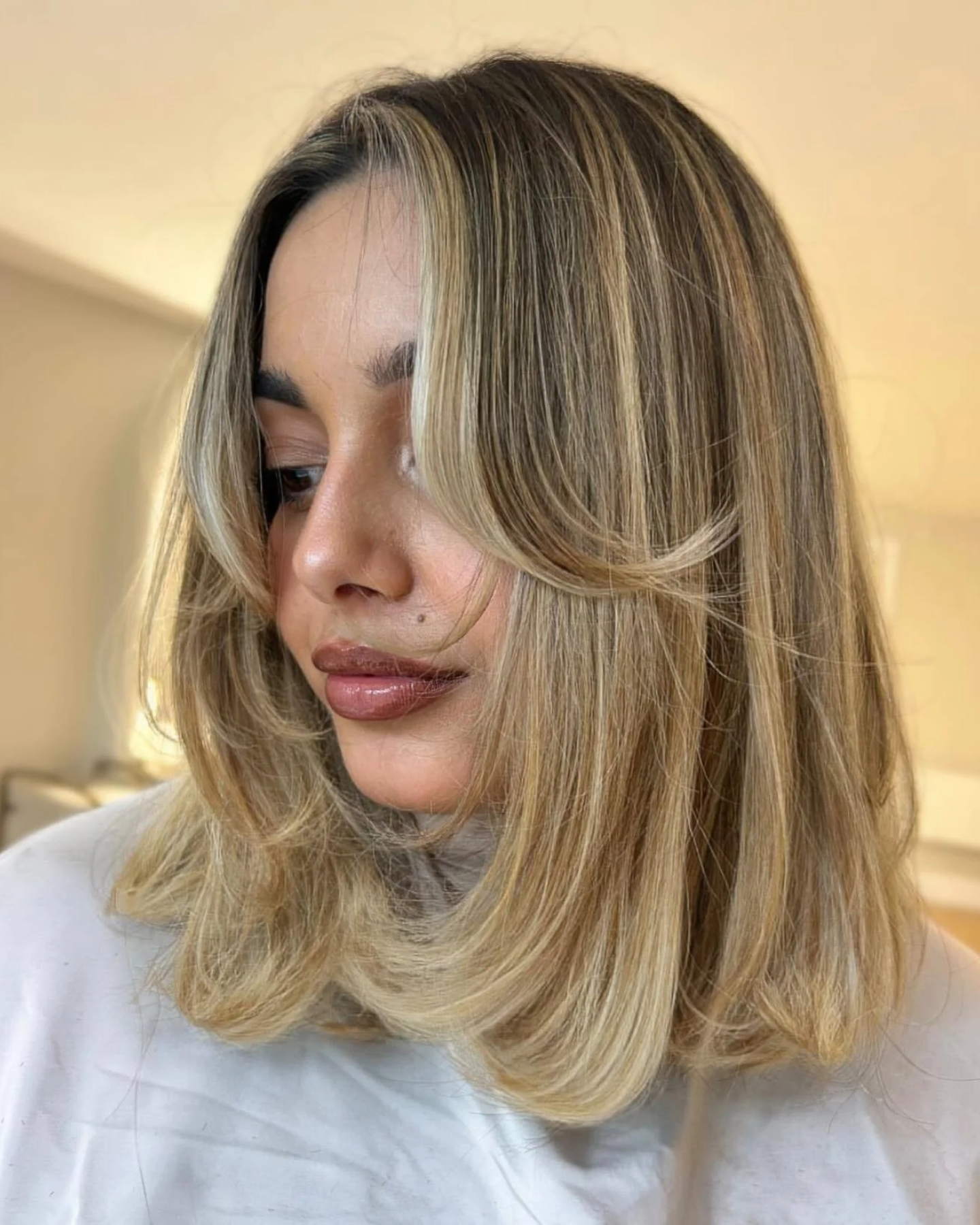
Ever wonder why some face-framing layers hit exactly at the cheekbone while yours land at the jaw? The trick is the stylist cutting the hair dry and in its natural fall, not pulled taut. A long bob at the collarbone with curtain bangs requires the shortest layer to graze the cheekbone, then a gradual slope to the length. No blunt stops.
Waves soften the transition. The layers are cut to stack, so when you add a wave, each piece falls into the next without a hard line. The texture is what makes the technique work — straight hair would show every cut point. This is precision that looks accidental, but it is not.
Dark Brown With Subtle Highlights Visual Idea
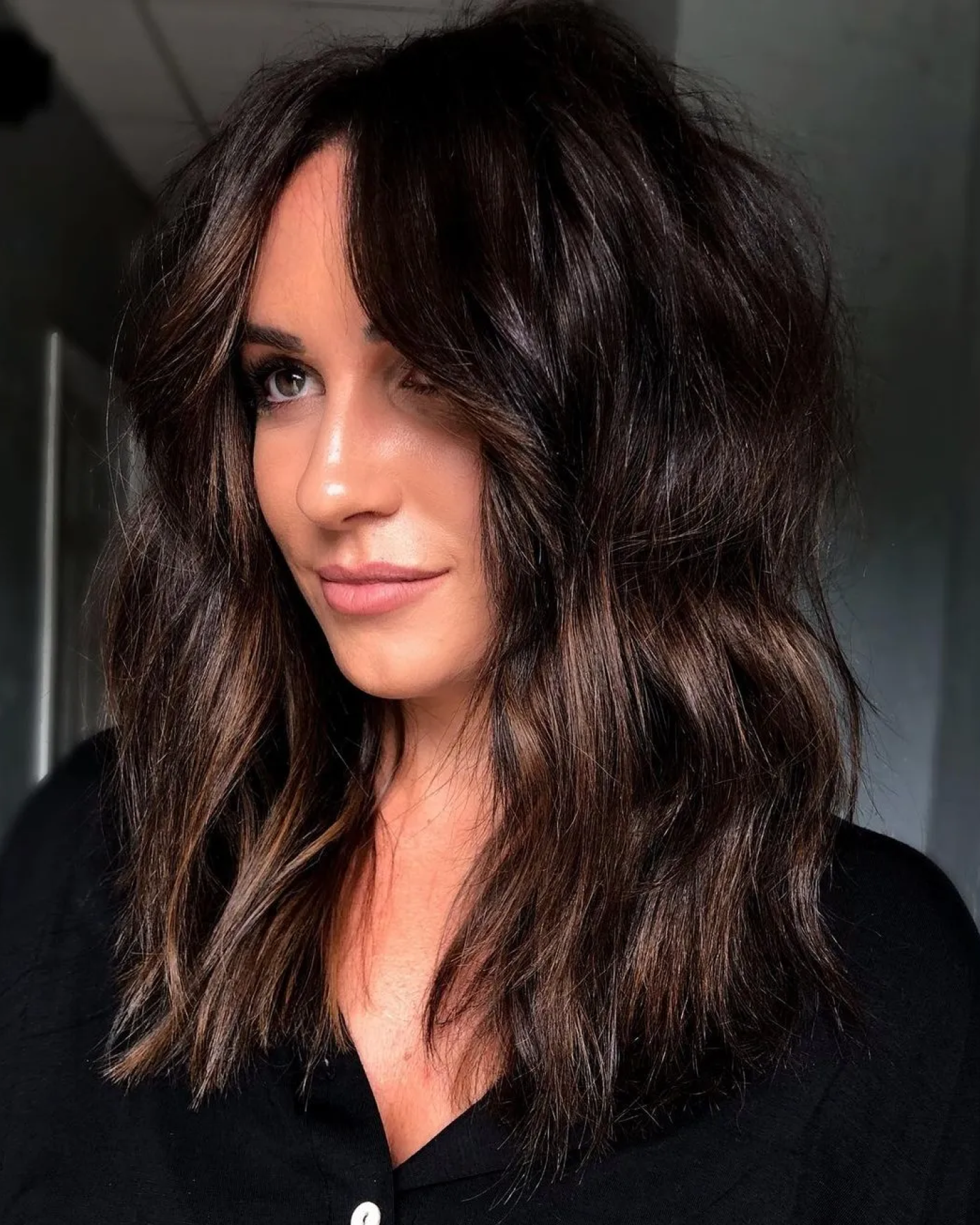
I spent three years growing out a shag I cut myself in a bathroom mirror. It was not a good idea. The shag relies on layers that stack around the crown and then fall into face-framing pieces, and that geometry is hard to eyeball. Side-swept bangs at collarbone length need to blend into the shortest layer, which a DIY razor cannot manage. The texture is wavy and thick, which hides mistakes better than straight hair, but the highlights are what save it — subtle ribbons of lightness that catch the uneven cuts. Book the salon. I learned the hard way.
Mid-Back Length Visual Idea
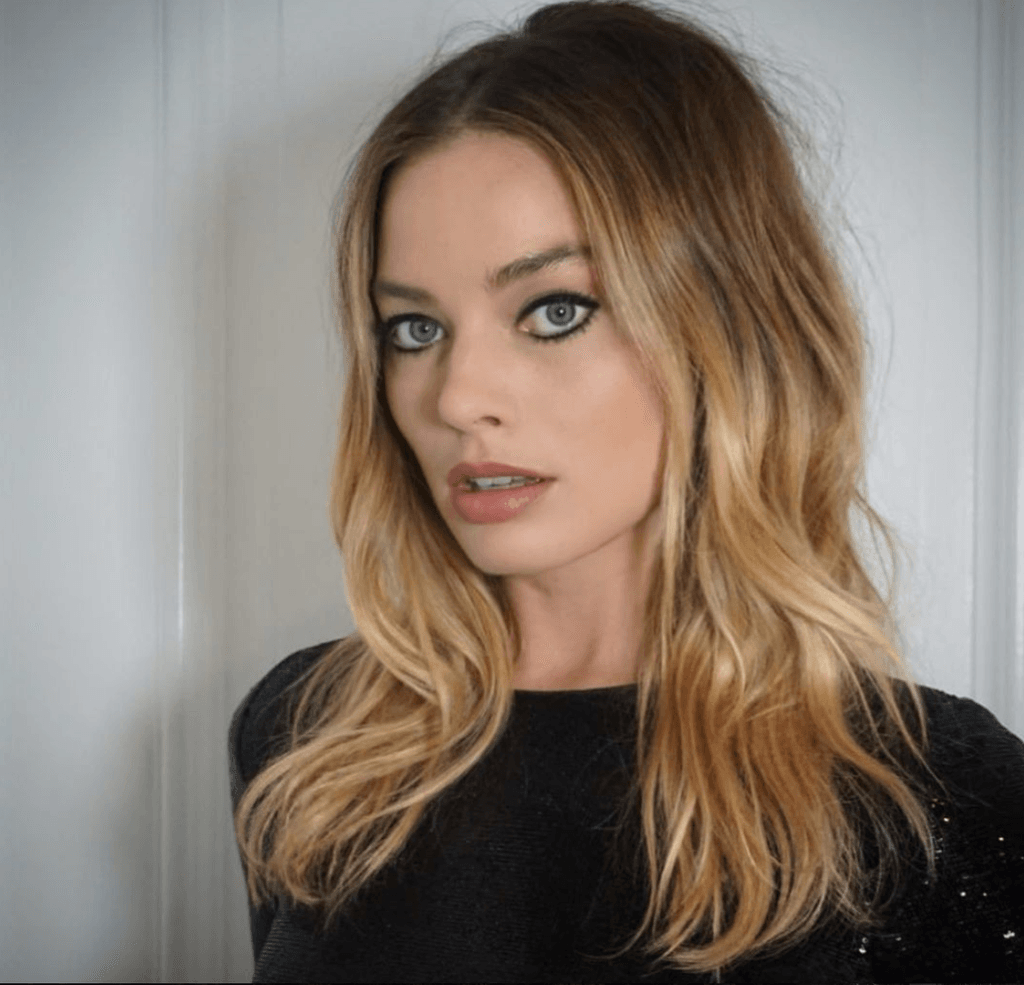
This length is not for everyone, but if you have medium density and natural wave, it is your best winter bet. The long layers and curtain bangs are cut to move with the wave, not against it. Fine hair would get swallowed by the weight; thick hair would pouf. Medium density hits the sweet spot where the balayage shows through without looking sparse.
Styling steps: wash, apply a wave cream, scrunch, air-dry halfway, then diffuse the roots. The curtain bangs need a quick blow-dry forward and away. That is about ten minutes total. The rest is letting the wave do its job.
Ear Visual Idea
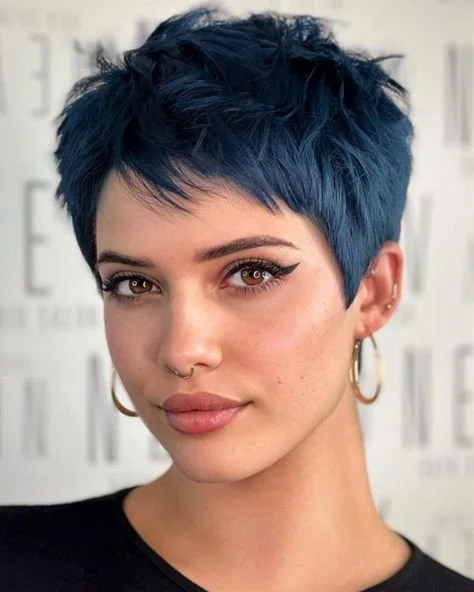
Blue on a pixie is a commitment, not a whim. The ear-length cut with short textured bangs and fine layers holds its shape even as the vibrant colour fades to a pastel by week three. The side part and textured finish mean you can skip a wash and still look intentional. The bangs grow out fast, but the short length makes a quick trim easy. That blue needs a refresh every few washes, but the cut itself stays low maintenance.
Black Visual Idea
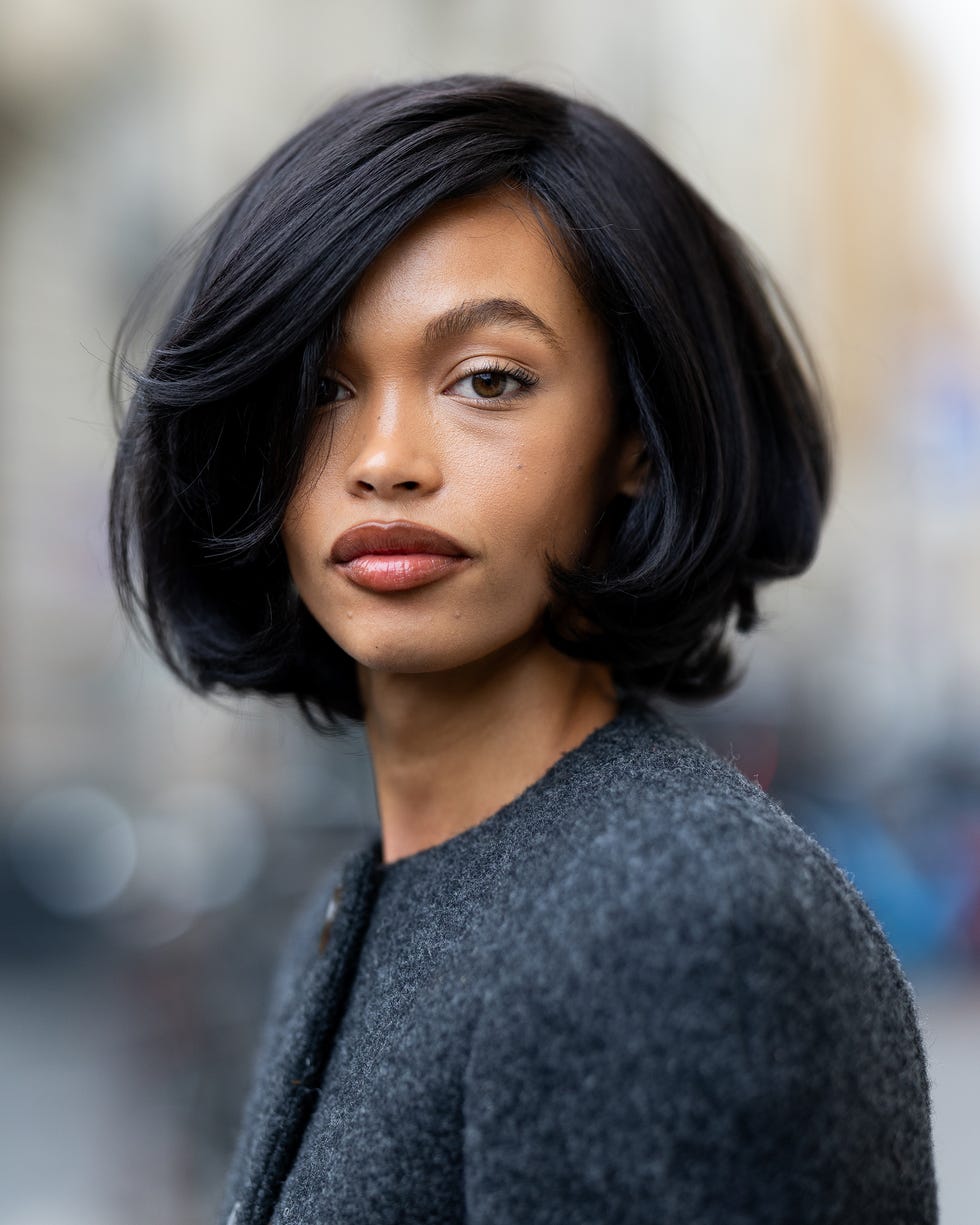
A rounded bob beats a blunt one for winter volume. This chin-length cut with a side part and no bangs uses soft internal layers to lift straight, thick hair into that smooth, voluminous shape. A blunt bob demands a sharp line and daily flatironing; this rounded version lets the natural texture do the work. The layers prevent the weight from pulling the shape flat, so it holds its curve through a week of dry air and hat hair. The side part adds movement without extra styling. It’s the low-maintenance alternative that still looks deliberate.
Copper Red Visual Idea
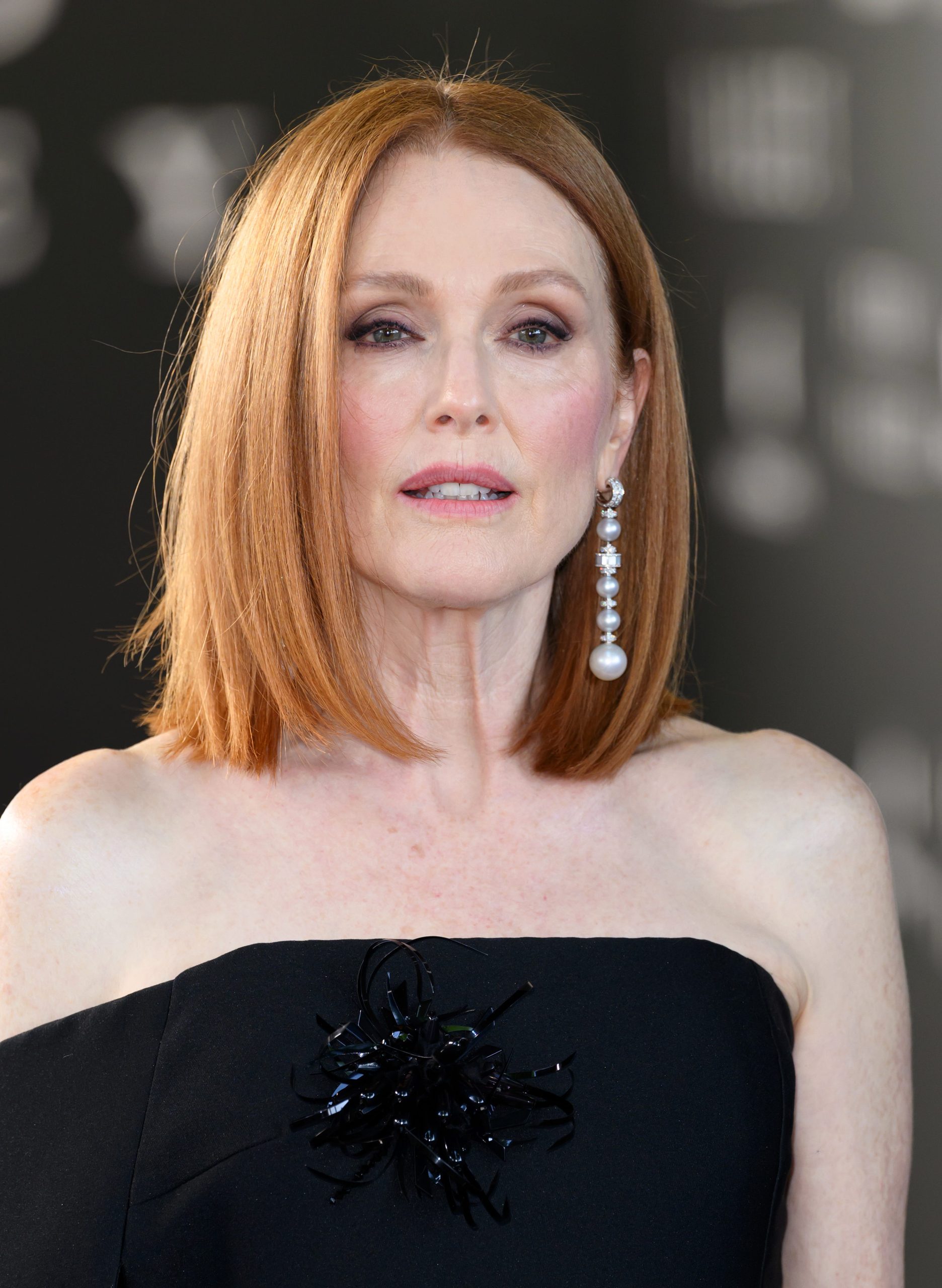
Can you pull off copper red? This chin-length blunt bob with a middle part and no bangs puts the colour front and center. The straight, fine texture lets the vibrant copper shine without distraction. It flatters warm skin tones best; cool undertones can look washed out. The blunt cut has no layers to fade unevenly, but the colour demands a toning shampoo every few washes. If you’re not ready for that, pass on this shade.
Bob Visual Idea
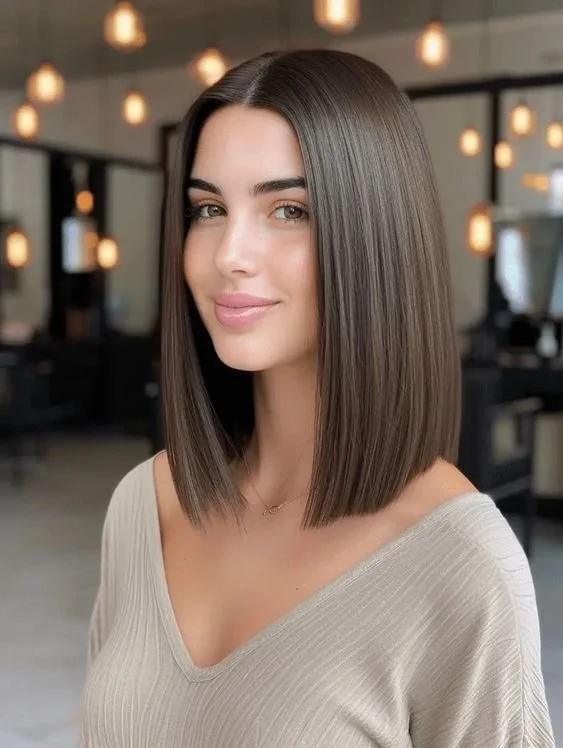
That sharp line is no accident. This chin-length bob with a middle part and no bangs is cut on a single plane, no layers, to create that crisp edge on straight, fine hair. The dark brown base with blonde highlights adds dimension without softening the line. This is not a bathroom-mirror job; one uneven snip and the whole shape is off. The honest downside: the blunt cut shows every split end, so book a trim every six weeks to keep it sharp.
Dark Brown Visual Idea
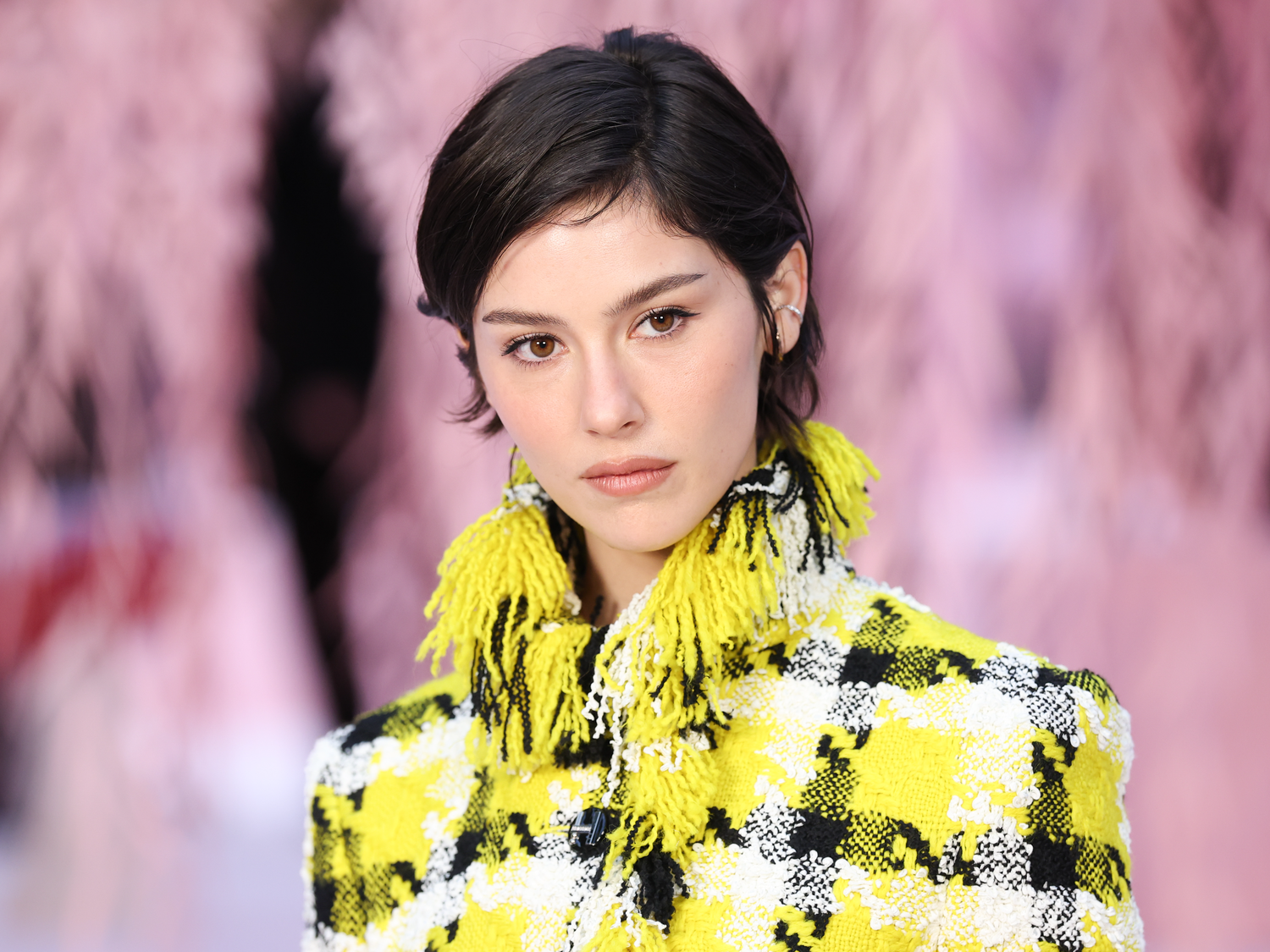
I thought a pixie would be zero work. This ear-length cut with short textured bangs and fine layers needs a few minutes of finger styling each morning to keep that piecey look. The side part and dark brown colour hide a lot: no visible regrowth, no fading. The bangs grow fast, so I trim them myself every three weeks. The shape holds through a week of hats and pillow creases, but the texture requires a light product to stay separated.
No Bangs Visual Idea
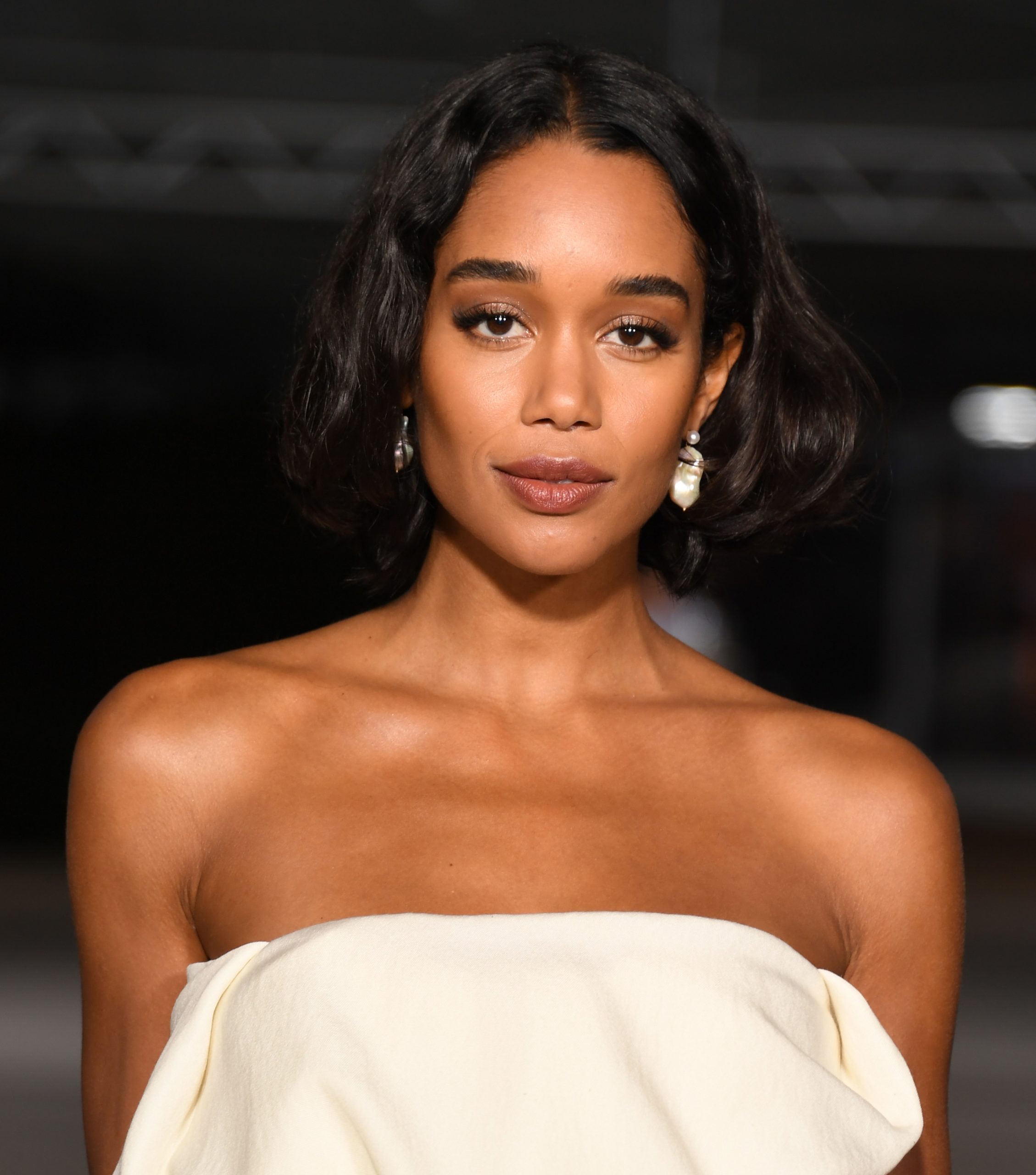
A bob cut to ear length with no bangs reads as a sharper shape than any layered alternative. The side part keeps the dark brown colour from falling flat, which matters when you skip the dimension of highlights. Texture here is wavy and thick, which gives the straight styling something to push against. Without layers, the line holds its edge. It is not a soft cut, it is a deliberate one. Compared to a softer, layered bob, this one keeps its line longer because there are no layers to grow out unevenly. The sharp line is the whole point.
Short Pixie Cut Visual Idea
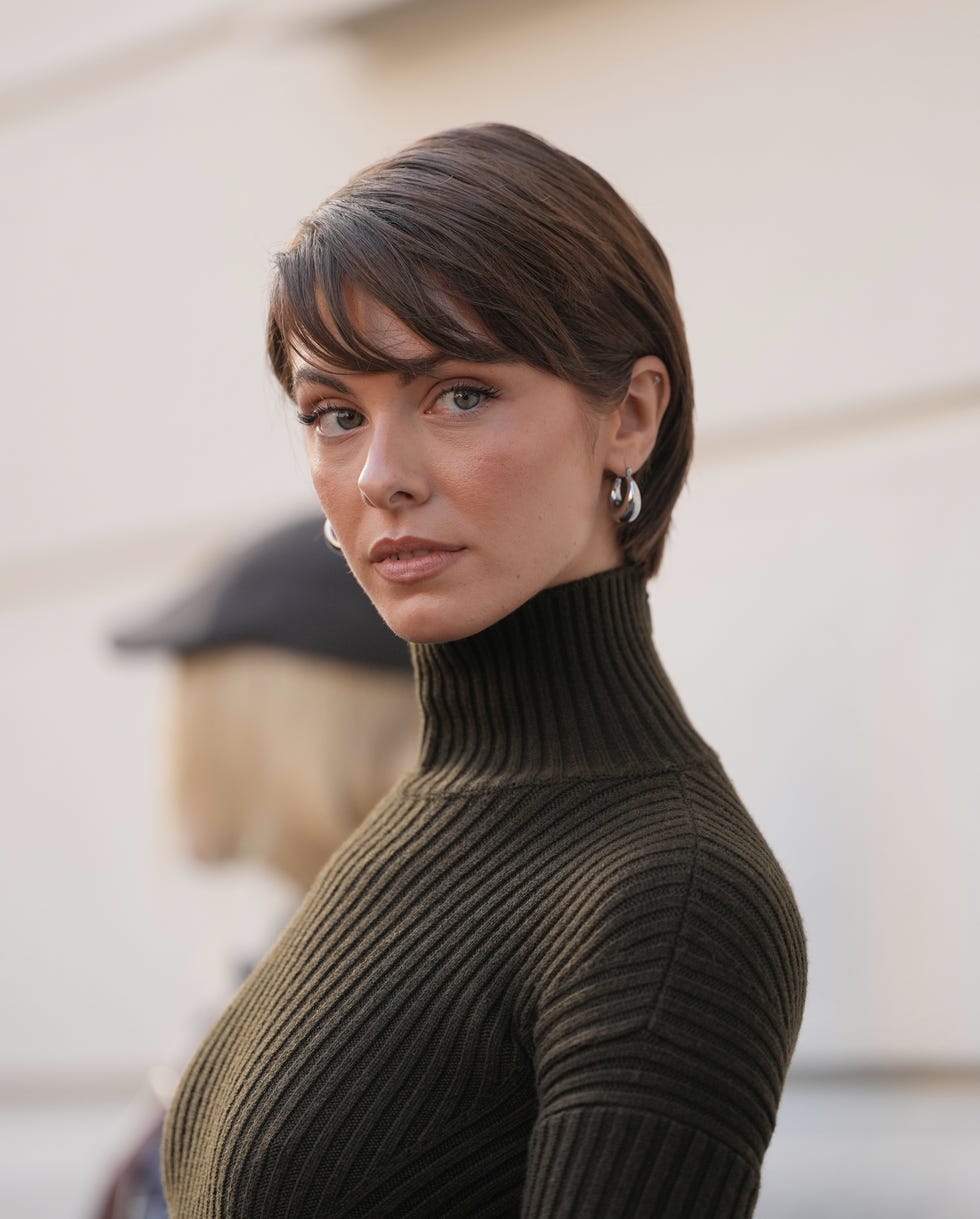
Can straight, fine hair pull off a textured pixie? The honest downside is that fine hair does not hold texture the way thicker hair does. This cut relies on short, textured bangs and a side part to create volume. The dark brown colour helps the piecey styling read clearly. If your hair is straight and fine, expect to work a bit of texture product into it to keep the shape from collapsing. It flatters oval and heart face shapes best, where the ear-length crop balances a narrower jaw. Who should pass? Anyone who wants to wake up and go.
Blunt Bob Visual Idea
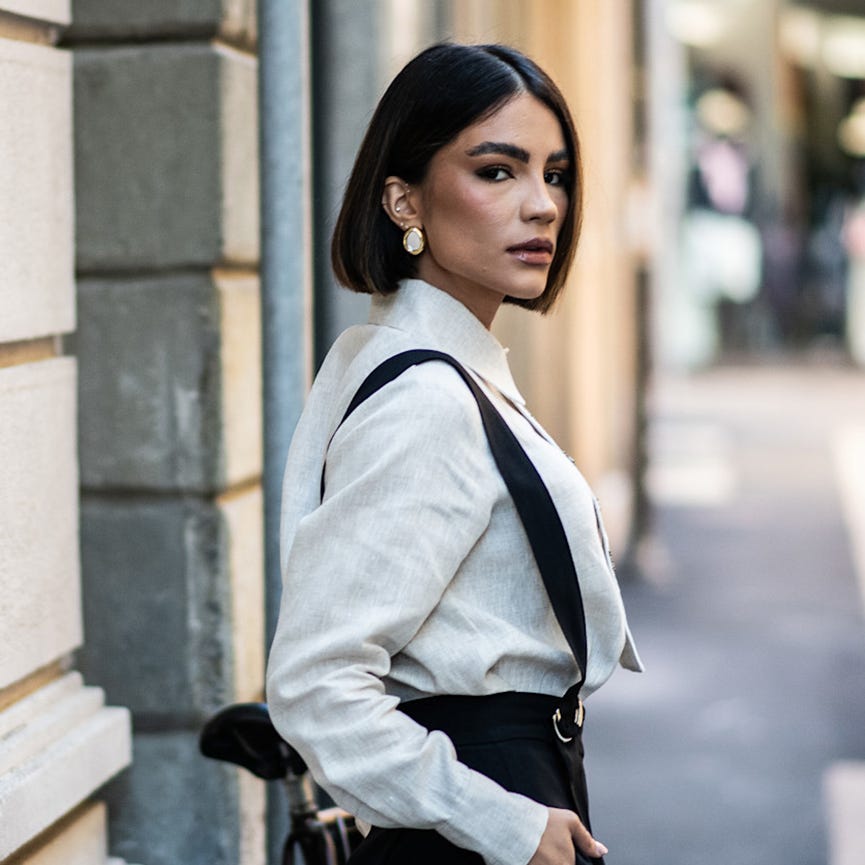
A blunt bob holds up better than any layered cut I have worn. The sharp, blunt line at the chin stays sharp for weeks. The middle part and no bangs mean the dark brown colour grows out without a root line panic. On straight, thick hair, the sleek, polished styling lasts through a humid day. Upkeep items are short: a trim every six weeks keeps the blunt line from fraying, and a heat protectant is non-negotiable if you want that smooth finish. It is a cut that earns its keep.
Long Bob With Layers Visual Idea
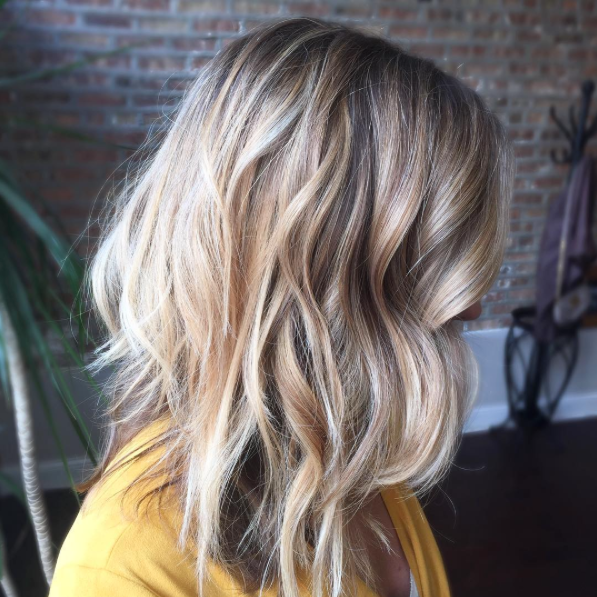
The layering technique here is what gives the long bob its movement. The layers are cut into the collarbone length to create a soft, graduated shape. The no-bangs, middle-part opening keeps the focus on the colour, which is ash blonde with darker roots and highlights. The darker roots anchor the lighter ends, so the grow-out is gradual.
Wear and upkeep: the loose waves are styled with a texture spray, and the layers need a trim every eight weeks to keep the shape from getting heavy. The colour dimension means the technique works best on medium-density hair, where the highlights can peek through the layers.
Front-Side View Visual Idea

A blunt bob with a smooth finish reads as polished, where a textured cut reads as casual. The dark brown with subtle highlights gives the chin-length cut depth without needing layers. The middle part and no bangs keep the line clean. On straight, medium-density hair, the sleek styling lasts all day. It is a cut for anyone who wants their haircut to look like a haircut, not a style.
Brown With Highlights Visual Idea
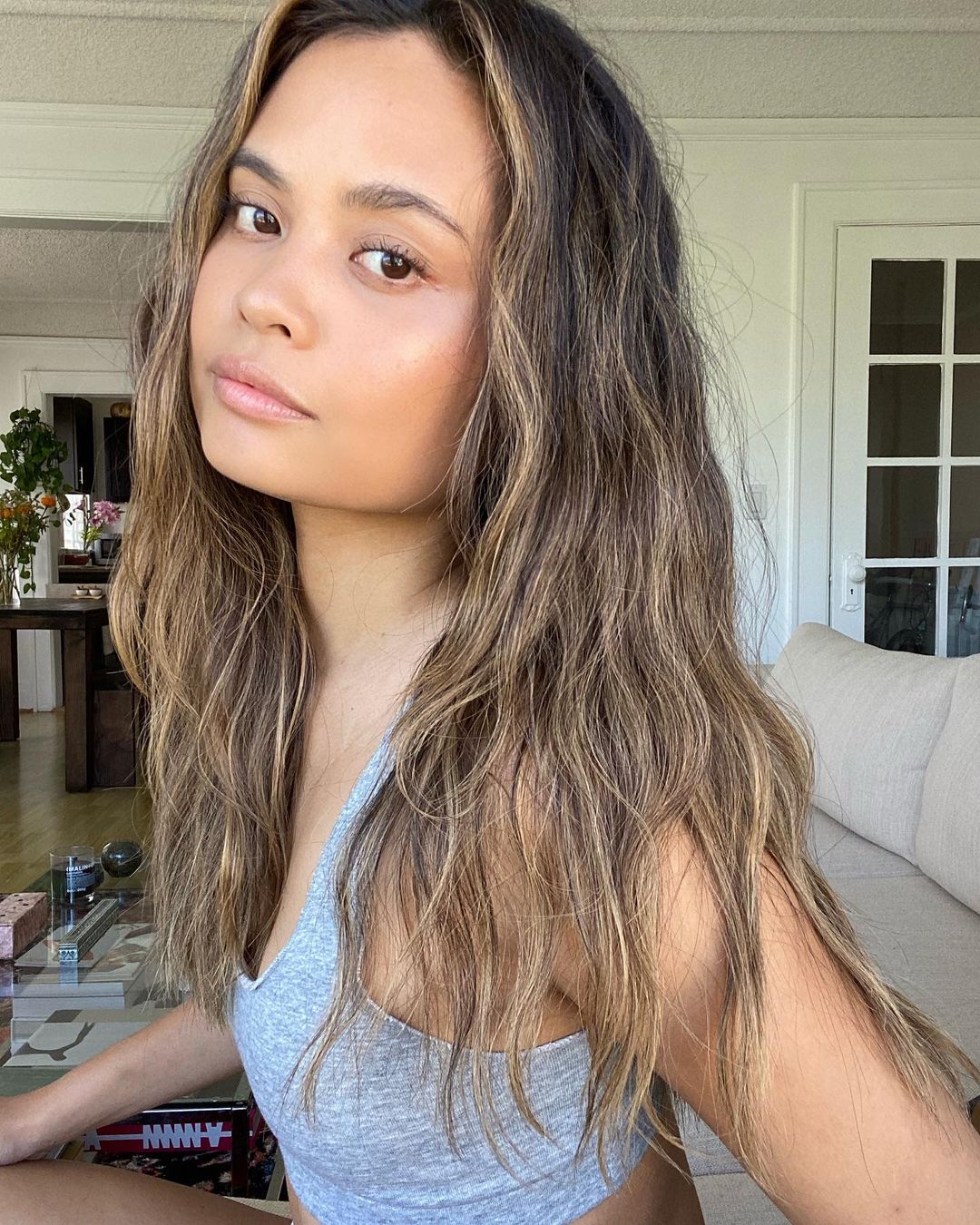
This cut lands at collarbone length with layers cut into the body of the hair, not just the ends. No bangs, which is the point: the texture does the work. On thick, wavy hair the dimension from brown with highlights reads as depth, not effort. A middle part widens a round face, but on an oval or heart shape this falls exactly right. The wave has room to form instead of collapsing into a triangle. I have watched friends with this exact density get compliments on days they did nothing but let it dry. That is the whole appeal. If your hair is fine or straight, skip it: the layers will disappear and the highlights will read as stripes.
Dark Blonde With Blonde Highlights Visual Idea

This layered shag air-dries better than anything else in this roundup, which is the verdict I give everyone who asks. Curtain bangs at collarbone length, dark blonde with blonde highlights, middle part, wavy and medium density: you can wash and go. The honest downside is that defined waves require a diffuser and some patience, otherwise the layers blend into each other and the shape goes soft. Book the salon cut, because the face-framing layers need precision. I have air-dried this and gotten away with it, but I have also spent fifteen minutes coaxing the curtain bangs into the right curve.
Platinum Blonde Visual Idea

The pixie at ear length with short bangs and a side part: the technique here is about graduated layers that stack around the crown and soften at the nape. On fine, wavy hair the textured layers create volume that a blunt cut would kill. The platinum reads cool next to warm skin, but the real precision is in how the layers fall around the ears. One blunt line there and the whole shape stiffens.
Pixie Visual Idea
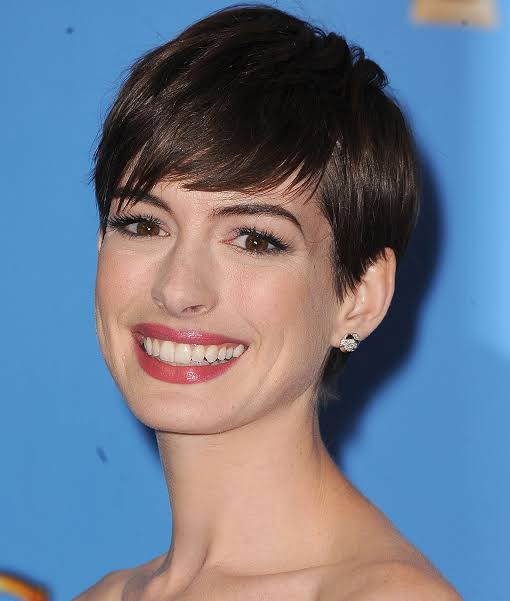
I booked this pixie twice in one season, which is a confession I do not make lightly. Side-swept bangs at ear length, dark brown, straight and fine: the cut relies on textured, piecey styling to keep it from looking like a helmet. On fine hair the layers need to be short enough to lift at the crown but long enough to sweep across the forehead. The side part helps, too.
Chin Length Visual Idea
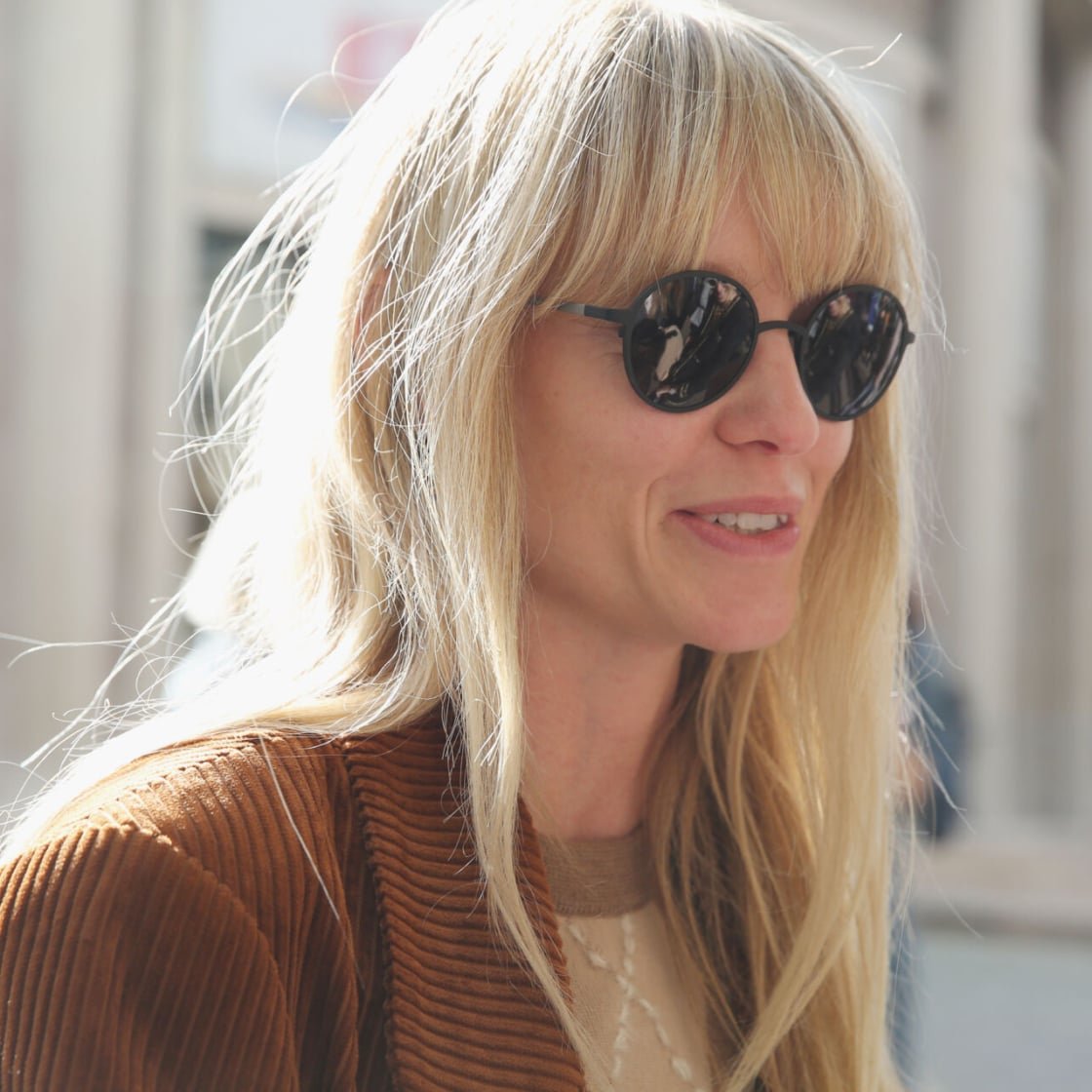
Shag bangs at chin length hit different than curtain bangs or a blunt fringe. The cut is layered throughout, medium brown, wavy and medium density, with a middle part and a textured, piecey finish. For a winter dinner or a casual weekend the shag bangs add movement without demanding a round brush. Curtain bangs need coaxing into place; blunt bangs need trims every three weeks. Shag bangs sit somewhere in between: they blend into the layers when you let them, and they frame the face when you push them to the side.
Ash Blonde Visual Idea
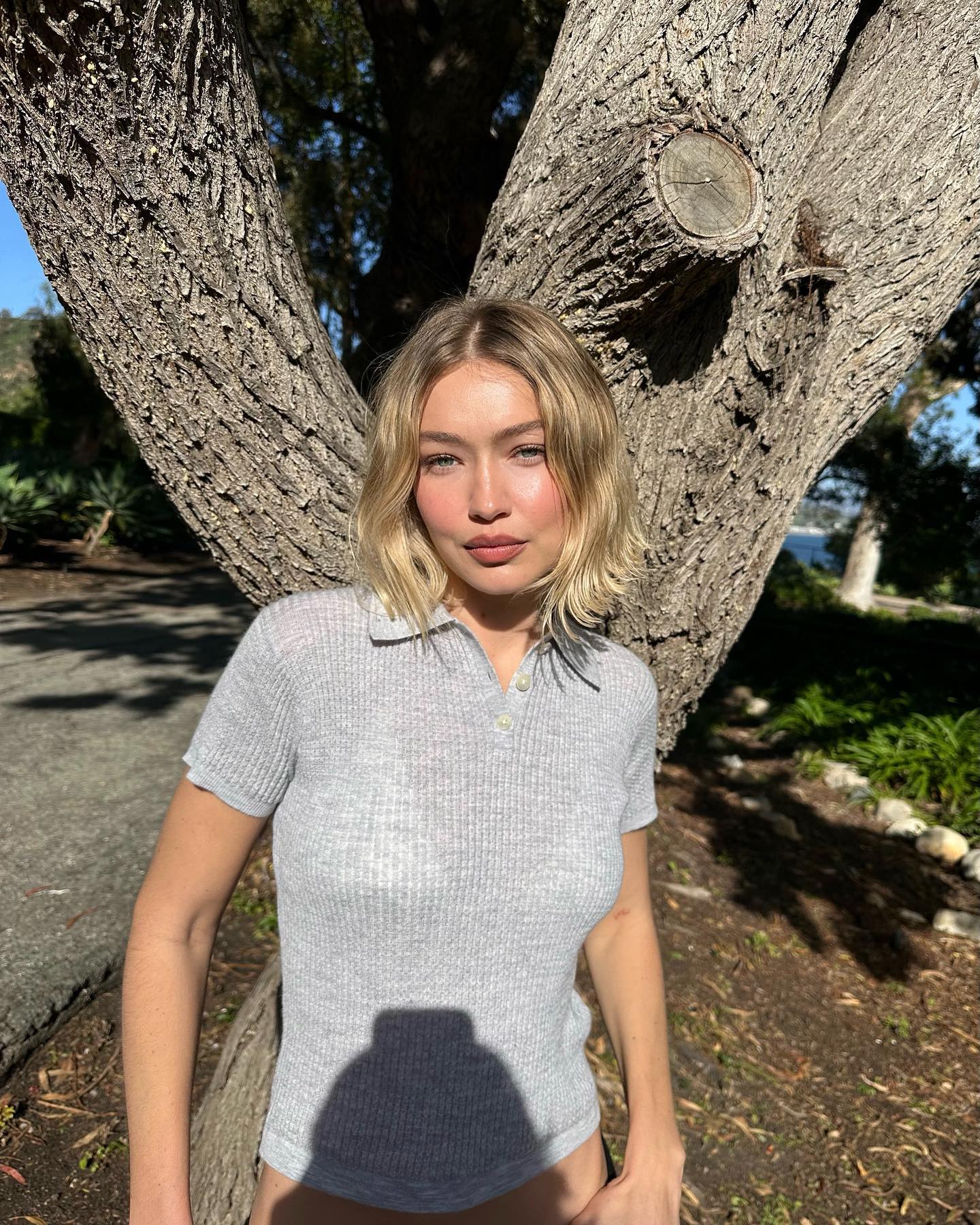
This is the cut that makes fine hair look like it has a plan. A blunt chin-length bob, no layers, no bangs. The ash blonde colour reads cool against warm skin, but here is the honest downside: on fine, straight texture, that blunt line needs styling to hold volume. Without a round brush or a wave, it falls flat by noon. It suits fine hair that wants a clean shape, but be ready to add body.
Ear Length Visual Idea
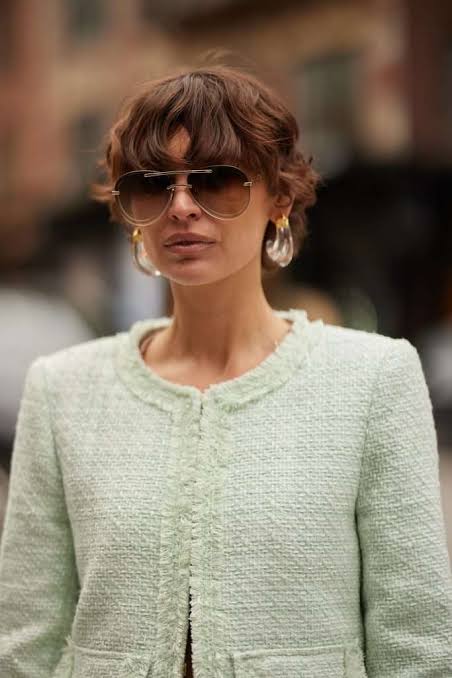
How does a short shag actually hold up through a week of winter hats and dry air? On fine, wavy texture, the ear-length cut with textured bangs and layers keeps its shape better than you would think. The tousle hides the hat dent. But this is a salon cut, not a bathroom-mirror job. The layers need precise placement to avoid looking like a hedge. If you have natural wave, it works. If not, you are styling daily.
Blonde Visual Idea
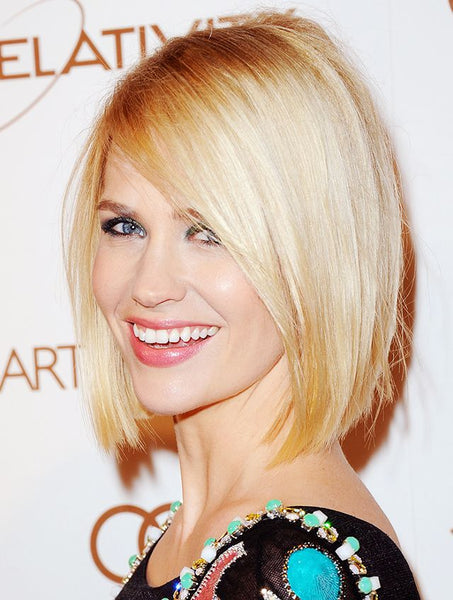
The angle starts at the jaw and drops shorter toward the nape. That diagonal line is what gives this chin-length bob its lift. The side-swept bangs are cut longer on one side, blending into the layers so there is no harsh step.
The technique is precise: the stylist cuts the bob while the hair is wet, using a vertical sectioning pattern to keep the angle clean. On straight, fine texture, the blunt edge reads sharp. No texturising, no point-cutting. Just a clean diagonal that holds its shape without product.
Brown With Balayage Visual Idea

I spent years fighting my natural waves with a flat iron. Then I got a mid-back layered cut with balayage, and something shifted. The brown base with caramel highlights meant my roots grew out soft, no harsh line. The layers gave the waves room to move without turning into a triangle.
The upkeep is real but reasonable. A trim every ten weeks to keep the layers from weighing down the ends. The balayage needs a toner refresh maybe twice a year, but the grow-out is forgiving. I air-dry it now. It takes twenty minutes to set, then I leave it alone. That is the whole routine.
Blunt Bangs Visual Idea
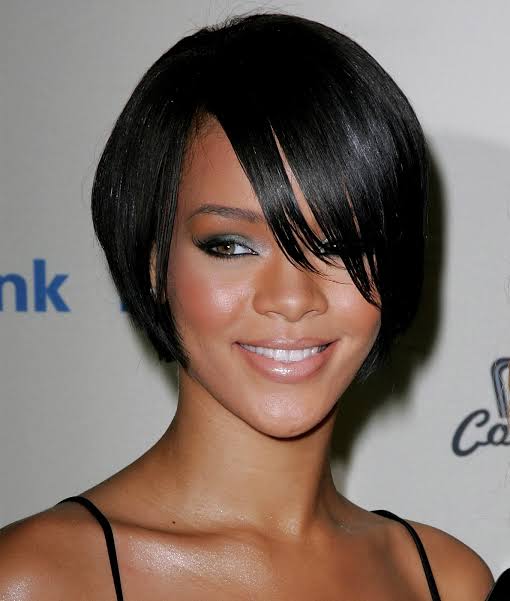
The mistake is thinking a blunt bob with straight bangs is set-and-forget on fine hair. It is not. That chin-length cut with no layers shows every split end and every bend. The blunt bangs need a trim every three weeks or they hit your lashes. The honest downside: without heat styling, the bob flattens at the crown. The fix is a dry texture spray at the roots, but that is daily work.
Layered Bob Visual Idea
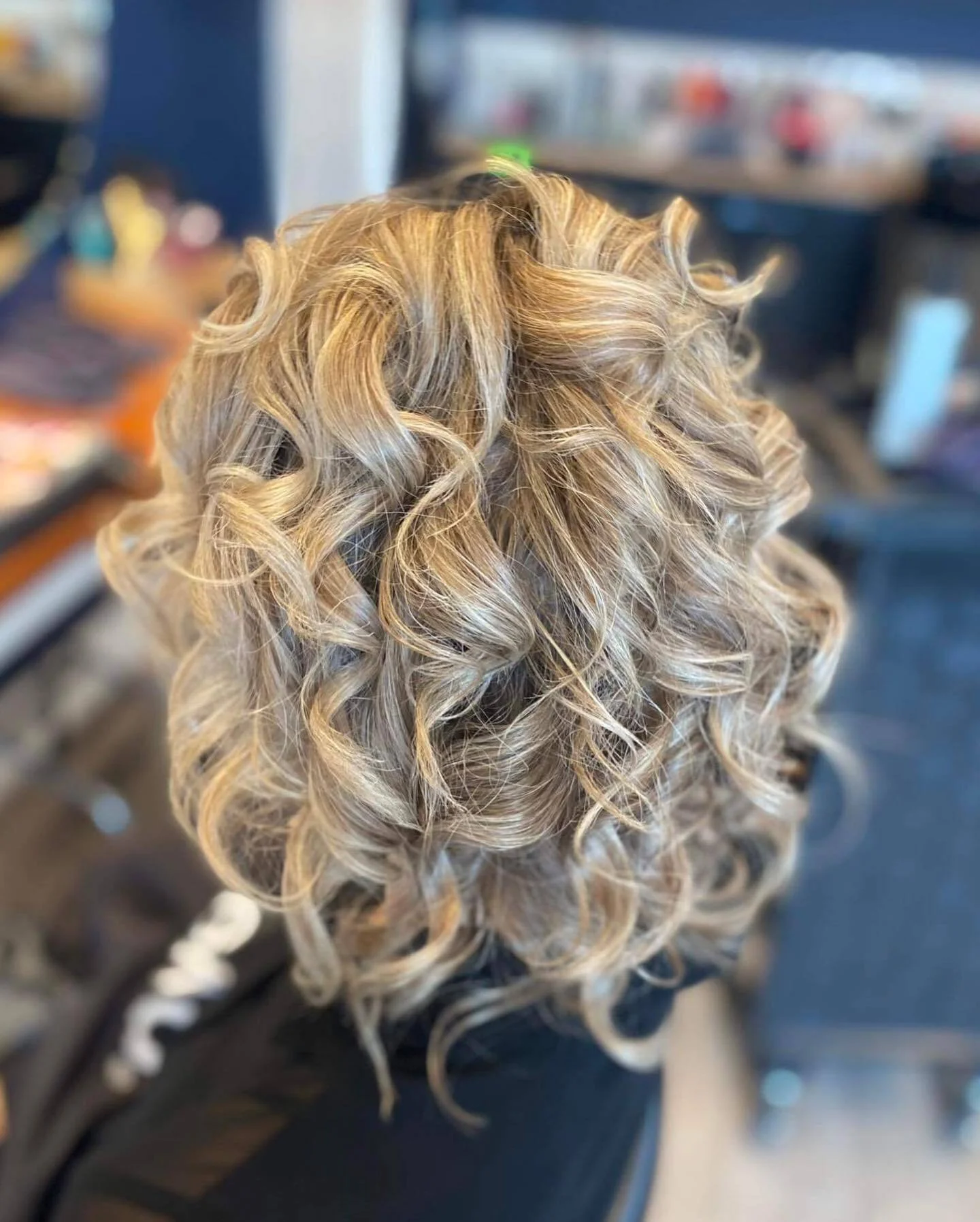
This chin-length layered bob earns its keep. The cut is a layered bob, no bangs, so the texture — wavy to curly, medium density — has room to move. The ash blonde with highlights adds dimension, but those defined curls don’t happen by accident. You need to section, apply product, and diffuse or curl each piece. The layers give lift at the crown, but the real trick is getting the curl pattern uniform. Once set, the shape holds through a workday. By evening, the curls soften into loose waves, still presentable. It’s not a five-minute style, but the result is consistent.
Shoulder Visual Idea
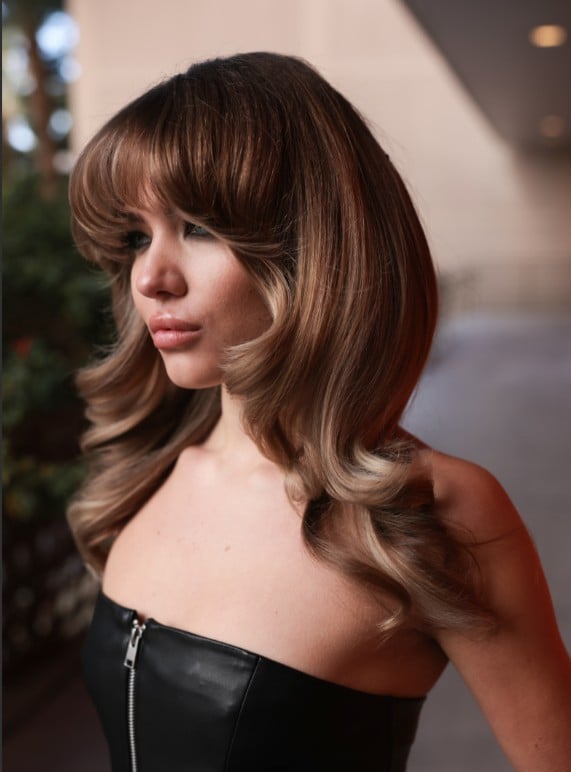
The difference between this and a blunt shoulder cut is the movement. The cut is long layers with curtain bangs, so the texture — wavy, thick — gets to breathe. The soft waves and voluminous curtain bangs create a rounded shape that feels softer than a structured lob. The shoulder length is practical for winter, sitting above coat collars. The medium brown with blonde highlights adds depth, but the real win is how the layers catch light. It’s less precise, more forgiving. A blunt cut would hold a sharper line, but this one moves with you. If you want a cut that doesn’t demand perfect styling every day, this is the side to pick.
Medium Brown Visual Idea
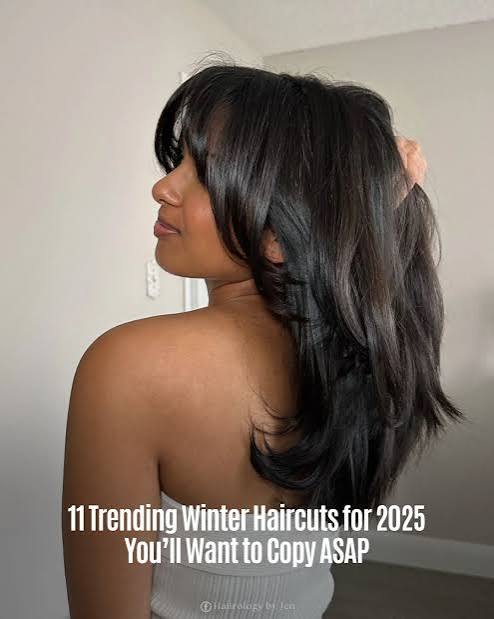
Who does this collarbone shag actually work for? The cut is a shag with curtain bangs, and the face-framing layers are designed for thick, wavy texture. The medium brown colour is understated, letting the shape lead. The honest downside: if your hair is fine or straight, these layers can fall flat. The collarbone length is forgiving for grow-out, but the volume comes from the wave pattern. It’s a cut that rewards density, not a one-size-fits-all.
Red Visual Idea
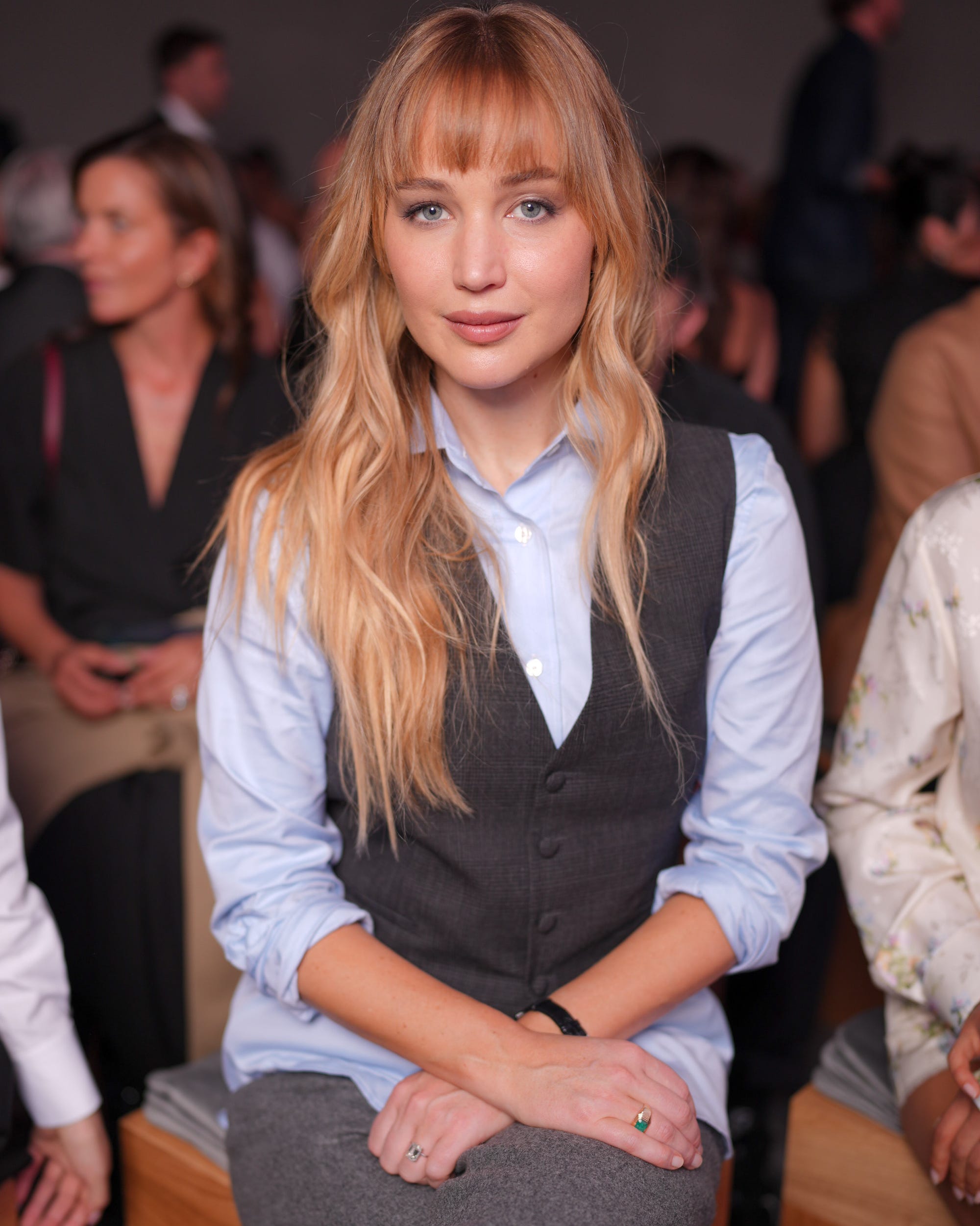
That red is a statement, but the cut is the real structure. The cut is a bob, no layers, at ear length, with straight, fine texture. The technique is precise: a blunt line that keeps the vibrant red colour sharp and unbroken. The side part and tucking behind the ear show off the clean edge. No bangs, so the focus is on the colour and the line. It’s a cut that relies on exact scissor work, not texture.
Ear To Chin Visual Idea
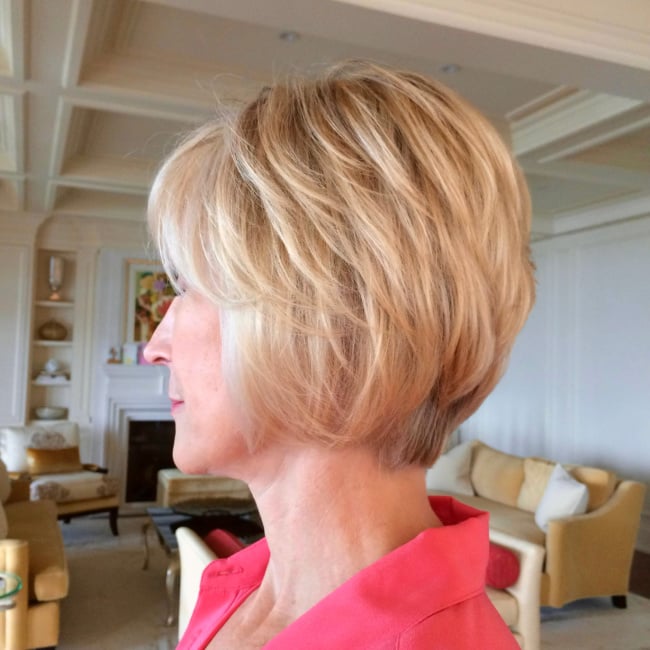
The stacked bob is versatile, but the mistake is skipping regular trims. The cut is a stacked bob with no bangs, ear to chin length, and the stacked layers in the back create volume for straight, fine texture. The blonde with highlights adds dimension, but the shape relies on the layers holding their angle. Without a trim every six to eight weeks, the stack loses its lift and starts to look heavy. The wear is easy: air-dry or quick blowout, but the upkeep is non-negotiable. Dodge the mistake by booking your next trim before you leave the salon.
Warm Brown Visual Idea

The uneven hemline is the whole point. I sat through a salon appointment last fall and asked for the same shape, then spent a week staring in the mirror waiting for regret. It never came. The bob stops at my chin, with one side grazing shorter and internal layers that keep the back from turning into a helmet. Side-swept bangs break the front, which is lucky because my fine, straight hair loves to sit flat. The warm brown shade softens the geometry, but the real win is that this is not a job for kitchen scissors. You need a stylist who understands asymmetry, because the angle relies on precision. That’s the difference between a good bob and a bad haircut I’ve had before.
Ash Blonde With Subtle Highlights Visual Idea

Why do some blunt cuts read as sharp while blended ones look like they can’t decide? This chin-length bob skips layers entirely, and that crisp line is what makes the ash blonde highlights pop. No bangs, either, just a side part and straight, fine hair cut on a single plane. The subtle highlights are spaced enough to look like sun did the work, not a foil. Against a soft, textured lob, this version wins for anyone who wants their winter hair to stay out of the way and still look intentional.
Back View Visual Idea
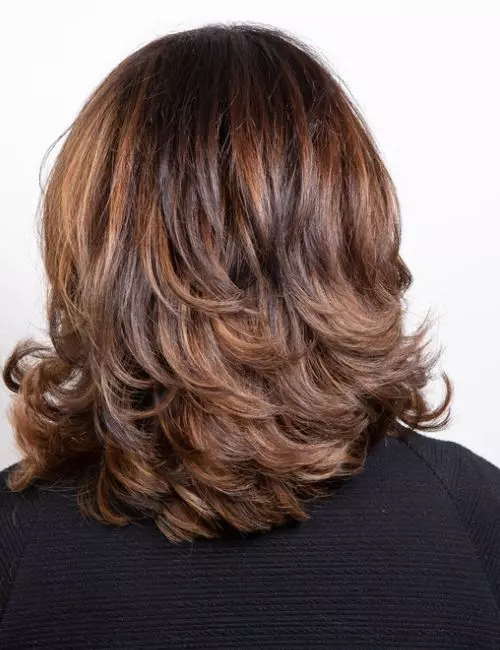
My gut reaction was that this cut costs more in chair time than in cash, and anyone with thick wavy hair knows exactly why. The layered bob drops to collarbone with no bangs, letting the middle part run straight down a center-seam. Every layer is cut to lift, not to thin, so the wavy texture blooms instead of flattening. The warm highlights threaded through the dark brown give the ends a lighter plane, which matters because dark, thick hair can look like a solid wall. The honest downside is that if your stylist takes out too much weight, the waves lose their bounce and you get a sad, floppy curtain. Plan for a longer appointment, because interior layering on thick hair is slow, and ask for someone who carves carefully rather than slicing through. The volume is the whole point and it does not survive rushing.
Medium Brown With Blonde Balayage Visual Idea

This is the cut that makes winter feel like a choice, not a compromise. The angled bob lands at the chin with a side part, no bangs, and the blonde balayage does the heavy lifting so the medium brown base never goes flat. Loose waves are the whole game here: you need a wide-barrel iron and about ten minutes, because the angle of the cut only shows its shape when the ends bend away from the jaw. I’ve tried this with straight hair and it just reads as a shorter bob, the wave is what gives the balayage somewhere to live. The texture is medium density, which is exactly right, fine hair would lose the bend by noon and thick hair would eat the angle. Ask for a blunt baseline with soft interior layers, that keeps the chin-length line sharp without making it boxy.
Angled Bob Visual Idea
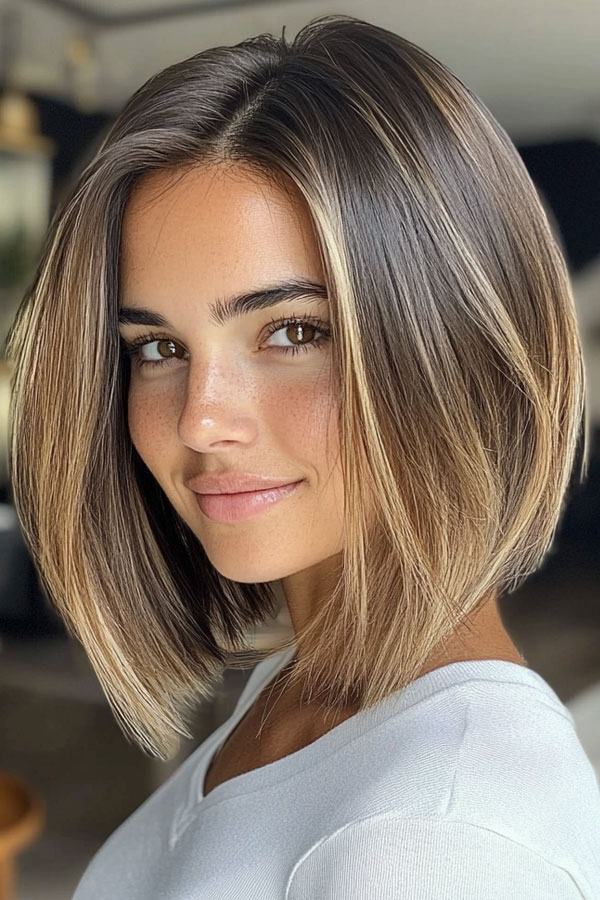
The angled bob is one continuous diagonal line, shorter in the back and longer at the front, so the shape moves from chin to collarbone without a single step. Minimal interior layers keep the weight low, which is what makes the length read as deliberate on straight, thick hair. No bangs here, just a middle part that lets the angle do the work. The payoff is in the geometry: the shortest point lands at the chin, the longest grazes the collarbone, and the final line stays sharp on its own.
Final Thoughts
I walked into this convinced I needed length to fight the flatness. The pixie proved me wrong. It is the only cut I have seen that actually looks better when it air-dries. I booked it for next week. That is a rare thing for winter.