
The old money haircut is a study in restraint: a clean line, a considered length, and color that looks like it grew that way. The current shift favors soft face-framing layers and curtain bangs over heavy, one-length blocks, with lived-in color replacing flat-ironed monotony.
This collection of 31 Simple Old Money Haircuts covers bobs, lobs, and pixies from sharp and blunt to softly layered. It is for fine hair that goes flat by midday, for a fringe that refuses to sit, and for anyone who wants a cut that looks polished without a daily round of hot tools. Each idea includes the exact shape, length, layers, and bangs to ask for.
Sharp Chin Length Dark Brown Bob
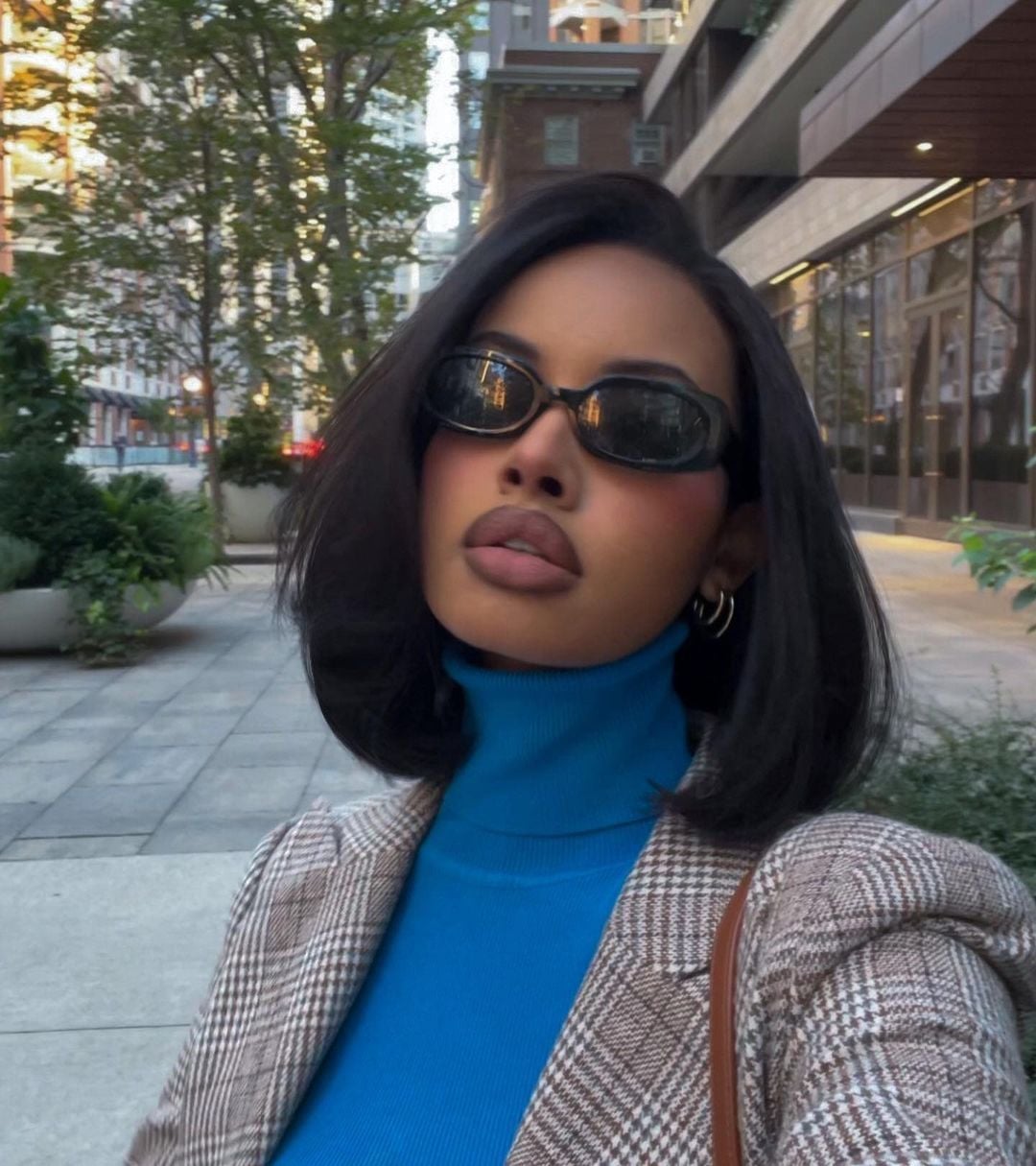
A chin-length bob with a blunt line and a middle part is the sort of haircut that telegraphs polish before you say a word. The sharp edge works best on thick, straight hair that already falls to the chin; the middle part lengthens oval and long faces. Ask your stylist for a chin-length blunt bob, sleek and straight. A flat iron seals the finish, and a trim every six to eight weeks keeps the line from softening. If your hair is fine or wavy, the blunt edge will read as thin rather than deliberate, so pass this one by.
Voluminous Silver White Pixie Cut
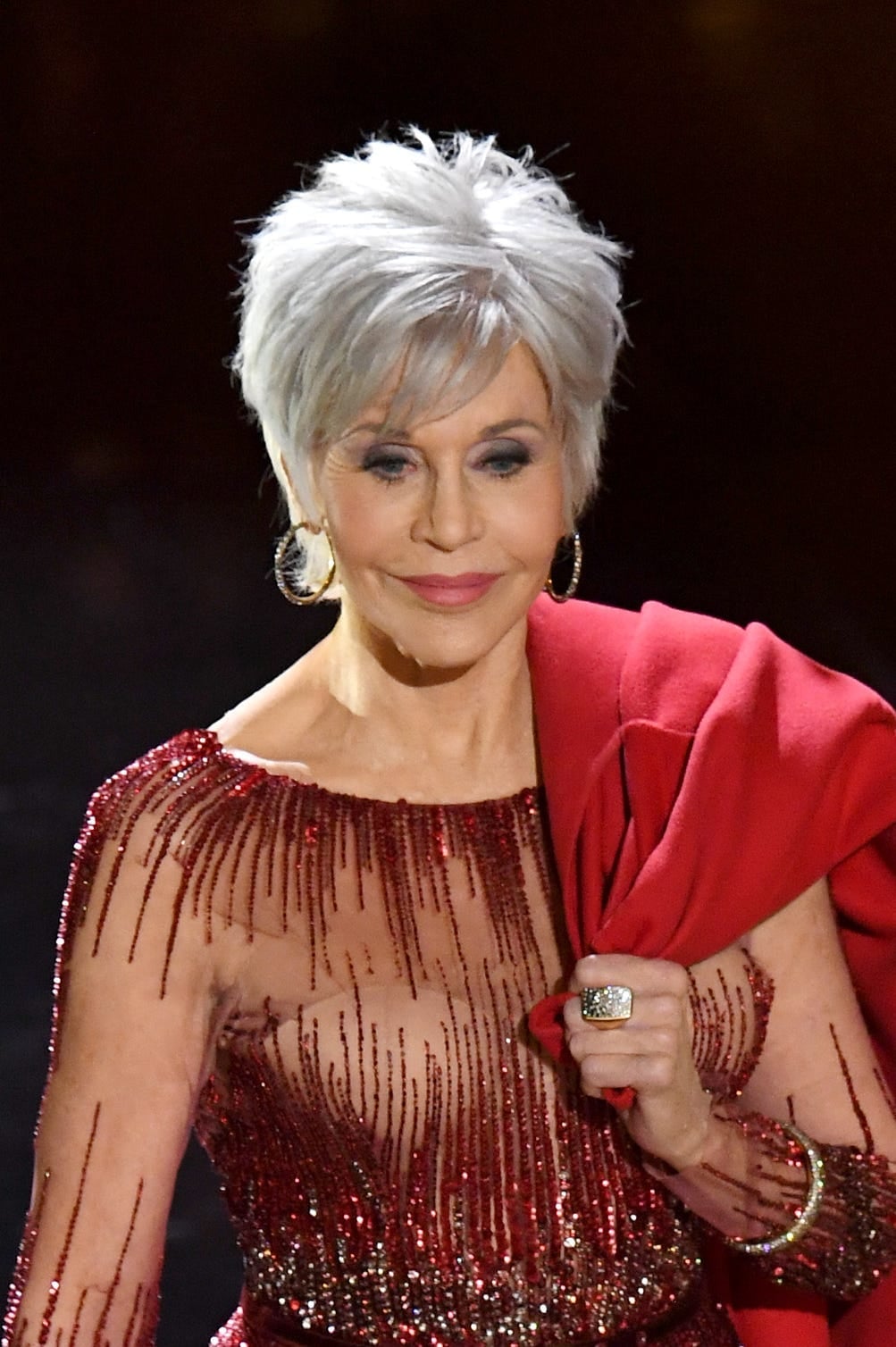
Start with a pixie cut that builds height at the crown. Short, wispy bangs swept to the side add softness without fighting the texture. Ask your stylist for a voluminous pixie with wispy side-swept bangs. Wax gives the lift a shape that holds. The cut works with most face shapes, though it shines on those with delicate features. The silver-white color looks like intentional gray, not a grow-out in progress.
Sleek Collarbone Honey Blonde Bob
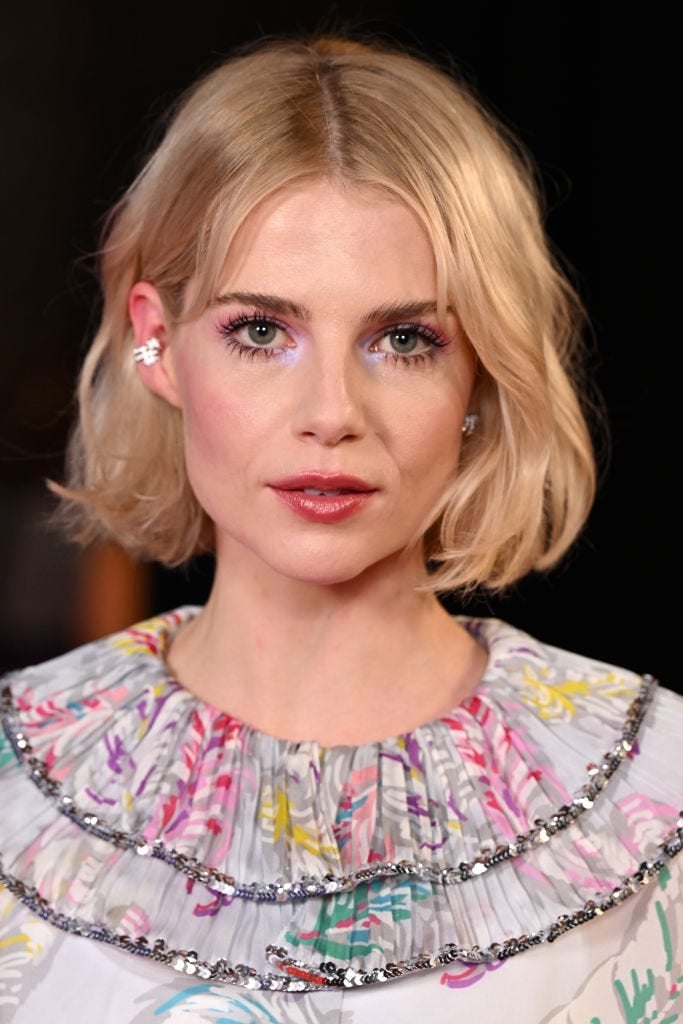
A collarbone bob with a sharp, polished line and a subtle inward bend at the ends looks expensive because nothing fights the shape. The honey blonde color is warm without being brassy.
Fine to medium straight hair holds the sleek finish best. A smoothing serum applied before blow-drying cuts down on flyaways. Ask your stylist for a sleek collarbone bob, straight with inward bend. The middle part suits oval and heart faces by drawing the eye down. A trim every six weeks keeps the line sharp; it goes fuzzy fast. Expect about fifteen minutes with a flat iron on wash days.
Classic Chin Length Blunt Black Bob
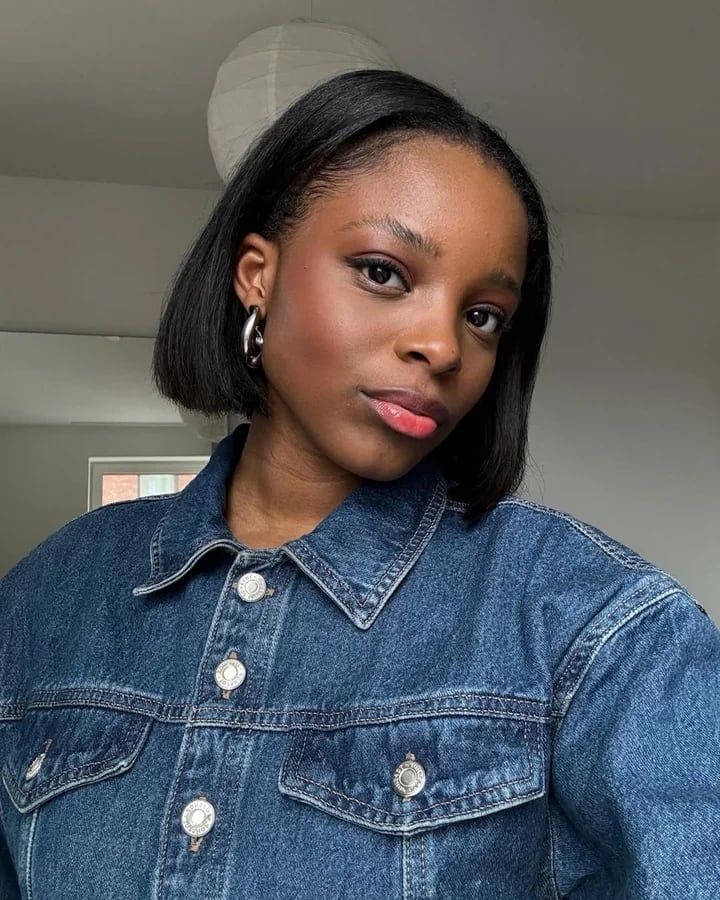
A chin-length blunt bob with sharp ends is the stricter sibling of a layered bob. The solid black color and straight styling leave nowhere to hide. Ask your stylist for a chin-length blunt bob, sleek and straight. The middle part elongates round and long faces. Any split end or uneven section is immediately visible, so a trim every five to six weeks is the rule. Thick, straight hair carries the density the blunt edge needs. Fine hair will look sparse rather than sharp.
Collarbone Bob With Honey Blonde Highlights and Curtain Bangs
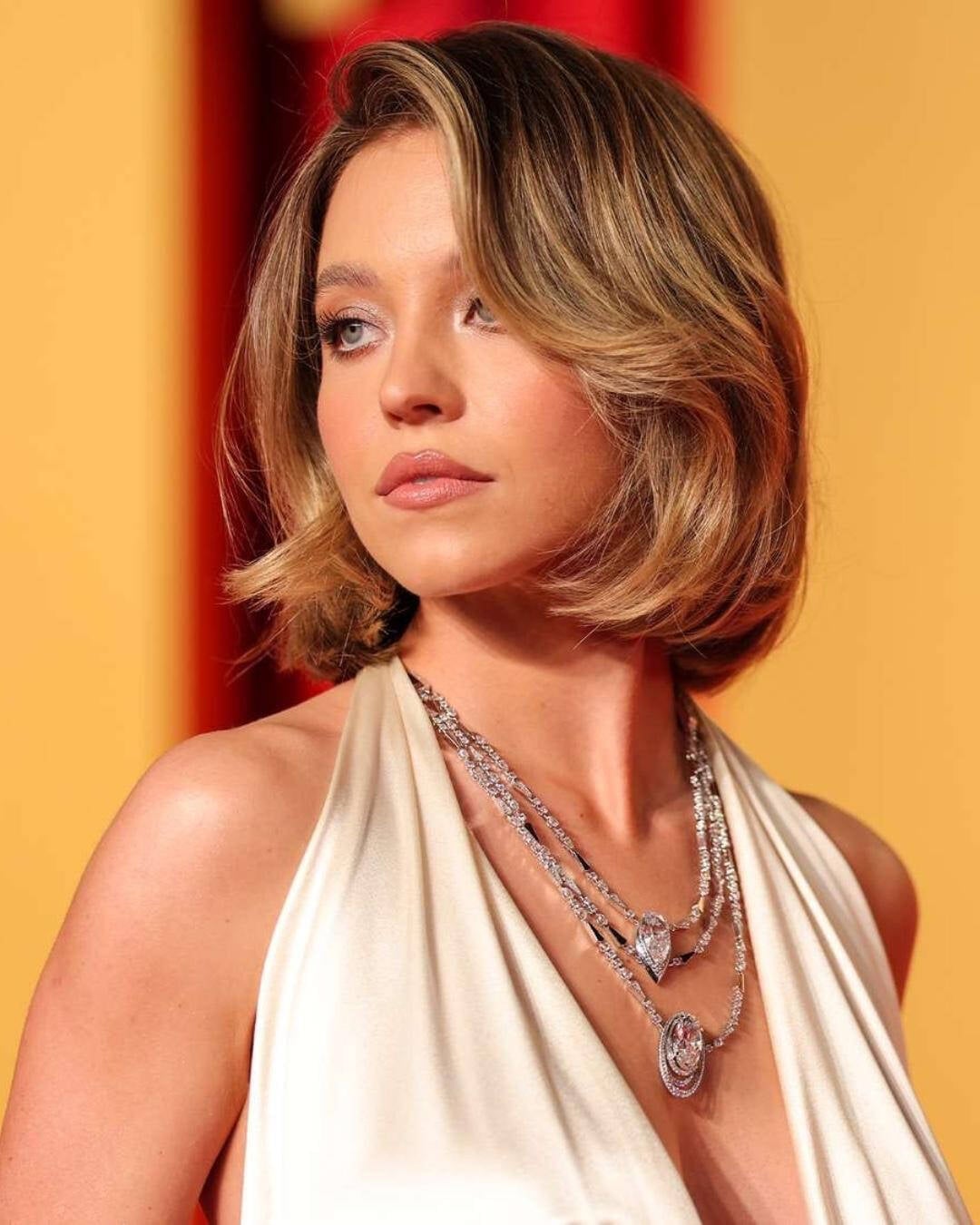
How do you ask for a bob that feels soft but not fussy? Start with the curtain bangs. This collarbone-length bob uses a side part and gentle waves to frame the face. The honey blonde base with subtle highlights adds dimension that keeps the cut from reading as flat. Ask your stylist for a collarbone bob with soft curtain bangs and honey blonde highlights. Medium-density hair holds the wave pattern best. The side part and face-framing bangs soften square and round faces. This is a work cut that also works for dinner out.
Shoulder Length Bob With Curtain Bangs
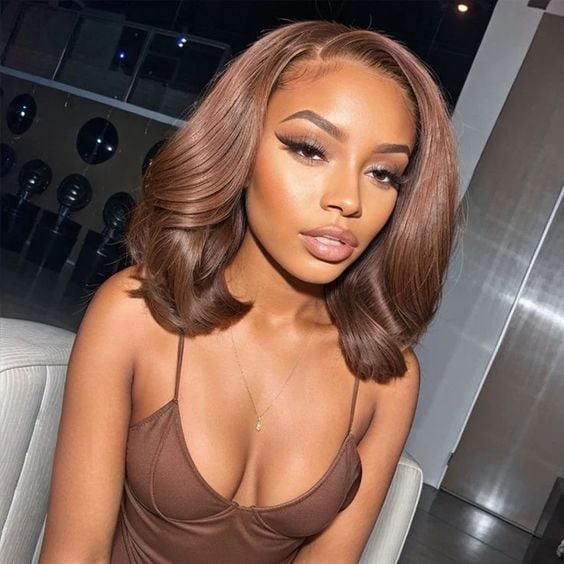
A collarbone-length bob with curtain bangs and a side part, styled in loose waves with a healthy gloss. The common mistake here is treating the bangs as a separate piece and not blending them into the cut. Ask your stylist for: shoulder length bob, curtain bangs, loose waves. Medium-density wavy hair is ideal; the curtain bangs soften round and heart face shapes. A smoothing cream on damp hair before blow-drying keeps the finish polished. Trim the baseline every six weeks to maintain the shape.
Collarbone Ash Blonde Bob With Waves
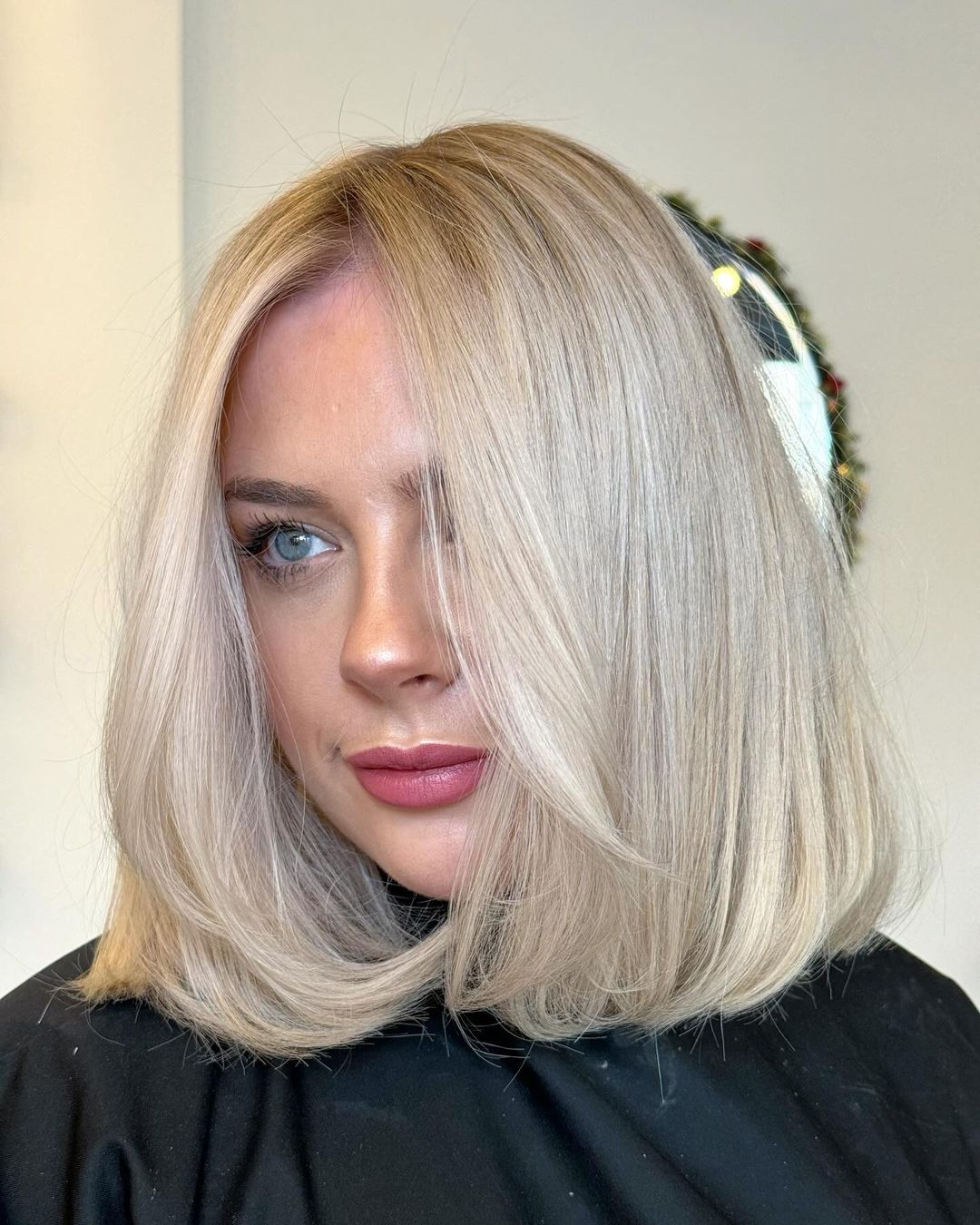
A collarbone-length bob with curtain bangs, a side part and soft waves in an ash blonde shade with subtle highlights. The light, airy tone and gentle movement make this a natural choice for spring and summer, when heavy, dark shapes feel out of place. Ask your stylist for: collarbone bob, curtain bangs, soft waves. Fine straight hair that reaches the collarbone carries the shape best; the curtain bangs help soften angular faces. A texturizing spray on dry hair defines the waves without weighing them down.
Chin Length Ash Blonde Bob With Layers
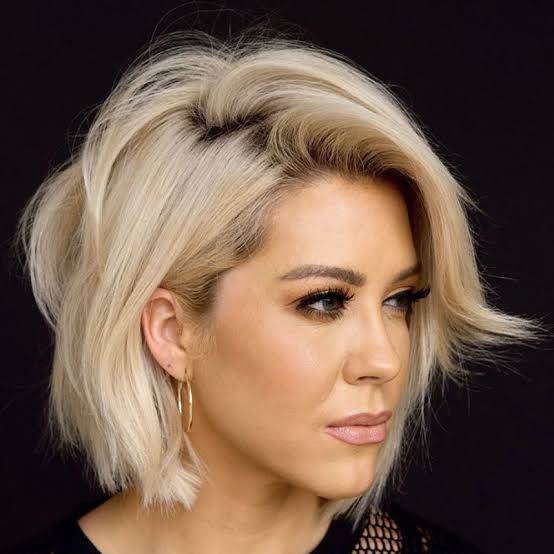
Does a chin-length bob with soft curtain bangs and face-framing layers actually hold up on fine straight hair? Yes, but it requires a salon appointment every six to eight weeks to keep the baseline crisp and the fringe out of your eyes. Ask your stylist for: chin length bob, soft curtain bangs, face-framing layers. The ash blonde tone with subtle highlights adds dimension, though the drawback is that layers can look sparse on very fine textures without product. Blow-dry the fringe first with a round brush to set the direction.
Chin Length Bob With Side Swept Bangs
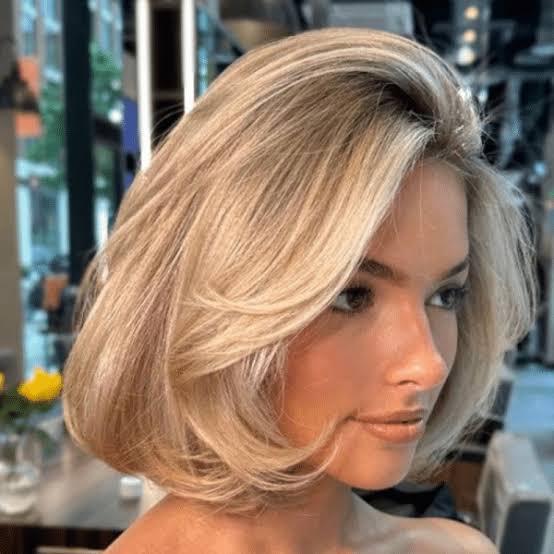
The side-swept bang is the detail that makes this chin-length bob feel polished. The honey blonde shade with subtle highlights and soft waves adds depth, while the side part and face-framing layers keep the shape grounded. Ask your stylist for: chin length bob, soft side-swept bangs. Medium wavy hair that falls to the chin is the ideal starting point, and the side-swept bang flatters square and round faces. A texturizing spray on the waves gives movement without frizz.
Sleek Chin Length Bob With Curtain Bangs

The daily styling commitment is real for fine straight hair: a smoothing serum before blow-drying and a round brush on the fringe to set the curve. Ask your stylist for: chin length sleek bob, soft curtain bangs. The dark brown tone keeps the shape graphic, and the curtain bangs soften round and heart faces. Trim the baseline every six to eight weeks to avoid a grown-out, rounded silhouette.
Chin Length Bob With Blunt Bangs
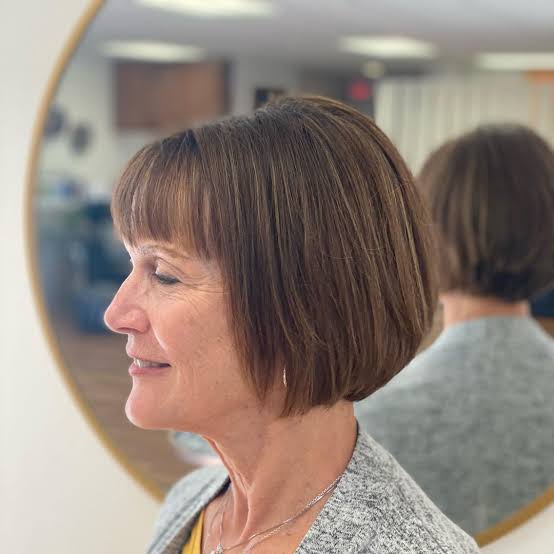
Can a blunt bang be a DIY project? Technically, yes, but the result usually reminds you why precision cutting exists. This chin length bob relies on a straight-across fringe that lands just above the brow, cut with shears, not trimmers, to keep the line crisp. The middle parting and smooth blowout mean every millimeter is visible, so even a slight wobble reads. Ask your stylist for: chin length bob, blunt bangs. A flat iron keeps the bangs obedient, but the baseline and the fringe both need a trim every six weeks. That is the trade-off: you trade styling time for salon visits.
Chin Length Bob With Crown Volume
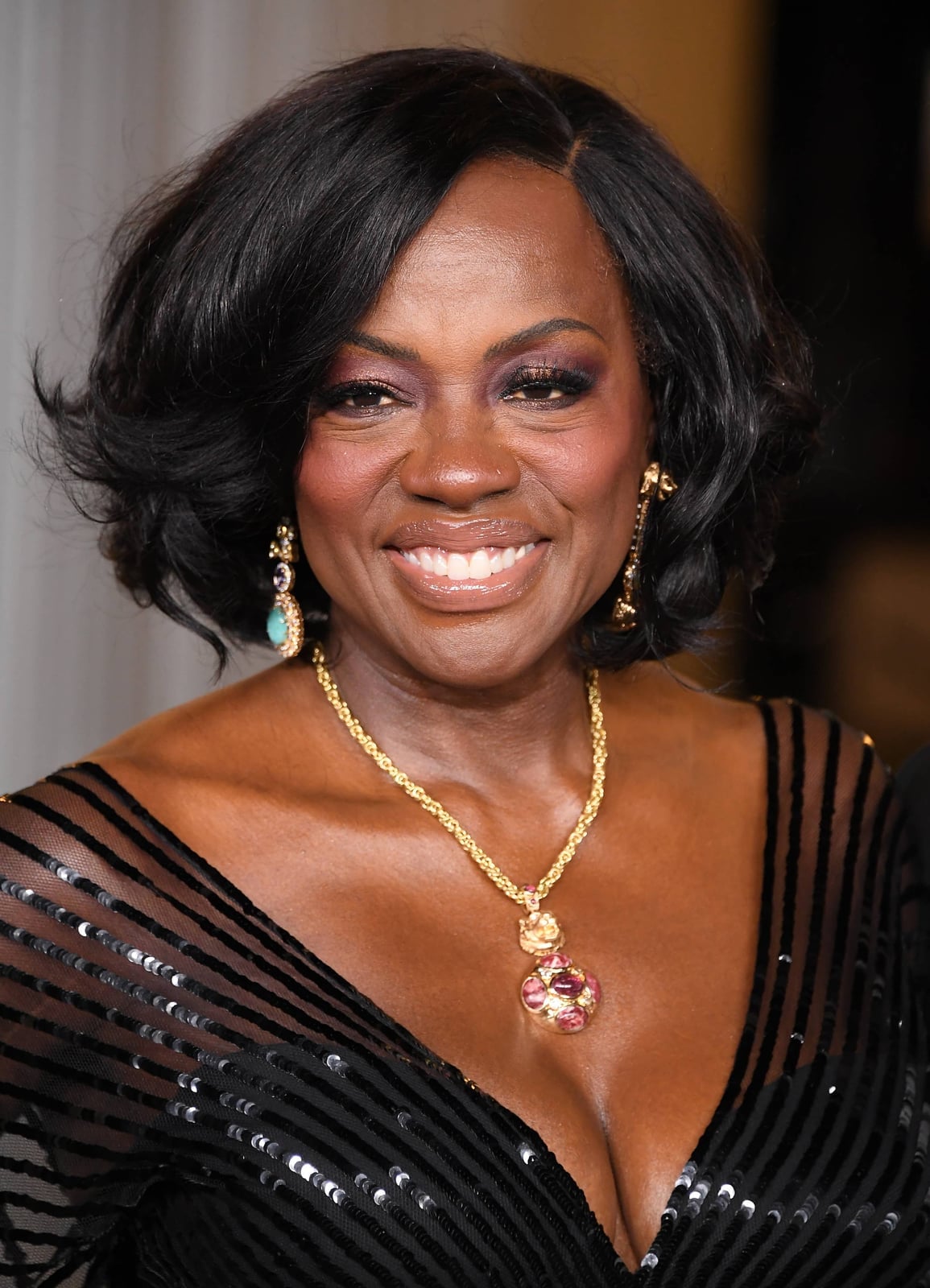
A flat bob sits close to the head. This one does the opposite. The difference is lift at the crown, built with a round brush and a dryer pointed upward at the roots. Soft waves carry through the rest of the chin length shape, and the side parting stops the volume from turning into a dome. On wavy, medium density hair the texture holds the shape without a curling iron. Ask your stylist for: chin length bob, soft waves, crown volume. The blow-dry adds about ten minutes compared to air-drying, but the line stays clean for a full workday.
Chin Length Ash Blonde Bob With Blowout With Subtle Volume
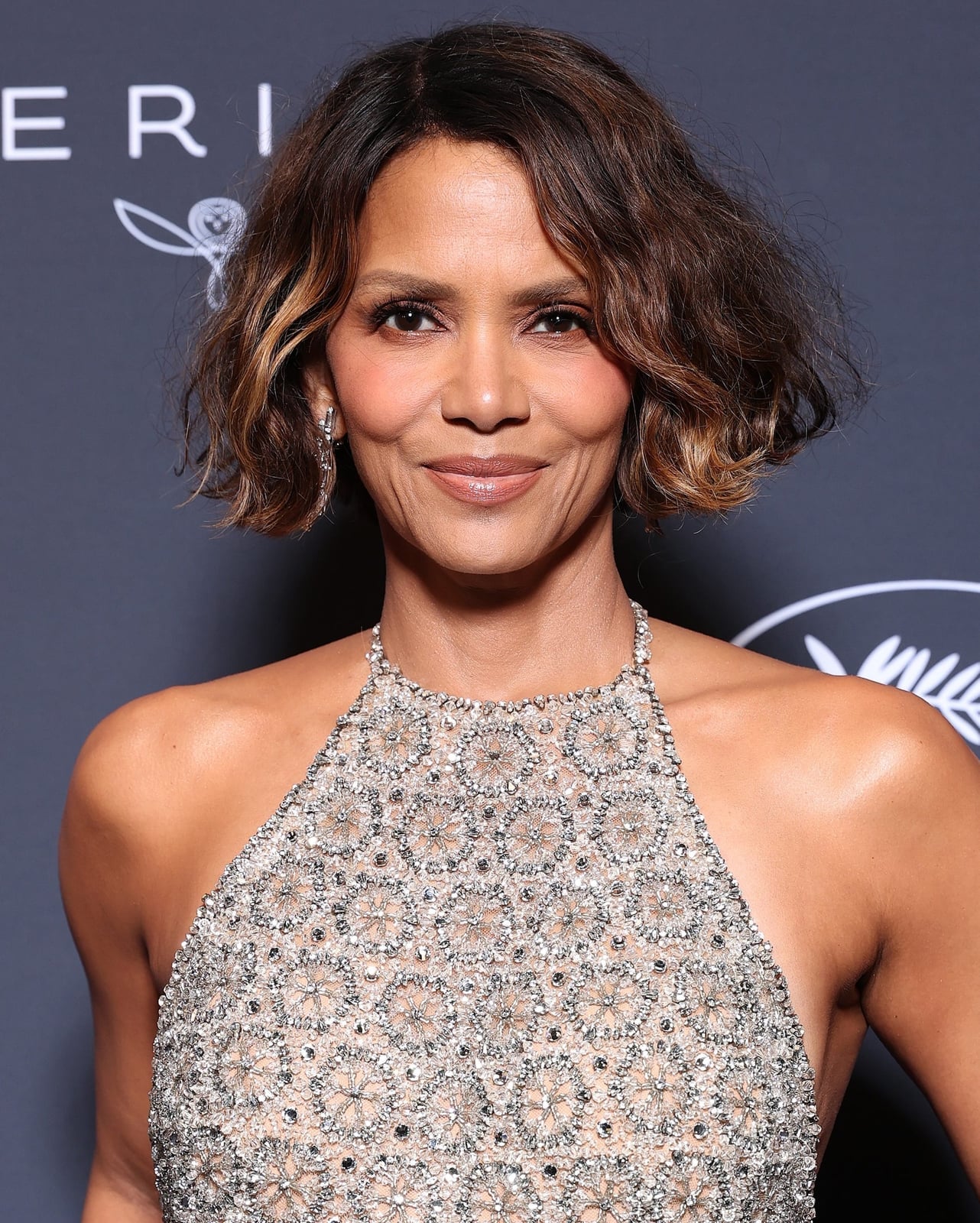
The clean lines of this chin length bob earn the label simple old money haircut because there is nothing to hide behind. No layers, no bangs, no texture to mask a crooked section. Ash blonde suits fine straight hair because the cool tone reflects light evenly instead of pooling in dark spots. The side part softens a square or round face, while the subtle volume stays placed at the crown. Ask your stylist for: chin length bob, clean sharp lines. A volumizing spray at the roots before the blowout gives the lift, and the trim rhythm falls at every six to eight weeks to preserve the sharp edge.
Short Curly Dark Brown Bob

Defined curls at ear length look deliberate because the cut respects the curl pattern. The shape is a short curly bob, rounded not angled, so the hair springs upward instead of falling into a triangle. A middle parting shows the symmetry. Ask your stylist for: short curly bob, defined curls. A curl-defining cream and low heat lock in the shape each morning; air-drying works but produces a looser wave. Trim every eight to ten weeks to stop the ends from getting stringy. The daily routine takes about fifteen minutes, and the shape holds until the next wash.
Ear Length Dark Brown Short Bob
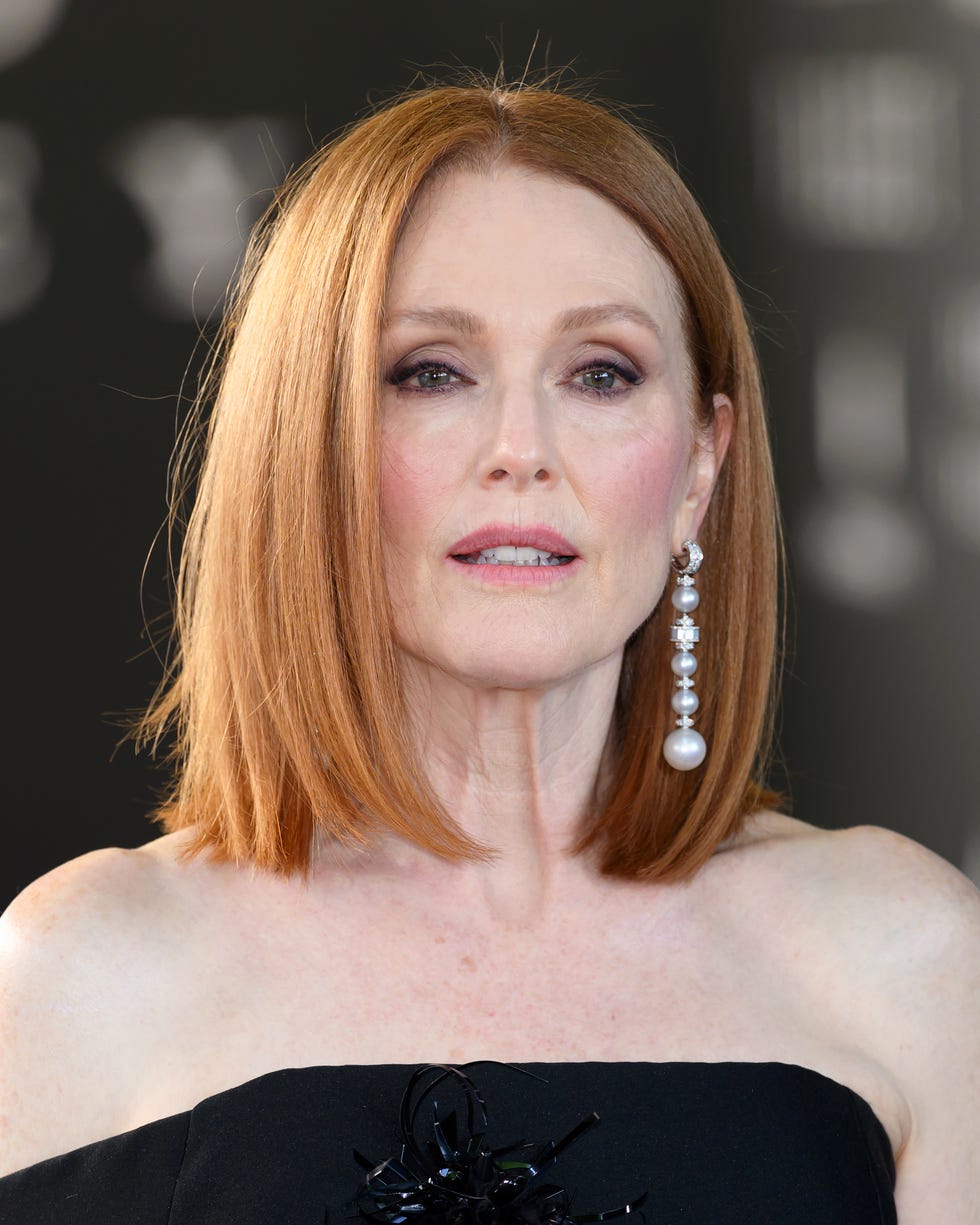
The mistake people make with an ear length short bob is over-styling it. Fine, straight hair cannot hold layers of product without collapsing, so the polished look here comes from the cut, not the jar. Slightly curled ends are shaped with a round brush during the blow-dry, not with a hot tool afterward. Ask your stylist for: ear length short bob, straight with curled ends. The trade-off is salon precision: a blunt bob this short needs a trim every four to six weeks because a quarter inch of growth changes the silhouette completely. Skip the heavy pomades and the cut does the work.
Short Platinum Blonde Pixie

Is there a haircut that says summer festival without saying much at all? This short pixie at ear length skips the fuss. The choppy, textured fringe and side part keep the platinum blonde from reading as severe. Fine, straight texture gives it that piecey, lived-in quality. Ask your stylist for a short pixie with choppy textured bangs. Use a matte wax to separate pieces, and plan for a trim every four weeks. The shape relies on precision, not product.
Chic Silver Gray Pixie Cut
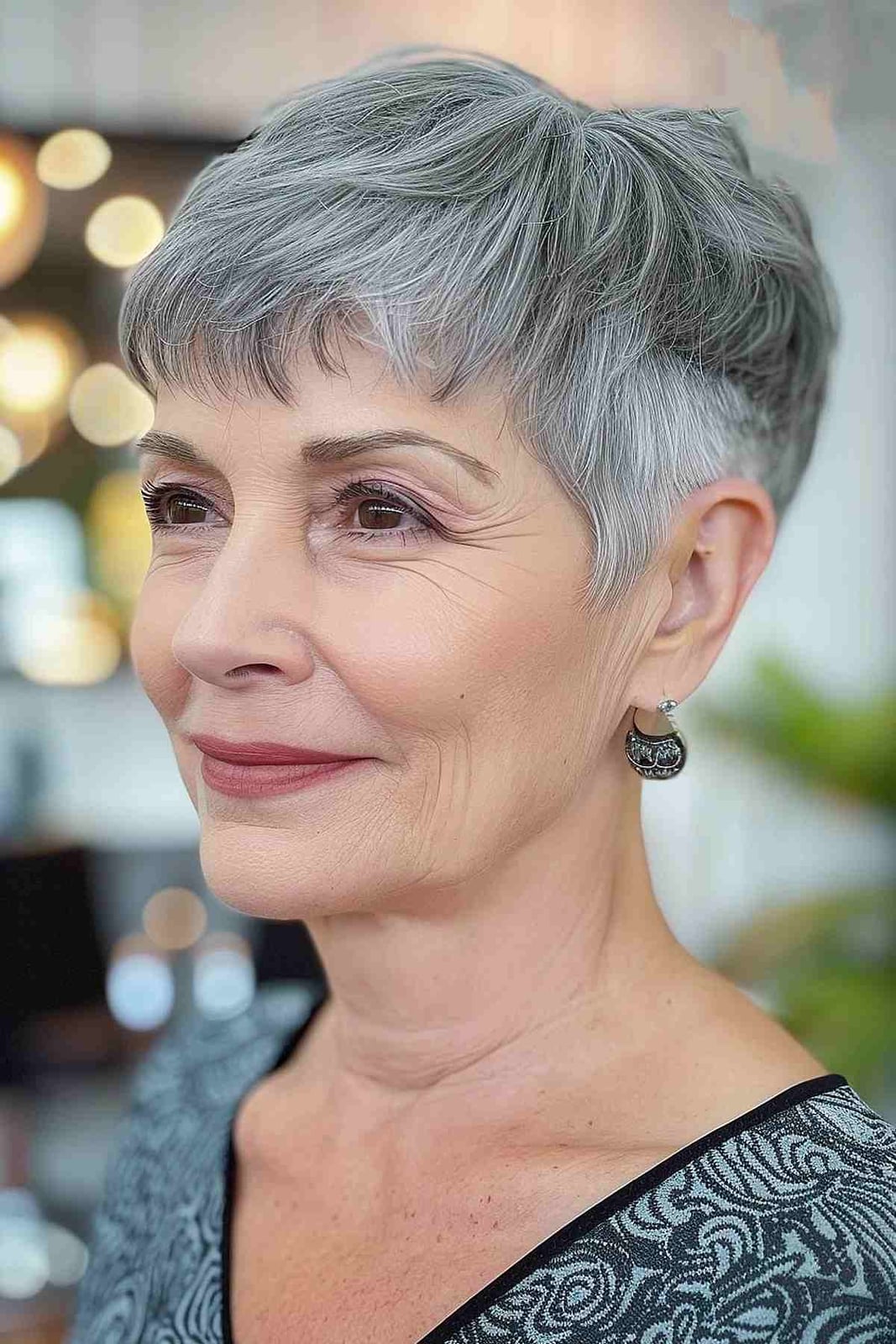
The design here is clean and deliberately short. A silver gray pixie at ear length with fine, straight texture and a subtle side part. Short textured bangs sweep to the side, and the cut relies on sharp lines rather than volume. Ask your stylist for a chic pixie with short textured bangs. The honest drawback is the upkeep: this shape needs a trim every three to four weeks to keep the silhouette from softening. Fine hair carries the cut well, but it is a commitment.
Textured Silver Gray Pixie

Notice how the hair is swept back from the face, not forward. That is the move. A short silver gray pixie at ear length, cut with fine, straight texture in mind. The side part and short, swept bangs create lift without height. Ask your stylist for a short textured pixie, swept back. The silver gray shade works best when the base is clean and the cut is precise. No layering around the edges, just a smooth taper that follows the head.
Collarbone Gray Hair With Silver Highlights
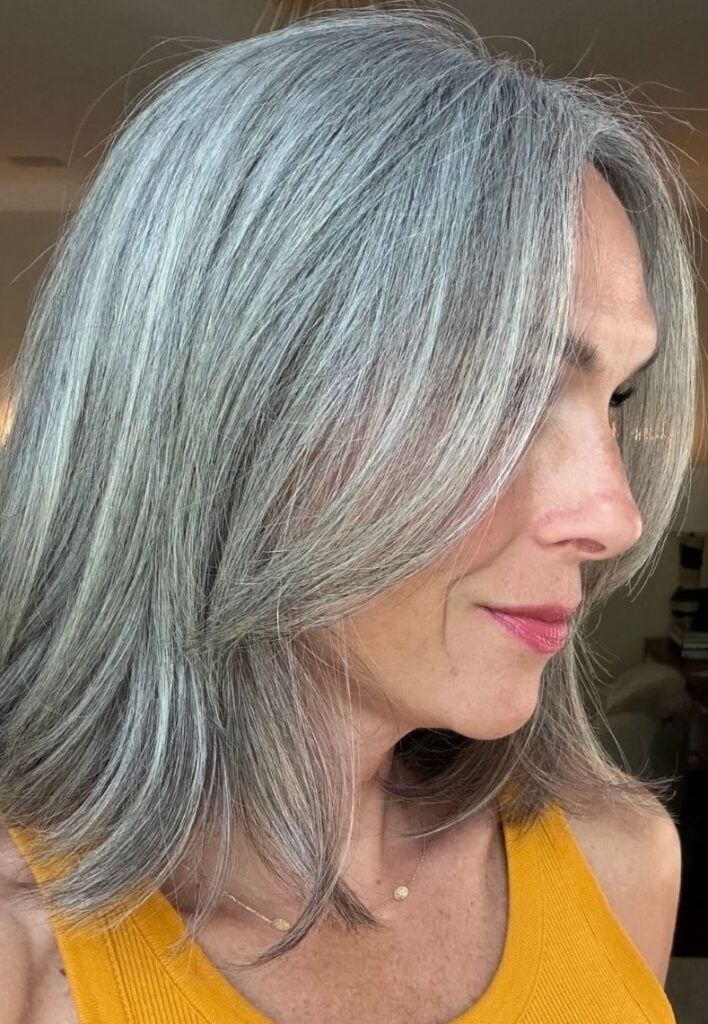
How does air-dried hair look polished? The answer is in the cut. Collarbone-length gray hair with a side part and side-swept bangs, cut with subtle layers that let the natural wave do the work. Fine texture and a lived-in finish keep it low maintenance. Ask your stylist for collarbone length gray hair with side-swept bangs. A sea salt spray encourages the wave, and a DIY trim on the bangs stretches the salon visit to eight weeks. The silver highlights brighten the gray without a heavy root line.
Collarbone Bob Natural Gray
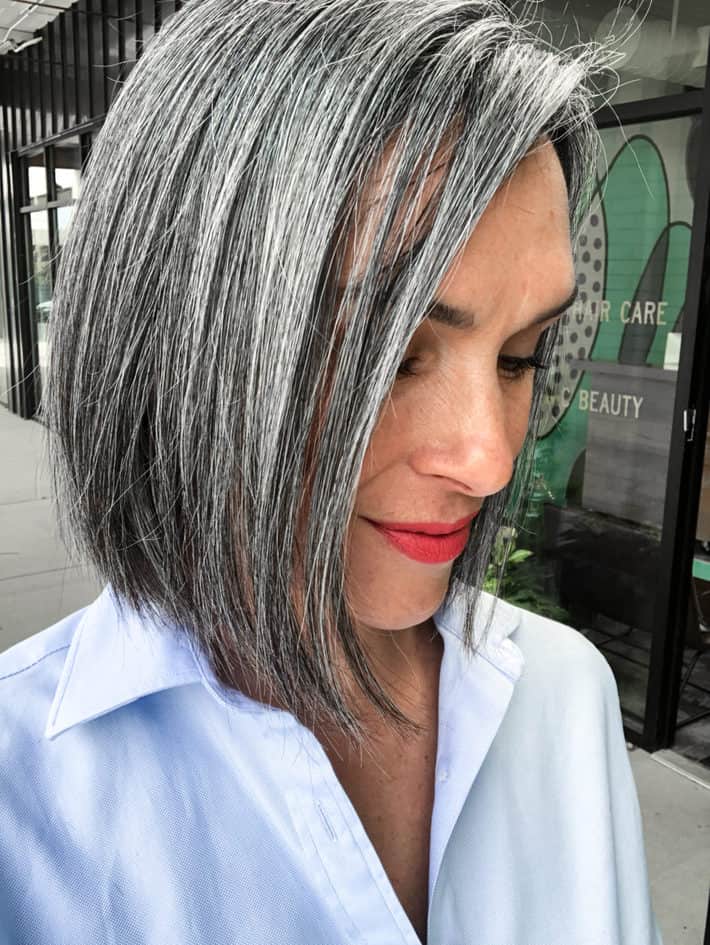
A smooth blowout on a collarbone bob is about technique, not luck. The cut is a blunt bob with soft curtain bangs that frame the sides, falling to collarbone length. Fine, straight gray hair with silver highlights, parted to the side. Ask your stylist for a collarbone bob with natural gray and curtain bangs. Apply a smoothing serum before blow-drying to control flyaways. The baseline needs a trim every six to eight weeks to keep the blunt edge from feathering.
Chin Length Angled Bob Salt Pepper

An angled bob that is shorter at the nape and longer at the chin moves differently than a blunt cut, which is exactly the point. That diagonal line creates swing, and side-swept bangs keep the front from feeling too heavy. On thick, straight hair the shape holds its structure without fighting you. Ask your stylist for: chin length angled bob, side-swept bangs. The side part naturally softens square and round faces, while the salt and pepper gray adds contrast that makes the layers visible.
Collarbone Lob With Blended Layers
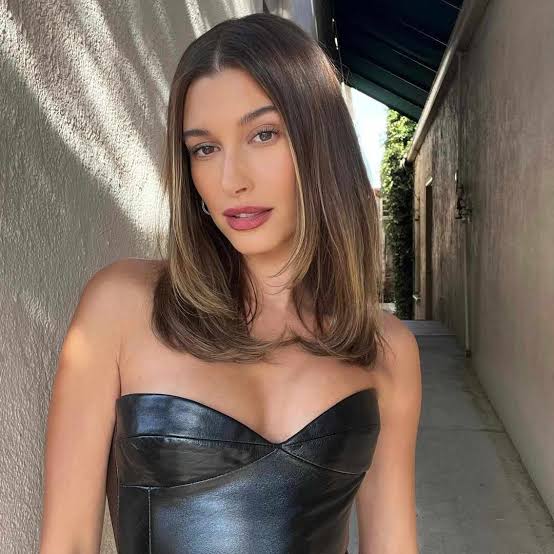
Does fine, straight hair ever hold a shape longer than a week? This collarbone lob with blended layers answers that. The layers are subtle enough that they do not thin the ends, but they give the hair enough movement to fall in a soft curve rather than a flat line. A middle part and face-framing pieces open up the face, making it a strong option for oval and heart shapes. Ask your stylist for: collarbone lob, blended layers, face-framing pieces. The dark blonde base with subtle highlights keeps the dimension natural rather than stripy.
Collarbone Bob With Side Part
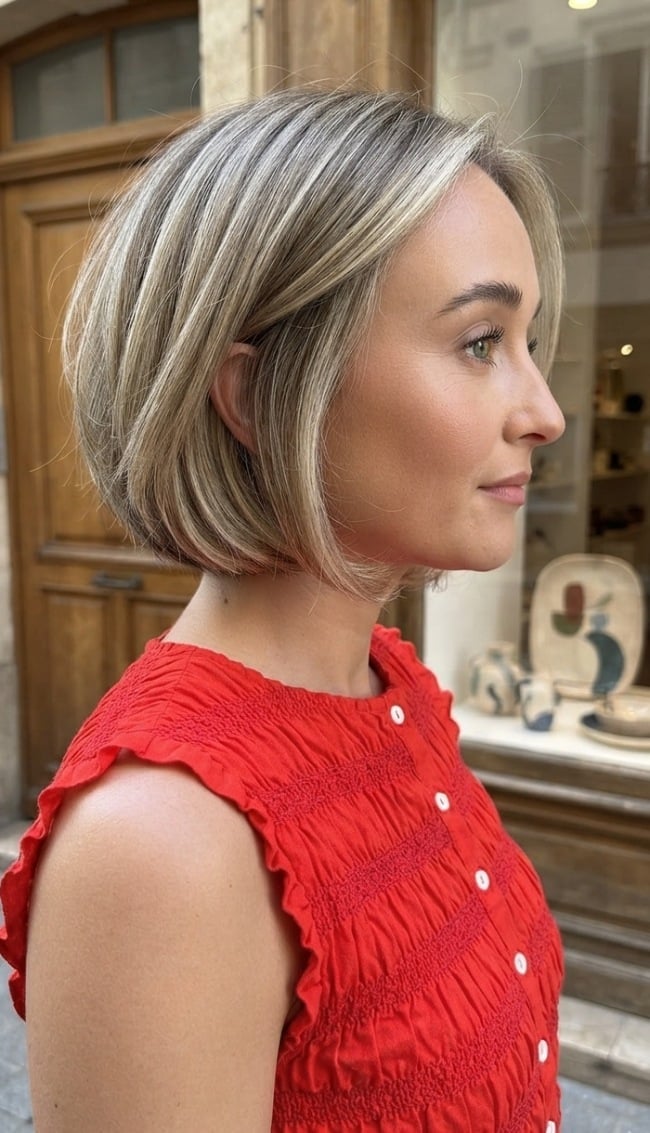
A collarbone bob with a side part is a baseline cut, but the finish is what separates it from a quick trim. On fine, straight hair, that smooth blowout requires a round brush and a few extra minutes at the crown. The side part shifts the weight so the bob does not look like a helmet, and the subtle blonde highlights keep the surface from reading as flat. Ask your stylist for: collarbone bob, side part, smooth finish. A trim every six to eight weeks keeps the line clean, and a shine spray after styling adds the polish that makes it look deliberate.
Collarbone Bob Wet Look
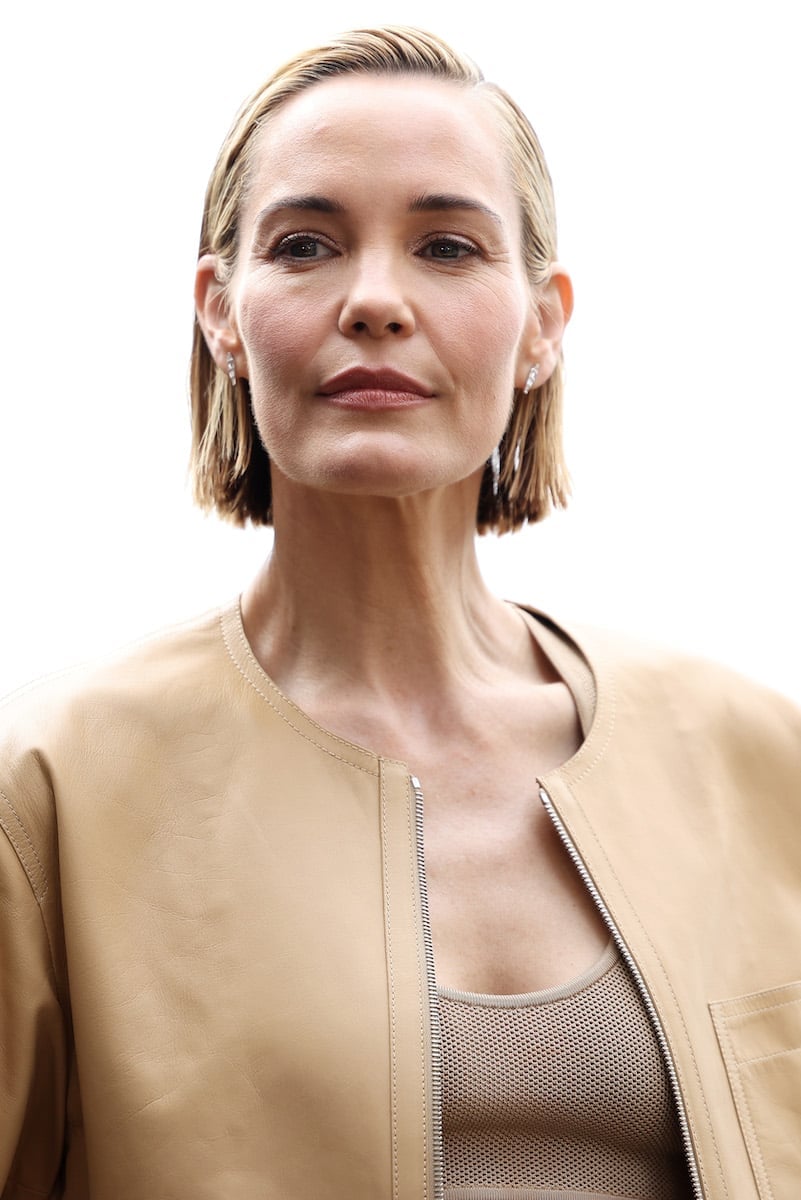
The wet look is a calculated finish, not a result of too much product. The mistake people make on fine, straight hair is over-applying gel, which turns glossy into greasy. A dime-sized amount of strong-hold gel worked through damp hair, combed into a side part and left to air-dry gives the slick effect without the residue. Ask your stylist for: collarbone bob, wet look finish. The ash blonde base keeps the shine from looking yellow. The real drawback is that this is a salon-leaning shape: a bob this precise shows every uneven line, so skip the DIY scissors.
Collarbone Long Layers With Waves
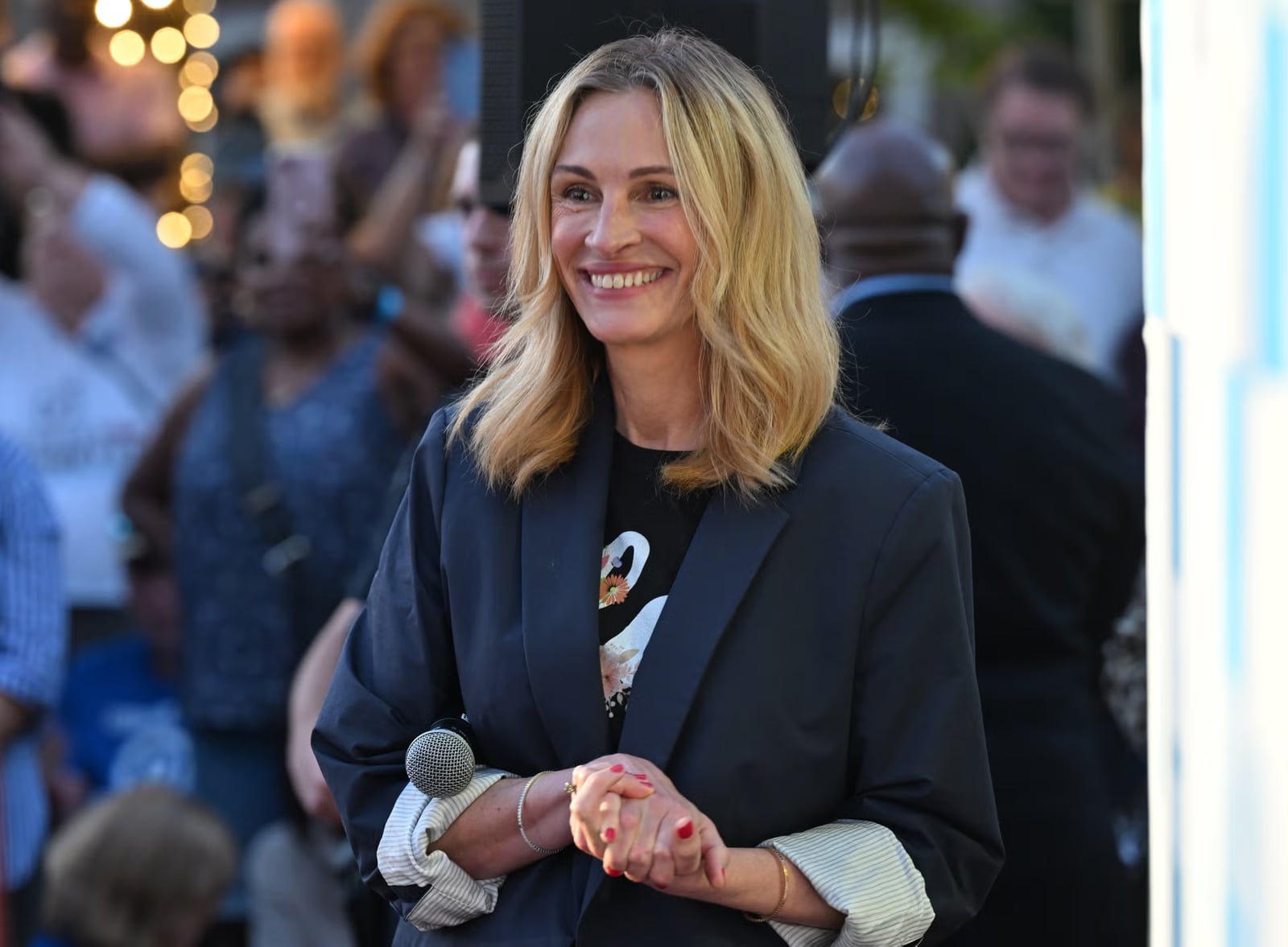
Why does collarbone length feel like the sweet spot for warmer months? It is short enough to stay off the neck but long enough to pull back. These long layers are cut to hit just above and below the collarbone, so the face-framing waves have somewhere to land. The middle part and soft waves keep the ash blonde highlights visible without the hair looking overworked. Ask your stylist for: collarbone length long layers, face-framing waves. A texturizing spray on damp hair, scrunched and air-dried, gets the wave pattern without heat.
Collarbone Layers With Curtain Bangs
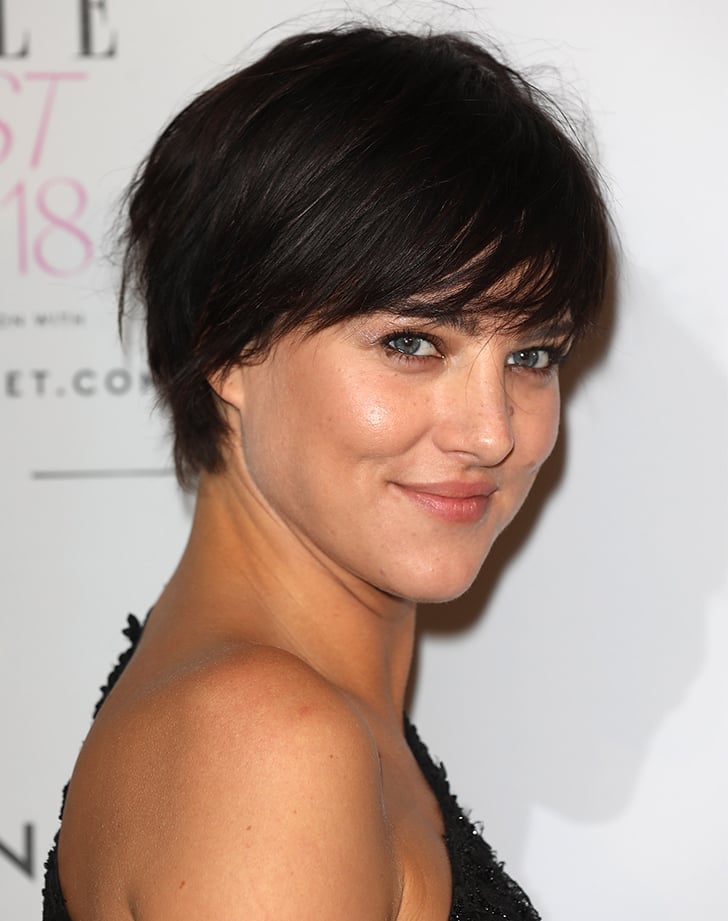
Face-framing layers are the workhorses of the collarbone cut: they lift the weight off the sides and let curtain bangs blend in as a seamless piece. Those layers need a trim every six to eight weeks to keep their shape, or they start looking like grown-out face-framing. Ask your stylist for collarbone length layers and curtain bangs. A smoothing cream before blow-drying keeps the wave pattern consistent on thick hair. The side parting here adds asymmetry that softens round and heart faces.
Collarbone Hair With Curtain Bangs and Soft Waves And Volume
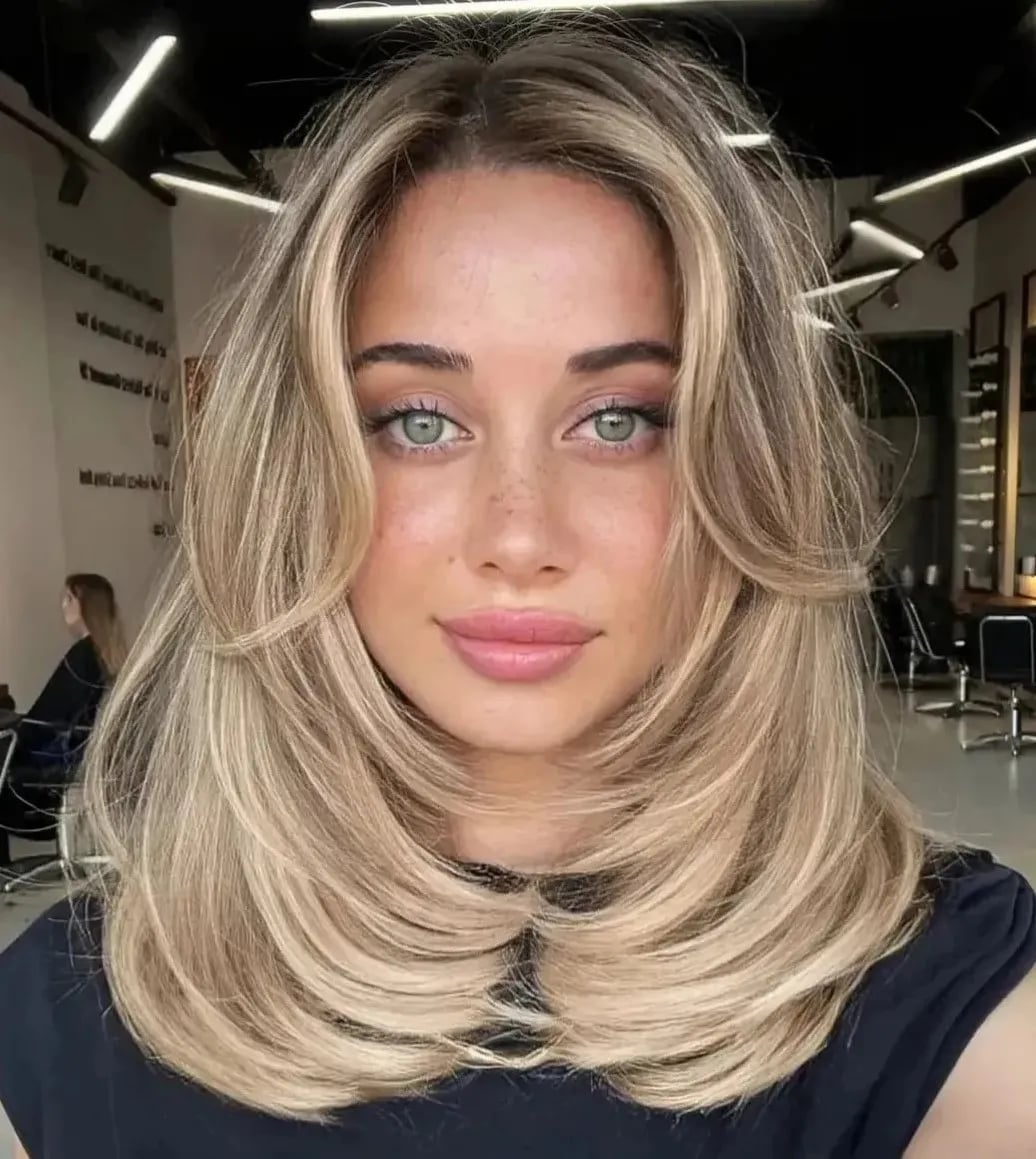
The curtain bangs here are cut long enough to tuck behind the ears, which keeps them from becoming a commitment your hair type didn’t sign up for. Ask your stylist for collarbone length hair and curtain bangs. Medium density wavy hair holds the soft wave best, and a middle parting lets the bangs fall evenly on both sides. A texturizing spray at the roots gives the volume that makes the whole shape look full rather than flat.
Collarbone Long Bob Balayage
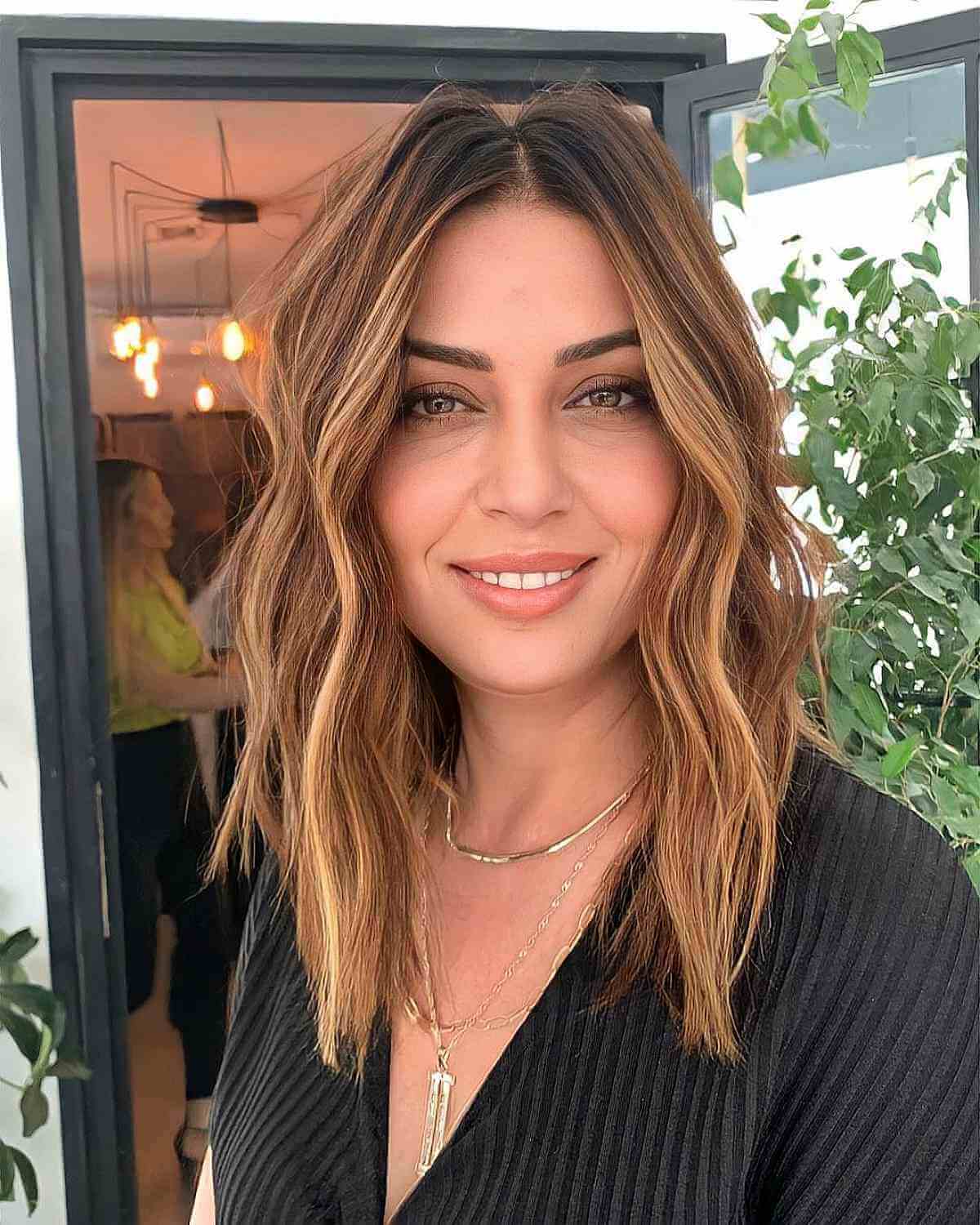
How does a balayage long bob wear day to three? The blonde grows out soft instead of striped, so you can stretch toning to ten or twelve weeks if you use a purple shampoo weekly. Ask your stylist for a collarbone long bob with subtle layers and face-framing elements. The warm brown base and blonde pieces keep dimension without needing a full highlight every visit. A sea salt spray on damp hair enhances the wave pattern, and a trim every eight weeks keeps the layers from collapsing.
Collarbone Long Bob Face Framing
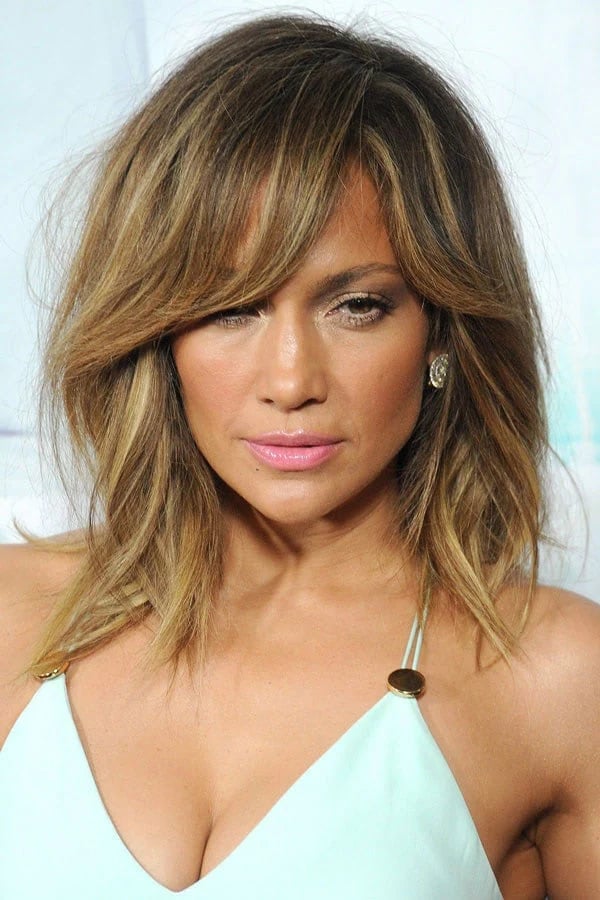
The shag builds its volume through layering: short pieces at the crown lift the root, longer layers stack down to the shoulder, and the side-swept bangs are cut on an angle so they sweep rather than sit flat. Ask your stylist for a shag with layers and side-swept bangs. Honey blonde highlights pick up the texture of each layer, which keeps the cut from reading as one solid block. A wide-tooth comb on wet hair preserves the wave pattern the shag is designed to create.
Collarbone Lob With Subtle Layers, Shoulder

Curtain bangs on a shag offer a softer entry than blunt bangs: they blend into the layers, so the grow-out is gentler and the part is flexible. Ask your stylist for a shoulder-length shag with curtain bangs. The middle parting here works best on oval and heart faces, and the honey blonde highlights add depth without high contrast. Thick wavy hair holds the blowout shape well, and a texturizing spray keeps the layers separated.
Shoulder Length Shag With Choppy Layers
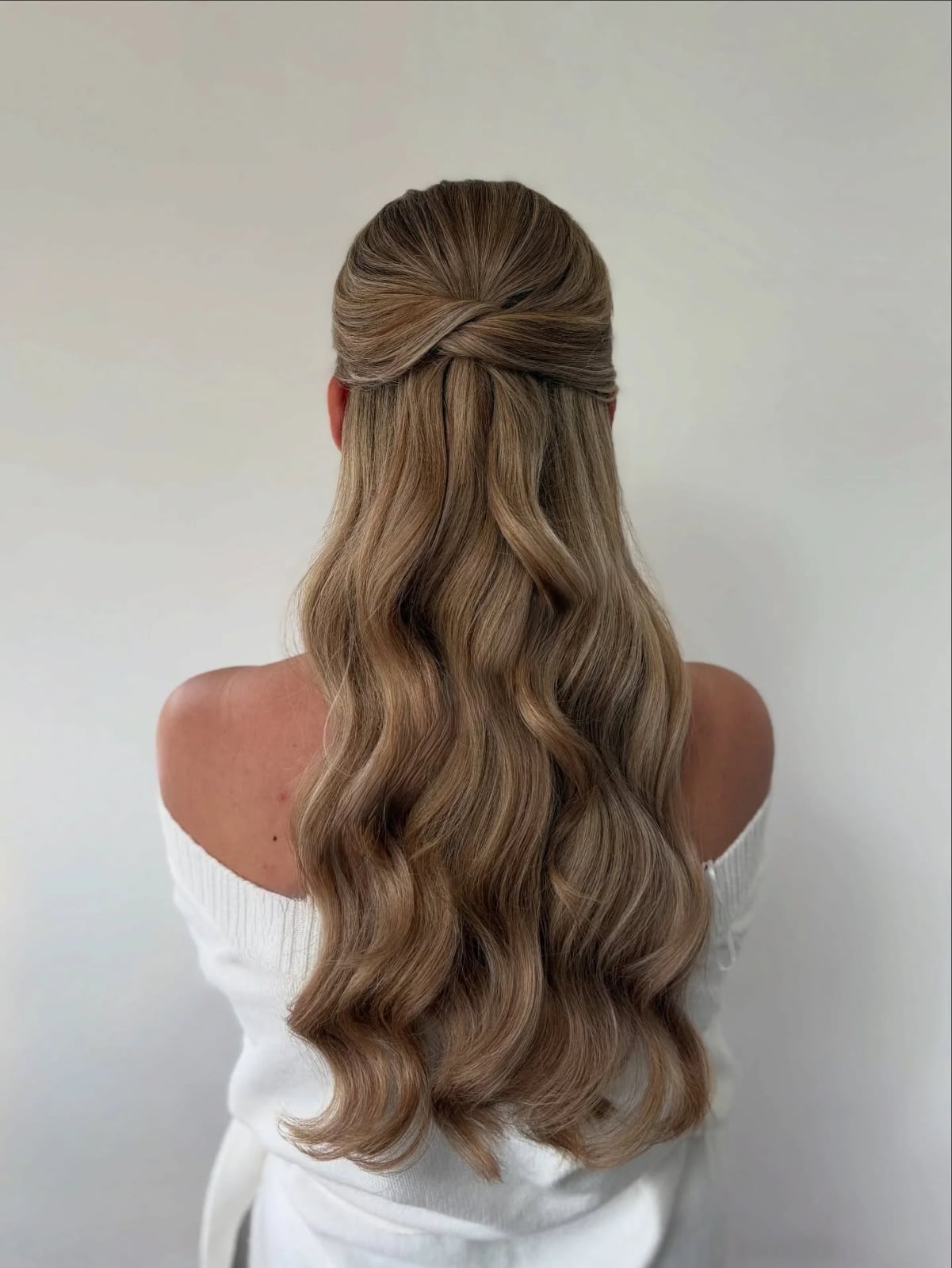
What actually happens when you ask for a shag but your hair is mid-back length? The answer is this: long, choppy layers that keep the shape from collapsing under its own weight, with a twisted half-up detail at the crown that adds an elegant, polished finish. The texture is wavy and thick, the base an ash blonde with subtle highlights.
This cut works well for medium-density wavy hair; the layers remove enough bulk to prevent triangle-head, while the volume stays at the crown. If your hair is fine or very thin, the choppy layers can look sparse. Ask your stylist for a shoulder length shag with choppy layers and the half-up twist left long enough to tuck back. A texturizing spray at the roots gives the lift you see here. Plan for a salon visit. The twist and the internal layering are not a simple home cut. Trim every eight to ten weeks keeps the shape from turning into a flat curtain.
Final Thoughts
The difference between a good haircut and an old money one comes down to the baseline. Keep the perimeter clean and the layers blended to a minimum. Choose natural color dimension over dramatic shifts. That is the rule.
- Schedule a trim every six to eight weeks to hold the line.
- Use a heat protectant before any blow-dry or styling.
- Condition weekly to keep the cut looking glossy, not dry.
- Opt for subtle highlights or balayage to avoid a harsh grow-out line.
Invest in a cut that speaks volumes through its simplicity.