

Natural curls have their own agenda, and the right cut works with it, not against it. In 2027, the shift is toward soft face-framing layers and curtain bangs that let texture shine without the crunch.
This collection of 29 Classy Curly Hair Natural ideas spans every length, from a short curly bob to mid-back layers, with options for fine strands, thick coils, and everything between. Whether your struggle is flat roots, a grow-out line that needs hiding, or a fringe that refuses to behave, these cuts offer a practical, polished answer.
Short Dark Brown Curly Bob With Fringe
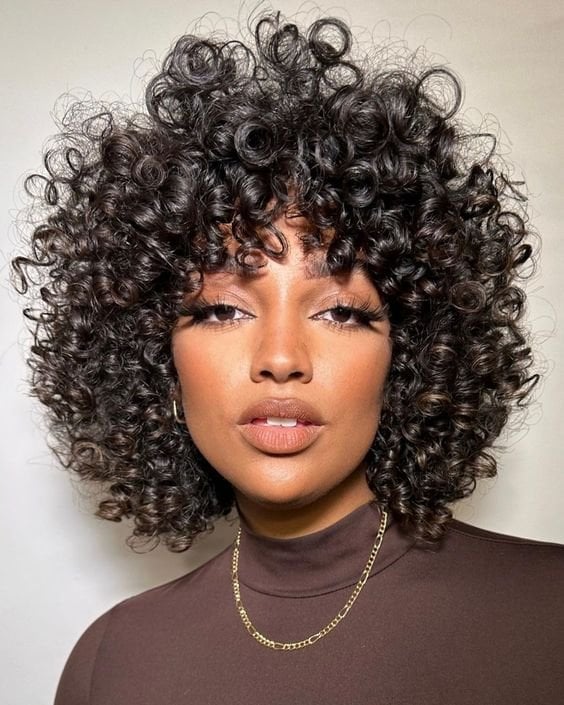
An ear-length bob relies on thick, curly texture to hold its shape, and this one has it in spades. The short curly fringe and middle parting give the cut a balanced, rounded silhouette that suits longer face shapes. Ask your stylist for: short curly bob, short curly fringe, middle part. The glossy, separated curls define the look, so a curl-defining cream on damp hair is all you need before air drying.
Chin Length Bob With Blonde Highlights
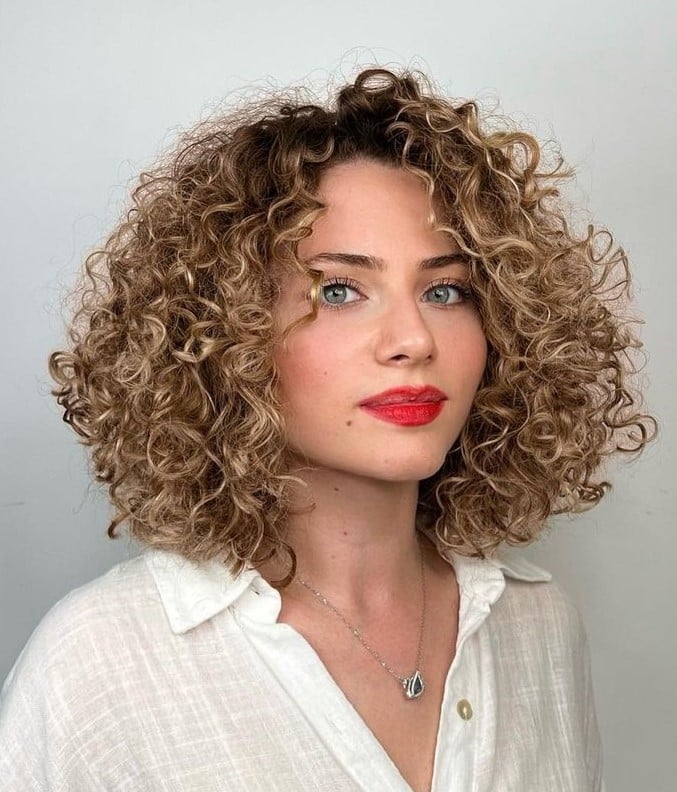
Set this chin-length bob against a shorter ear-length version and the difference is all about presence. The extra length lets thick curls bounce with more weight, while the blonde highlights carve out dimension against the darker base. It is a better fit if you want movement rather than a strict shape. Ask your stylist for: chin-length bob, blonde highlights, side part. A curl cream keeps the definition intact, and the baseline needs a trim every six to eight weeks.
Thick Dark Brown Curly Chin Bob
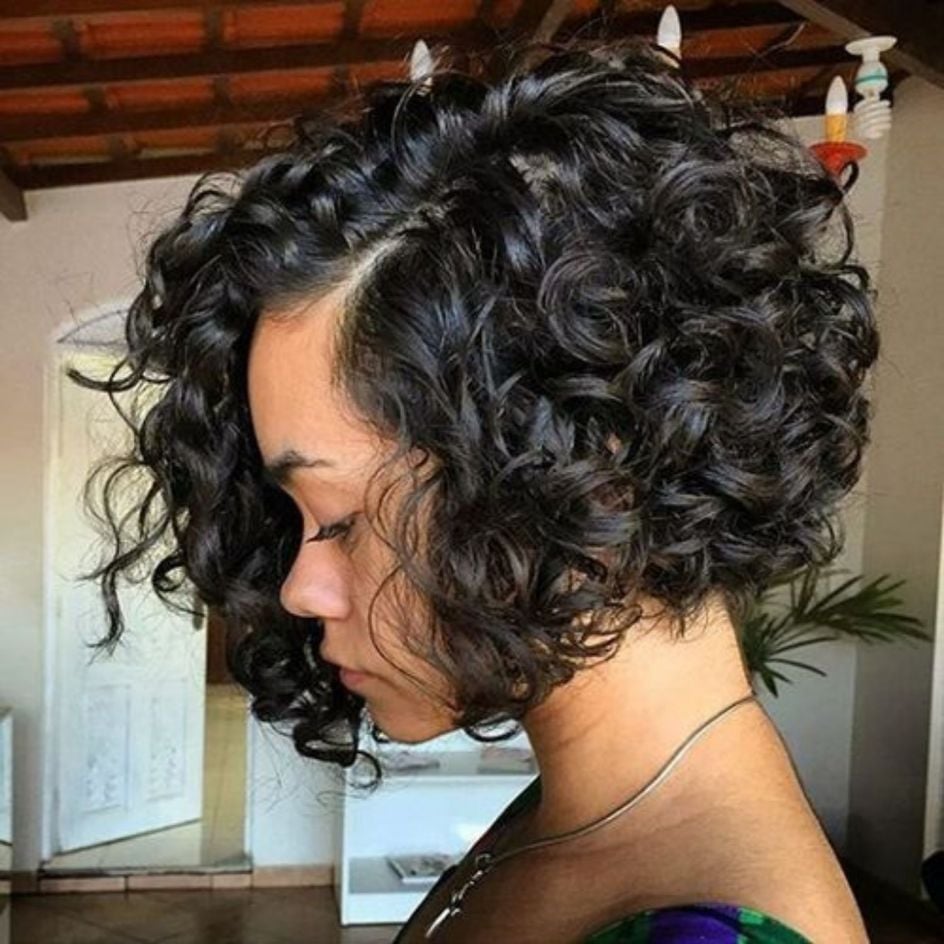
Thick, dark brown curls in a chin-length bob air dry with surprising obedience. The side parting lifts the crown so the shape never sits flat, and the glossy, defined texture keeps the cut looking intentional without effort. Ask your stylist for: chin-length curly bob, side part, natural texture. A curl-enhancing serum on damp hair speeds things along, and you will want a trim every six to eight weeks to keep the line clean.
Chestnut Curly Bob With Highlights
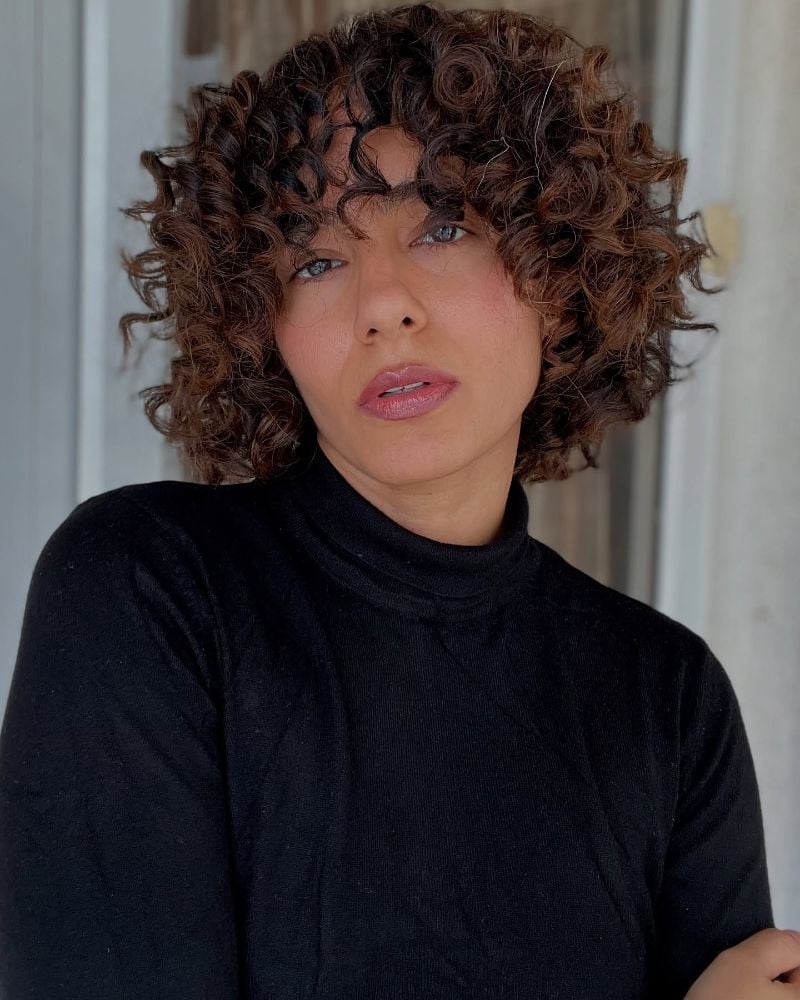
How do you ask for a color that looks like it grew that way? Start with the cut. A chin-length curly bob in chestnut brown with subtle highlights reads as lived-in rather than painted on. The medium texture takes well to air drying, and the side part keeps the shape from feeling boxy. Ask your stylist for: chestnut brown, subtle highlights, chin-length bob. Mention that you want the highlights to land through the mid-lengths, not the roots.
Short Dark Brown Curly Pixie Cut
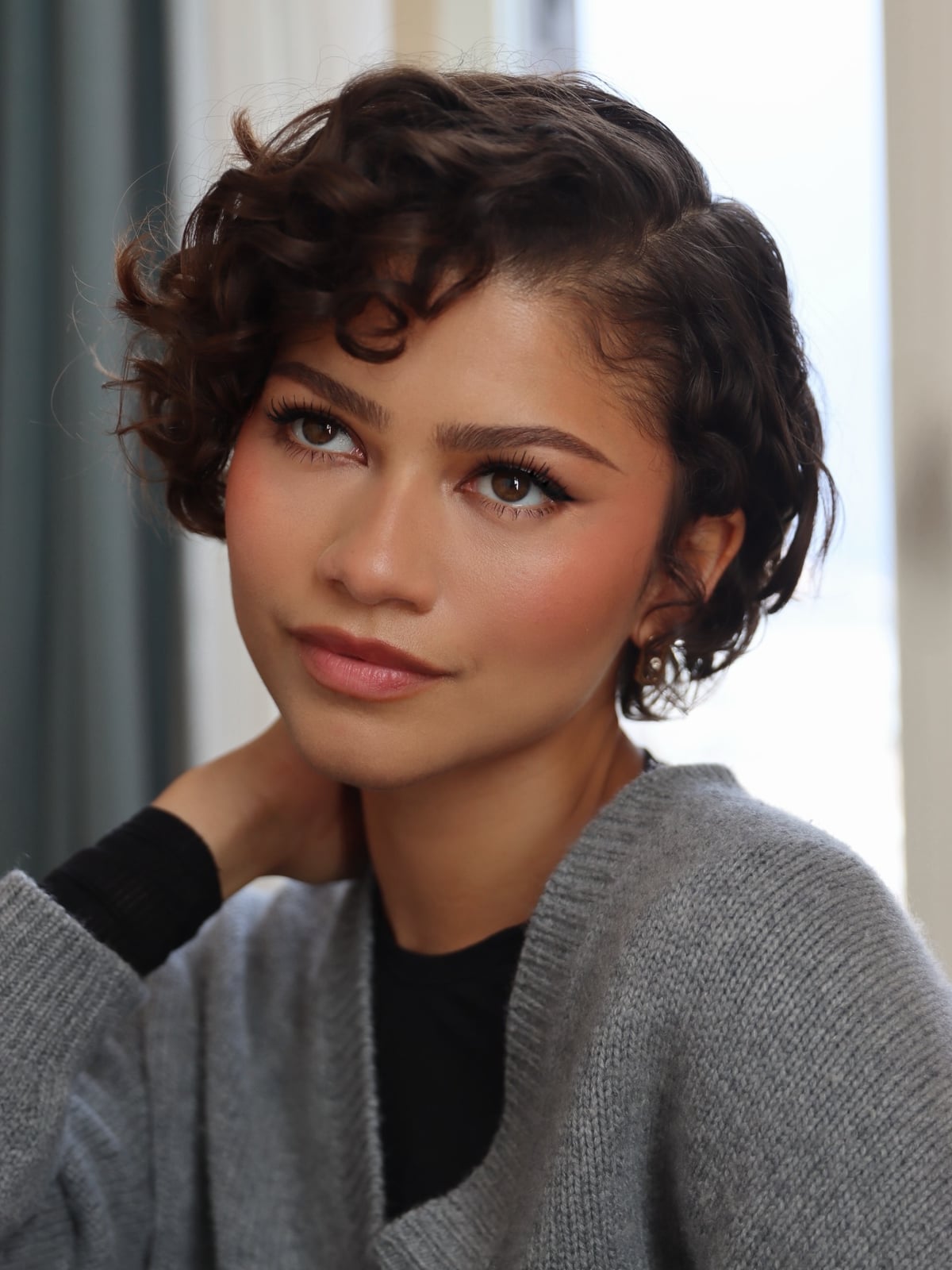
A short pixie cut with fine, curly texture is the rare style that adds volume by subtraction. Removing length eliminates the weight that pulls curls flat, so the dark brown strands stack into a textured top with a wispy fringe to soften the edges. Ask your stylist for: short curly pixie cut, wispy fringe, side part. A texturizing paste on damp hair defines the pattern, and the shape needs a trim every four to six weeks.
Short Layered Cut With Curly Bangs
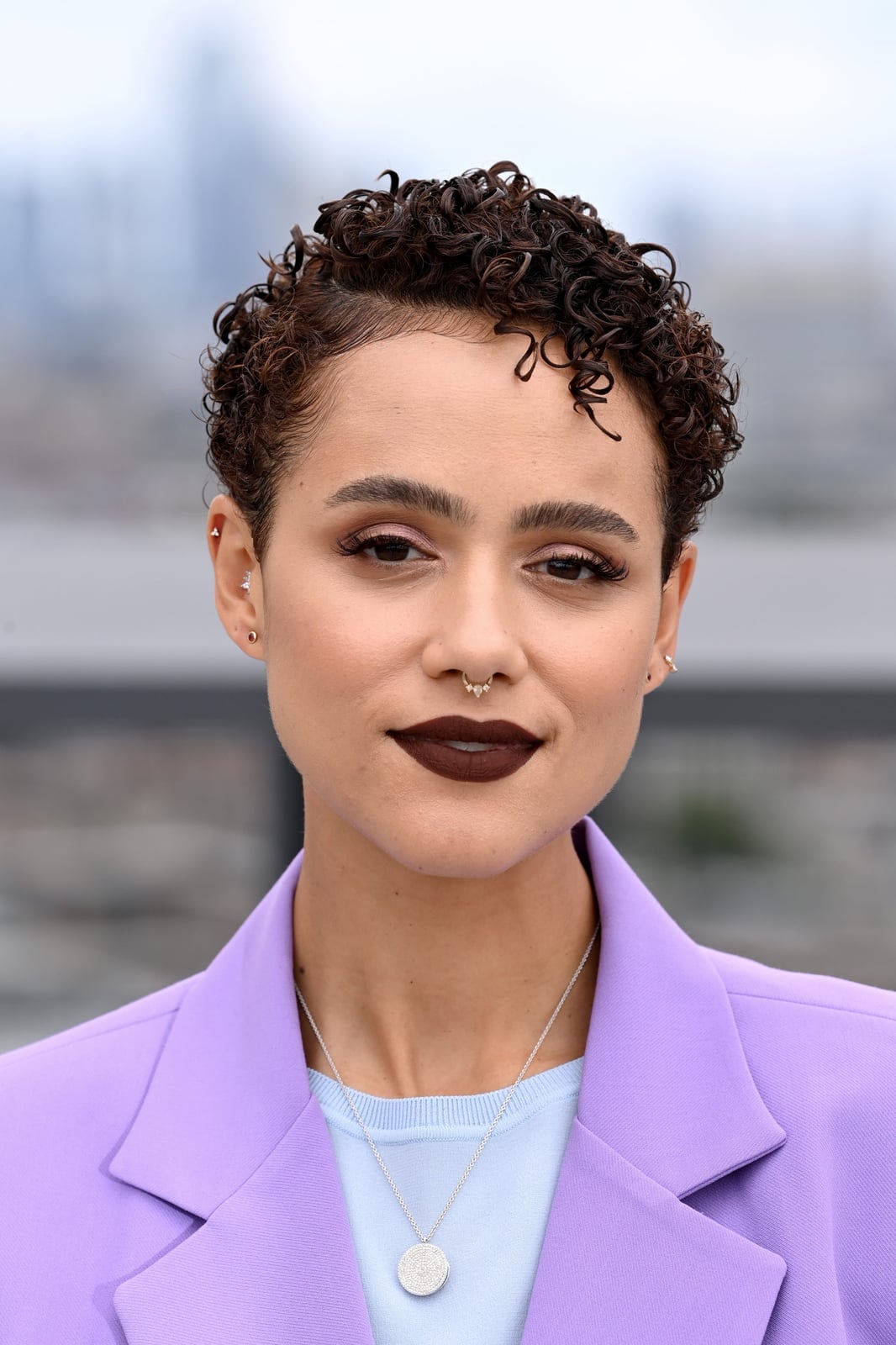
The trick to making fine curly hair look deliberately textured rather than just sparse is a short layered cut that removes weight from the interior. Dark brown curls are cut close to the ear, with short curly bangs that hit above the brow and a side part that breaks up the density. The layers are carved into the top and crown so the curl pattern stacks rather than lies flat. Ask your stylist for: short layered cut, short curly bangs, side part. A curl cream applied to soaking wet hair, then air dried, gives this shape its separation.
Platinum Blonde Layered Cut With Bangs
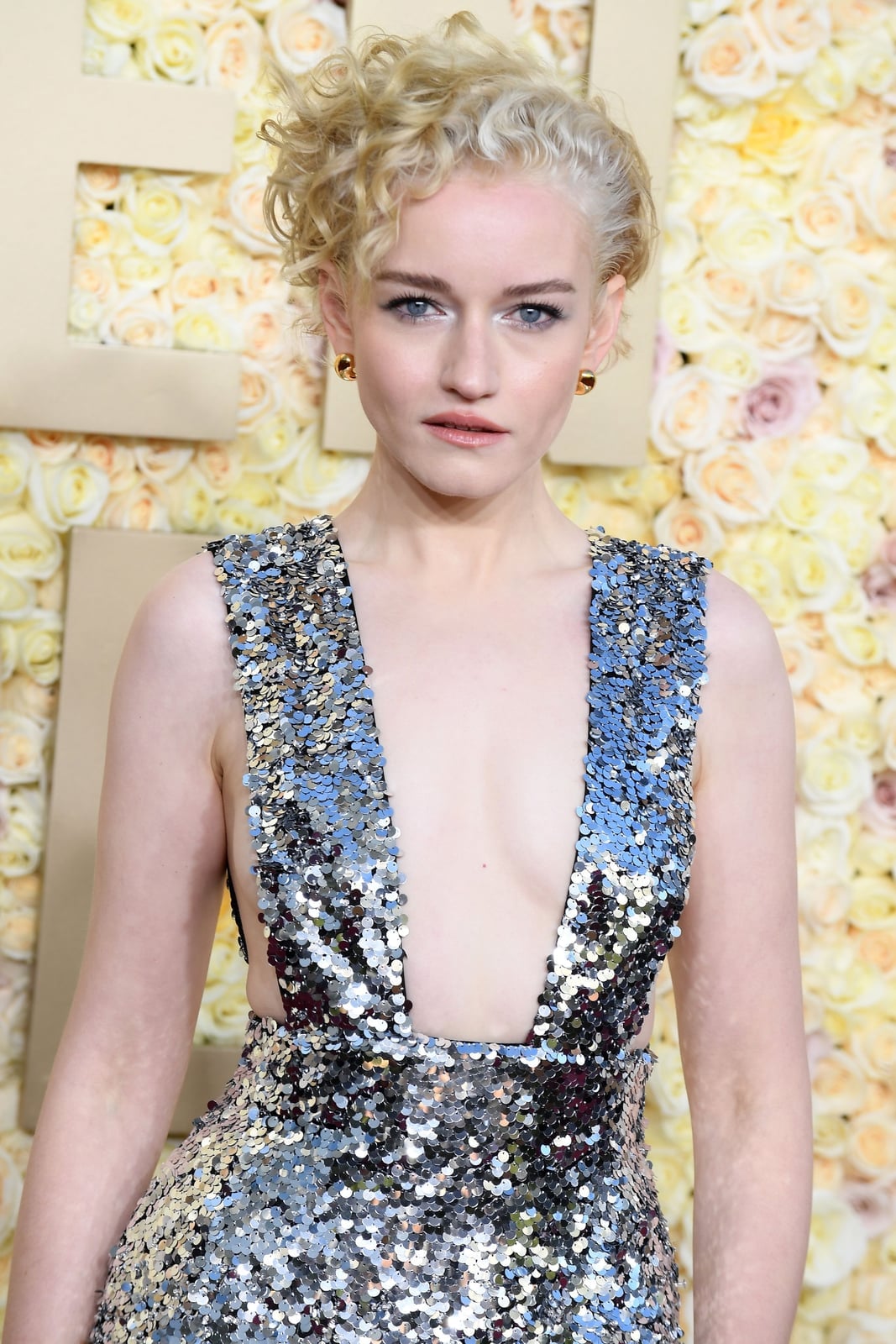
Before you fall for a platinum blonde curly cut, know this: it is not a low-maintenance proposition. The short layered cut itself is straightforward, with short textured bangs and a side part that suits fine curly hair. But the platinum blonde requires a salon visit every four to six weeks for toning, and the lightening process is not something you can recreate at home. The payoff is a high-contrast look that makes the curl pattern read as deliberate. Ask your stylist for: short layered cut, platinum blonde, textured bangs. The one real drawback is the cost of keeping brassiness at bay.
Collarbone Lob With Defined Curls
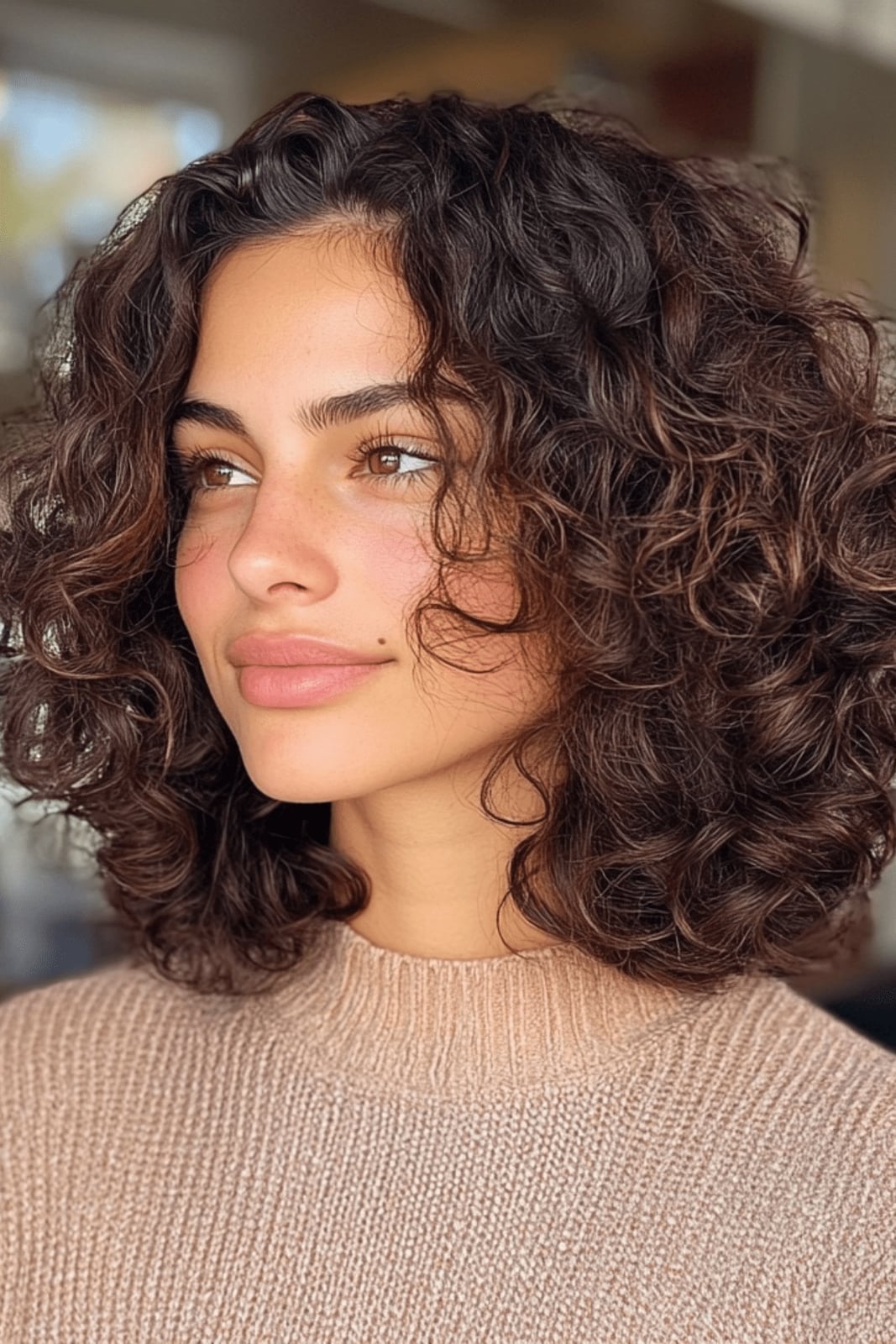
A collarbone lob is the sweet spot between short and long for curly hair that needs room to expand without losing shape. Dark brown curls at medium density are cut to a uniform length that hits the collarbone, with a side part that directs the weight. Air drying with a curl enhancer locks in the definition, and the lack of bangs means the silhouette stays clean. Ask your stylist for: collarbone lob, defined air-dried curls, side part. The shape holds well for about six to eight weeks before the ends need a trim to keep the bounce.
Collarbone Layers With Face-Framing Pieces
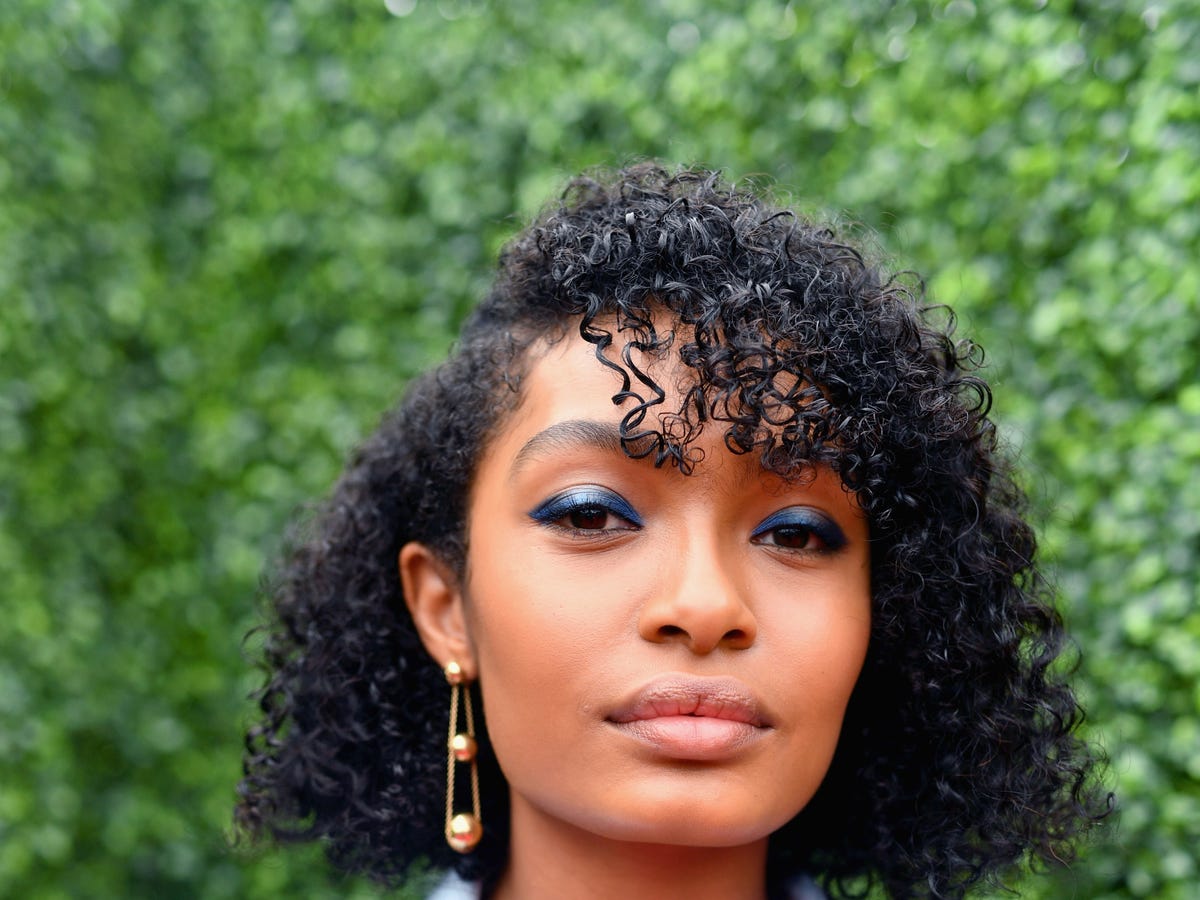
How do you get face-framing layers that actually work with thick curly hair? The answer is in the placement. For a collarbone cut with layers, the face-framing pieces should start at the jaw and angle down, so the curls fall forward without puffing out at the sides. A side part guides the weight, and the dark brown color keeps the focus on the texture. Ask your stylist for: collarbone layers, face-framing pieces, side part. The layers should be cut while the hair is dry so the curl pattern dictates the final length.
Collarbone Layers For Natural Curls
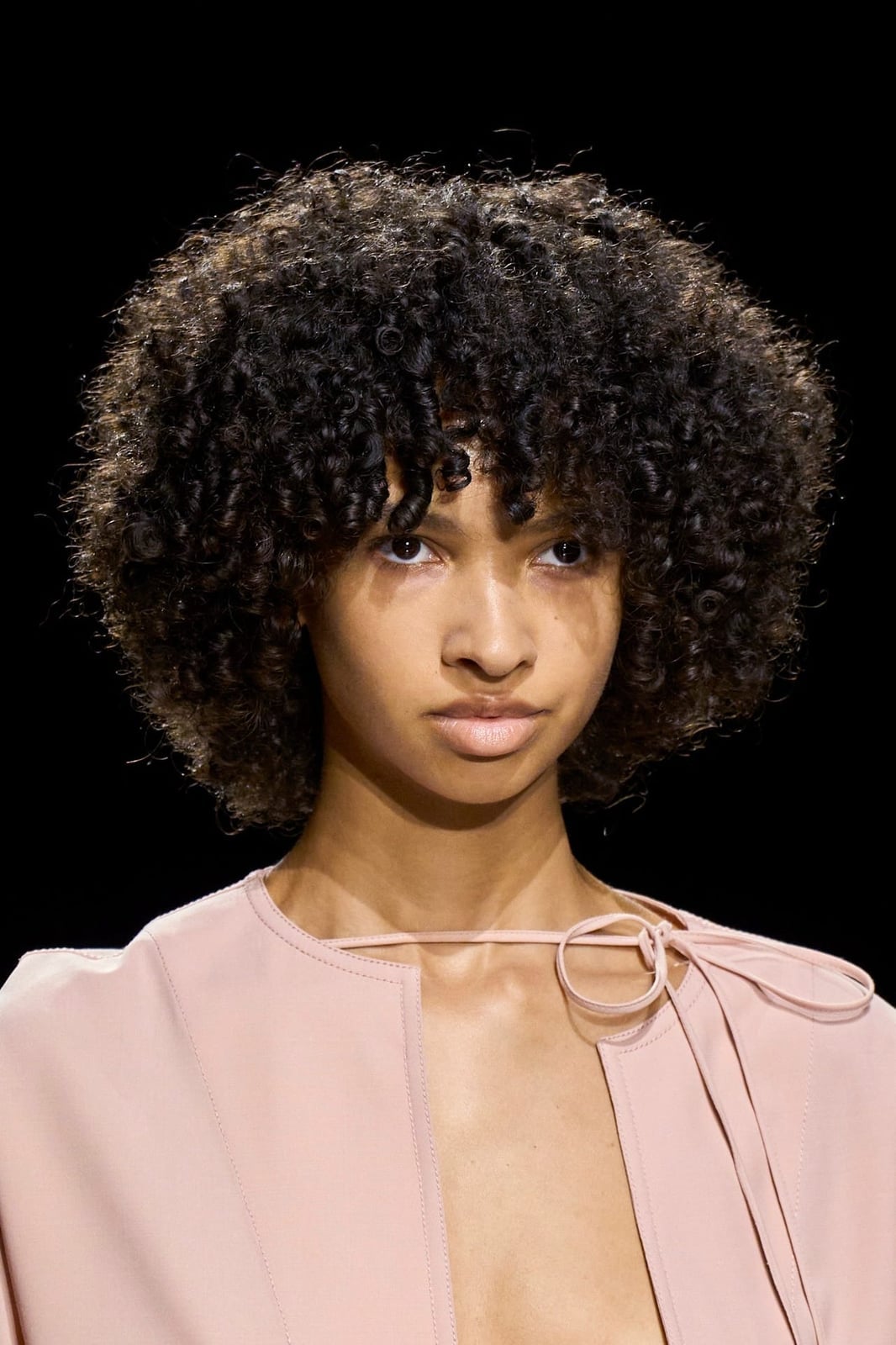
Collarbone layers are a safe bet for medium-density curly hair that wants volume without triangle head. The subtle layers in this cut are cut to enhance the natural curl pattern, not fight it, and the side part adds asymmetry that softens a round face. Rich dark brown hair is air dried for a texture that looks polished without effort. Ask your stylist for: collarbone layers, natural texture, side part. This length works best on hair that starts at the collarbone and has a consistent curl pattern from root to end.
Collarbone Layers With Curtain Bangs
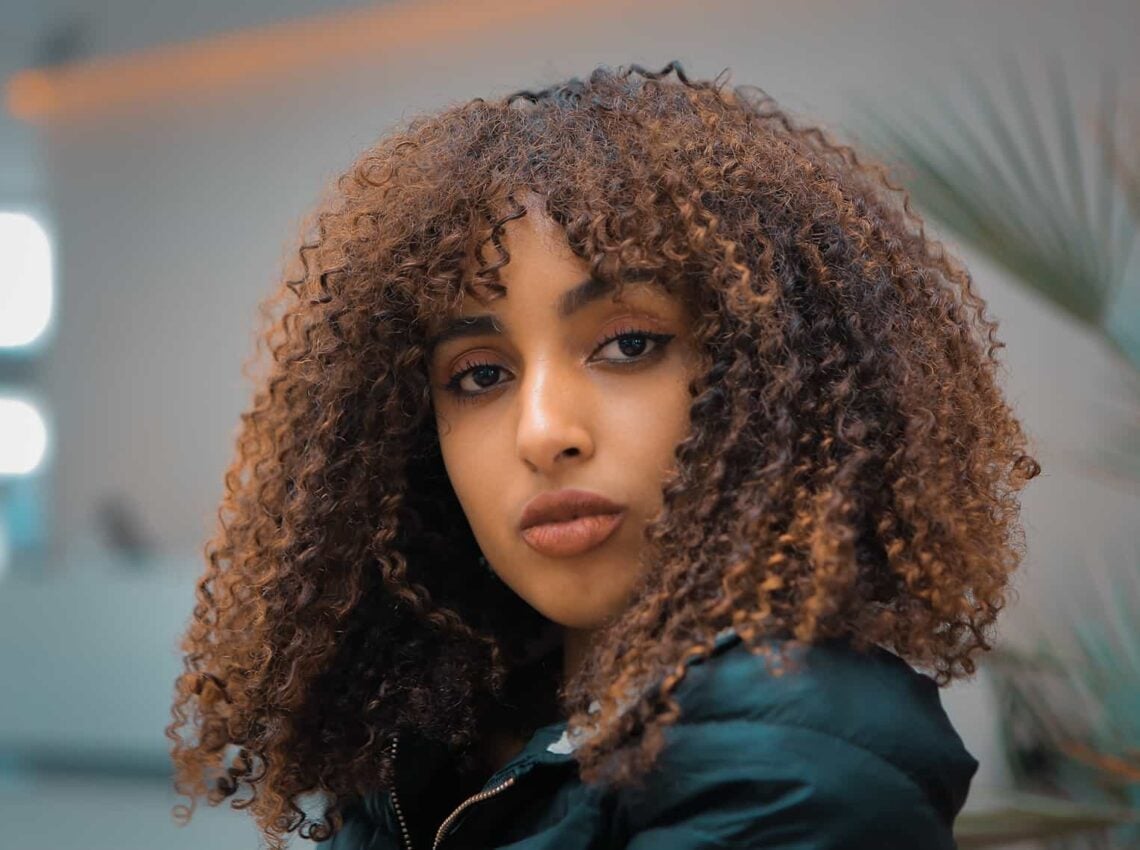
The color placement here is doing double duty: auburn highlights trace the face-framing layers so the curtain bangs look deliberate, not accidental. Medium density curly hair of collarbone length benefits from this kind of soft layering, which gives the curls room to move without losing shape. Ask your stylist for: collarbone layers, curtain bangs, middle part, auburn highlights. A diffuser on low heat sets the definition without disturbing the blowout finish, and the fringe needs a trim every four to six weeks to hold its sweep.
Air Dried Collarbone Layers Dark Brown
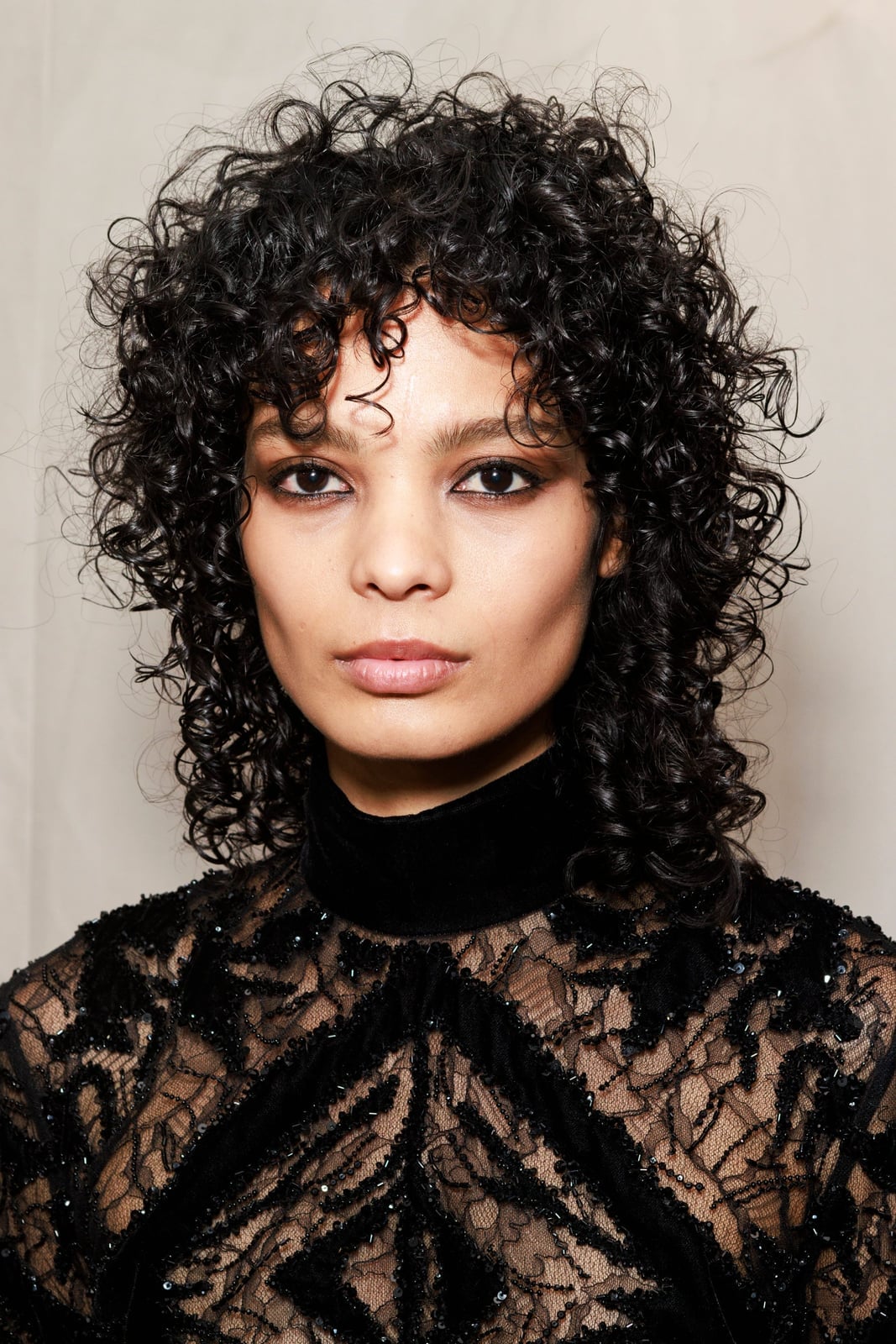
Medium density curly hair of collarbone length gets volume without the crunch. Ask your stylist for: collarbone layers, air dried, side part. A trim every eight to ten weeks preserves the shape, which is about as low-maintenance as natural curls get.
Collarbone Cut With Curtain Bangs, Dark Brown
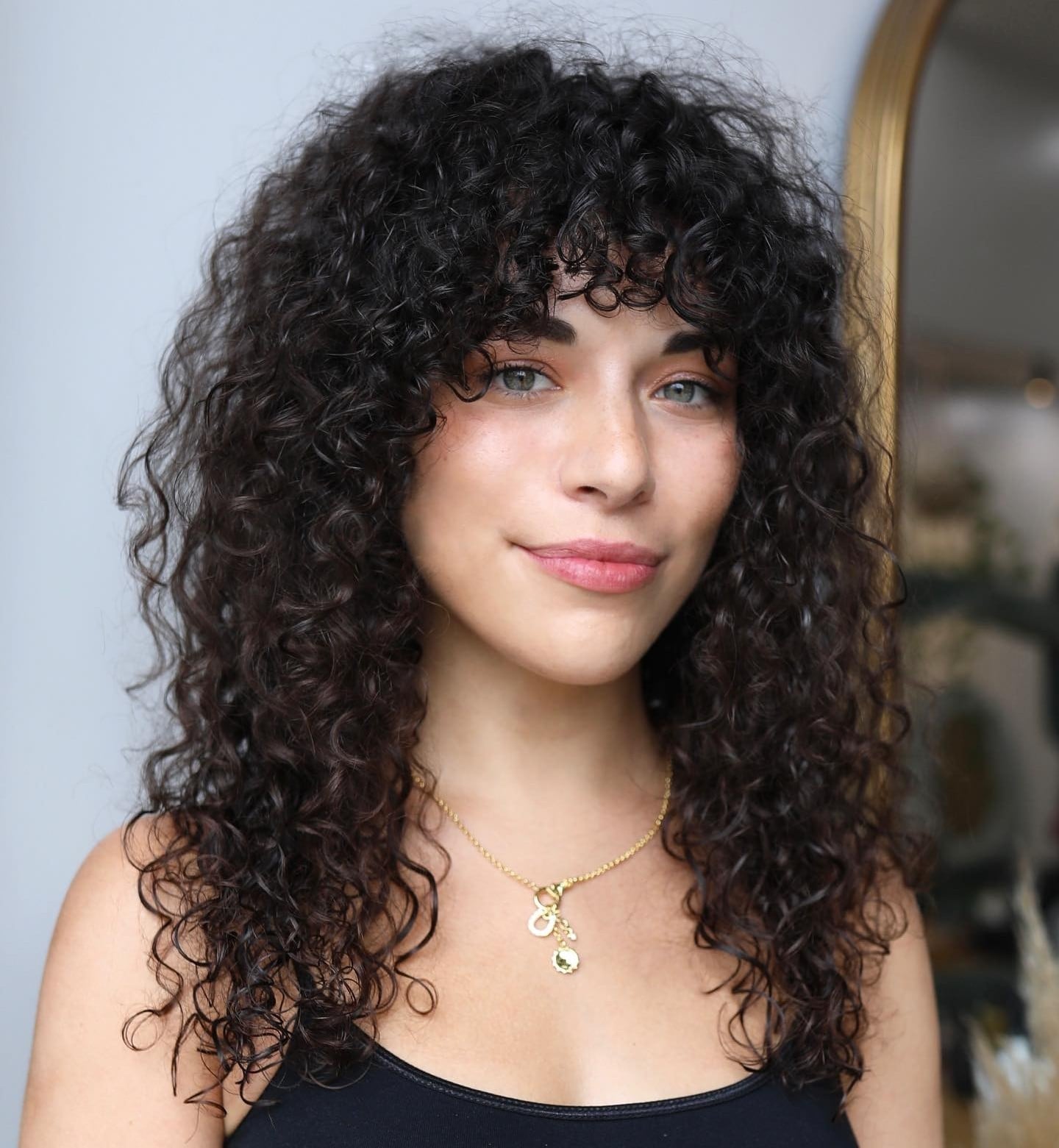
It looks straightforward, but thick curly hair with curtain bangs has a catch: the fringe needs a trim every four to six weeks or it starts creeping into the cut. A salon cut is required here, because the layers have to match the curl spring to keep the face-framing pieces landing right. The defined spiral curls stay glossy and low maintenance otherwise. Ask your stylist for: collarbone length cut, curtain bangs, side part.
Shoulder Length Bob With Balayage

Is this a bob or a lob? Technically it is a shoulder-length bob with layers, which puts it in a gray area that works well for medium density curls. The blonde balayage adds dimension that a solid color bob lacks, and the curtain bangs soften what could otherwise feel boxy. Ask your stylist for: shoulder length bob, soft layers, curtain bangs, balayage. A blow-dry with a round brush smooths the surface, and the cut holds its shape for eight to ten weeks between trims.
Shoulder Length Cut With Curtain Bangs
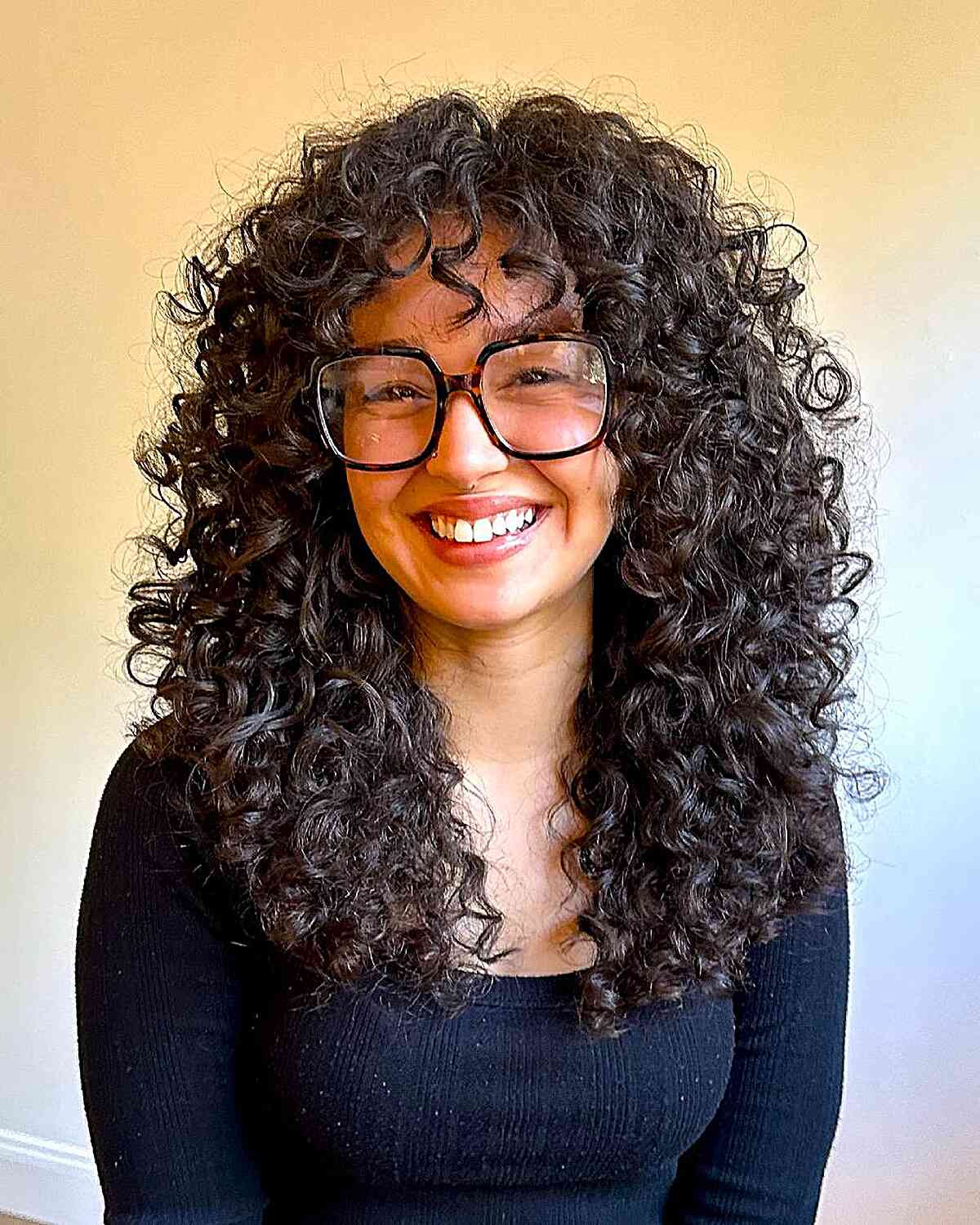
For thick curly hair, the blend between the shoulder length cut and the curtain bangs is what makes the style work. The layers start high enough that the bangs graduate into the sides, not a separate section. Ask your stylist for: shoulder length cut, curtain bangs, middle part. A curl cream on damp hair, then air drying, is all it takes to bring out the volume. The fringe needs a trim every four to six weeks, which is the only real appointment commitment here.
Dark Brown Layers With Curtain Bangs, Showcasing Volume And Shape
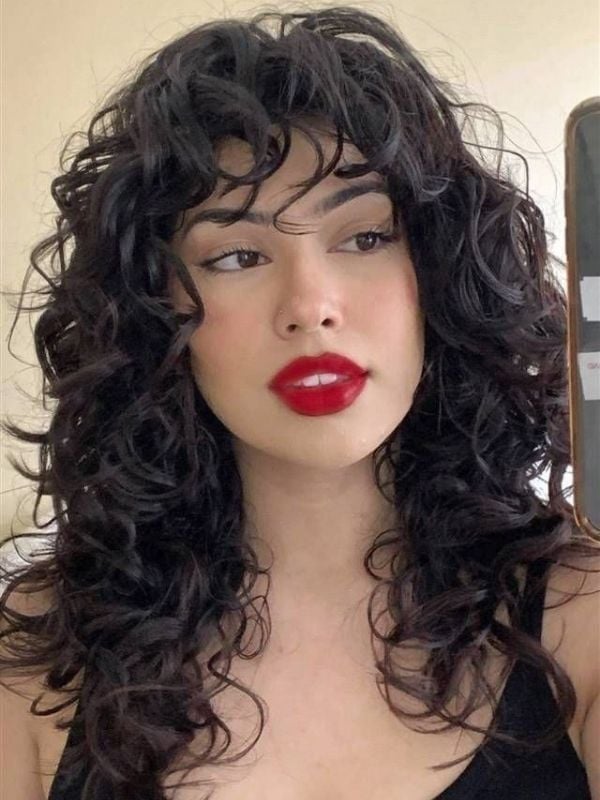
Thick, dark brown curly hair at collarbone length with a middle part has a tendency to sit heavy, which is exactly why the curtain bangs here are doing more than just framing the face. They cut through the density at the front so the shape becomes deliberate volume, not accidental bulk. The layers are soft and subtle, letting the natural curl pattern do the talking without fighting it with aggressive cutting. This cut suits thick curly hair that wants definition without losing width, and the curtain bangs soften a square or round face by breaking up the horizontal line at the jaw. Ask your stylist for: collarbone layers, curtain bangs, middle part. Styling is as simple as applying a curl-defining cream to wet hair and scrunching, then letting it air dry. The fringe will need a trim every four to six weeks to keep the curtain shape from merging into the cut.
Collarbone Layers With Curtain Bangs Side Part
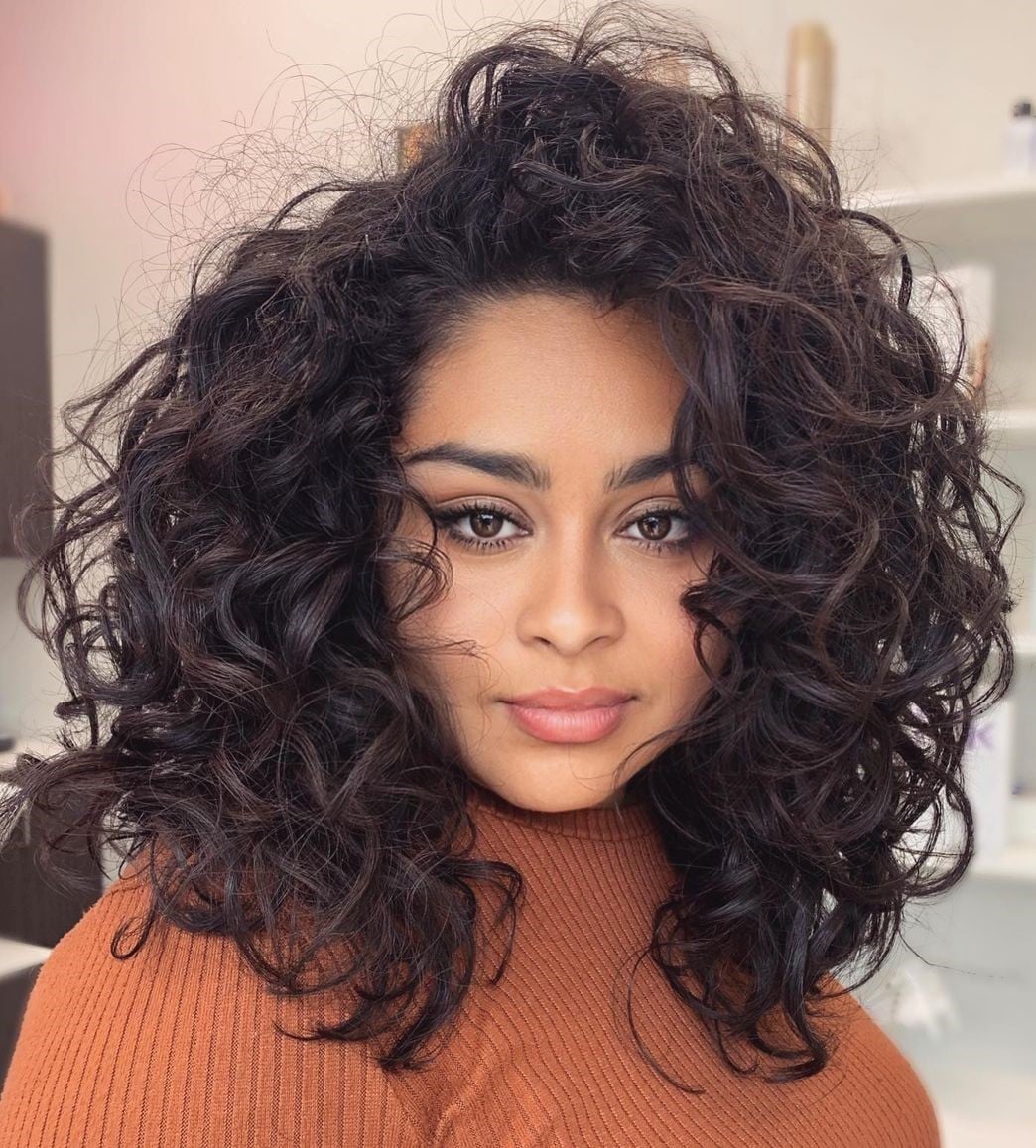
A side part shifts the visual weight, which makes this cut a strong choice for round or square faces. The collarbone layers give thick curly hair room to expand without turning into a triangle, and the curtain bangs break up the width. Ask your stylist for: collarbone layers, curtain bangs, side part. The asymmetry of the parting and the soft fringe work together to elongate the face rather than widen it. It is a geometry lesson that happens to look like hair.
Long Bob With Full Bangs Dark Brown
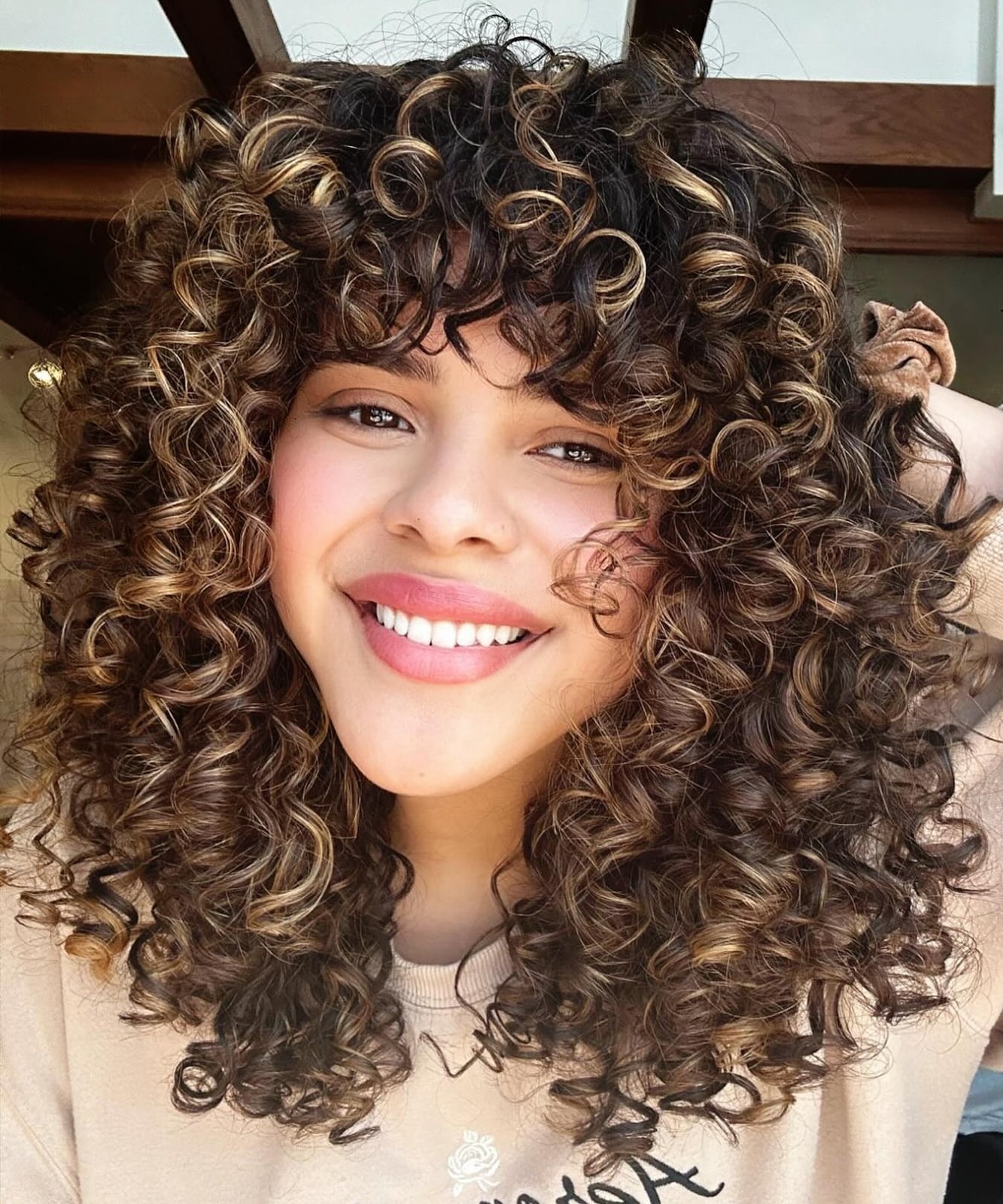
A full fringe on thick curly hair requires a stylist who understands how curls spring up when they dry. The long bob hits the collarbone, and the blonde highlights add depth so the shape does not read as one solid block. Ask your stylist for: long bob, full bangs, middle part, blonde highlights. The cutting trick is to point-cut the fringe while the hair is dry, so the weight is removed in a way that lets each curl land where it should, not where a straight-line cut forces it.
Collarbone Layers With Curtain Bangs Black, Middle
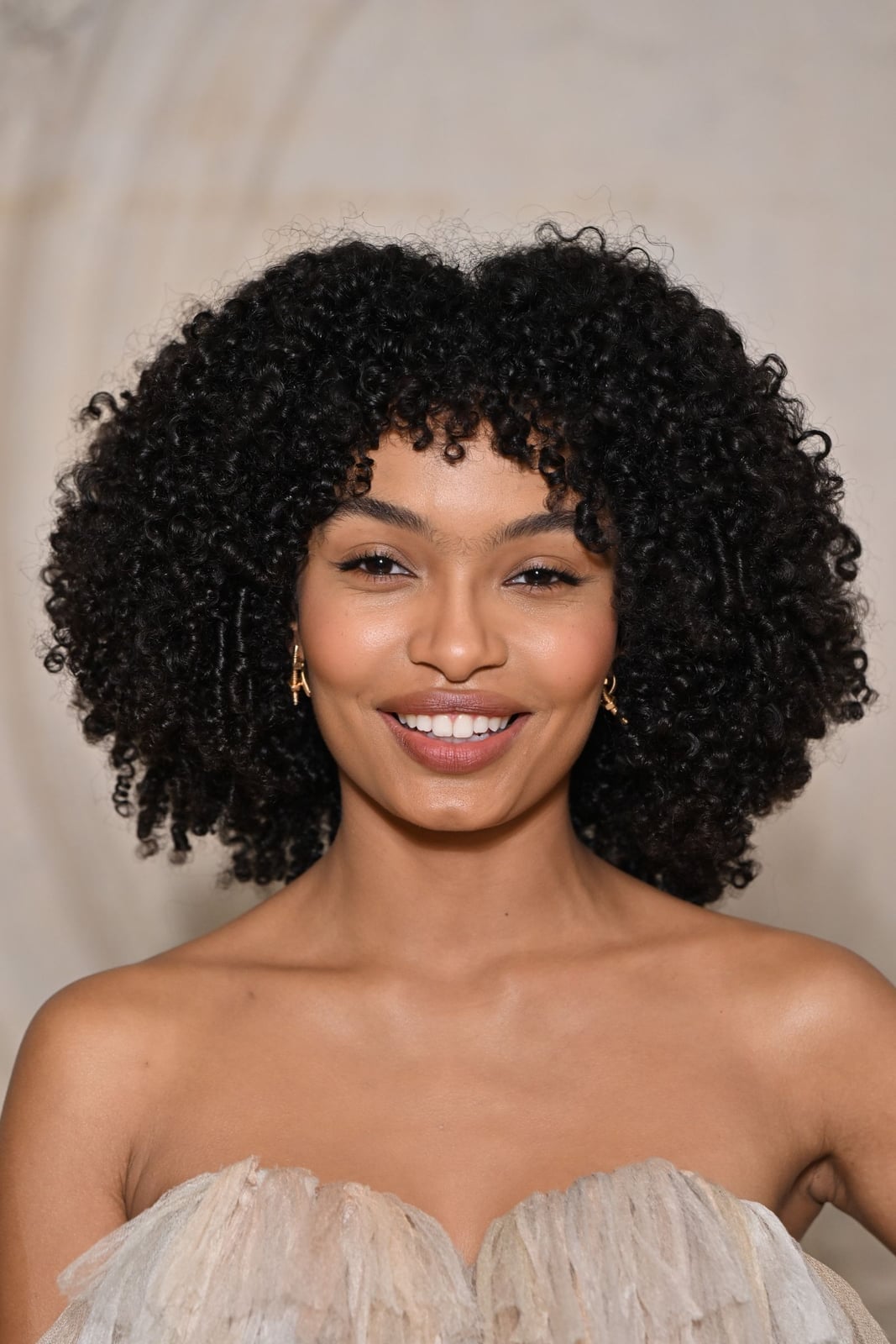
Black hair with no color variation means every split end and uneven layer announces itself. The trade-off for that glossy, uniform depth is that the cut must be precise, especially around the curtain bangs. Ask your stylist for: collarbone layers, curtain bangs, middle part, black color. A DIY trim on the fringe is risky because the contrast between a clean line and a ragged one is immediate. A salon visit every five weeks keeps the shape sharp and the bangs soft.
Collarbone Layers Honey Blonde Blowout
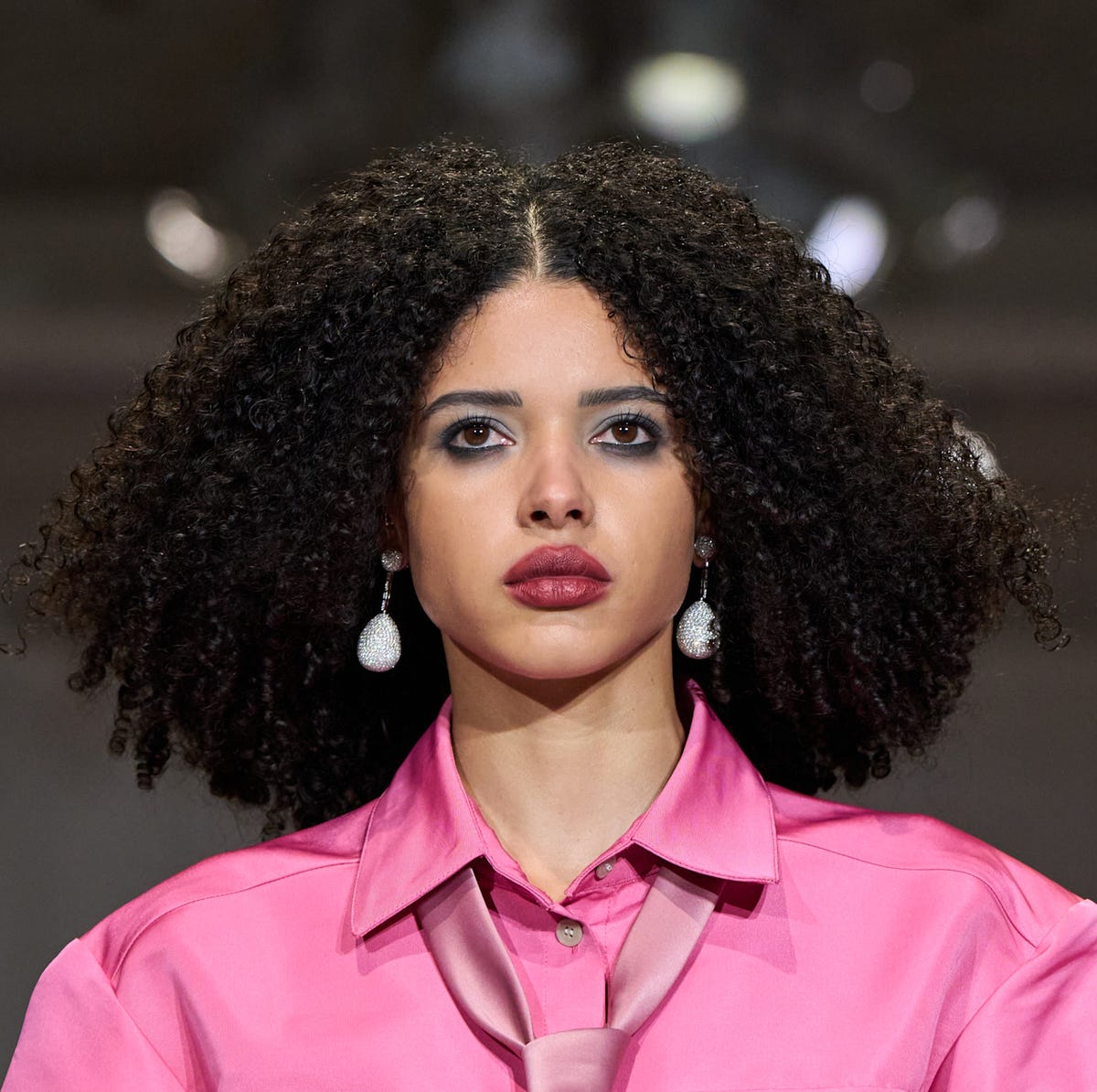
To get a blend of honey and dark blonde without it looking like two separate colors, a blowout on medium-density curls lets the darker base peek through at the roots while lighter pieces shine on the surface. Ask your stylist for: collarbone layers, curtain bangs, honey blonde, middle part. The key is a balayage that starts a few inches from the scalp for a gradual grow-out. A diffuser at medium heat sets the shape without frizz.
Collarbone Layers Dark Brown With Highlights
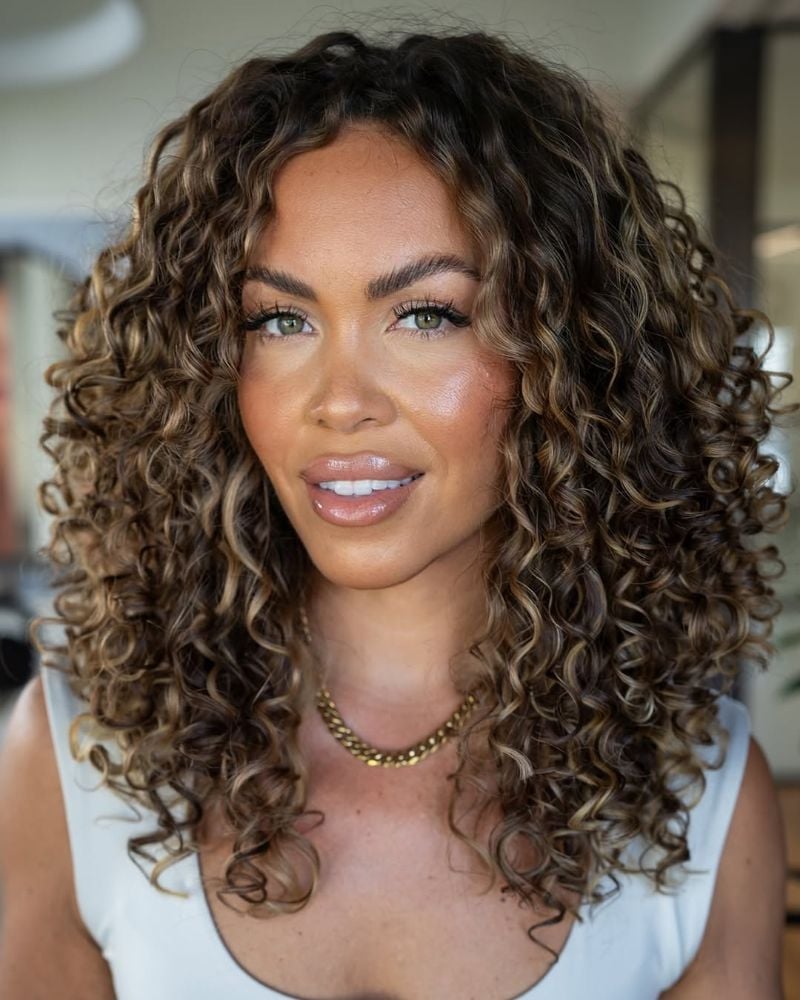
If you are stuck between a single-process dark brown and a full blonde, this is the middle ground that actually works. Thick, curly hair cut in collarbone layers gets depth from blonde highlights without demanding a ton of bleach maintenance. A side part keeps the volume on one side, and the defined curls around the face soften the whole thing. Ask your colorist for: collarbone layers, dark brown, blonde highlights. A smoothing serum and a diffuser get you there in about twenty minutes. Trim every eight to ten weeks to keep the blonde from turning brassy.
Collarbone Layers Black Defined Coils
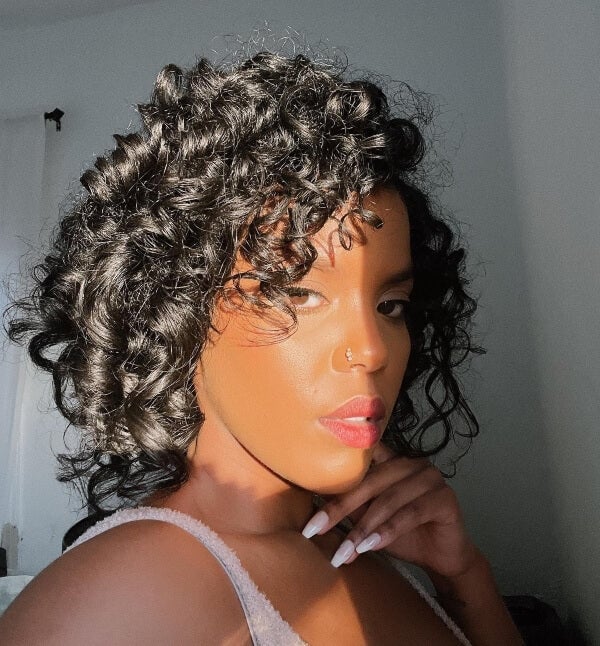
What you see is what you get with this cut: thick, black coils cut in collarbone layers and left to air dry with no fuss. The side parting and the defined coil pattern do the work, so the only styling step is a curl-enhancing gel applied to soaking wet hair. That is roughly five minutes in the morning. The upkeep is equally low: a trim every eight to ten weeks keeps the layers from growing into a triangle, and a deep conditioner once a week keeps the gloss. Ask your stylist for: collarbone layers, defined coils, side part. It suits hair that is thick enough to hold the shape without product buildup, and the air-dried finish means you skip the heat entirely.
Mid-Back Layers With Caramel Highlights
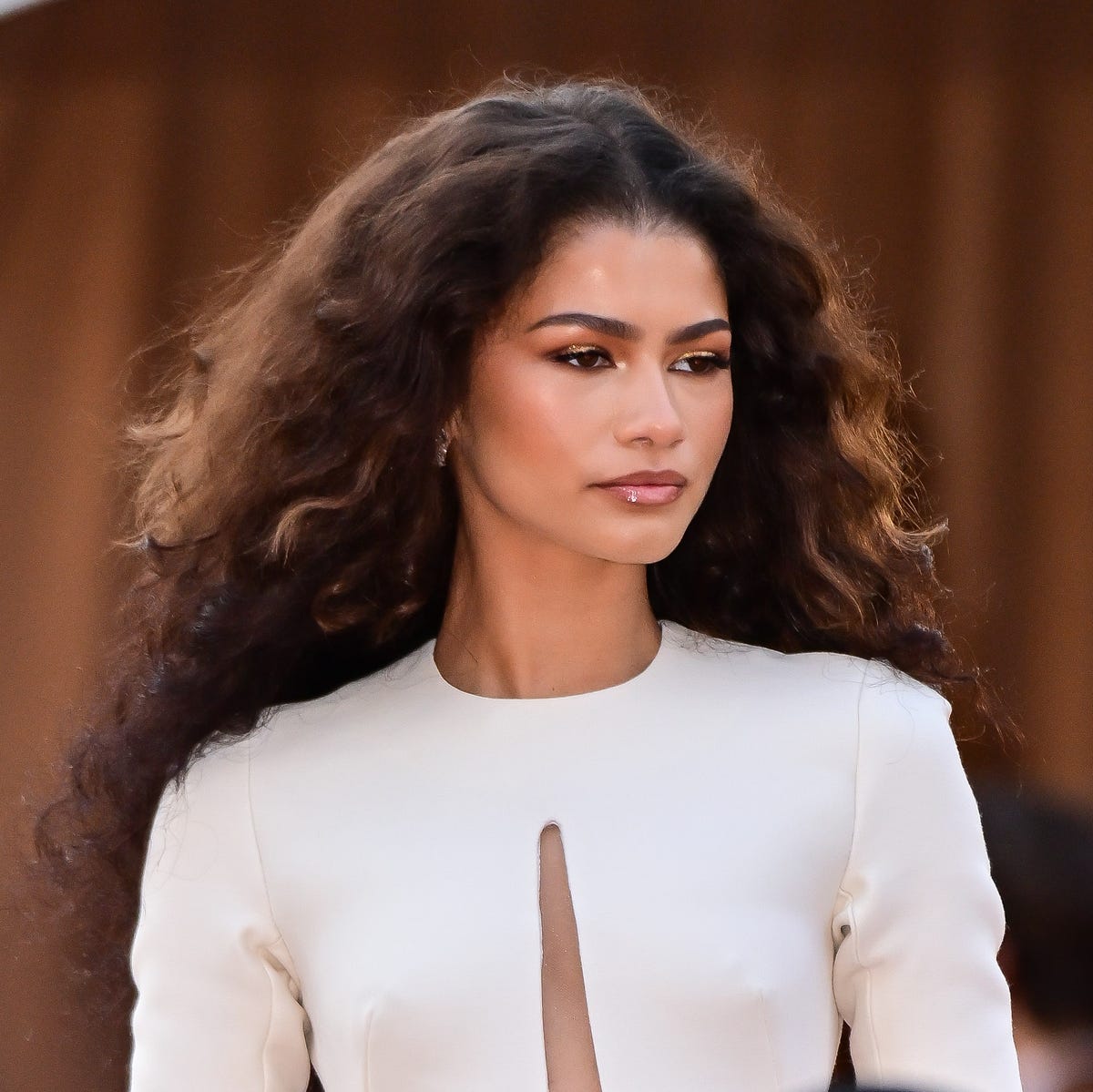
Mid-back layers on thick, curly hair can either look like a shapeless blob or a deliberate style. The difference here is the face-framing layers and the caramel highlights. The layers cut through the density so the curls stack instead of spread, and the caramel adds dimension against the dark brown base. A middle parting keeps the weight centered.
This length suits hair that is thick enough to hold the curl pattern past the shoulders. If your texture is finer or your density is low, the weight of mid-back hair might pull the curls straight at the root. Ask your colorist for: mid-back layers, caramel highlights, face-framing layers. A curl-defining cream and a diffuser are the standard tools, but a good layer placement means you air dry into shape, not chaos.
Mid-Back Half Updo Black Curls
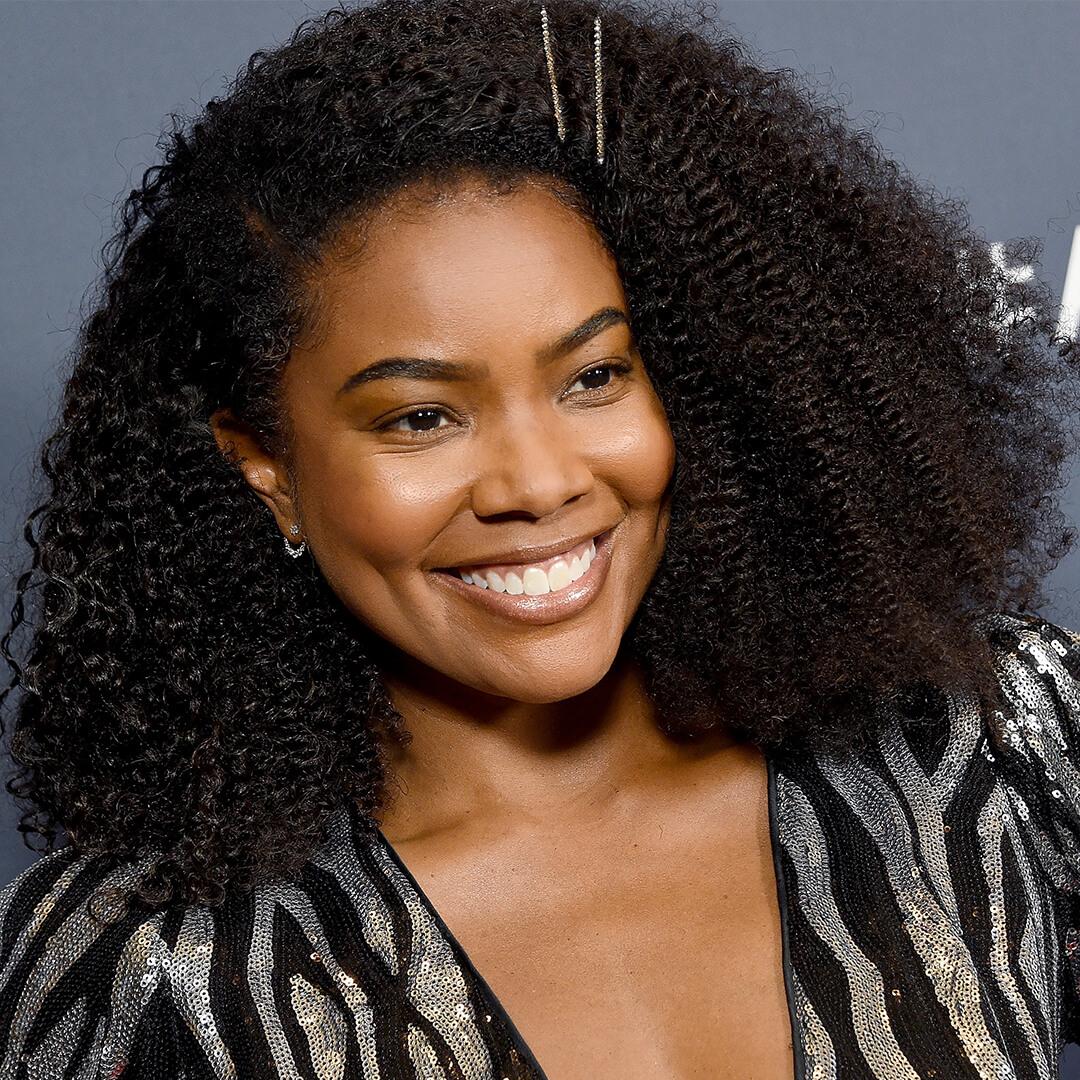
The side parting and the mid-back length mean the curls that stay down frame the face naturally, while the section pulled back adds lift at the crown. Ask your stylist for: mid-back curly hair, half updo, side part. The salon part is the cut: layers that give the top section enough grip to stay pinned. For the occasion, secure with pins and a light-hold hairspray, then refresh the loose curls with water and a leave-in conditioner. It holds for hours without looking stiff.
Mid-Back Layers Dark Brown Volume
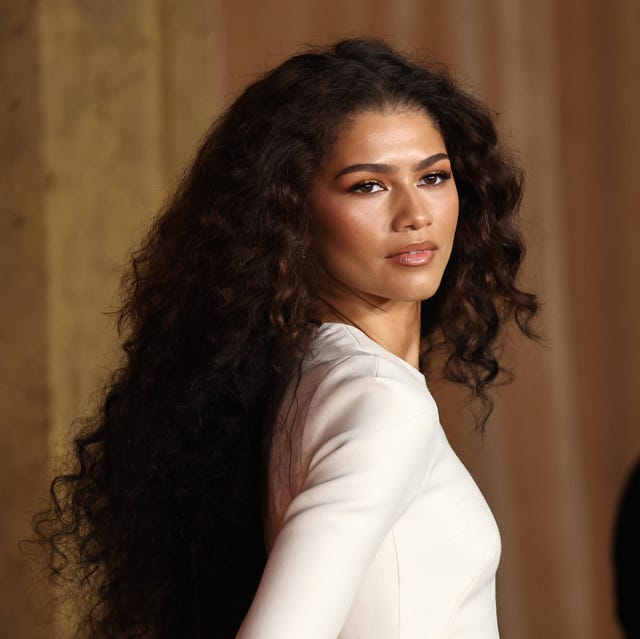
Volume is the goal, and this cut delivers it without a single styling tool. Thick, dark brown curls cut in mid-back layers with a middle parting air dry into a shape that is round, glossy and noticeably lifted at the roots. The layers are subtle, so the volume comes from the natural curl pattern rather than a drastic change in length. Ask your stylist for: mid-back layers, dark brown, middle part. The daily routine is minimal: a volumizing mousse on wet hair, then air dry or diffuse for about fifteen minutes. A trim every ten to twelve weeks keeps the ends from splitting, and the middle parting means you can refresh the shape by simply flipping the hair and shaking it out.
Mid-Back Layers With Curtain Bangs Highlights
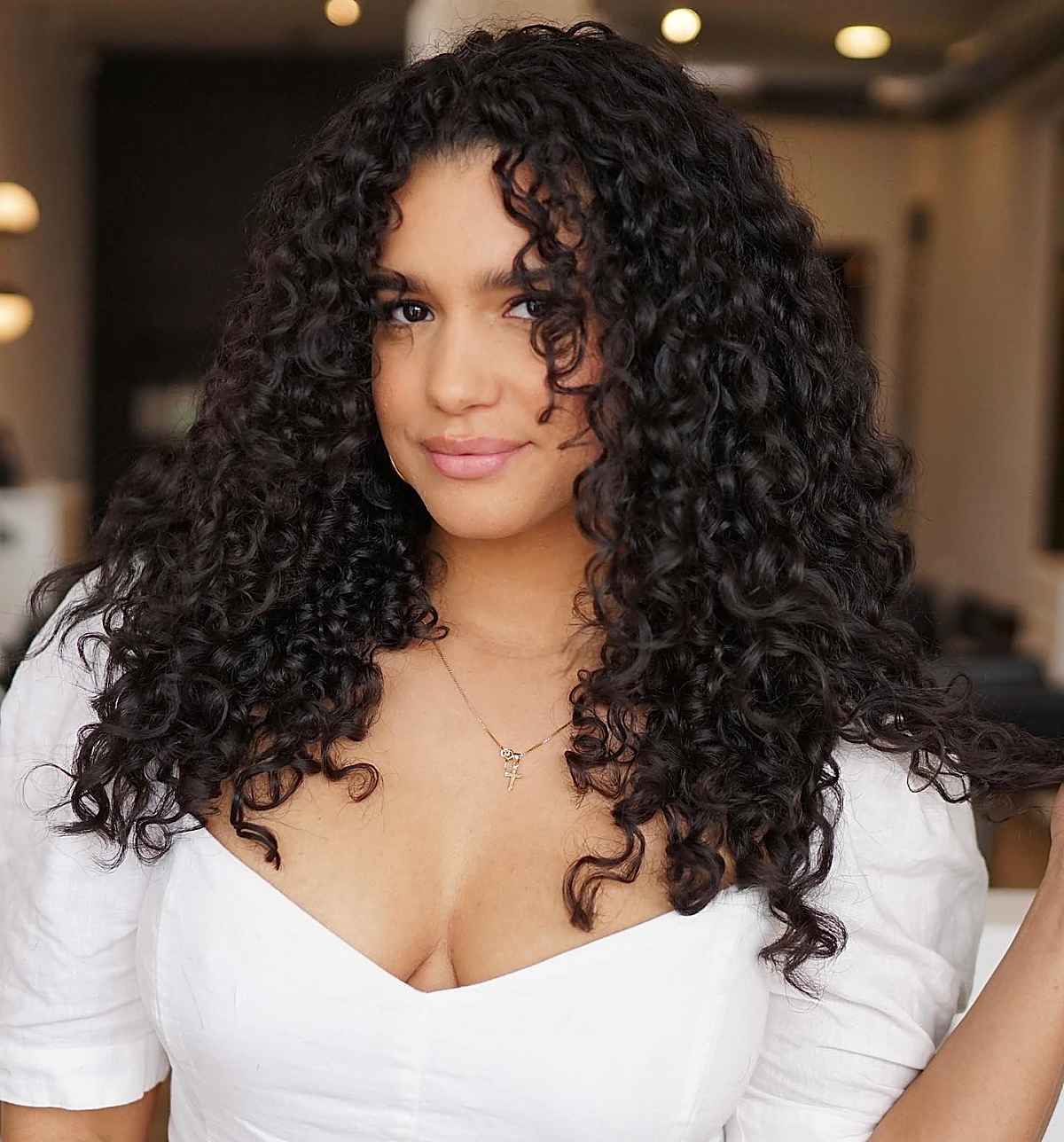
Curtain bangs at mid-back length: does that work without looking like two separate haircuts? Yes, when the stylist cuts the bangs to blend into the top layers rather than sitting as an isolated piece. On thick, dark brown curls with subtle highlights, the curtain bangs soften the face while the mid-back layers keep the weight and volume where it belongs. Ask your stylist for: mid-back layers, curtain bangs, subtle highlights. The side part lets the bangs fall naturally to each side instead of piling up in the center.
The highlights add dimension without being obvious, which keeps the overall look classy instead of streaky. A curl-defining cream applied to damp hair is all the styling this cut needs. The fringe will need a trim every four to six weeks to stay at the right length, but the layers can go ten to twelve weeks between appointments.
Mid-Back Layers With Defined Curls
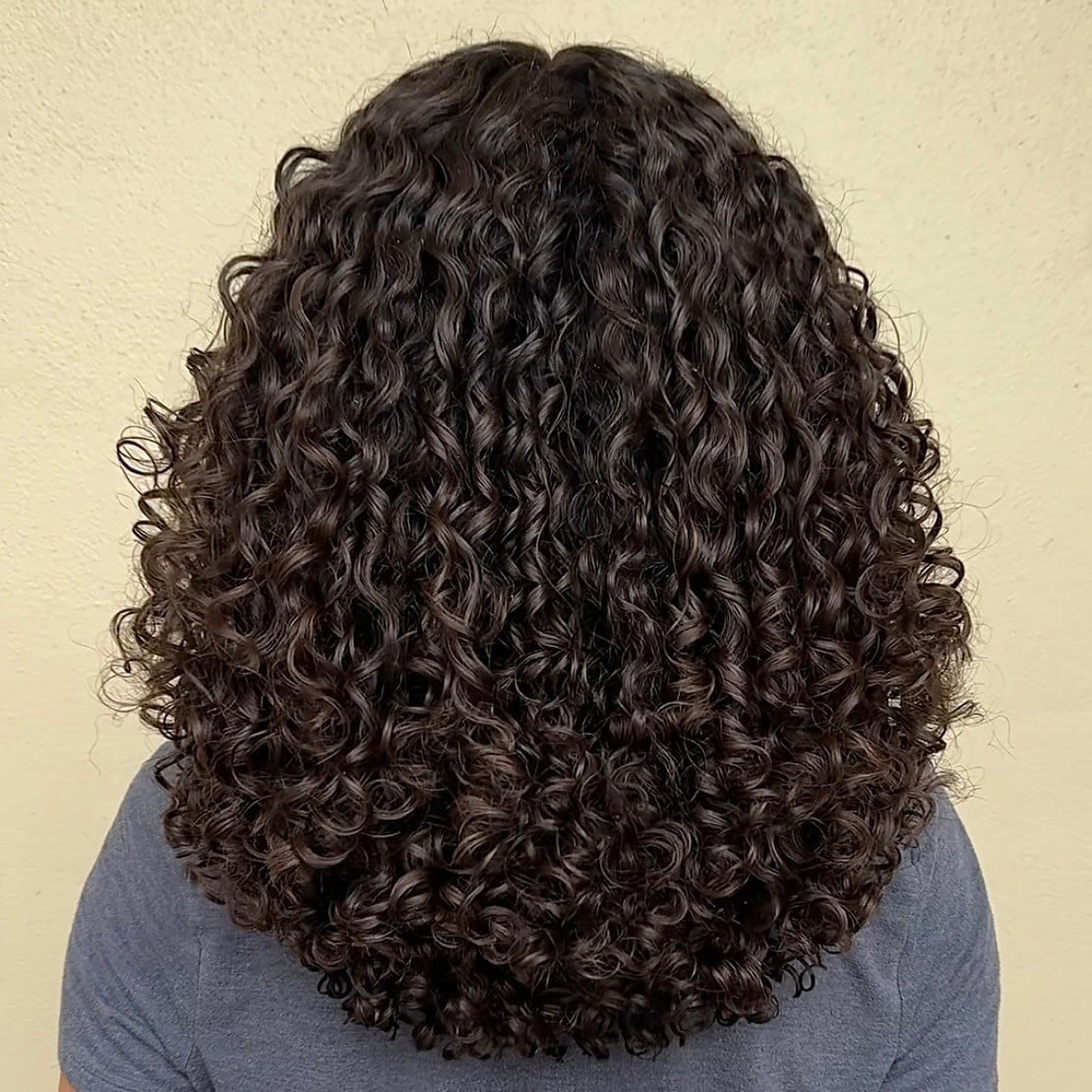
The back view tells you everything about the cutting technique here. Each curl springs from the same spot on the strand, which means the stylist cut the layers while the hair was dry and in its natural curl pattern, not pulled straight. On thick, dark brown mid-back hair, this method creates a uniform shape where the layers stack neatly instead of creating random gaps. No bangs means the focus stays on the even, defined curls and the healthy sheen they catch.
This cut works best for hair that already forms consistent spirals, because the layers are designed to support that pattern. Ask your stylist for: mid-back layers, defined curls, dry cut. A curl-enhancing serum raked through wet hair and air dried preserves the shape the cut created. Trim every ten to twelve weeks to maintain the layer placement; the uniform curl pattern hides a little grow-out if you run late.
Mid-Back Ponytail Voluminous Curls
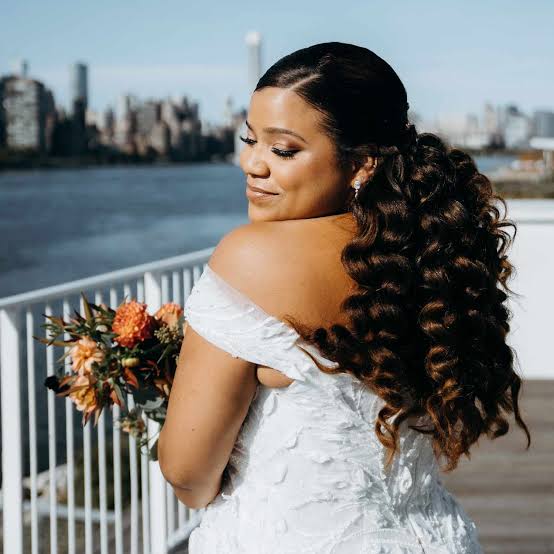
A low ponytail on thick, curly hair sounds simple, but it is not the same as pulling straight hair back. The volume in this mid-back ponytail comes from letting the curls stack naturally, which keeps the shape full instead of flat. The side part gives the ponytail a swept asymmetry that works for an event or bridal look. One real drawback: a ponytail at this length and density can pull at the roots after a few hours, so a soft elastic placed lower on the nape reduces tension. Ask your stylist for: mid-back curly hair, voluminous ponytail, side part. This is a salon-only style for the initial cut, but you can recreate the ponytail at home with a strong-hold hairspray and a little patience. No bangs means the forehead stays clear, which helps the updo feel polished.
Chin Length Shag With Full Fringe

A chin-length shag with a full fringe of curly bangs is a lot of haircut in a compact space. The shag layers remove weight from thick, dark brown curls so they spring upward rather than hanging heavy, and the full fringe sits right at the brow line for a bold, graphic effect. The middle part keeps the fringe symmetrical and lets the bangs fall straight down instead of sweeping to one side. This cut suits thick, curly hair that has enough density to hold the shag shape without going stringy. Ask your stylist for: chin length shag, full curly fringe, middle part. A curl-defining cream and a good scrunch while damp is all the styling this cut needs, though the fringe will demand a trim every four to six weeks to stay out of your eyes.
Final Thoughts
Choose a cut that works with your curl pattern, not against it. Fine curls do better with a blunt baseline and minimal layers to keep fullness, while thicker curls benefit from strategic layering to manage volume. Let the length and shape follow your natural texture.
- Trim every 8-12 weeks to maintain shape and prevent split ends.
- Refresh curls with a leave-in conditioner and curl-defining cream.
- Air-dry or diffuse on low heat to preserve curl pattern and minimize frizz.
- Deep condition weekly to maintain moisture and elasticity.
Embrace your natural texture with a cut that celebrates its unique beauty.