

Blonde braids have moved past festival territory and into everyday rotation. That shift is partly thanks to cooler tones like ash and platinum, which read as intentional without trying hard.
This collection of 22 Simple Blonde Braids covers the spectrum: from five-minute Dutch braids on a lob to intricate cornrows that last a week. If your fine hair disappears in a loose fishtail or your ash tone turns brassy between appointments, there is a fix here. Each look addresses a real headache, whether it is a visible grow-out line or a fringe that will not stay put.
Double Dutch Braids With Loose Waves
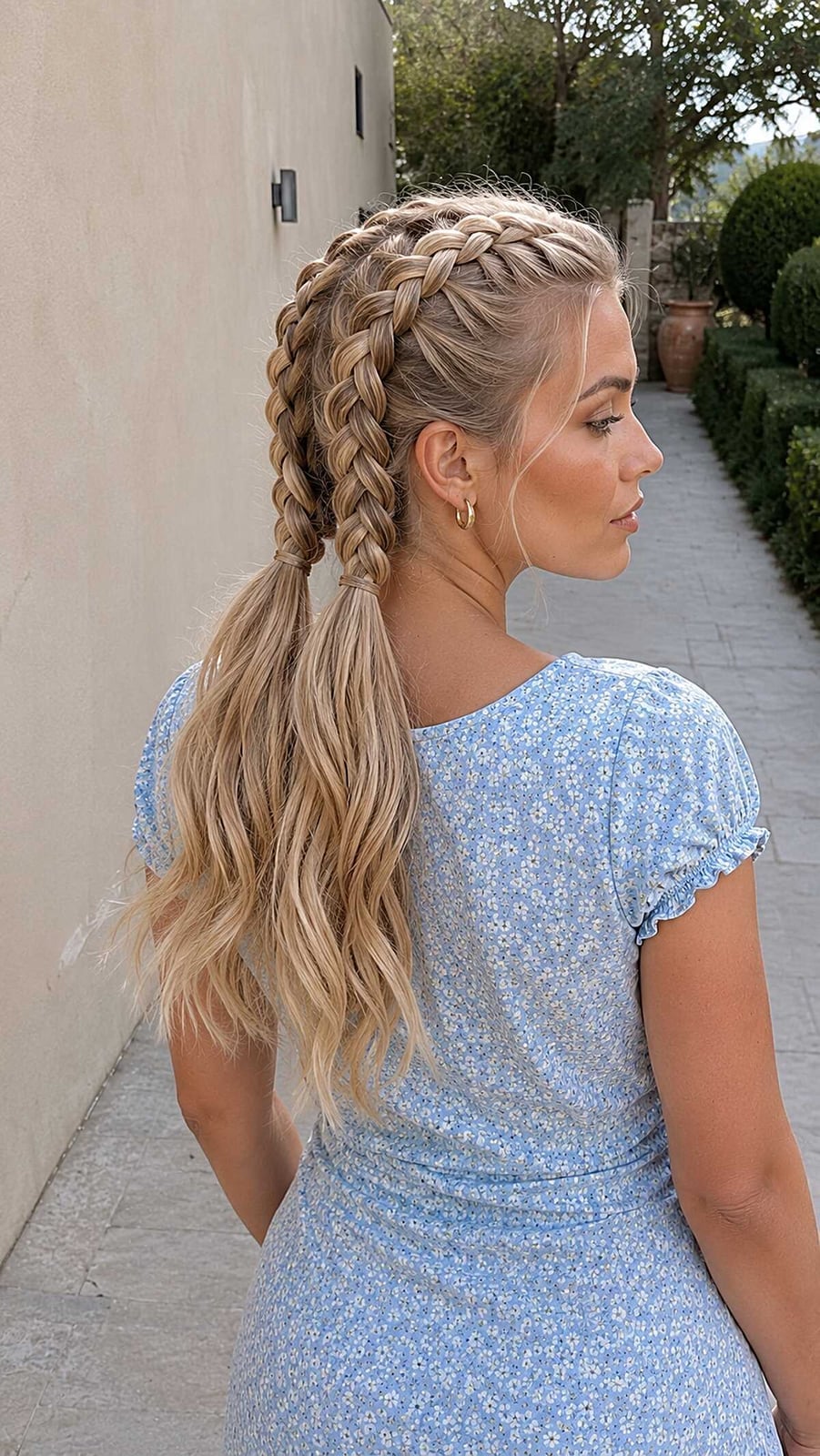
The double Dutch braids sit close to the scalp from the crown, then relax into loose waves for the mid-back length. The blend of ash and honey blonde tones means each plait shows a different highlight, so the braid pattern reads clearly even from a side view. Ask your colorist for: ash and honey blonde blend. The middle parting keeps both braids even, which matters more than you think when the sections are this thick. Start with wavy, thick hair that already has some body, since fine strands tend to slip out of Dutch braids by midday. Gently pull apart each braid section after styling for a fuller silhouette, and trim every eight to ten weeks to keep the ends from looking straggly next to the woven crown.
Thick French Braid With Layered Effect
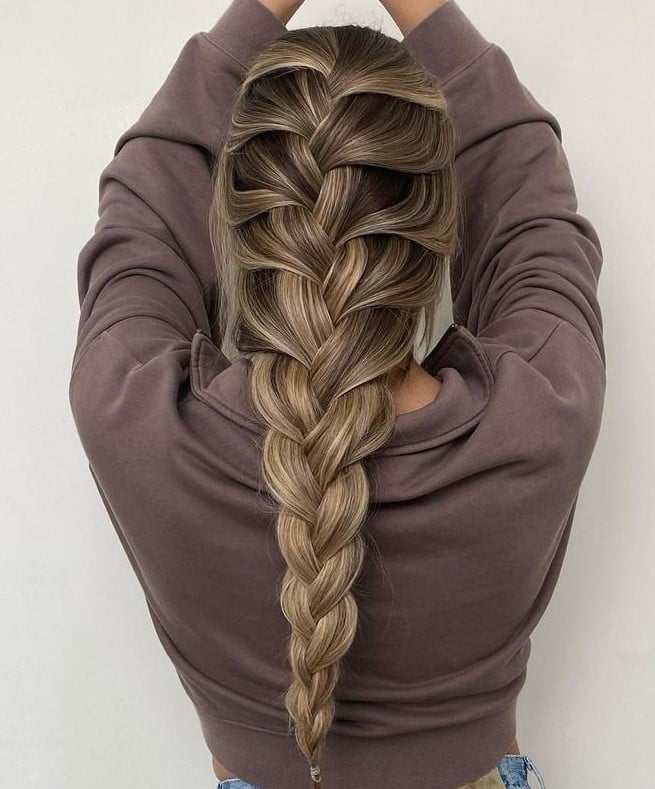
If the Dutch braid is the structured sibling, this thick French braid is the one that lets the color do the talking. The honey blonde with subtle lighter highlights creates a layered effect inside the weave, so the braid looks deeper than a single flat row. It suits thick, wavy hair of mid-back length that can hold a neat plait without escaping. Ask your stylist for: thick French braid with layered effect. Unlike the ash blonde sections nearby, the warmth here softens the overall look, which makes it a solid choice for everyday wear. Keep tension even while braiding so the honey tones stay visible rather than getting swallowed into a muddle. A trim every six to eight weeks preserves the clean line at the ends.
Ash Blonde Lob With Braided Detail
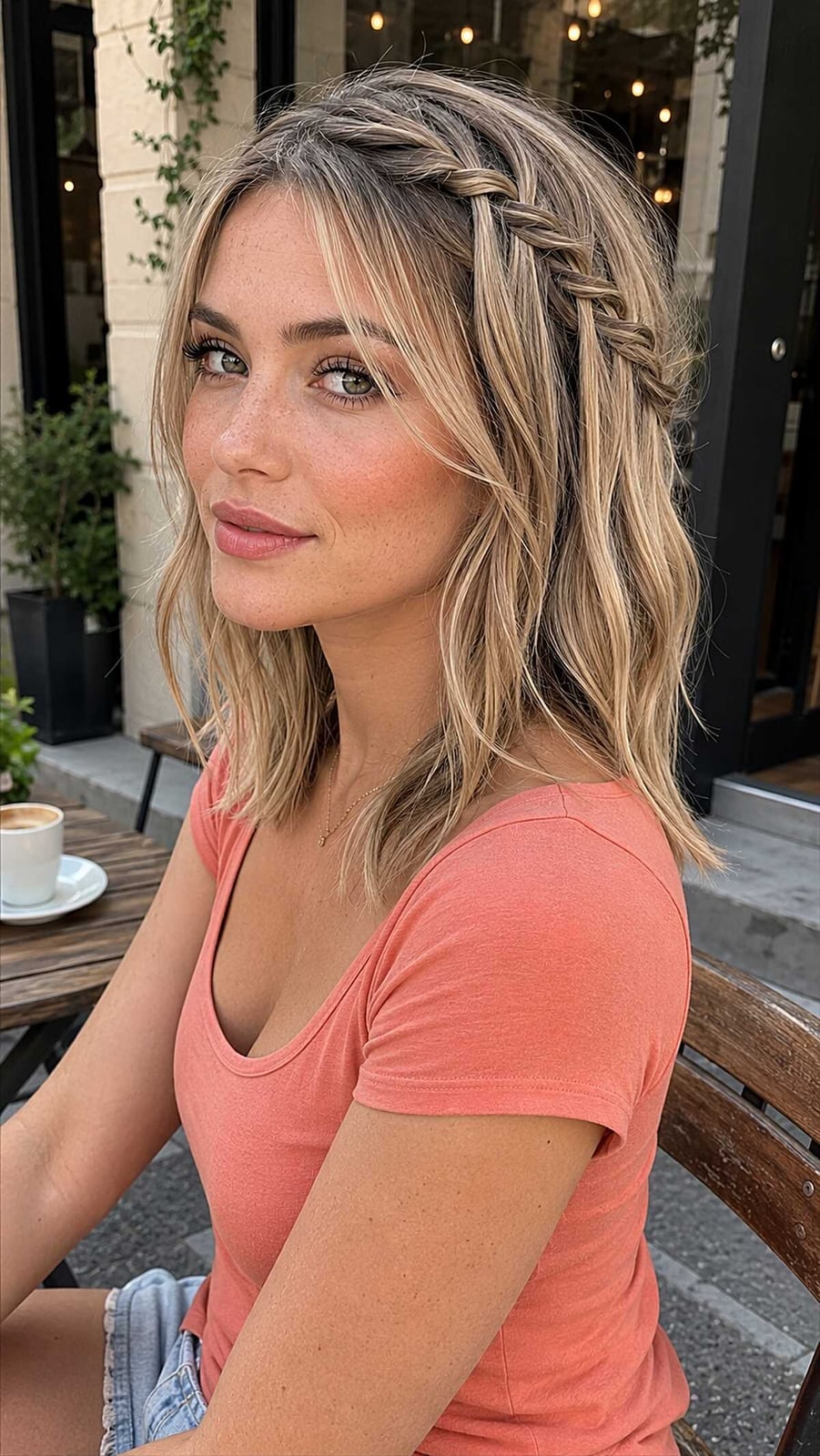
Is a lob long enough to bother braiding? This one makes the case. The collarbone-length ash blonde cut keeps loose waves, while a delicate braided detail crosses the front hairline like a headband. Curtain bangs soften round and heart faces, and the wavy texture gives fine to medium hair enough movement to avoid looking flat. Ask your stylist for: collarbone lob, curtain bangs, braided headband detail. The braid adds interest without committing you to an all-over plait, which is the honest appeal here. Style the curtain bangs with a round brush for shape, and trim the lob every six to eight weeks so the braided piece sits cleanly against the hairline instead of wandering.
Messy Fishtail Braid With Wispy Bangs
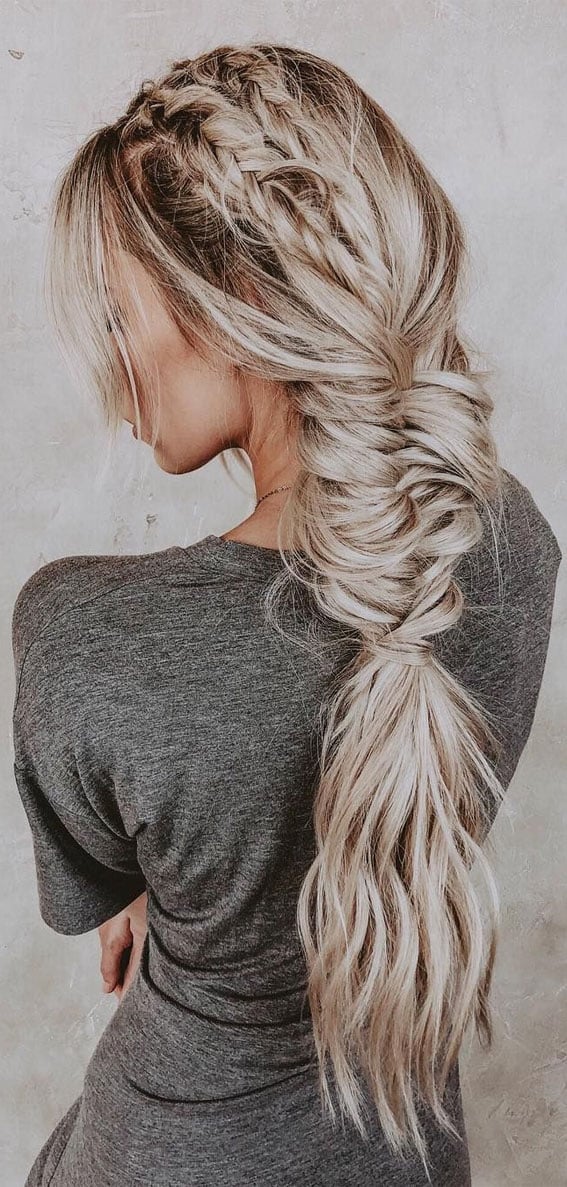
A messy fishtail braid is a negotiation with gravity, and this one lands on the right side of it. The ash blonde hair with subtle lighter highlights is thick and wavy, extending down the back at mid-back length, with wispy bangs doing their job of framing the face without committing to a full fringe.
The reality of the messy texture is that it needs deliberate loosening to look accidental. Pull apart the fishtail strands every few inches, then smooth down the top sections so the whole braid doesn’t read as one wide tangle. Ask your colorist for: messy fishtail braid, wispy bangs, ash blonde. The wispy bangs suit most face shapes, and the loose weave means it holds up reasonably well through a day of movement. Trim every eight to ten weeks to keep the wispy ends from turning into full-blown split ends.
Thick Ash Blonde Three-Strand Braid
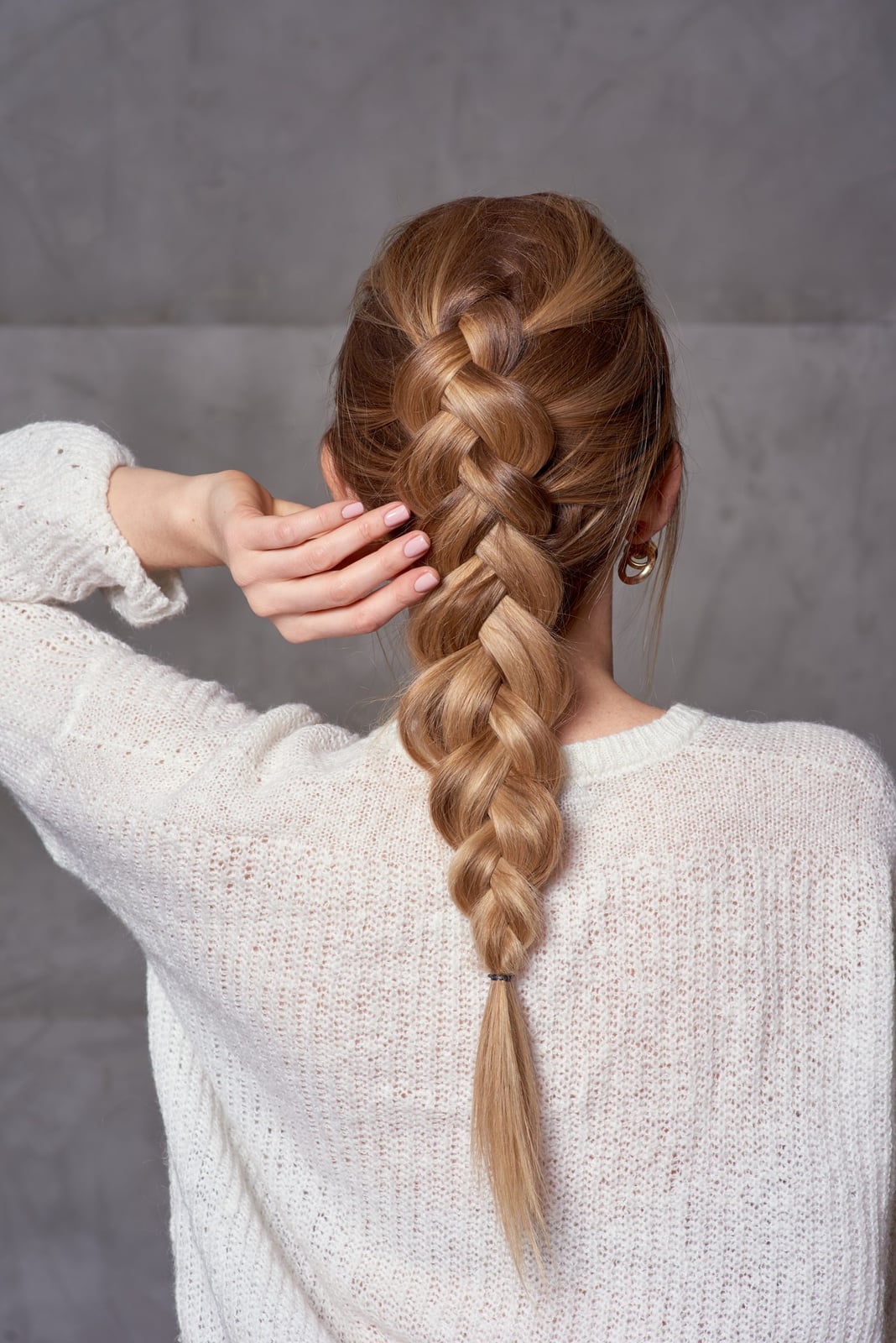
There is a specific satisfaction in a three-strand braid that is woven tight enough to show every section clearly. This one is straight, thick ash blonde hair to the mid-back, with no highlights to distract from the uniform tone. The smooth texture means the braid looks clean and deliberate, which is exactly the point. Ask your colorist for: thick, neat three-strand braid, ash blonde. A smoothing serum before braiding keeps flyaways down and adds a polished finish. This braid is genuinely DIY-able at home, but the solid ash blonde base requires a salon visit to get right, since an uneven tone will show in a braid this tidy. Trim every eight to ten weeks to keep the ends blunt and the braid looking intentional.
Fine Wavy Ash Blonde Loose Braid
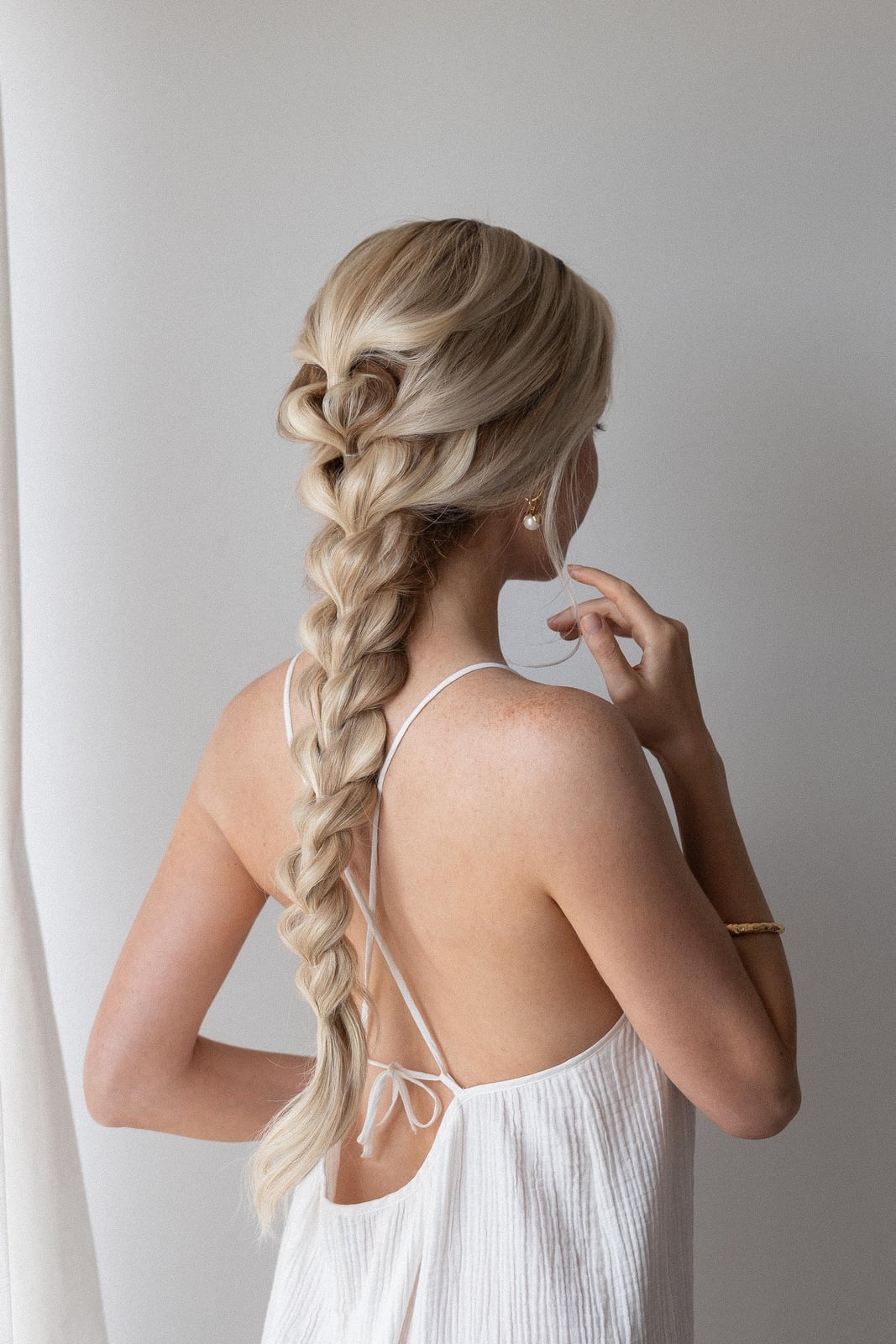
This loose braid looks thick and textured, but on fine, wavy hair it is a bit of a magic trick. The braid can look thinner than you would like if your hair is on the finer side. Ask your colorist for: ash blonde with subtle highlights. This mid-back length style works best with a middle parting and a few face-framing pieces left out. Tease each section before braiding to create the illusion of density, and accept that this is a casual, five minute look, not an all day sculpture.
Thick Wavy Ash Blonde Fishtail Braid
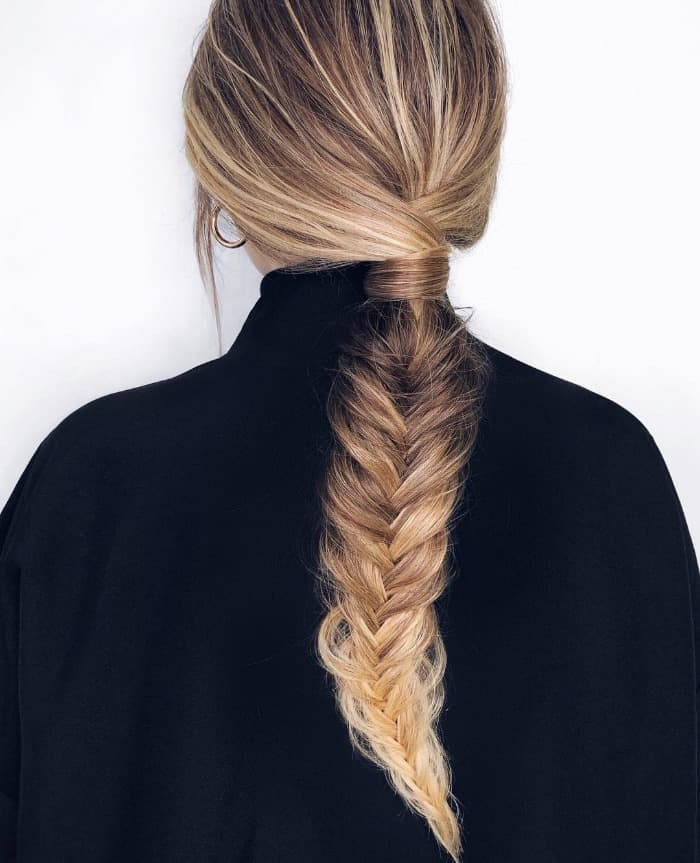
The fishtail is built by dividing the hair into two sections, then pulling thin strips from the outside of one section into the other. On thick, wavy ash blonde hair with subtle highlights, the pattern is clearly defined without looking rigid. Ask your colorist for: ash blonde with subtle highlights. A side parting adds a little asymmetry to the mid-back length, and the wavy texture means the braid holds its shape without a single bobby pin. A texturizing spray on the ends keeps the tousled finish from falling flat.
Intricate Dutch Braid Ash Blonde
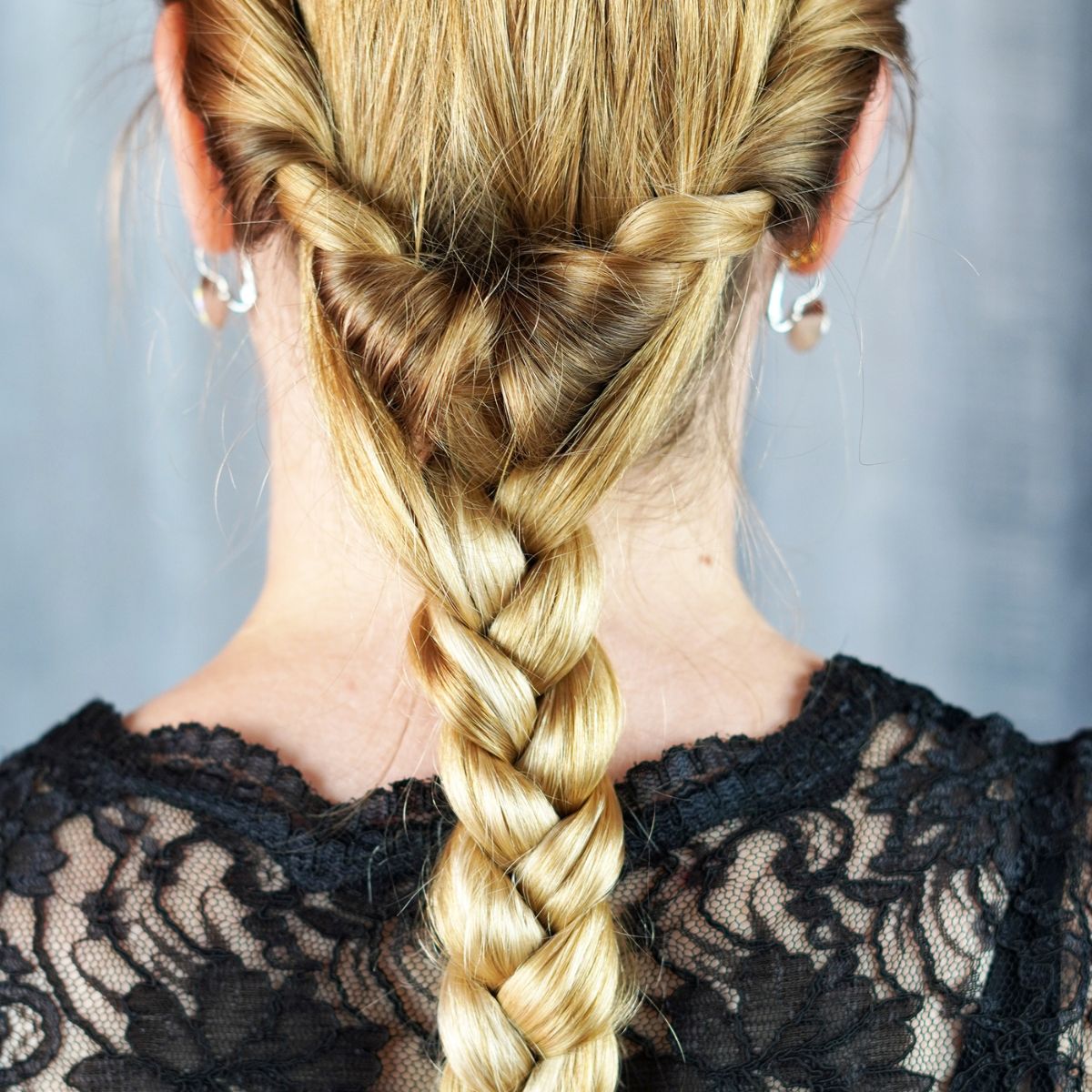
Can you get this Dutch braid right on the first try at home? Probably not. The underhand weaving creates a raised, intricate pattern that demands consistent tension and a middle parting that stays straight. Ask your colorist for: ash blonde balayage. The thick, wavy texture helps the braid look full, and the mid-back length gives you enough room to work. For a salon-leaning result on thick hair, section the back into three equal parts before you start, and keep the braid snug against the scalp.
Start at the crown and add hair from the sides as you go down. A light hold finishing spray will keep the pieces in place without making the braid feel stiff.
Wavy Ash Blonde Cornrows Mid-Back
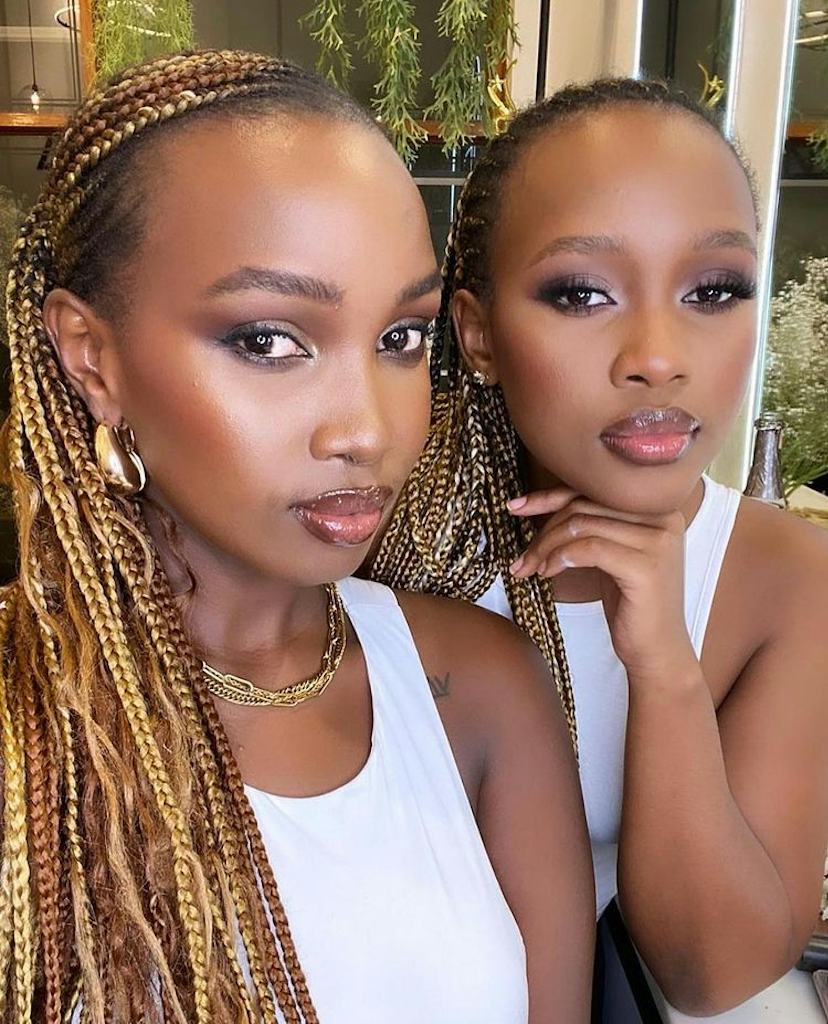
Cornrows in a clean ash blonde look sharp, especially when the middle parting is razor-straight. The wavy texture of the hair softens the lines just enough so the style doesn’t look severe. Ask your colorist for: ash blonde with a root shadow. The mid-back length gives you enough hair to work with without the braids dragging you down. This is a solid choice for a week-long trip where you want to wake up and go, but you will need a salon appointment to get the parting and tension right.
Fine Honey Blonde Shoulder Dutch Braid
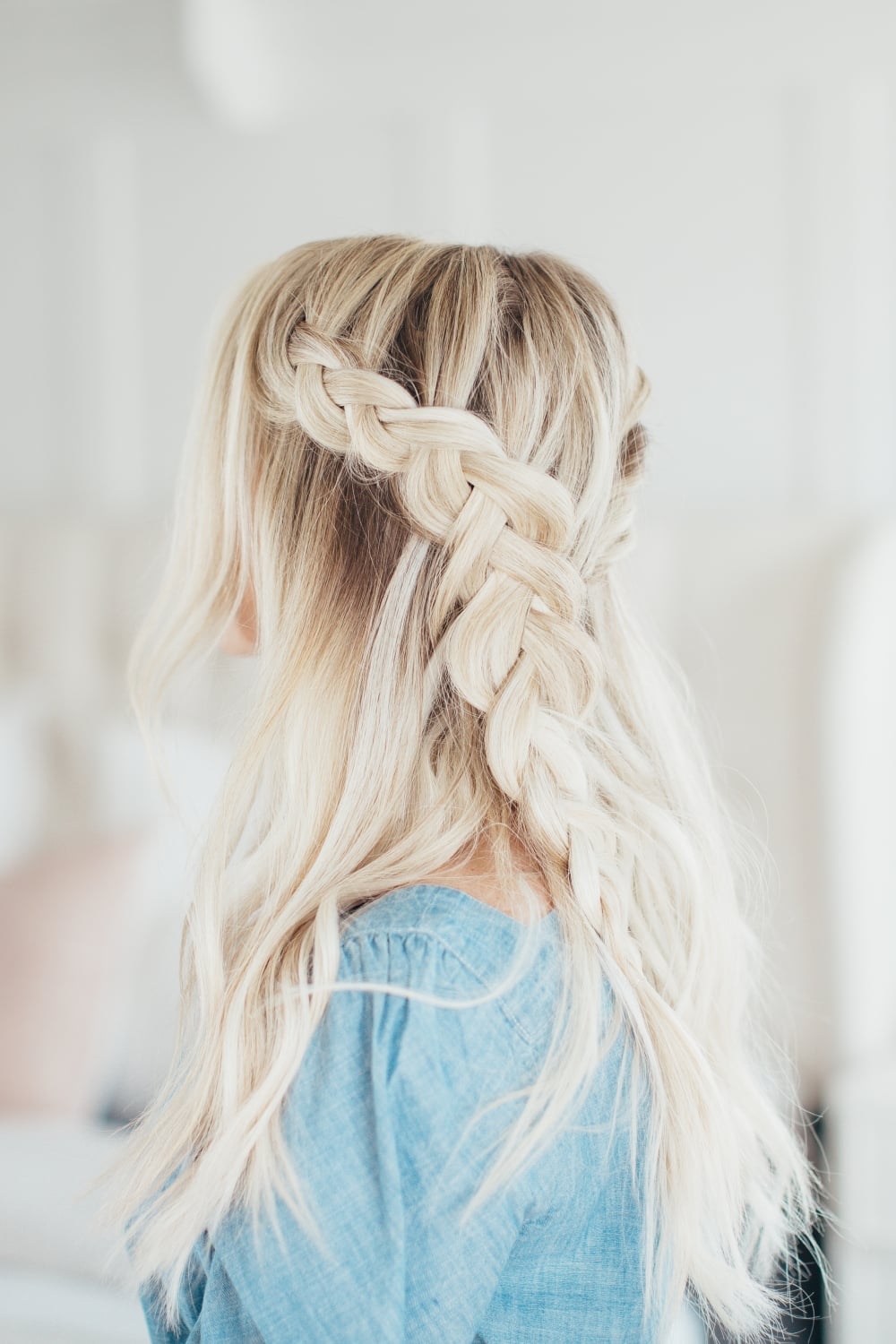
Wondering if a Dutch braid can work on fine, shoulder-length hair? It can, provided you keep the sections small and the tension loose. The honey blonde tone catches light evenly, which helps the braid read as thicker than it is. Ask your colorist for: honey blonde with a warm gloss. A side parting gives the braid a natural starting point, and the wavy texture adds grip so the style stays put. This is a quick, salon-leaning look for days when you want something more polished than a ponytail but less involved than a full updo.
Long Ash Blonde Braided Crown
The braided crown sits like a halo, but the trick is the loose waves that fall below it. That contrast, neat at the top, relaxed everywhere else, keeps this style from looking like a costume. Ask your colorist for: ash blonde with root shadow. The root shadow is the heavy lifter here, stretching the grow-out to eight weeks before you start eyeing the calendar. A side-swept fringe softens square and oval face shapes, so you can skip the full bang commitment. Use a texturizing spray on the waves to maintain the separation; without it, the ash tone can look flat by mid-afternoon. Trim the length every ten to twelve weeks to keep the crown detail clean. Wavy, thick hair gives the braid enough body to hold its shape through an evening out.
Honey Ash Blonde Half-Up Fishtail Braid
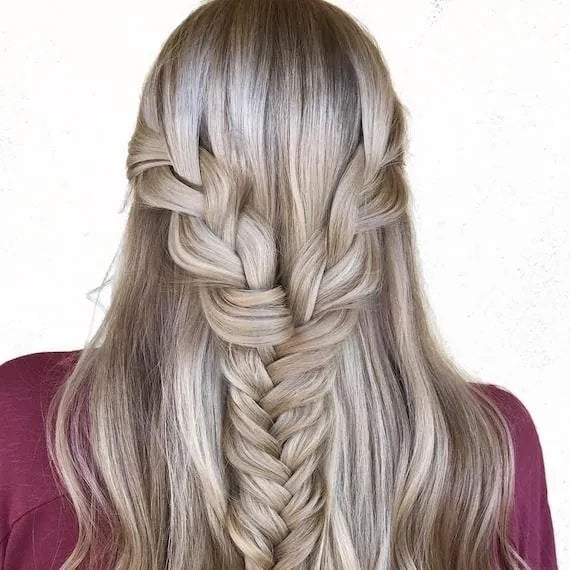
A half-up half-down style that actually earns the complexity it flaunts. The top section is woven into intricate braiding, then transitions into a fishtail braid that sits against the honey and ash blonde highlights. That two-tone effect is what gives the braid depth, a single shade would look like one flat rope. Ask your colorist for: honey and ash blonde highlights. The honey warms the base, the ash cuts the brass, and together they make the fishtail pattern pop. Thick, wavy hair at mid-back length holds the woven sections clearly; finer textures may not. A middle parting keeps the symmetry clean.
Honey Blonde Cornrows To Braids
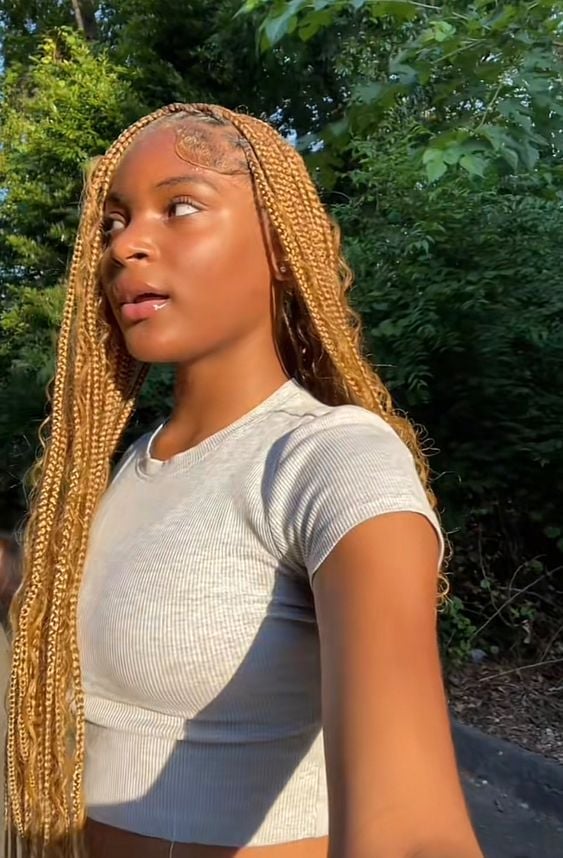
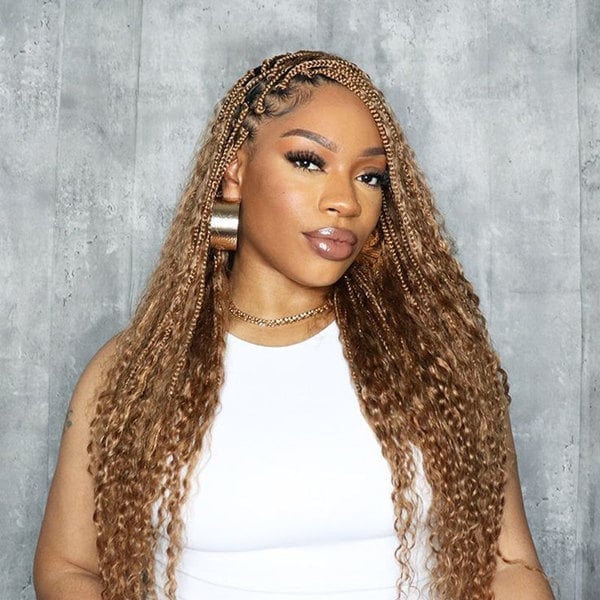
Cool-toned blondes get most of the attention, but a vibrant honey blonde like this one has a different kind of energy. Where ash can feel reserved, honey feels warm and lively. The color makes the transition from cornrows to braids look seamless. Ask your colorist for: vibrant honey blonde. The richness of the tone keeps the cornrow pattern visible even as the braids lengthen. A middle parting centers the look from every angle, and the side view shows how the color pulls warmth through the entire length. Thick, wavy hair at mid-back is the ideal starting point; the texture gives the cornrows grip without needing extra tension.
Simple Honey Blonde Three-Strand Braid
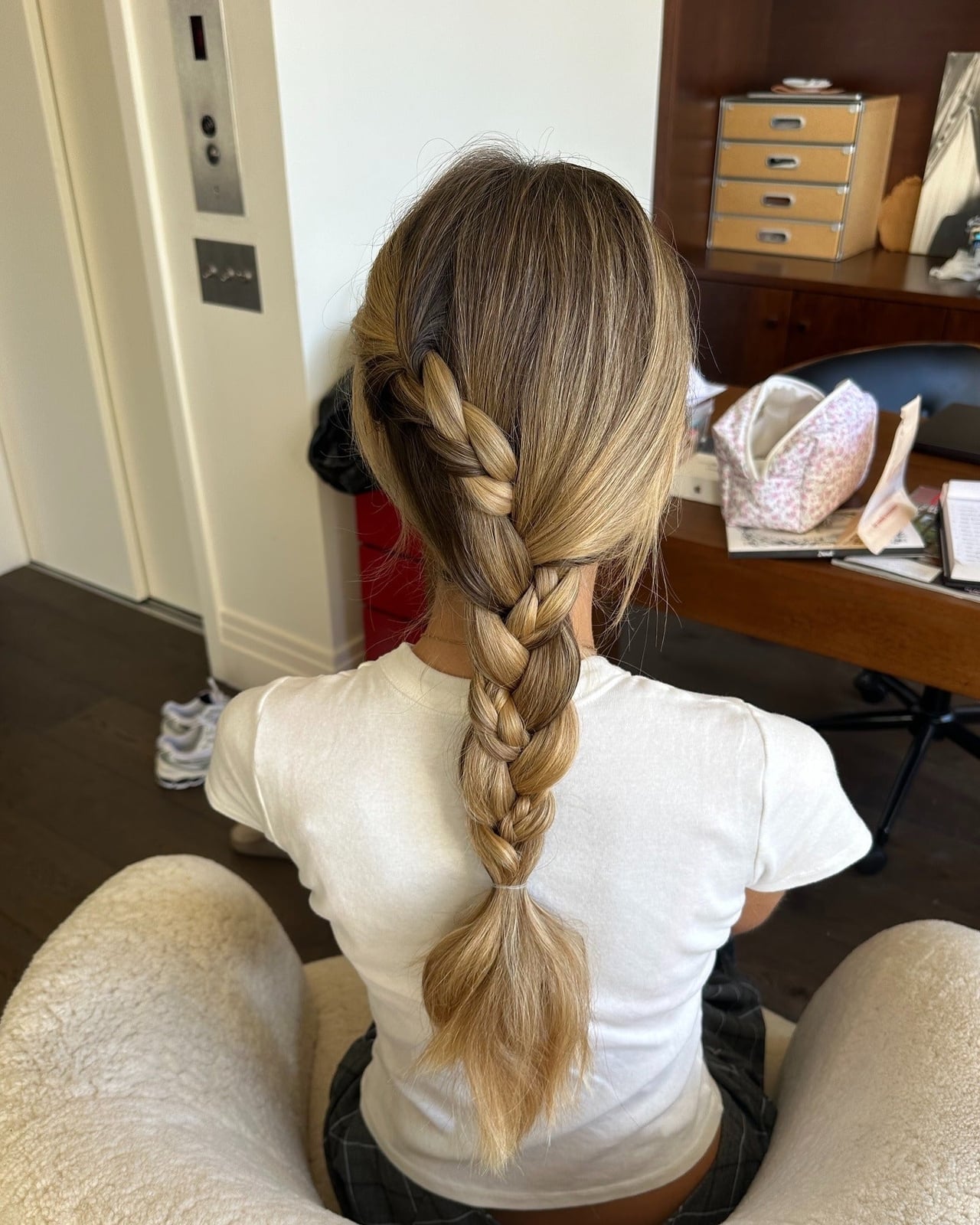
Can you actually braid your own hair without a mirror? Yes, if you keep it this straightforward. The three-strand braid relies on even tension, and straight hair makes that easier than wavy or curly textures. Starting with slightly damp hair gives you a smoother finish and fewer flyaways. Ask your colorist for: honey blonde. The subtle variations in tone, not quite highlights, not quite all one shade, add depth without any extra technique on your part. Layer a lightweight gel through the sections before you start braiding for hold that lasts the day. This is a mid-back length braid, so pull the strands taut enough that the braid doesn’t sag by lunch. A middle parting keeps the look intentionally simple.
Platinum Blonde Two Braids With Bangs

Two loose braids and a set of full bangs: a combination that sounds simple until you factor in the upkeep. Platinum blonde demands a toning session every four to six weeks, and the bangs need a trim every three to four weeks to stay above the brow. Ask your colorist for: platinum blonde with full bangs. This high-contrast look works on fine, wavy hair. The texture gives the braids body without adding bulk. One real drawback: the bangs mean you cannot hide a grow-out line with a part change. You either commit to the schedule or watch a warm band appear at the roots. A texturizing spray on the loose strands softens the braids and keeps the casual feel intact.
Caramel Blonde Mid-Back Box Braids
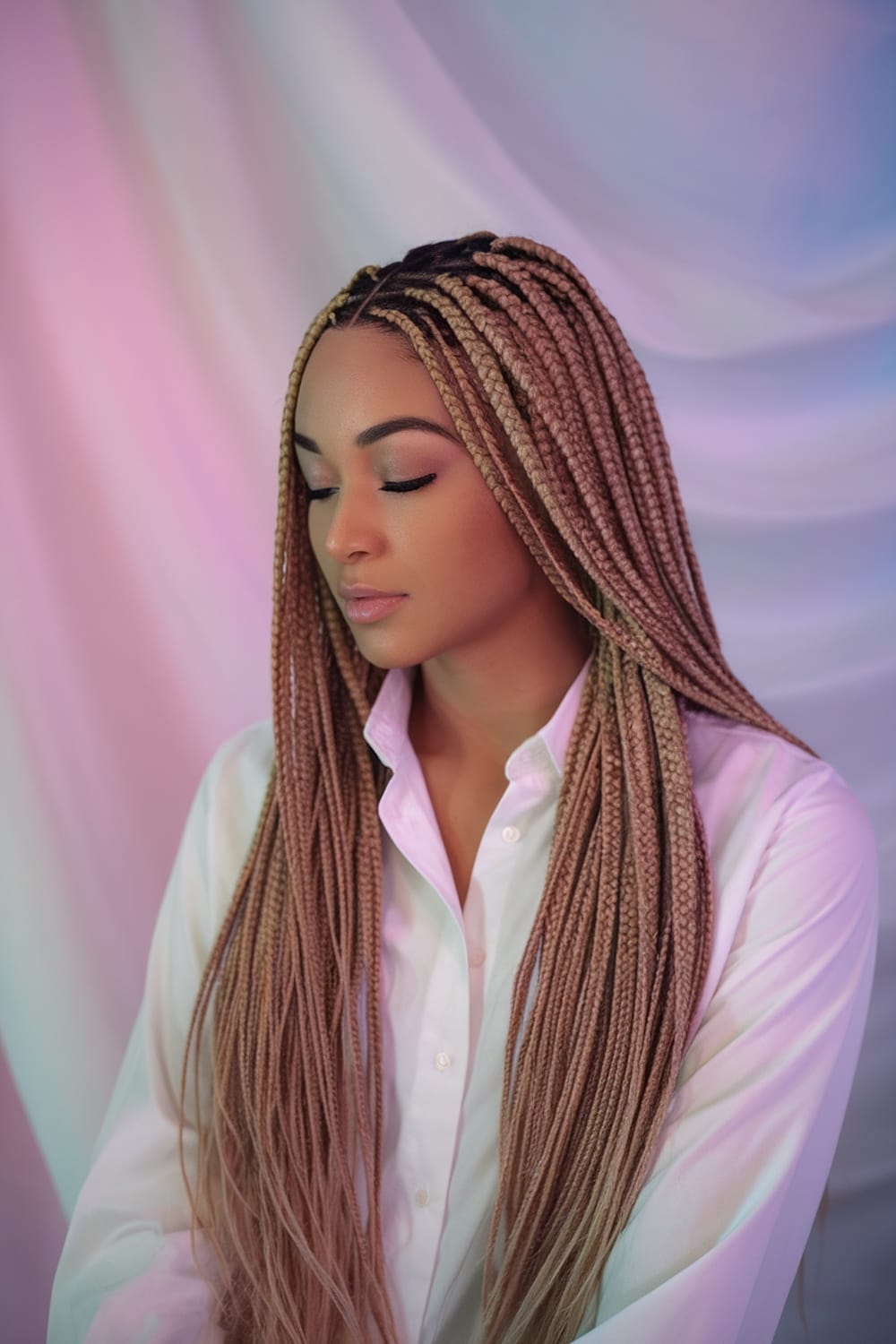
Do box braids work for fine, straight hair? These caramel blonde ones, reaching mid-back with a middle parting, prove they do. The uniform color makes the dense packing look polished rather than heavy. Ask your colorist for: box braids, mid-back length, caramel blonde. This style suits fine, straight hair that can handle the weight of extensions without strain, and the straight texture keeps the braids sleek. It is a salon commitment that pays off in mornings when you just need to tie them back.
Honey Blonde Box Braids With Lighter Ends
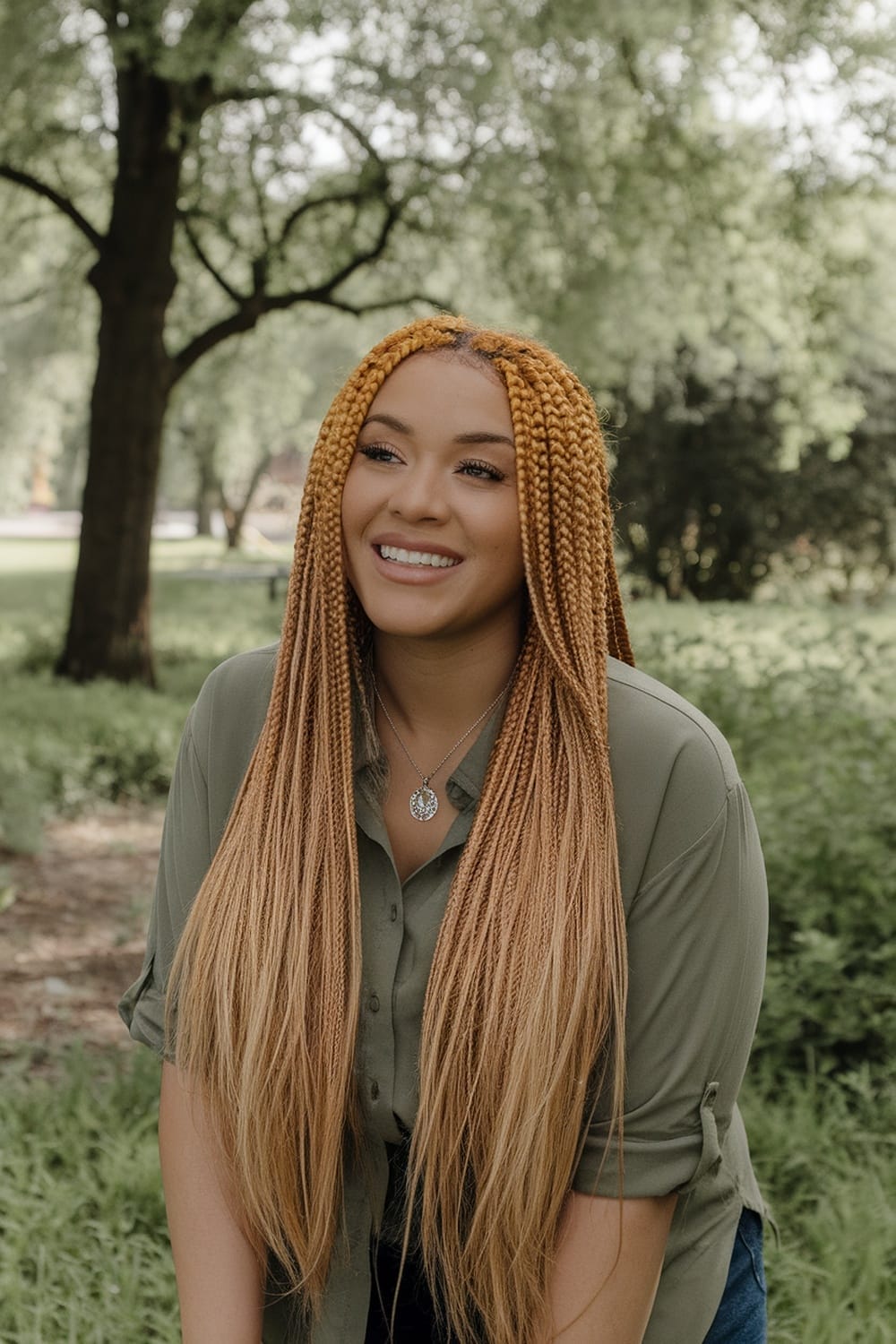
Lighter ends on honey blonde box braids create depth that a single flat shade cannot. The mid-back length and middle parting keep the look uniform, while the blonde gradient adds movement. Ask your colorist for: box braids, honey blonde with lighter ends. On fine, straight hair, the lighter ends catch light and make the braids feel airier. Over time, the lighter tones may fade to a warmer honey, so a purple shampoo every few weeks keeps them bright. Expect to trim or refresh the ends at the 10 to 12 week mark to prevent fraying.
Shoulder Length Blonde Two Dutch Braids
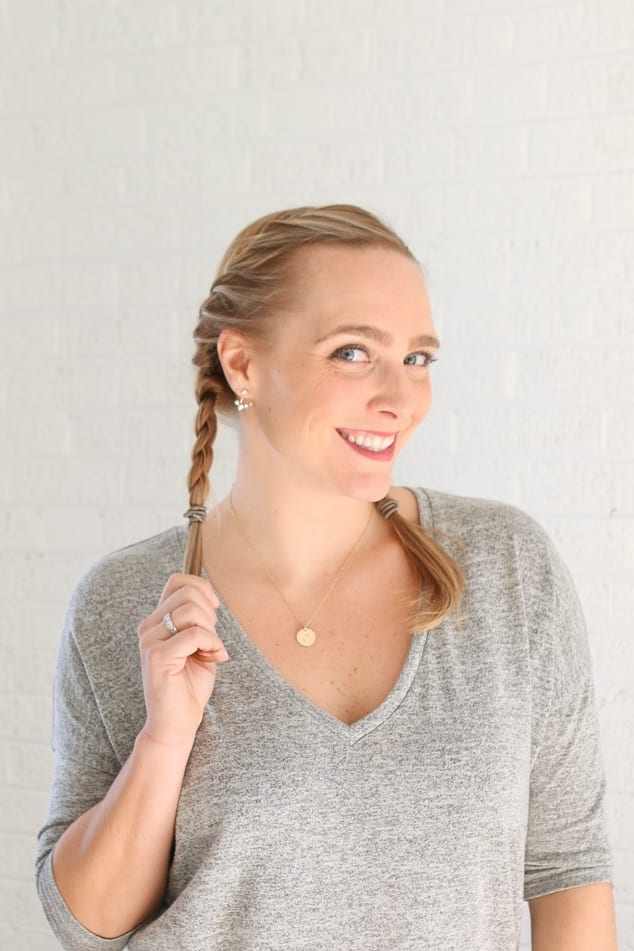
Two neat Dutch braids on shoulder-length blonde hair work because the sections are small and even. The middle parting splits the hair cleanly, and each braid lies flat against the scalp, which is the signature of the Dutch technique. Ask your stylist for: two neat Dutch braids, shoulder length blonde hair. This is a DIY doable style on straight, medium-density hair, though it takes practice to keep the tension consistent. The payoff is a sporty look that stays put through a workout or a long day.
Shoulder Length Blonde Side Braid
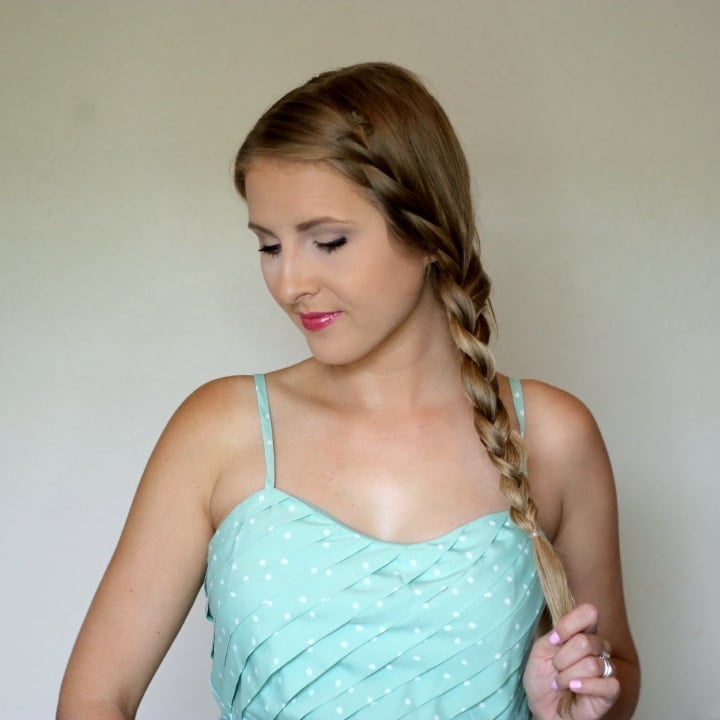
To make a side braid look neat, start with a side parting and sweep the hair to one shoulder. On shoulder length blonde hair with straight, medium density, a single braid appears polished. Ask your stylist for: neat side braid, shoulder length blonde hair. The trick is to keep the braid taut from root to tip so it stays structured. A clear elastic at the end holds it invisibly, and this style works for work or a casual weekend.
Short Platinum Blonde Box Braids
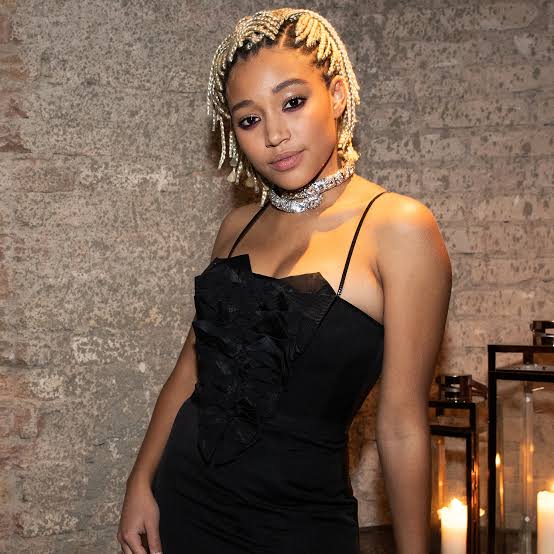
Platinum blonde box braids on short, coily hair are a bold move, but they come with a trade-off. The light shade shows every bit of new growth, so your roots will demand attention around the four week mark. Ask your colorist for: short box braids, platinum blonde. The middle parting and tight braiding give a clean, graphic line that suits fine, coily textures well. Expect to use a scalp serum to keep the scalp comfortable, and plan for a refresh every 10 to 12 weeks to maintain the color’s brightness.
Platinum Blonde Crown Braid Updo
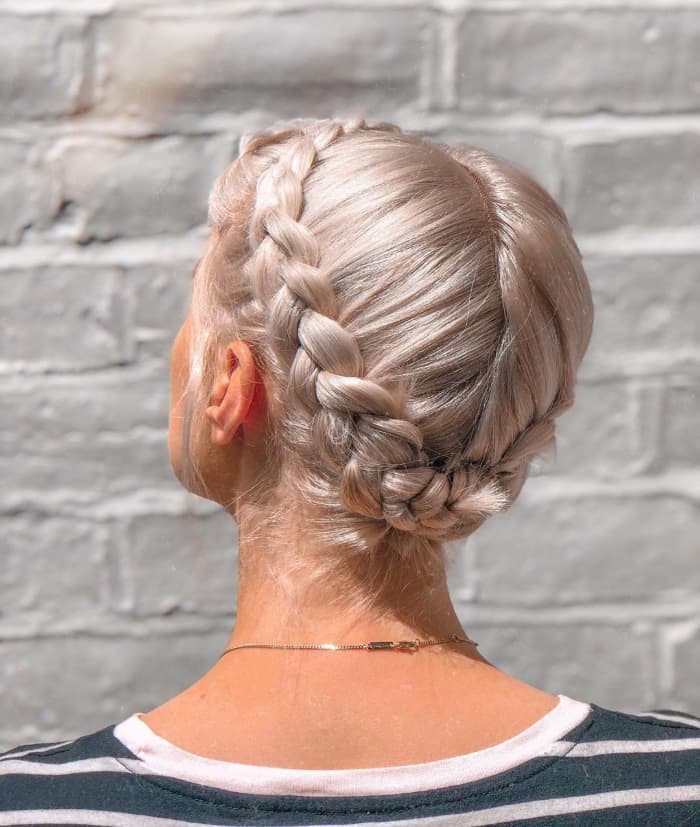
Two thick braids wrap around the head in a halo-like updo, and the back view shows just how neat the whole construction is. On straight, fine hair at shoulder length, the bright platinum blonde looks like one continuous ribbon. Ask your colorist for: platinum blonde crown braid updo. This is a salon-level style that suits fine hair beautifully, since the braided structure gives it substance it might otherwise lack. For a wedding or formal event, the uniform tone keeps things polished, and the updo holds its shape all evening. A trim every eight to ten weeks keeps the fine ends clean enough to braid without fraying.
Long Light Blonde Three-Strand Braid
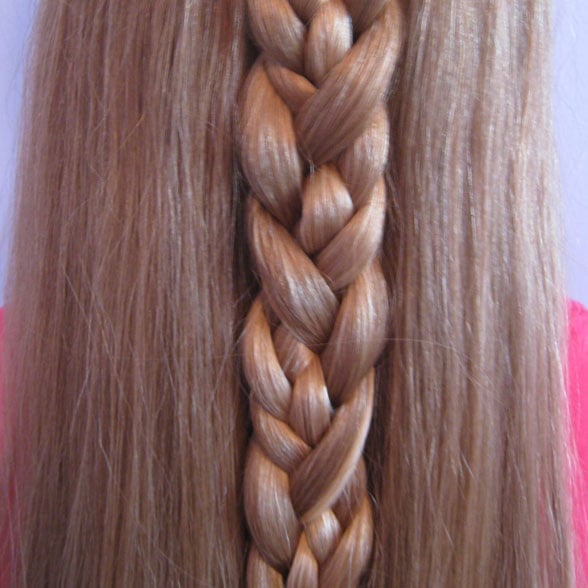
The neat three-strand braid on long, straight, fine hair is exactly the kind of style that looks obvious once you see it, but somehow never is. The uniform light blonde keeps the focus entirely on the braid’s structure, with no parting or bangs to distract from the clean line down the back. Ask your stylist for: neat three-strand braid, long light blonde hair. This one is a true DIY project, since a classic three-strand braid takes about five minutes once you have the sections sorted. On fine hair, braid loosely for a softer effect, or pull a bit tighter for a crisper finish. A trim every ten to twelve weeks prevents the fine ends from looking stringy, and the simple construction means you can redo it daily without much thought.
Final Thoughts
For fine hair, Dutch or French braids add visual thickness by lifting the hair at the root. For thick hair, looser fishtails or three-strand braids help manage volume without looking bulky. Always protect blonde tones from heat and sun to keep the color from turning brassy.
- Trim split ends every 8-10 weeks for neat braids.
- Tone blonde hair every 6-8 weeks to maintain vibrancy.
- Use a heat protectant spray before styling.
- Wash hair once or twice a week to preserve braid integrity.
Find the perfect blonde braid to match your style.