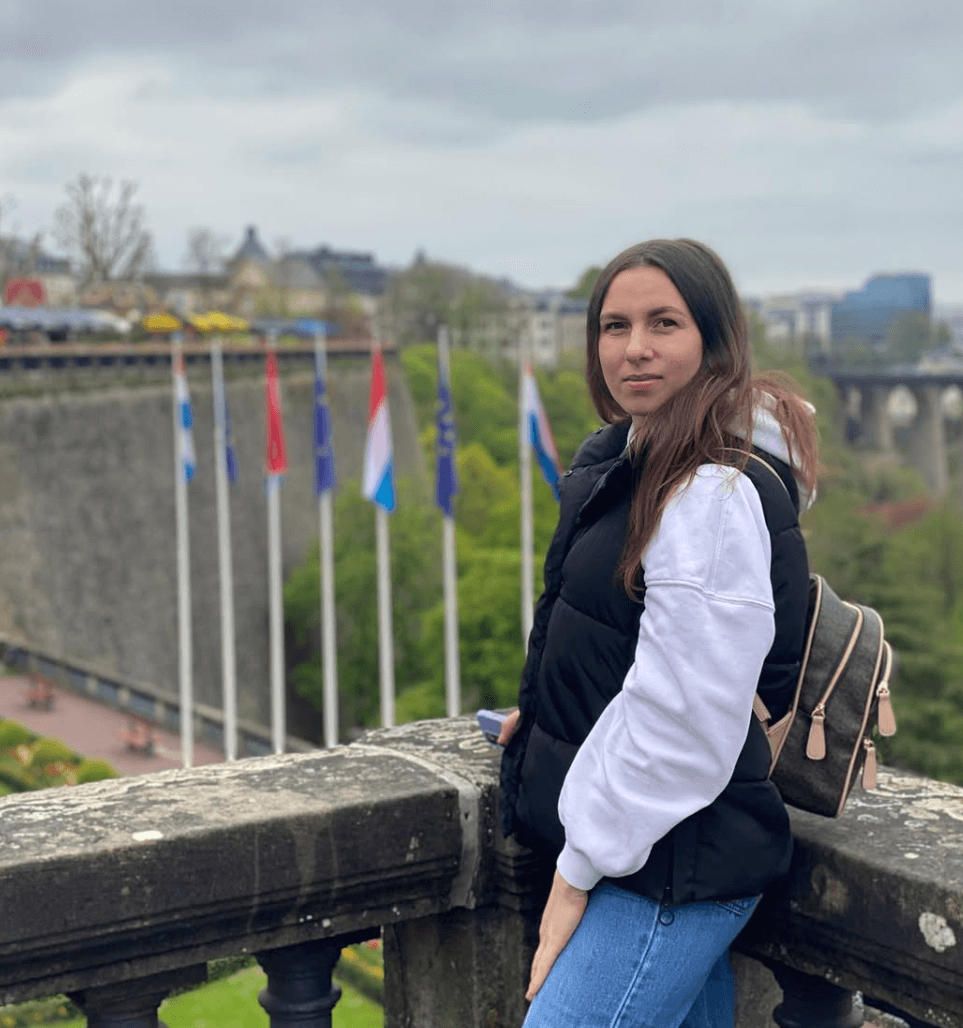

Japanese hair trends build on clean lines and natural texture, not complicated routines. Soft face-framing layers and lived-in color have replaced flat-ironed poker straight ends in most Tokyo salons.
These 27 Simple Japan Hairstyles range from blunt chin bobs to intricate braided updos, covering short and long lengths, low and higher upkeep. The collection works for fine hair that falls flat, a visible grow-out line, or a fringe that will not sit. One cut, one color technique or one styling move is all it takes.
Collarbone Shag with Soft Curtain Bangs
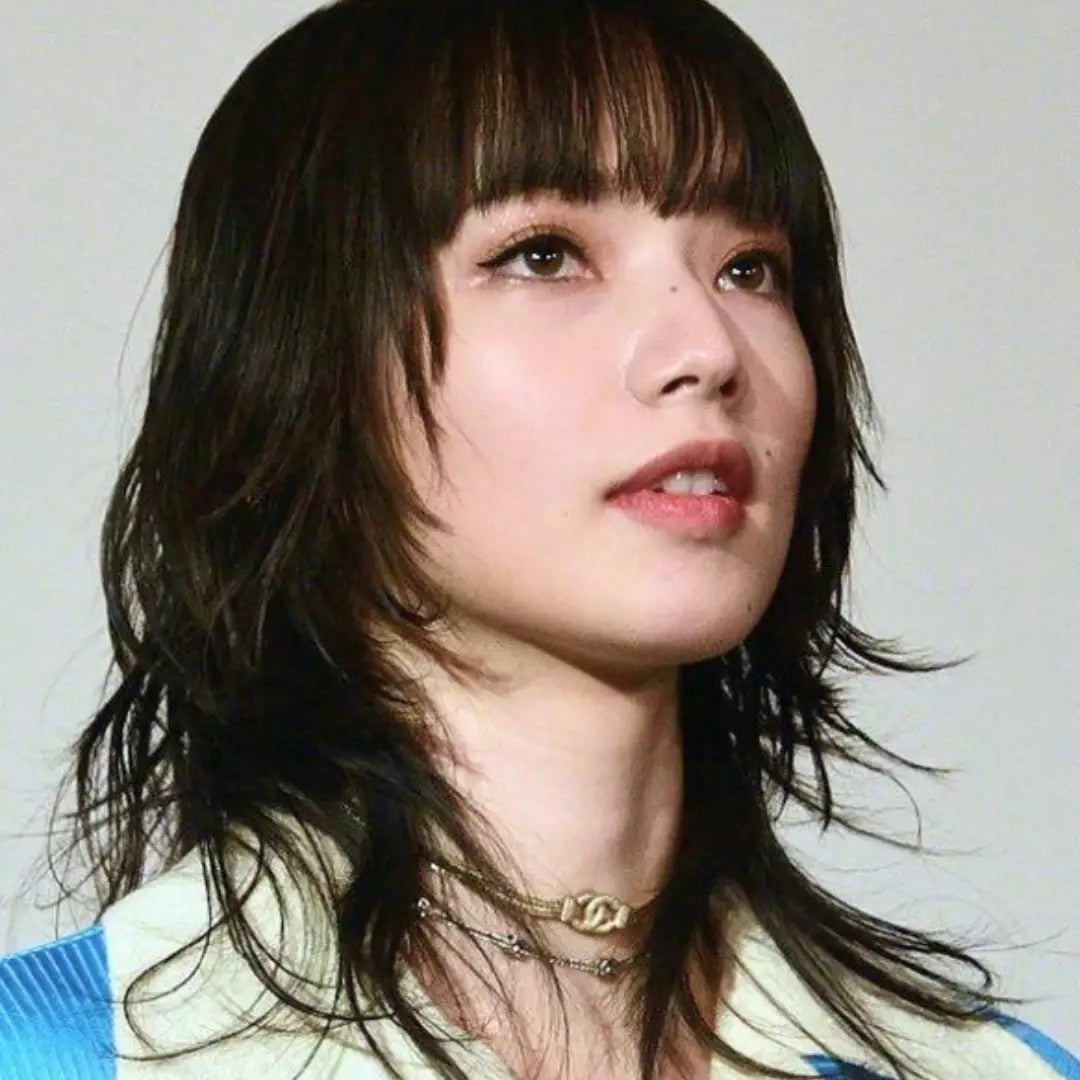
The collarbone shag combines face-framing layers with a middle parting for a balanced look. It works well on medium-density wavy hair starting at collarbone length, and the soft curtain bangs help soften square and round faces without a severe commitment. Ask your stylist for a collarbone length shag with soft curtain bangs, styled in a blowout. The blowout is key: it lifts at the crown for volume and tucks the ends under just enough to show off the layers. Plan on trimming the bangs every four to six weeks to maintain the shape.
Long Layered Cut with Gentle Waves
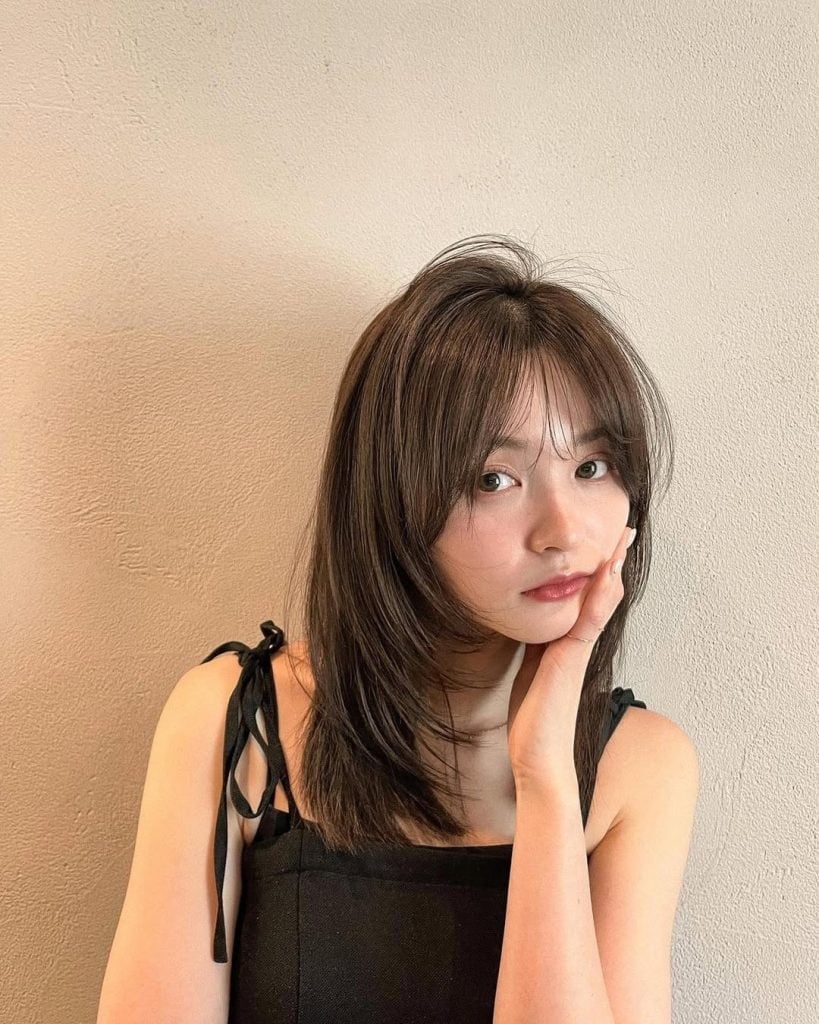
Wondering how to get those soft waves that look like you actually tried but not too hard? The secret is in the cut, not the iron. This collarbone-length cut uses long layers and soft curtain bangs, parted in the middle, so the waves have somewhere to go. It works best on medium-density wavy hair and can help elongate round faces.
Ask your stylist for a collarbone length layered cut with soft curtain bangs and gentle waves. For styling, wrap sections around a large barrel curling iron, hold for a few seconds, then let them cool before you touch them. The waves should fall loosely, not in tight ringlets. A trim every six to eight weeks keeps the layers from getting heavy at the ends.
Layered Collarbone Style with Subtle Highlights
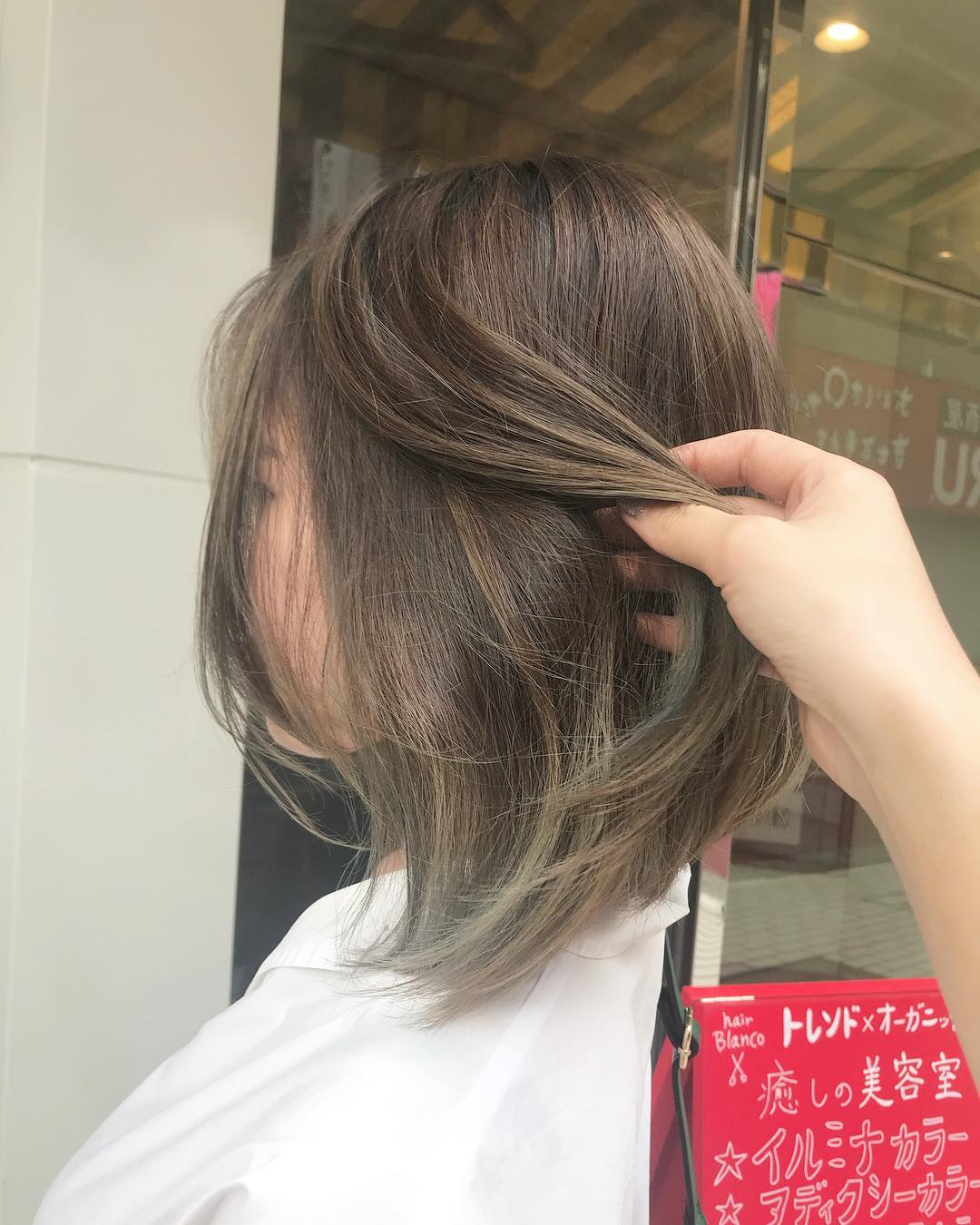
The layered collarbone cut gets a quiet upgrade with subtle highlights woven through the ends. This technique keeps the base dark brown and lets lighter pieces sit where the layers move, so the movement does the work.
This style suits medium density wavy hair and softens square or heart faces with curtain bangs that blend into the layers. Ask your colorist for collarbone length layers with curtain bangs, subtle highlights, and a blowout finish. For upkeep, apply a smoothing serum to damp hair before blow drying to keep the surface polished. A trim every six to eight weeks and a toning appointment around the same schedule will keep the highlights from turning brassy.
Shoulder Length Hime Cut with Blunt Bangs
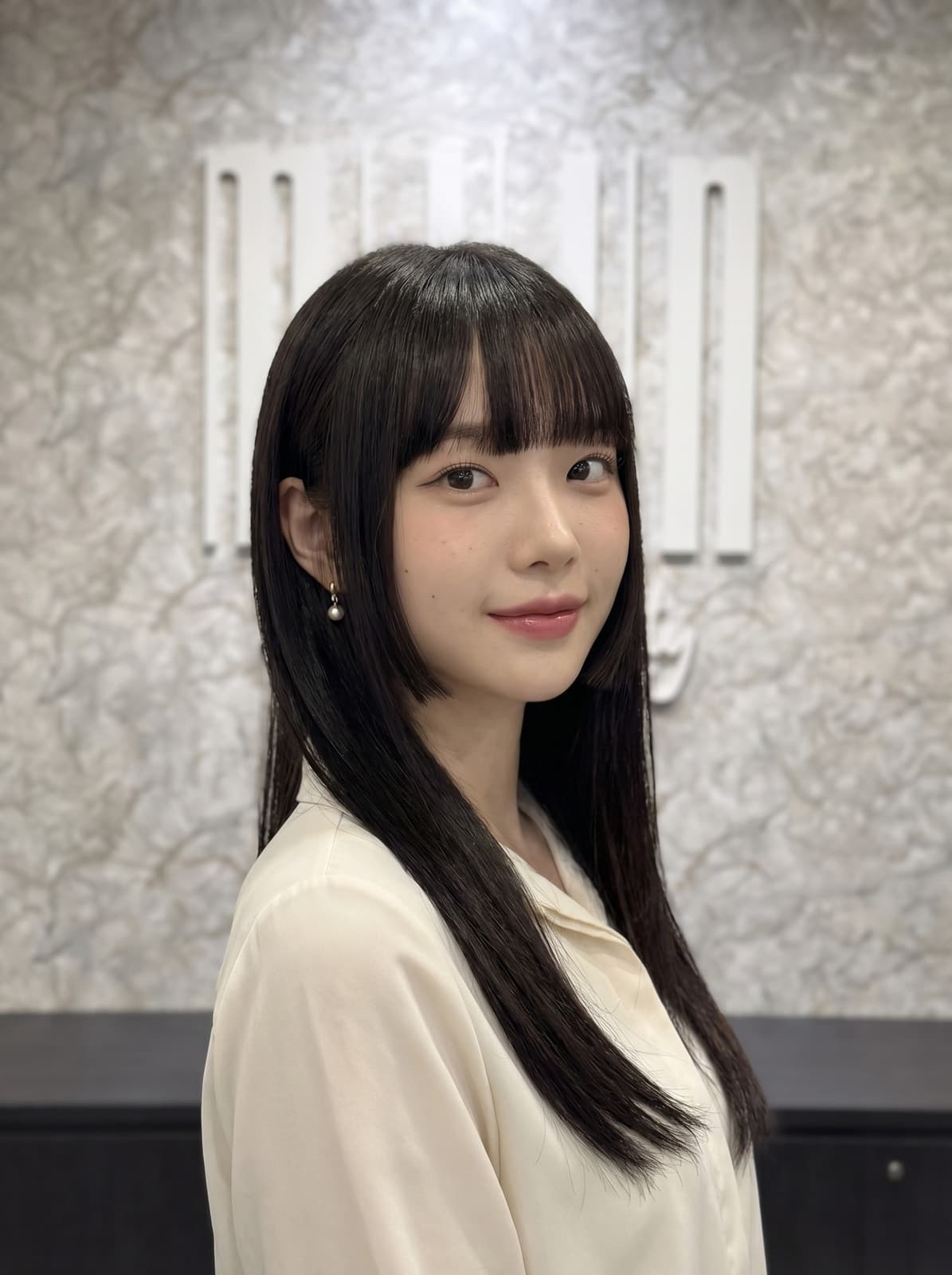
Where the shag whispers, the hime cut announces. Set against softer, layered styles, this shoulder-length version keeps the iconic straight sides and blunt bangs, parted in the middle, for a graphic, almost architectural line. It requires thick, straight hair to hold the shape, and it’s a salon project, not a DIY trim. Ask your stylist for a shoulder length hime cut with blunt bangs. Expect to sit still for a while as the precision is in the details, and the payoff is a cut that looks sharp even when air-dried.
Chin Length Blunt Bob with Blunt Bangs
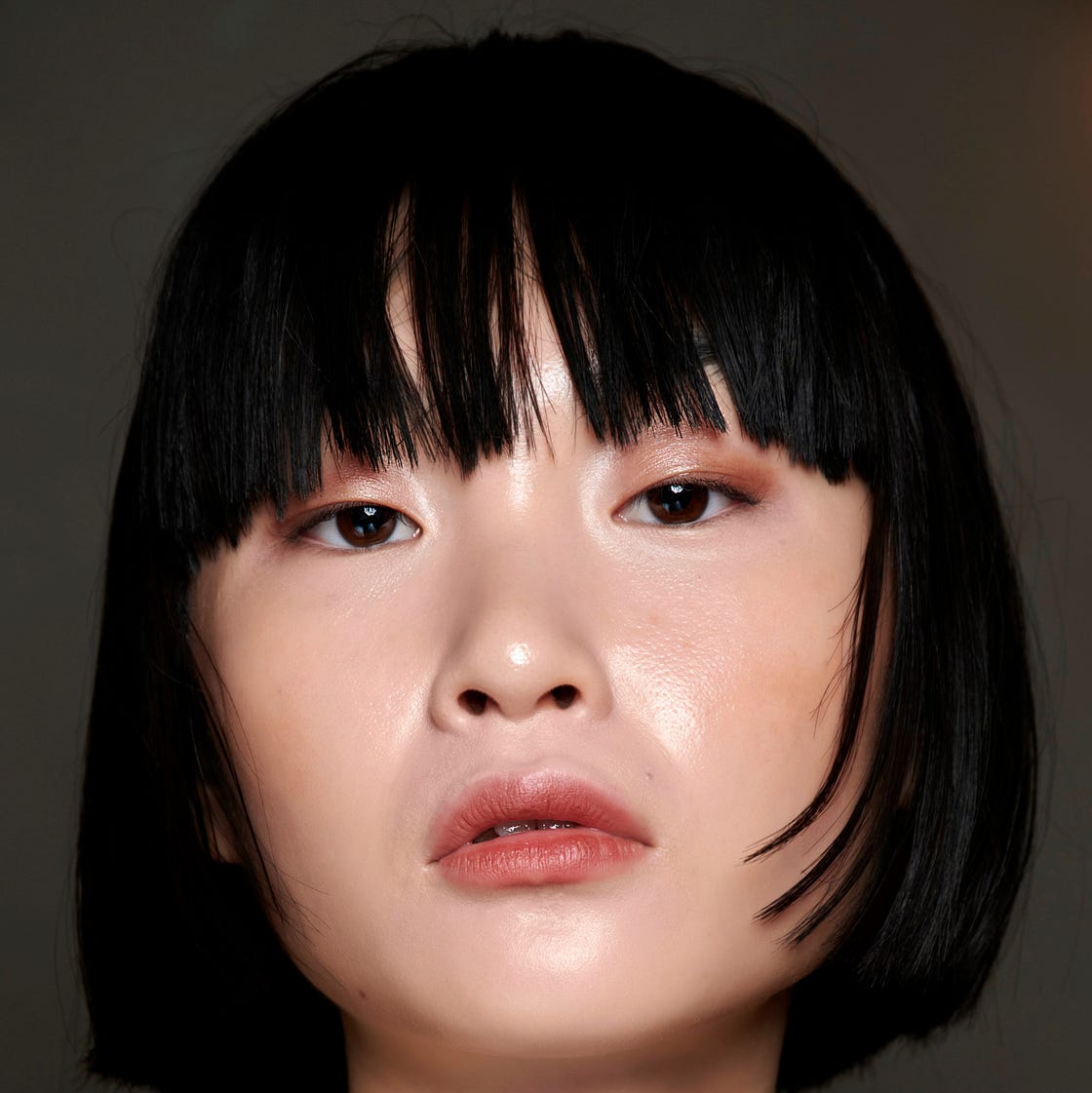
There is no hiding with a chin-length blunt bob, and that is exactly the point. The cut is a single, unbroken line with no visible parting, which means every stray hair is on display. It works best on thick, straight hair that can hold the weight of the cut. Ask your stylist for a chin length blunt bob with blunt bangs and a sleek finish. The honest drawback is the upkeep: the sharpness fades fast, so you will be back for a trim every four to six weeks to keep the edges clean. A smoothing serum and a flat iron give it that glass-like finish, but only if you have the time.
Sharp Chin Bob No Bangs
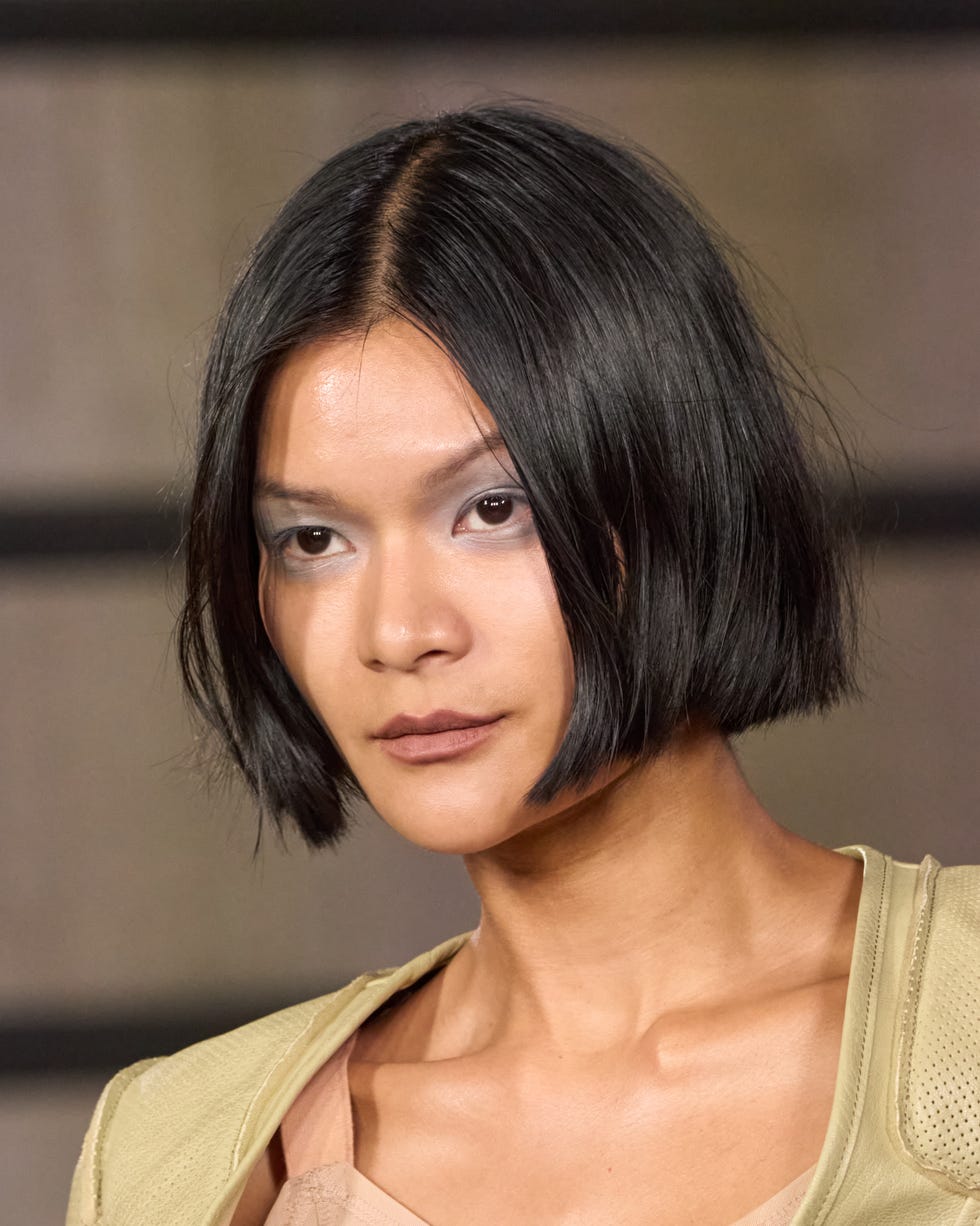
Can a haircut this simple really hold its own? Yes, when the blunt line does the work. This chin-length black bob relies on a middle parting and zero layers to make fine, straight hair look deliberately clean rather than thin. Ask your stylist for: chin length blunt bob, no bangs, middle part. The precision of the cut means every strand falls into place, so styling is mostly about keeping that middle part exact with a fine-tooth comb. A trim every six to eight weeks keeps the edge from softening into something accidental.
Dark Brown Chin Bob Blunt Cut
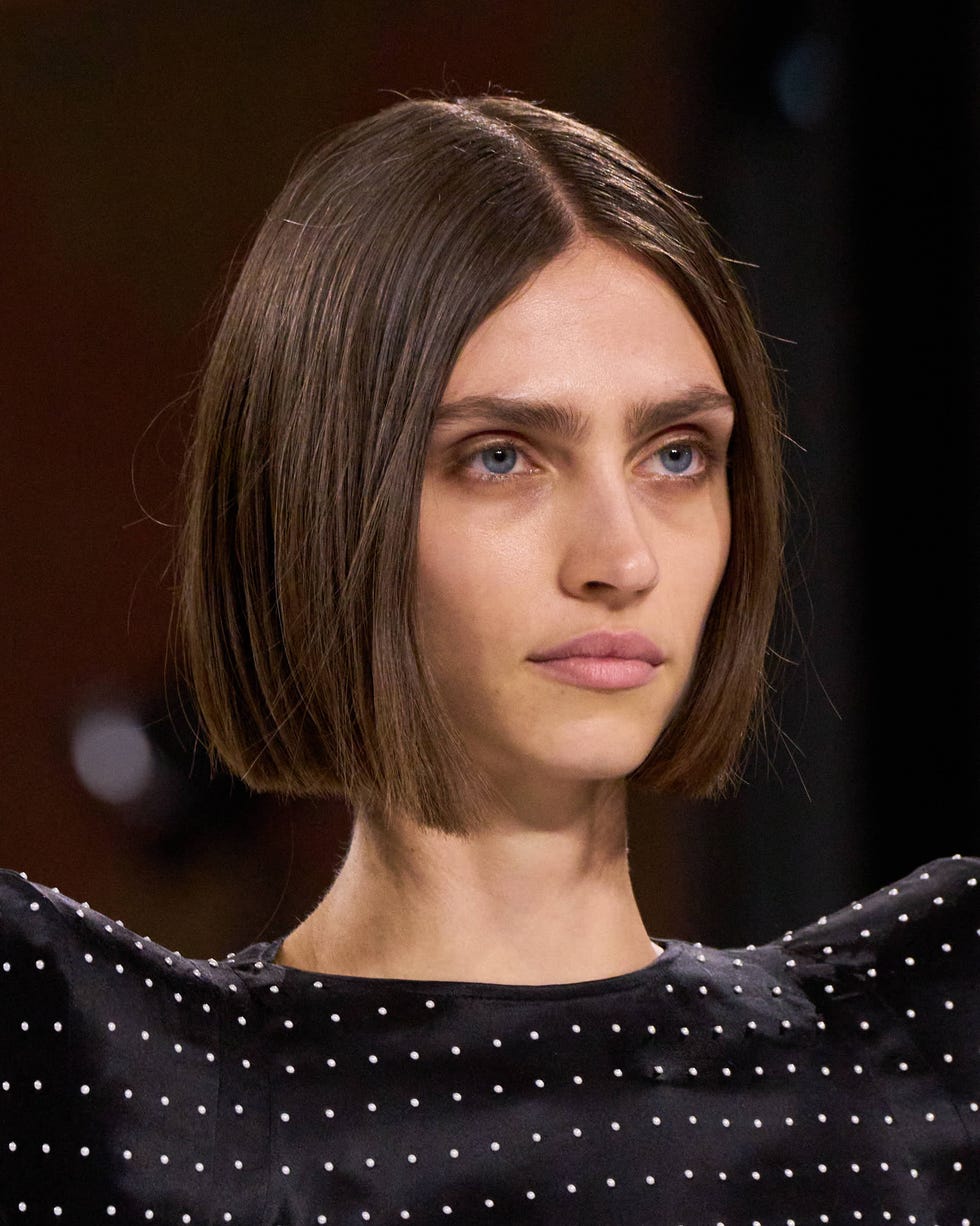
A blunt cut at chin length depends entirely on a clean line. There is no texture to hide behind, so the dark brown color and fine texture are front and center. Ask your stylist for: chin length blunt bob, dark brown, middle part. Daily styling means running a flat iron through dry hair for a glassy finish, then adding a drop of hair oil to the ends for shine. That middle part needs to stay dead straight, or the whole silhouette tilts. Budget for a trim every six to eight weeks; the line goes fuzzy fast.
Black Bob with Micro Bangs
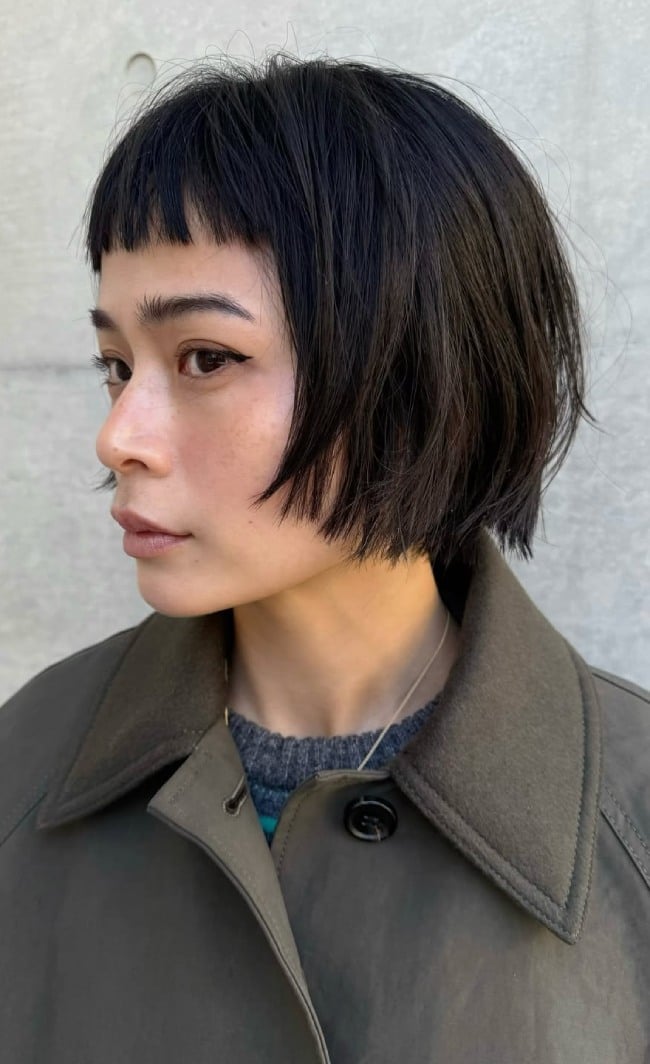
How short is too short for bangs? Micro bangs sit a solid two inches above the brows, which changes the whole math of a chin-length bob. The black color and straight, fine texture keep the look graphic rather than costume-y. Ask your stylist for: chin length bob with micro bangs, air dried finish. The middle parting is essential here: it lets the micro bangs read as a deliberate design choice instead of a scissor slip. Oval face shapes get the most out of this proportion, since the forehead becomes the focal point.
Dark Brown Chin Bob with Side Swept Bangs
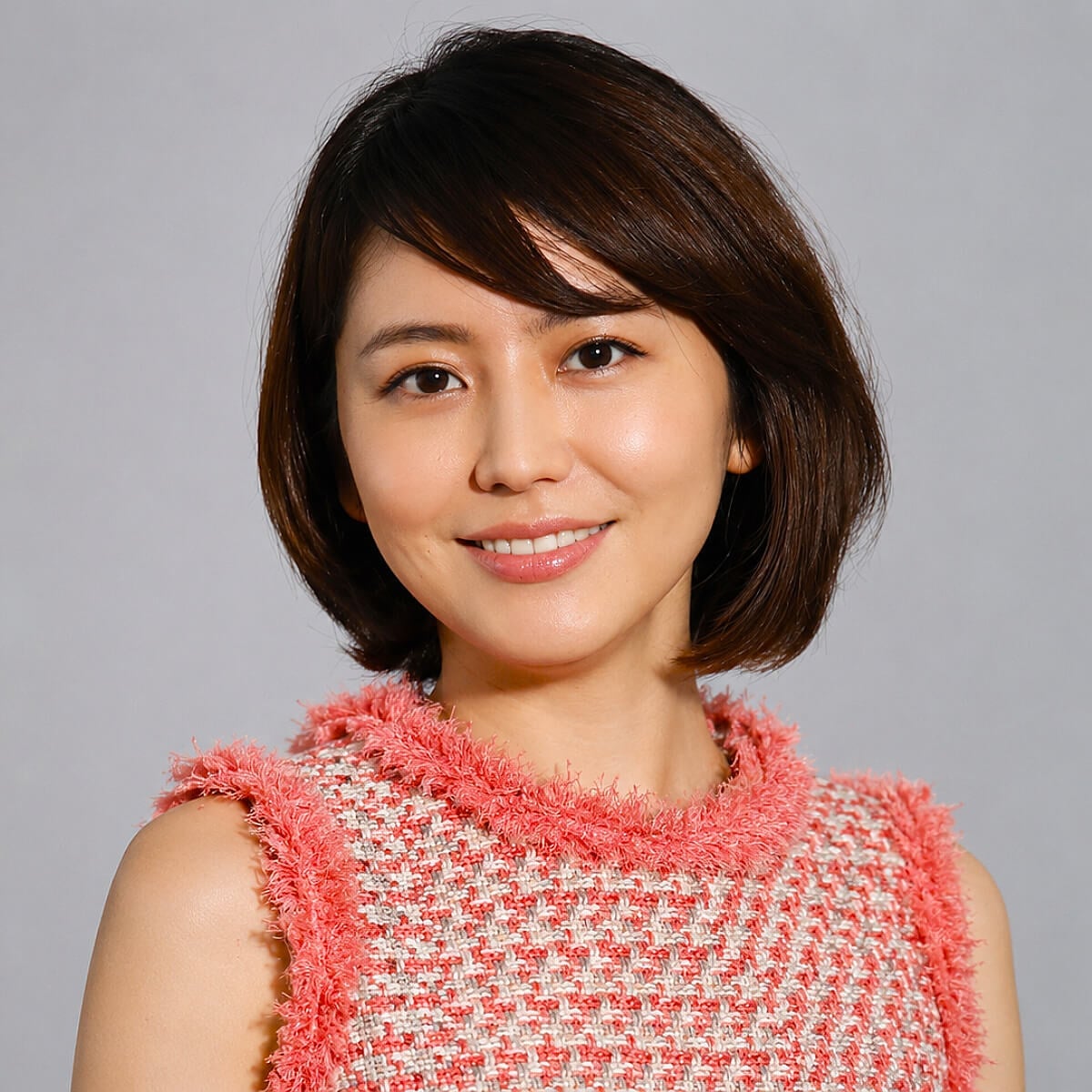
The side part and side-swept bangs turn a blunt chin-length bob into something that moves with the face rather than sitting as a separate shape. The dark brown color gets an extra dose of depth from the glossy blowout finish. Ask your stylist for: chin length blunt bob with side-swept bangs, smooth glossy finish. Medium density hair holds the sweep best; fine hair can slip out of the part by midday. A flat iron on low heat seals the ends flat, and a shine serum keeps the blunt line reflective from root to tip.
Thick Bob with Layered Shape
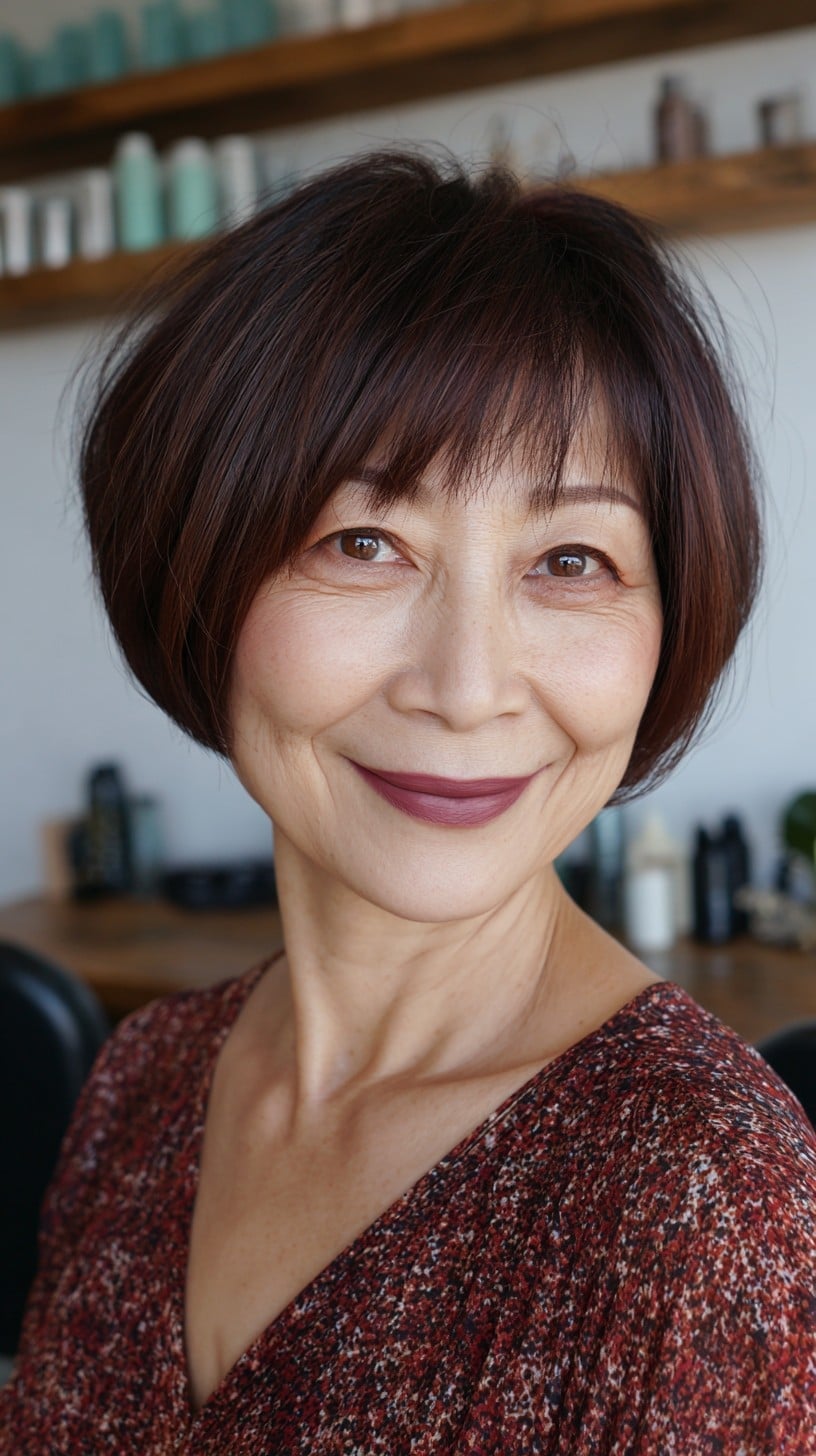
Thick, straight hair in a one-length bob sits like a helmet. Subtle layers cut through the weight so the ear-length shape has movement instead of bulk. The dark brown color and side-swept bangs keep the look polished. Ask your stylist for: chin length layered bob with side-swept bangs, smooth blowout. The layers are internal, not choppy on the surface, so the silhouette stays clean while the hair swings. A side parting adds lift at the root, and a round brush during blow-drying encourages the ends to tuck under gently.
Short Layered Bob with Textured Bangs
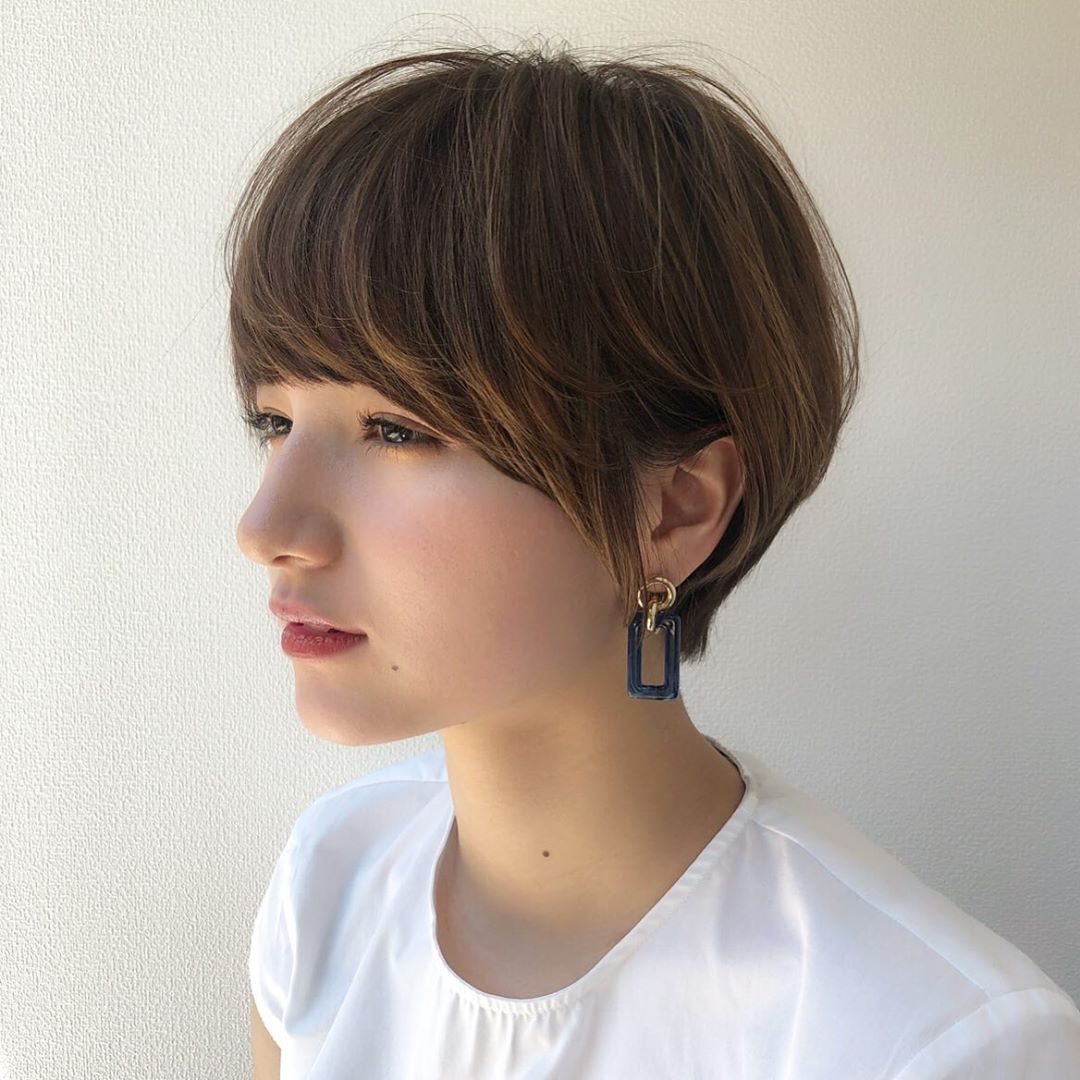
A short layered bob where the textured side-swept bangs create shape and movement. Fine, straight hair at ear length is the ideal starting point, since the layers add movement without bulk. Ask your stylist for: Short layered bob with textured side-swept bangs, air dried. To style, apply a texturizing paste to damp hair, scrunch the bangs to one side, and let it air dry. No heat, no fuss, just a little paste and a few minutes of scrunching.
Short Gray Bob with Wavy Texture
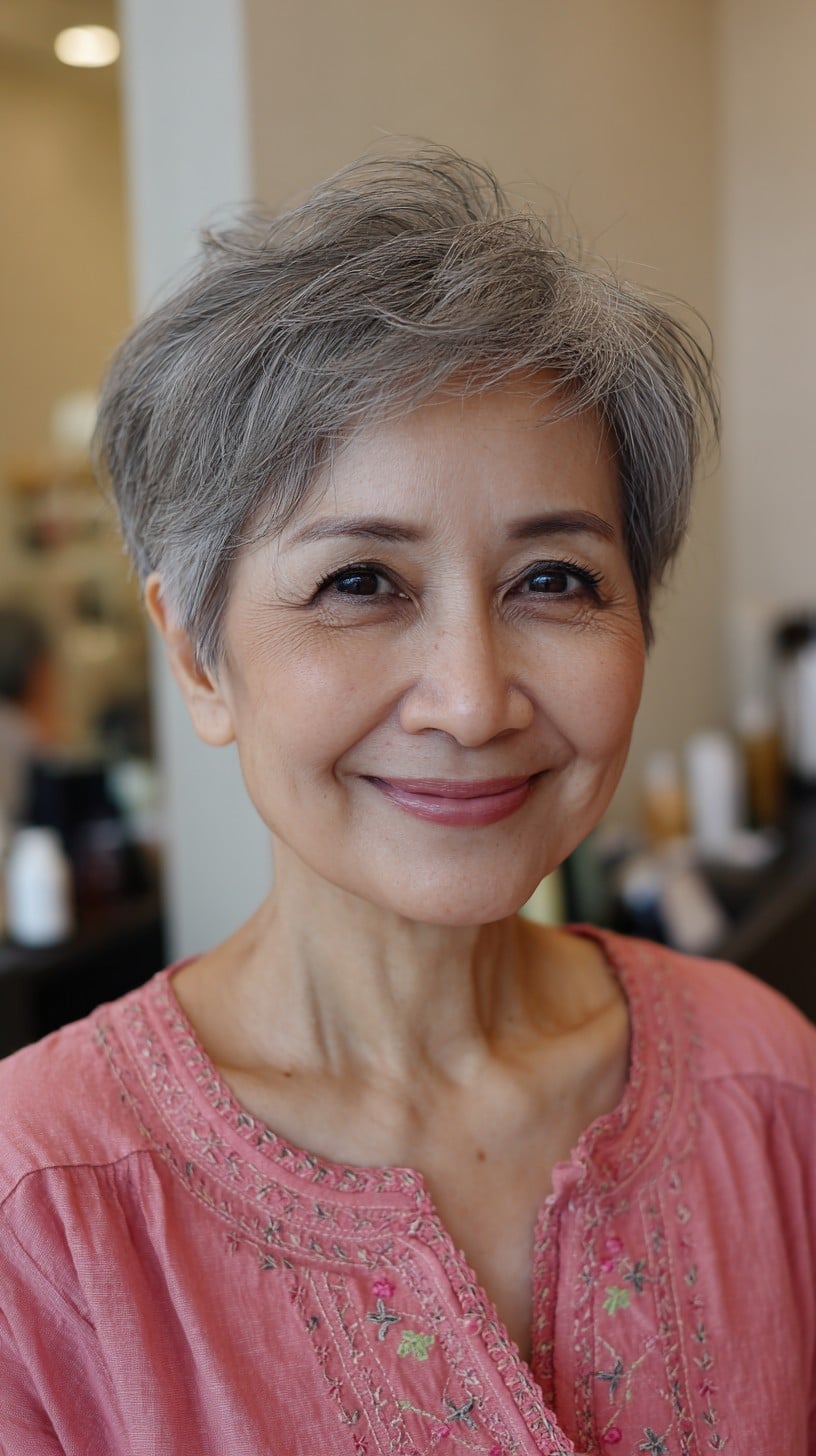
Short, layered gray hair with textured side-swept bangs relies on natural wave for its shape. Fine, wavy hair can turn frizzy without the right product. A sea salt spray applied to damp hair helps define the wave without crunch. This style needs a trim every six to eight weeks to keep the layers crisp and the bangs from losing their direction.
Sleek Updo with Fan Accessory
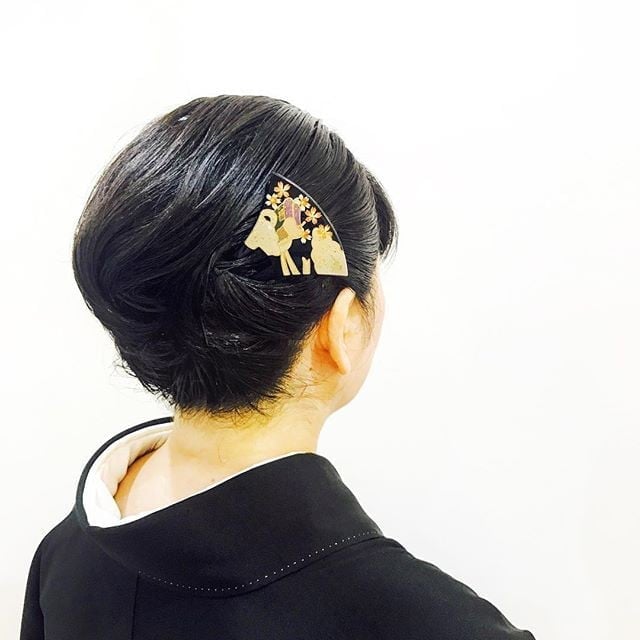
The sleek classic updo, ending around the ear, is built on thick, straight black hair polished into a smooth shape. The fan-shaped accessory with gold and floral motifs is the focal point, so the hair itself stays clean and uncluttered. Ask your stylist for: Sleek classic updo with a fan accessory. This is a salon-dependent style, not a quick DIY. It works for formal events where you want the hair to stay put all night without a single stray strand.
Modern Shag Two-Tone Color
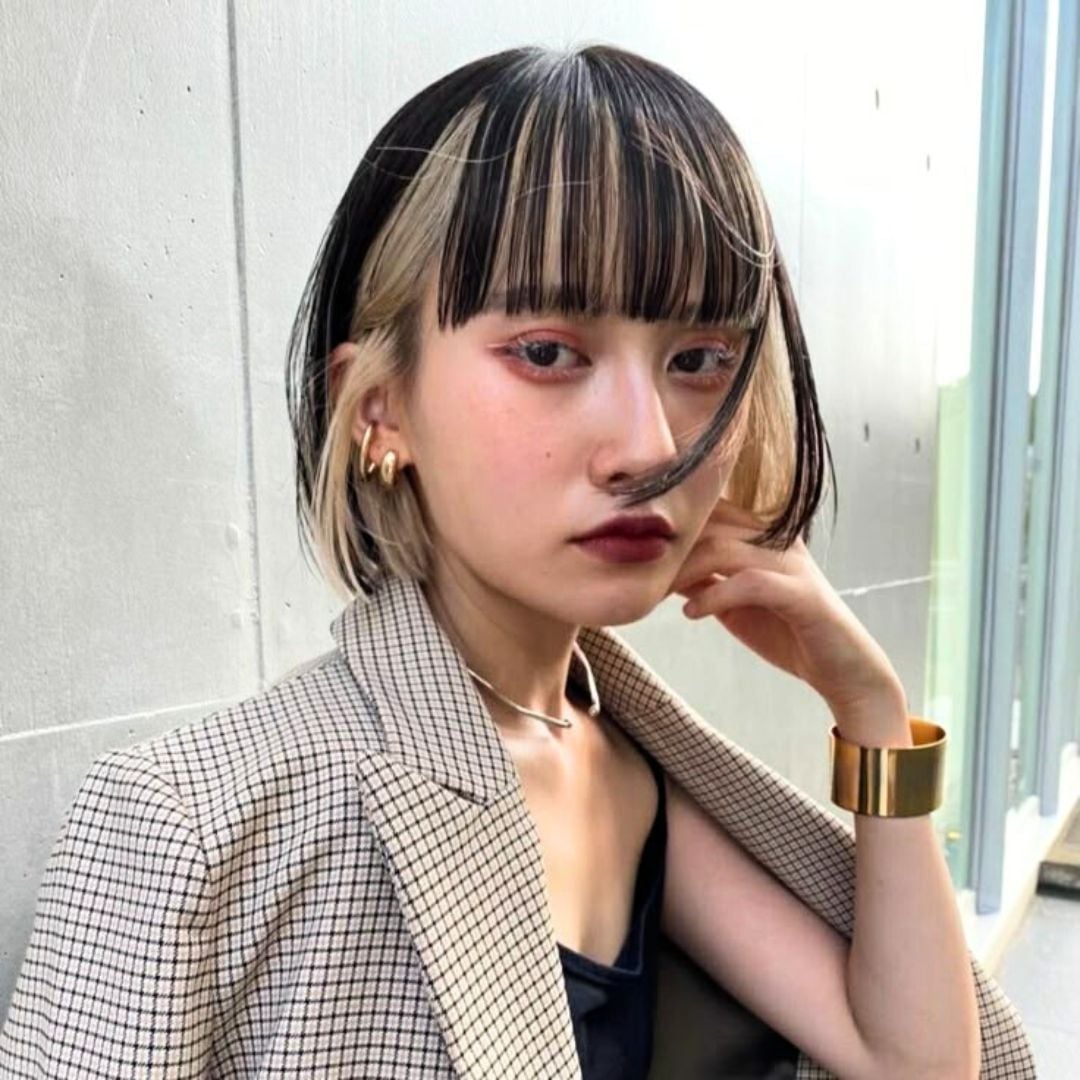
The modern shag is cut with face-framing layers and curtain bangs, but the real trick is the two-tone color. Black on top and blonde highlights underneath create a contrast that shifts when the hair moves. Ask your colorist for: Modern shag with face-framing layers, curtain bangs, black to blonde two-tone. The highlights need a toner appointment every four to six weeks to keep the blonde from turning brassy.
For styling, a blow-dryer and round brush give the layers lift and the curtain bangs their soft sweep. Fine, straight hair at collarbone length holds the shape well, and a trim every six to eight weeks keeps the layers from growing out into a shapeless blob.
Layered Shag with Lavender Color
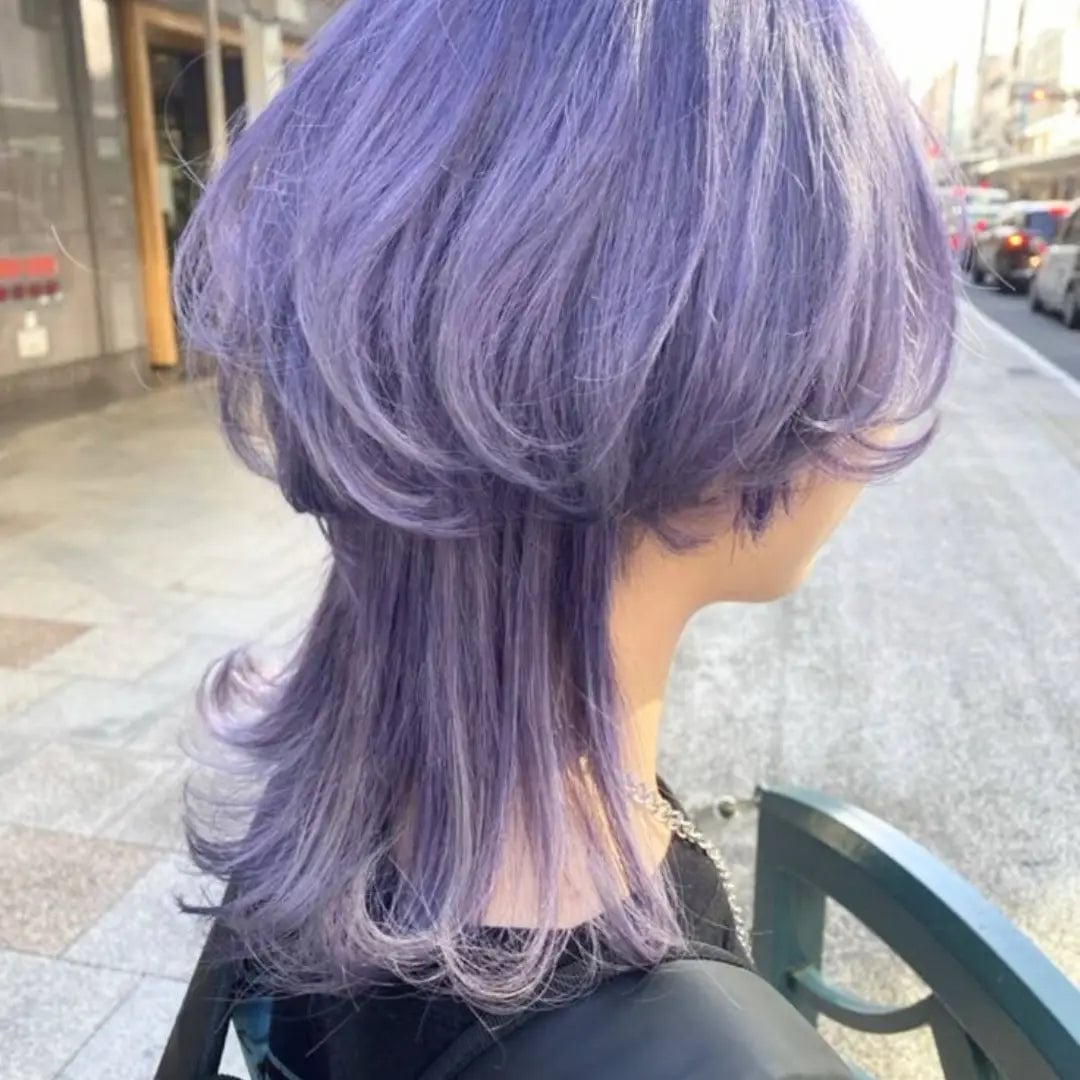
Compared to a natural shade, a vivid lavender color with lighter streaks demands a different commitment. The layered shag cut, with its short wispy fringe and mid-back wavy texture, provides the canvas. Ask your colorist for: Mid-back layered shag, lavender color with lighter streaks, short wispy fringe. The result is a striking, fashion-forward look, but the upkeep is real.
Lavender fades fast, so a color-depositing conditioner used weekly is not optional. Medium density, wavy hair is the best match, since the texture helps the color show dimension. A trim every eight to ten weeks keeps the shag shape intact while you enjoy the purple phase.
Chin Bob in Rose Brown Shade
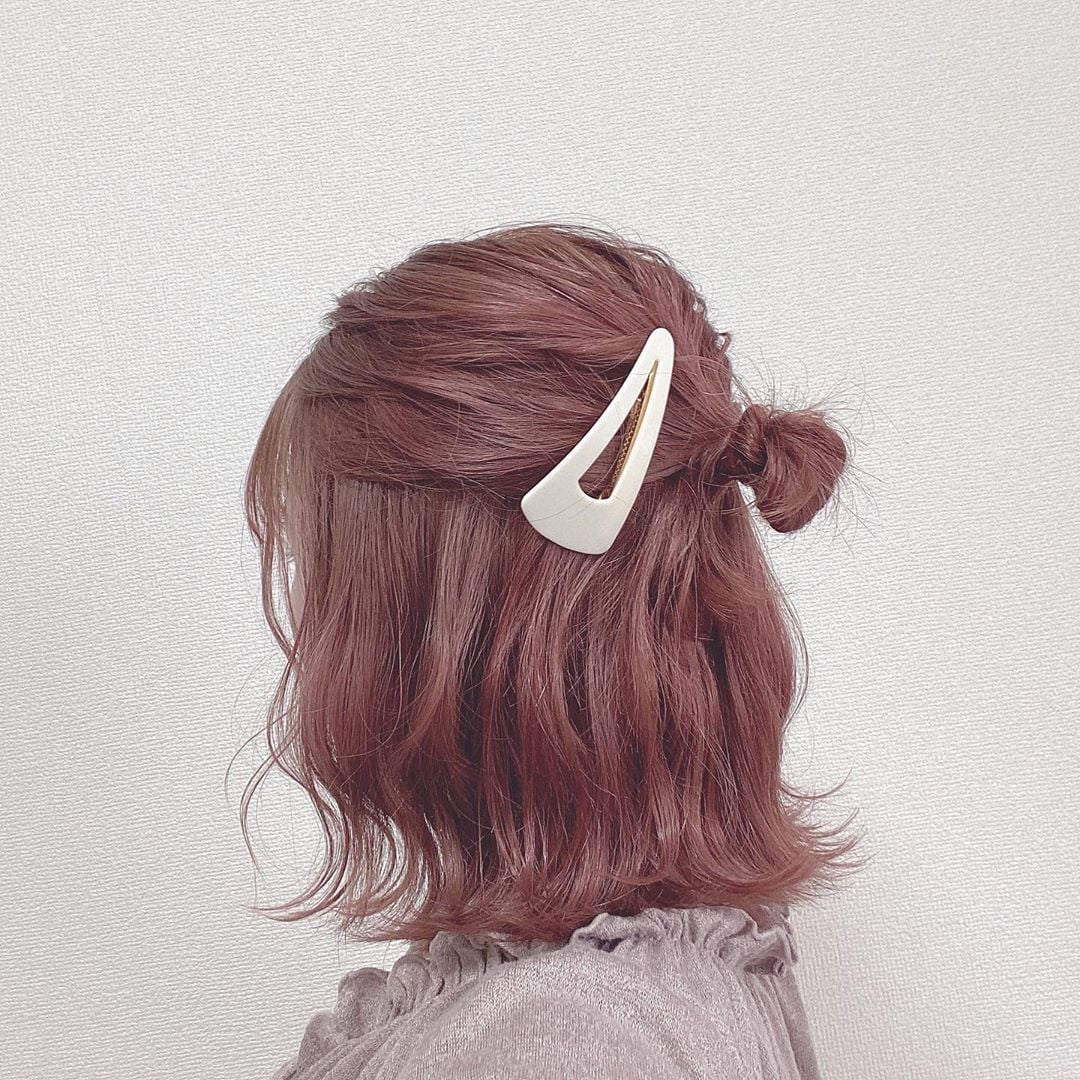
Wondering if rose brown is actually wearable or just a filter fantasy? This chin-length bob settles it: a blowout with a side parting gives the shade enough polish to read as deliberate, not accidental. The color works best on fine, wavy hair at chin length, where it adds warmth without overwhelming the cut. Ask your colorist for: chin length bob, rose brown color, soft waves. A color-safe shampoo keeps the rose from veering into orange, and a trim every six to eight weeks preserves the blunt line.
Collarbone Ponytail with Wispy Bangs
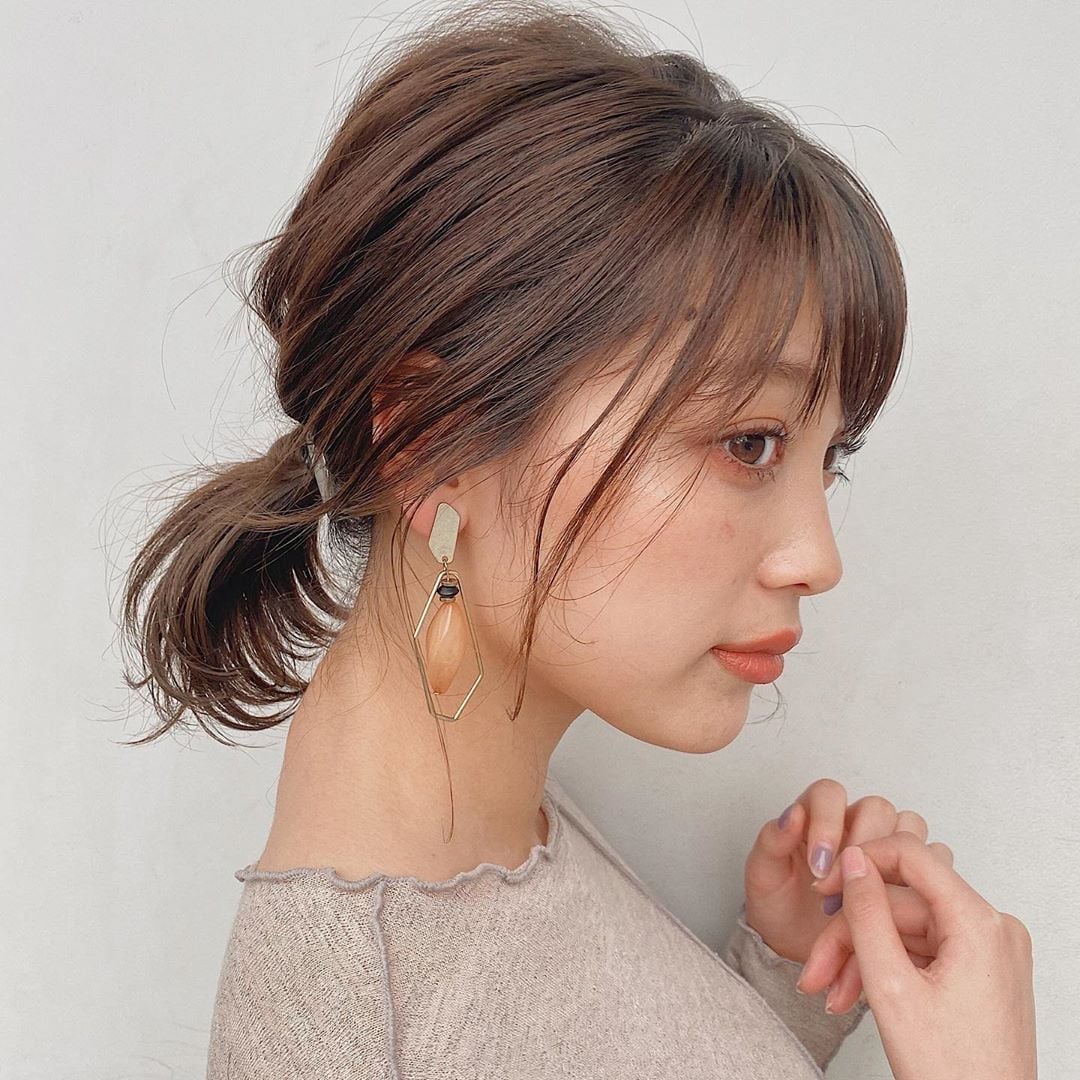
The design here is simple: a low ponytail that looks like it happened by accident, not by planning. The loose wispy strands are the whole point. Start with a low ponytail at the nape, then pull out a few face-framing pieces from the sides and around the ears. A natural wave helps the texture blend, so fine, collarbone-length hair works best. Ask your stylist for: low ponytail with wispy bangs, loose strands. This is a solid DIY option: five minutes, no heat, and the bangs need a trim every four to six weeks to stay soft.
Mid-Back Ponytail with Organza Bow
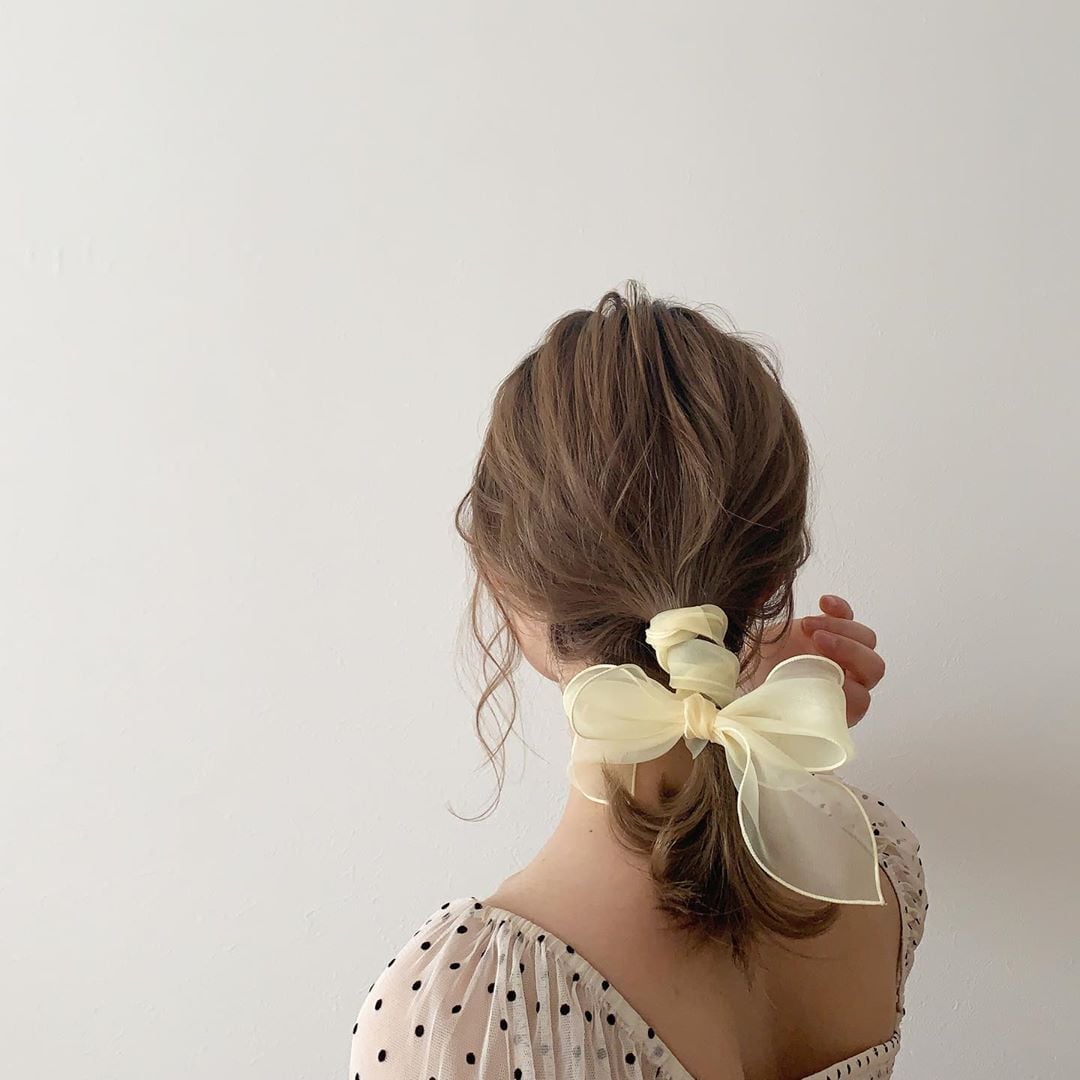
A sheer yellow organza bow transforms a low ponytail into an event-ready look without any elaborate pin work. The ponytail itself is simple: mid-back length, wavy brown hair with subtle highlights, secured low at the nape with a few loose strands framing the neck.
Ask your stylist for: low ponytail with loose strands and a large sheer bow. The bow does the heavy lifting, so the ponytail only needs to be smooth and secure. This is a DIY-friendly style: the hardest part is tying the bow evenly. Medium density hair holds the shape best, and the loose strands keep it from feeling formal.
Mid-Back Layered Cut No Bangs
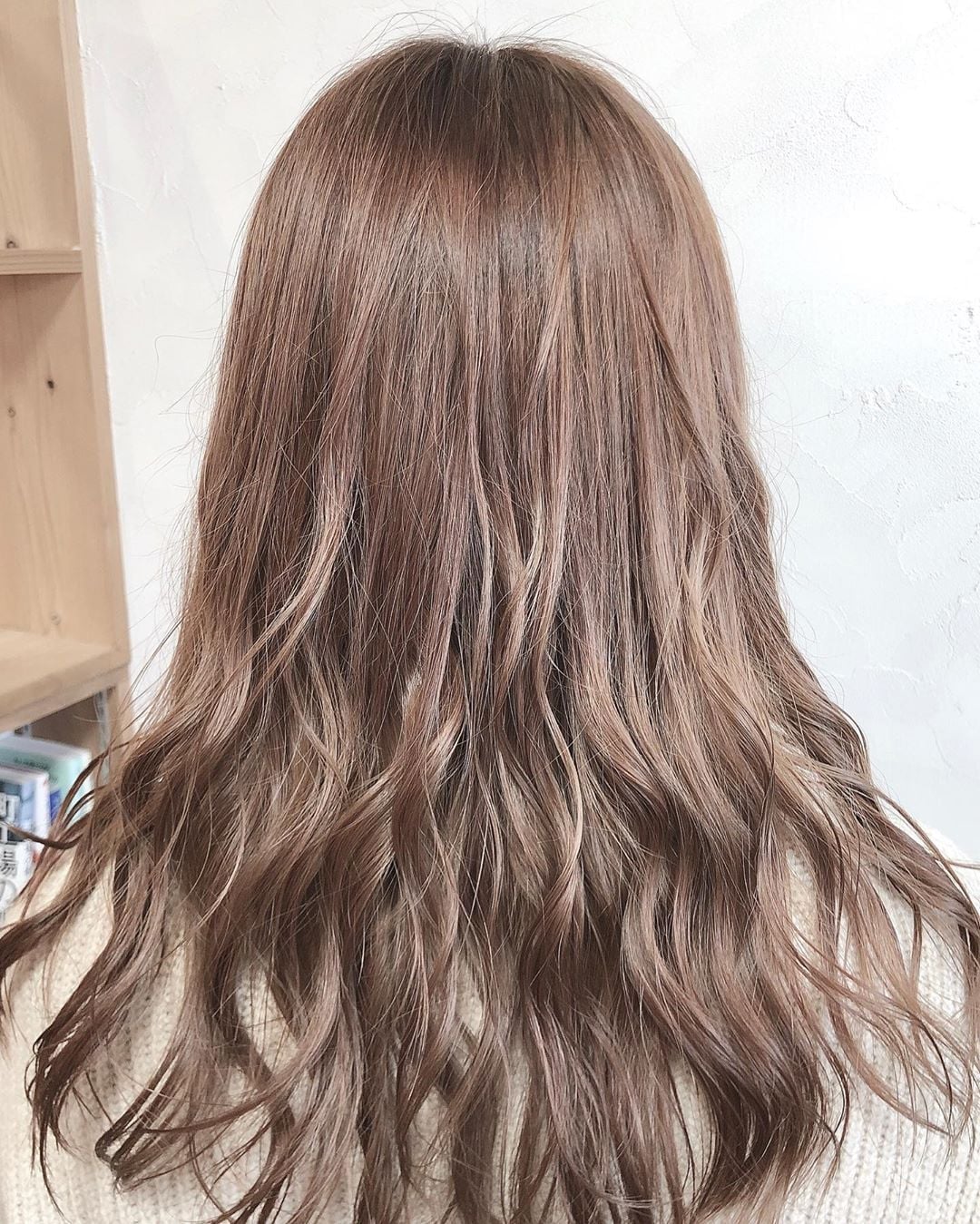
Grow out is slow and visible. Layers that start too high can leave the ends looking thin. A trim every eight to ten weeks keeps the shape from becoming triangular. Skip this if you want a one length finish or hate regular salon visits.
Collarbone Bob with Floral Accessories
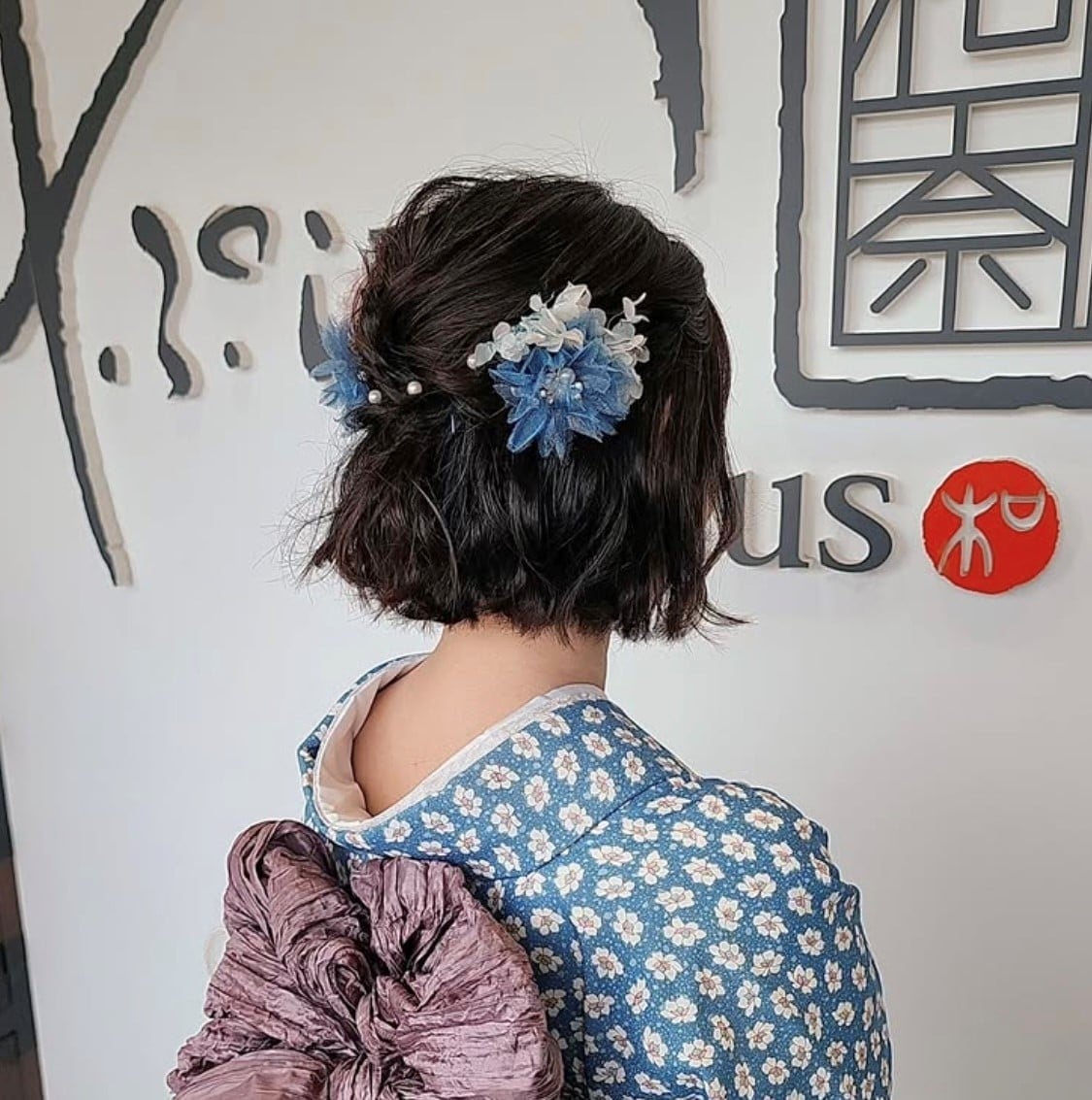
Is a collarbone bob interesting enough on its own? Usually, yes. But small floral hair accessories push it into spring or summer event territory without a full restyle. The loose waves and middle parting keep the base casual, while the accessories add the accent. Ask your stylist for: collarbone length bob with loose waves and floral accessories. A texturizing spray before waving helps the flowers stay put. This works best for medium density, wavy hair, and a trim every six to eight weeks keeps the bob from losing its shape.
Thick Wavy Hair Braid with Pins
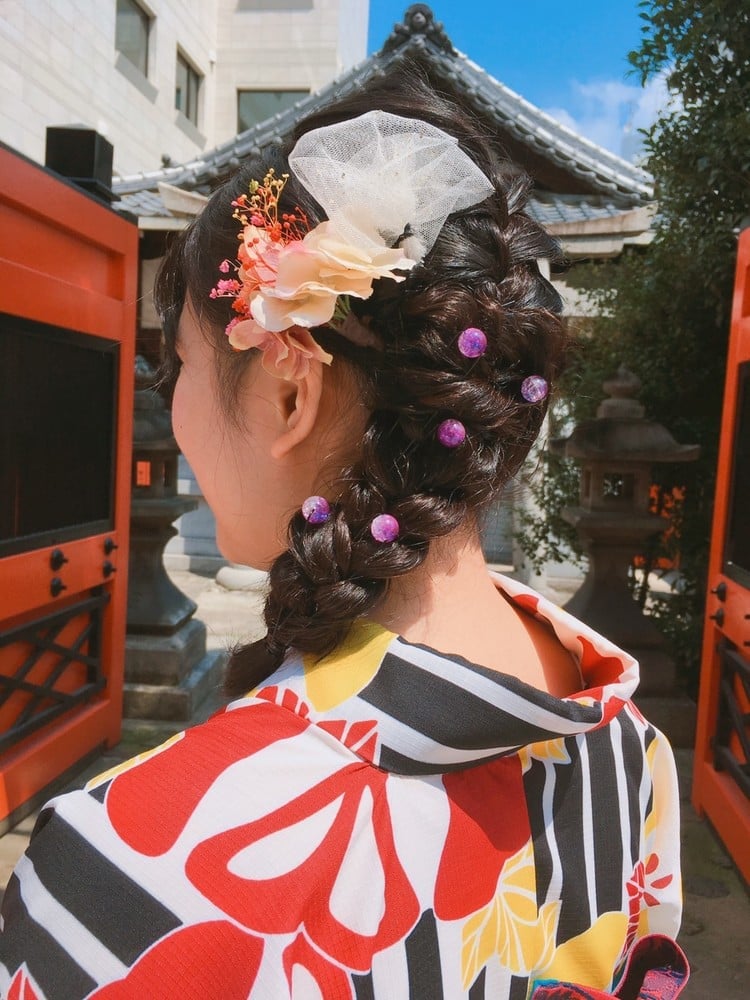
A three-strand braid in thick, wavy dark brown hair gains structure from decorative pins placed along the cascade. The sheer fabric accent woven through adds a soft contrast against the density. This style suits mid-back length hair with enough weight to hold the braid’s shape. Ask your stylist for: a detailed braid with decorative pins and sheer fabric accent. The braid is built while the hair is slightly damp, which gives better control over the wave pattern. A strong hold hairspray keeps the pins from shifting and the edges from fraying through a full evening.
The texture is the trick here. Wavy hair grips itself during braiding, so sections stay put without elastic tension. That same natural grip means the pins can be placed more sparingly. Too many pins on wavy hair can look crowded. The stylist will work the fabric accent into an outer strand so it appears as part of the braid, not an extra piece. Expect to sit for about an hour for the full installation.
Mid-Back Fishtail Braid with Pearls
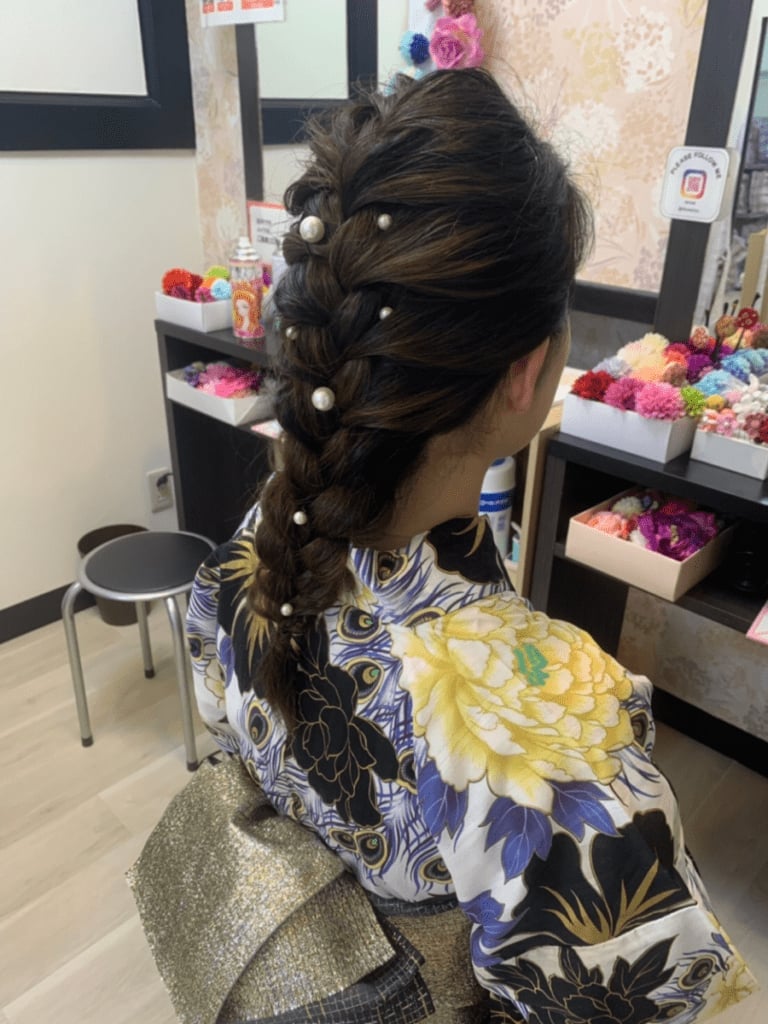
A fishtail braid on straight, thick dark brown hair uses a side parting to control volume at the crown. The pearls are threaded into the outer sections as the braid is built, so they sit evenly along the length instead of clustering in one spot. Mid-back length gives enough room for the pattern to read clearly. Ask your stylist for: a mid-back fishtail braid with pearls woven in. The pearls should be small enough that they don’t pull the braid sections into bulges. A trim every eight to ten weeks keeps the ends clean and the braid taper even.
Straight hair needs a texturizing spray before braiding, otherwise the sections slip apart as you work. The stylist will gently tug the outer loops of the braid after it is secured, which widens the pattern and makes the pearls more visible. This is not a last-minute style; the prep and placement take about forty-five minutes in the chair. The braid holds its shape through dancing or dinner without constant adjustment.
Braided Updo with Ornamental Clip
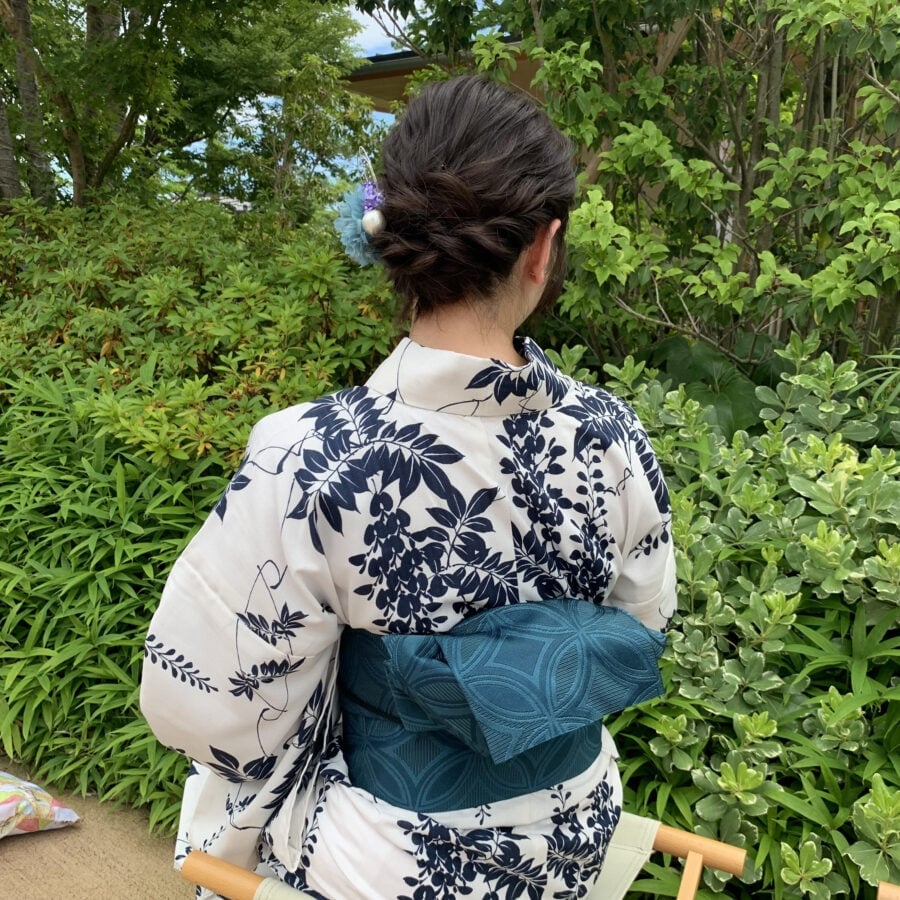
Intricate twists in thick, wavy dark brown hair feed into a low bun, with an ornamental clip in purple and blue tones securing the side. The clip is not decorative alone; it anchors the twists that would otherwise need three extra pins. Thick, wavy hair at shoulder length or longer has the density to hold this shape. Ask your stylist for: a braided updo with intricate twists and an ornamental clip. Damp hair before braiding gives the strands enough grip that the clip stays put through a long evening. The stylist will place the clip where the twists converge, so it bears the weight of the bun below. This is a salon-only style, roughly an hour and a half to build correctly. The clip’s placement is what makes the difference between an updo that shifts and one that stays locked until you take it down.
Long Dark Brown Low Bun with Hairpiece
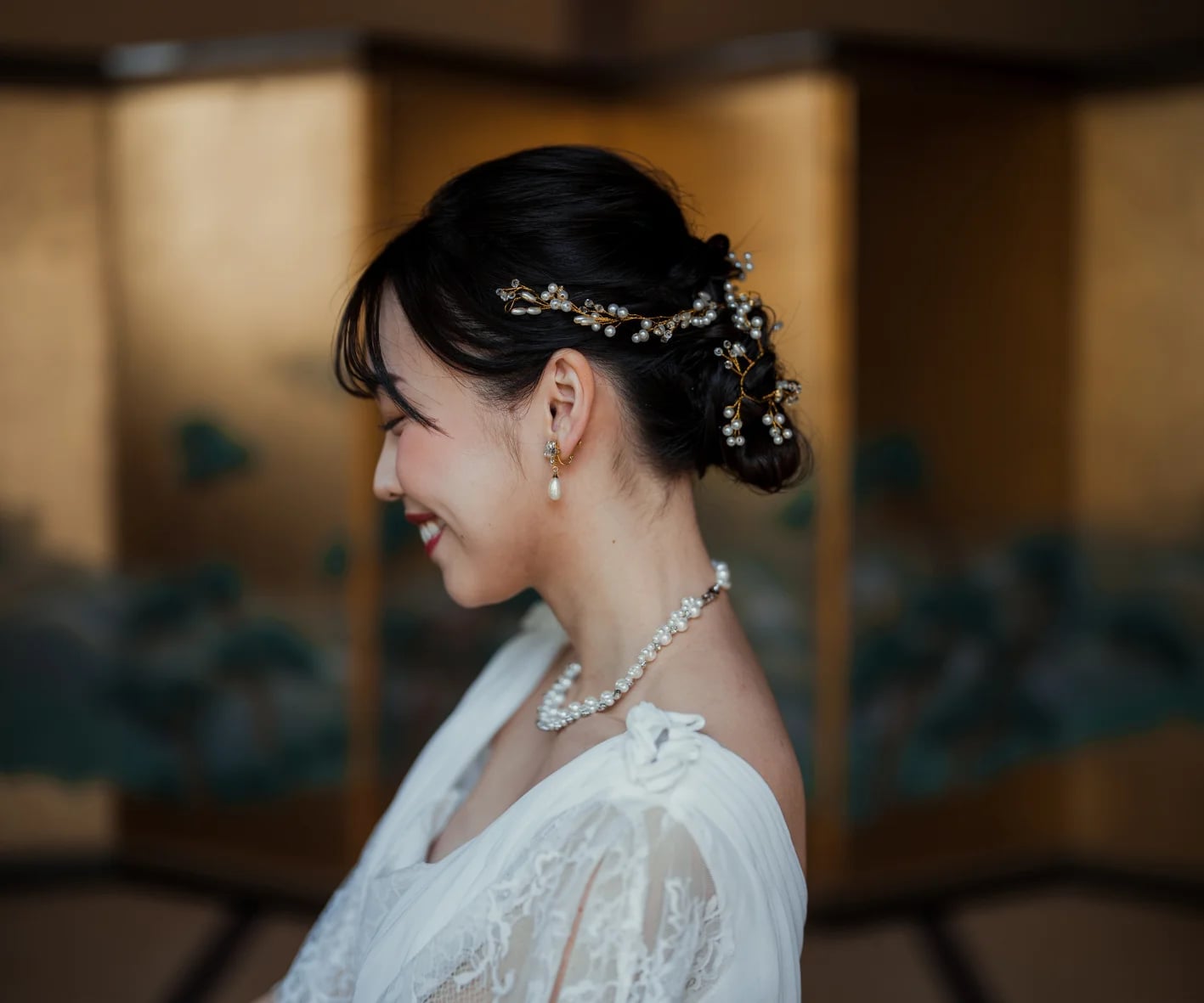
Dark brown hair at long length is pulled into a low, smooth bun with a pearl and gold hairpiece woven into the center. The hairpiece adds visual weight to the bun, which is the trade-off. A heavy ornament can pull the bun loose if the base pins are not placed densely enough. Smooth, medium density hair is ideal here; very fine hair may not hide the pin points, and very thick hair can make the bun too bulky for the accessory to read clearly. Ask your stylist for: a low elegant bun with a pearl and gold hairpiece. The stylist will build a firm base with crisscrossed pins before adding the ornament. The hairpiece itself needs to be secured with its own small pins, not just tucked in, or it will slide forward within an hour. Plan on about an hour in the chair, and accept that this style requires a professional hand to balance the ornament against the bun’s structure.
Mid-Back Updo with Floral Accessory
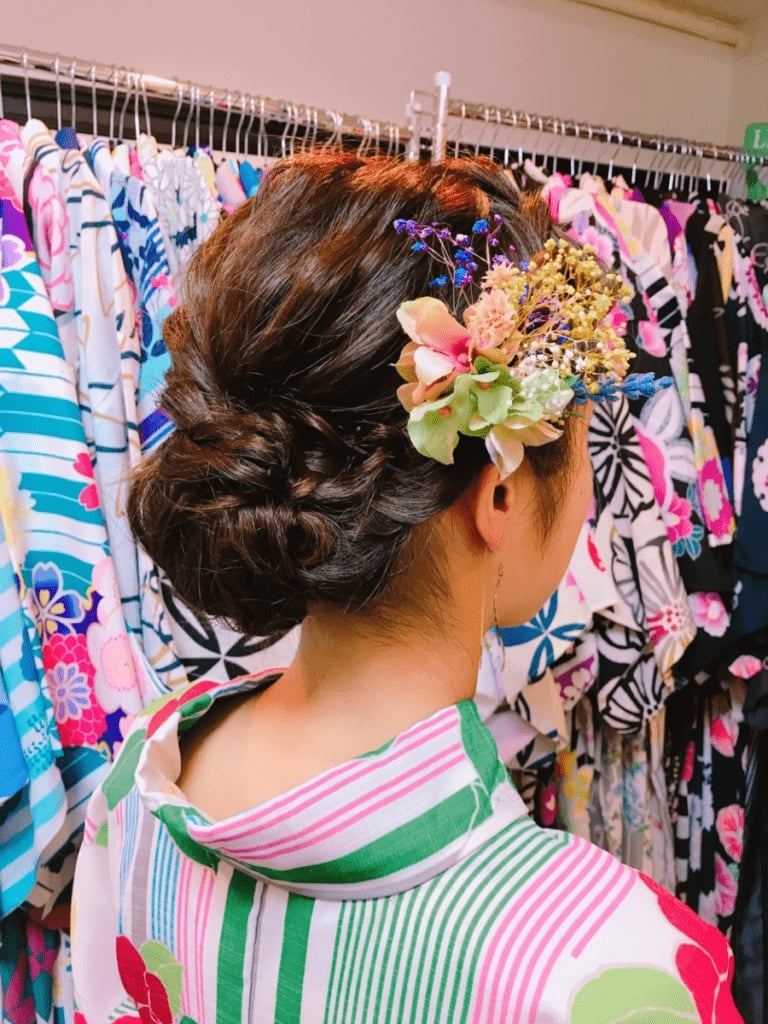
This low updo sits at the nape, built from thick, wavy dark brown hair that reaches mid-back, with a cluster of small flowers and greenery tucked into the twists. Compared to a polished bun with a single bloom, this approach is looser and more gathered than pinned. The flowers soften the silhouette compared to a hard focal point. The same mid-back length that gives you a structured chignon also works for this style. Ask your stylist for: a low updo with a cluster of flowers and greenery. The stylist will leave a few wispy tendrils around the hairline, which keeps the look from feeling too assembled. The flowers need to be secured on small wires that the stylist weaves into the twists, so they stay put without visible stems. This is a salon look, about forty-five minutes to build, and it holds best when the hair has some natural wave to grip the pins.
Elegant Updo with Swept Wispy Bangs
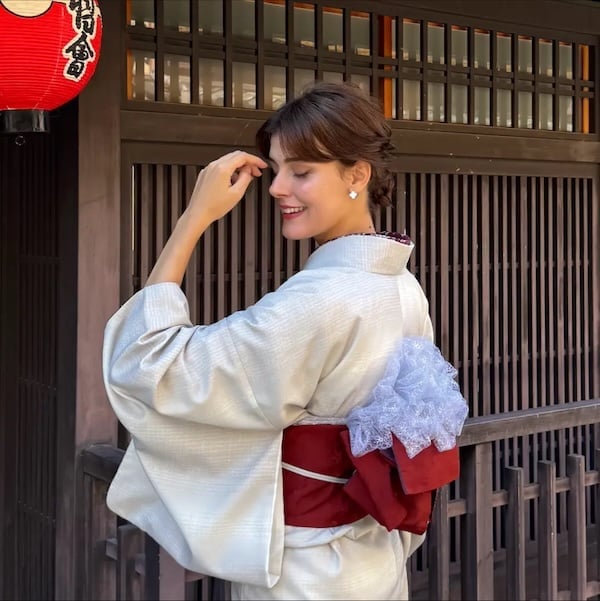
The design relies on clean lines and a single sweep of wispy bangs to soften the whole thing. Fine, straight hair at shoulder length or longer works best here, because the texture tucks neatly without adding bulk. Ask your stylist for: elegant updo with side-swept wispy bangs. A light-hold hairspray keeps those wispy pieces where you put them, and the shape holds all evening. This is a salon-level style, not a Sunday experiment.
Low Updo with Floral and Pearl Accessories
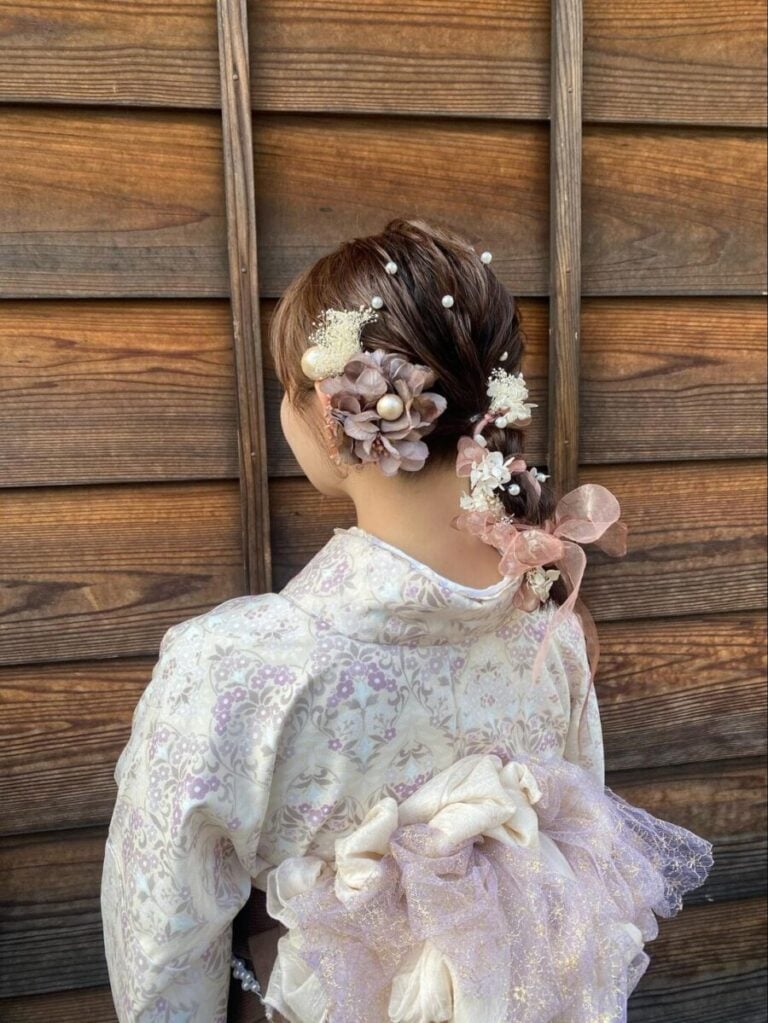
The low updo is built from dark brown, wavy, medium-density hair, then pinned with floral accessories and pearls at the back. That kind of placement is the tricky part. At home, you can twist the hair into a loose bun and clip the pieces in, but the finished hold and symmetry are harder to nail without a second mirror and an extra set of hands. A salon does it faster and keeps the accessories from shifting after the first hour. Ask your stylist for: low updo with floral accessories and pearls. The style holds its shape and placement for hours.
Final Thoughts
For low maintenance, stick with blunt cuts and natural texture, and skip heavy bangs. For a polished finish, try an updo or a braid and plan for regular salon visits. Simplicity in Japanese hairstyles offers enduring elegance.
- Trim blunt cuts every 6-8 weeks to maintain sharp lines.
- Tone lighter highlights every 8-10 weeks to prevent brassiness.
- Use heat protectant spray before blow-drying or heat styling.
- Wash and condition hair 2-3 times a week to preserve color and natural oils.