

Braids have always been a reliable way to keep hair in check, and the 2027 take is all about speed and simplicity. Expect to see lived-in color and glossy natural texture woven into styles that shift from short, sharp bobs to long, flowing lengths.
This collection of 34 Simple Quick Braids Hairstyle ideas covers the spectrum from salon-level geometric cornrows to DIY-friendly fishtails and half-up styles. Whether your hair is fine or thick, straight or coily, there’s a braid here that fits your texture and your schedule. If your go-to style falls flat by day three or you’re tired of the same old ponytail, these braids offer a practical change that actually holds.
Sleek Black Box Braid Bob
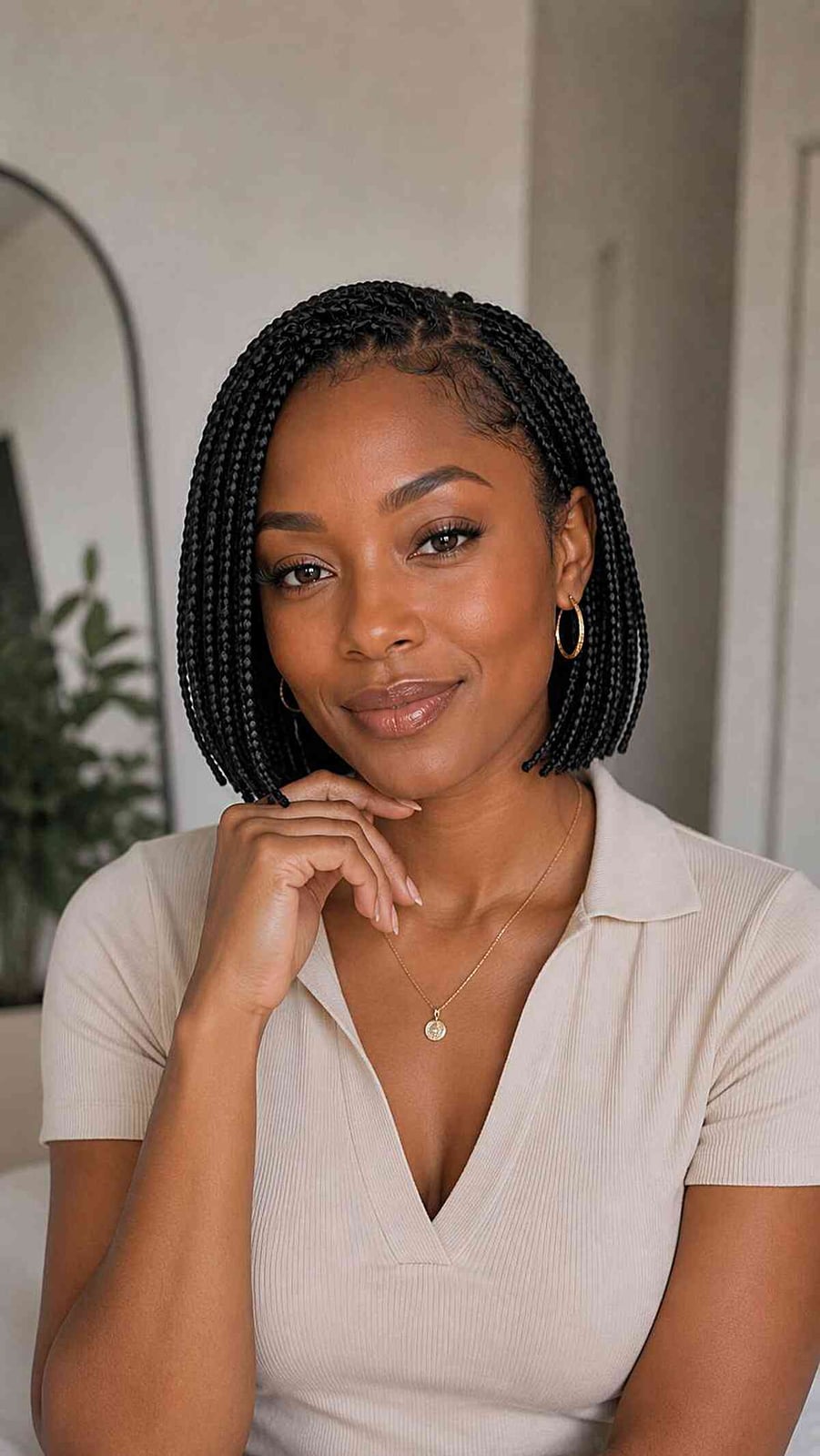
The sharpest line you will get from a braid is a chin-length bob, and this one earns its geometry from a side part and thick black box braids that drop straight to the jaw. It suits anyone with enough length to form a bob and a density that can hold a clean edge rather than wispy ends. Ask your stylist for a chin-length box braid bob, side part. The baseline stays crisp when you keep the parting neat with a fine-tooth comb, and a trim every six to eight weeks stops the shape from drifting unevenly.
Neat Mid-Back Box Braids With Gold Accessories
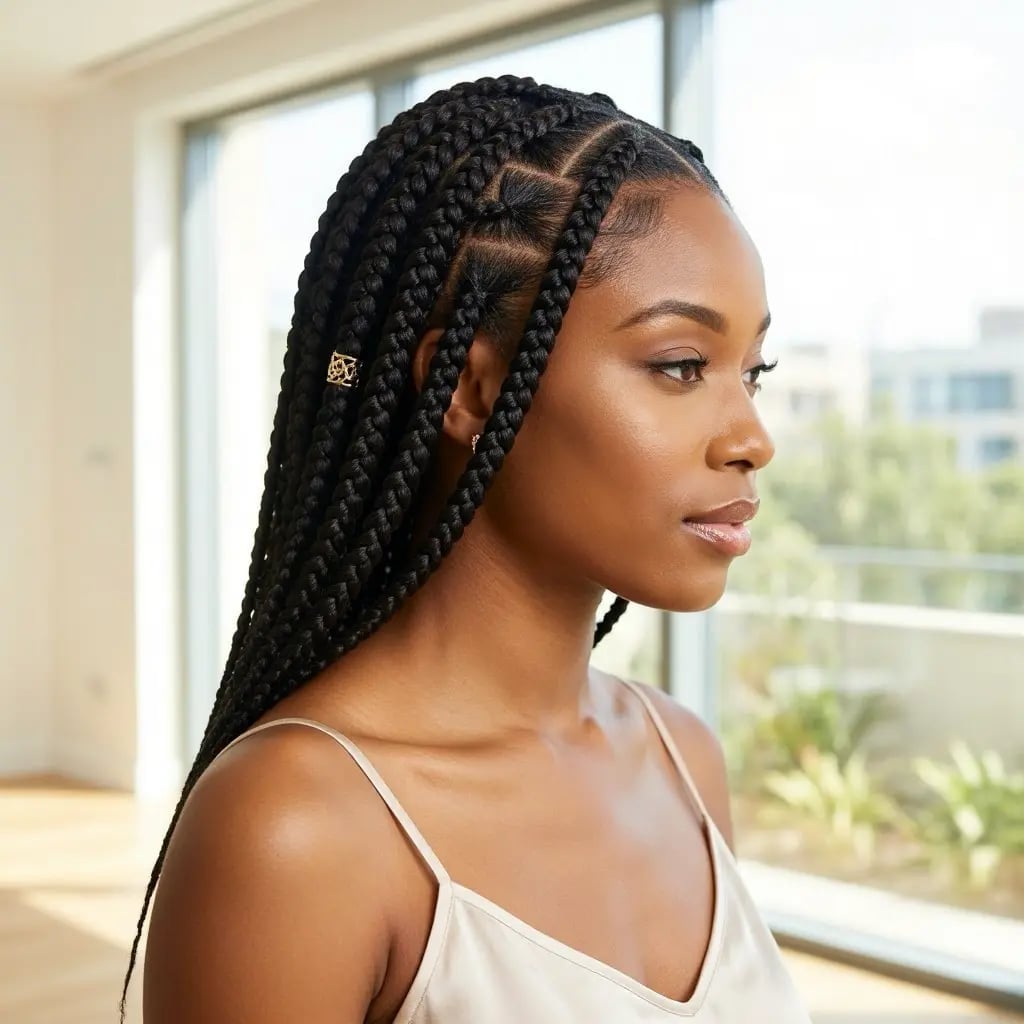
Medium-sized box braids that run from a middle parting to mid-back gain their polish from consistent tension and a coily texture that grips the hair well. The gold accessories are small enough to add a catch of light without weighing a section down. Ask your stylist for mid-back box braids, add gold accessories. A lightweight oil worked into the scalp and along the braids every few days keeps the shine up and the dryness down. The braids hold their neatness for two to three weeks before the new growth starts to soften the parting, and a refresh appointment resets the line.
Sleeping with a satin scarf or bonnet protects the gold pieces from snagging and keeps the braids from frizzing at the nape.
Collarbone Box Braids With Wavy Blonde Tips
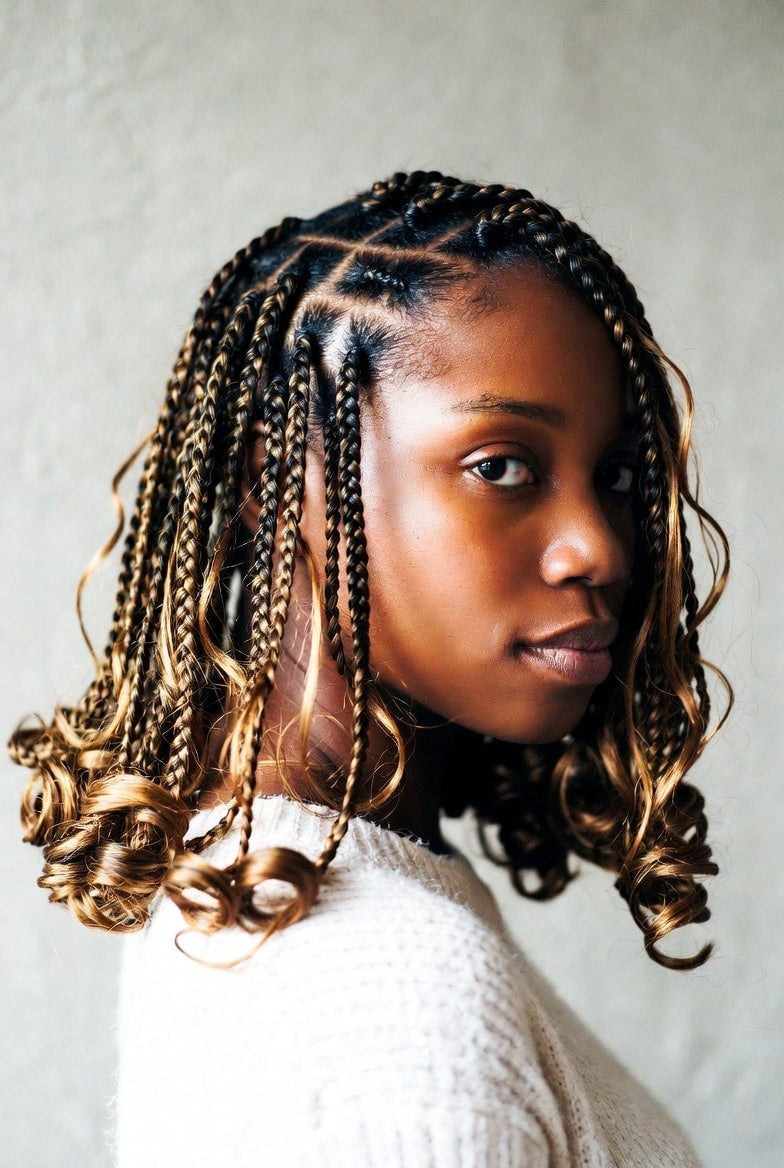
A collarbone box braid with blonde curled ends reads like the lighter, quicker cousin of a full-length set. Where a waist-length braid demands patience, this one lands at the collarbone with a dark brown base and wavy blonde tips that add a soft finish rather than a blunt stop. The fine texture of the braids keeps the weight low, so the curls at the end hold their shape without pulling the partings loose. Ask your stylist for collarbone box braids, wavy blonde curled ends. Separate the curled tips gently every few days to prevent them from matting together, and schedule a trim every eight to ten weeks to keep the blonde ends looking intentional.
Long Dark Brown Waves With Delicate Face-Framing Braids
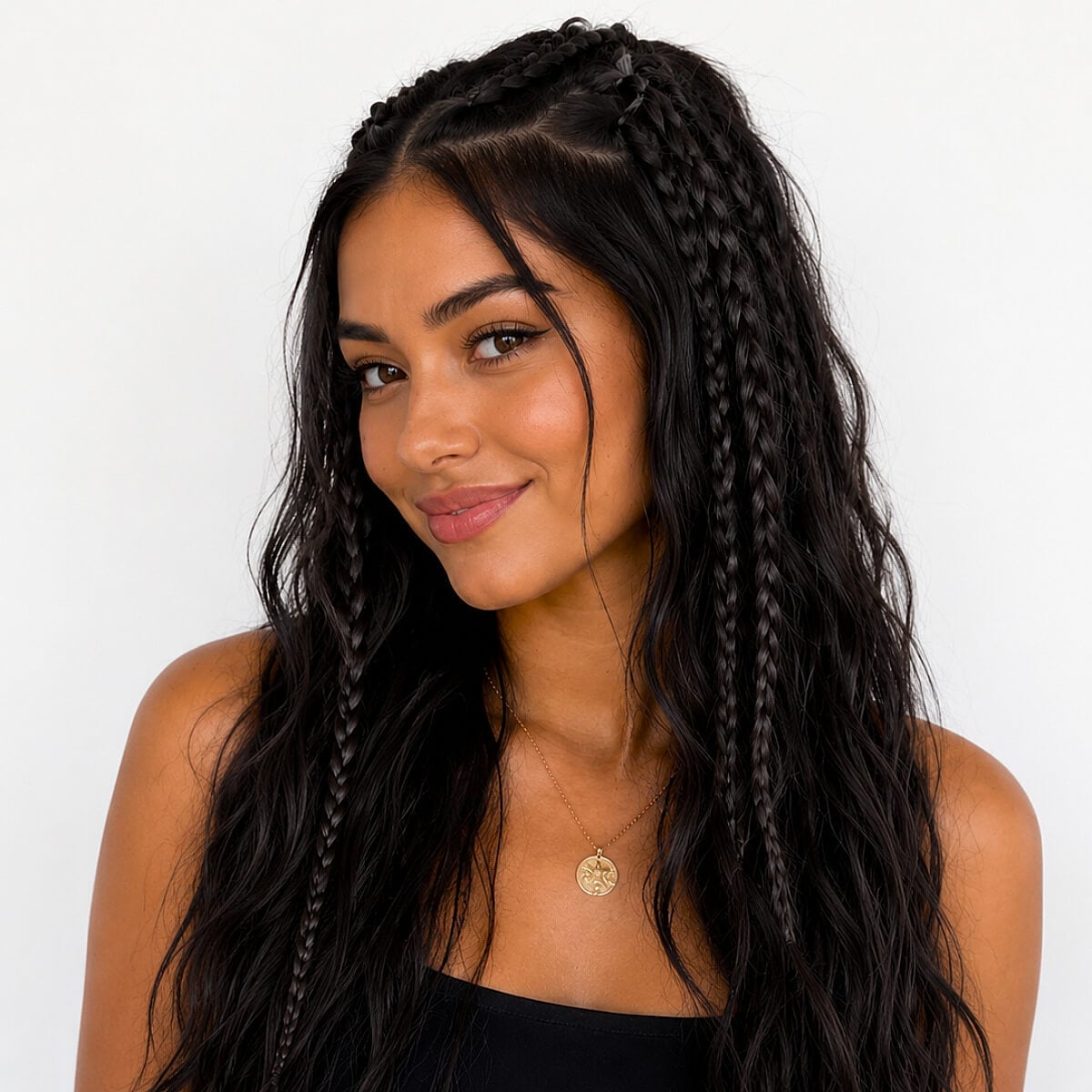
How do you ask for braids that are delicate and face framing rather than the main event? Start with long, thick dark brown waves as your base, then add a few small braids that frame the face and a scattering more through the mid lengths. The braids are thin enough to blend into the loose waves without competing. Ask your stylist for long waves with subtle face framing braids. This is a solid DIY candidate: you can wave the length with a curling iron, braid two or three small sections near each temple, and secure them with clear elastics. The style works best in cooler months when the braids add texture without the weight of a full set.
For a salon version, the braids can be installed with a bit more precision and a tightness that lasts through a few washes. The waves soften over the day, so a texture spray at the roots helps the hold.
Black Cornrows To Voluminous Box Braids With Curly Ends
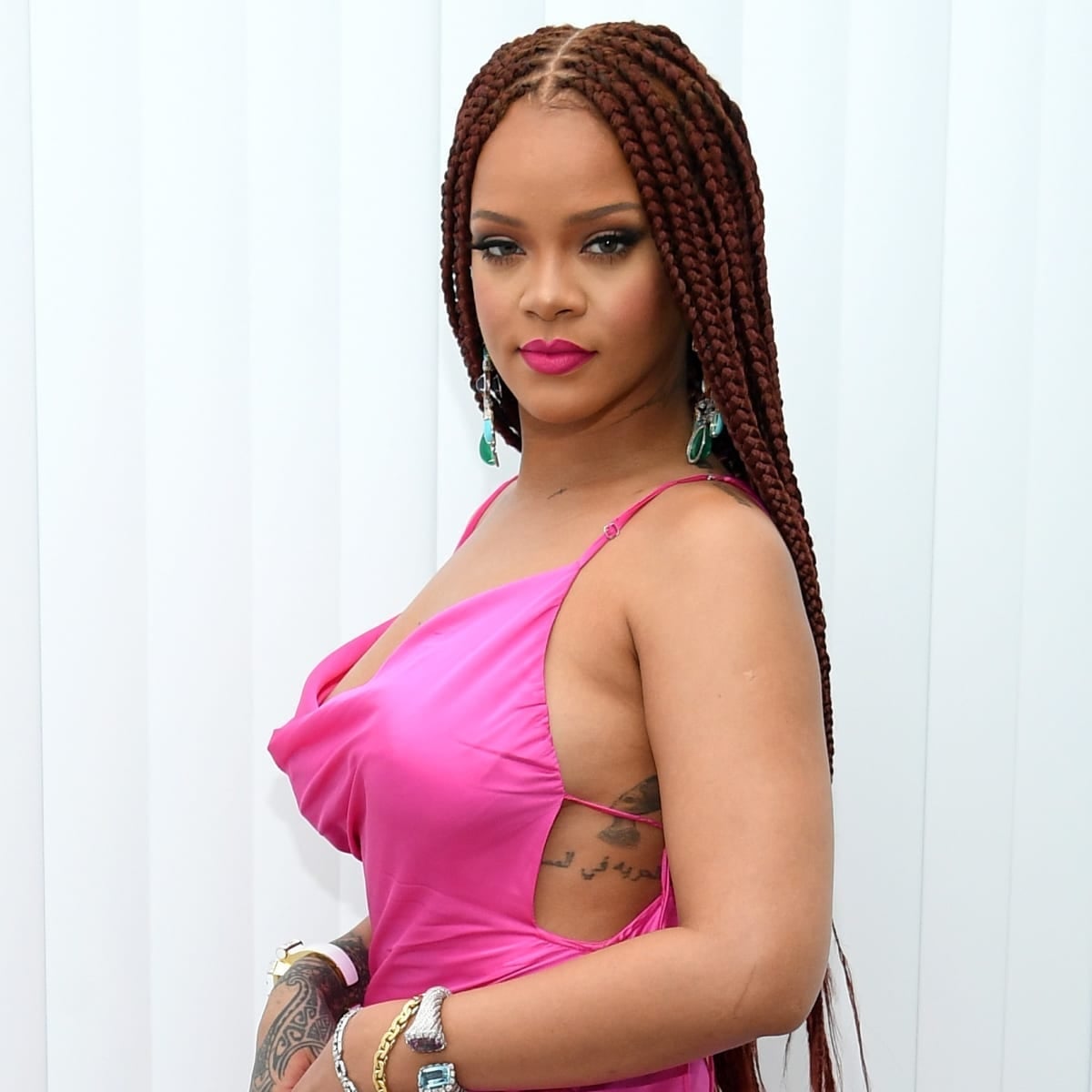
Geometric cornrows at the front create a precise scalp pattern that transitions into voluminous box braids, and the curly ends add a loose finish that keeps the whole thing from feeling too rigid. The cornrows follow a middle parting and curve into neat lines before the braids drop to mid-back. The coily texture at the ends gives the silhouette a soft, rounded weight. Ask your stylist for cornrows to box braids with curly ends. The contrast between the flat scalp work and the full braid body is the point, so the cornrow tension needs to be consistent and the braids need enough thickness to carry the curl through the ends. This is a salon-only install that holds its shape for up to four weeks with proper care.
Thick Dense Micro Box Braids
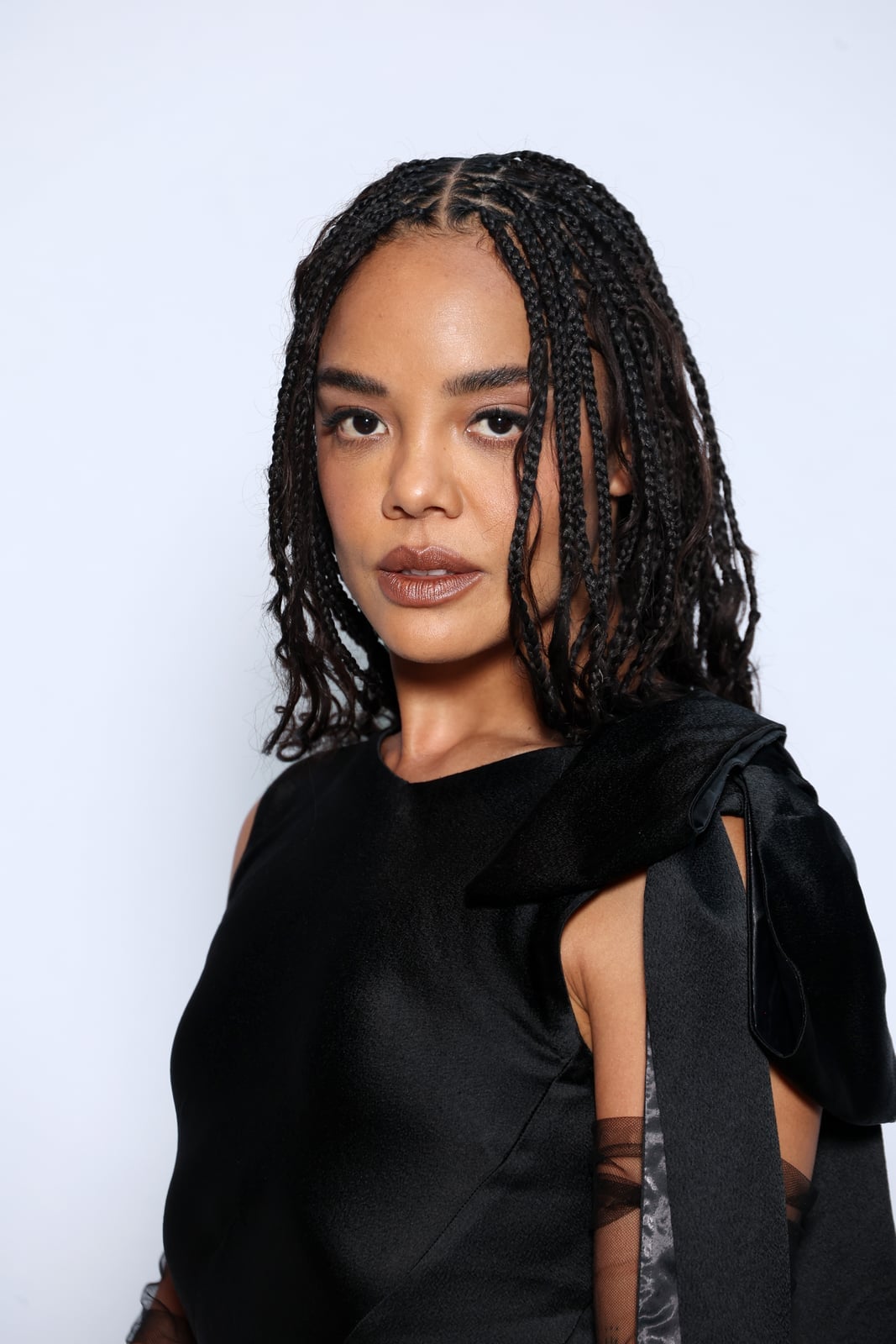
These micro box braids are thick and dense, falling past the shoulders with a clean middle parting and a straight, black finish. They suit anyone with hair long enough to reach past the shoulders and a texture that can handle the tension of small sections. Ask your stylist for: thick dense micro box braids. A light serum on the scalp helps prevent itchiness, and a quick spritz of braid sheen keeps them looking fresh between washes.
Geometric Scalp Braids With Blonde-Tipped Waves
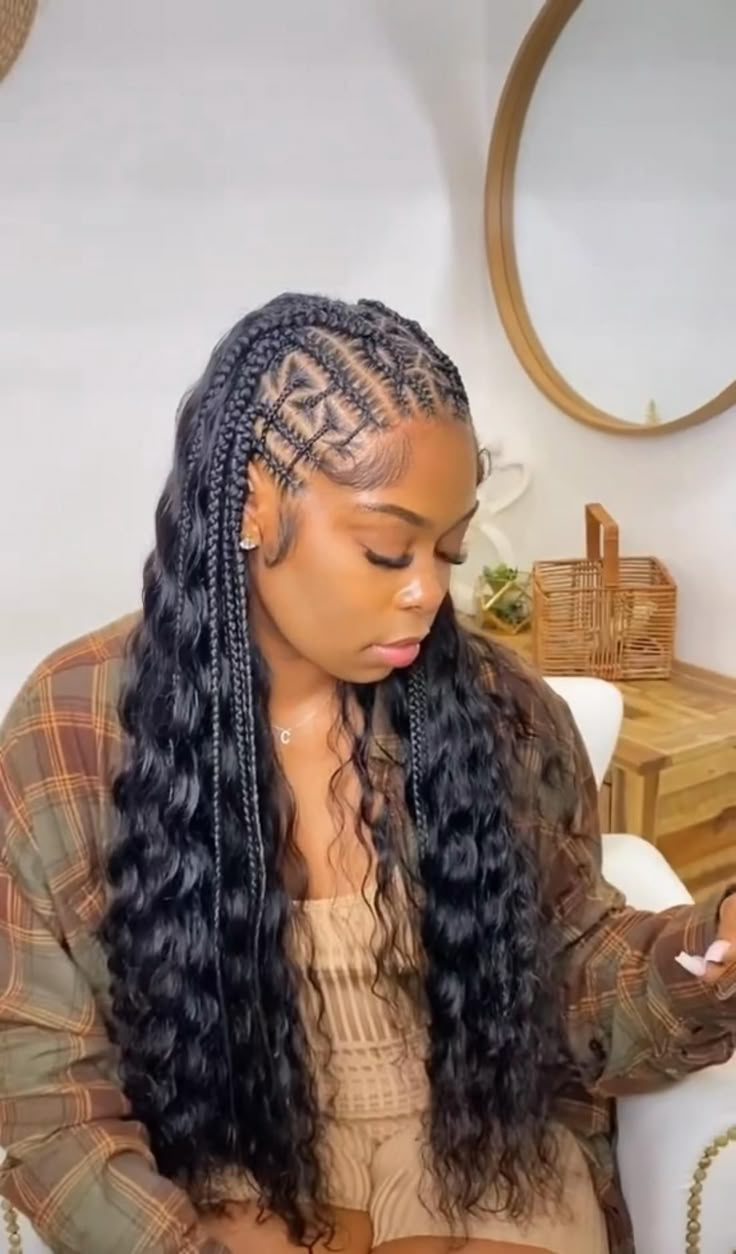
The geometric scalp braids on one side are the real work here, with their precise lines and blonde tips catching the eye before the braids dissolve into long, loose waves. The black base and blonde tips are a salon-grade contrast that needs skill to install. Ask your stylist for: geometric scalp braids with blonde-tipped waves.
The honest drawback is the time commitment. A stylist spends hours mapping and braiding those patterns, and the waves need regular moisturizing and a texturizing spray to keep their definition. It is not a style you sit down for between errands. But if you want something that looks like it took deliberate effort, this is it.
Polished Mid-Back Coily Box Braids
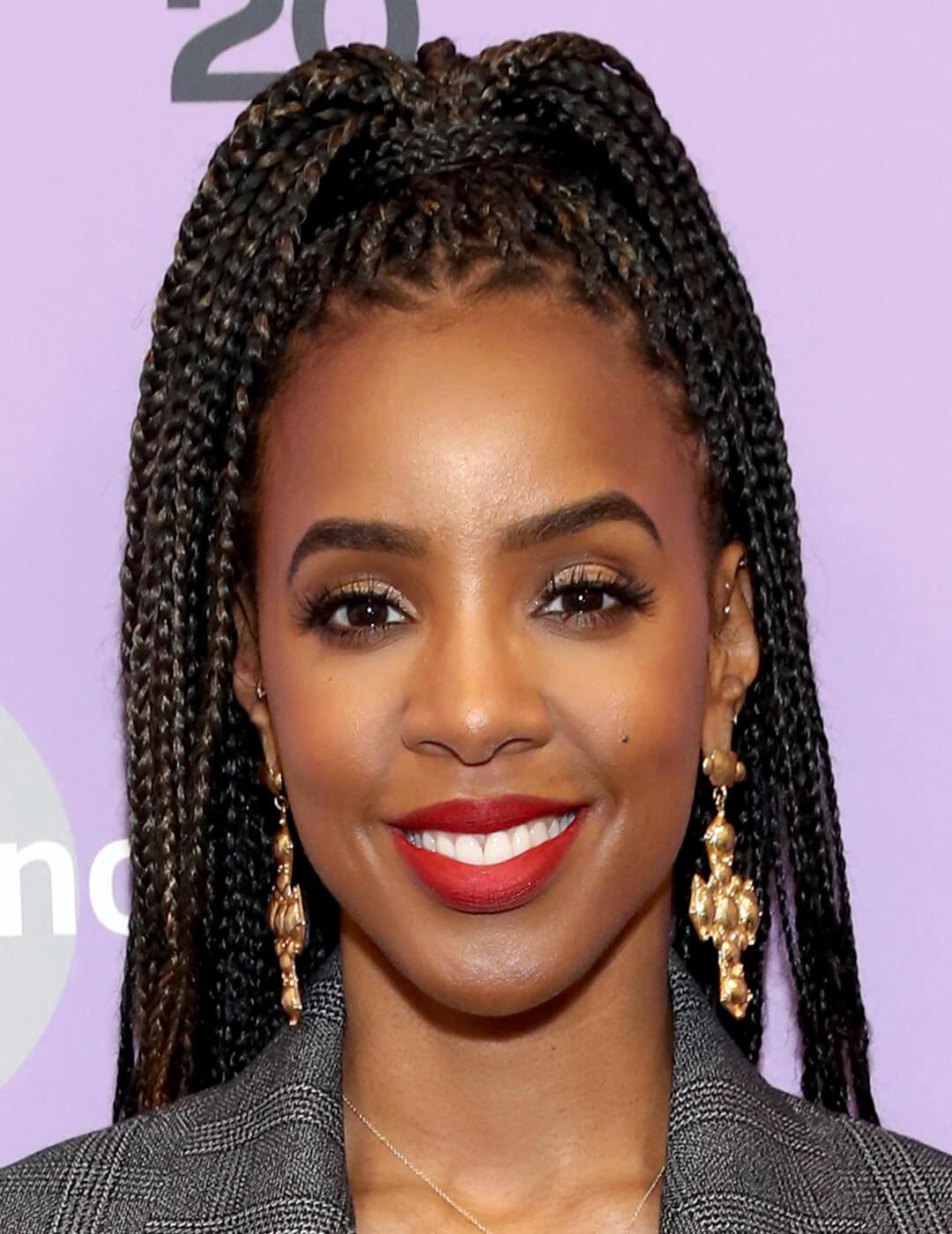
These box braids are a fair trade. The polished, coily texture and neat middle parting look sharp from day one, and the mid-back length gives you plenty of styling options. Ask your stylist for: polished mid-back coily box braids.
The catch is that intricate box braids on coily texture take serious salon time and require consistent upkeep. A braid sheen spray maintains the shine, but frizz at the roots will appear after a few weeks. This is not a low-maintenance choice for the impatient. It is a deliberate one for those who want a clean, uniform finish that lasts.
Braids With Voluminous Coily Curly Extensions
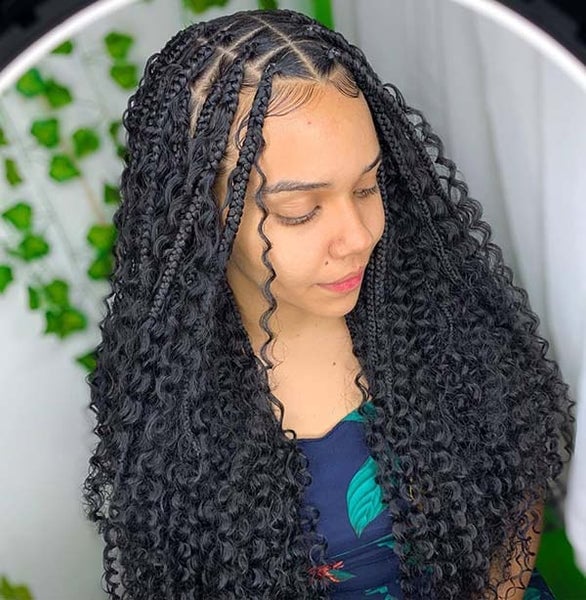
These braids start with neat scalp work and then explode into voluminous, coily curly extensions that reach mid-back, with baby hairs laid down for a polished frame. The contrast between the structured braids and the free-flowing curls is the whole point. Ask your stylist for: braids with voluminous coily extensions and baby hairs. A curl defining cream on the extension curls and a light hold gel for the baby hairs keep the two textures in harmony. It is more deliberate than uniform straight braids but less rigid than all-over cornrows.
Micro Braids With Geometric Parting and Curly Ends
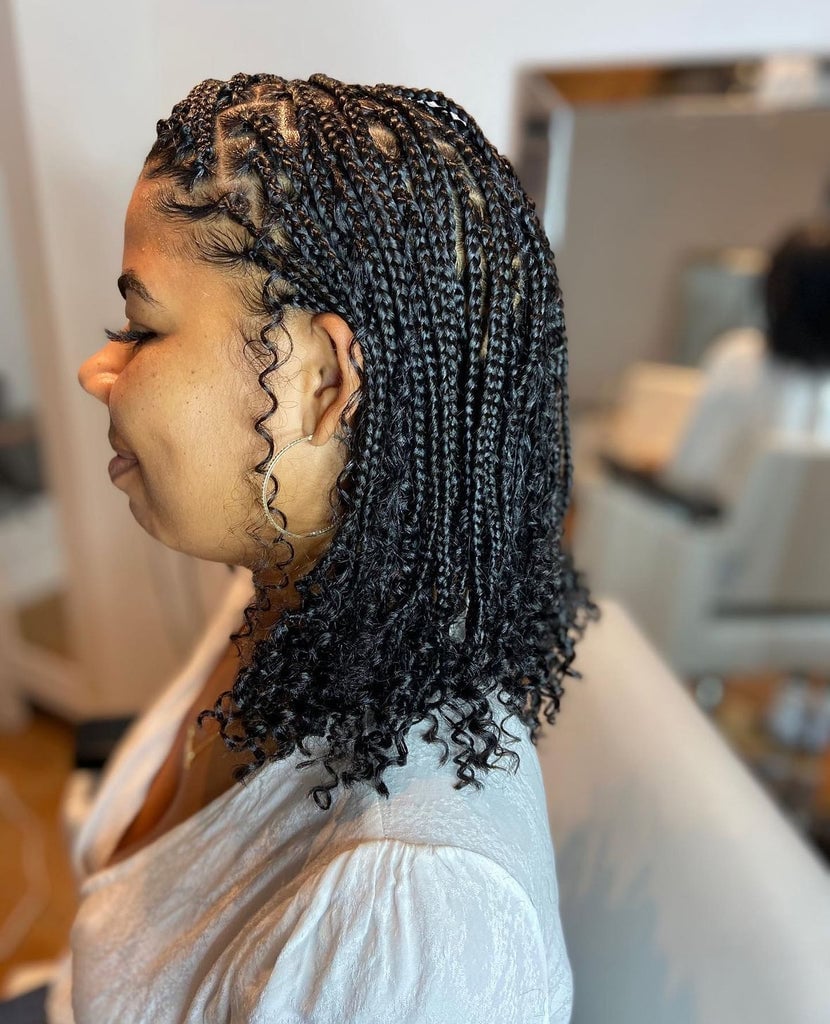
Does a geometric parting actually make micro braids more interesting? Yes, it does. These micro braids start with a side part and a precise geometric pattern at the crown, then end in loose, curly sections at the collarbone. The fine, wavy texture of the ends balances the structured top. Ask your stylist for: micro braids, geometric side part, curly ends. A light oil on the curly ends and a fine-tooth comb to maintain the parting keep the geometry visible. It suits anyone with collarbone-length hair who wants a style that looks detailed without being heavy.
Half-Up Half-Down Micro Braids
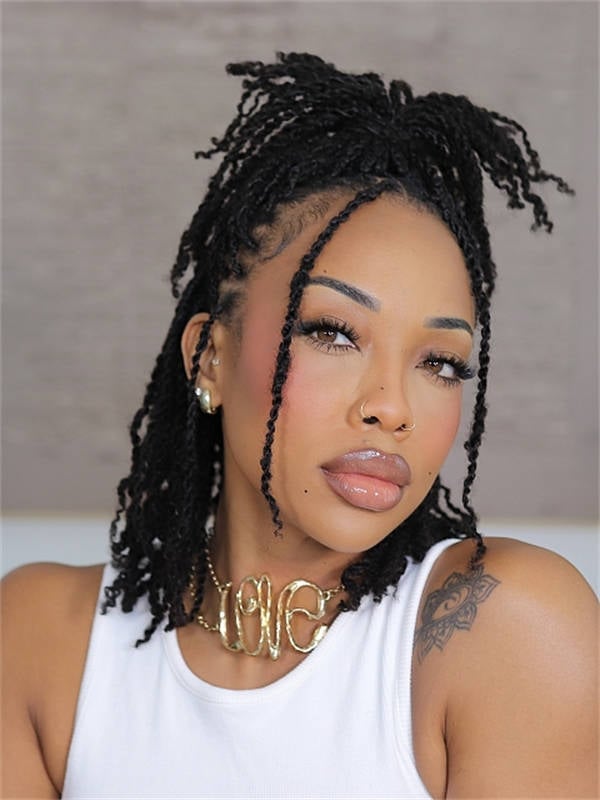
The construction starts with a clean middle part and a tightly braided section at the crown, gathered into a small braid that anchors the half-up shape. The remaining collarbone-length micro braids hang loose, with face-framing pieces left out to soften the line. Ask your stylist for half up half down micro braids with face-framing pieces.
The black, coily, thick texture gives each micro braid natural grip, so the top braid stays put without extra pins. Because the style relies on the braid’s own tension, the hold lasts through multiple days of activity. The face-framing pieces break up the uniformity, making this a practical way to wear protective braids with some movement.
Geometric Cornrows To Mid-Back Box Braids
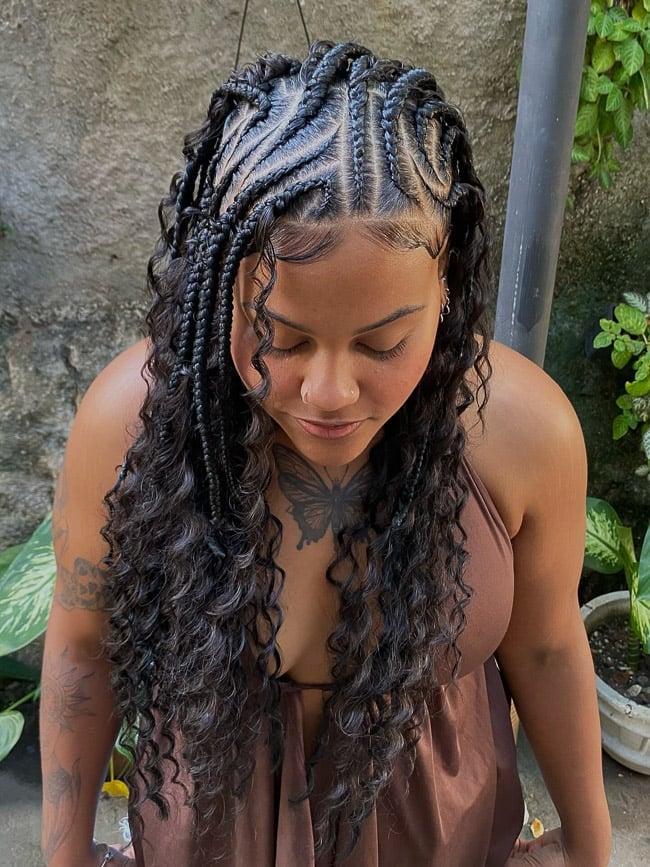
The geometric pattern at the front is the focal point, but it’s also the part that demands the most attention. Those neat cornrows form sharp lines that need to stay defined, which means a touch-up every three to four weeks to prevent the edges from lifting. The mid-back box braids behind them are lower maintenance, but the curly ends require a hydrating spray to keep their bounce. Ask your stylist for geometric cornrows to box braids with curly ends.
The black, coily texture gives both the cornrows and the braids natural grip, so the style holds its shape well between appointments. The middle part keeps the geometric design symmetrical. For daily wear, a satin scarf at night preserves the cornrow pattern and prevents the curly ends from tangling. With proper care, the look stays polished for about six weeks before the cornrows need redoing.
Thick Coily Box Braids With Loose Curly Ends
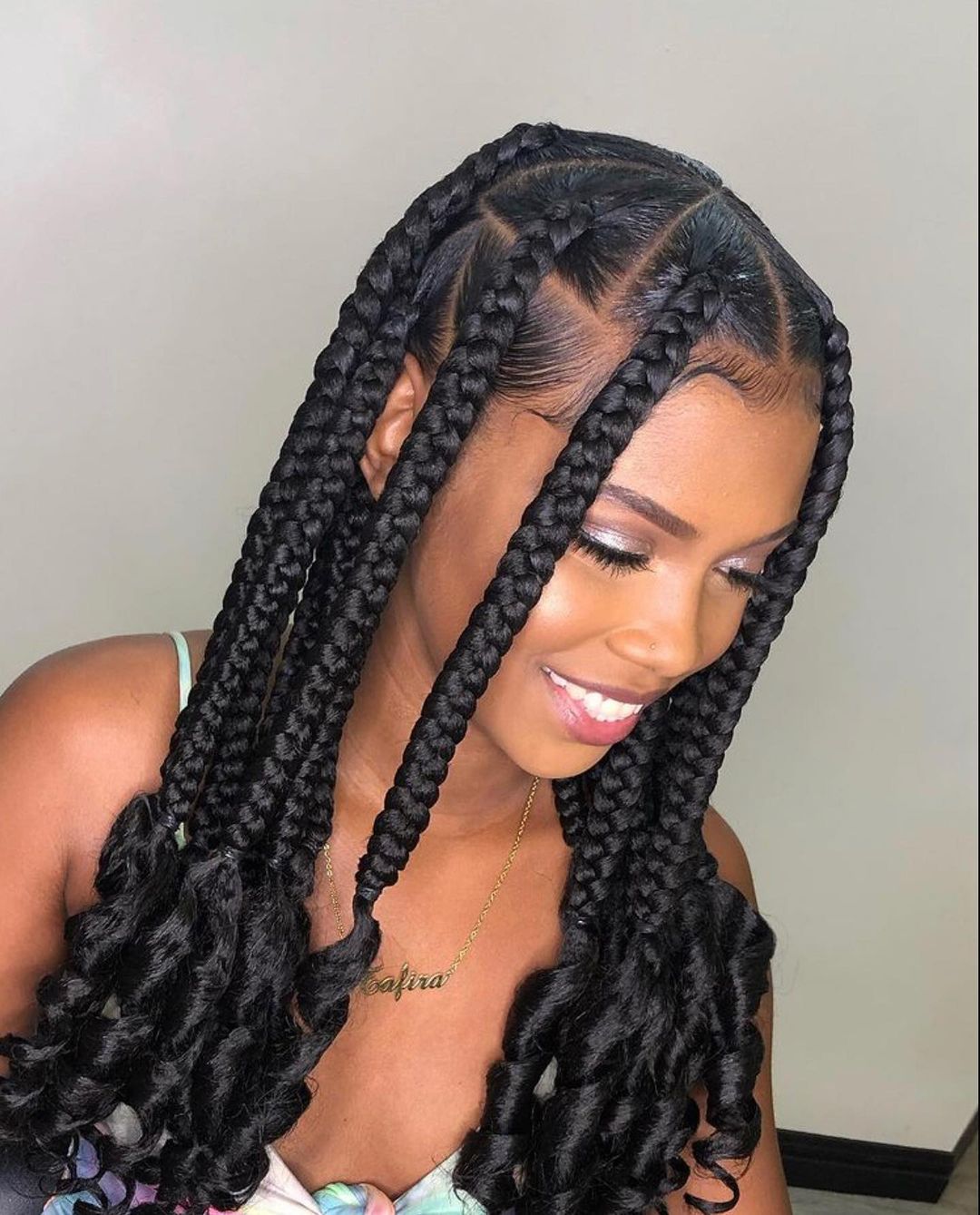
The trade-off for this volume is a significant time commitment and a heavier feel. The thick, coily box braids extend to mid-back, and each braid is dense enough to have noticeable weight. The loose curly ends add softness but require a curl refresher every few days to keep them from frizzing into a single mass. Ask your stylist for thick coily box braids with loose curly ends.
This is a salon-only style: the even partings and consistent tension are hard to replicate at home. The real drawback is the weight on the scalp, especially in the first week. Anyone prone to tension headaches should consider thinner braids or a shorter length. The middle part and black color keep the look clean, but the maintenance schedule is real. With regular moisturizing, the style can last up to eight weeks, though the curly ends will need trims to stay neat.
Half-Up Half-Down Braid With Orange Velvet Bow
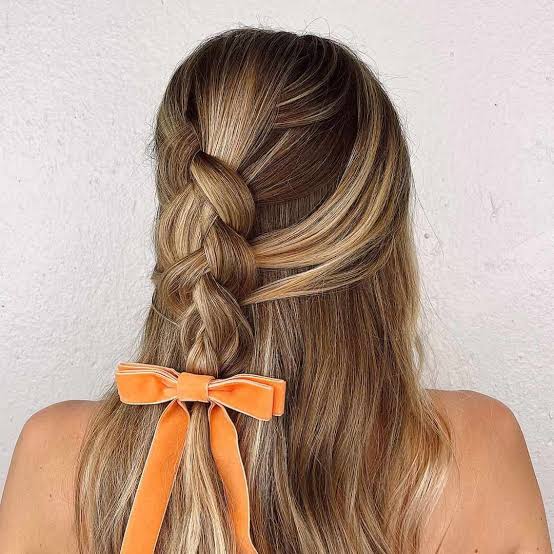
Unlike a fully braided updo that can take an hour, this half-up style uses a single braid and a statement orange velvet bow. The shoulder-length, wavy blonde hair with highlights stays loose below, making it a quick option for brunch or a casual party. Ask your stylist for a half-up half-down braid with an orange bow. The middle part keeps the look balanced, and the bow adds a playful note without needing extra styling.
Thick Blonde Fishtail Braid
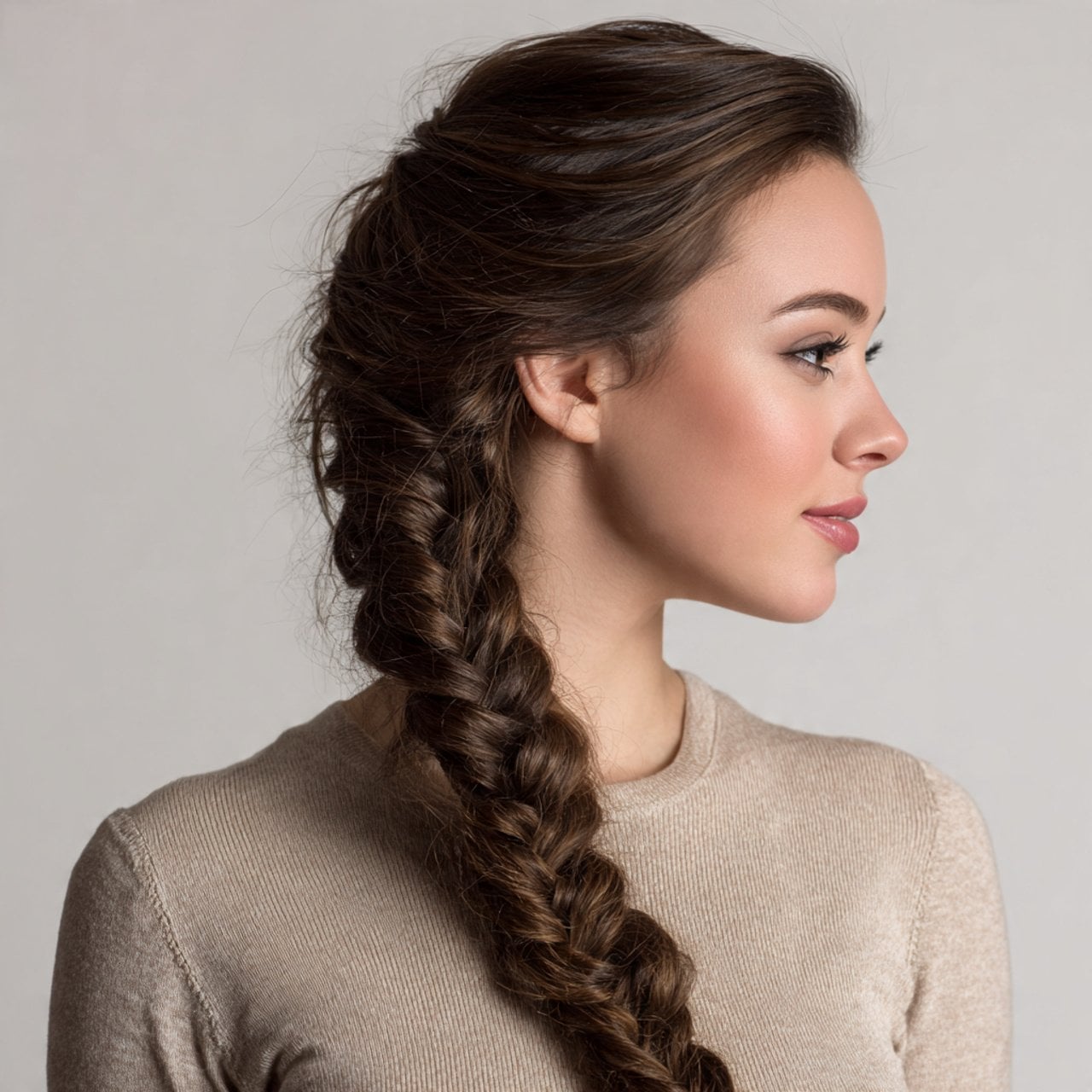
Wondering if a fishtail braid works for your hair type? This mid-back, thick blonde version is designed for those with naturally wavy, dense hair. The fishtail technique pulls the strands tight, which emphasizes the thickness and the layers that give the braid movement. Ask your stylist for a thick fishtail braid.
If your hair is fine or on the thinner side, this style may not deliver the volume the look demands. The middle part and the tight weave require enough hair to create the characteristic rope-like texture. The blonde color with subtle highlights adds dimension, but the real star is the thickness. This is a salon-level braid because even tension is crucial to keep the pattern clean. For those with the right density, it’s a way to wear a classic braid with maximum impact.
Long Straight Black Box Braids
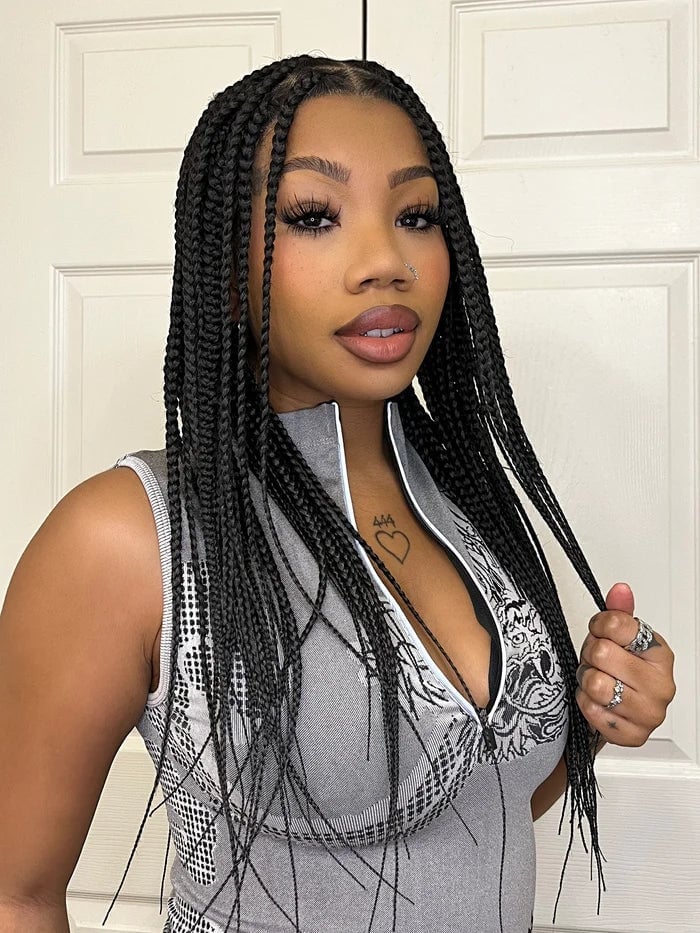
Long straight black box braids start with clean sections and a middle part that runs from your hairline to your nape. Each section gets wrapped with braiding hair, then tension is pulled taut through every inch to the ends. The straight, thick texture hangs uniformly to the mid-back. Ask your stylist for: long straight black box braids. They suit hair long enough for mid-back lengths and hold their shape for about six to eight weeks with a satin scarf at night and a braid balm to smooth flyaways.
This is a salon-only technique for two reasons: the parting needs to stay straight, and the tension has to be consistent so the braids lie flat. A trim every eight weeks keeps the ends blunt, though you can stretch it to 34 if the braids still look fresh at the roots.
Reddish-Brown Side Braid Into Ponytail
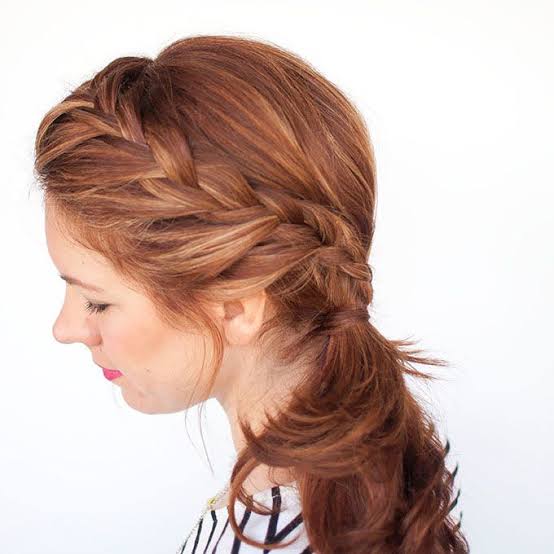
That single side braid starting at a side part and feeding into a low ponytail is a genuinely quick DIY. The reddish-brown wavy texture is medium density, so the braid has enough body to stay visible without looking bulky. You section off the front along the part, braid it to the ear, then gather everything into a ponytail at the nape. Ask your stylist for: side braid into ponytail. A DIY option that takes under ten minutes and holds all day with one strong elastic at the end.
Thick Straight Black Box Braids, Mid-Back
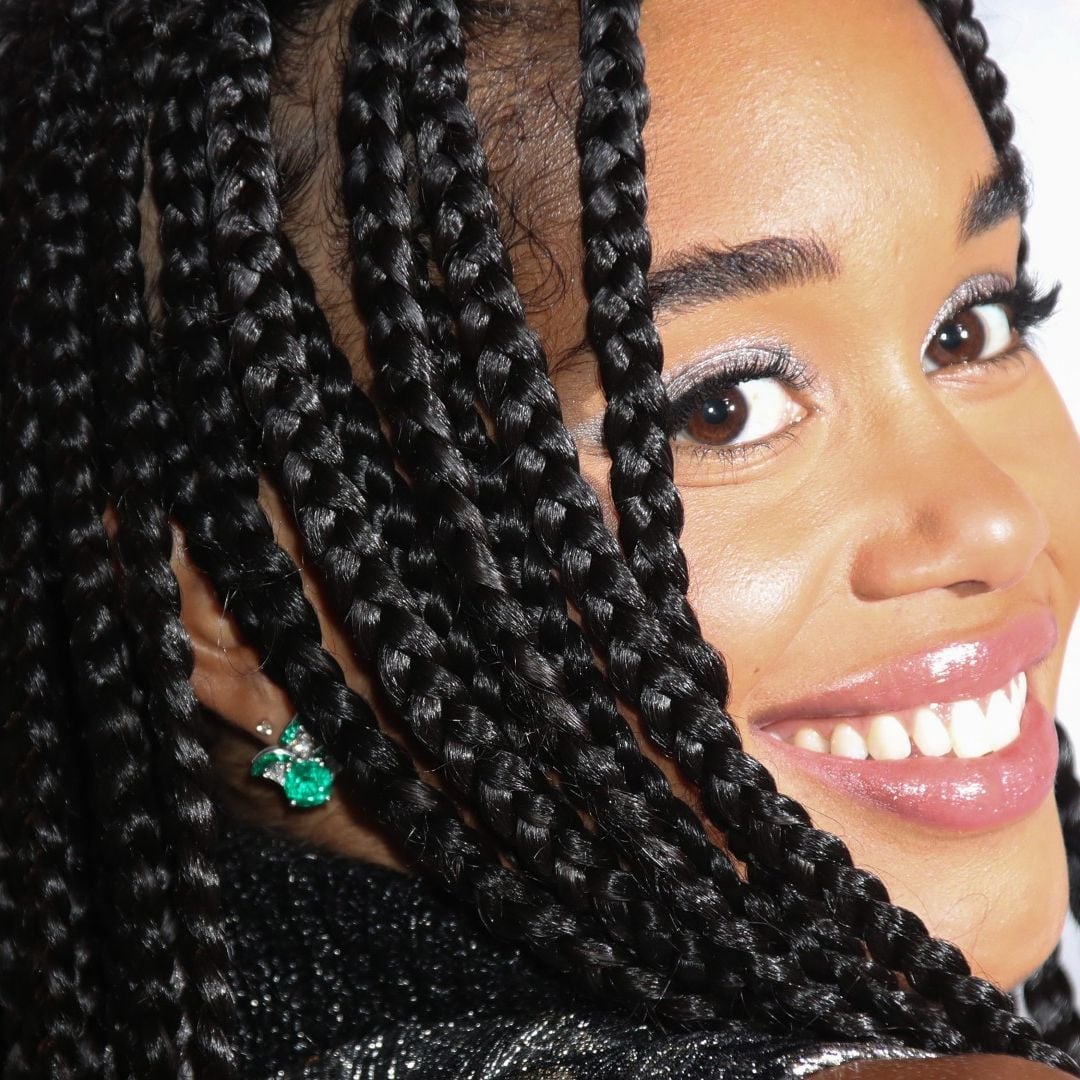
Thick straight black box braids are honest about what they demand: a full salon session and a commitment to nightly maintenance. The middle part and uniform braiding look clean from the side view, and the mid-back length gives you plenty of styling options. But the real trade-off is the weight. Ask your stylist for: thick straight black box braids. A dense set at mid-back can pull at the roots by week three, and if your hair is fine or prone to breakage, you are better off with a shorter length or fewer braids.
These hold their shape for about six weeks with a satin bonnet and a spritz of braid spray to keep the ends from fraying. Anyone with a sensitive scalp or a job that requires a lot of head movement should think twice before going this long and thick.
Box Braids With Geometric Cornrows and Face-Framing Tendrils
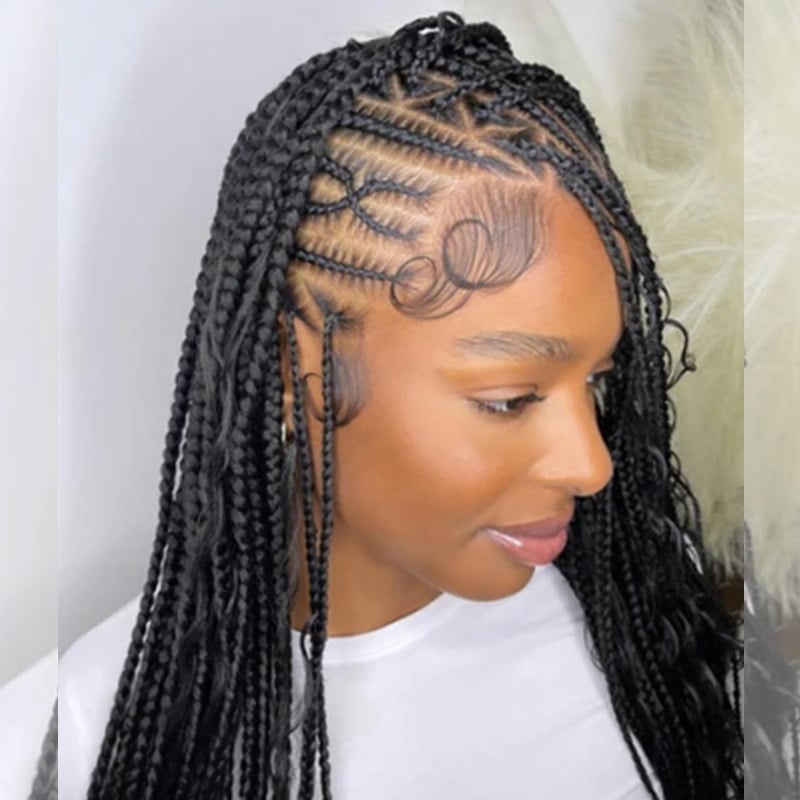
Geometric cornrows feed into long box braids here, but the real contrast is between the structured scalp pattern and the loose, wavy tendrils at the front. The coily thick texture of the braids balances the sharp lines of the cornrows. Ask your stylist for: box braids with geometric cornrows and face-framing tendrils. This suits medium to thick hair that can support the tension of the cornrows without pulling at the edges, fine hair tends to show gaps in the geometric sections by week two. The tendrils soften the look so it feels less rigid.
A salon build that holds for about six weeks, but you will want to reapply a lightweight gel to the cornrow lines every few days to keep the pattern crisp. The mid-back length is the tipping point: any longer and the weight starts to distort the cornrow shapes.
Neat Blonde French Braid
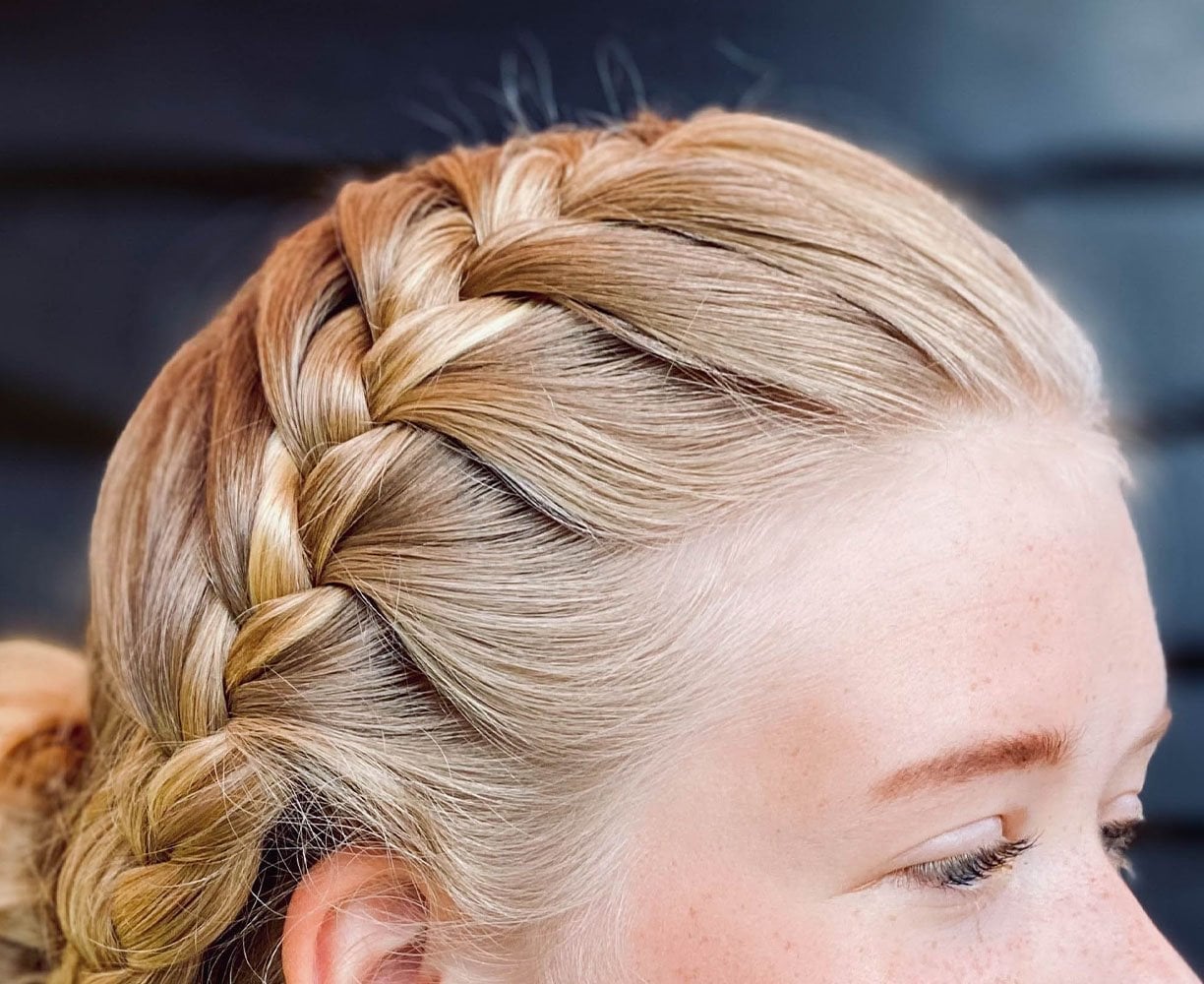
Is your hair straight, fine and shoulder length? This neat french braid from a side part is for you. The blonde with subtle highlights adds depth to the braid, and the side view shows how cleanly the sections lie against the head. Ask your stylist for: neat french braid from side part. A DIY that takes about 15 minutes once you have the tension down, and it holds all day without slipping if you start tight at the hairline. Anyone with thick or wavy hair will find the braid gets bulky fast and might prefer a Dutch braid instead to keep it contained.
Two-Tone Black and Blonde Box Braids
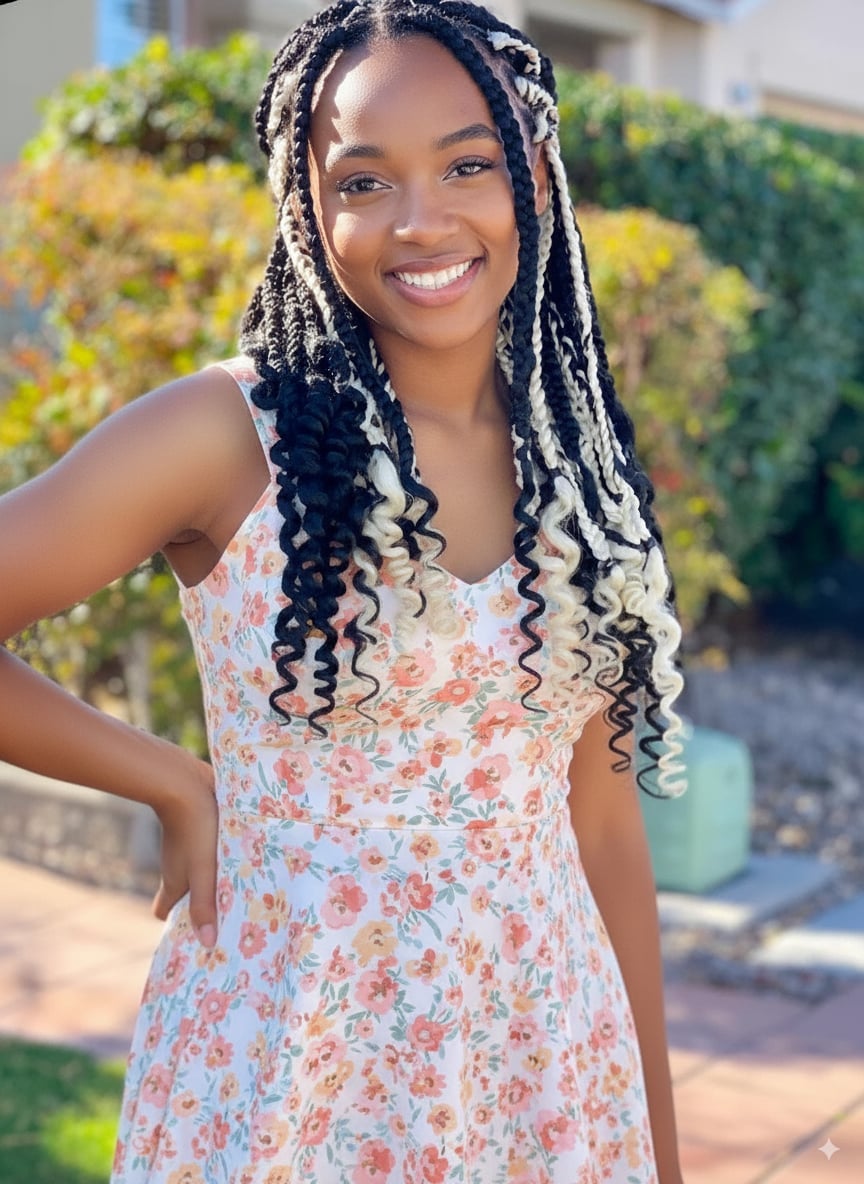
Alternating each braid between black and blonde creates a stripe effect without any color melting. The braider sections the hair into precise squares, then installs pre-colored extensions in two separate shades, weaving each one from root to tip. The middle parting keeps the color contrast balanced on both sides, and the curly ends soften the graphic line at the bottom.
Ask your stylist for: two-tone black and blonde box braids with curly ends. This technique works best on hair long enough for mid-back styles, and the dense, thick texture of the braids ensures the alternating colors read clearly. For styling, a leave-in conditioner on the ends prevents frizz while the body of the braid holds its shape. The color stays sharp for about six to eight weeks before the black begins to fade toward charcoal, but the blonde keeps its brightness with a purple shampoo refresh every few washes.
Blonde Hair With Heart-Shaped Braid Detail
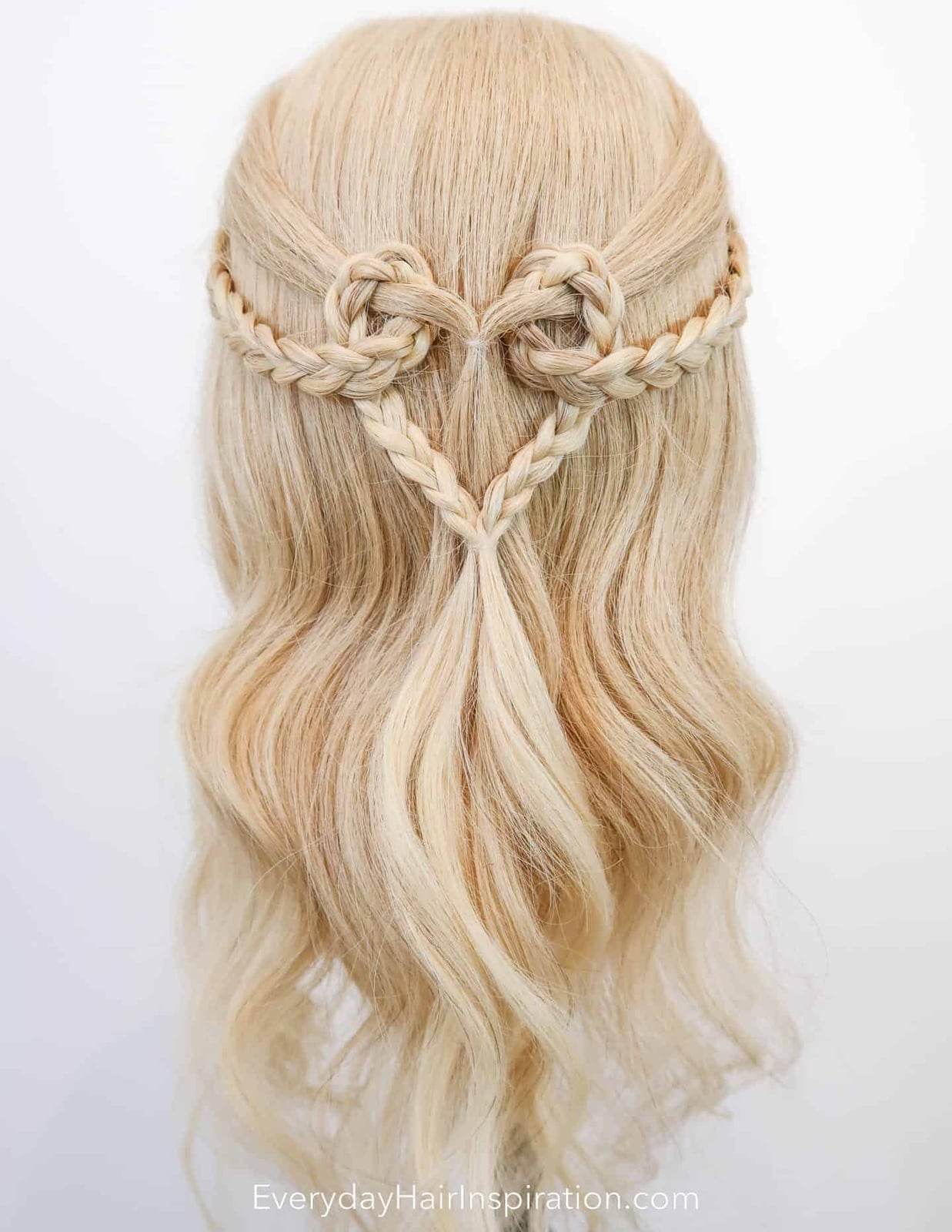
Two thick braids curve inward from each side of a middle parting to meet at the nape, forming a heart shape against the loose waves. The heart detail sits flat against the head, secured with bobby pins, while the blonde mid-back length waves have enough texture to hide any pin heads. The pattern is visible only from the back, so it is a back-of-head detail.
Ask your stylist for: heart-shaped braid detail on blonde hair. The drawback here is longevity: the heart shape tends to loosen after a few hours of movement, especially if the hair is fine or the braids are not pulled tight enough. A strong-hold hairspray helps, but re-pinning mid-event is almost guaranteed. This style works best for a specific occasion, not for all-day wear. The blonde highlights add dimension to the braids, so the heart reads clearly without blending into the hair.
Geometric Pattern Box Braids
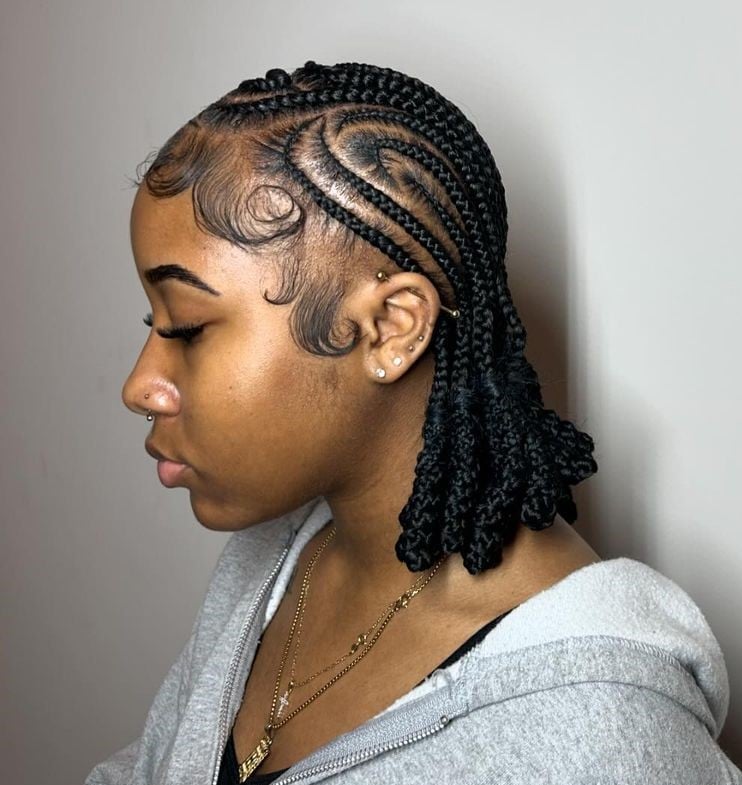
Let’s be direct: geometric pattern braids demand a steady hand and a lot of patience. The parting is the foundation here, and every square must be the exact same size for the pattern to look clean rather than messy. Once the braids are in, the design lives entirely in the scalp lines, with the mid-back length of straight black braids hanging cleanly below.
Ask your stylist for: geometric pattern box braids. This is not a quick chair visit. The precision required means a longer installation time, and anyone prone to scalp sensitivity should expect some tension during the process. It suits thick, straight textures best, because the pattern holds its shape without frizz blurring the edges. A light braid oil on the scalp keeps the lines defined and prevents dryness, but the pattern itself will begin to soften after about three weeks as new growth appears at the roots.
Textured Blonde Fishtail Braid, Mid-Back
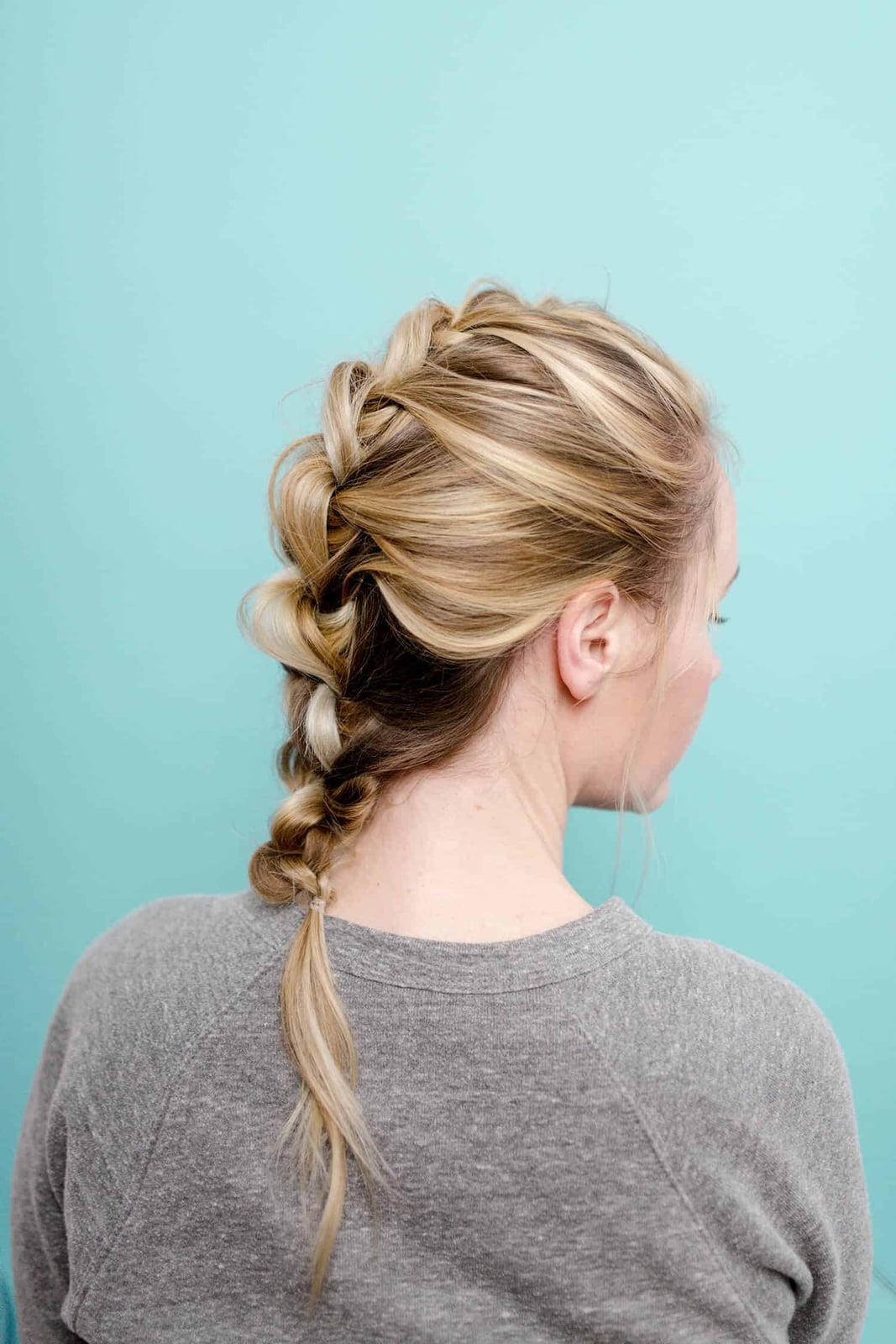
A classic three-strand braid is faster to execute, but a fishtail braid like this one offers a more intricate weave that looks harder than it is. The trick is to start with slightly wavy hair, braid loosely, then gently pull apart each section to expand the texture. The blonde base with subtle highlights adds dimension to each pulled strand, so the braid appears textured and full.
Ask your stylist for: textured fishtail braid. This style suits mid-back lengths and wavy, thick textures that have enough grip to hold the weave. The hold lasts a full day if you start with day-old hair, but the pulled-apart sections can loosen faster on freshly washed strands. A texture spray before braiding gives the hair enough grit to keep the fishtail intact without requiring a stylist’s touch.
Dark Brown and Blonde Highlighted Box Braids
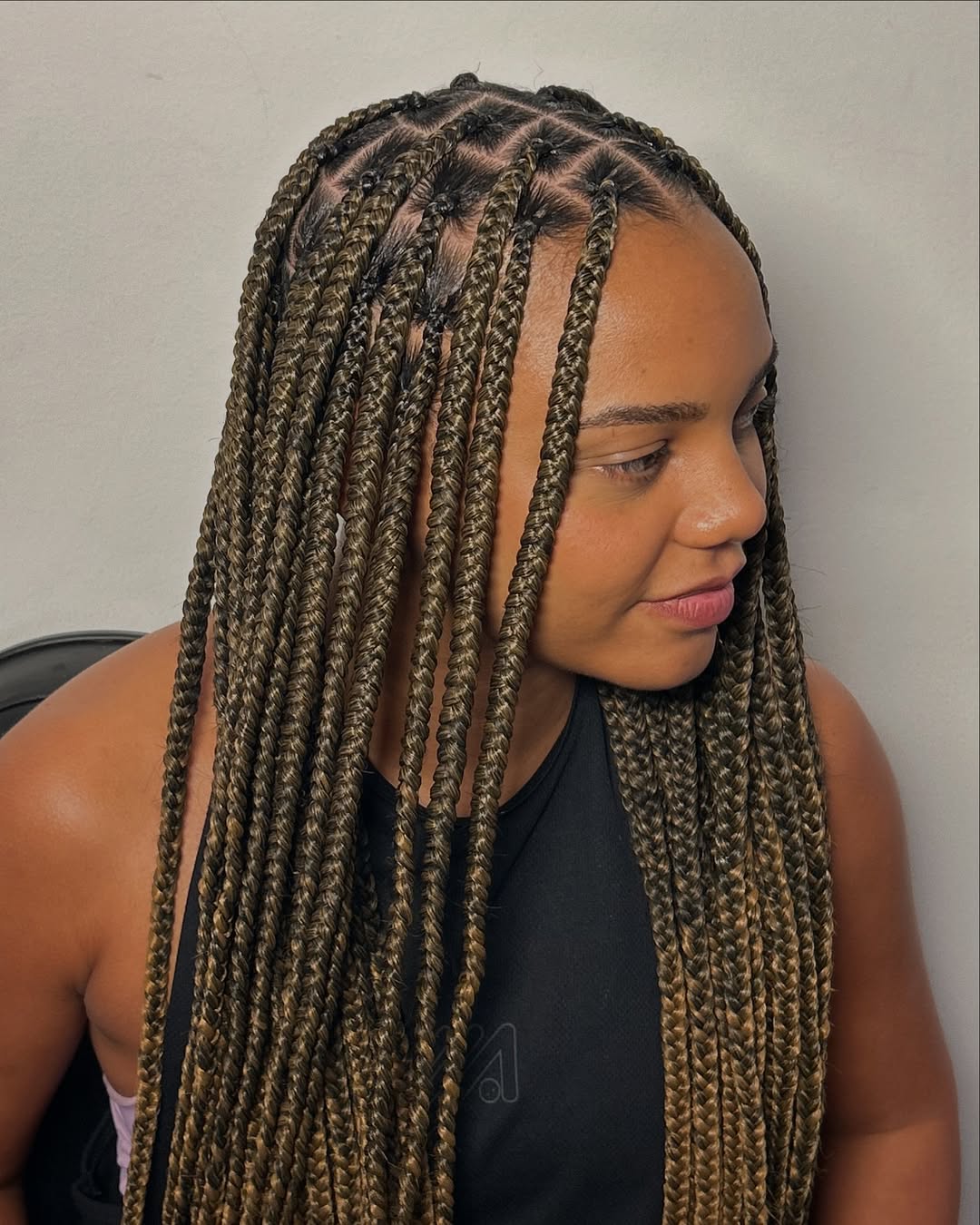
Can you pull off highlighted box braids without looking like you’re trying too hard? Yes, if the blonde is placed thoughtfully rather than thrown in randomly. Here, the dark brown base carries most of the weight, with blonde strands woven in as highlights throughout the individual braids. The effect is subtle from a distance but complex up close, like a balayage translated into braid form.
Ask your stylist for: dark brown and blonde highlighted box braids. This look works best on thick, straight textures and mid-back lengths, where the highlights have enough surface area to show. The upkeep is straightforward: a purple shampoo every two weeks keeps the blonde from pulling warm, and a braid balm smooths the dark brown sections so they stay shiny. A trim every eight weeks on the ends prevents the highlighted pieces from looking ragged as they wear.
Dark Brown Wavy Braided Ponytail
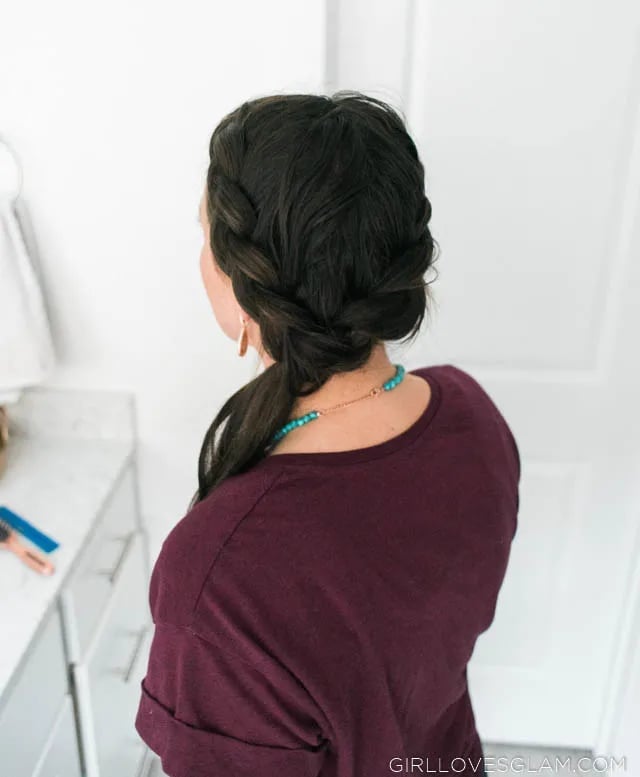
The braided ponytail starts higher up than you might expect, gathering hair from the crown and temples before falling into a woven tail that hits mid-back. It works best on hair that already has some wave, since the texture gives the braid body without needing to back-comb. Ask your stylist for: a braided ponytail. Use a smoothing serum on the sections before braiding so the crown stays flat and the tail doesn’t fray by midday. The wavy texture keeps the ponytail from looking stiff, which is the main risk with this style.
Dark brown appears as one solid block from behind, so the braid pattern becomes the whole point. No bangs keep the silhouette clean. The hold is solid for a full workday, though you will want to re-tie the elastic at the nape if you sleep on it.
Cornrows With Heart Design Into Braided Ponytail
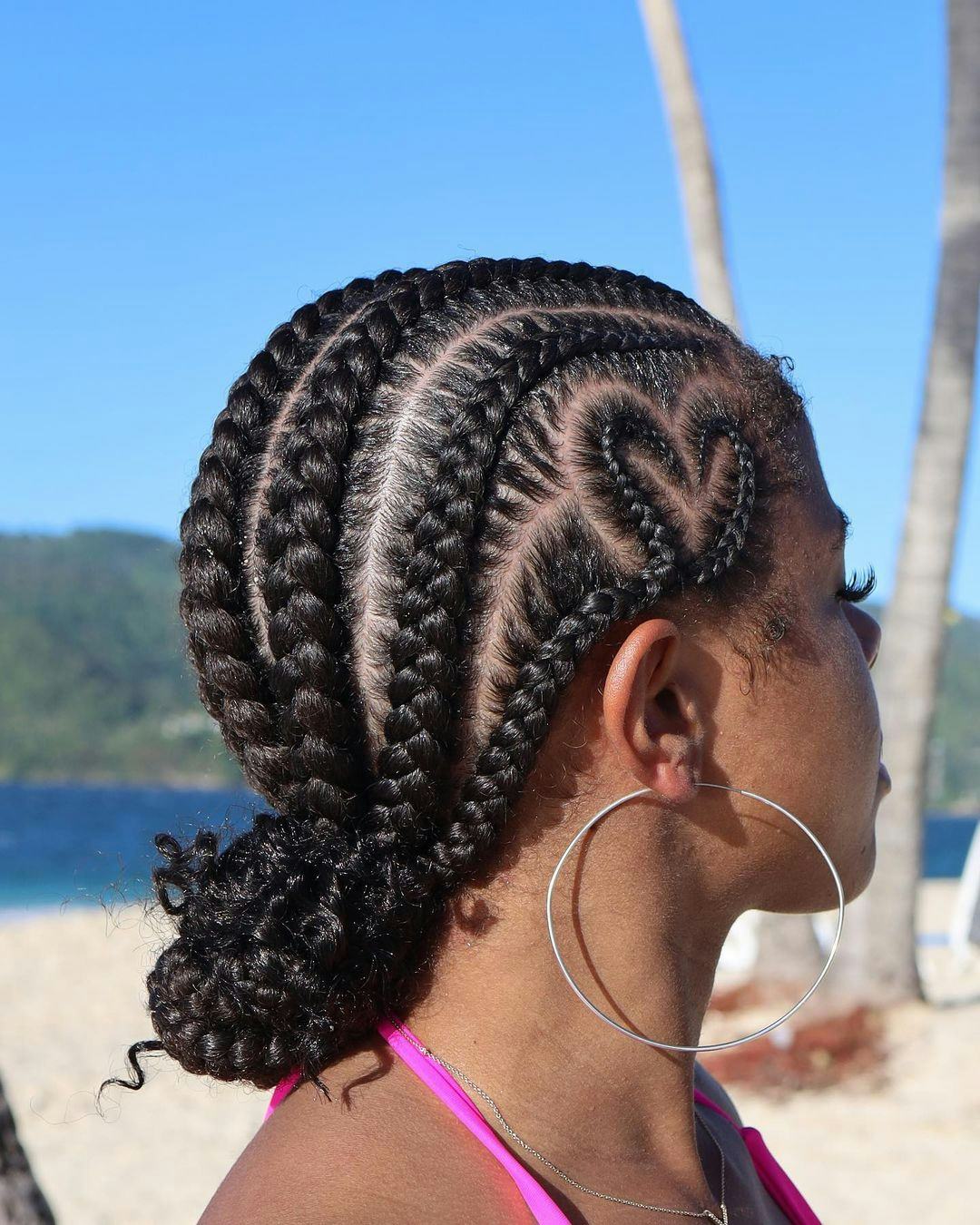
The heart-shaped cornrow at the front is the kind of detail that looks impressive but demands precision: one uneven part and the symmetry breaks. Dark, thick, coily hair holds the pattern best because the texture grips the cornrow tension. Ask your stylist for cornrows with a heart design that transitions into a braided ponytail. The real drawback is the timeline. This takes a solid three hours in the chair, and the heart shape starts to soften around week three as new growth lifts the edges. If you want a clean silhouette for longer, ask the stylist to keep the ponytail braid tight rather than loose.
Voluminous Dutch Braids With Blonde Highlights
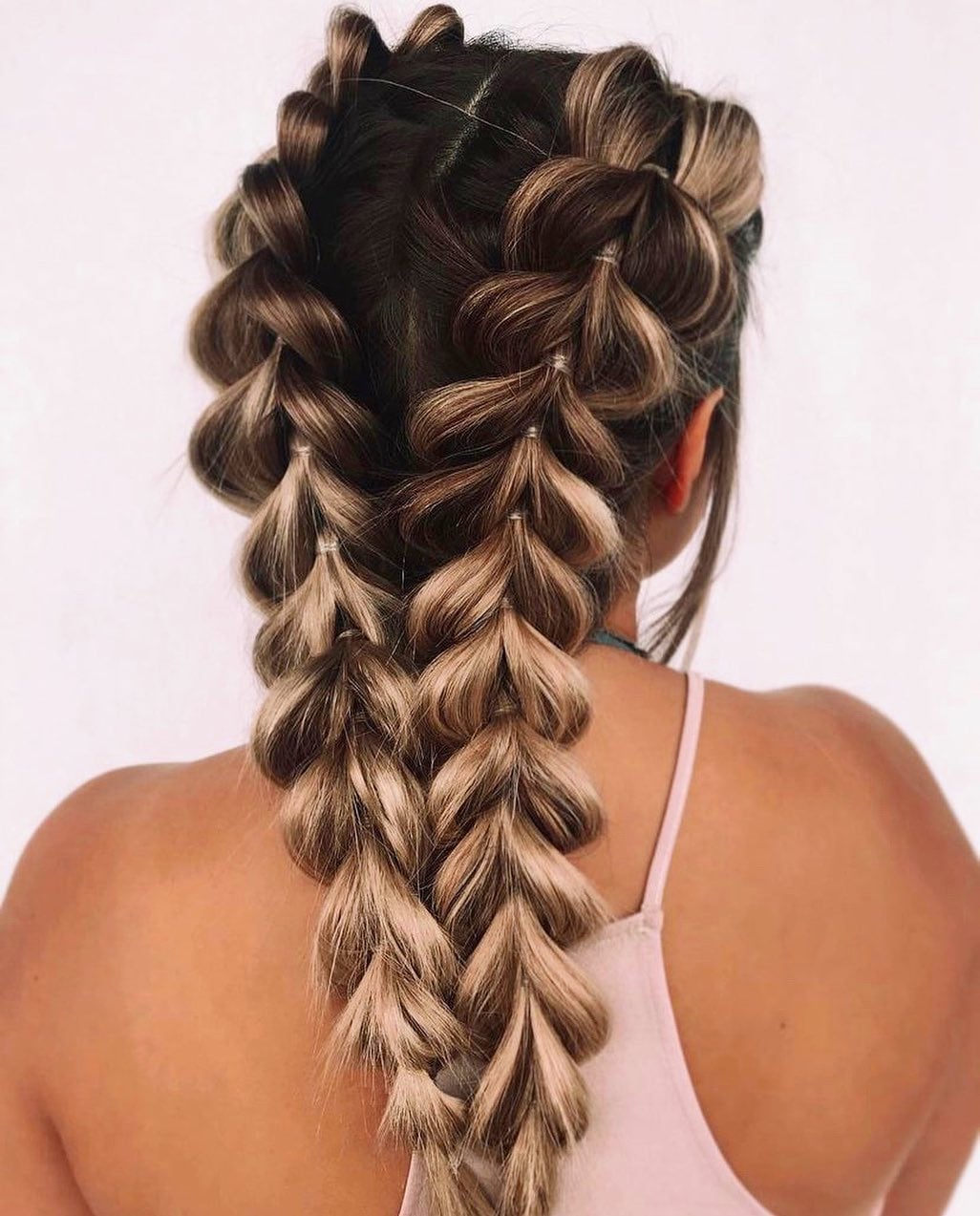
These Dutch braids are not the neat, tucked-against-the-scalp kind. They are built thick and pulled apart after braiding so each section looks wider than your thumb. The dark brown base with blonde highlights becomes more visible as you separate the strands, since the lighter pieces reflect differently. Ask your stylist for voluminous Dutch braids with face-framing looseness. This is not a five-minute style. The braiding itself takes about forty minutes, and the pulling apart adds another ten. The resulting braid holds for two days without looking slept in. Straight hair textures will need a texture spray before braiding to get the same grip.
Box Braids With Decorative Beads and Charms
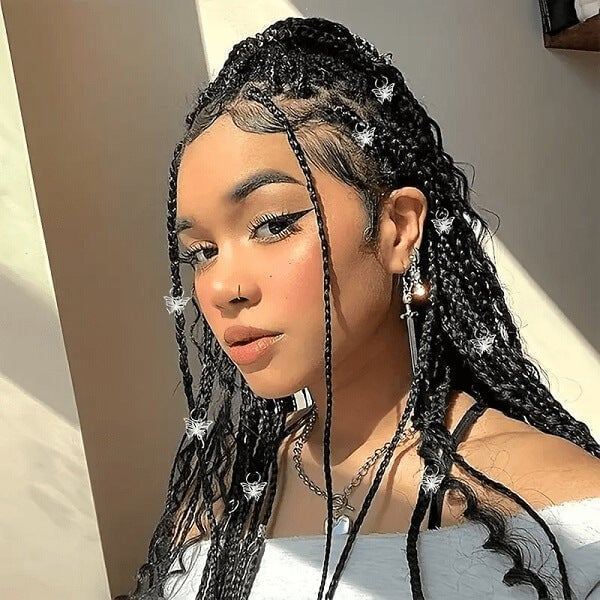
Box braids with beads sit in a different category from plain box braids. The beads add weight, so the braids hang with more swing than you get from unadorned hair. The coily, thick texture here grips the braid pattern tightly, which keeps the beads from sliding down the shaft. Ask your stylist for box braids with decorative beads and baby hairs. The baby hairs along the hairline are a deliberate finish. They soften the part line and keep the style from reading as severe. The beads will click against each other when you move, which is either a bonus or a reason to skip them, depending on your tolerance for constant sound.
Ash Blonde and Purple Toned Dutch Braids
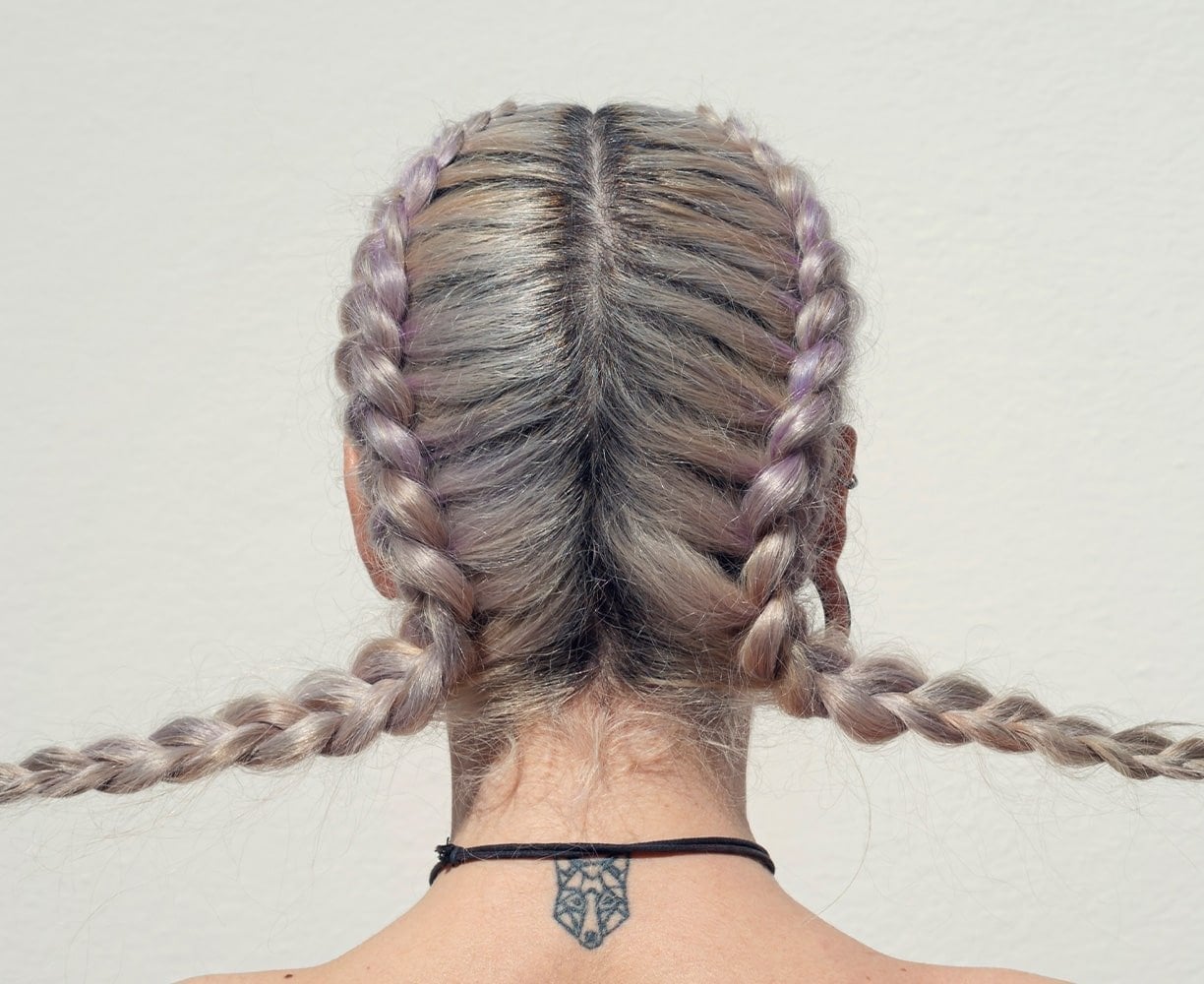
Can you pull off ash blonde with purple tones without a salon visit? Yes, if you start with pre-lightened hair and use a color-depositing conditioner every other wash. The straight, medium-density texture here makes the Dutch braid pattern crisp and readable, which is harder to achieve on coarser hair. Ask your colorist for ash blonde with subtle purple undertones. This is a solid DIY option if you can braid your own hair, two symmetrical Dutch braids take about twenty minutes once you have the muscle memory. The color fades to a dusty silver after four to six weeks, so plan for periodic toning between full color appointments.
Cornrows With Blonde Highlights Into Coily Braids
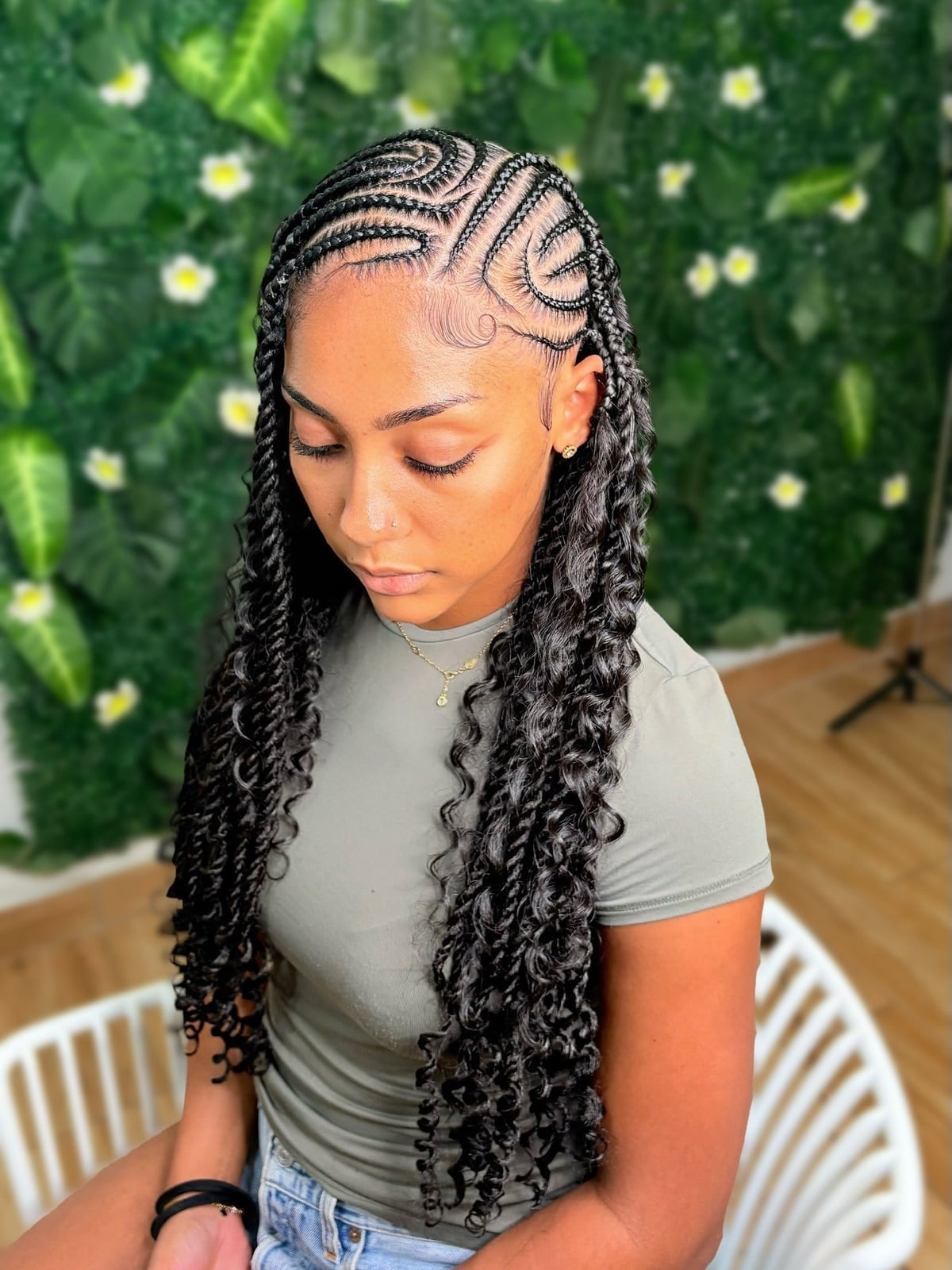
This is a two-part architecture: tight cornrows mapping the scalp in an intricate pattern, then a sudden release into long, coily box braids with blonde highlights running through the black base. The middle parting keeps the geometry readable, and the thick, coily texture means the braids hold their curl without coaxing. Ask your stylist for: cornrows transitioning to blonde-highlighted coily braids.
Best for anyone with long hair who wants the protective benefits of a braid without the monotony of a single texture. A defining cream worked into the ends maintains the curl pattern and prevents the coily sections from drying out. The cornrow portion stays neat for two to three weeks; the braids below hold for four to six with a silk wrap at night.
Geometric Scalp Braids And Loose Waves
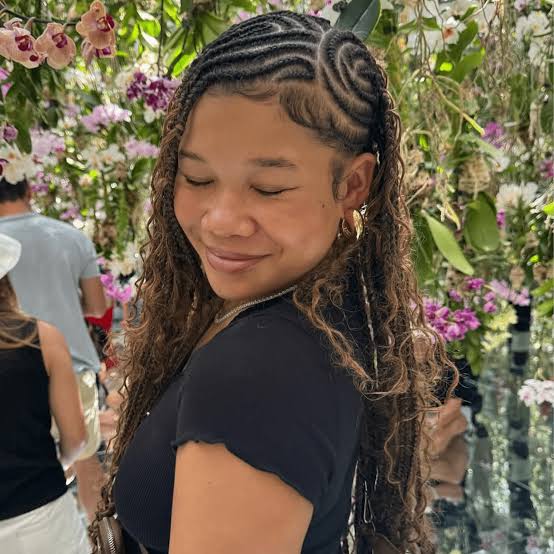
There is a tension here between the precise and the free. Geometric scalp braids on one side create a structured foundation, while the rest of the hair falls in long, thick, dark brown waves. The side parting and slicked-back roots keep the braid pattern visible, and the wavy texture softens the whole thing. Ask your stylist for: geometric scalp braids with blonde-tipped waves.
The drawback is the two-texture upkeep. The braided sections need a light oil to prevent frizz, and the wavy ends require a moisturizer to keep the wave pattern defined. The waves will relax faster than the braids hold, so expect to refresh them with a damp twist every two days. A salon appointment runs about three hours for the braiding alone.
Geometric Cornrows With Curly Box Braids
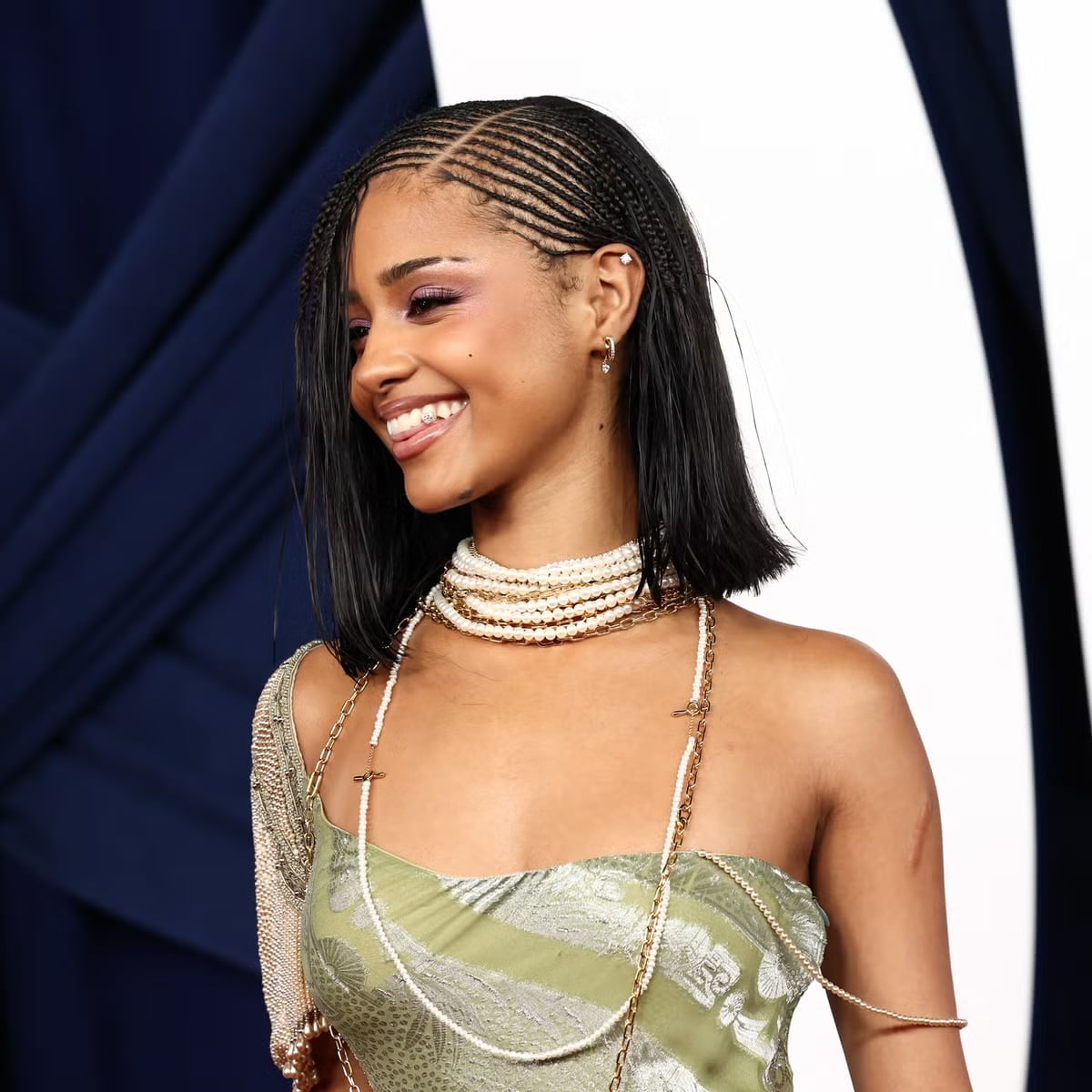
Honest assessment: this is a look that demands a chair and a skilled hand. Geometric cornrows at the front, think sharp angles and clean lines, transition into chin-length box braids with curly ends, all in a dense black shade. The side parting and straight, thick texture keep the pattern crisp. Ask your stylist for: geometric cornrows to box braids with curly ends.
It is not a style you throw together before work. The cornrow pattern requires precise sectioning and about two hours of braiding time. The curly ends will need a mousse or a curl refresher every two days to stay defined rather than fuzzy. Skip this if you cannot commit to a biweekly touch-up on the roots.
34 Best Box Braids Hairstyles
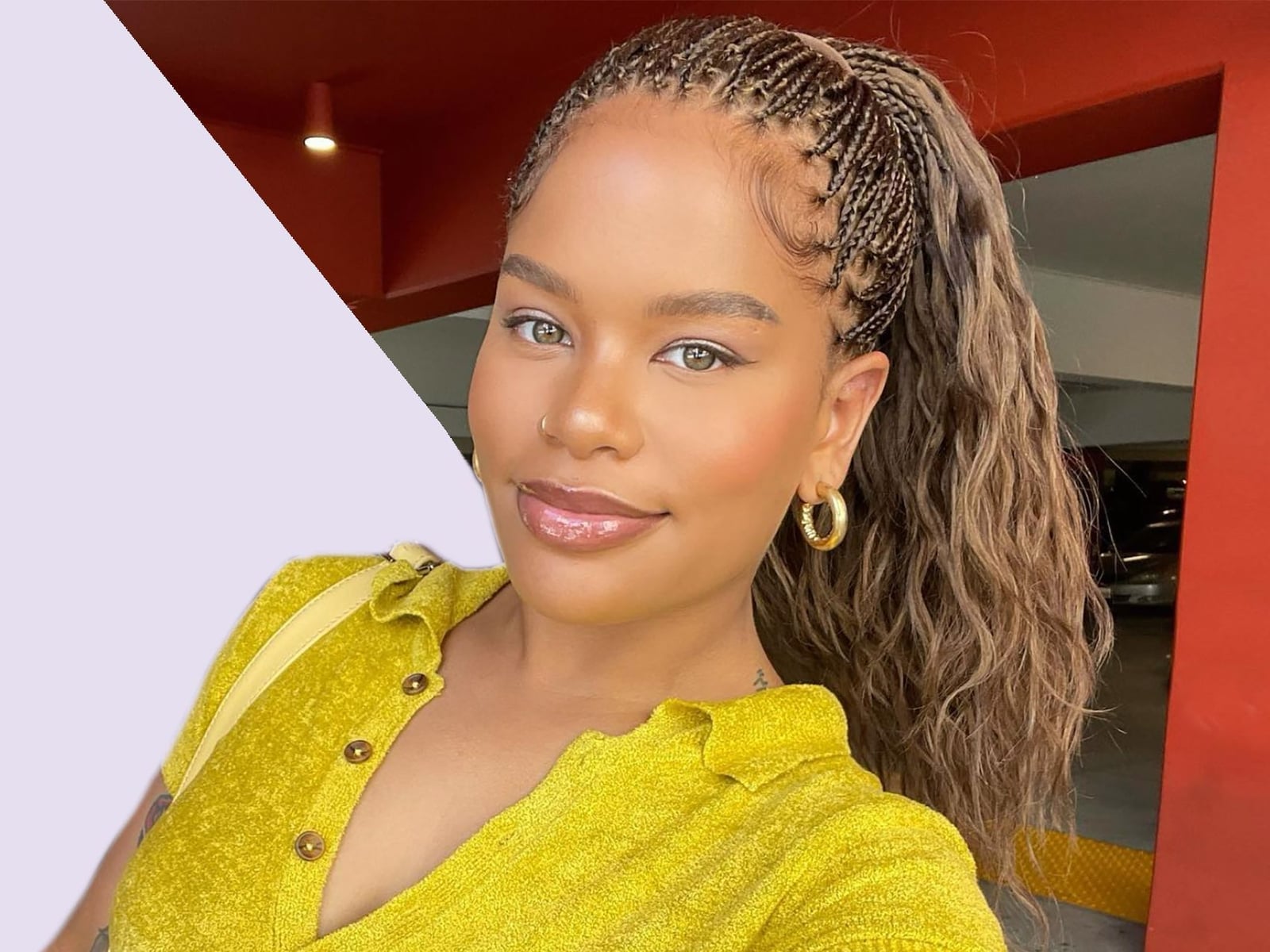
If box braids have a superpower, it is their ability to look completely different from one head to the next. Compare a sleek, mid-back ponytail of micro braids with blonde highlights to a thick, wavy, brown version left loose. Same basic technique, entirely different effect. Ask your stylist for: best box braids inspiration.
The wavy, thick texture in a ponytail holds its shape and swings with weight. The micro braids in a slicked-back style look polished and deliberate. One works for a week of meetings, the other for a weekend away. Neither is wrong, which is the point. Bring a photo of the style you want, because box braids are a template, not a single look.
Final Thoughts
When choosing between styles, let your daily routine be the guide. For low-maintenance options, stick with braids that don’t require daily styling, and always keep the tension comfortable to avoid stress on your roots. Salon-created looks need a clear upkeep plan, so ask your stylist about touch-ups and how to keep the style fresh.
- Trim and moisturize ends every 6-8 weeks.
- Gently cleanse scalp with a diluted shampoo or braid spray weekly.
- Sleep with a silk or satin scarf or bonnet to minimize frizz.
- Avoid excessive heat styling on loose braid ends.
Braids offer endless possibilities for style and protection.