

Starter locs are the first deliberate step toward a style that only gets better with time. Right now, the shift is toward soft, lived-in texture over rigid uniformity, with natural movement and subtle color variation leading the way.
This collection of 25 looks covers the full range, from short, neat sections that require minimal effort to longer, more intricate formations that reward patience. Whether your hair is fine and needs gentle handling or thick and coily enough to hold its own shape, each approach solves one real problem: how to start strong without second-guessing the process. Starter Locs offer a foundation you can actually enjoy building on.
Shoulder Length Loose Starter Locs
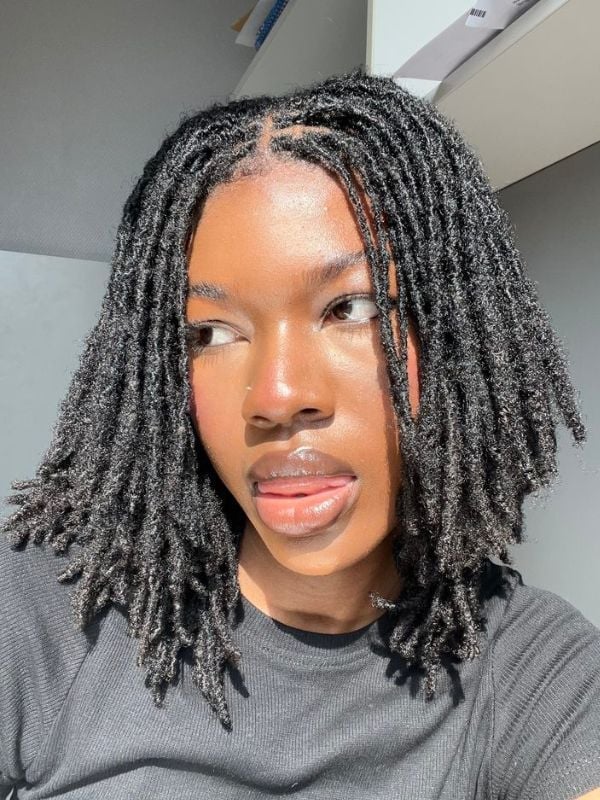
There is a fine line between controlled and stiff, and these loose starter locs land on the right side of it. The shoulder length gives enough weight for the coily, thick texture to hang without puffing outward, while the middle parting keeps the symmetry clean. Ask your stylist for: shoulder length starter locs, loose styling, middle part. This style works best when you let the hair air dry fully after washing, which encourages the coils to set without frizz. A retwist every four to six weeks maintains the definition without overworking the roots.
Short Bob With Side Swept Bangs
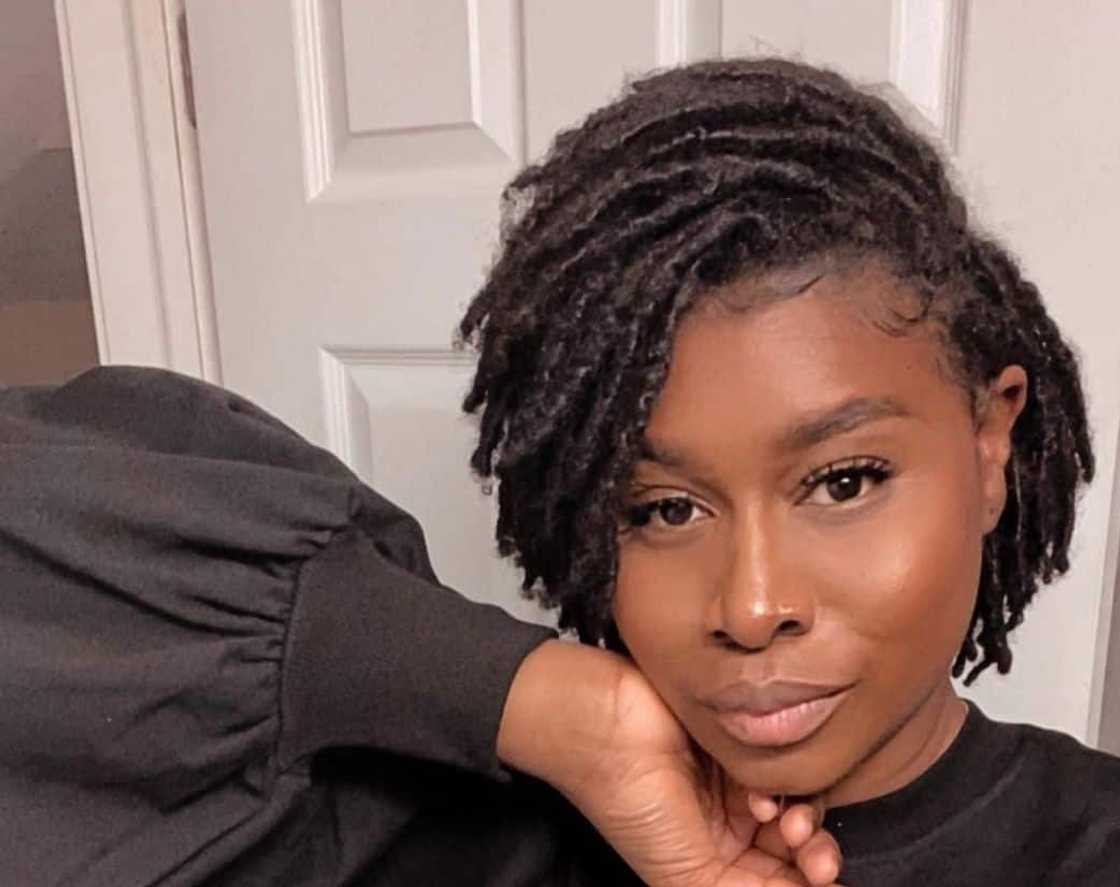
A side part and side-swept bangs keep a short loc bob looking intentional. Ask your stylist for: short loc bob, ear length, side-swept bangs, side part. The bob line ends around the ear, keeping the shape compact while the bangs break up the roundness. This is a solid DIY option if your sections are already even, though a stylist will get the bang angle sharper. A light styling cream on the bangs keeps them lying where you put them.
Short Sisterlocks Defined
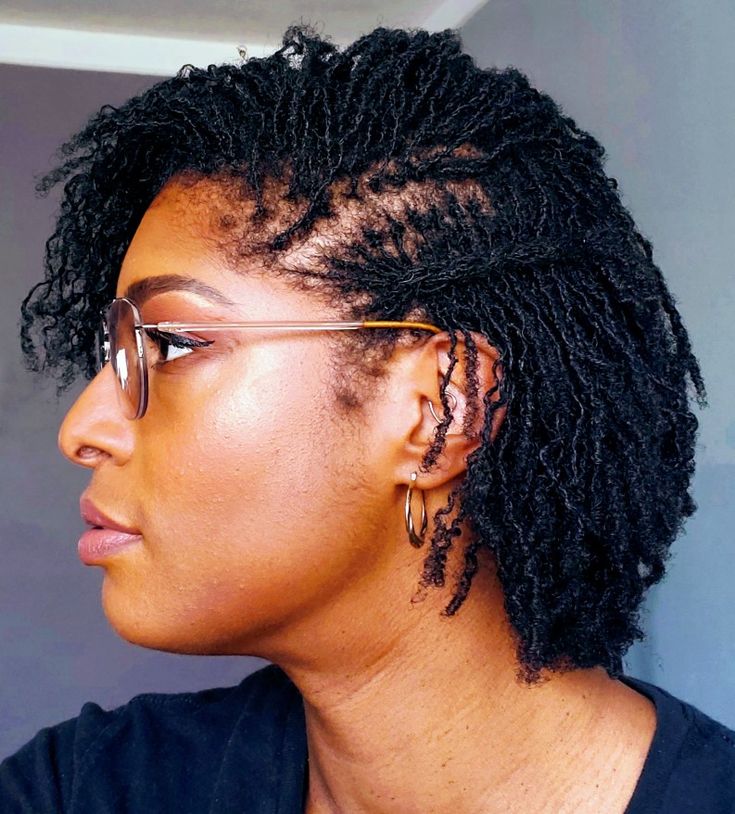
Sisterlocks are not a weekend project. The technique requires a salon appointment because each loc is created with a specialized tool through fine, coily hair, and the parting at the crown has to be precise for the grid to hold. Ask your stylist for: short Sisterlocks, ear length, defined coils. The finished locs are small and tightly coiled, which means they take longer to install than standard starter locs. The definition stays sharp between retightenings, and the scalp is easier to keep clean with the smaller sections.
Collarbone Starter Locs Half Up
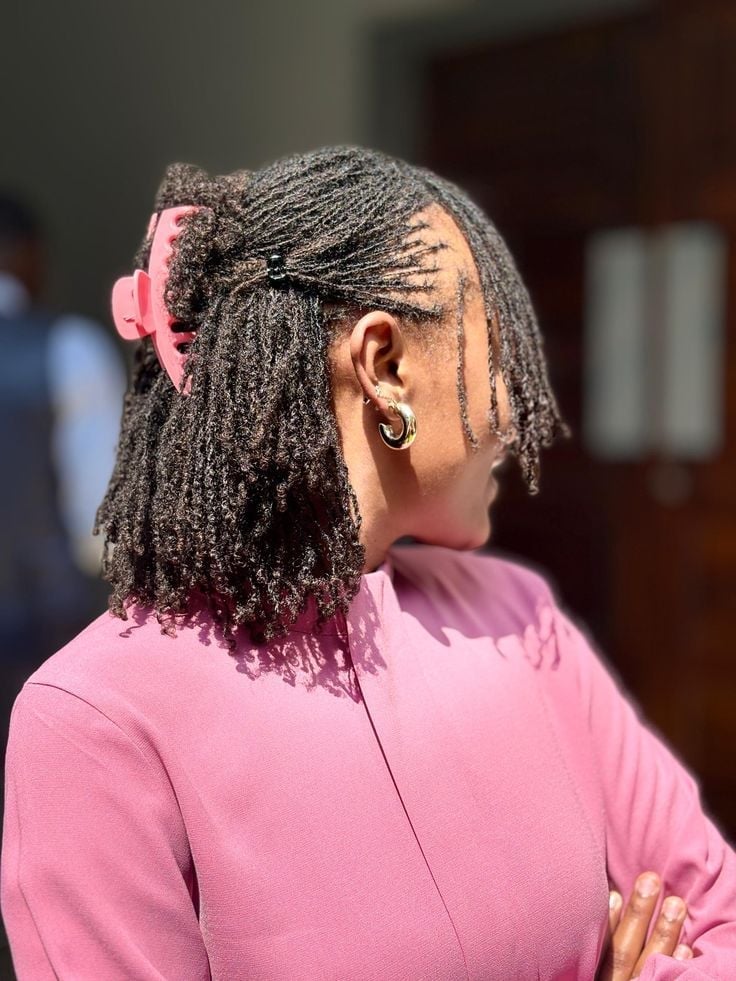
It is not a full updo and it is not fully down, which is exactly the point. The half-up, half-down style keeps collarbone-length starter locs off your face without committing to a bun or ponytail. Ask your stylist for: collarbone starter locs, half up half down style, soft face-framing wisps. A pink clip or soft scrunchie secures the top section, and the face-framing wisps are left loose to soften the line.
This works for everyday wear, especially when you want the locs to move but need the front out of the way. The coily, thick texture gives the half-up section enough grip to stay put without pins.
Shoulder Length Wavy Locs with Highlights
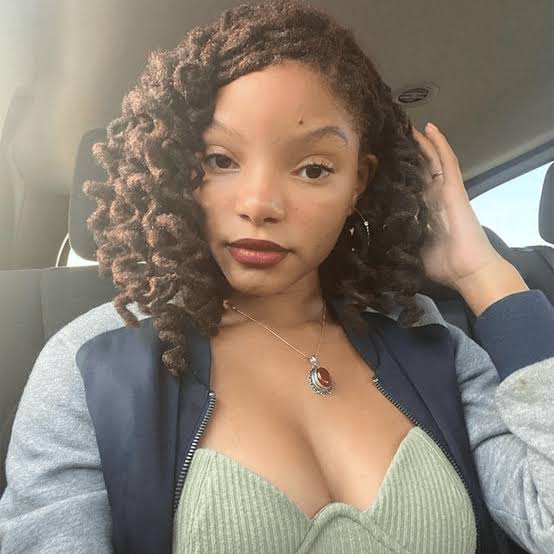
Blonde highlights on a dark brown base add dimension. On shoulder-length wavy locs, they separate the defined curls so each wave is visible rather than blending into one mass. Ask your colorist for: shoulder length wavy locs, blonde highlights, defined curls. The layered cut gives the waves room to form, and the highlights reflect light differently at each bend. A curl-defining cream applied to damp hair, followed by diffusing or air drying, locks in the pattern. A trim every eight to ten weeks keeps the ends from thinning as the locs mature.
Short Locs with Undercut
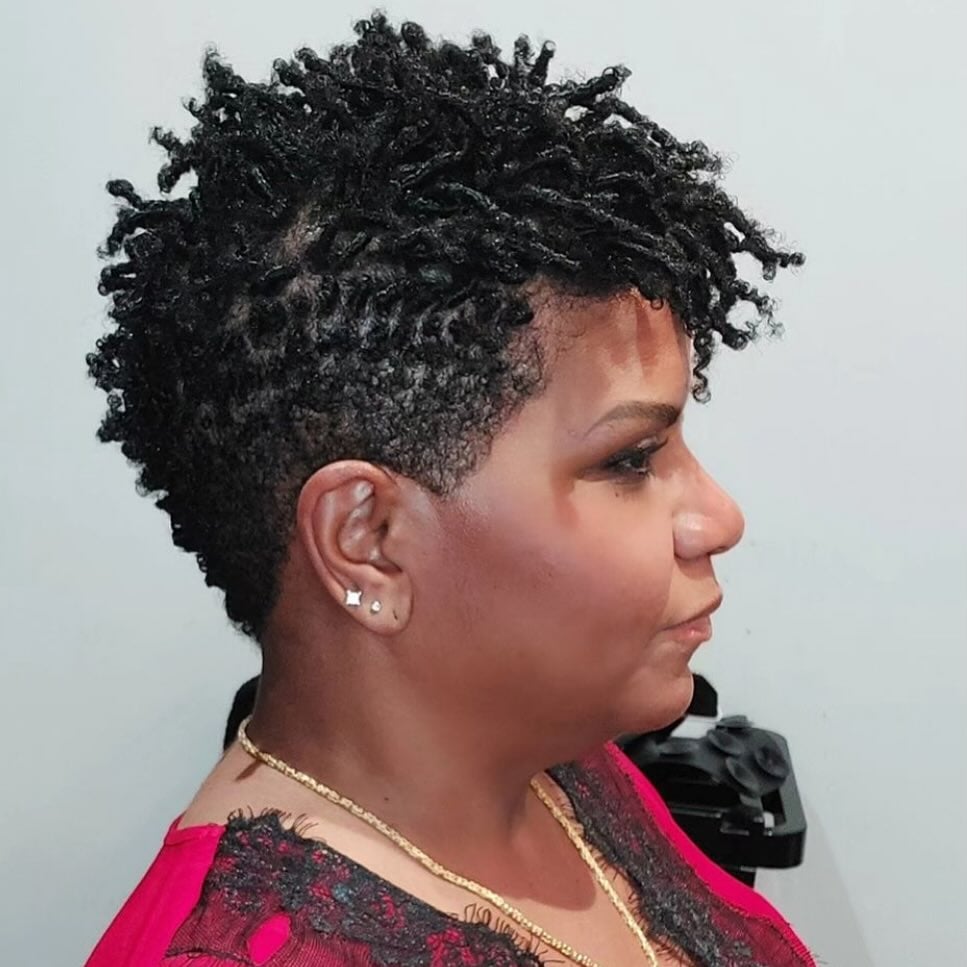
Wondering if an undercut will make your short starter locs harder to style? The opposite is true. The shaved sides cut your maintenance routine in half while the middle part on top keeps the look intentional. Black, fine coily locs ending around the ear hold their shape well from day one. Ask your stylist for: short locs, ear length, undercut sides, middle part on top. This is a salon-only commitment for the initial cut, and the drawback is that keeping the undercut clean requires a trim every three to four weeks.
Ear Length Twisted Starter Locs
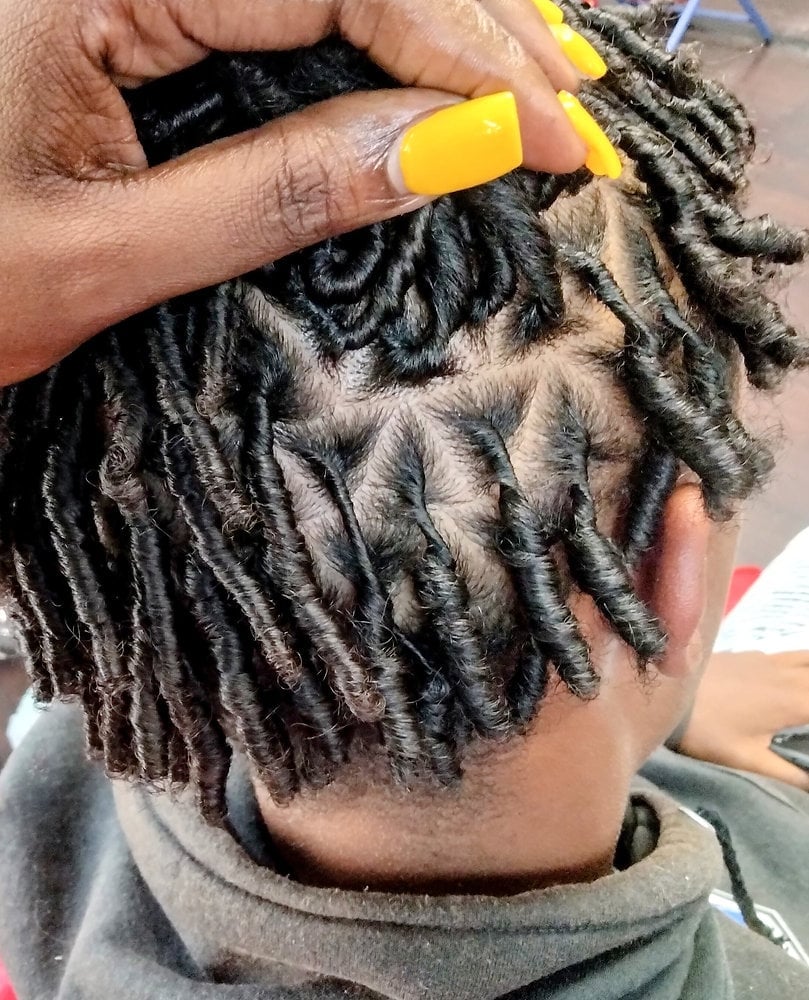
Each defined twist in this ear-length set is its own tiny sculpture. Fine coily texture makes the design read as precise. Ask your stylist for: ear length twisted starter locs, fine coily texture, middle part. This setup works for anyone who wants a neat, low-bulk start without waiting for length. If your hair is coarse or dense, the twist definition will be less crisp, so consider slightly larger sections instead.
Collarbone Micro Loc Bob
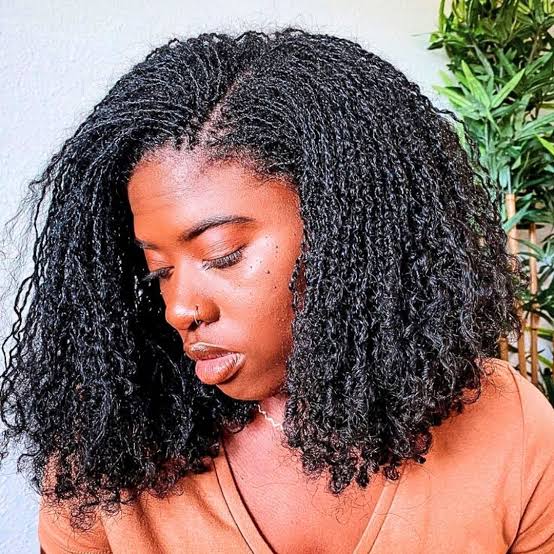
The smaller locs create a denser, softer silhouette that moves like a single fabric. This collarbone-length version on fine coily hair uses a middle parting to balance the volume on both sides. Ask your stylist for: collarbone length micro loc bob, fine coily texture. Micro locs take longer to install and retwist than traditional locs, so budget for longer appointments every six to eight weeks.
Neatly Parted Short Dark Brown Locs
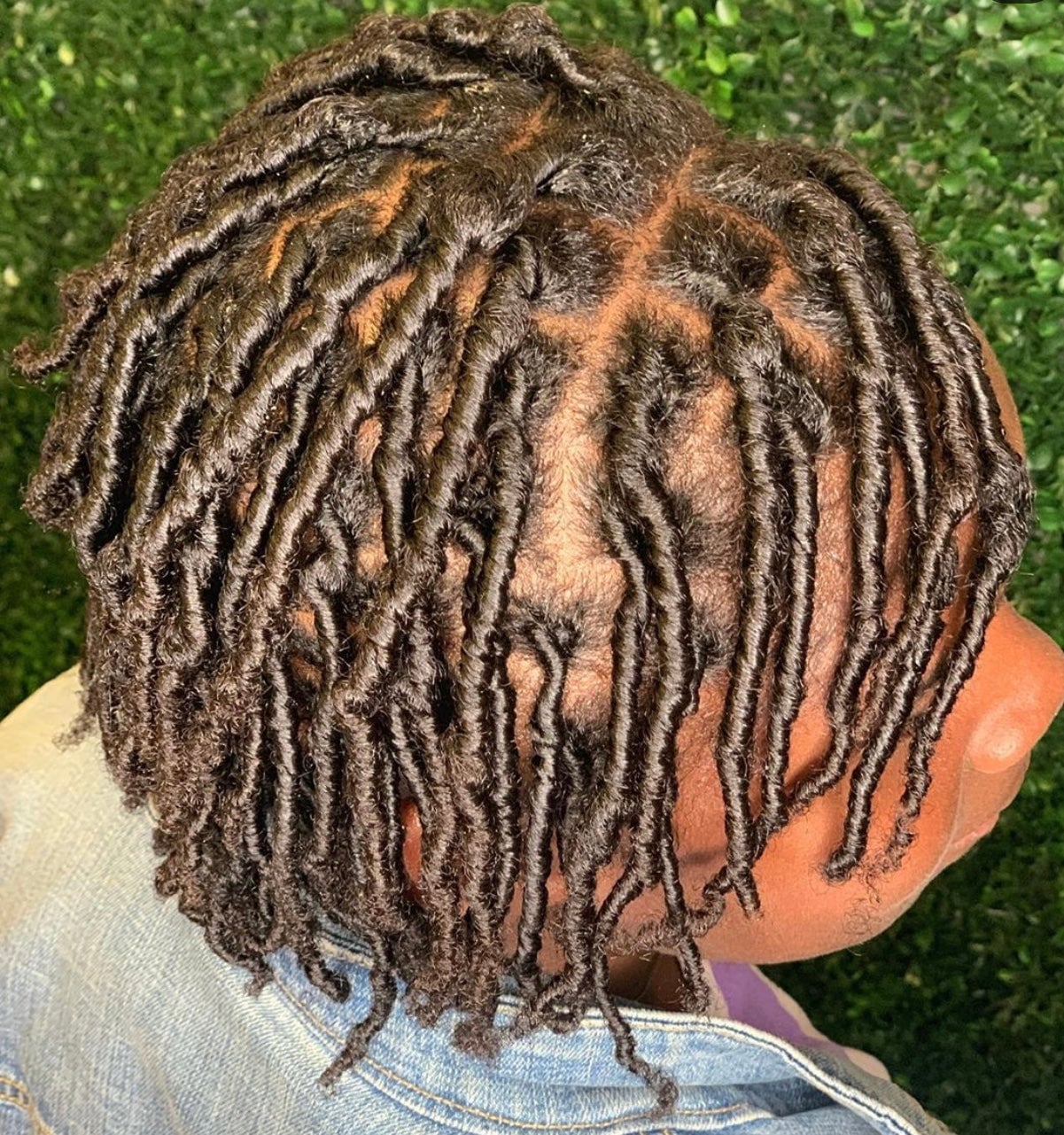
The neat middle parting and small sections show every bit of new growth, so retwists every four to six weeks are the reality. Ask your stylist for: short starter locs, neat middle part, dark brown color. A light moisturizing spray between appointments keeps the coily texture from feeling dry without loosening the part lines.
Collarbone Micro Loc Bob Black, Coily
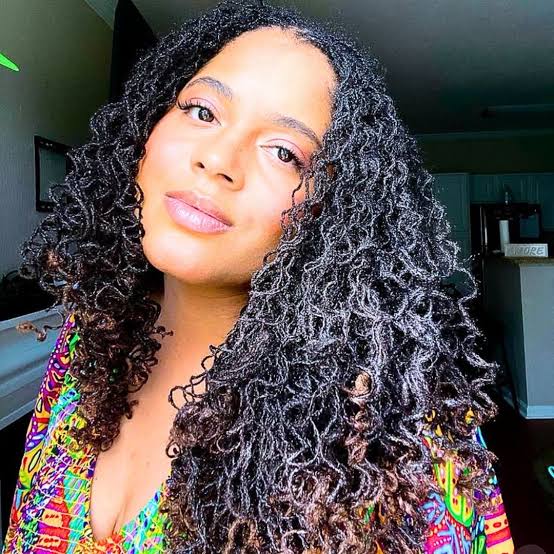
The precise observation here is that these black micro locs are uniform in size from root to tip. That consistency is what gives a collarbone bob its polished, professional finish. Fine coily texture holds the micro loc shape well, but the density means DIY retwisting is tricky. Ask your stylist for: collarbone length black micro loc bob, fine coily texture. Salon installation is the standard route, and a retightening session every six to eight weeks keeps the middle parting and bob shape intact.
Short Twisted Starter Locs Back View
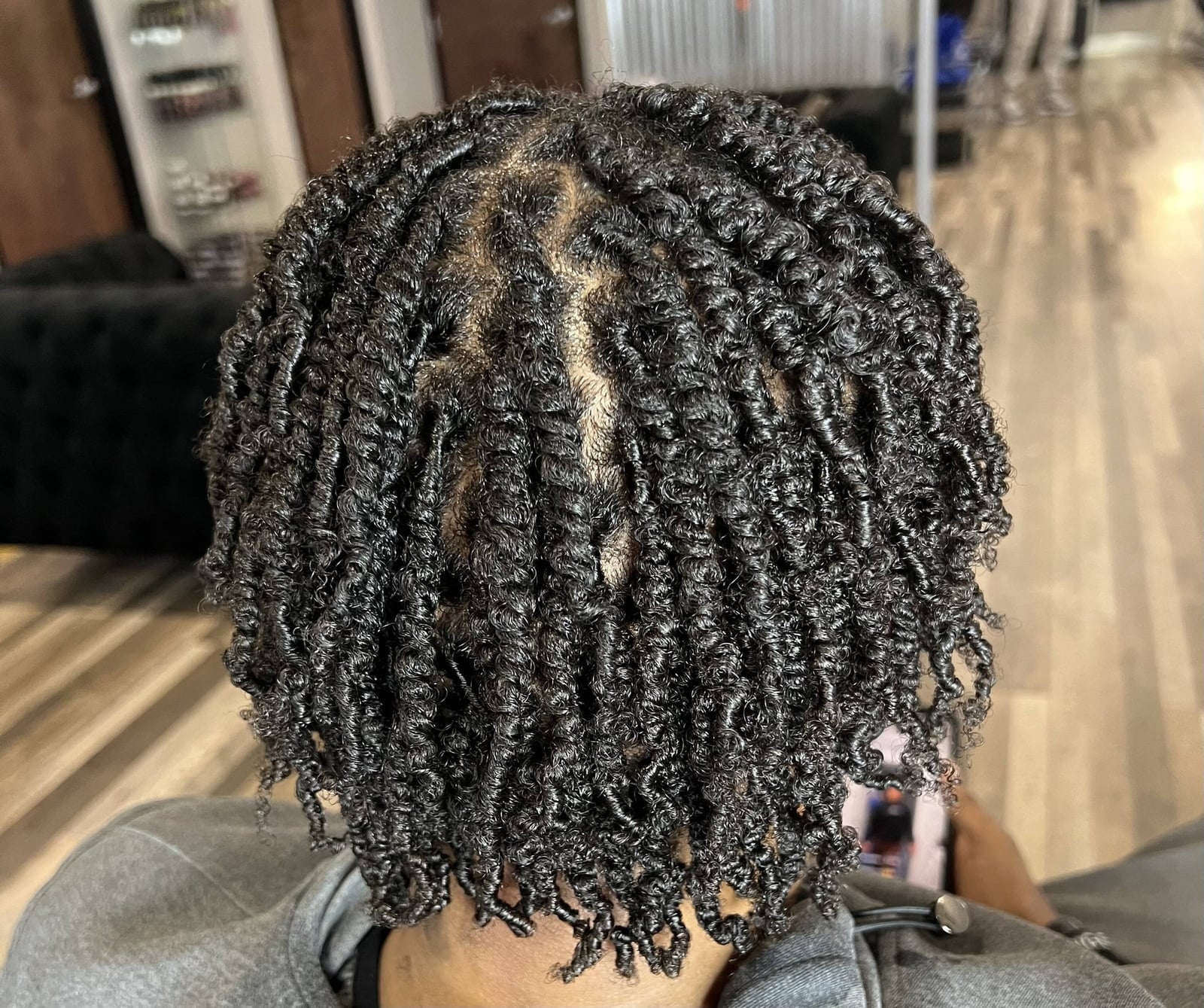
The back view is where neat sectioning earns its keep. These ear-length twisted starter locs use a middle parting to create symmetrical definition, with the fine coily texture holding each twist in place. This is a DIY-friendly approach: wash and condition, then part the hair into small squares using a rat-tail comb, apply a twisting product to damp sections, and twist each one from root to tip. A silk bonnet at night preserves the shape, and a retwist every four weeks keeps the pattern crisp. The color stays black, which lets the texture do the talking.
Chin Length Starter Locs
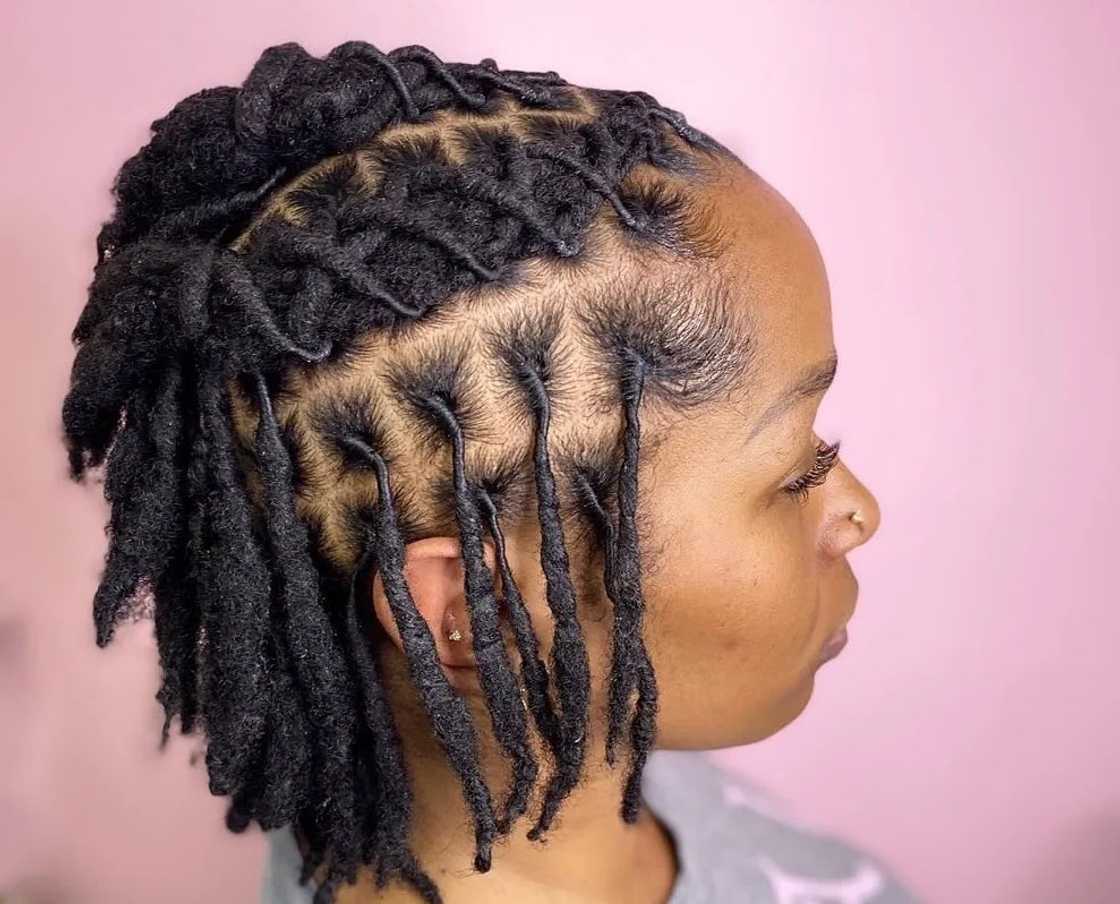
Thinking about starter locs but wondering if a shorter length works? Chin length is a practical starting point for medium coily textures, because the hair is long enough to twist neatly without feeling heavy. Uniform sections give the style a salon-finished look. One honest drawback: at this length, the locs may coil up and appear shorter than expected after the first wash, so patience is part of the process. Ask your stylist for: chin length starter locs, middle part, medium coily texture.
Mid-Back Twisted Locs
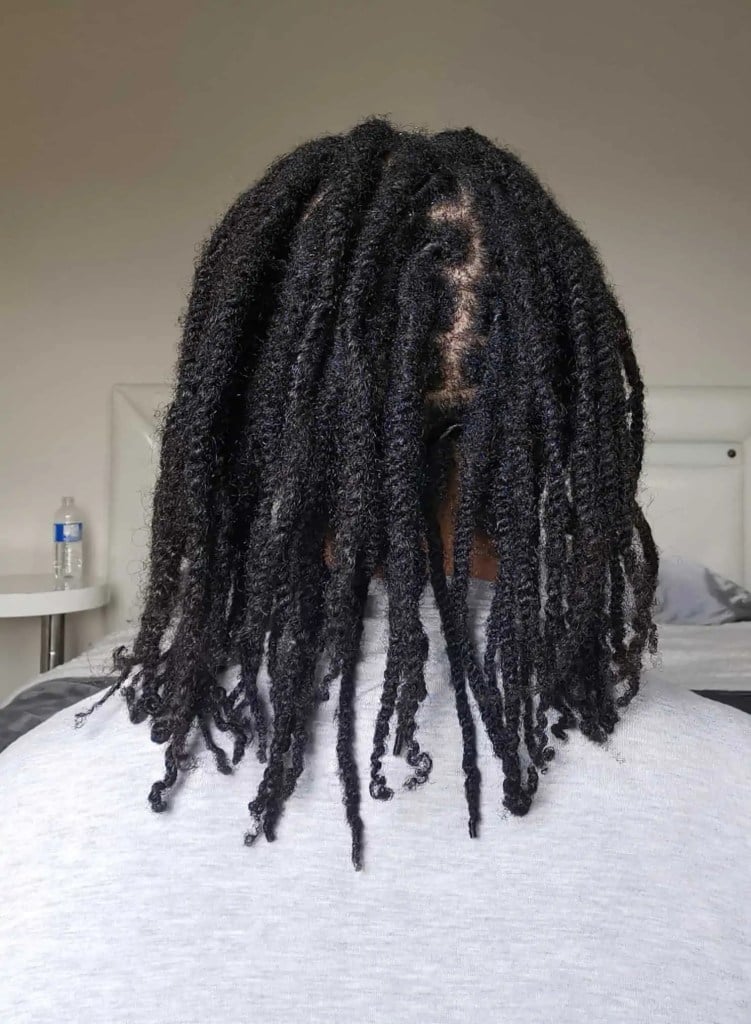
Volume at this length comes down to the twisting technique. These mid-back twisted locs start with thick wavy hair parted cleanly down the middle, then each section is palm-rolled from root to tip to encourage a uniform wave pattern. The stylist will work in small, consistent sections, applying a setting product to lock in the wave as each twist dries. Because the hair is dense, the locs hold their shape without excessive tension at the roots. The black color keeps the focus on the texture and the substantial length. A satin pillowcase helps reduce friction overnight, and retwisting every six to eight weeks maintains the definition without over-manipulating the hair.
Shoulder Length Red Starter Locs with Undercut
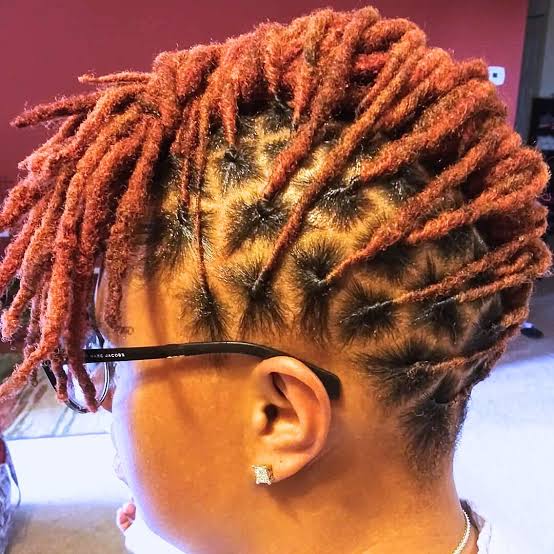
If a subtle start feels too safe, this is the alternative. Shoulder length starter locs in a vibrant red hue make a seasonal statement, especially in fall or winter when deeper tones dominate. The undercut on both sides keeps the silhouette clean and modern, while the coily medium texture holds the color well because the cuticle is naturally more open to pigment. Ask your colorist for: shoulder length starter locs, vibrant red color, undercut sides. The middle parting ties the bold elements together without competing for attention. Color-treated locs need a moisturizing routine. A retwist every four to six weeks keeps the sections defined as the shade fades slightly between appointments.
Shoulder Length Black Locs Variety
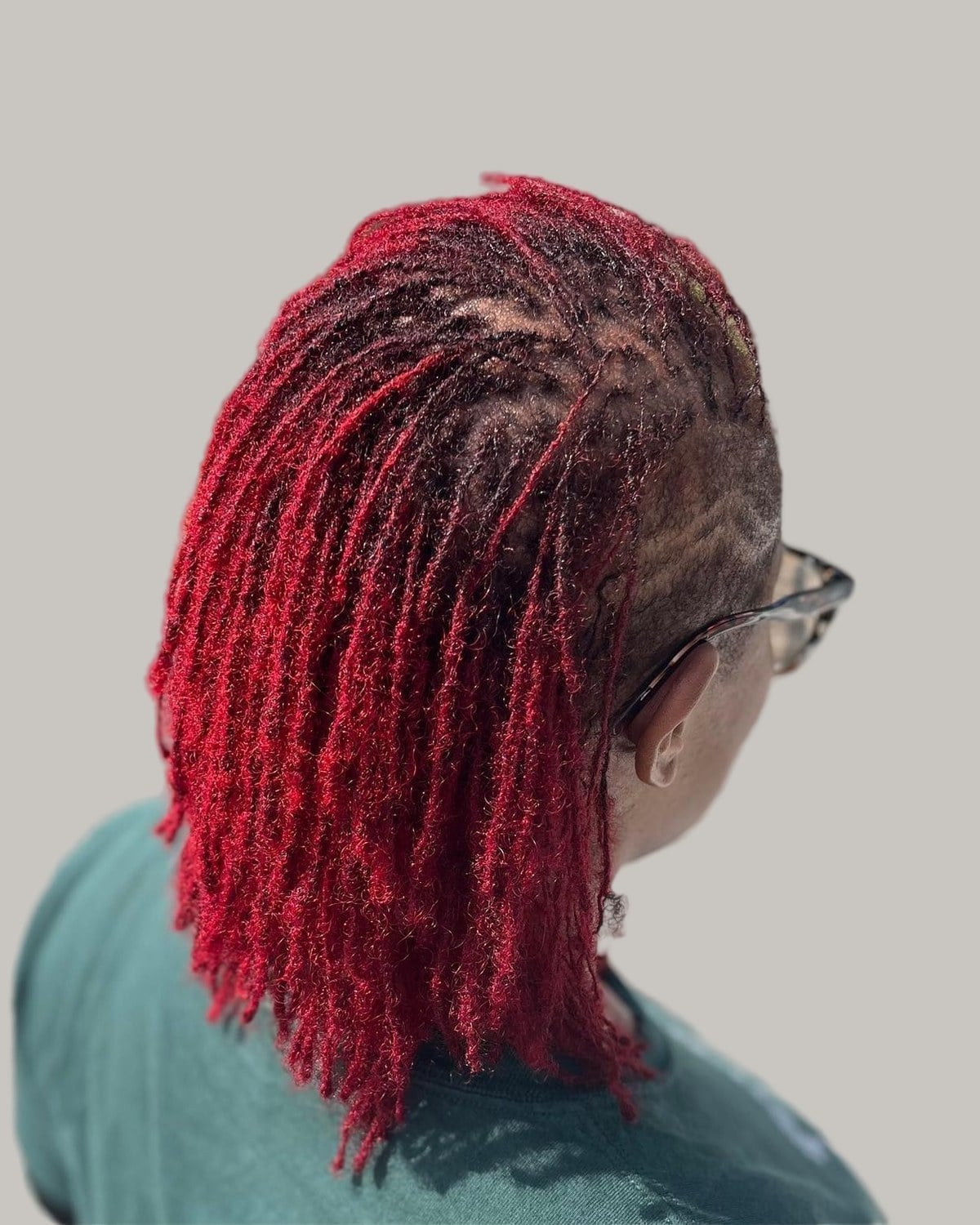
Ask your stylist for: shoulder length locs, thick coily texture, variety of styles. The natural black color provides a consistent base that works with any method, and the shoulder length hits a sweet spot where the locs are long enough to style but short enough to air-dry in reasonable time. A light oil spray on the scalp keeps moisture balanced between retwists.
Loc Updo with Braids and Red Accents
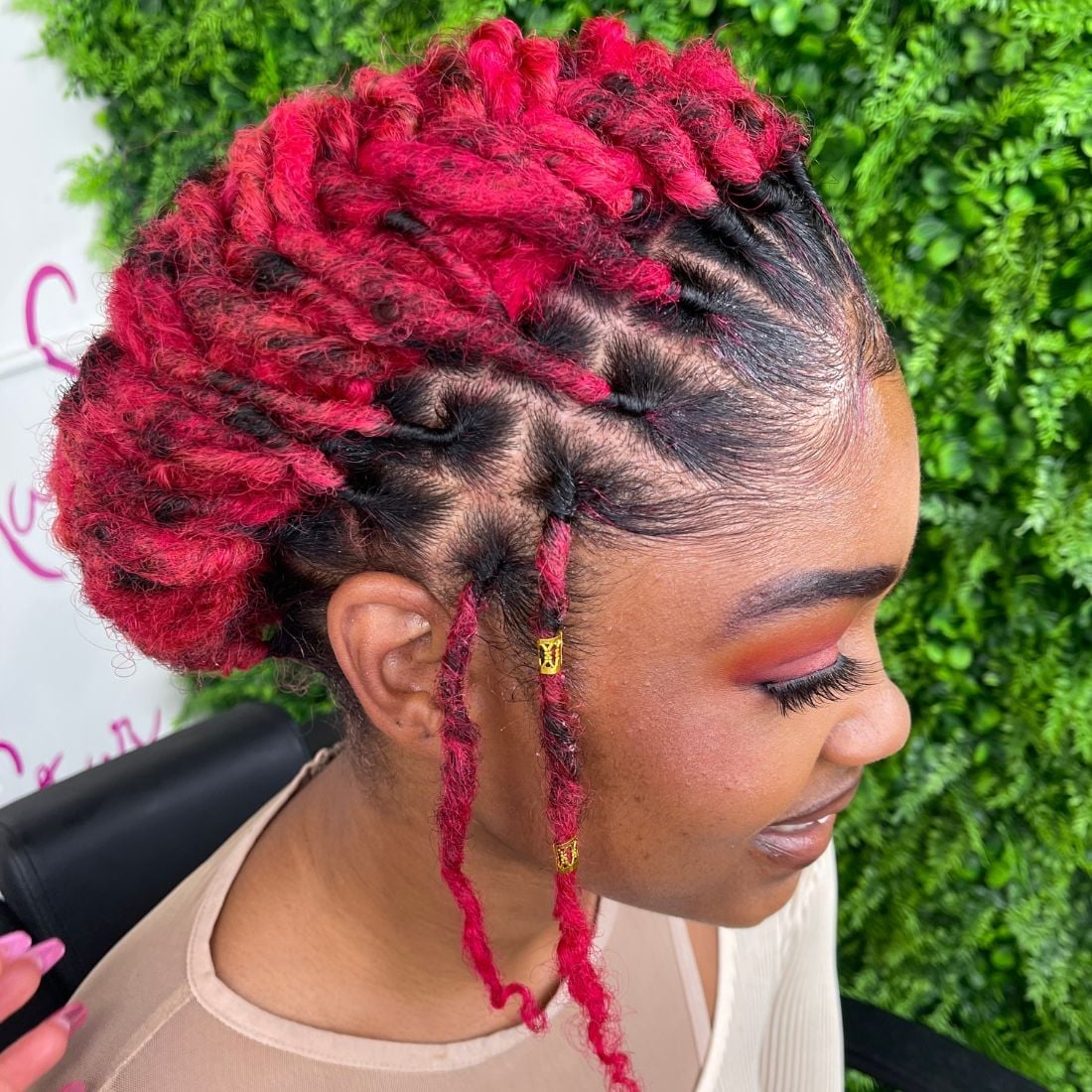
An updo built from thick, wavy locs with braided details and a shot of vibrant red against black is a statement. Short wisps are left out around the face to soften the silhouette, which matters because this is a salon project. Ask your stylist for: loc updo with braids, black and red colors, face-framing wisps. The drawback is that you will need about three hours in the chair, but the hold is solid enough for a full evening.
Short Twisted Locs with Red Highlights
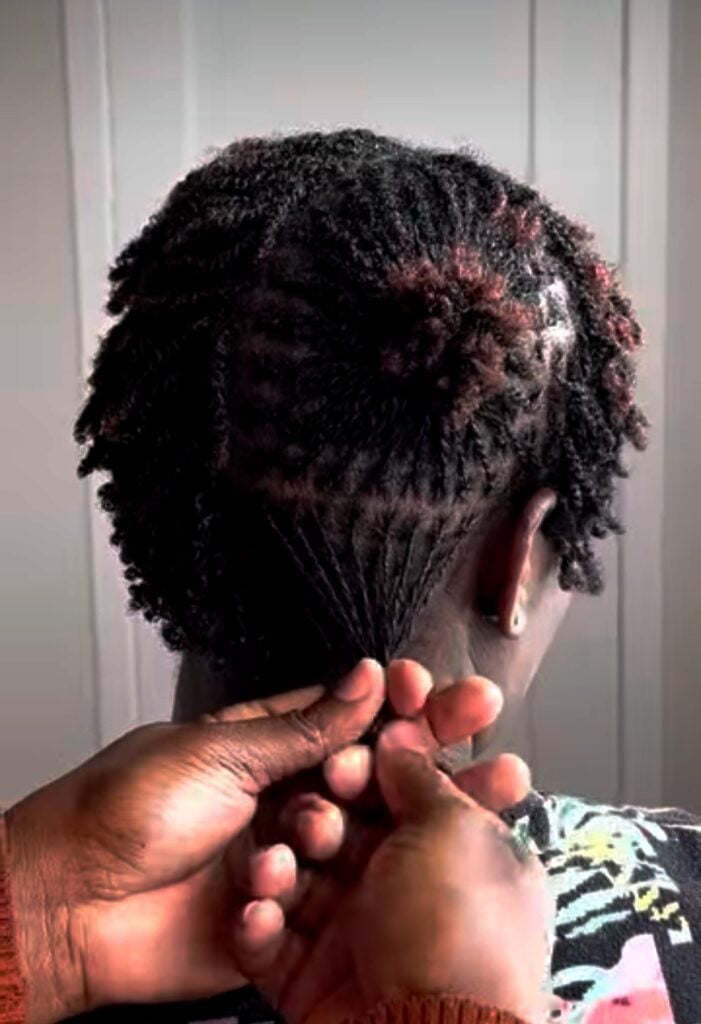
A grid parting pattern defines this look. The short, coily strands are twisted into individual locs, each section kept precise by the loctician’s comb, while subtle red highlights add dimension. Ask your stylist for: short twisted starter locs, subtle red highlights, grid parting. Fine hair benefits from this approach because the grid ensures even tension and the color adds depth without increasing density.
Collarbone Starter Locs with Short Bangs
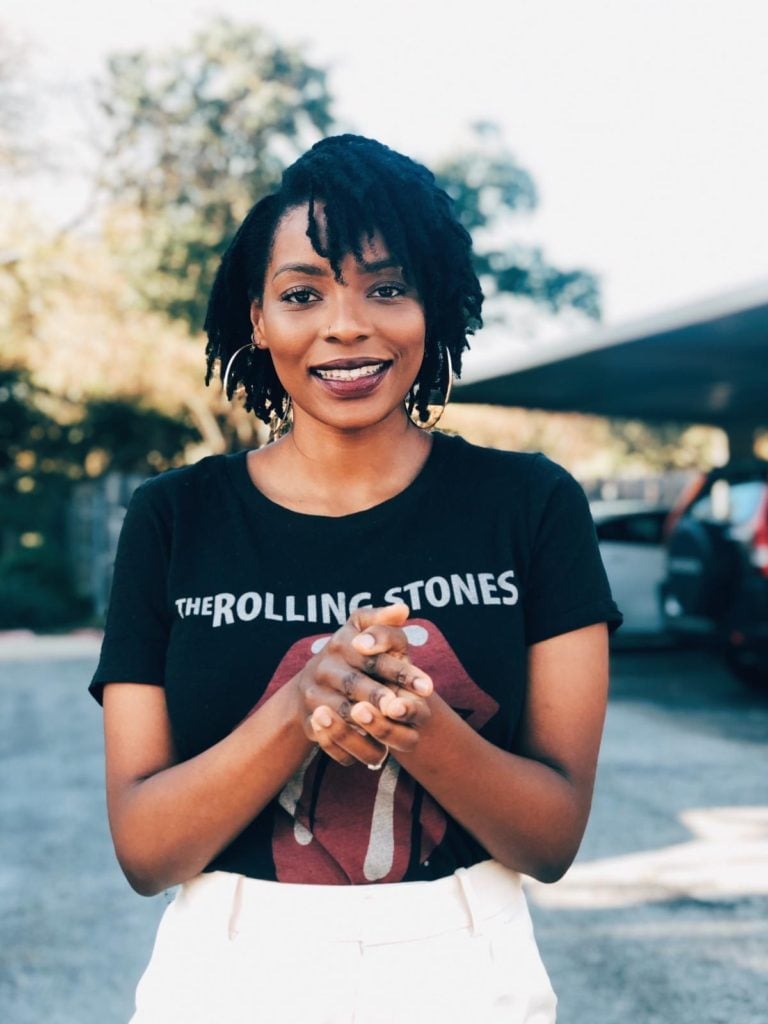
Can you pull off short bangs with starter locs? Yes, if your face shape has some length to balance. Here, collarbone-length locs are worn loose with a side part, and the short bangs cut straight across draw attention to the eyes without competing with the texture. Ask your stylist for: collarbone starter locs, loose style, short bangs, side part. Thick, wavy hair holds the shape well, and the bangs need a trim every six weeks to stay clear of your brow.
Shoulder Length Sectioned Starter Locs
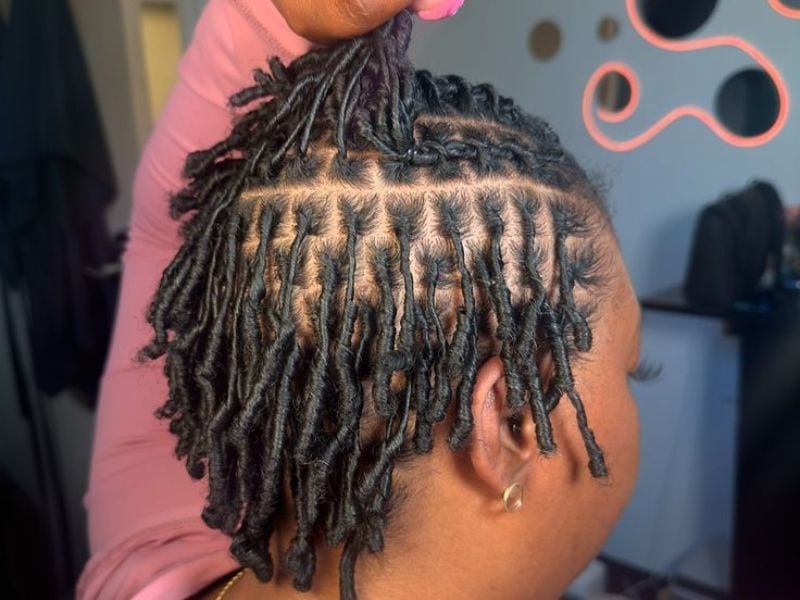
Neat square sections are the foundation here, and they are visible from the side view. Each loc is tightly coiled and separated by clean partings, which means this style wears well for a full work week before the edges blur. Ask your stylist for: shoulder length starter locs, neat square sections, thick coily texture. Moisturize each section at the root between retwists, and plan a salon visit every four to six weeks to keep the definition sharp.
Starting Your Loc Journey
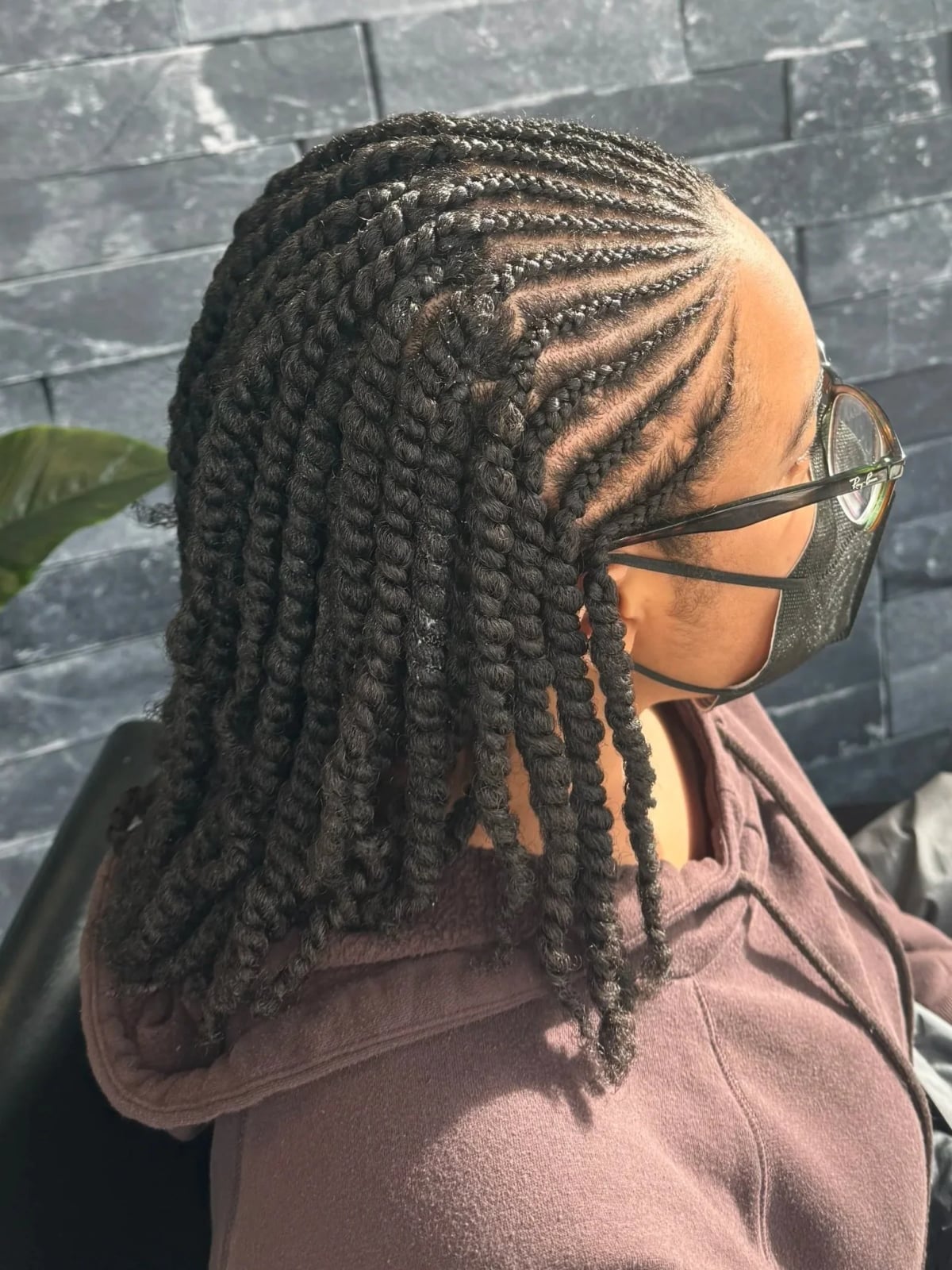
Should you start your loc journey with two-strand twists and cornrowed sides? That depends on how much patience you have for the fuzzy stage. This shoulder-length look uses coily thick hair slicked back into sections, with the sides cornrowed to keep everything tidy while the rest matures. Ask your stylist for: two-strand twists, cornrowed sides, dark brown color.
The first few weeks look more like a neat braid-out than finished locs. You will need a silk scarf at night to prevent frizz, and you should skip heavy products that loosen the twists. The reward is a strong foundation that will lock faster than freeform methods.
Short Twisted Locs Side Part
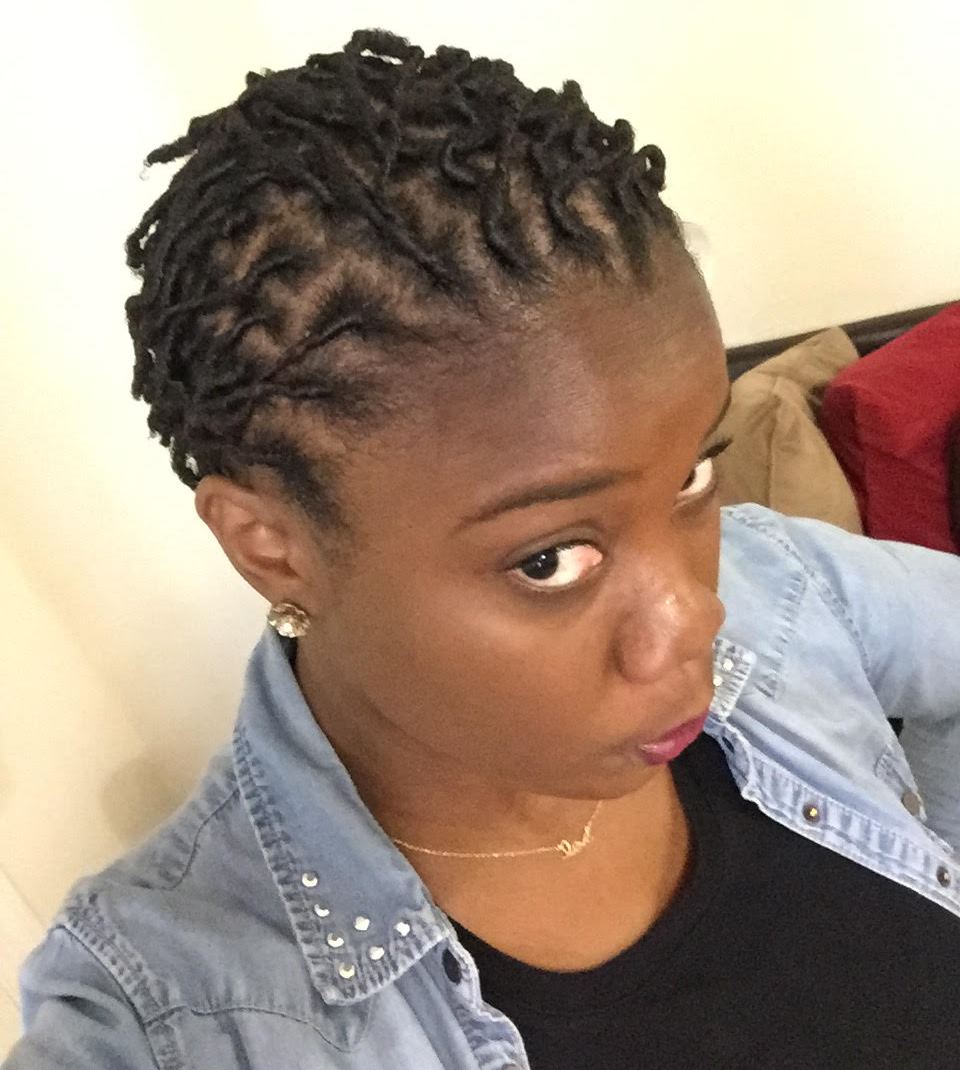
A side part does the most work here, shifting the visual weight of short twisted starter locs from symmetrical to intentional. This design suits fine, coily hair that’s already at ear length and ready for defined twists. Ask your stylist for: short twisted starter locs, fine coily texture, side part. To get close at home, section the hair into neat squares, apply a light oil to each part, and twist each section in the same direction. Reset the side part with a comb before twisting begins. A retwist every four to six weeks keeps the pattern sharp.
Chin Length Black Starter Locs Grid Part
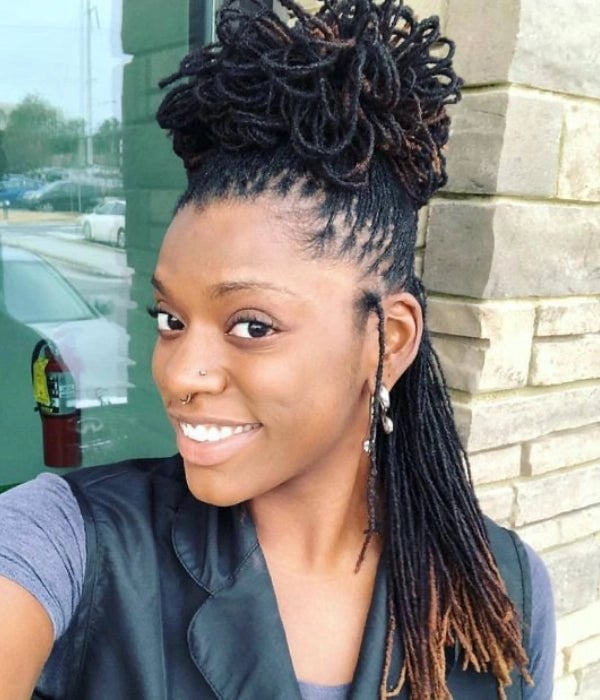
A grid part is not the same as freehand sectioning. Where a spiral part follows the scalp’s natural curves, a grid creates clean, uniform squares that make chin-length starter locs look measured and deliberate. This works best on fine, coily hair that can hold a precise line. Ask your stylist for: chin length starter locs, fine coily texture, grid parting. The salon visit takes about three hours for the initial install. The real drawback is that any loosening at the scalp shows faster than with a less rigid pattern, so retwisting every four weeks becomes the standard.
Braided Pattern Starter Locs with Accessories
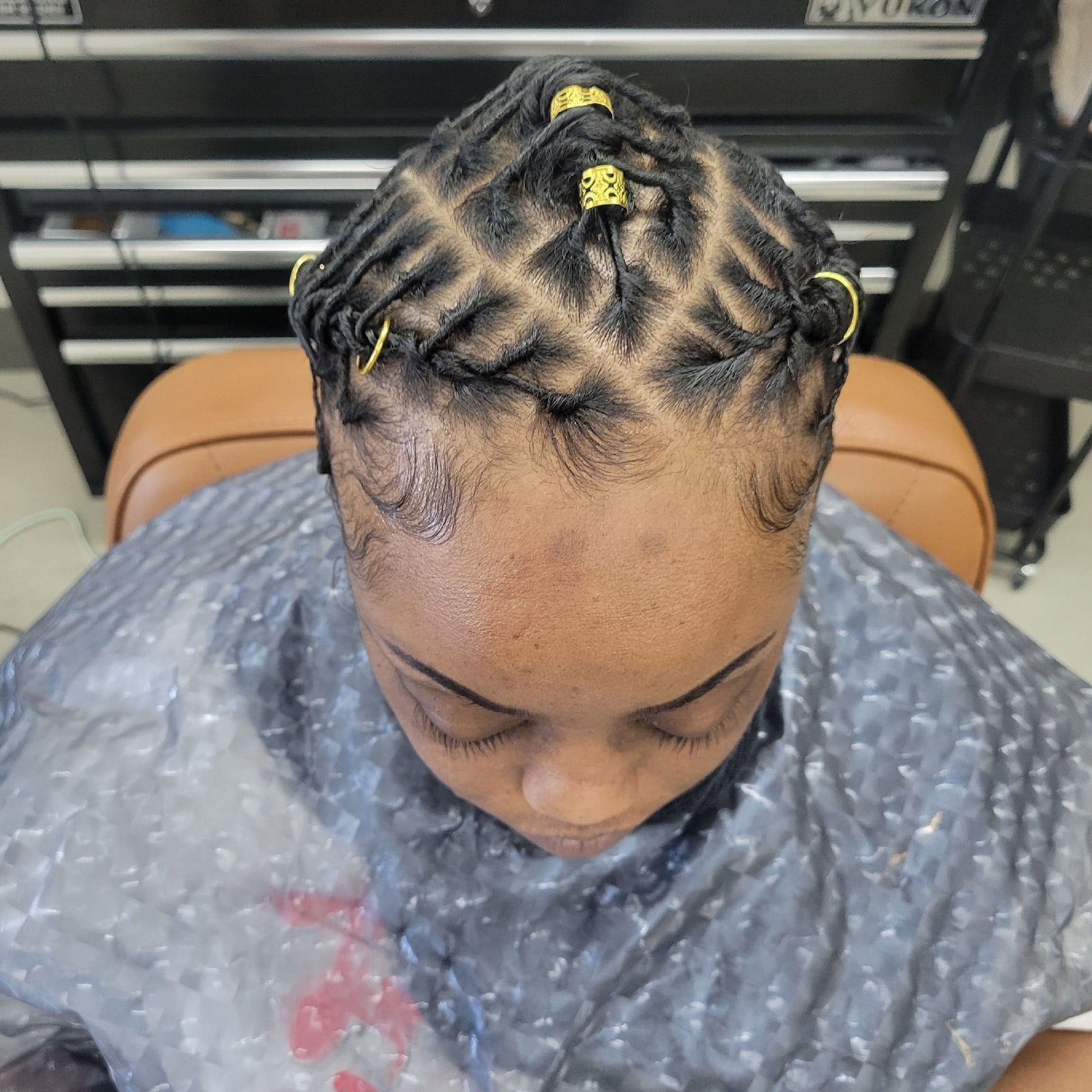
Gold accessories on short starter locs are the detail that separates a good style from a memorable one. The braided pattern here runs through each loc, creating texture that catches light differently than a simple twist. Fine, coily hair at ear length holds this pattern well, and the middle parting keeps the look balanced. Ask your stylist for: short braided pattern starter locs, middle part, baby hairs, gold accessories. The baby hairs are smoothed into soft curves that frame the face without fighting the locs. A salon visit is the way to get this level of precision; the braiding alone takes skill to keep consistent through every section.
Chin Length Twisted Locs Warm Tone Ends
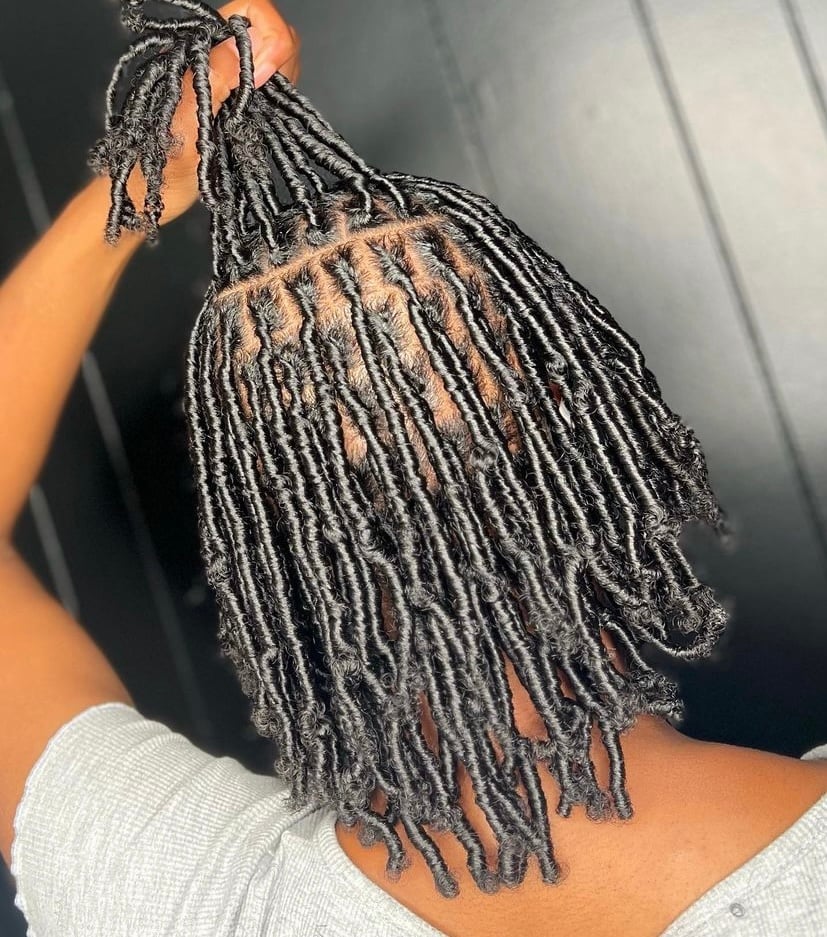
Does the color at the ends matter when the roots are still black? Yes, because warm-toned ends catch light and give chin-length twisted locs a dimension that solid black cannot. Thick, coily hair at chin length carries this color variation naturally, with neat square sections keeping the pattern visible. Ask your stylist for: chin length twisted starter locs, black with warm ends, thick coily texture. The ends need a conditioner with moisture every wash to stay soft, and a retwist every four to six weeks keeps the definition from blurring.
Short Starter Locs Neat Grid Parting
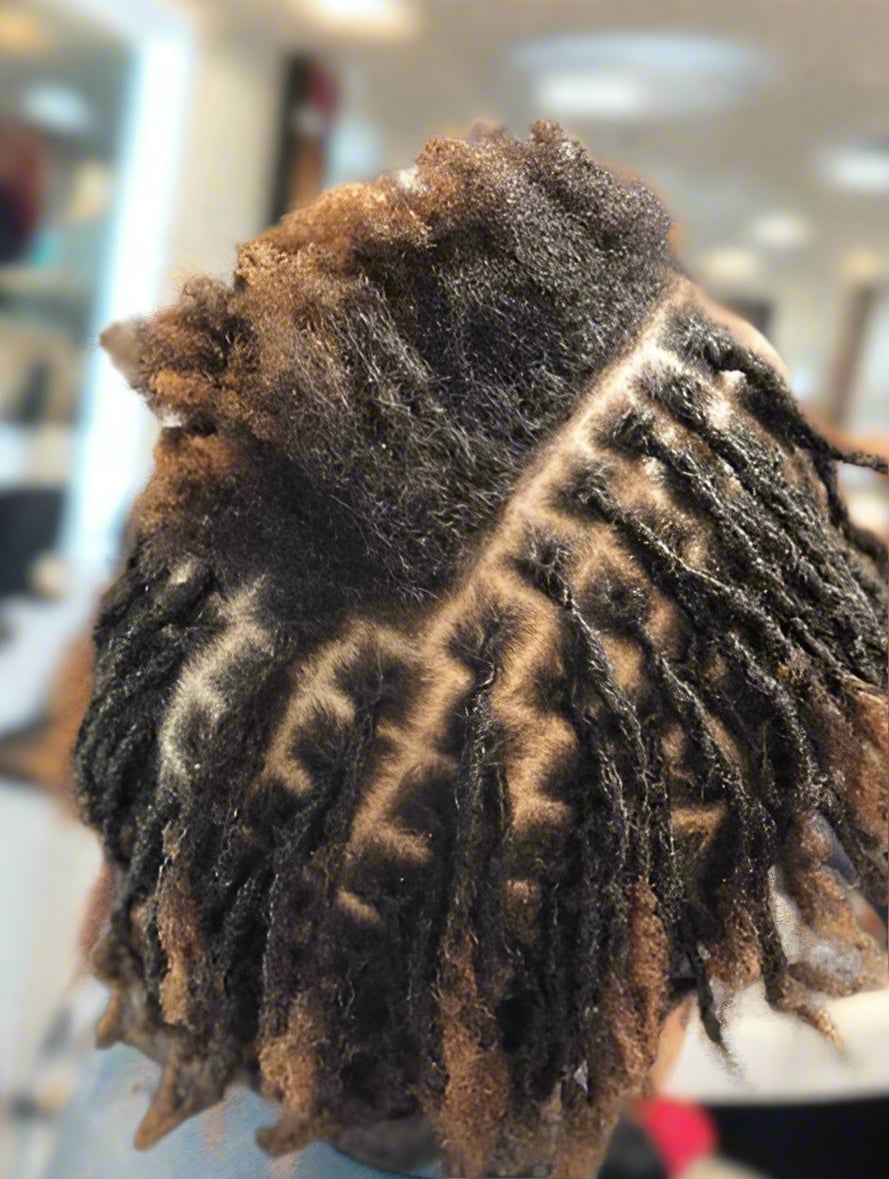
A neat grid parting on short starter locs is the difference between a style that looks methodical and one that looks accidental. Fine, coily hair at a short length takes this precision better than looser textures, because the scalp shows every line. Ask your stylist for: short starter locs, neat grid parting, fine coily texture. The alternative is a freeform or brick-laid pattern, which suits thicker hair that can hide uneven spacing. The one drawback here is that each retwist must match the original grid exactly, or the pattern drifts. That means a salon visit every four to six weeks to keep the geometry intact.
Final Thoughts
For DIY starter locs, prioritize consistent sectioning and gentle twisting to avoid breakage. For salon-assisted locs, discuss your desired loc size and shape upfront. Either way, the first few weeks set the tone for everything that follows.
- Retwist starter locs every 4-6 weeks to maintain definition and encourage growth.
- Keep locs clean with sulfate-free shampoos to avoid stripping natural oils.
- Protect starter locs from excessive moisture or manipulation during the initial locking phase.
- Avoid heavy styling products that can cause buildup or hinder the locking process.
- Regularly check for any signs of thinning or breakage at the scalp.
Embrace the process; every loc’s beginning is a unique work of art.