
I’ve been braiding for winter school mornings since I learned to hold three strands. It’s the only style that survives a hat, a scarf and a 7 AM alarm. This season, braids are everywhere — fishtails, pigtails, ribbons — and for once the trend makes sense for real life.
These 40 Winter Hairstyles for School ideas range from five-minute twists to weekend projects. Some need a second pair of hands, others you can do on the bus. I’ve got fine hair that goes flat by 4 PM, so I’m partial to anything with texture and hold. Whether you’re growing out a fringe or just tired of the same ponytail, there’s something here that won’t fight you.
Thick Wavy Blonde Fishtail Braid
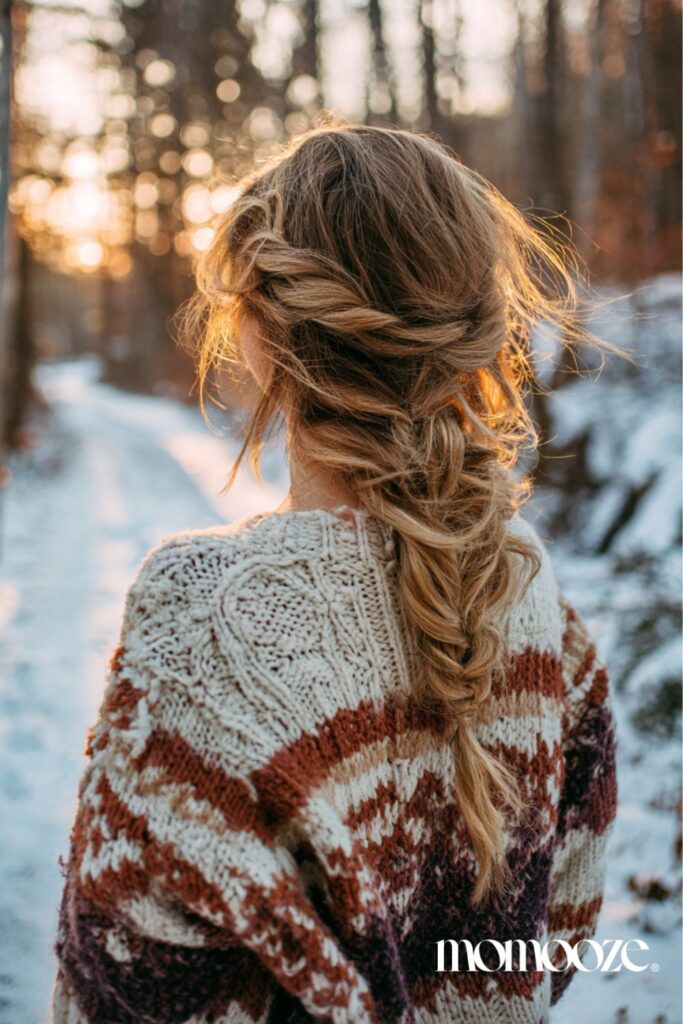
A thick fishtail braid reads best when the hair already has volume and a bit of natural grip to hold the weave. Wavy blonde hair grabs every crossover and holds it tight against the scalp without pins. Mid-back layers keep the braid from getting too heavy at the nape of the neck. No bangs means nothing gets in the way of the weave. The texture does the work, not the tension. Best grow-out in this roundup.
Fishtail Braid With Twisted Accents
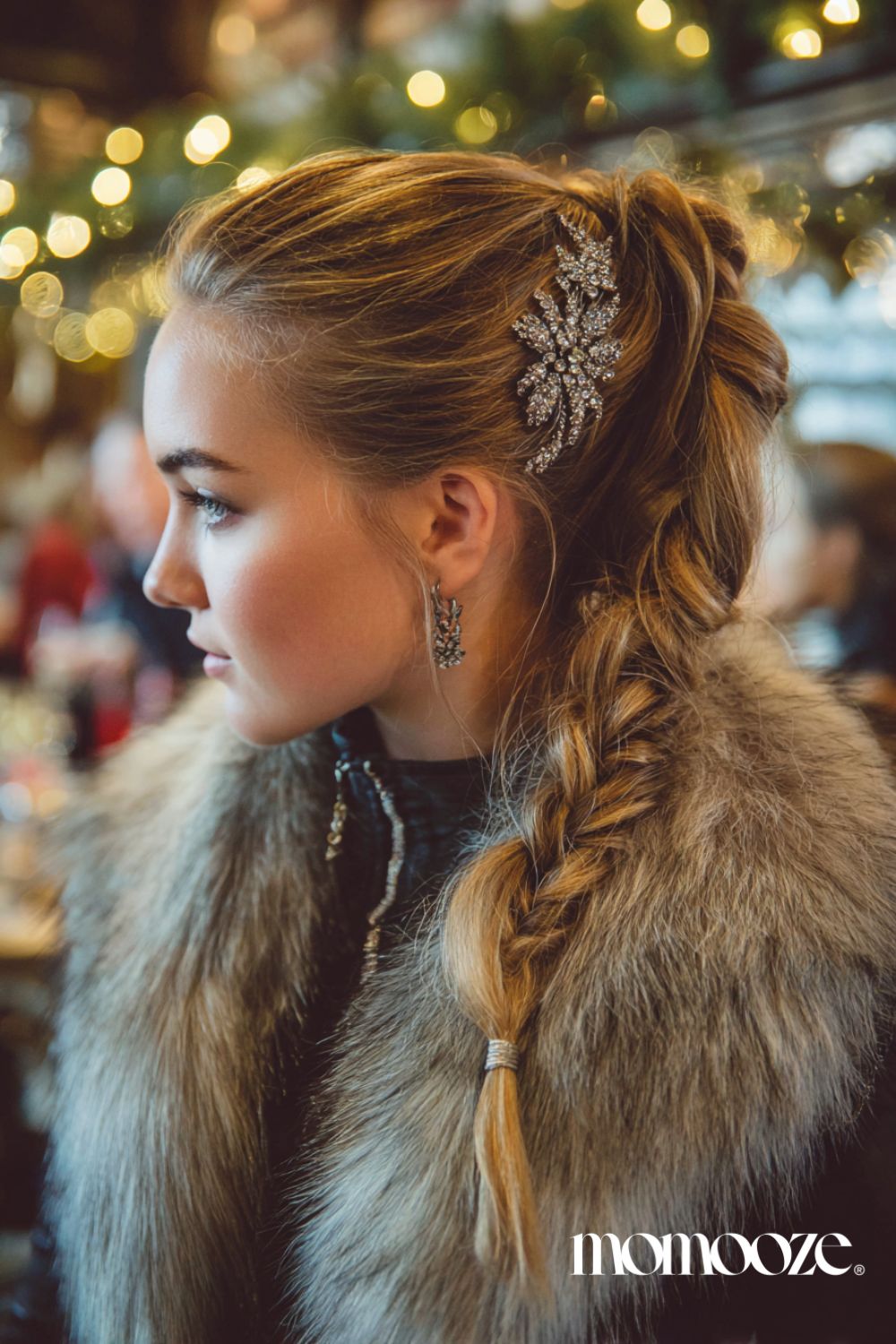
A braid with twisted accents takes more time than a standard three-strand, but the payoff is a style that looks constructed. Start with a side part. Section the top, twist each side back, then braid everything together. A decorative clip at the join hides the transition. The layers in the cut help the twists stay visible instead of vanishing into the braid. Mid-back length gives enough rope to work with. No bangs keeps the face clean. Wavy, medium density hair holds the shape without pins slipping. This is a salon-leaning skill level. Not because it is hard. Because the placement matters. Book the consultation first.
Braid Under a Winter Beanie
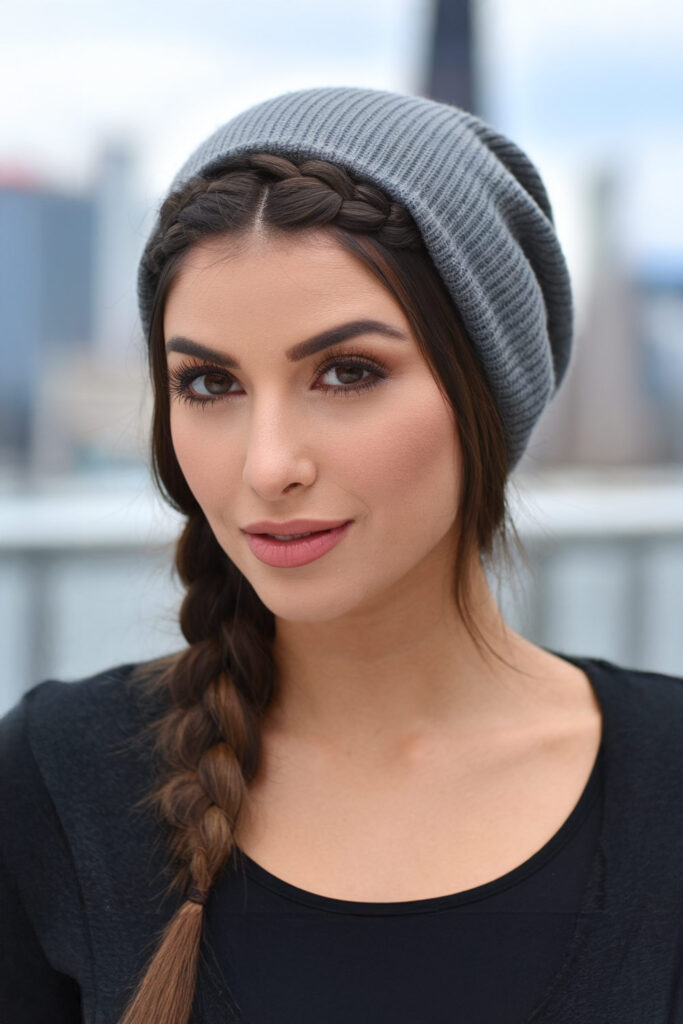
I will admit I was skeptical. A braid under beanie. It sounded like a hat hair guarantee. But a low, loose braid at the nape flattens less than a ponytail. Shoulder-length wavy hair is long enough to braid, short enough to tuck. No bangs means the beanie sits straight across. The layers add a little texture so the braid does not look stringy when it comes out. Winter hat days are not lost days. This one held.
Visual Idea
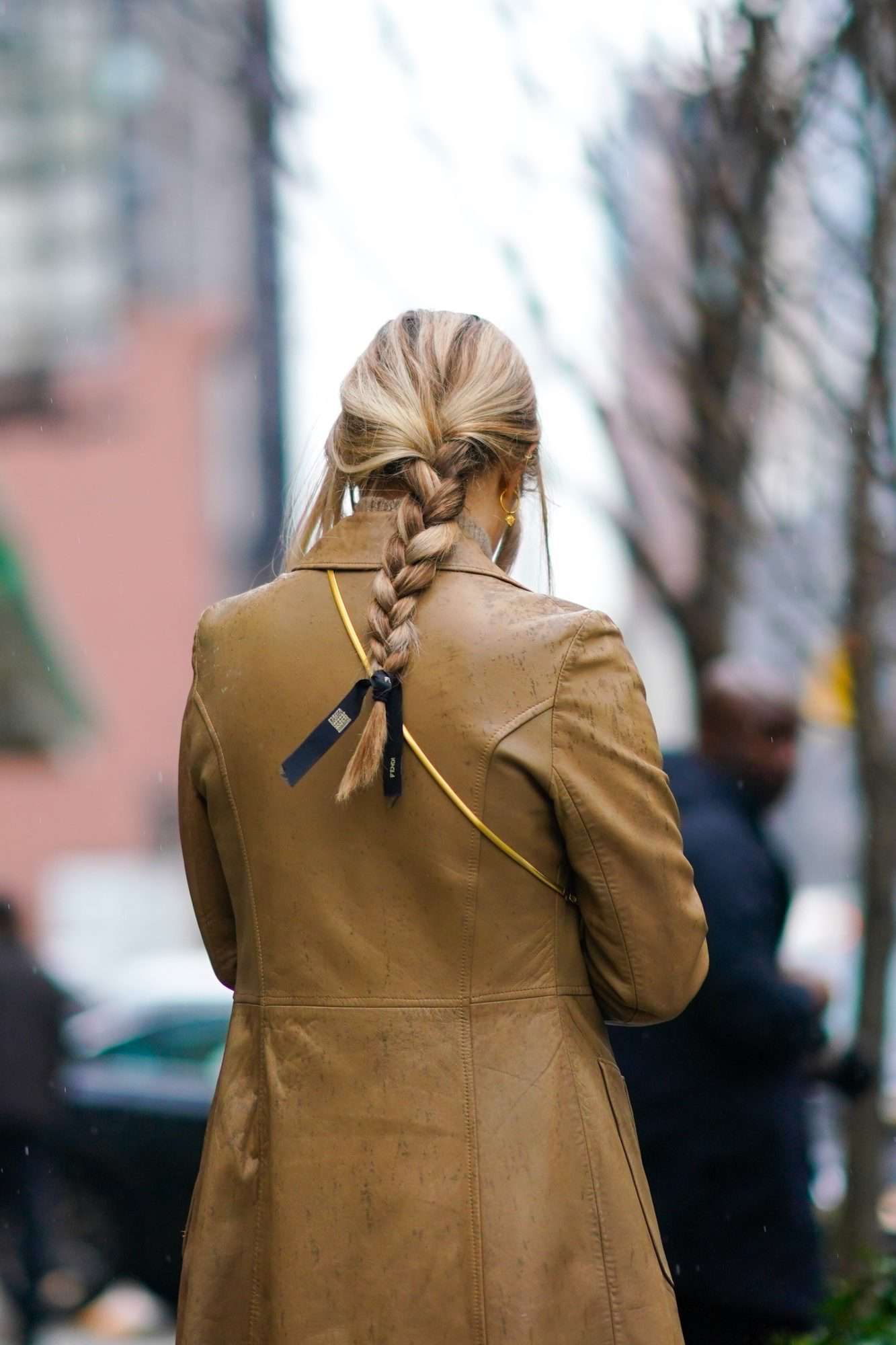
Why do a double french braid when a single one is faster? Because two braids sit flatter against the head. Which means less bulk under a hood. Long, straight hair with no layers braids cleanly, no flyaways escaping. Shoulder length is the minimum here, anything shorter and the braids pop loose by third period. No bangs, middle part. The symmetry looks planned even when you did it in five minutes. The double line also means less tension on the scalp, so it is comfortable for a full school day. Straight texture is ideal, but wavy works if you braid it damp and let it dry. Just skip the layers, they make the braids fuzzy and hard to keep smooth. Short, yes. Severe, absolutely not.
Mid-Back Length Visual Idea
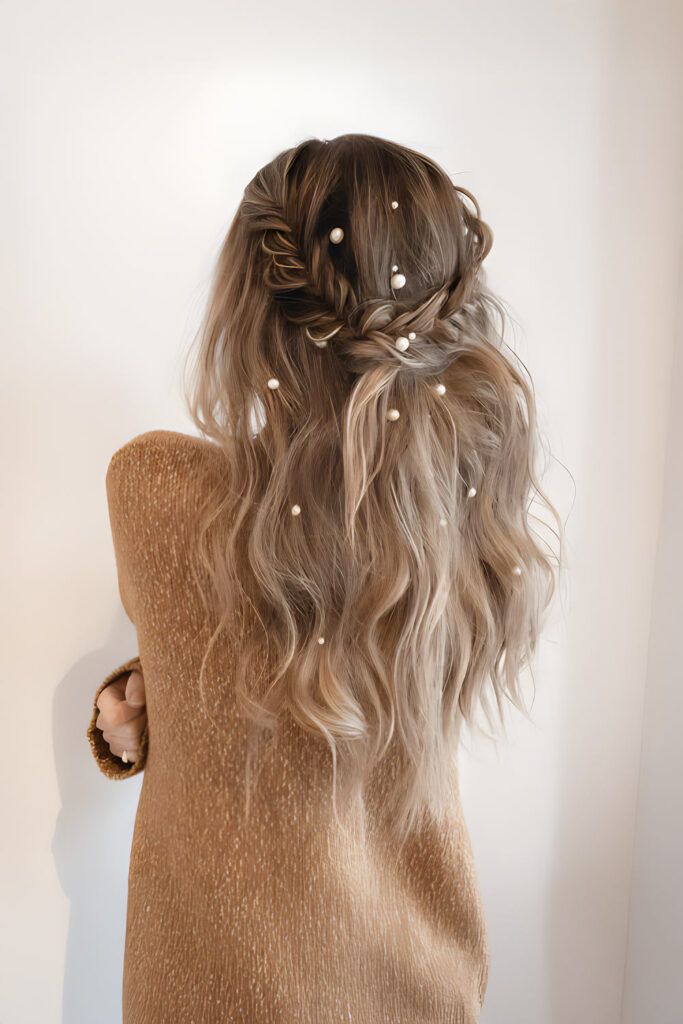
A half updo with braids and pearl embellishments sounds like a wedding guest look, but on mid-back length wavy hair it reads as school-day practical. The face framing pieces are the reason. They soften the pull of the half up and hide the elastic at the temples. Thick, wavy texture holds the braids without them slipping or needing pins. Ash blonde with darker roots means the grow-out is baked into the color, not a mistake. Layers throughout keep the weight manageable so the updo does not pull at the temples or give you a headache by fourth period.
This is a salon cut, not a bathroom trim. The layers are cut to land exactly where the braids twist. Face framing pieces hit the cheekbone and blend into the length. Ask your stylist for layers that start at the jaw and graduate down. It makes the half up look built, not pinned. The pearl embellishments are just the cherry, the cut is the real work.
Honey Blonde With Subtle Highlights Visual Idea
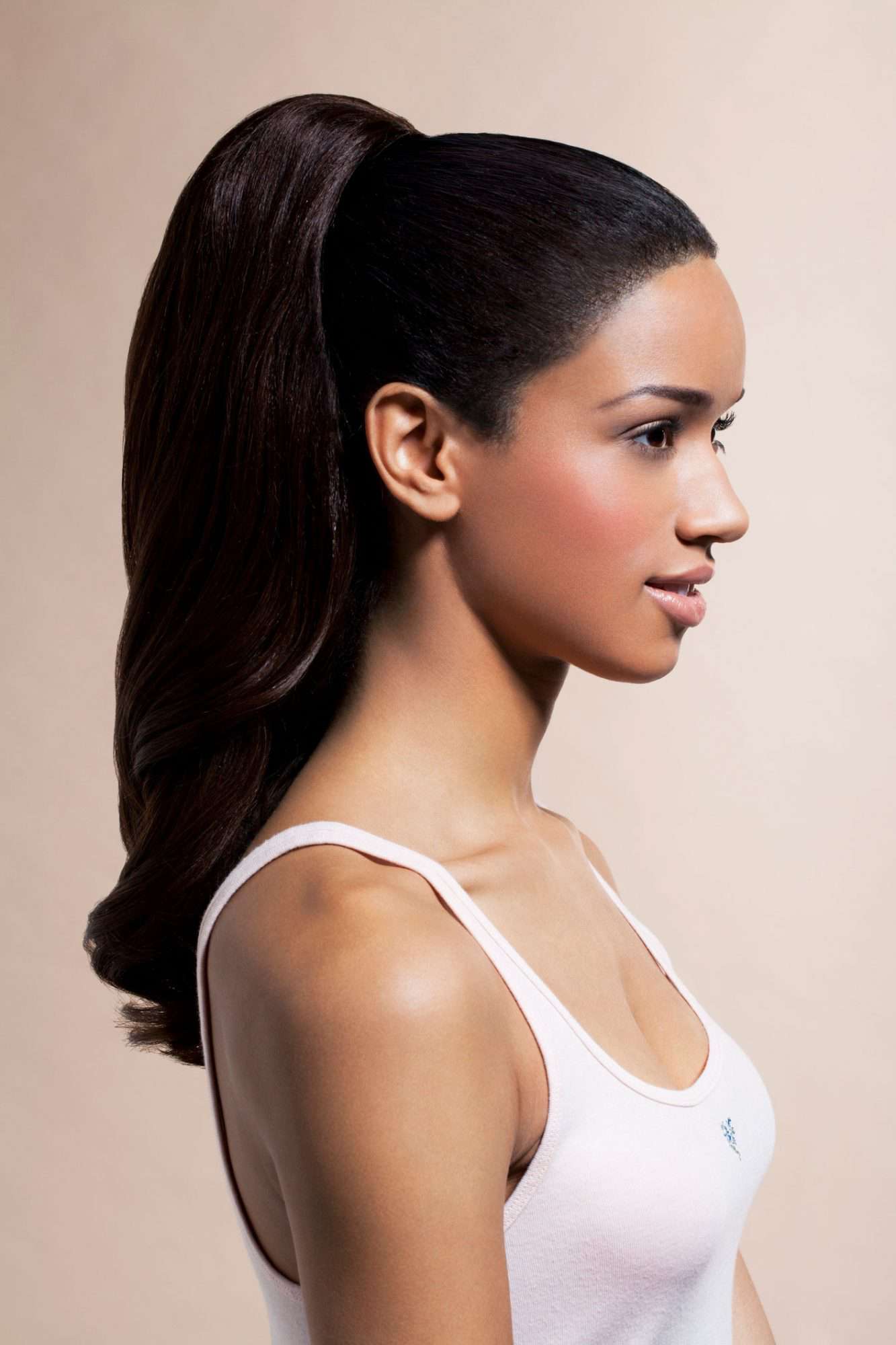
This is the winter hairstyle that actually works for school mornings. The honey blonde with subtle highlights keeps the color from going flat under fluorescent lights, and the long layers give the high ponytail something to grip. Curtain bangs frame the middle part, so you get face-framing tendrils without committing to a full fringe. The loose waves are the catch: they need a curling wand and ten minutes you might not have. Thick, wavy hair holds the shape, but fine hair will drop by fourth period. I’ve worn this on a Tuesday and the tendrils were the only thing that survived until dismissal.
Golden Blonde Visual Idea
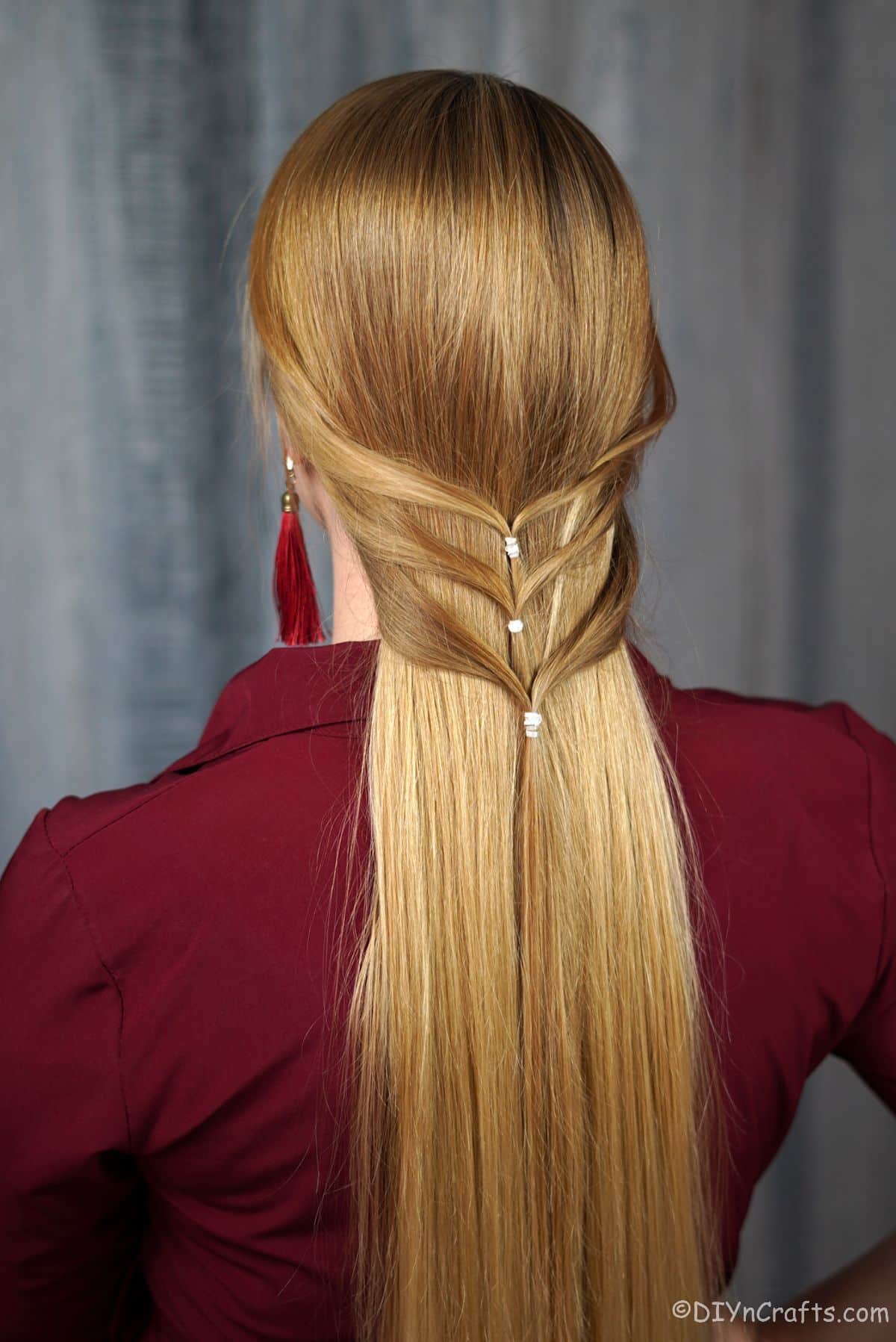
Have you ever tried to make a low ponytail look like it took effort? This one does the work for you. The straight cut hits mid-back, no layers to interrupt the line, and no bangs to fuss with. The trick is a fishtail braid woven right into the ponytail — you take small sections from each side and cross them over, no elastic needed until the end. The thick, straight texture holds the pattern cleanly. It’s a salon-level detail that reads as deliberate.
Long Visual Idea
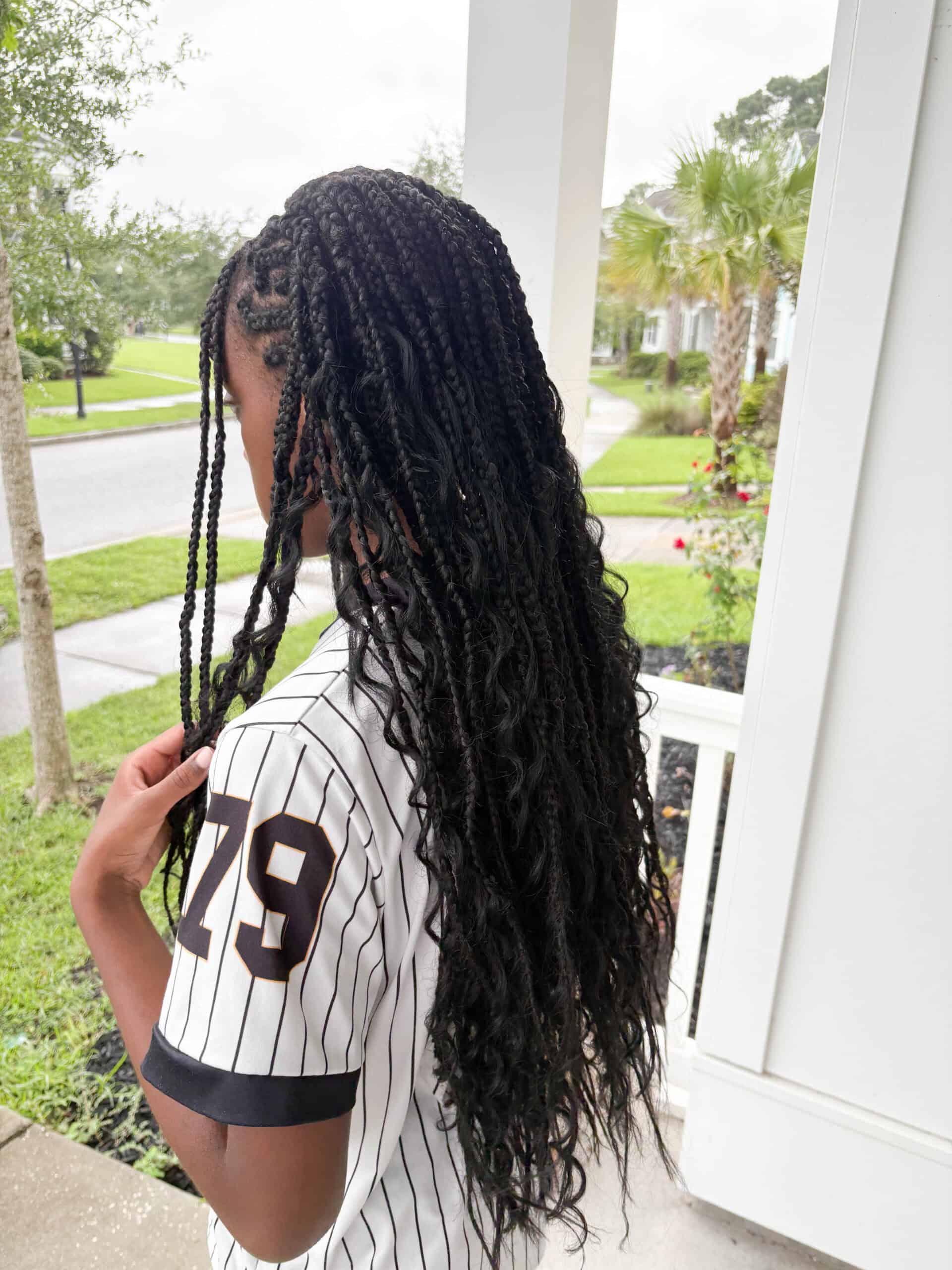
Long hair on coily, thick texture is a commitment, but it pays off. This cut keeps the length past the shoulders with layers that remove weight without sacrificing density. No bangs here — the middle part lets the volume speak for itself. The box braids with curly ends are a protective style that works because the natural texture has the grip to hold them. For anyone with high-density, coily hair who wants length without daily detangling, this is the shape to ask for. The layers keep the braids from feeling heavy at the roots.
The side view shows how the layers fall — they start around the jaw and cascade down, so the braids have movement. The middle part suits round and oval faces by elongating the line. This is not a cut for fine or low-density hair; the braids would pull and expose the scalp. But for thick, coily hair, it’s a winter workhorse.
Shoulder Length Visual Idea
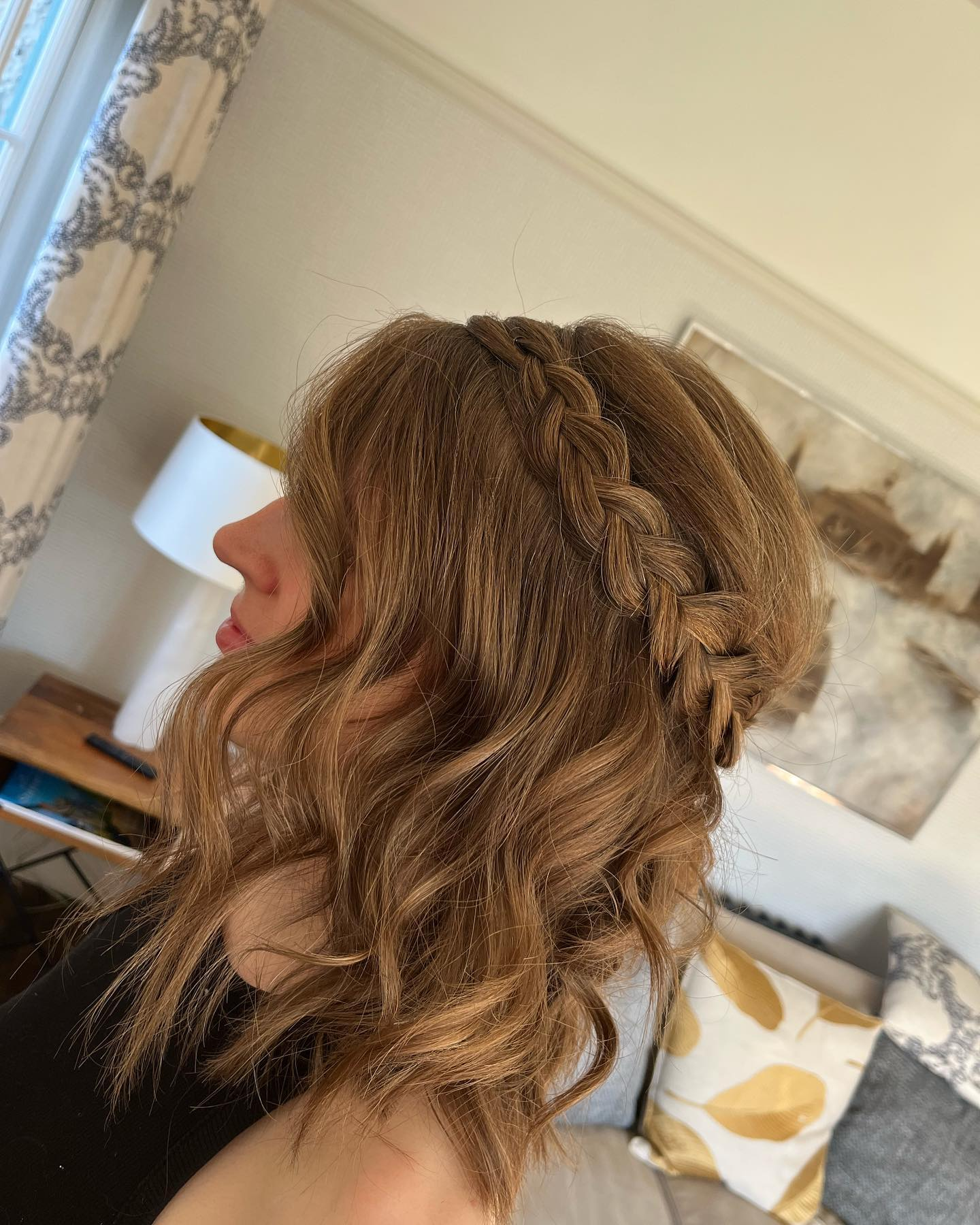
I’ll admit it: I tried a braided headband on my fine hair and it slid off by second period. This shoulder-length cut with layers and side-swept bangs has the right shape, but the wavy, fine texture needs help. The braided headband is best done at the salon — they can pin it in place so it stays. The downside? Fine hair shows every bobby pin, and the waves might drop by lunch. If you have medium to thick density, this holds better. For fine hair, a velvet headband might be more realistic.
Dark Brown Visual Idea
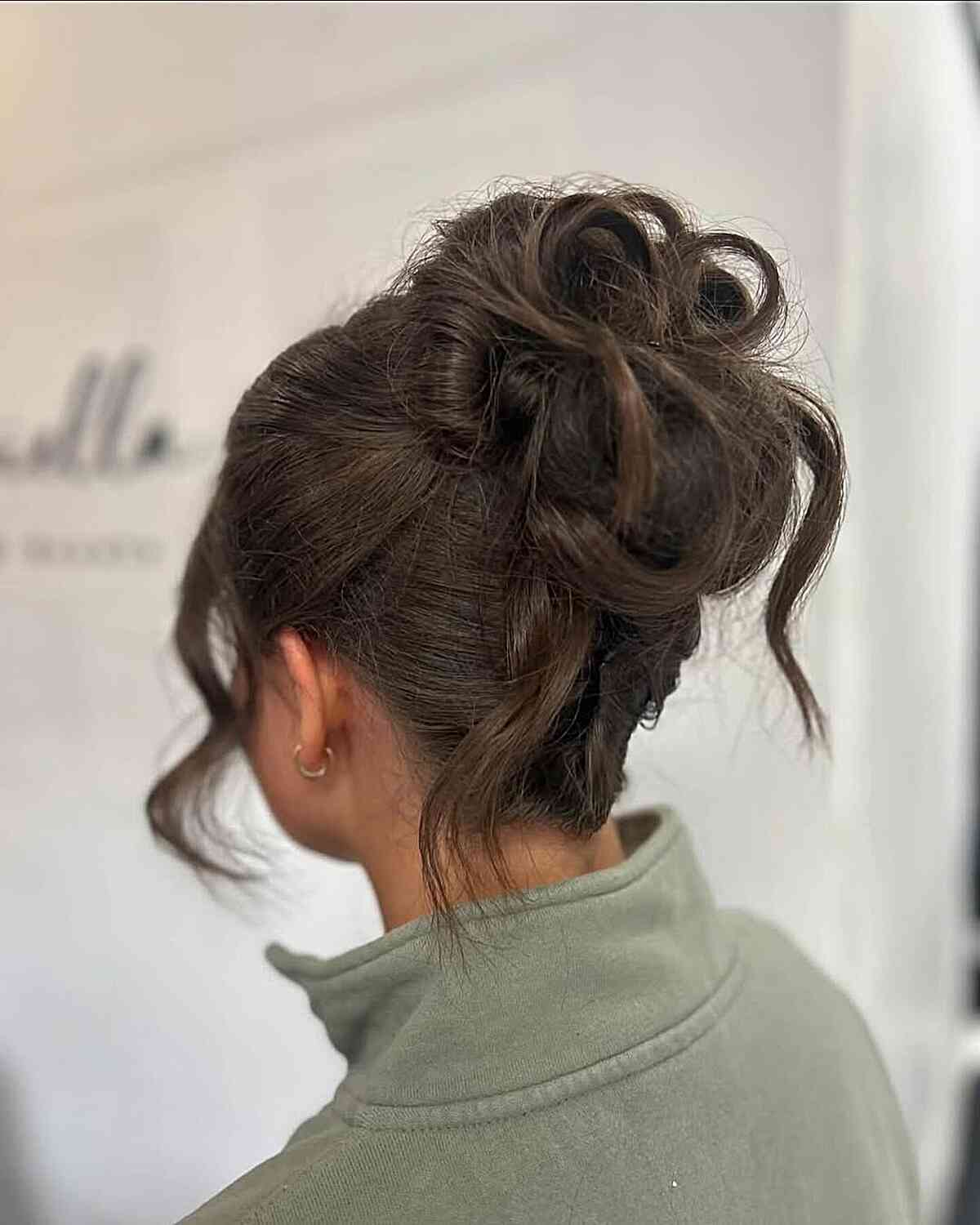
This messy bun is the most reliable updo I’ve seen. The long layers give the bun texture without bulk, and the side-swept bangs soften the face. Start with loose curls all over — a large barrel works — then gather the hair at the nape and twist into a loose bun, pinning randomly. Leave out a few face-framing tendrils from the layers. The mid-back length means you have enough hair to create volume without a donut.
The middle part keeps it balanced. The wavy, medium-density texture holds the curls for hours, even in winter humidity. This is not a five-minute style — expect fifteen with the curling iron — but it looks like you tried. The key is not to over-pin; let the bun be messy. For anyone with medium to thick hair who wants a polished but undone look, this is the technique.
Visual Idea — A Back View Shows A Thick
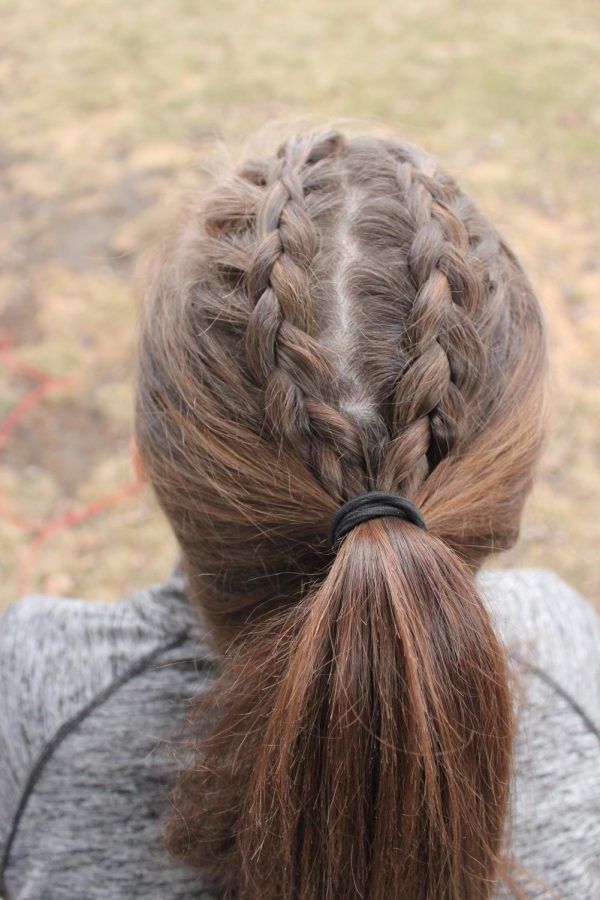
Why would you choose a single braid when this double French braid ponytail exists? For Winter Hairstyles for School mornings, it is a clear winner. The cut is one-length with no layers, which keeps the braids neat. The length hits mid-back, enough to gather both sections. No bangs means less to pin back. The straight texture holds the braid pattern without frizz. Compared to a single braid that can sit lopsided, this dual-ponytail setup stays centered and requires less afternoon fuss. It is not faster to do, but it looks like you tried harder.
Visual Idea — A Thick
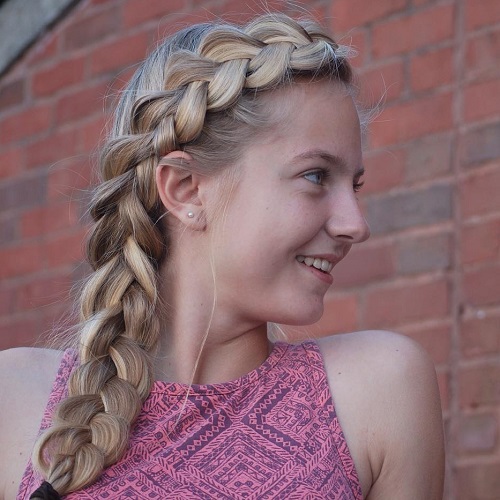
This chunky Dutch braid shows off the colour variation perfectly. The wavy texture and side parting add volume that a flat two-strand twist would not.
It flatters oval and long face shapes best because the side braid pulls width across. Skip it if your hair is fine and you lack density for a chunky braid. The cut needs long layers to blend the braid ends. The length is mid-back, and no bangs means less to fuss with. A top Winter Hairstyles for School pick if your hair is thick and wavy.
Medium-Long Visual Idea
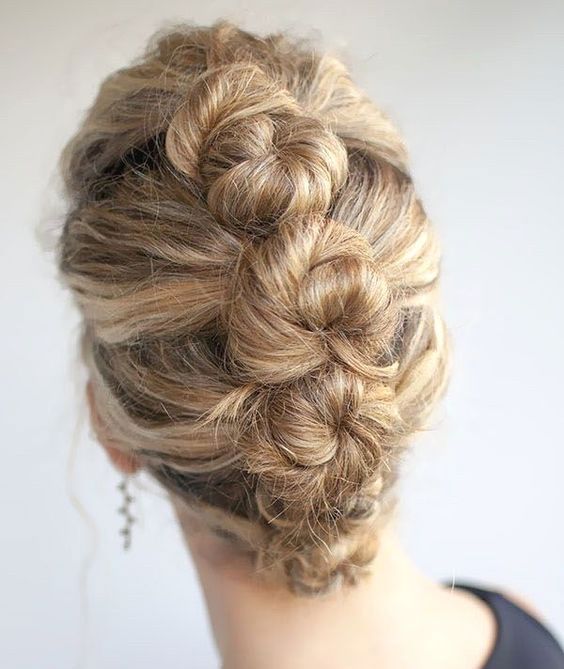
I confess: I spent a full morning trying to replicate these braided buns. The cut relies on layered ends that tuck cleanly, and the wavy texture helps sections hold. No bangs means no pins sliding out mid-class. The medium-long length offers enough for two buns without leftover tails.
- chunky layers for volume in the wrap
- texture spray for grip on straight hair
- wide-tooth comb to start sections
- bobby pins strong enough for thick buns
Honest downside: the buns loosen after four hours of head movement. You will retwist at lunch, but it is still worth it for a polished Winter Hairstyles for School look.
Blonde Visual Idea
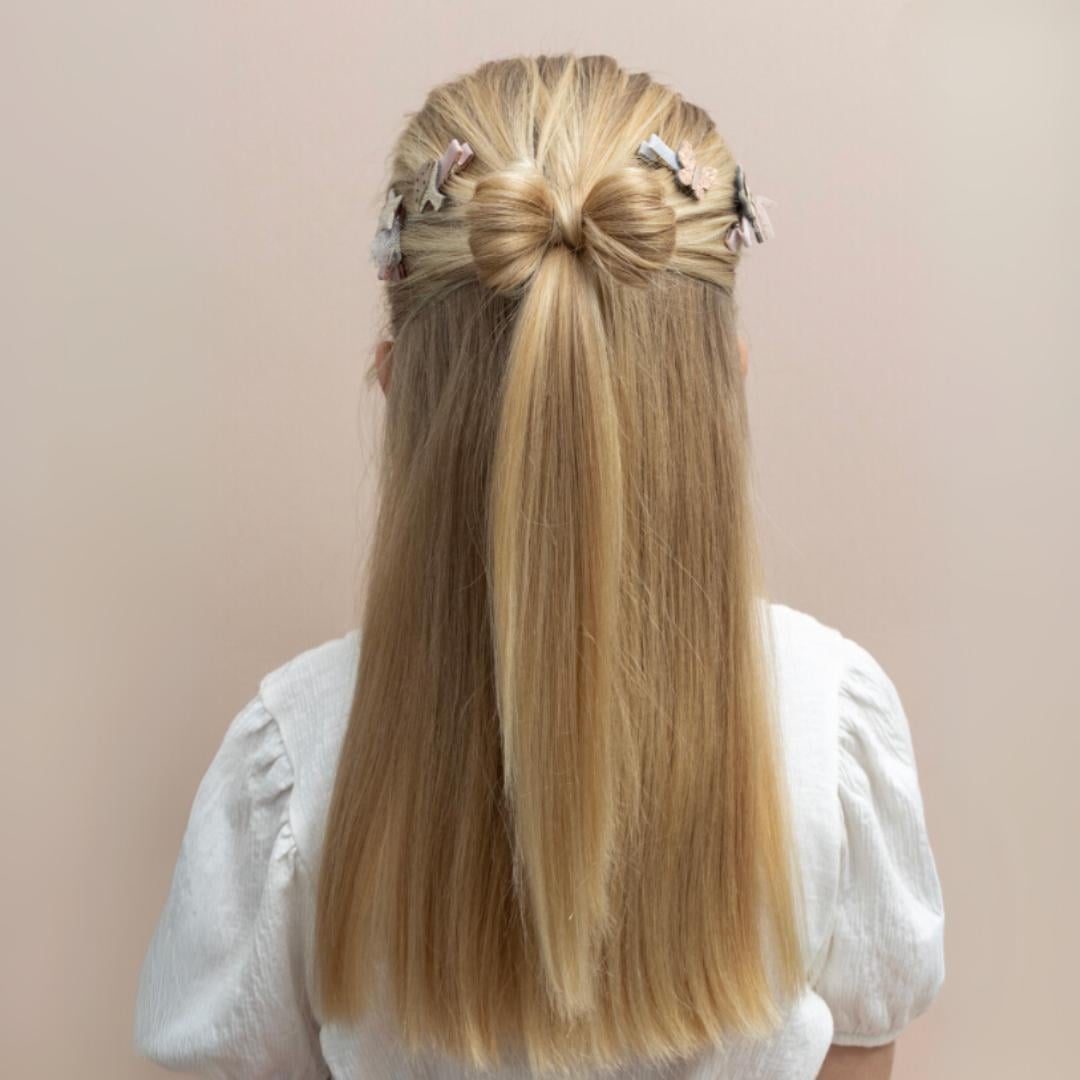
This Blonde Visual Idea is deceptively simple. The braided accent starts as a small three-strand braid from the crown, then pins back into the rest of the hair. The bow is a separate accent, not part of the braid. The cut is long and mid-back, with no layers to speak of, and no bangs. The texture is fine and straight, which actually helps the braid stay neat. No wrestling with thick sections here.
Visual Idea — The Parting Is Middle
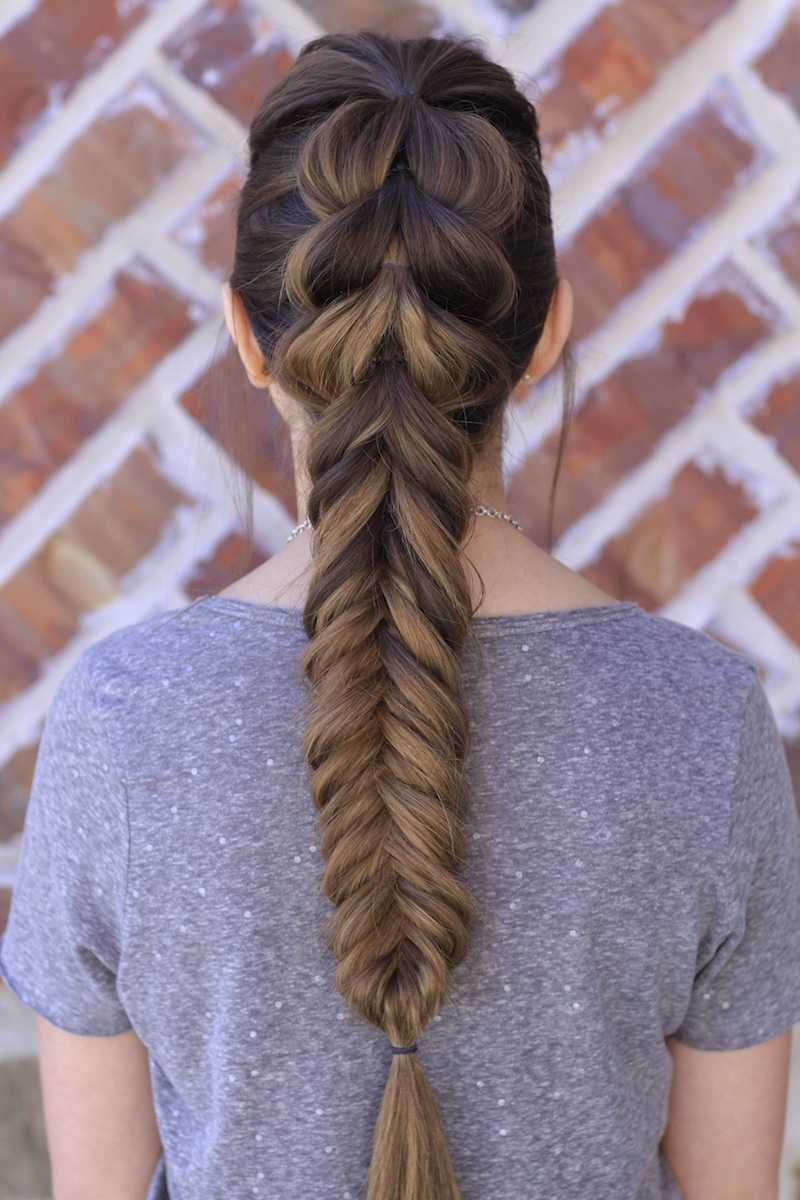
Ever wonder why some braids look like they took an hour and others look like they took ten minutes? This Visual Idea — The Parting Is Middle falls firmly in the first camp. Unlike a simple three-strand braid, this pull-through fishtail requires sectioning and pulling strands through gaps. The cut is long and mid-back, with visible layers that add texture. The thick straight hair holds the shape well, and the middle parting keeps it symmetrical. It’s more complex than a Dutch braid, but the result is a woven look that stays put all day. But it’s worth the extra effort.
Braids And Loose Hair Visual Idea
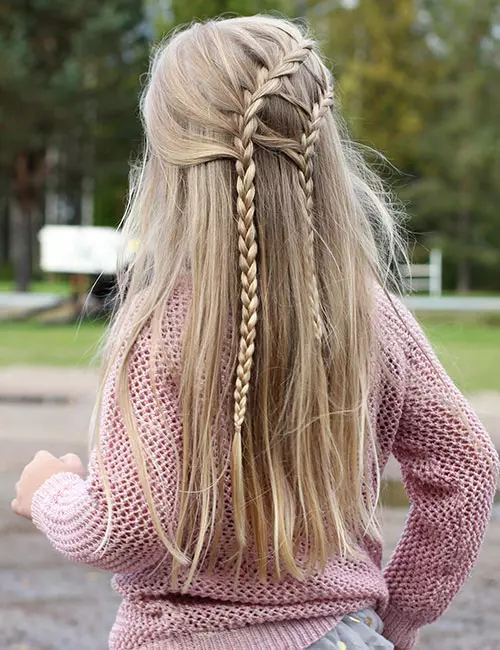
This half-up style with delicate braided strands works because the straight texture lets every twist read clearly. The cut is one-length with no layers, so the loose hair stays smooth. No bangs to compete with the braided accents. The middle part keeps it symmetrical, and the long length gives the braids room to travel.
Who should try it? Anyone with straight hair who wants a polished look without full commitment. The braided strands add interest without pulling all the hair back, so it suits oval and heart-shaped faces that can handle a middle part. Straight hair benefits because the braids hold their shape without extra product, and the loose section falls in a sleek curtain. Skip if your hair is very fine — the loose part may look sparse next to the braided detail.
Medium Brown Visual Idea
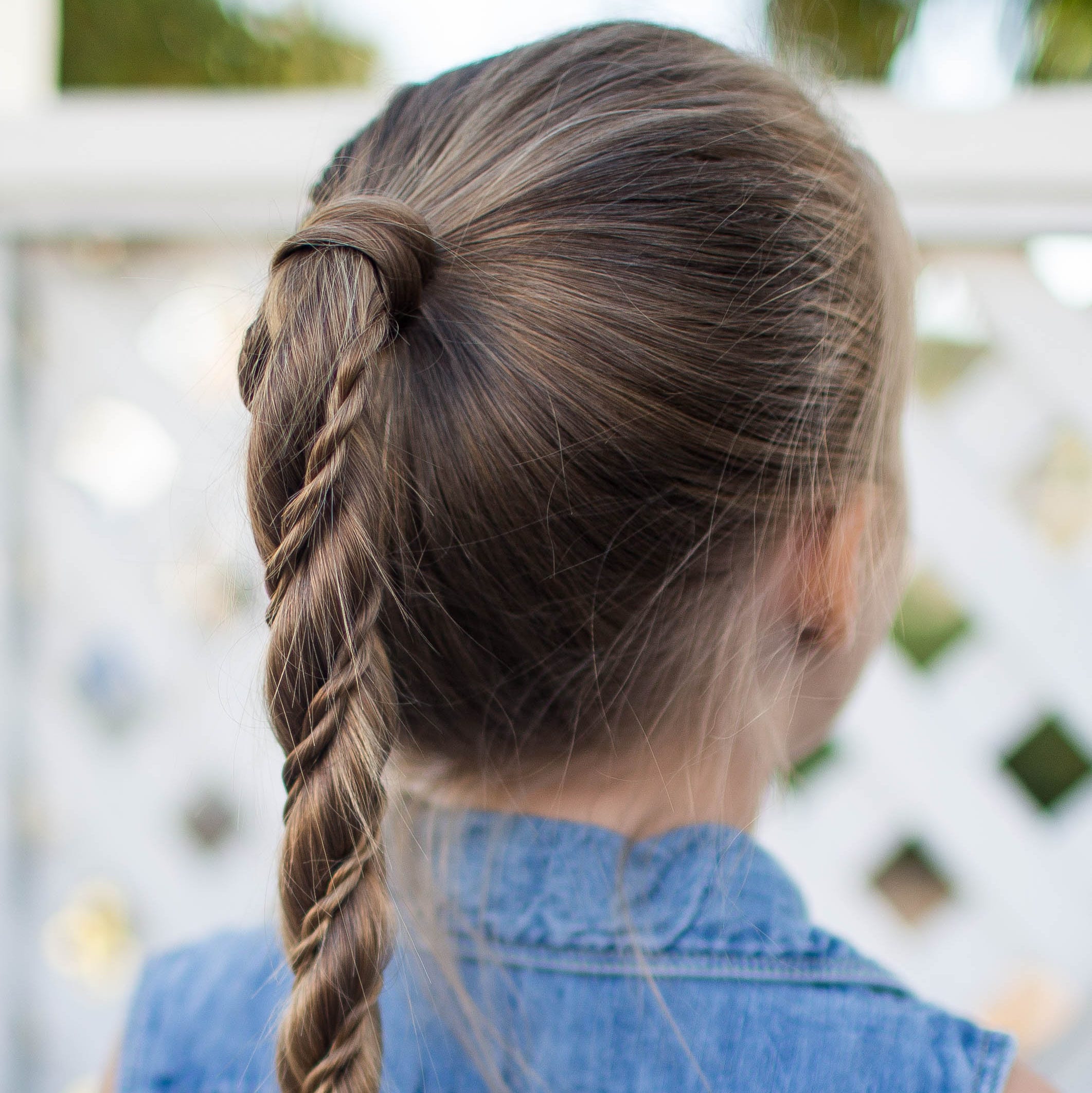
I’ll admit, I was skeptical about how a single braid would hold in thick wavy hair. The cut is long with subtle layers to manage the volume, and no bangs to interrupt the line. The braid looks intricate but by day two, frizz appears at the nape and the braid loosens. A salon does it tighter than I can at home, and the medium brown color hides frizz better than lighter shades. The honest downside: expect to refresh the braid or tame flyaways.
Brown Visual Idea
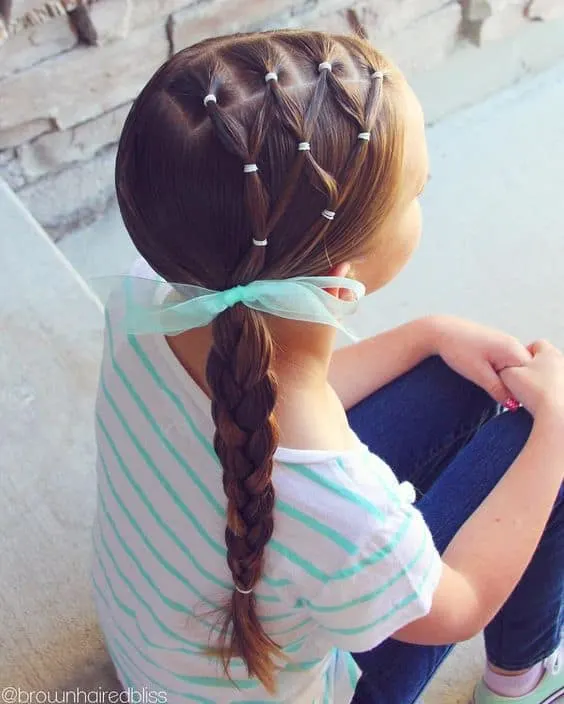
This is not a quick morning braid. The intricate pattern uses a Dutch braid technique — the strands cross under instead of over — which makes the braid sit raised against the scalp. The pigtails are parted precisely down the middle, and the decorative elements, likely small ribbons or charms, are woven in at regular intervals. The straight, medium-density texture holds the pattern sharp, and the one-length cut with no bangs keeps the focus on the braid work. Each section is divided into three strands, and the under-cross creates a visible ridge that stands out against the brown color. The braids are then secured with clear elastics, and the decorations are added at even spacing to maintain symmetry.
No Bangs Visual Idea
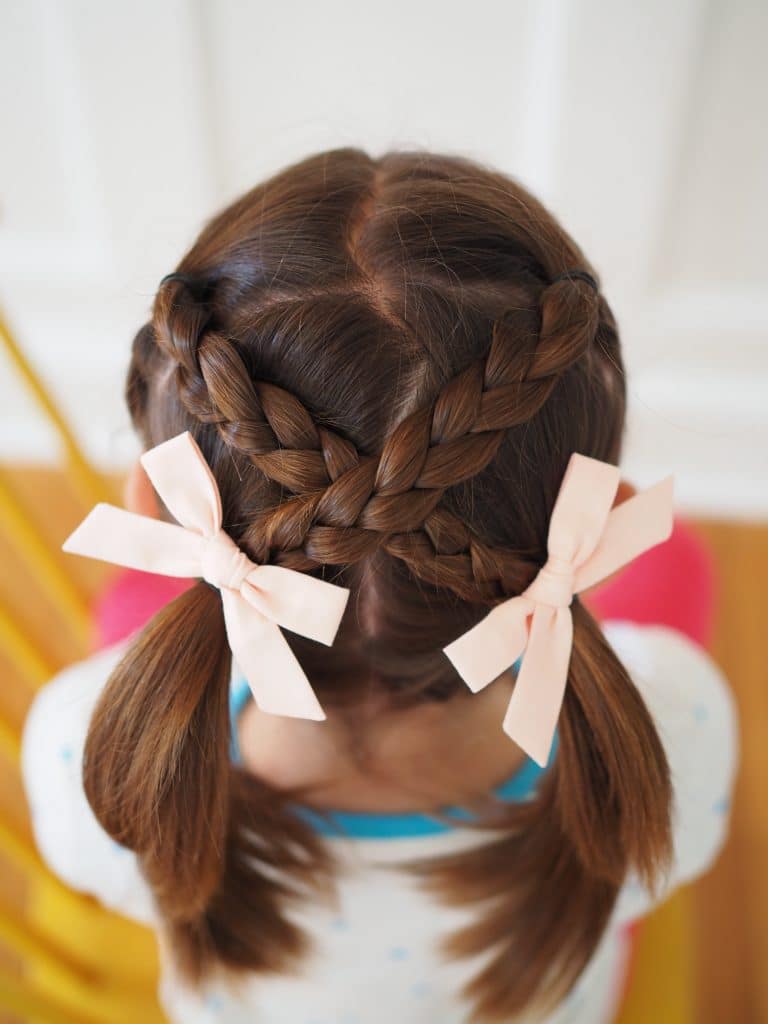
Why settle for one braid when you can have two? Double braided pigtails, like these with neatly tied bows, offer symmetry and more visual interest than a single pigtail. The middle part divides the hair evenly, and the straight texture keeps each braid smooth and defined. No bangs means the focus stays on the braids and the bows.
I’d pick the double version every time. The two braids frame the face more evenly, and the bows at the ends add a playful detail that a single pigtail can’t match. The cut is long and one-length, so the braids hang at the same level. For straight, medium-density hair, this is a polished look that feels intentional without being fussy. The symmetry of double braids suits oval and heart-shaped faces better than a single off-center braid.
Braids Visual Idea
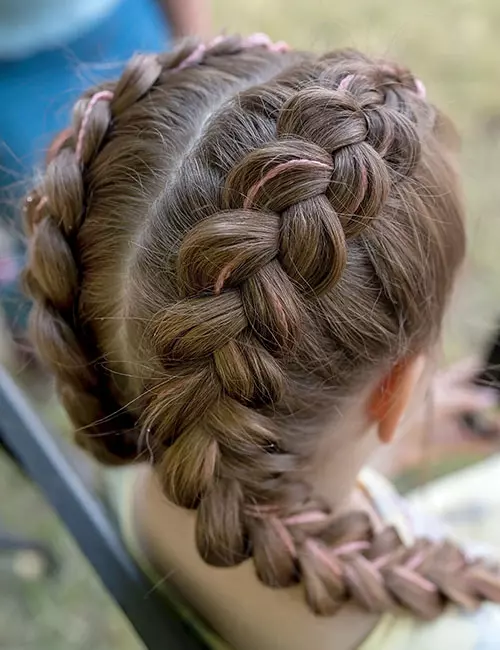
Double Dutch braids rely on tension and clean partings, which straight hair delivers without resistance. The cut is long with no layers, so every strand lies flat and the braids stay tight against the scalp. No bangs means the part is uninterrupted from forehead to nape. The straight texture also makes the pink accents pop — they weave in without snagging. This style suits anyone with straight hair who wants a neat, long-lasting braid. Skip if your hair is wavy or curly, unless you’re willing to blow-dry straight first.
Shoulder Visual Idea
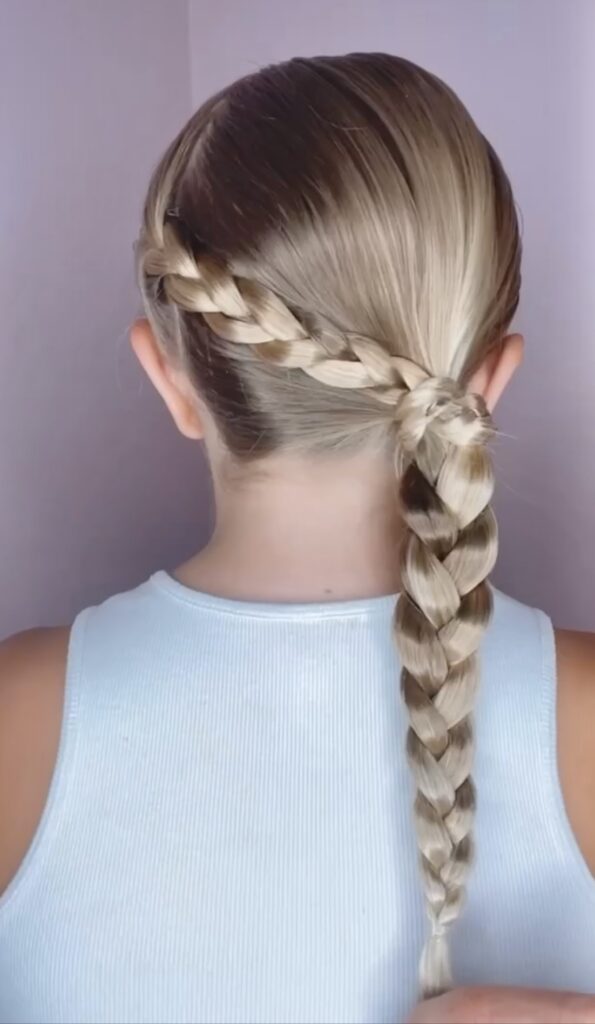
I’ll admit it — this braid-and-ponytail combo on thick, straight hair looks polished, but it needs a second pair of hands. The shoulder-length cut with no layers means the braid stays clean, but the ponytail base loosens by lunch. A trim every six weeks keeps the ends from splitting. You can attempt it at home with a mirror, but the salon version lasts longer. The honest downside: the weight of thick hair in a ponytail can pull at your scalp by third period. It’s a trade-off between polish and pain, but it beats having hair in your face during a pop quiz.
Medium Brown With Blonde Highlights Visual Idea
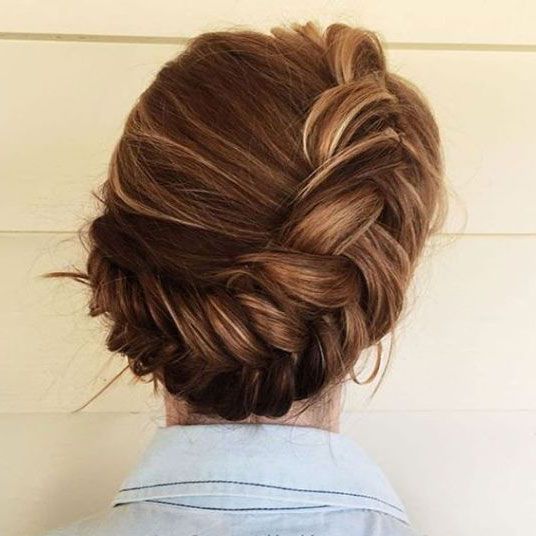
This is a salon-only updo, full stop. The cut features long layers that let each strand separate cleanly. No bangs keeps the front clean. Length hits mid-back. Medium brown with blonde highlights creates visible depth in the woven pattern. A middle part keeps it symmetrical. The braiding goes: a low ponytail base, then three sections twisted and pinned into a coiled shape. The wavy texture grips the pins better than straight hair would. Without those layers, the braid would look flat. Each loop gets its own pin, which is why it stays tight all day. The highlights are babylights, placed to catch light, and that detail makes the braid look expensive. It takes about 45 minutes if you know what you’re doing.
Back View Visual Idea
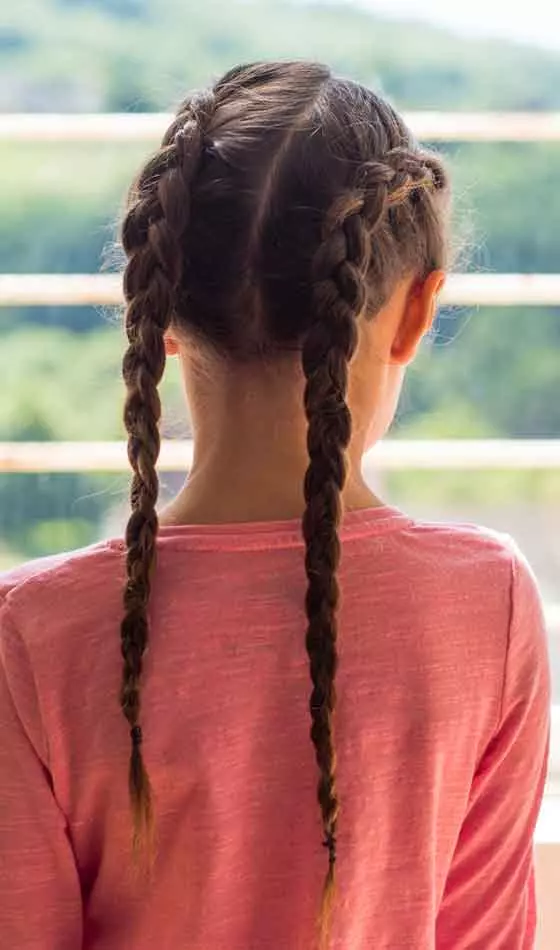
Ever wondered why some braids look tidy all day and others unravel by noon? These two neat, thick braids win over looser styles every time. The straight, thick texture locks each section in place. At mid-back length, there’s enough hair for a substantial braid. A blunt cut with no layers and no bangs means no flyaways. Compared to a messy side braid, this is the definition of ‘set it and forget it’. Middle part keeps it balanced. Dark brown color hides any small imperfections.
Layers Visual Idea
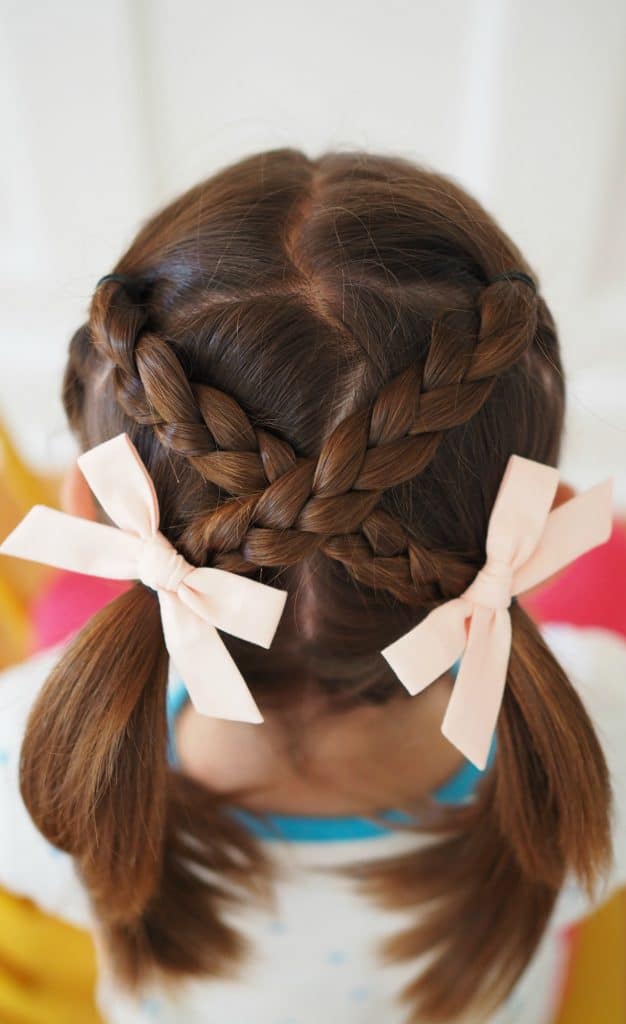
Fine hair usually hates layers, but these double braided pigtails prove otherwise. The shoulder-length cut with soft layers creates enough texture that the braid doesn’t slip. Straight, fine hair gains visible volume from the braiding itself. No bangs here, just a neat part. A middle part splits the density evenly. Who should pass: if your hair is very fine and short, the braids will look like dental floss. The salon-leaning part is the layering — too aggressive and you lose body. Pink bows add a playful note, but you can swap for plain elastics. The layers should be long and subtle, not choppy. That way you keep the density you have.
Ponytail Visual Idea
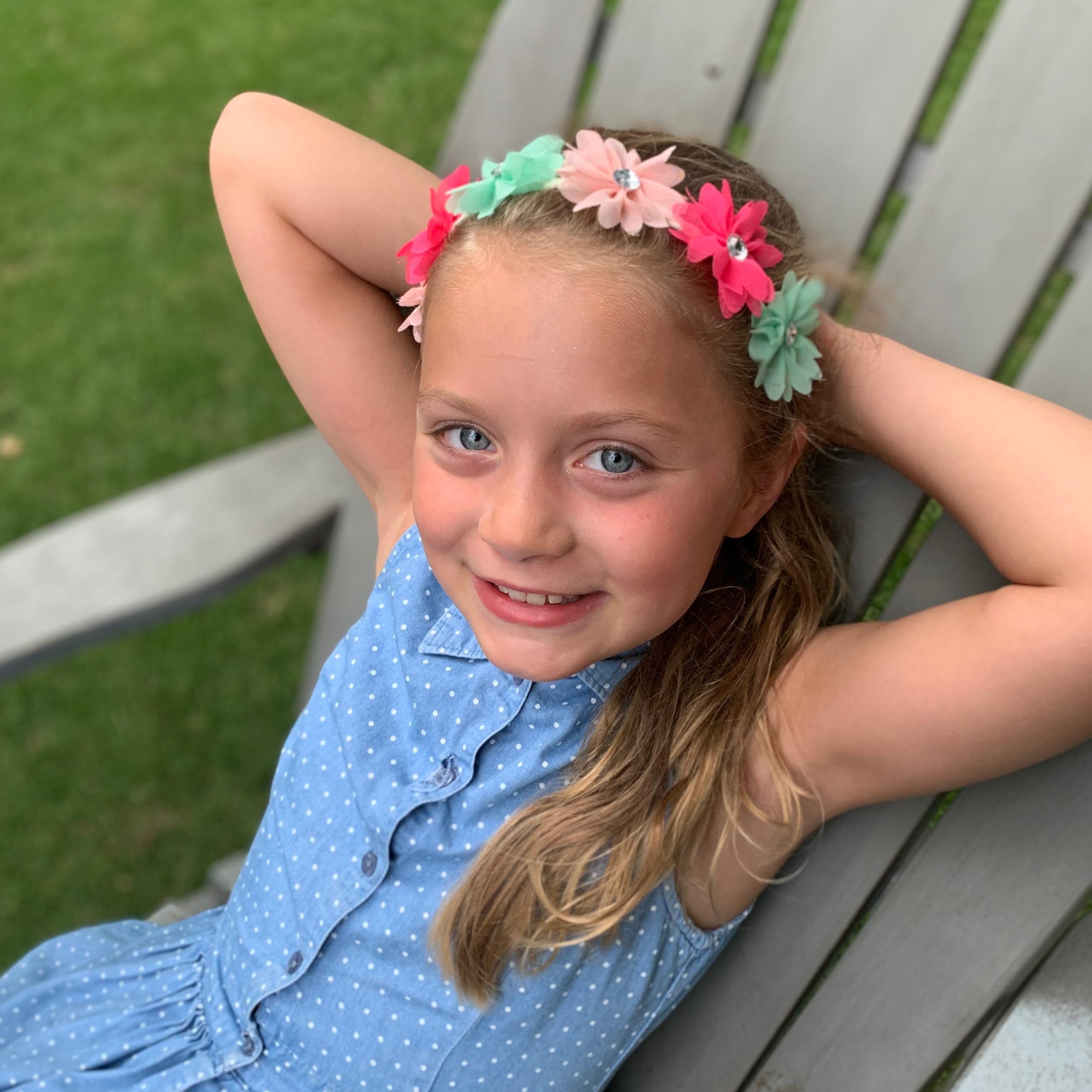
I wanted to love the flower crown, but it’s more photo shoot than Monday morning. The ponytail itself works fine: thick straight hair keeps it smooth, and a middle part makes it look intentional. Mid-back length gives the pony weight, so it swings without flopping. No bangs means no front pieces to worry about. The cut is straight across with no layers, so the ponytail is a clean block. On day two, the flower crown is unwearable, but the ponytail itself can be redone easily. A high ponytail would be more practical, but this mid-back length gives it a softer look.
The honest downside: the flower crown gets caught on jacket hoods and backpacks. By third period you’ll be pushing it back into place. It’s not the worst choice for a spirit week, but for daily wear it’s a liability. If you’re set on the idea, use a strong elastic and pin the crown in at four points. Otherwise, stick with a plain elastic and save the flowers for picture day. Also, if you have thick hair, the weight of the crown can cause tension headaches.
Black Visual Idea
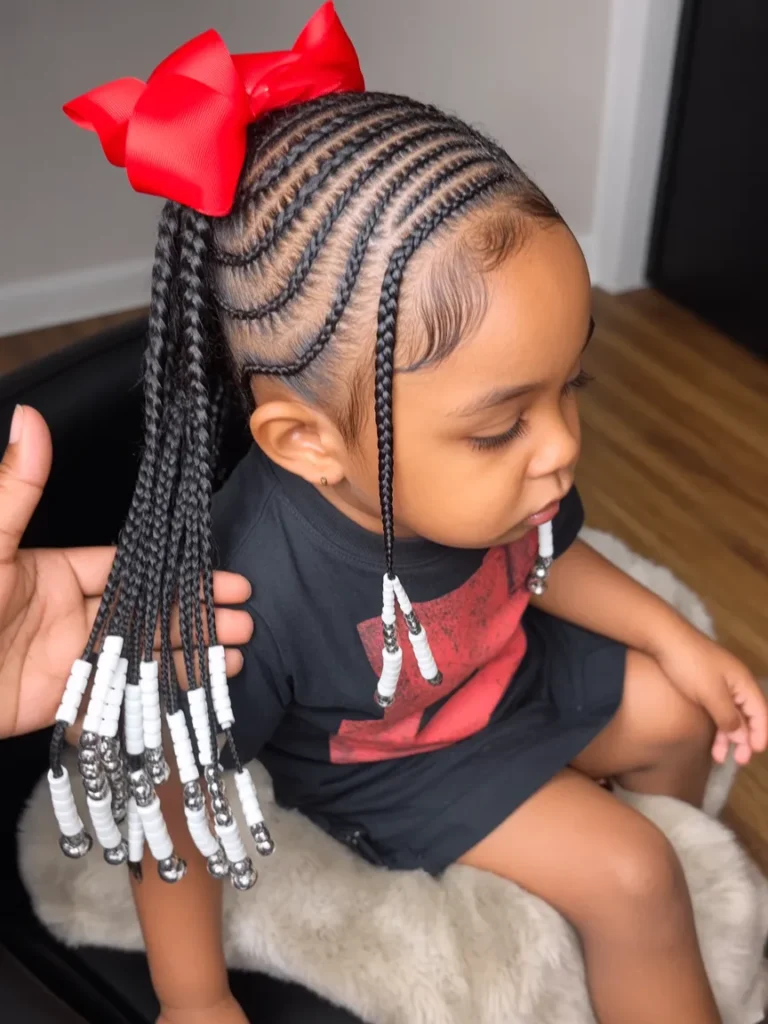
This is the kind of braid work that makes you stop scrolling. The cornrow pattern runs from the front hairline straight back, each row the same width, ending at the mid-back. No layers, just a clean one-length foundation. The beads are spaced every few inches, silver and black, and a small bow sits at the nape. The texture is coily, which holds the braids tight and shiny. No bangs, so the forehead is bare, the middle parting symmetrical. It’s a look that takes hours to install and weeks to wear.
Middle Visual Idea
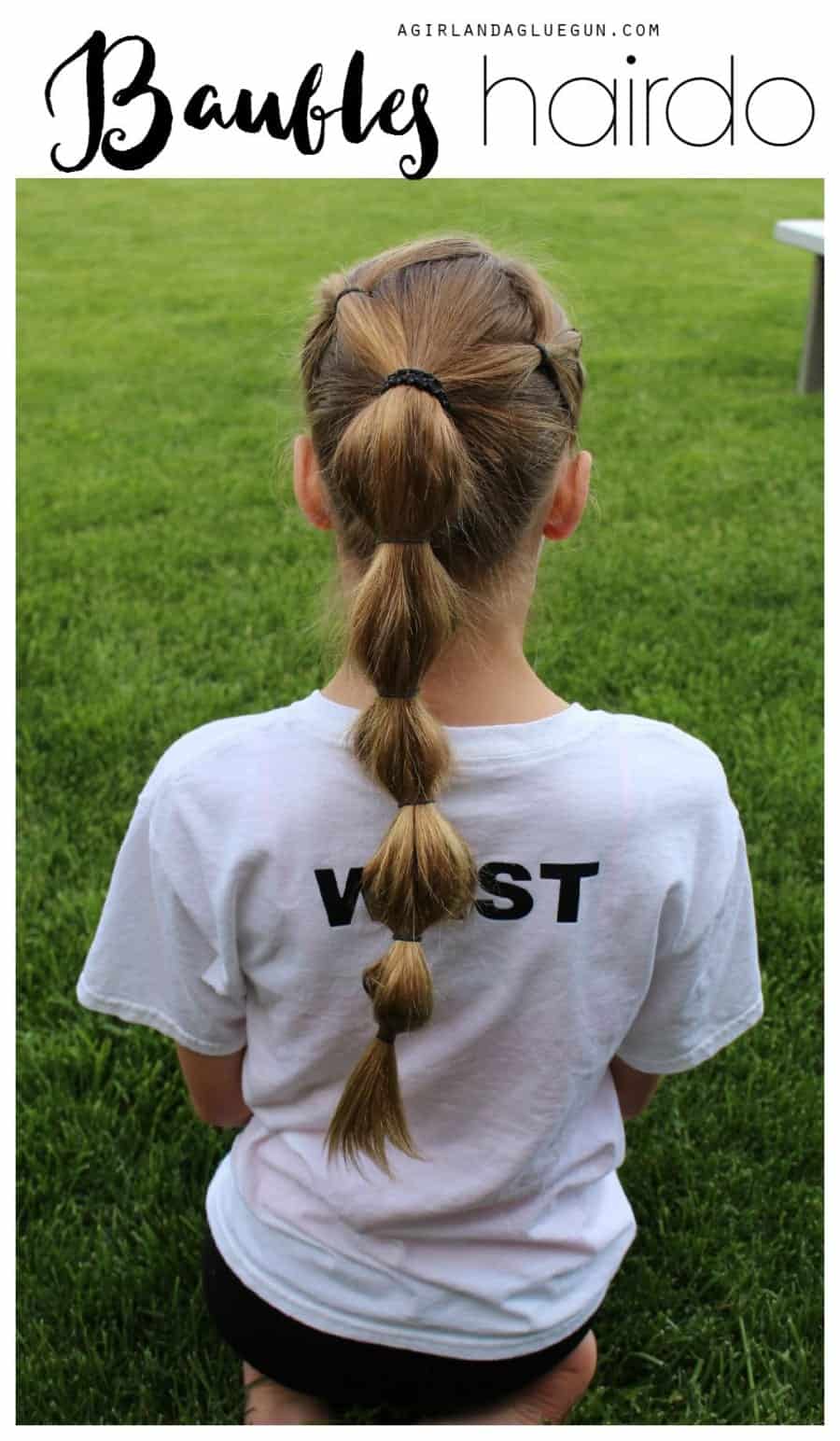
What makes a bubble ponytail worth the extra elastics compared to a regular one? The answer is in the volume. A standard ponytail hangs flat, but this one sections the hair into five or six bubbles, each pulled gently to puff out. The cut is long, reaching mid-back, with no layers — layers would break the even puff. The texture is straight and thick, which holds the bubble shape without frizz. No bangs, so the forehead is clear, the middle parting clean. The braids at the base add a twist that a plain ponytail lacks. It’s a salon-leaning look, but the effect is more polished than a quick ponytail.
Collarbone Visual Idea
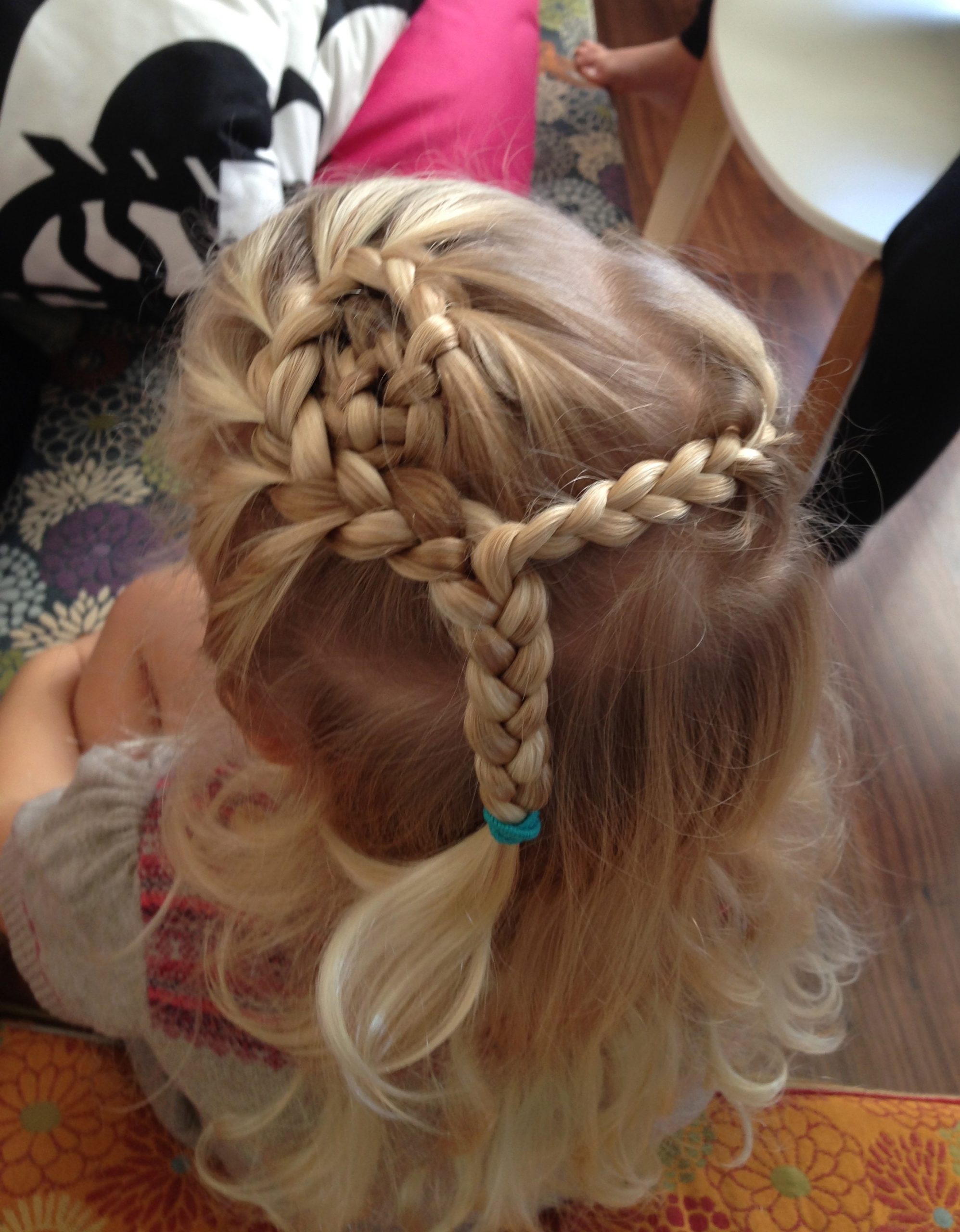
Neat cornrows at collarbone length suit anyone who wants a low-maintenance style that lasts weeks. The cut is all braids, no layers, just clean sections from the front hairline to the collarbone. The texture is coily, which holds the braids tight and prevents slipping. No bangs, so the face is framed by the rows. This is a salon job, not a bathroom-mirror project — the parting needs precision. It flatters coily hair best; straight or wavy textures won’t hold as well.
Platinum Blonde Visual Idea
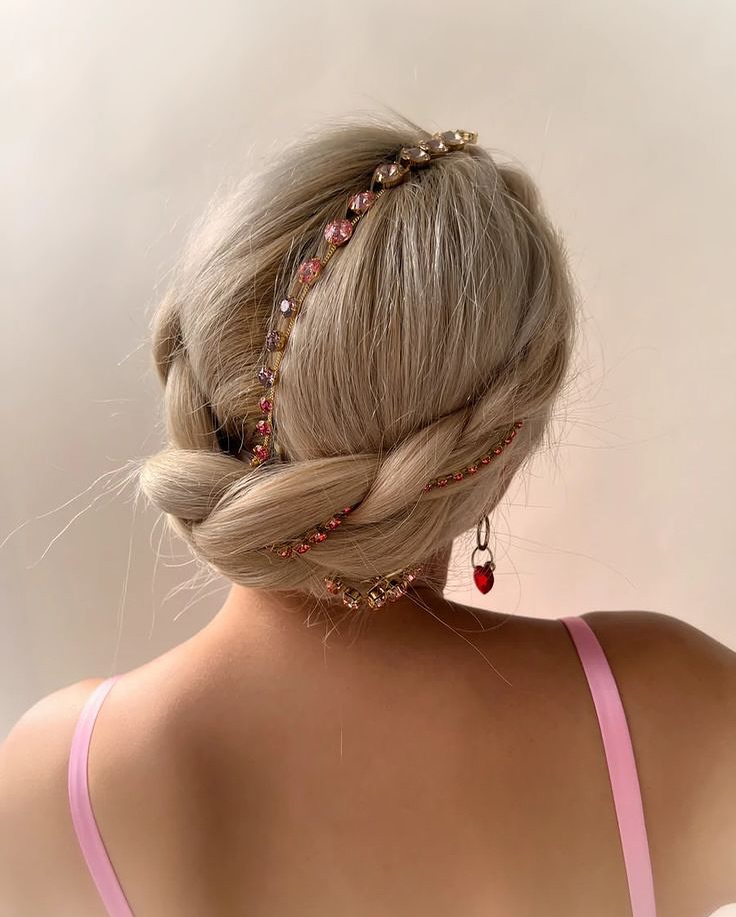
I’ll admit: I love the look of a braided updo with a jeweled headband, but I also know it’s not a five-minute style. The cut has layers, which give the braids texture and prevent them from looking flat. The length is long, so there’s enough hair to wrap into a full updo. The texture is wavy and thick, which holds the braids well but also means more bulk to manage. No bangs, so the headband sits cleanly across the forehead.
The honest downside is the daily commitment. This updo requires pinning and re-pinning every morning to keep the braids tight. The jeweled headband adds a festive touch, but it can shift if not secured. By the end of a school week, the braids may loosen, and the platinum blonde shows every bit of dirt. It’s a look for a special day, not everyday wear.
Braid And Pigtails Visual Idea
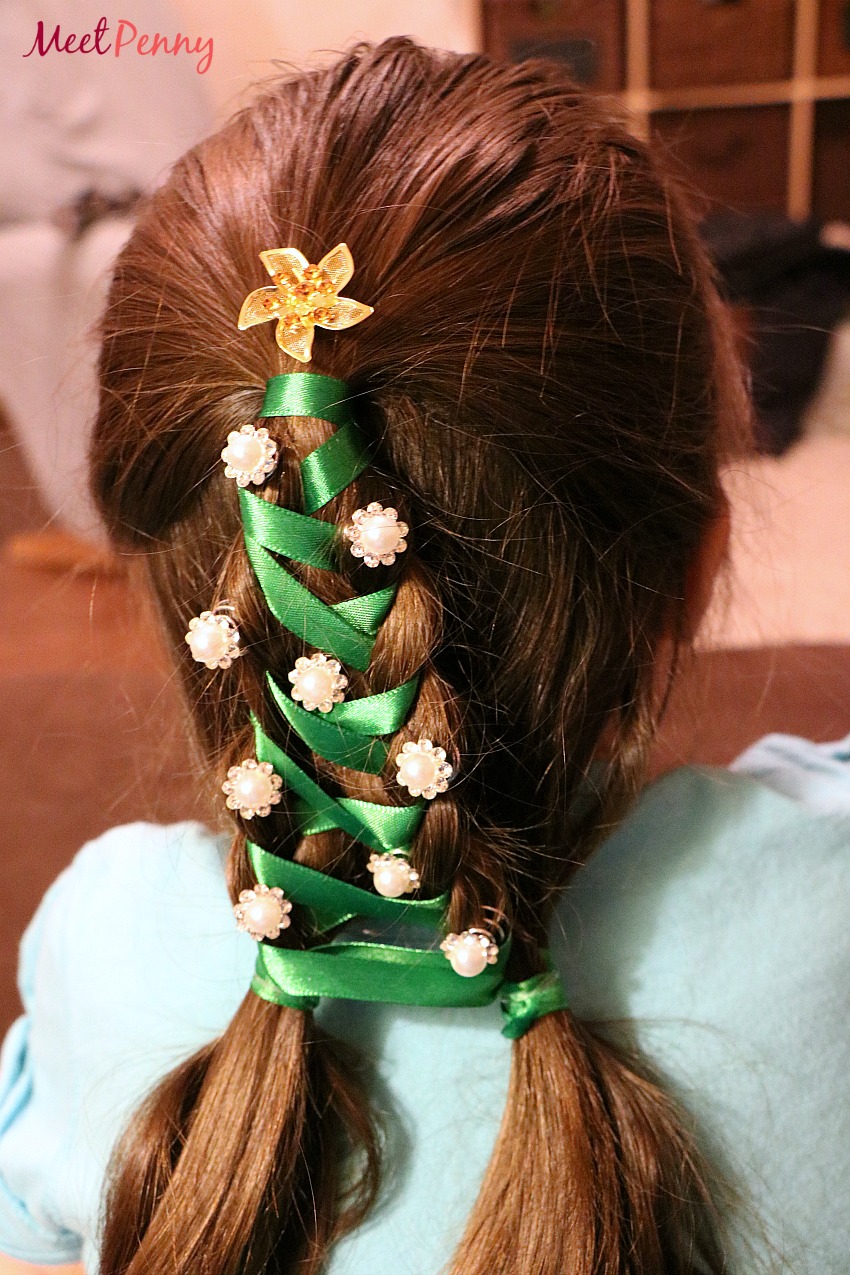
This is the kind of braid that makes you want to learn ribbon weaving. The cut is a central braid with two pigtails on each side, all starting from a middle parting. The length is mid-back, so there’s enough hair to create a thick central braid. No layers, because layers would make the ribbon slip uneven. The texture is straight, which keeps the ribbon flat and visible. The technique: you fold a long green ribbon in half, tuck the loop at the top of the braid, then cross the two ends over each strand as you braid. No bangs, so the forehead is clear. The ribbon ends tie at the bottom.
Visual Idea — A Side View Shows A Fine
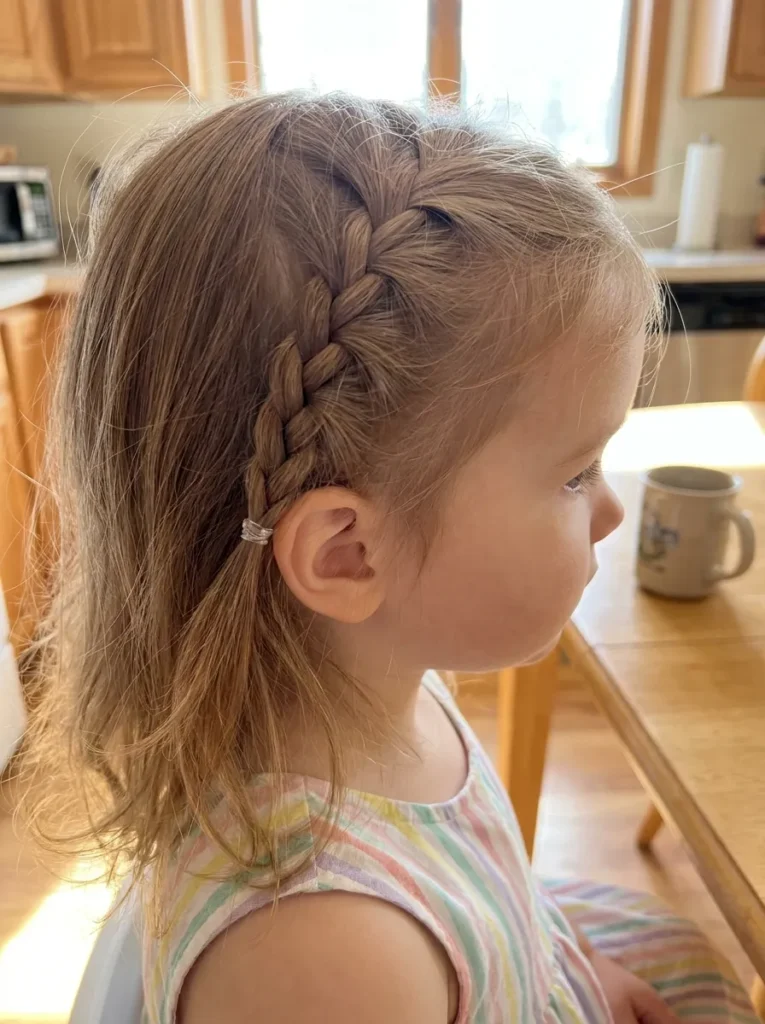
Ever notice how a side braid with wispy bangs changes the whole shape? This shoulder-length cut keeps the length right at the collarbone, with subtle layers that let the waves fall loose. The wispy bangs soften the forehead without the weight of full fringe, and the single braid pulls the eye sideways. Compared to a no-bangs style, this one adds movement where you need it most. The texture stays wavy, not flat, which is rare for a school day.
Two Braids With Ribbons And Charms Visual Idea
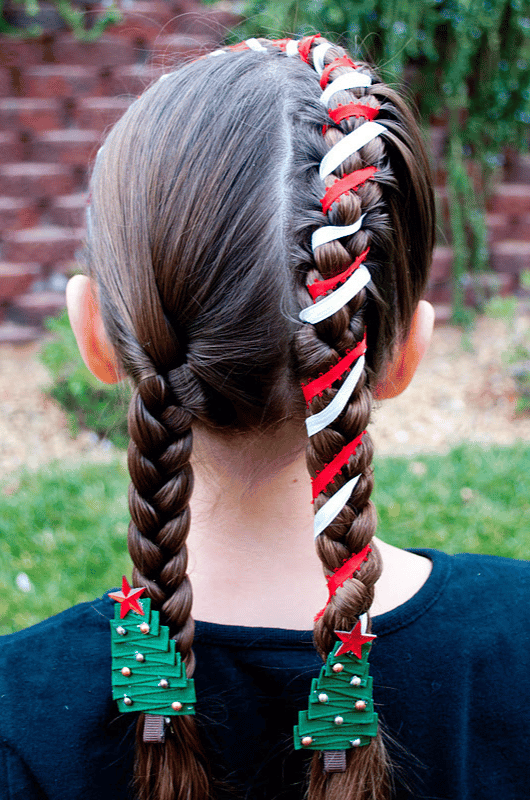
Two braids with ribbons and charms look festive, but I’m skeptical about the reality. The cut needs to be blunt at mid-back with minimal layers, otherwise the braids slip. No bangs keep the focus on the accessories. Straight texture actually works in your favor here: ribbons stay put and charms don’t tangle in waves. When you ask your stylist, request a blunt hemline, no face-framing layers, and a middle part. The length should hit the middle of your back so the braids sit neatly. The straight texture means you can skip texturizing spray. The ribbons and charms are the star, not the cut.
Side View Visual Idea
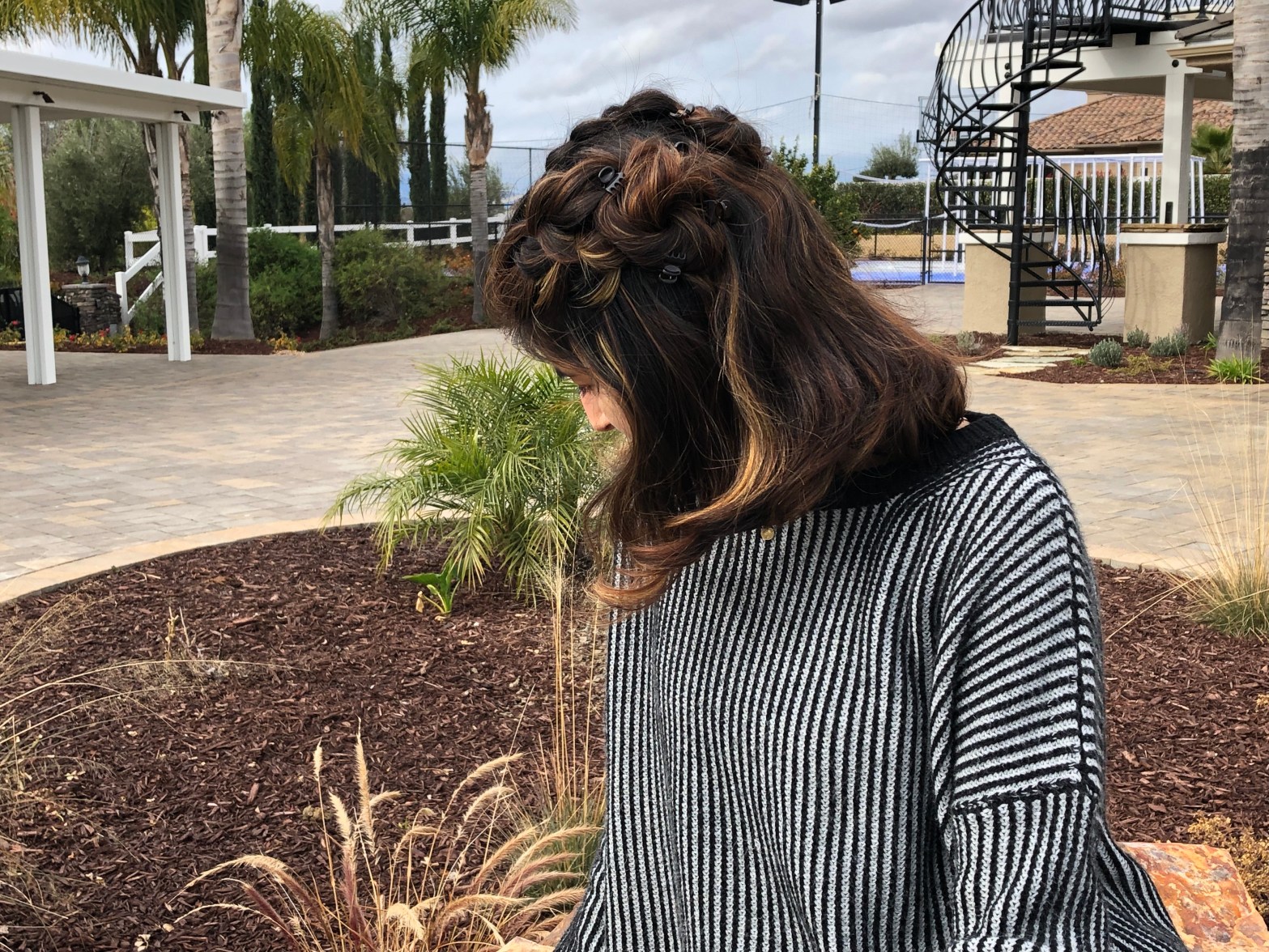
I’ll confess: double dutch braids on thick wavy hair are not a five-minute job. This shoulder-length cut with subtle layers reduces bulk so the braids stay tight. No bangs means the part stays clean. The wavy texture adds grip but also frizz, so you need a solid technique. I’d book a salon for the first time to get the tension right. The honest downside is that these braids take practice and can look messy if rushed. Upkeep means redoing them every two days, not every week.
Long Hair Visual Idea
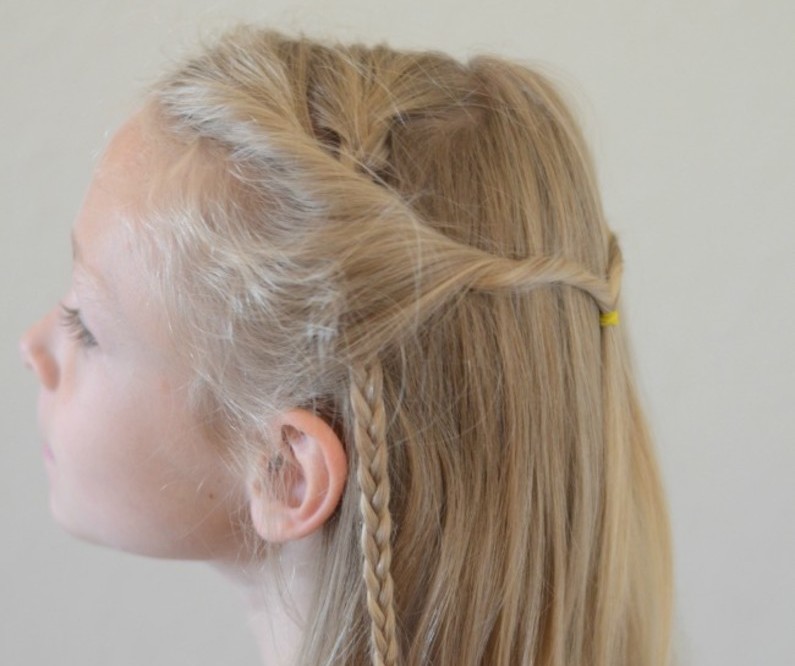
Winter Hairstyles for School: two braided buns on fine straight hair work better than I thought. The cut is long, mid-back, with no bangs and a middle part. Fine hair needs a trick: section each side, braid tightly to the ends, then coil the braid into a flat bun and pin. The technique matters — use small elastics at the braid ends and tuck the tail under. Straight texture lets the buns sit smooth without frizz. I tried this on a Tuesday and it held through three classes. No flyaways.
Light Brown Visual Idea
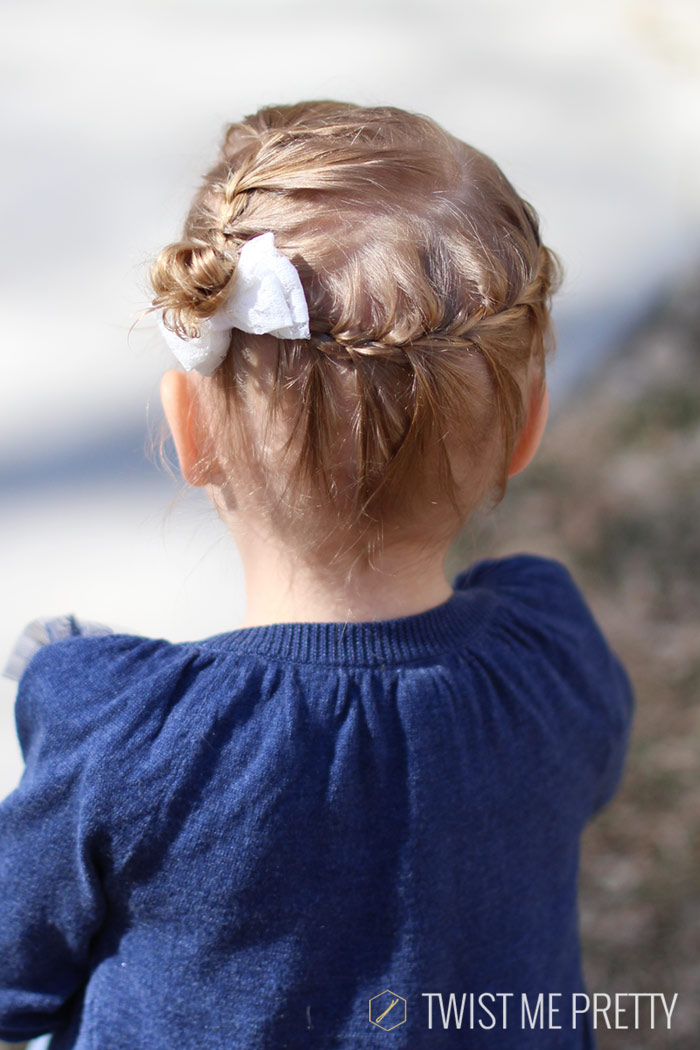
Winter Hairstyles for School: why add a bow when a simple updo works? This braided updo on light brown shoulder-length hair uses decorative braids and a bow at the back. The cut has no layers — that keeps the braids clean. Texture is wavy and fine, so the braids need a firm hold. Compared to a plain bun, this one takes more pinning but gives a finished look that stands out in a hallway of ponytails. The bow is the difference between done and dressed.
Medium Blonde Visual Idea
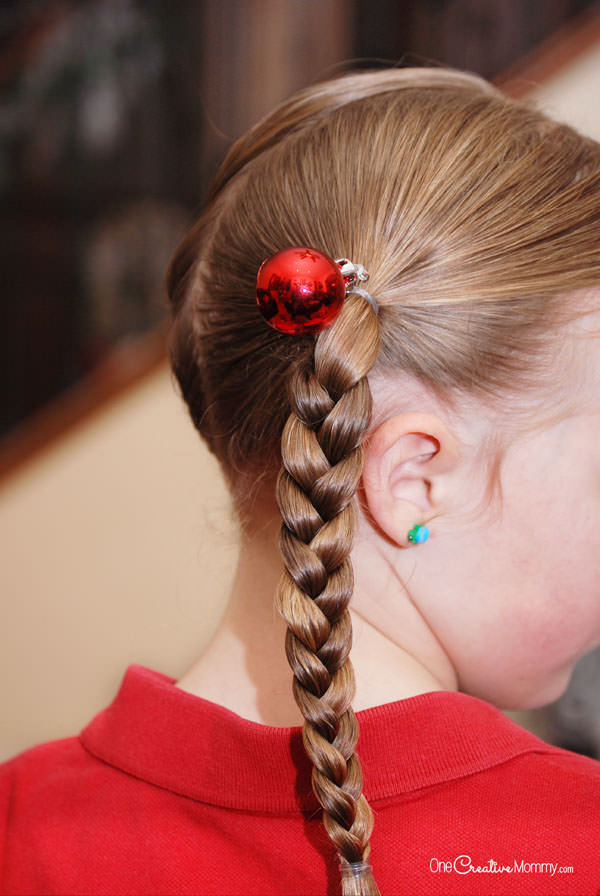
A braid on thick, straight hair is a different beast from a braid on fine hair. The cut here is long layers, which keep the braid from looking like a solid rope — each layer catches the light separately. No bangs, so the middle part runs clean from forehead to nape. The length is mid-back, which gives enough weight to pull the braid tight without it slipping. Texture is straight and thick, so the braid holds its shape all day, but getting every section even takes a solid fifteen minutes. That festive red ornament is a finishing touch that adds another minute. This is not a rushed-morning style; it’s a weekend or evening look.
Braid Visual Idea
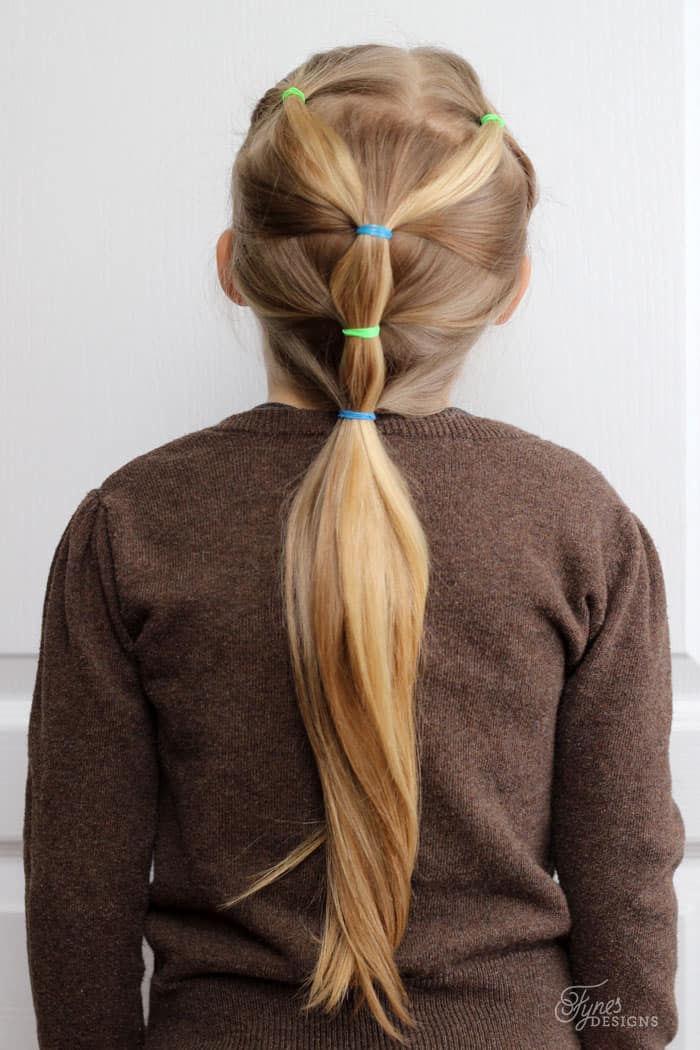
I’ll admit, I used to think braids were only for summer festivals. But this one — with its intricate sections and middle part — feels made for winter. The cut has layers throughout, which give the braid texture and prevent it from looking flat. No bangs, so the parting stays clean. The length is mid-back, long enough to braid without the ends escaping. Texture is wavy, which adds grip but also means the braid can loosen and frizz by afternoon.
Upkeep means re-braiding every day or two if you want it crisp. DIY is possible if you’re patient, but the first time I’d book a salon — the sections need to be even for the pattern to show. The honest downside: wavy hair loses definition in braids faster than straight hair. By hour six, the waves start pushing through and the braid looks lived-in. That’s fine for school, but not for a formal event.
Back View Full Body Crop Visual Idea
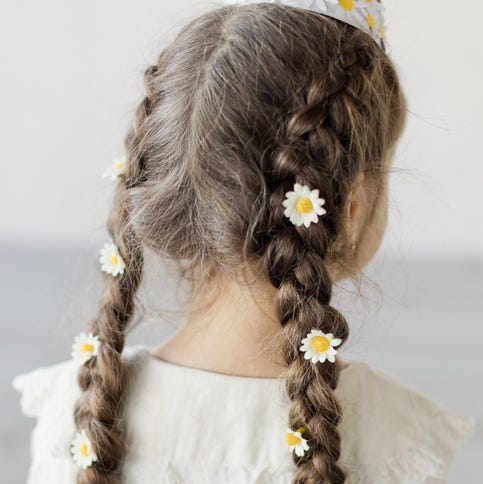
This is the kind of braid that takes an hour, minimum. The cut is long, with subtle layers that keep the Dutch braids from looking bulky. No bangs, so the middle part stays precise from crown to nape. The length is mid-back, which gives enough hair for two substantial braids. Texture is straight and thick, which means each section stays smooth as you braid — no flyaways. The decorative beads are the time sink: threading each one onto a section and securing it takes patience. This is not a last-minute style; it’s a planned one.
Visual Idea — A Back View Of A Young Girl With Fine
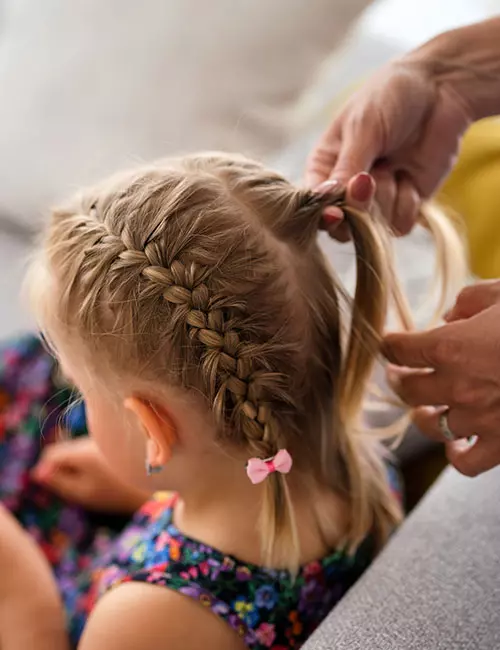
Ever notice how a fishtail braid on fine hair looks almost delicate, not thin? This one lands at shoulder length with subtle layers that keep the braid from slipping apart by second period. No bangs, so the middle part does the work of framing without extra upkeep. On thick hair, a fishtail reads chunky. Here, it reads intentional, a neat winter line under a coat collar. Fine hair can braid too.
Pigtails Braids Visual Idea
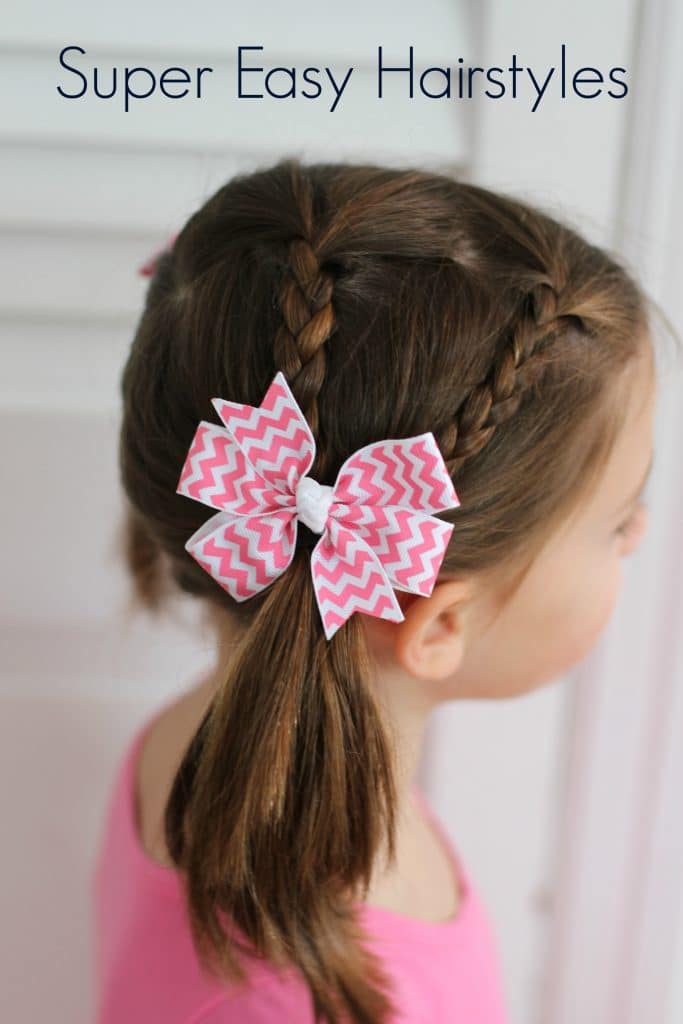
Notice the bow first, then the braids. That is the order of operations here. Medium brown, straight, mid-back length with no bangs and a middle part, the pigtails sit at the nape, not the ears, which keeps them school-appropriate. The large decorative bow is not an afterthought, it is the anchor. On medium density hair like this, the bow adds visual weight where the braids alone would read too thin. To get close at home, section cleanly, braid to the ends, tie small clear elastics, then clip the bow over both. The bow does the heavy lifting.
Final Thoughts
After writing all 40 of these, I keep coming back to the same thought: the braids that work best for school are the ones that look intentional but take less than ten minutes. The fishtail with twisted accents surprised me — I thought it would take forever, but it’s just two sections and a few twists. That’s the one I’m practicing next.